Do This for Your Michigan Peonies in November and Enjoy Bigger Blooms Next Year
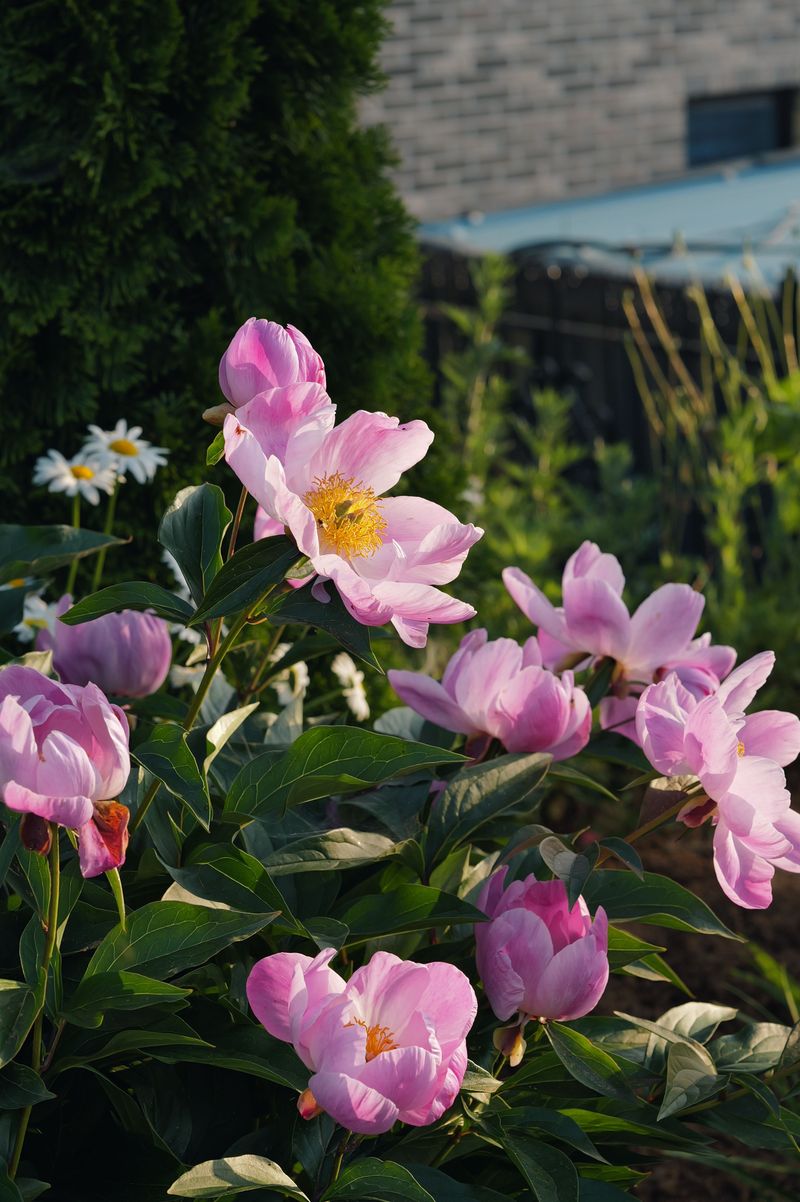
Some garden plants can keep flowering in the same spot for 50 years or more. Many of them outlive the gardeners who planted them, passed from grandparent to grandchild like a family recipe.
I love that kind of staying power. Yet even these tough old favorites have a quiet need every fall, and most of us walk right past it. The leaves flop, the stems go brown, and we shrug.
That floppy mess holds more than you might expect. Fungus spores can hide in it all winter, waiting for warm spring rain. Meanwhile, the roots below are packing away food for next June.
Here in Michigan, November gives you one last calm window before the snow settles in. A sharp pair of shears and maybe twenty minutes is all it takes. So what exactly should you snip, toss, and leave alone before winter arrives?
1. Those Brown Peony Stems Are Hiding a Winter Secret
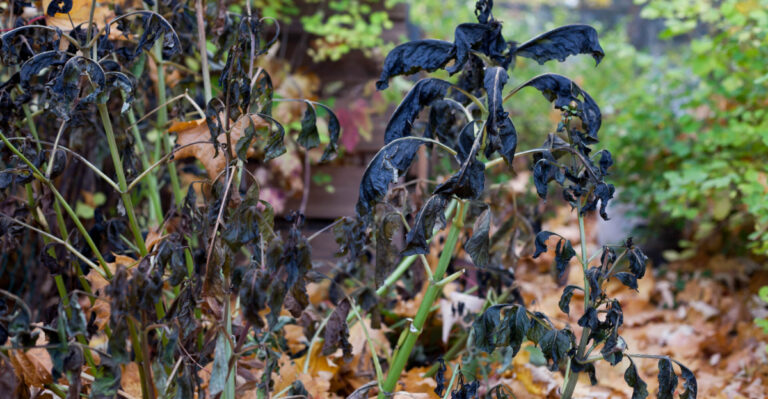
Brown, sagging peony leaves look like the plant has given up for the year. Underneath that tired top growth, though, the real action is happening in the thick storage roots.
All summer, those leaves worked like little solar panels. They turned sunlight into sugars and sent that food down to the roots. Next spring, the plant pulls from that pantry to push up stems and form flower buds.
Once a hard frost hits, the leaves are finished with that job. Now they turn into a liability. Botrytis blight, the most common peony disease in Michigan, survives winter on old stems and leaves left in the bed, according to Michigan State University Extension.
In spring, those hidden spores can splash onto new shoots during rainy weather. You may then see shoots that wilt and blacken at the base, or buds that turn brown and never open. Few things sting more than watching fat buds fizzle out in June.
So the big November job is simple. Cut back the old foliage and clear it away. It protects the roots’ hard-earned energy from going to waste on disease recovery, and it sets you up for a cleaner, fuller show next year.
2. Grab Your Pruners and Cut Peony Stems Close to the Ground
Timing this chore is easier than you think. Wait until frost has blackened or browned the leaves, which in most of the Lower Peninsula lands in late October or November. Up north and in the U.P., it often comes a few weeks earlier.
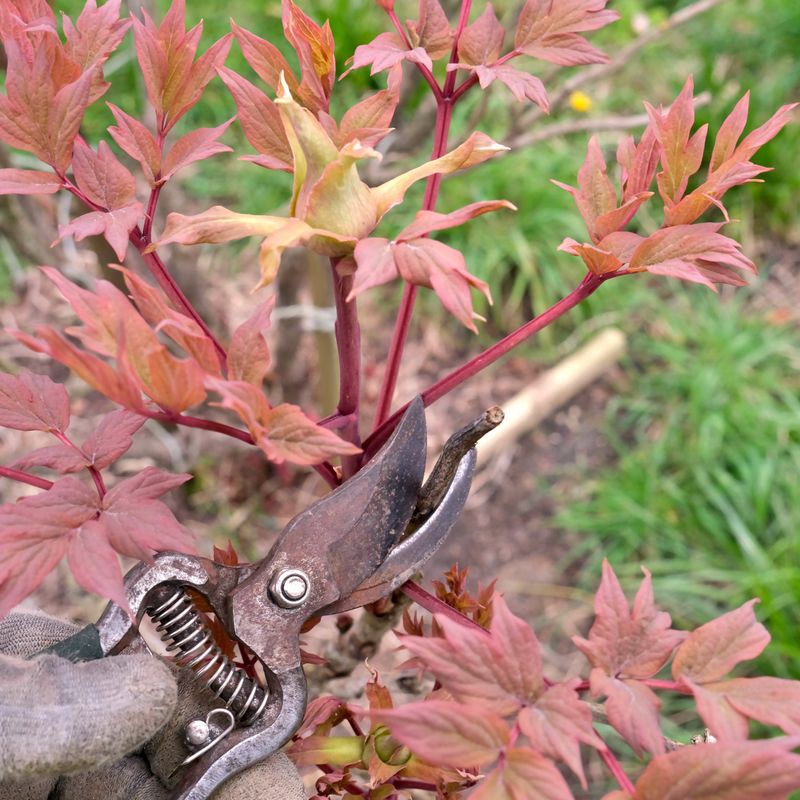
Grab a clean, sharp pair of bypass pruners. Cut each stem down to about 1 to 3 inches above the soil. A short stub helps you remember where the plant sits, so you don’t dig into it by accident next spring.
Go easy around the crown, though. Brush back a bit of soil and you’ll likely spot small pink or red buds, often called eyes. Those are next year’s stems, so keep your blades well above them.
I like to wipe my pruners with rubbing alcohol or a household disinfectant between clumps. It takes seconds and helps keep any disease from hitching a ride to the next plant.
Your Michigan Garden Changes Every Week. Your Plan Should Too.
Gardening in Michigan changes quickly throughout the season. Every Friday you’ll receive a simple weekly plan showing exactly what to plant, prune, fertilize, harvest, and protect so you never miss the right timing.
One note for tree peonies, which have woody stems. Do not cut those to the ground. Just remove fallen leaves and trim out any broken or obviously diseased wood.
Their woody branches carry next spring’s flower buds, so heavy fall cutting would cost you blooms.
3. Bag Up Old Peony Leaves Instead of Tossing Them on the Compost
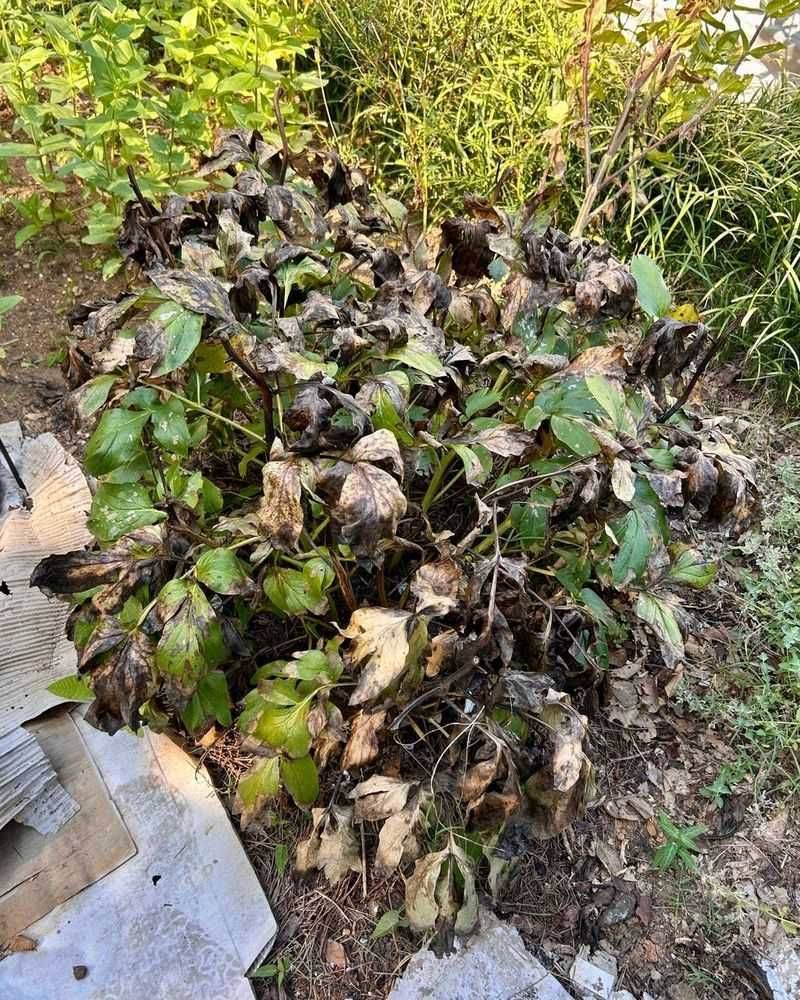
Cutting stems is only half the trick. Where those clippings end up matters just as much. Many of us love tossing every plant scrap onto the compost pile.
For peony foliage, I’d skip it. Home compost piles rarely get hot enough to reliably break down fungal spores like botrytis, so you could end up spreading the problem back into your beds next year.
A better plan is to bag the clippings and send them out with the trash. Many Michigan towns offer curbside yard waste collection into early December. Large municipal compost sites usually run much hotter than backyard bins, but check your local rules first.
While you’re at it, rake up any leaves or petals still lying around the base. Fungal bits love to hide in that loose debris. A tidy crown gives fewer places for trouble to overwinter.
Fun fact for history buffs. Peonies have been grown in China for well over a thousand years, and gardeners there prized them so much that tree peonies earned the nickname king of flowers.
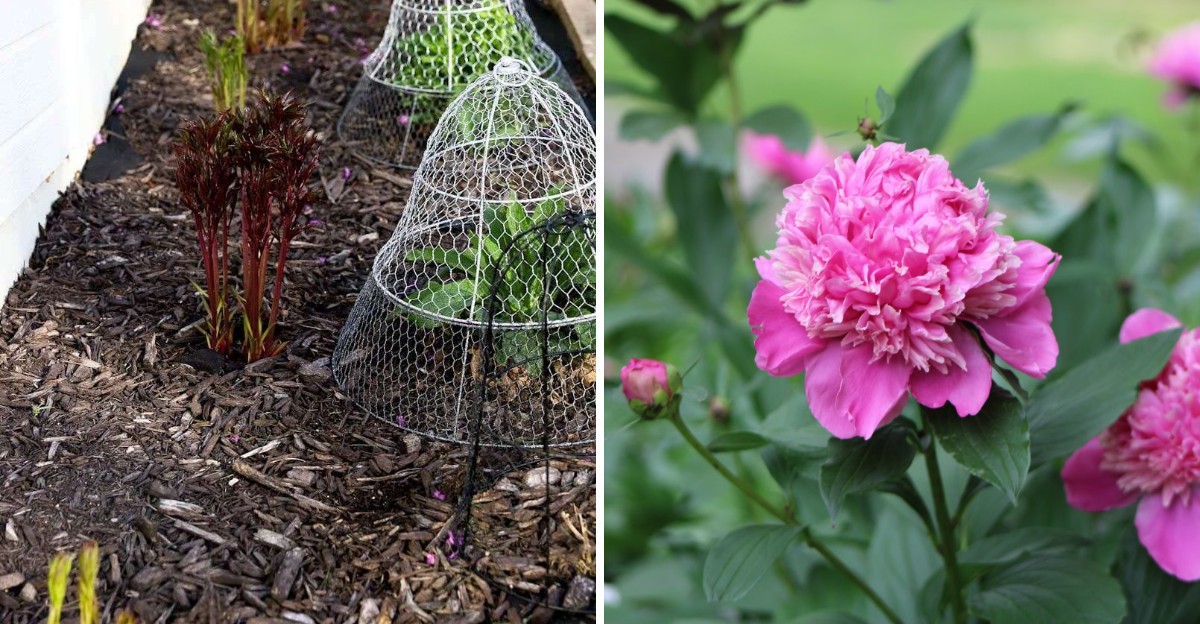
Even royalty needs a little housekeeping, it turns out. Clean beds now mean fewer surprises when the red shoots pop up in April.
4. Crowded Peony Clumps Might Need Dividing Before the Ground Freezes
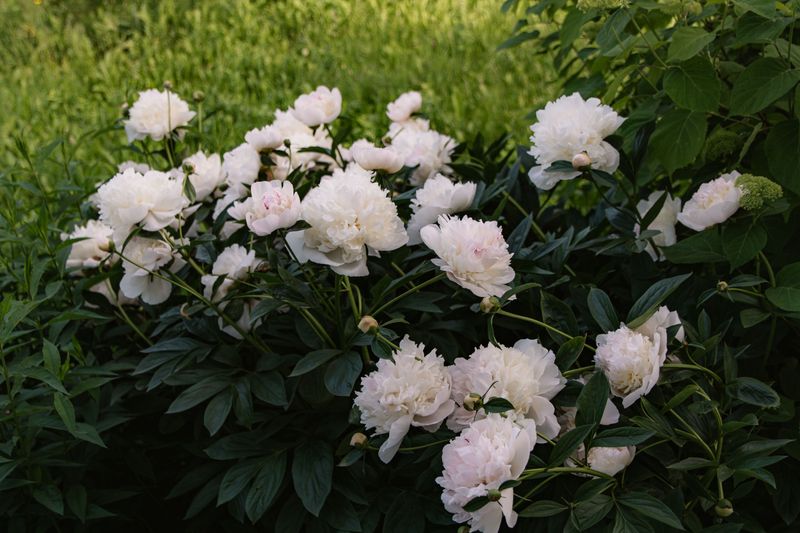
Got an old peony that used to flower like crazy but now puts out just a handful of blooms? Crowding or too much shade could be the reason. Fall is the classic time to fix it.
Early fall is ideal, usually September into early October in Michigan. That gives roots several weeks to settle before the soil freezes.
In southern parts of the state, you can sometimes stretch into early November if the ground stays workable, but sooner is better.
Dig wide around the clump, lift it out, and rinse off some soil. Use a sharp knife or spade to cut it into sections. Each piece should have 3 to 5 eyes and a healthy chunk of root.
Planting depth is where many gardeners slip up. Set the eyes no more than about 2 inches below the surface. Too deep, and the plant may stay leafy without flowering for years.
Expect some patience after dividing. New divisions often skip blooming or flower lightly for a year or two while roots rebuild. Honestly, healthy peonies rarely need dividing at all, so only tackle this if a clump is clearly struggling.
5. Give Young Peony Plants a Light Straw Mulch After the Ground Freezes
Established peonies are champs in cold weather. They are hardy to about zone 3, which is colder than even the coldest corners of the Upper Peninsula. In fact, they need a good winter chill to bloom well.
First-year plants and fresh divisions are another story. Their roots haven’t fully anchored yet. Repeated freezing and thawing can heave them up, leaving roots exposed to drying winds.
The fix is easy and cheap. After the ground freezes solid, usually late November or December in much of Michigan, spread about 2 to 4 inches of loose straw, pine needles, or shredded leaves over the planting spot.
The goal isn’t to keep the soil warm. It’s to keep it steadily cold. Skip heavy, soggy materials that mat down, like whole wet leaves. They can trap moisture against the crown and invite rot.
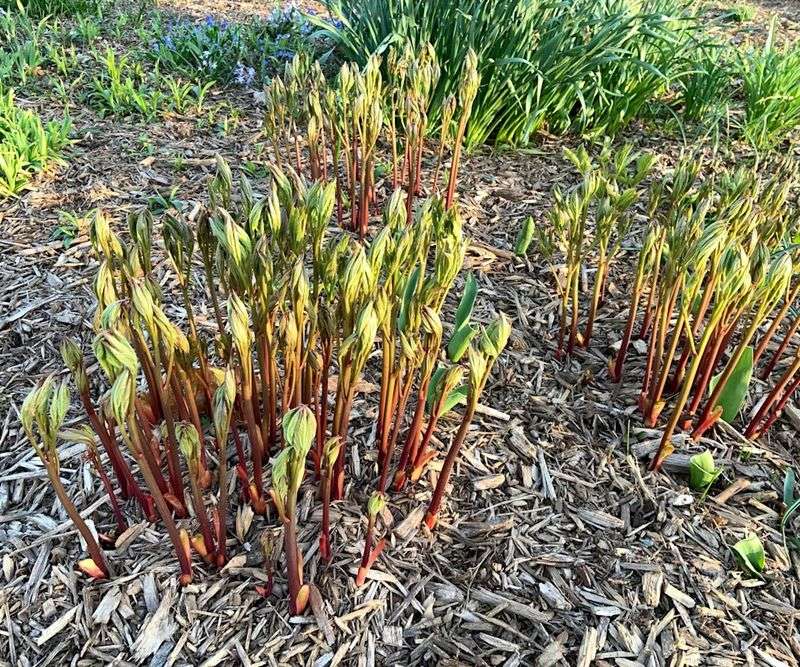
Come early spring, pull the mulch back as soon as you see red shoots poking through. Peony shoots handle frost well, and leaving mulch too long can encourage disease around those tender tips.
Mature clumps usually do fine with no mulch at all. Save your effort for the newbies that truly benefit.
6. Deep Watering Can Help Peony Roots If Fall Turns Dry
Most Michigan autumns bring plenty of rain, so peonies rarely need help. Some years, though, September and October turn surprisingly dry.
If that happens, a slow, deep watering before the soil freezes can help. Peony roots keep growing in cool fall soil, and new feeder roots form even as the top growth fades. Moist soil supports that quiet work.
Check by sticking a finger or trowel a few inches into the soil near the clump. If it feels dry, let a hose trickle at the base for a while so water soaks down deeply. A good soaking once a week during a dry stretch is plenty.
Hold back if the ground already feels damp. Peonies hate soggy feet. Waterlogged soil, especially heavy clay, can lead to crown and root rot over winter.
Drainage problems are worth noting now while you can see them. If puddles sit around your plants after a rain, consider moving the clump to higher ground next fall or improving the soil with compost.
Think of it like topping off a gas tank before a long road trip, not filling a swimming pool.
7. Skip the Fertilizer Bag Around Peonies This Late in the Year
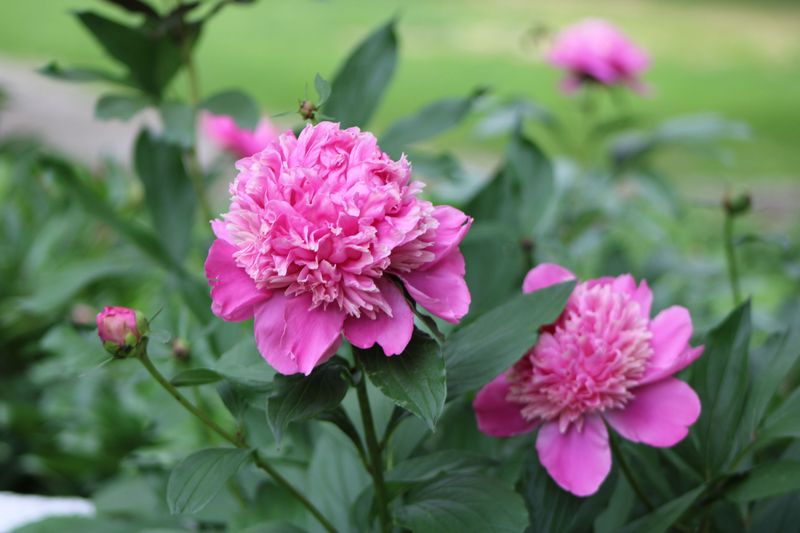
Honestly, peonies are light eaters. Many gardeners overfeed them out of love, and the plants respond in a funny way. They grow big leafy stems with fewer flowers.
That happens most with high-nitrogen fertilizers, the kind made for lawns. Nitrogen fuels green growth, not buds. If your peony sits near a lawn that gets fed often, it may already be getting more than enough.
November is also not the time to push growth. The plant is heading into dormancy, and feeding now mostly wastes product that can wash away with winter melt.
MSU Extension recommends a soil test before adding nutrients. Michigan gardeners can pick up an affordable home kit through the MSU Extension bookstore. Results show what your soil truly lacks.
If your peonies need a boost, a light feeding in early spring as shoots emerge is the usual guidance. A low-nitrogen fertilizer works well.
For fall, a thin layer of compost spread around, but not on top of, the crowns is a gentle choice. It slowly improves soil structure without overloading the plant. Sometimes the best help is simply letting a sturdy plant do its own thing.
8. Sunny Spots and Shallow Eyes Lead to Those Big June Peony Blooms

Picture-worthy June blooms depend on a few basics, and fall is a great time to check them. Grab a coffee, walk your beds, and take honest notes.
Sunlight comes first. Peonies need at least six hours of direct sun for strong flowering. Trees grow, and a spot that was sunny ten years ago may now sit in shade.
Planting depth matters too. If a clump has slowly sunk, or soil and mulch piled up over the years, the eyes may now be buried too deep. Gently brushing away extra material can help.
Space is another clue. Good air flow between plants reduces botrytis, so give clumps room to breathe rather than crowding them with neighbors.
Write down anything that needs fixing so you can plan moves or divisions for next September. A little notebook beats trying to remember in nine months.
Once the stems are cut, the debris is gone, and young plants are tucked in, your work is done. Peonies are wonderfully low-key after that.
Then comes the fun part. Wait for those red shoots in April, and let the ants and the buds do their thing in June.