Why Some Holly Bushes Never Get Berries In Your Virginia Yard
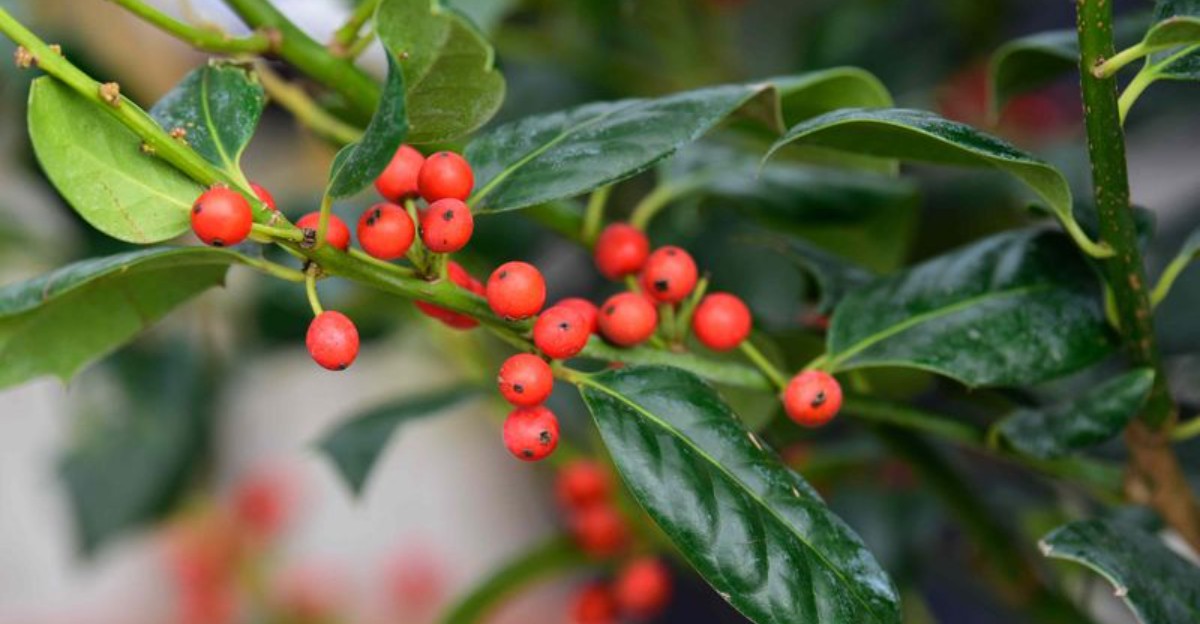
Half of all the holly bushes ever planted were born unable to make a single red berry. That sounds harsh, but it is plain botany, and it explains a lot of puzzled gardeners.
Here in Virginia, these glossy evergreens grow in nurseries, along highways, and wild in our woods. Birds strip the berries in late winter, and people clip branches for porches and mantels.
Yet plenty of perfectly healthy shrubs stay plain green year after year.
Personally, I find this one of the most satisfying garden puzzles to solve. You can usually crack it with a close look at tiny spring flowers and a little honest thinking about where the shrub was planted.
Sun, age, pruning habits, and even a spring cold snap all play a part.
So which bush in your yard is quietly holding the answer?
1. Your Holly Bush Might Be a Boy
Hollies run their family life a lot like people do. Most species are dioecious, which means each plant is either male or female.
Only the females grow berries. The males make pollen, and that is their whole job in the berry business.
If your shrub has been green and bare for years, there is a solid chance you own a male.
I know that can feel like a letdown after all the watering and mulching. Still, a male holly is far from useless.
It can be the key that unlocks berries on other hollies nearby, including your neighbor’s.
Many nurseries sell young hollies before they bloom, so buyers often bring one home without knowing whether it is male or female. Some garden centers carry unlabeled seedlings that could be either.
Named cultivars are safer because they are grown from cuttings, so growers know whether they are male or female.
Check the tag if you still have it. Female names include ‘Jersey Princess’ and ‘Red Sprite,’ while males often carry names like ‘Jersey Knight’ or ‘Jim Dandy.’
Before you rip anything out, though, keep reading the clues below. A female can also come up empty, and the reasons are usually easy to fix.
2. Female Hollies Need a Matching Male Nearby
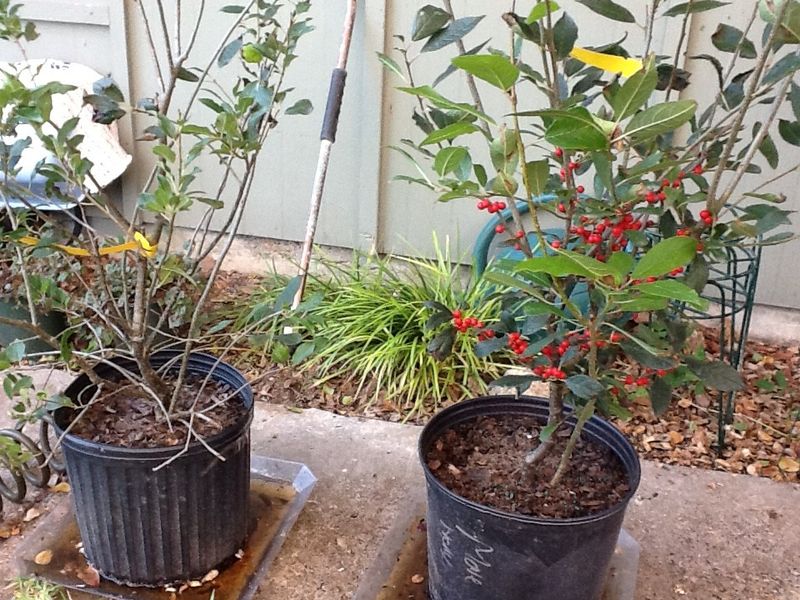
Bees play matchmaker in this story. A female holly can bloom beautifully, but without pollen from a male of a compatible type, her flowers drop and no berries follow.
The male needs to be the same species or a closely related one. An American holly female pairs best with an American holly male.
A winterberry female wants a winterberry male that blooms at the same time.
That timing detail trips up many gardeners. Winterberry cultivars bloom at different times, so ‘Southern Gentleman’ pairs with later-blooming types like ‘Winter Red,’ while ‘Jim Dandy’ suits earlier-blooming varieties like ‘Red Sprite.’
Distance matters too. Extension experts often suggest keeping the male within roughly 40 to 50 feet, though bees can carry pollen much farther.
Wild hollies in nearby woods sometimes fill the role without you noticing.
One male can usually handle several females. Many growers plant one male for every five to ten females.
My favorite trick is tucking the male toward the back of a bed. It blends in as greenery while the berry-loaded females take center stage near the porch or front walk.
3. Tiny White Holly Flowers Reveal the Truth
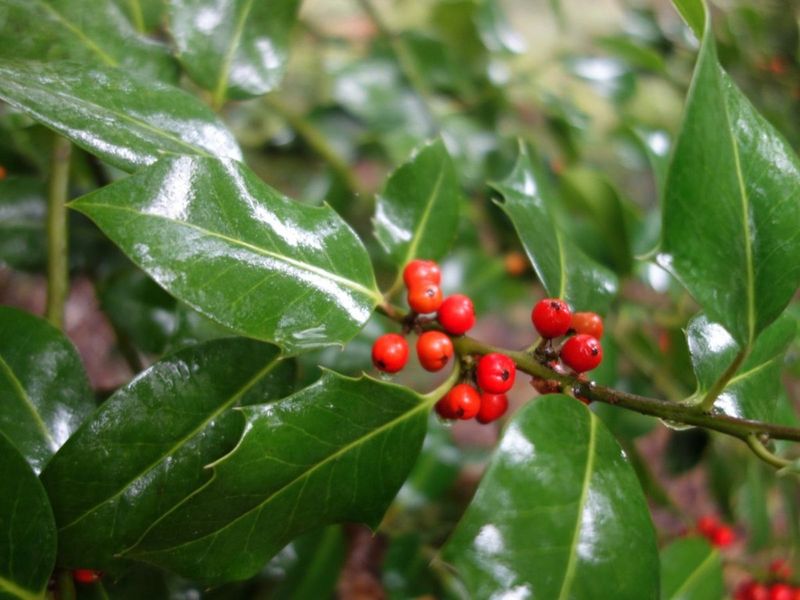
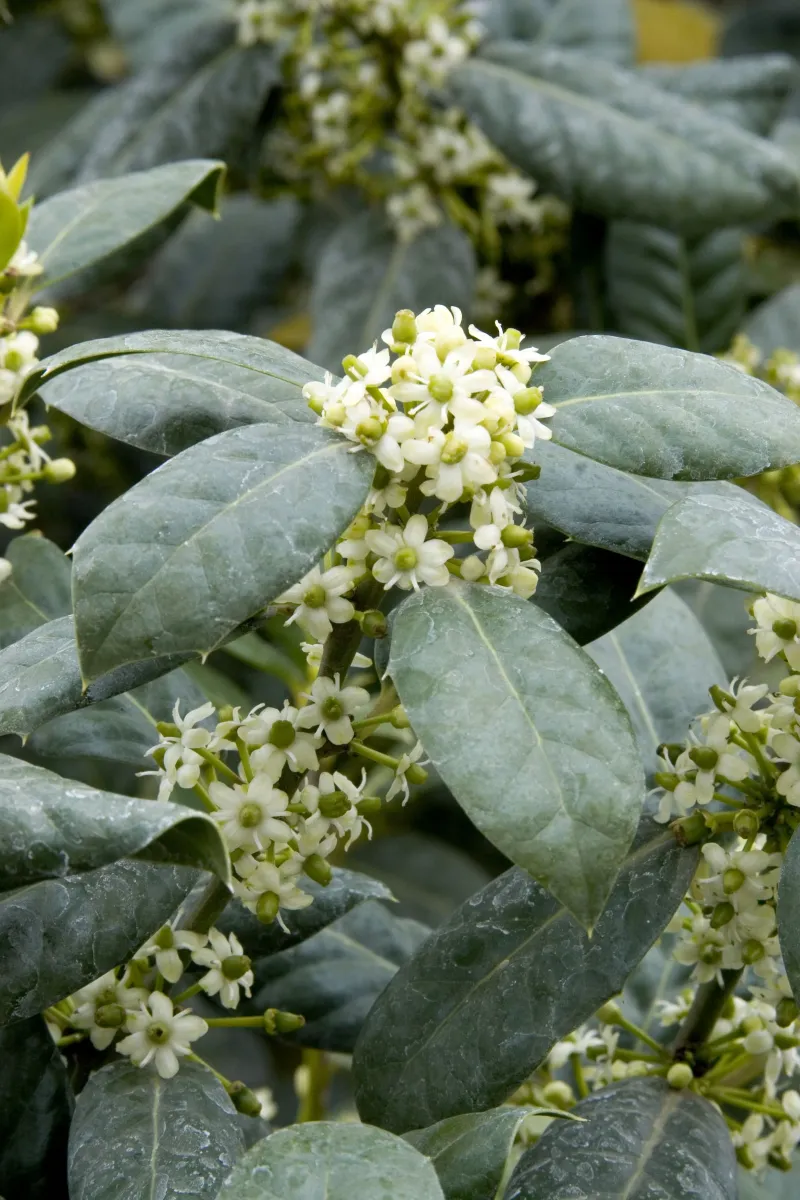
Grab a magnifying glass in April or May. Holly flowers are small, white, and easy to miss, but they tell you everything.
Male flowers have four little stalks called stamens tipped with yellow pollen. They often grow in bigger clusters and fade fast after blooming.
Female flowers look different up close. Each one has a plump green bump in the center, called the ovary.
That bump is the future berry, and you can spot it before petals even open fully.
Leaves offer no help here. Male and female hollies of the same type look nearly identical, so the flowers are your only reliable clue.
Bloom time in Virginia varies by region. Shrubs in Tidewater may flower a couple of weeks before those in the Shenandoah Valley or the mountains near Blacksburg.
Take a few clear phone photos while you are out there. They make a handy record for next fall, and you can share them with your local Virginia Cooperative Extension office if you are still unsure.
Fun fact: holly flowers are fragrant in a soft, sweet way. Bees certainly notice, even when people walk right past.
4. Young Hollies Often Need a Few Birthdays First
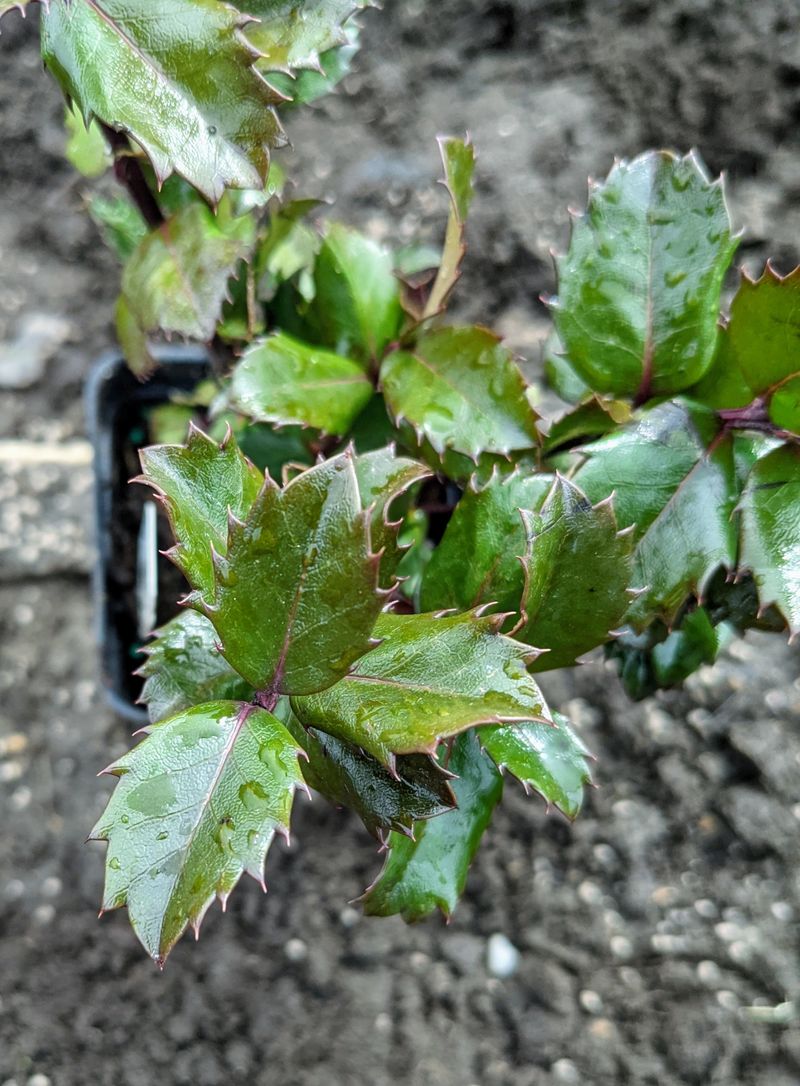
Patience is part of the holly deal. A shrub planted last year might simply be too young to bloom heavily.
Many hollies take around three to five years to settle in and flower well. Seedling American hollies grown in the wild can take even longer, sometimes many years, before they bloom at all.
Newly planted shrubs also spend their first seasons building roots. Transplant stress can pause flowering while the plant gets its bearings.
You can help that process along. Water deeply during dry spells for the first two summers, especially in hot spots across central and eastern Virginia.
Spread two to three inches of mulch, but keep it a few inches away from the trunk.
Resist the urge to pile on fertilizer. Extra nitrogen pushes leafy growth and can slow down flowers.
I like to think of these early years as the quiet chapter. The shrub is setting up its foundation, and the payoff tends to show up all at once one autumn.
If your holly is older than five years and still bare, look back at the earlier sections. Having a male plant or a lack of proper pollination are the likelier culprits.
5. Shady Corners Can Starve a Holly of Berries
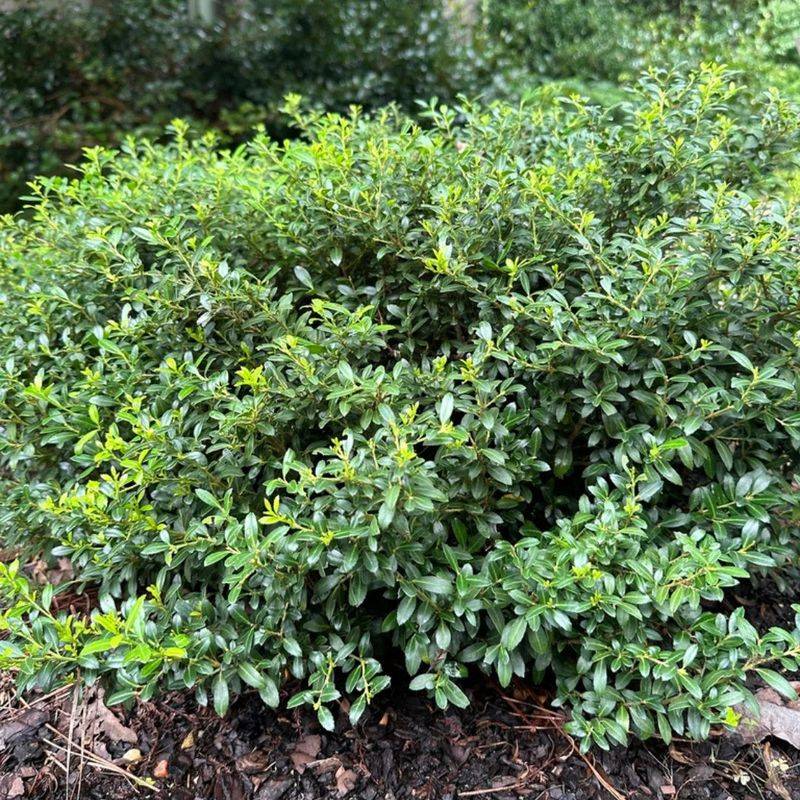
Sunlight fuels flowers. A holly tucked under big oaks or against the north side of a house may stay healthy yet bloom very little.
Most hollies tolerate partial shade, which is why people plant them in tricky spots. Tolerating shade and producing a strong berry crop are two different things, though.
Aim for at least four to six hours of direct sun each day. Winterberry especially fruits best in full sun, while American holly can handle some light shade and still put on a decent show.
Trees grow, and that changes things over time. A holly that got plenty of light ten years ago may now sit under a thick canopy.
Look around before you blame the shrub. Thinning a few low limbs on nearby trees can open up surprising amounts of light.
Hire a certified arborist for anything big.
Moving a holly is another option, but it is a fussy job with established plants. Hollies have tender root systems, so transplant in early spring or fall while temperatures stay mild.
Personally, I would try pruning neighbors before uprooting a holly I love.
6. Pruning Shears Can Snip Off Next Year’s Berries
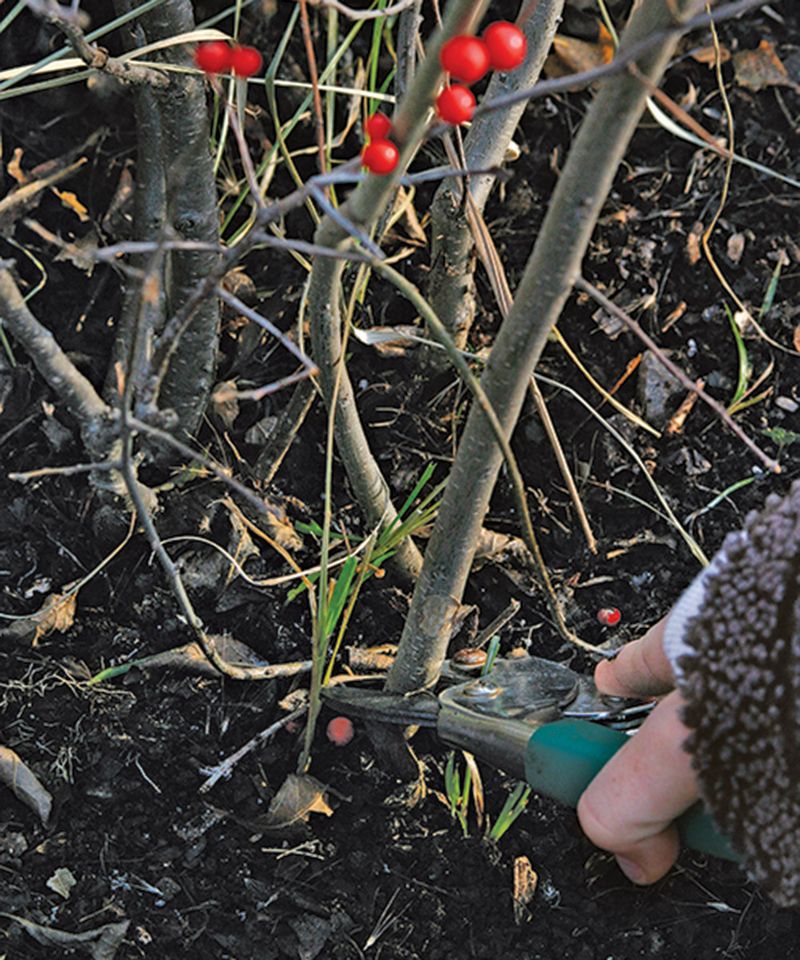
Plenty of berry-free hollies are victims of good intentions. A tidy spring or summer haircut can remove the very flowers that would have become berries.
Holly flowering habits vary by species, but heavy pruning can remove flower buds or developing berries. Shear the shrub after flowering, and you may clip away much of the year’s berry crop.
Late winter, before new growth starts, is the usual pruning window recommended by Virginia Cooperative Extension. Many gardeners simply prune in December and use the cuttings for holiday decorations, which is a charming two-for-one.
How you cut matters as well. Heavy shearing into a tight box or ball shape removes lots of flowering wood.
Selective thinning cuts, where you remove individual branches back to a side shoot, keep more blooms in place.
Hedges along a property line are common offenders. If yours gets clipped by a landscaping crew every few weeks, ask them to ease up or switch to a once-a-year trim.
Here is a quick rule I follow. If you can see tiny green berries forming, put the shears away until winter.
7. Spring Frost and Soggy Weather Can Spoil Holly Blooms
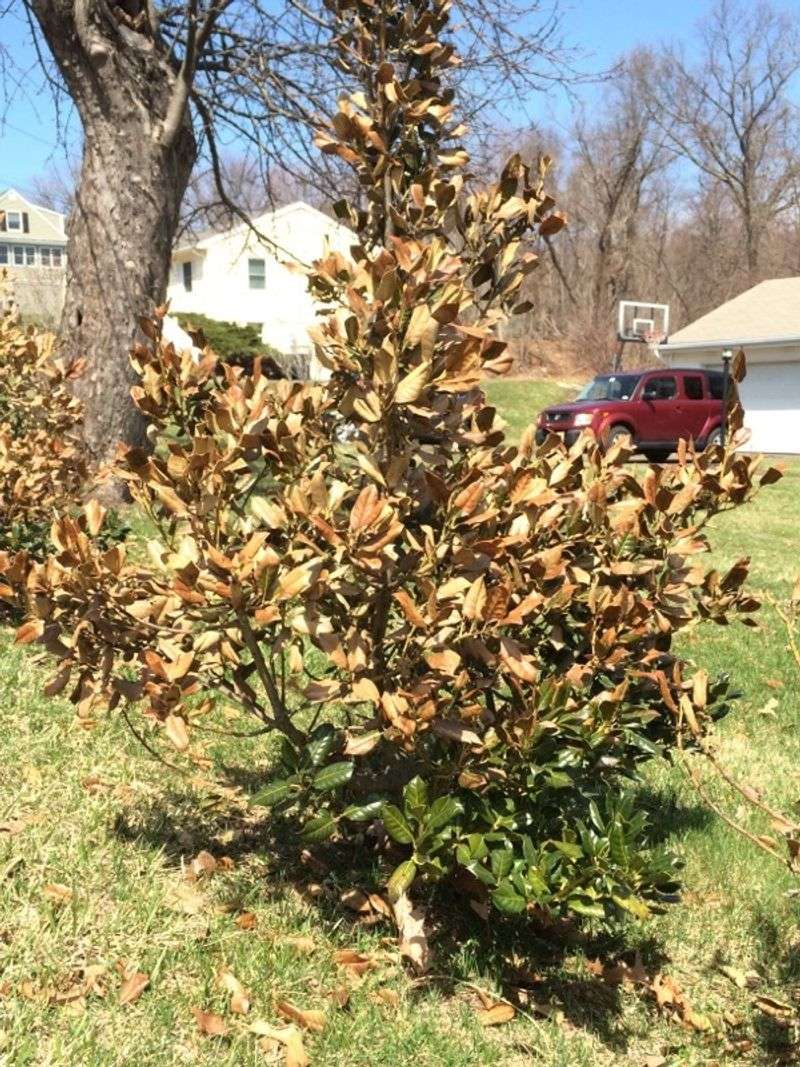
Some years, the weather calls the shots. A late frost after buds open can damage delicate holly flowers before any bees arrive.
Virginia springs are famously moody. Warm March days can coax shrubs forward, then a cold April night in the Piedmont or mountains nips the blooms.
Rain causes trouble too. Long stretches of cold, wet weather during bloom keep bees home, so pollen never reaches the female flowers.
Summer drought adds stress later on. A thirsty holly may drop young fruit to save energy.
Deep watering once a week during dry spells helps a lot, especially in sandy coastal soils.
Soil chemistry plays a quieter role. Hollies prefer acidic soil, roughly pH 5.0 to 6.0.
In alkaline spots, leaves can turn yellow and the plant may struggle to bloom well. A soil test through Virginia Tech’s lab is inexpensive and tells you exactly where you stand.
Weather problems usually affect one season, not every season. If your holly fruited nicely before and then skipped a year, a rough spring is a likely explanation.
Give it another year before worrying.
8. Burford and Nellie Stevens Hollies Bend the Rules
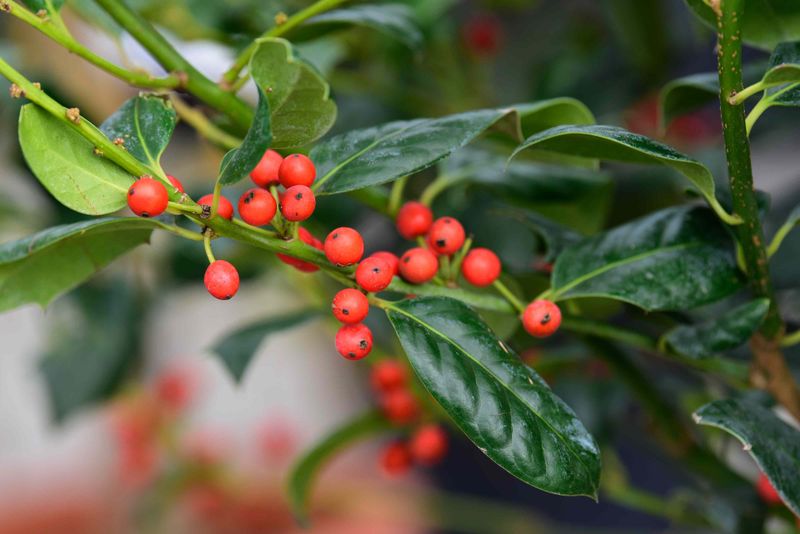
Every rule has a few rebels. Some popular hollies can set berries with little or no male help, a trick called parthenocarpy.
Burford holly is a classic example. Nellie R.
Stevens is another favorite across Virginia, and it often fruits well, though a nearby Chinese holly or male of a related type usually boosts the crop.
Fruit set without pollination tends to be lighter and less reliable. Think of it as a bonus rather than a promise.
Native choices deserve a spot on your list too. American holly, winterberry, and inkberry all grow naturally here and feed birds like cedar waxwings and robins in winter.
Inkberry makes black berries, so do not expect red on that one.
Be careful with English holly. It spreads aggressively into forests in parts of the country, so native options are a smarter pick.
Your best next step is simple. Check flowers this spring, confirm a female has a male partner nearby, and give her sun and a winter trim only.
Once those pieces line up, I think you will enjoy the berry show for many winters ahead.