Why November Is A Good Time To Plant Blueberry Bushes In Georgia
Roots keep growing long after the leaves above them stop. Some fruit shrubs quietly push out new feeder roots in cold soil while the branches look asleep.
I find that sneaky habit delightful.
Georgia gardeners can use that hidden growth spurt to their advantage. Our late fall soil often stays warmer than the air, and winter rain usually shows up right on schedule.
A young shrub planted now gets months of underground work done before anyone asks it to make leaves or fruit.
Spring used to be my first choice for planting just about anything. Then I watched spring transplants sulk through their first July heat wave while fall transplants looked calm and steady.
That difference changed how I plan my yard.
You need only a shovel, a sunny spot, and a little patience. So which sweet summer treat should go in the ground before Thanksgiving?
1. Those Bare Blueberry Branches Are Hiding Busy Roots
Leaves may be turning red and dropping, but a lot is still happening below ground. A dormant blueberry bush stops putting energy into shoots and fruit, yet its roots can keep growing slowly whenever the soil stays above freezing.
In most of Georgia, November soil holds onto warmth from the long summer. Cool air above and mild dirt below create a sweet spot for a new transplant.
The plant can stretch its roots into fresh soil without the stress of feeding a full canopy of leaves.
University of Georgia Extension experts recommend planting blueberries in late fall through winter for this reason. Many growers say November through February works well, with earlier dates giving roots more time to settle before spring.
I like to think of it as a quiet head start. By the time buds swell in March, a fall-planted bush has already spent months anchoring itself.
A spring-planted bush, on the other hand, has to grow roots, leaves, and maybe flowers all at once.
2. Cool Weather And Winter Rain Do Half The Watering For You
Hauling a hose out every evening in August gets old fast. Planting in November spares you a lot of that chore.
Cooler temperatures mean less water escapes from leaves and soil, so new shrubs stay hydrated more easily.
Georgia usually gets steady rainfall through winter. Average totals in many parts of the state run around 4 to 5 inches per month from December through March.
That rain soaks the root zone just when a young blueberry needs consistent moisture.
Transplant shock happens when roots cannot keep up with what the top of the plant needs. Summer heat makes that gap much worse.
In fall, demand is low, so the roots can catch up without a struggle.
You still need to pay attention, though. Blueberries dislike drying out, and fall droughts can happen.
Water deeply right after planting, then check the soil every week or so.
A simple test works well. Push a finger about two inches into the soil near the base.
If it feels dry, give the bush a slow, thorough drink.
Your Georgia Garden Changes Every Week. Your Plan Should Too.
Gardening in Georgia changes quickly throughout the season. Every Friday you’ll receive a simple weekly plan showing exactly what to plant, prune, fertilize, harvest, and protect so you never miss the right timing.
On the flip side, soggy roots cause trouble too. Blueberries prefer soil that drains well and stays evenly damp, not waterlogged.
If puddles linger in your chosen spot after a storm, consider a raised bed or a gently mounded planting row.
3. Rabbiteye Blueberries Feel Right At Home In Southern Yards
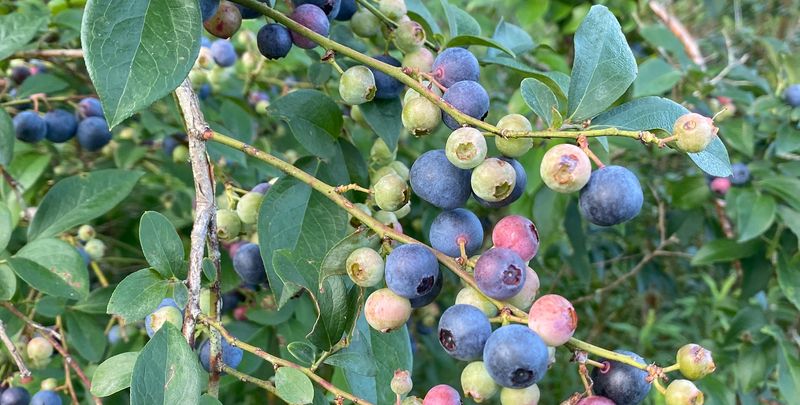
Georgia leads the nation in some years for blueberry production, and one type gets much of the credit. Rabbiteye blueberries are native to the Southeast and handle our heat, humidity, and acidic soil with impressive toughness.
The name comes from the berries themselves. Before ripening, they turn pinkish, a bit like the eye of a rabbit.
Pretty clever, right?
For home gardeners, UGA Extension usually points to rabbiteyes as the easiest choice across most of the state. Popular varieties include Premier, Powderblue, Tifblue, Brightwell, Climax, and Ochlockonee.
Many of these were developed or tested right here in Georgia.
One key detail matters a lot. Rabbiteyes need cross-pollination to set a good crop, so plant at least two different varieties that bloom around the same time.
Bees moving between them will give you bigger berries and heavier yields.
Southern highbush blueberries are another option, especially in South Georgia. They ripen earlier, but they tend to need more careful soil prep, closer watering, and extra attention to disease.
I suggest beginners start with rabbiteyes and branch out later.
Up in the North Georgia mountains, colder winters may suit some northern highbush types as well. Check with your county Extension office for a variety list matched to your area.
4. Acidic Soil Makes Or Breaks A Blueberry Patch
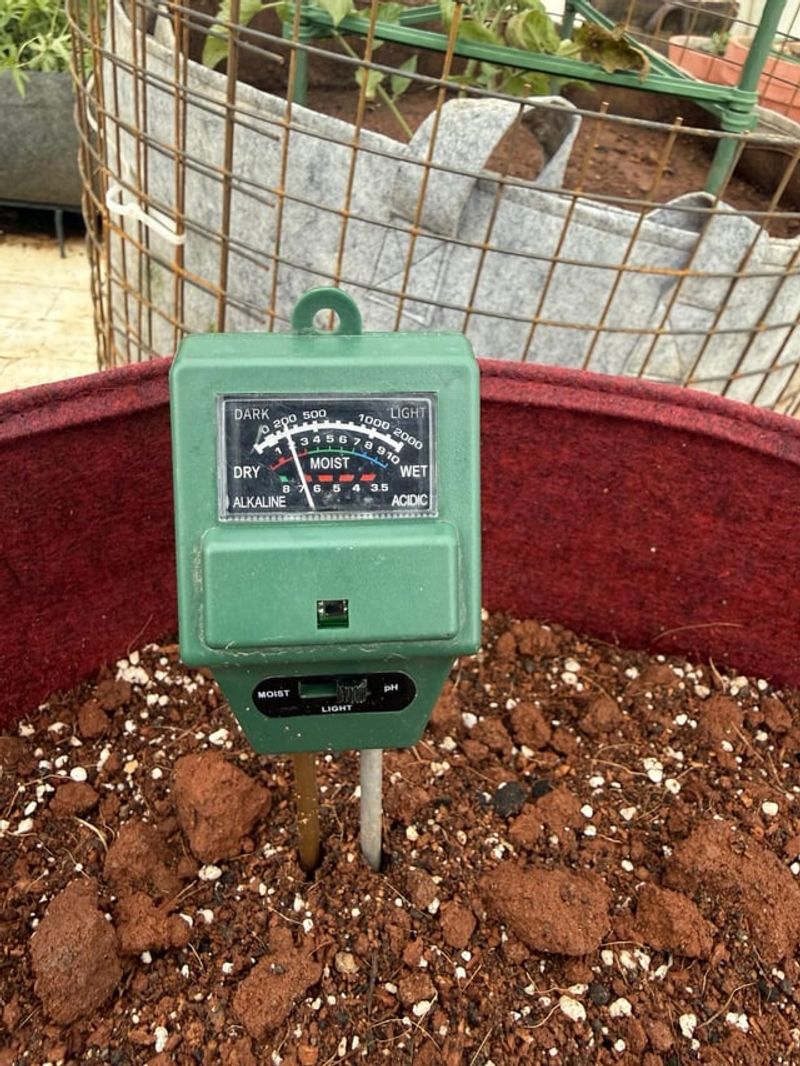
Blueberries are picky eaters, and soil pH is their biggest demand. They grow best in acidic soil, with a pH around 4.5 to 5.5.
Outside that range, leaves often turn yellow and growth slows to a crawl.
Many Georgia soils lean naturally acidic, which gives you a head start. Still, lawns and old garden beds that got lime in the past can test much higher.
Guessing is risky, so a soil test is the smartest first step.
Your county Extension office offers affordable soil testing through UGA. Fall is a great time to send a sample since results come back before you plant.
The report tells you your pH and what nutrients are missing.
If your pH runs high, elemental sulfur can lower it over time. It works slowly, so adding it a few months ahead is ideal.
Follow your test recommendations rather than guessing at amounts.
Organic matter helps a lot too. Mixing aged pine bark or peat moss into the planting area loosens heavy clay and improves drainage.
Blueberries love that light, airy texture.
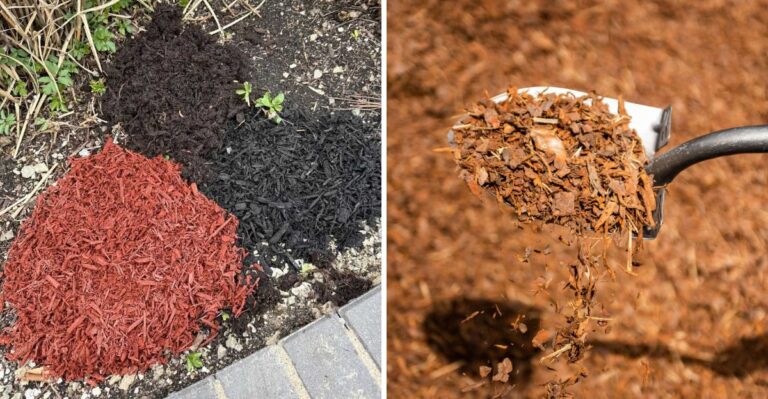
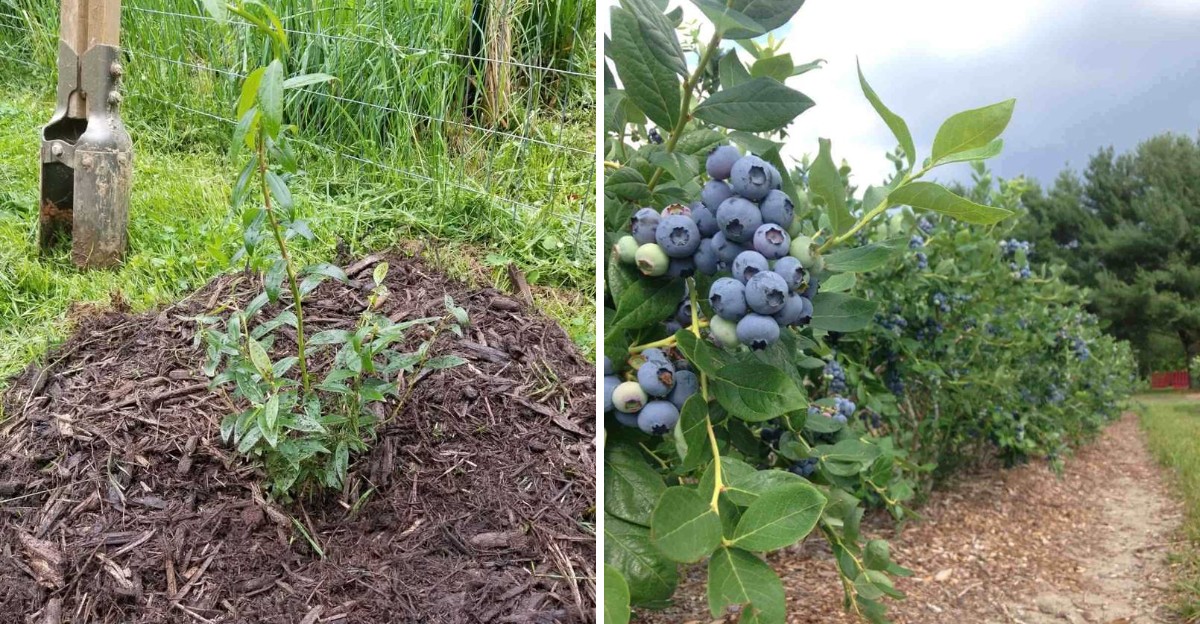
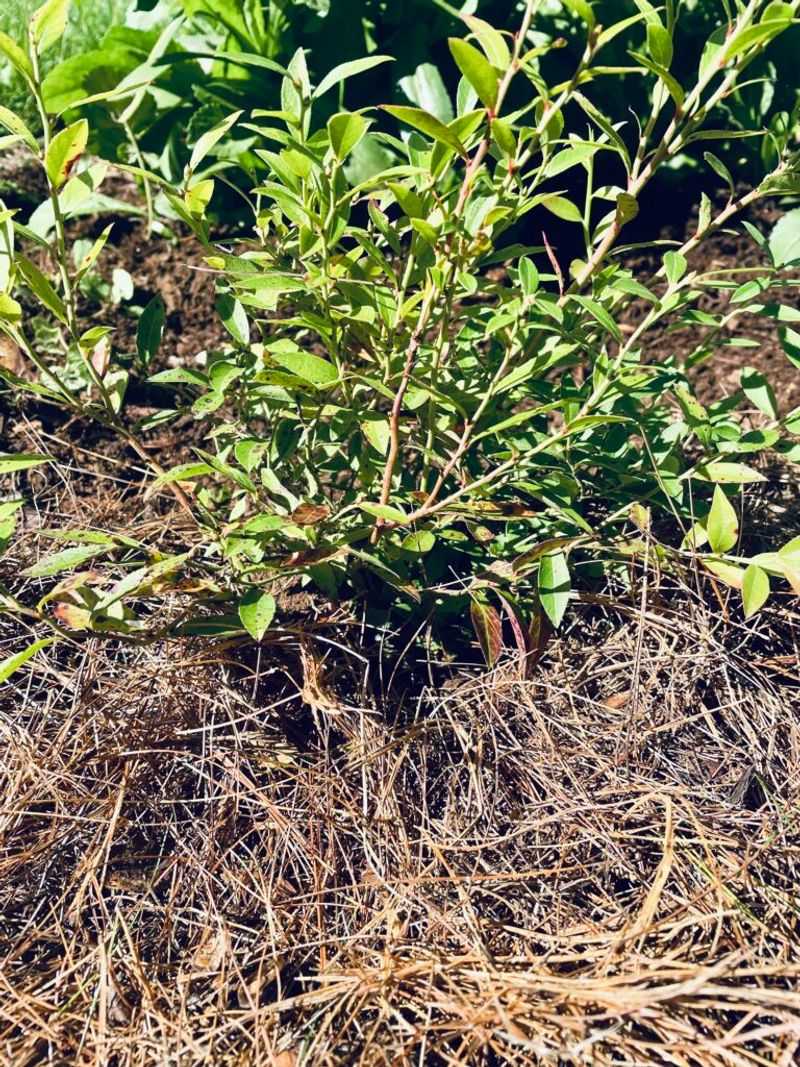
After planting, top the soil with 3 to 4 inches of pine bark or pine straw mulch. It holds moisture, keeps roots cool, and slowly adds organic material.
5. A Sunny Spot And Wide Spacing Help Blueberry Shrubs Thrive
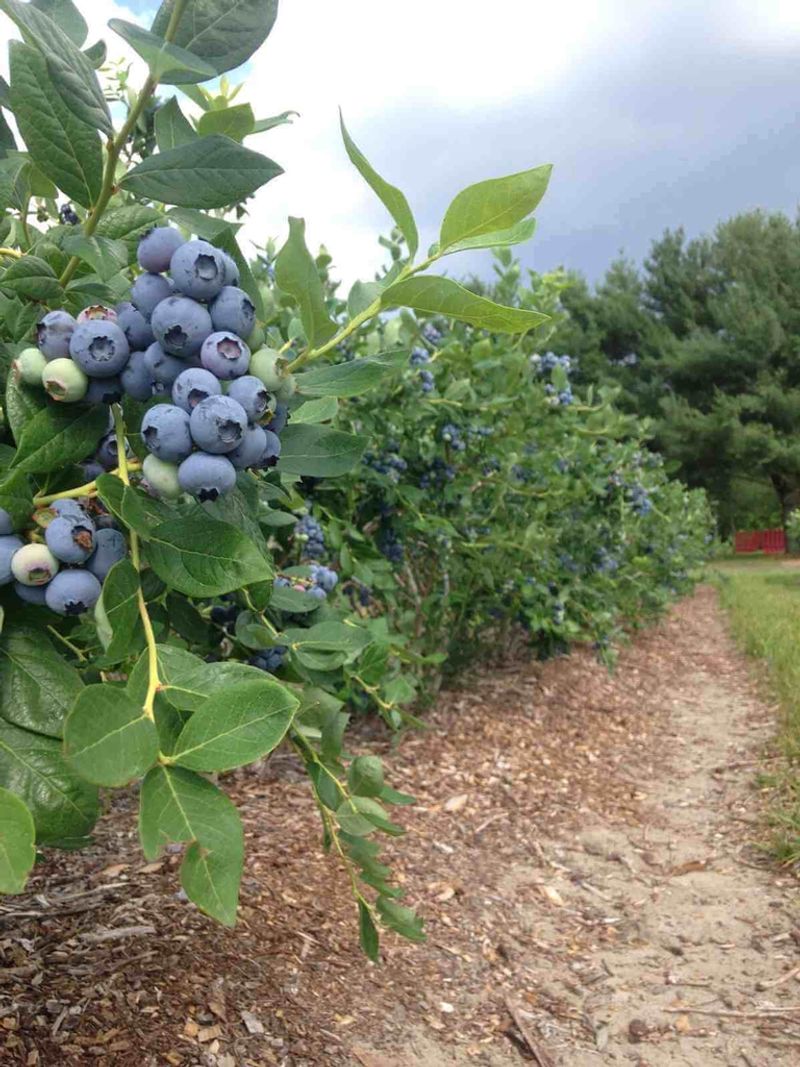
Sunshine turns into sugar, and sugar turns into tasty berries. Blueberries produce best with full sun, ideally six to eight hours or more each day.
They will survive in partial shade, but you will pick far fewer berries.
Before digging, walk your yard at different times of day. Watch where shadows fall from trees, fences, and buildings.
Remember that summer shade from leafy trees looks very different from bare November branches.
Rabbiteye bushes can grow quite large over time. Mature plants often reach 6 to 10 feet tall and several feet wide.
Give them room now so you are not fighting a crowded hedge later.
UGA guidance for home plantings commonly suggests spacing rabbiteyes about 5 to 6 feet apart within a row. If you plant multiple rows, leave roughly 10 to 12 feet between them.
That gap lets you walk, mow, and harvest comfortably.
Good spacing also helps air move through the branches. Better airflow means leaves dry faster after rain, which reduces fungal leaf spots.
It is a simple, free way to keep plants healthier.
Short on space? Blueberries also make a handsome edible hedge along a sunny property line.
Just keep them away from concrete foundations and driveways, where leaching lime can raise soil pH.
6. Planting Blueberries At The Right Depth Matters More Than You Expect
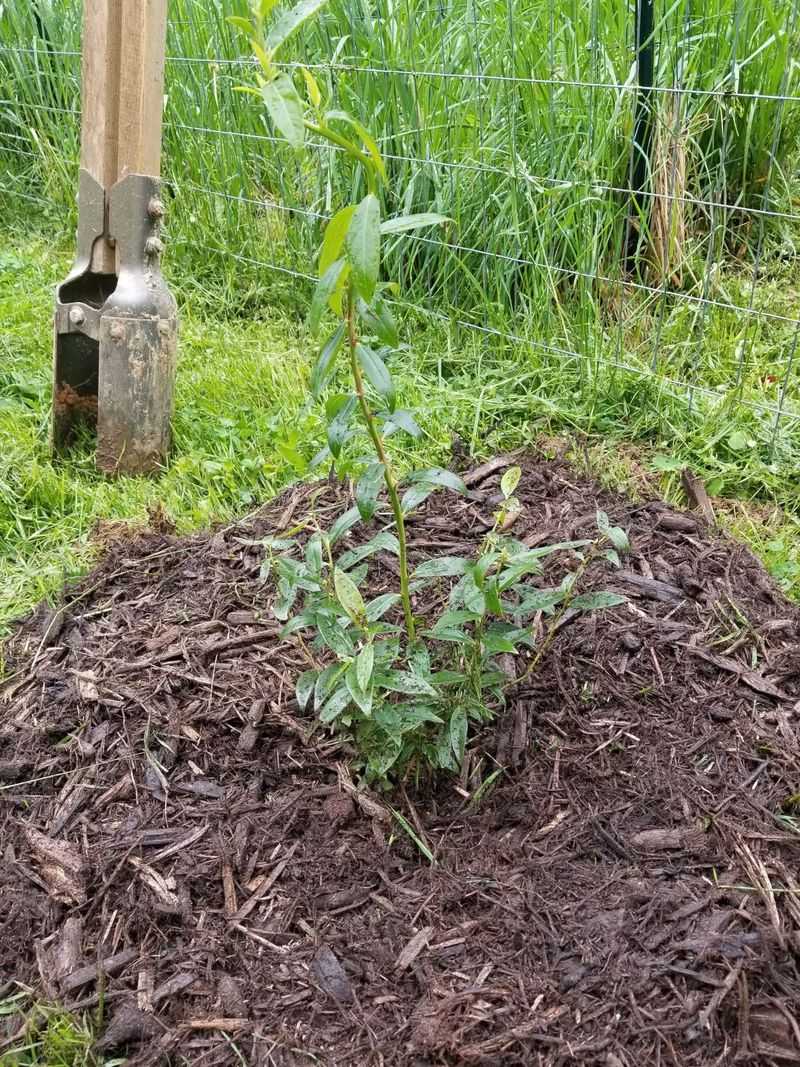
Plenty of gardeners dig a deep, narrow hole and call it done. Blueberries do better with the opposite approach.
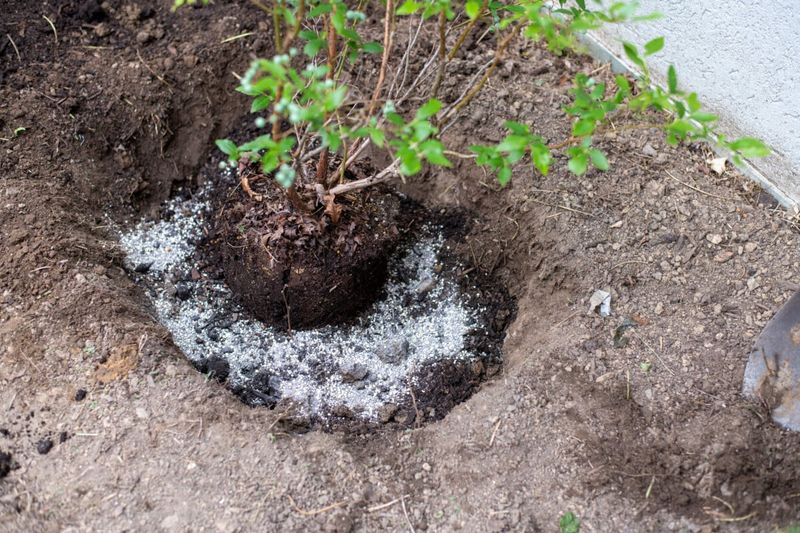
Their shallow, fibrous roots spread outward, so a wide hole beats a deep one.
Aim for a hole about twice as wide as the pot but no deeper than the root ball. Set the plant so its top sits at the same level it grew in the container, or slightly higher in heavy clay.
Burying the crown too deep can invite rot.
Potted blueberries often have tightly circling roots. Gently tease them apart with your fingers, or make a few shallow vertical cuts along the sides.
Loosened roots grow out into the surrounding soil much faster.
Backfill with your amended soil and firm it lightly with your hands. Skip heavy stomping, which squeezes out air pockets roots need.
Then water slowly until the whole area is soaked.
One mistake shows up often. Avoid adding fertilizer to the planting hole, since blueberry roots burn easily.
UGA recommends waiting until new growth appears in spring, then using a small amount of fertilizer made for acid-loving plants.
Finish with a ring of pine bark mulch, keeping it a couple of inches away from the stems. That last step takes two minutes and pays off all year.
7. Snip Those First Blueberry Blooms For Stronger Bushes Later
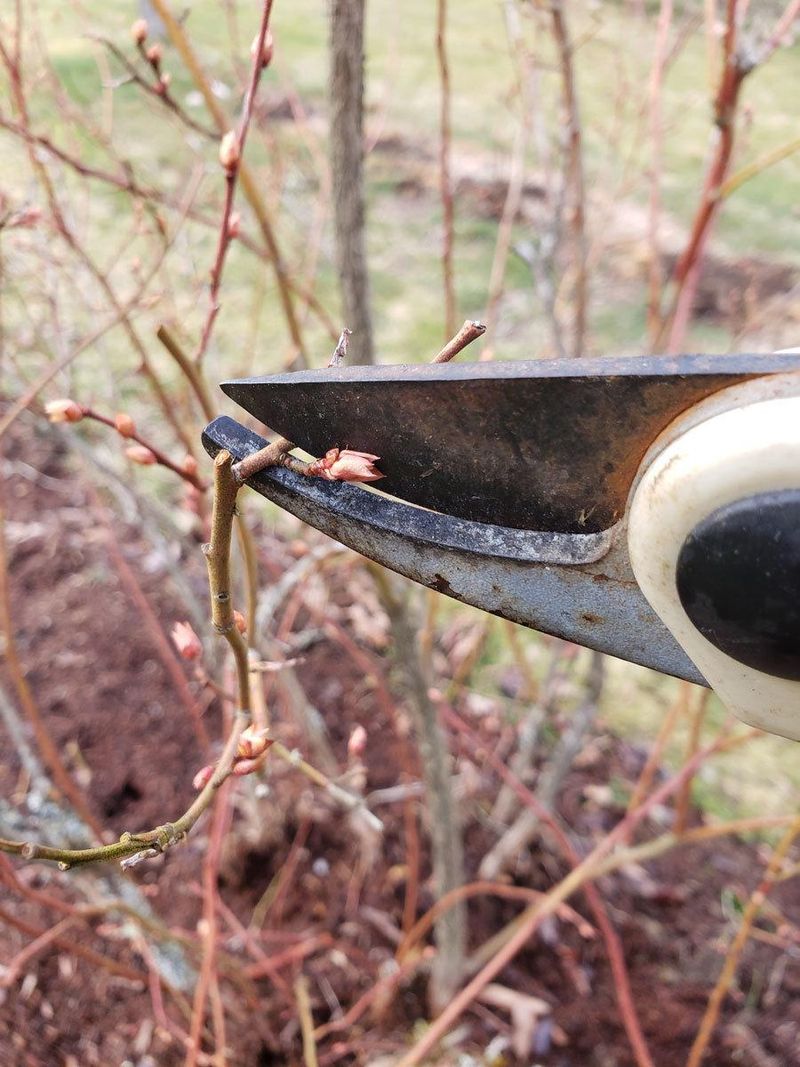
Pulling flowers off a fruit plant feels wrong at first. I hesitated the first time too.
Yet removing blooms in the first year is one of the best favors you can do for a young blueberry.
Every flower that becomes a berry uses energy. A new bush needs that energy for roots and sturdy branches instead.
Fruit too early, and the plant may stay small and weak for years.
Extension specialists often suggest rubbing off flower buds the first spring after planting. Some gardeners let a handful of berries ripen in year two just to taste them.
By year three or four, you can let the bush produce freely.
Light pruning at planting time helps too. Cut back any weak, spindly, or broken shoots.
Some growers trim the bush by about one-third to balance the top with its roots.
Spring frosts are another reason for patience. Georgia often sees late cold snaps in March, and blueberry blossoms are sensitive to freezing.
Mature plants can bounce back, but young ones benefit when their energy stays focused on growth.
Think of it as a trade. You give up a few berries now and gain a big, healthy bush that can produce many pounds of fruit for a long time.
8. Red Blueberry Leaves In Fall Are Just The Start Of A Yearlong Show
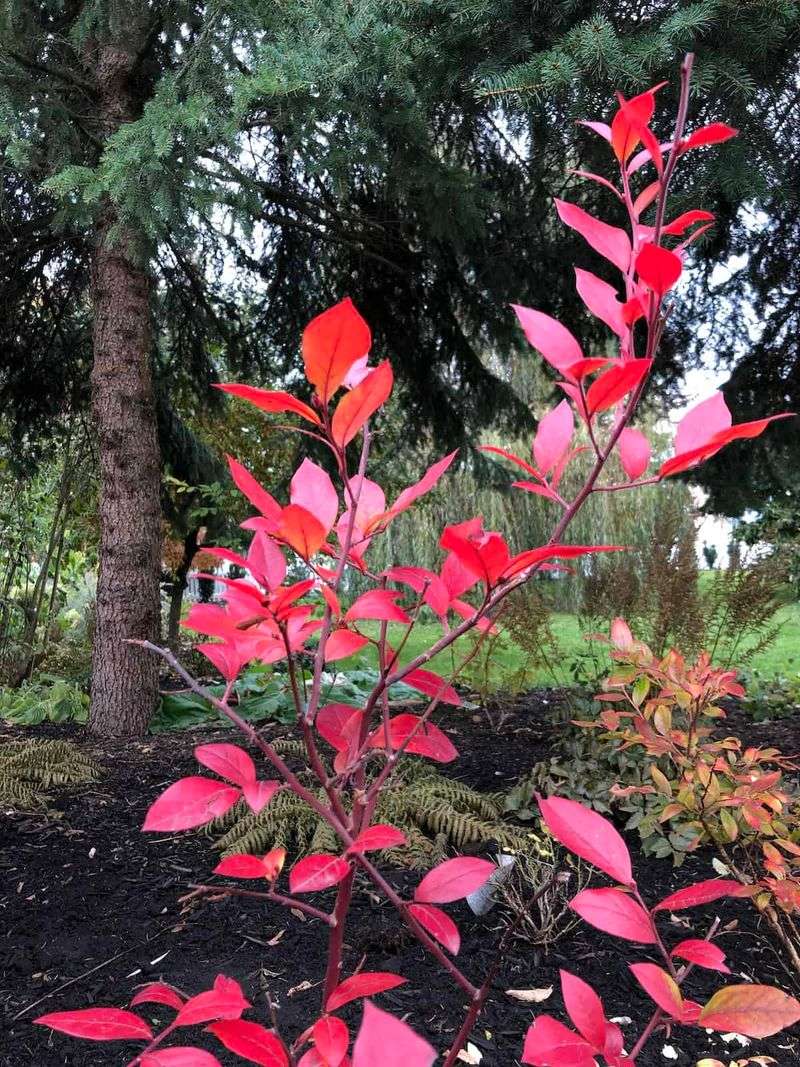
Few fruit plants earn their spot in a yard quite like blueberries. They feed you, feed wildlife, and look gorgeous almost every month.
That makes November planting feel even more rewarding.
Spring opens with clusters of small white or pink bell-shaped flowers. Native bees, including the southeastern blueberry bee, buzz from bloom to bloom.
Watching them work is a treat all by itself.
Early summer brings the main event. Rabbiteye berries in Georgia usually ripen from about June into July, depending on variety.
Planting early, mid, and late types can stretch your picking season for weeks.
Then autumn arrives and the leaves glow in shades of red, orange, and burgundy. Many people grow blueberries purely as ornamental shrubs for that color.
Even in winter, the reddish twigs add warmth to a bare garden.
Birds love the fruit as much as you do, so plan ahead. Lightweight bird netting draped over bushes before berries turn blue keeps losses down.
Mockingbirds and catbirds are especially quick to notice.
Your next step is simple. Order a soil test, pick two or more rabbiteye varieties, and choose a sunny, well-drained spot.