What Fire Ants Really Do During a North Carolina Winter and Why Cold Snaps Won’t Wipe Them Out
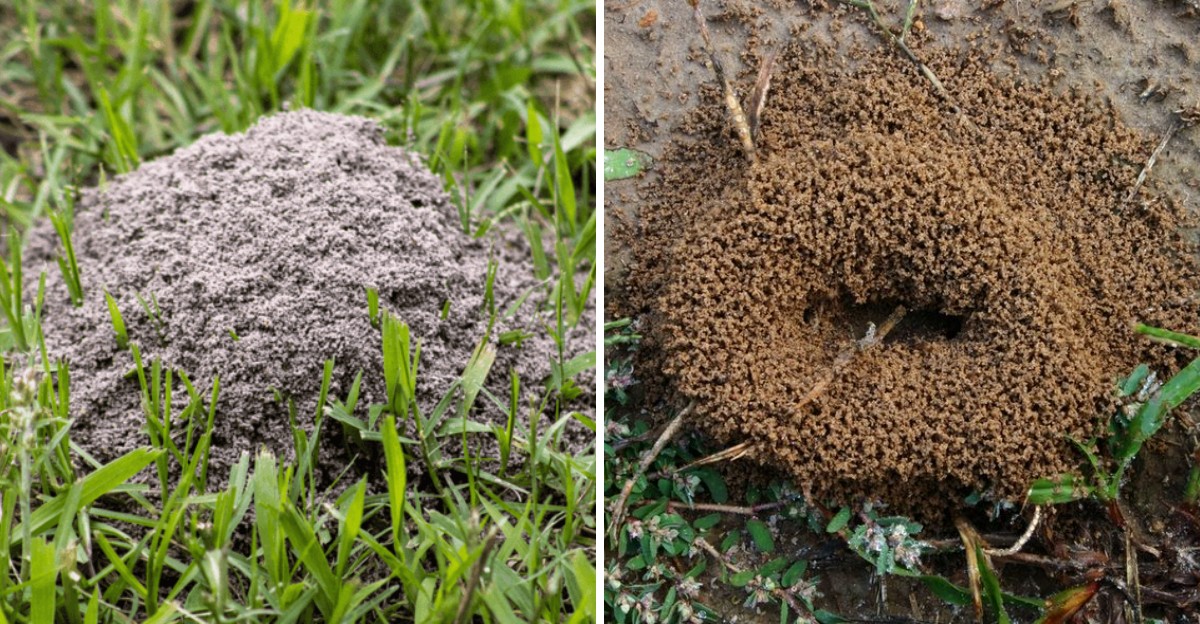
A single colony of these stinging insects can hold more than 200,000 workers, and they don’t go anywhere when frost hits. They just pack together underground like a crowd at a bus stop on a cold morning.
Personally, I used to cheer when the first freeze rolled across my North Carolina yard. I figured those crusty little mounds were finished for the year. I was wrong, and the spring flare-ups proved it.
You’re in for a big surprise once you learn how clever these tiny tenants are. They shuffle around their tunnels, follow warm pockets of soil, and protect their queen like she’s royalty. Some even pop back up on a sunny January afternoon.
I can’t imagine a gardener who wouldn’t want to know what’s happening under that quiet patch of lawn. So what exactly are they up to down there while you sip cocoa by the window?
1. That Flattened Fire Ant Mound Is Busier Than It Looks
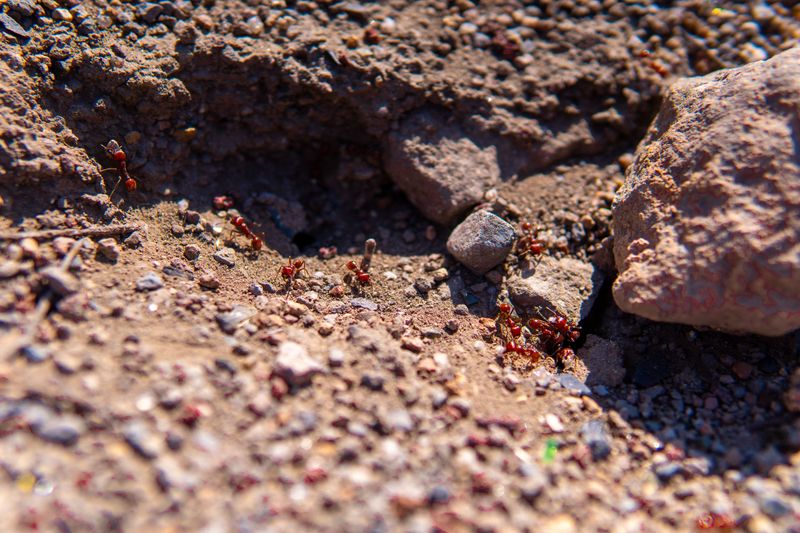
Last January, I nearly stepped on a mound I was sure had been abandoned. It looked crumbly, flat, and sleepy. One poke with a stick, and dozens of reddish ants came boiling out.
Winter mounds often shrink because workers stop rebuilding the top layers. Rain and frost wear down the dome, so it blends into brown grass. Fewer visible mounds do not mean fewer ants, though.
The colony is usually right there, just lower in the soil. Fire ants also do not truly hibernate. They slow down, eat less, and spend more time clustered in deeper chambers. The queen keeps living, and many workers stay with her through the season.
You need to treat that quiet patch with respect. Gloves are smart if you’re raking leaves, cleaning beds, or pulling winter weeds near an old mound. Stings can still happen on mild days, and they itch for a week.
A helpful habit is to mark mound locations with small flags while you can still spot them. Come spring, you’ll know exactly where trouble started, and you can plan your control before colonies ramp up again.
2. Fire Ants Head Deep Underground and Huddle Around the Queen
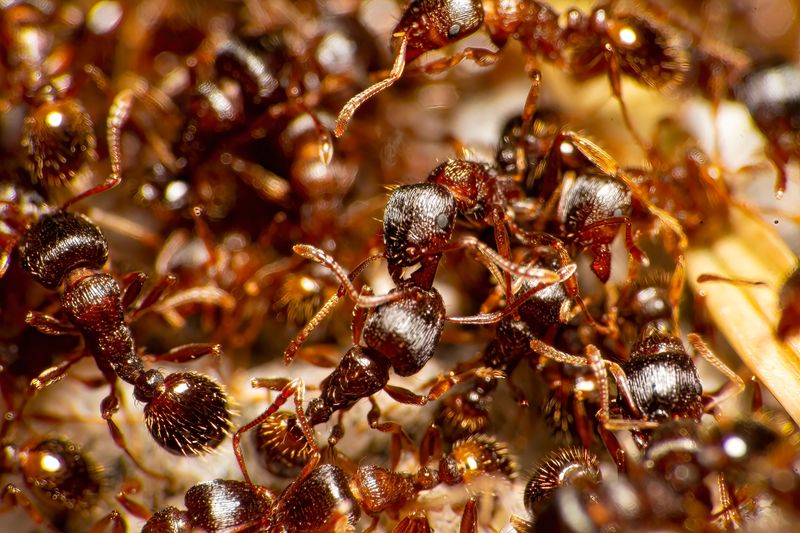
Down is the direction that matters most. When the surface turns chilly, workers move through their tunnel network to deeper soil, where temperatures stay warmer and steadier.
Researchers call this an avoidance strategy. Instead of toughing out the cold at the top, the colony simply relocates. Tunnels can run several feet down, depending on soil type and moisture.
Once they get there, workers crowd around the queen and the remaining brood. All those bodies packed close together help hold onto warmth. It works a bit like penguins huddling, only with far more legs.
I love how organized it is. Nobody sends out a memo, yet the whole group shifts as one. On sunny afternoons, some workers even carry brood up toward warmer upper chambers, then back down when evening cools off.
That vertical shuffle explains why winter digging can surprise you. Turning a garden bed in February might break into a chamber full of irritated ants. If you’re planning soil work near a known mound, wear boots with your pants tucked into your socks and work quickly.
Better yet, give those spots a wide berth until spring, when you can manage the colony with baits that actually reach it.
3. A Few Freezing Nights Rarely Stop a Red Imported Fire Ant Colony
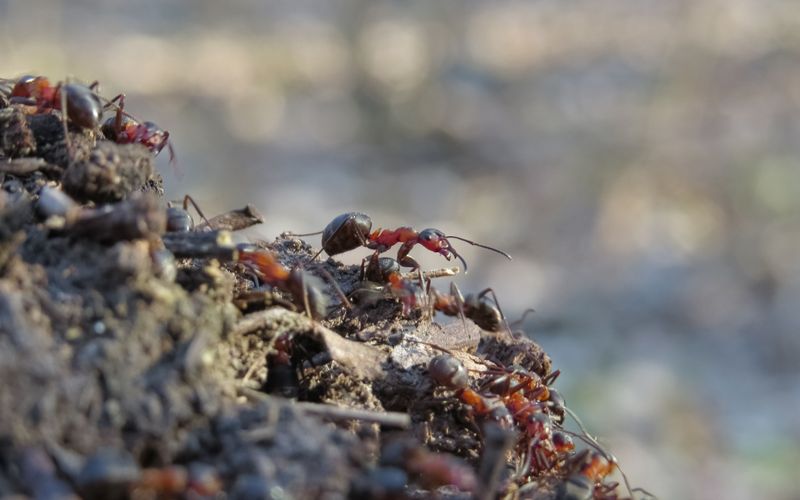
Cold snaps feel dramatic to us. A night in the low 20s sends me scrambling for frost cloth. Fire ants, though, mostly shrug it off from their spot below the frost line.
The key is soil depth. Air temperatures swing fast, but the ground warms and cools slowly. Unless soil freezes deep and stays frozen for a long stretch, colonies have a safe zone to retreat into.
Across much of the state, especially the Piedmont and coast, deep long-lasting ground freezes are uncommon. Short frosts chill the surface for a day or two, then melt away. The ants simply wait it out.
Harsh winters can reduce some colonies, especially small young ones near the surface. Even then, survivors bounce back. New queens also fly in during warm months to start fresh colonies, filling any gaps.
So that bitter week you remember probably trimmed a few weak colonies at most. Personally, I stopped counting on weather to do my pest control years ago.
It’s a nice bonus when cold slows things down, but it’s not a plan. Real reduction comes from well-timed baits and steady attention in spring and fall.
4. Sunny Winter Afternoons Can Bring Foraging Fire Ants Back Up
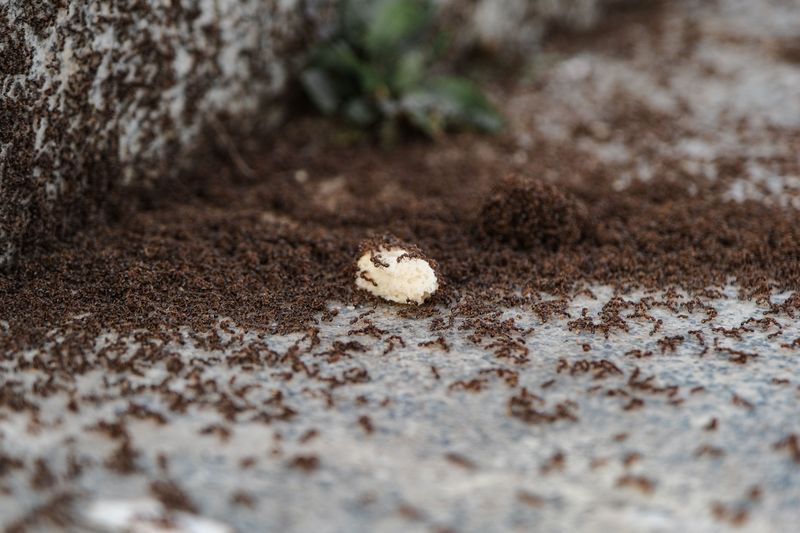
Sixty-five degrees in January? It happens often enough here, and the ants notice. Warm spells pull workers back toward the surface to forage and patch up their mounds.
You might see fresh, fluffy soil appear overnight after a mild, rainy stretch. That’s a classic sign that a colony is active and making repairs. Moist soil is easier for them to move, so building goes faster.
Foraging slows a lot when soil temperatures drop. NC State Extension notes that fire ants forage best when temperatures are roughly 70 to 85 degrees, and they cut back sharply in cooler conditions.
A single warm afternoon can still bring scouts out hunting for food. Here’s a quick test I use. Drop a small piece of greasy potato chip or a dab of peanut butter near a mound. If ants show up within 30 minutes or so, they’re foraging.
That little experiment tells you whether baits would be picked up at all. No ants on the chip means it’s too early. Lots of ants means the colony is awake and hungry, which matters when you’re deciding your next step.
5. Driveways and Foundations Give Fire Ant Nests a Cozy Advantage
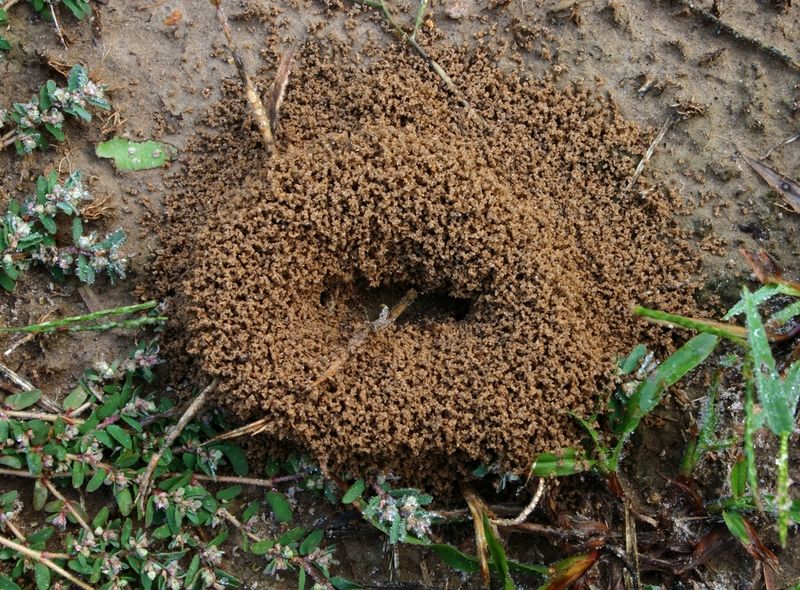
Concrete is a heat battery. Sidewalks, driveways, and foundations soak up sunshine during the day and release warmth slowly, and fire ants love that.
Colonies built along these edges often weather winter better than mounds in open lawn. The nearby surfaces buffer the cold, giving the nest a slightly warmer microclimate. Mounds under rocks, landscape timbers, and mulch piles get a similar boost.
Sometimes ants follow warm spots right up to the house. They may tunnel along utility lines, slab cracks, or AC pads. Occasionally they wander into crawl spaces or wall voids, especially when weather turns extreme.
I check my foundation edges every few weeks in winter. A neat little line of loose soil beside the slab is easy to miss but worth noticing.
Electrical boxes deserve extra attention. Fire ants are known to gather in outdoor electrical equipment like AC units and pump housings, which can cause shorts. Keep the area around them clear, and call a professional if you spot ants inside equipment.
Never pour water or gasoline into mounds near your house. Gasoline is dangerous and harms soil, and neither method solves the problem.
6. Fire Ants Keep Creeping Into Western North Carolina Counties
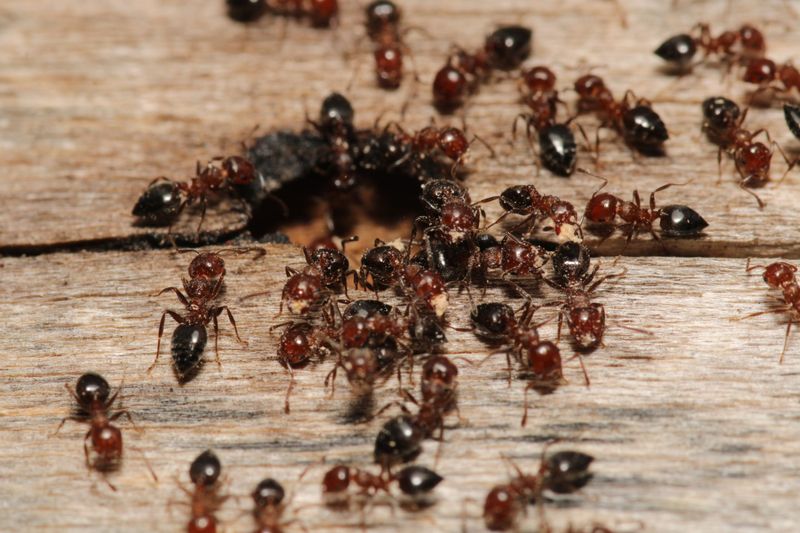
Back in the 1950s, red imported fire ants first showed up in the state’s southeastern corner. Since then, they’ve marched steadily north and west.
Today, they’re established in most counties, from the coast through the Piedmont. Federal quarantine maps from the USDA cover a large share of the state, which affects moving soil, sod, hay, and nursery plants out of regulated areas.
Spread hasn’t stopped at the foothills, either. Colonies have been documented in some higher-elevation western counties. Research suggests fire ants in cooler regions may handle cold a bit better than their southern cousins.
Elevation still matters, though. Mountain winters with deeper, longer freezes make life harder for colonies, so populations there tend to be patchier. Down east, mild winters give them an easier ride.
Gardeners can help slow things down. Inspect potted plants, sod, and bagged mulch before bringing them home, especially from areas with known infestations. If you buy plants in quarantined counties, reputable nurseries follow treatment rules.
I always tip a new container slightly and glance at the drainage holes before setting it in my bed. It takes five seconds, and it’s saved me at least one unwelcome guest.
7. Bait Bags Work Best When the Weather Warms Up Again
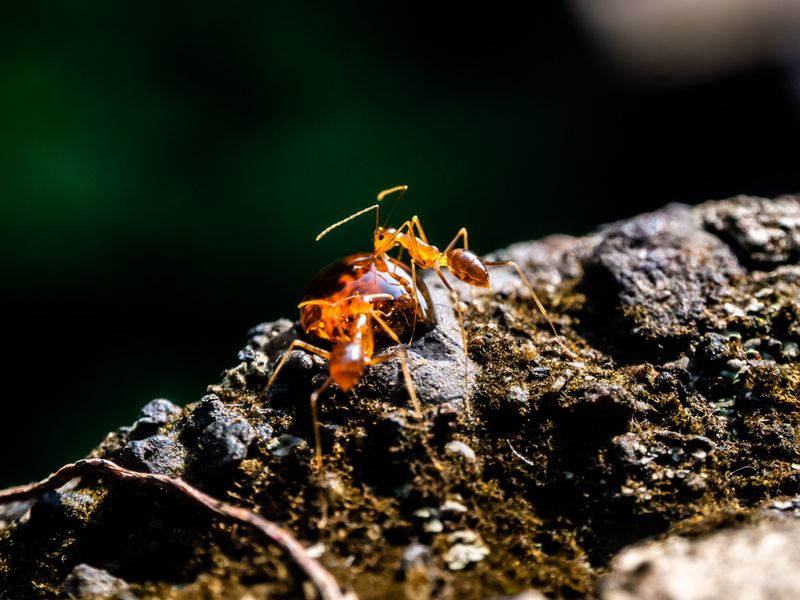
Timing beats effort with fire ant bait. Spreading granules on a cold day mostly feeds the birds, because workers aren’t up there to collect it.
NC State Extension recommends applying baits when ants are actively foraging, typically when soil temperatures are around 70 to 85 degrees. In much of the state, that means mid to late spring and again in early fall.
Baits work slowly but thoroughly. Workers carry the granules underground and share them, eventually reaching the queen. Once she’s affected, the colony declines over several weeks.
A few simple rules help a lot. Apply to dry grass when no rain is expected for a day. Use fresh bait, since the oil-based carrier goes stale after the bag sits open for months. Read the label for temperature advice too.
The two-step method gets plenty of praise from extension specialists. First, broadcast bait across the whole yard. Then, a week or so later, treat any stubborn mounds individually with a labeled mound product.
Fall treatments can trim populations before winter, which means fewer colonies roaring back in April. Just skip the chilly weeks, and save your bait for days when ants are hungry.
8. Use Winter Downtime to Map Fire Ant Hot Spots in Your Yard
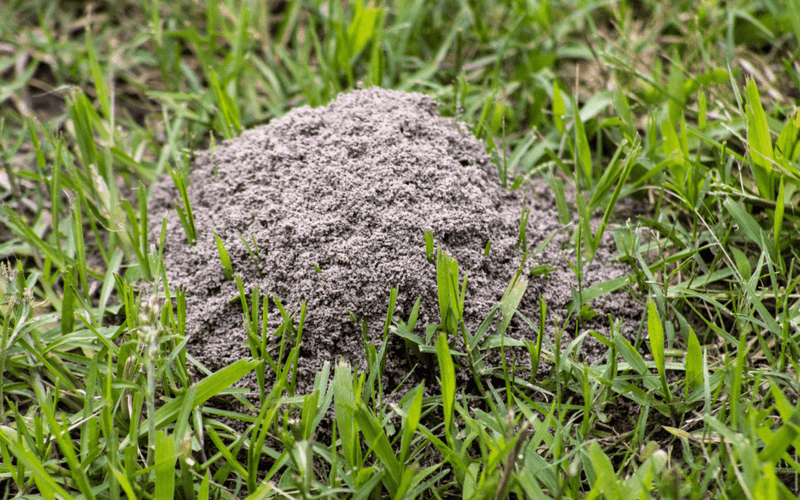
Cold months are my planning season, and fire ants now have their own page in my garden notebook. Quiet weeks are perfect for scouting without much stinging drama.
Walk your property after a warm, wet stretch, when fresh soil makes mounds easier to see. Mark each one with a small flag, and sketch a rough map. Note spots near paths, play areas, raised beds, and pet zones.
That map becomes your spring game plan. You’ll know where to broadcast bait first, and which mounds need follow-up treatment. It also shows patterns, like colonies favoring sunny edges or disturbed soil.
Cleaning up helps too. Clear brush piles and old boards that give colonies sheltered nesting sites. Store firewood off the ground and away from the house.
If allergies run in your family, talk with your doctor about sting reactions before the busy season. Swelling, hives, or trouble breathing after a sting needs prompt medical care.
Fire ants aren’t leaving on their own, and winter won’t handle the job for you. A little observation now, plus well-timed baits later, keeps your yard far more comfortable for barefoot summer evenings.