The Underrated Fall Lawn Step Texans Skip Before Winter
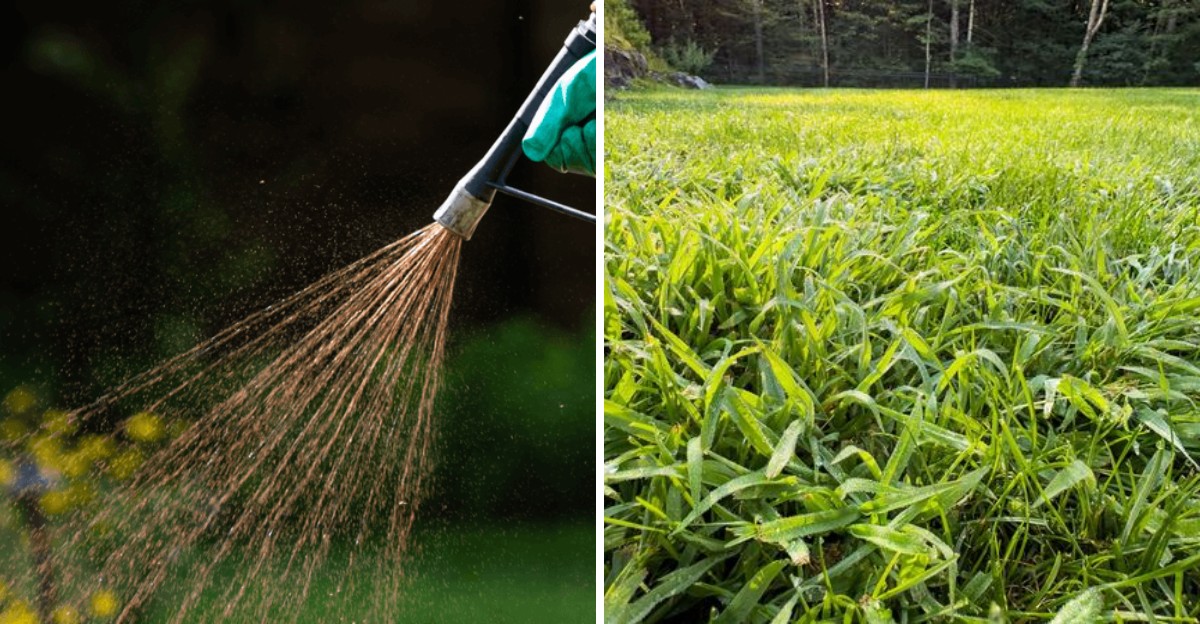
A single henbit plant can drop hundreds of seeds, and many of those seeds sprout in fall while your grass is heading toward its winter nap. I find that sneaky timing almost rude. The weeds that bug you in March often got their start back in October.
Winter annual weeds love cool, damp weather. Henbit, chickweed, and annual bluegrass sprout quietly while Bermuda, St. Augustine, and zoysia slow down. By the time your turf greens up, those squatters have already claimed the best spots.
Personally, I used to blame spring for every weedy patch in my yard. Then I learned the real work happens months earlier, with one simple task most Texas homeowners skip. It takes less time than mowing the lawn.
You do not need fancy tools or a big budget for it. You just need the right product, the right window, and a little planning. Ready to outsmart next spring’s weeds before they sprout?
Those Spring Henbit Patches Actually Got Their Start Last Fall
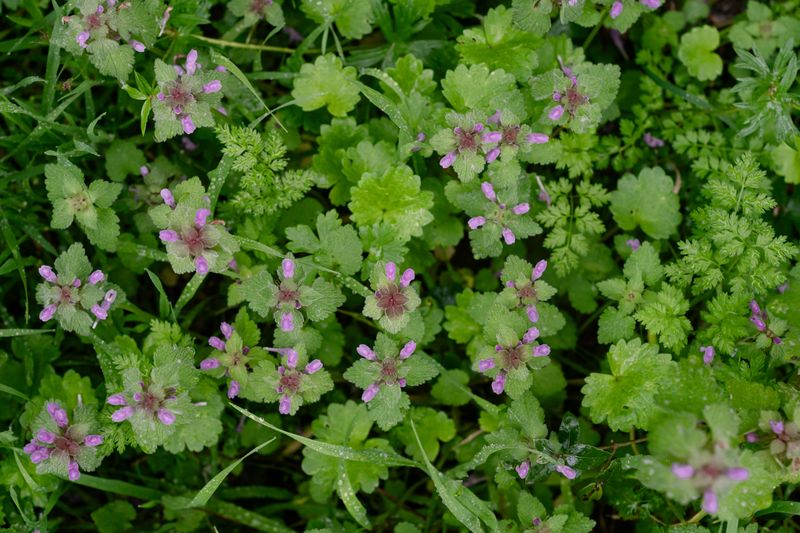
Purple flowers dotting a brown lawn in February look cheerful for about five minutes. Then you realize that purple is henbit, and it brought friends. Chickweed, annual bluegrass, and burclover often join the party too.
All of these are winter annual weeds. Their seeds sprout in fall once the soil cools, usually from late September through November across much of the state.
They grow slowly through winter, flower in late winter or early spring, then set seed before fading in the heat.
Warm-season grasses work on the opposite schedule. Bermuda, St. Augustine, zoysia, and buffalograss slow down in fall and go dormant after frost. That leaves bare, open space where weeds face almost no competition.
So the weeds you notice in spring are not new arrivals. They are seedlings you missed months ago, now big enough to see. By the time they flower, many are already making seeds for next year.
Once you understand this cycle, spring weed problems start to make sense. Pulling or spraying them later helps, but it treats the result rather than the cause.
The smarter move happens before those seeds ever crack open, and that step is what most homeowners skip.
A Fall Pre-Emergent Herbicide Stops Weed Seeds Before They Sprout
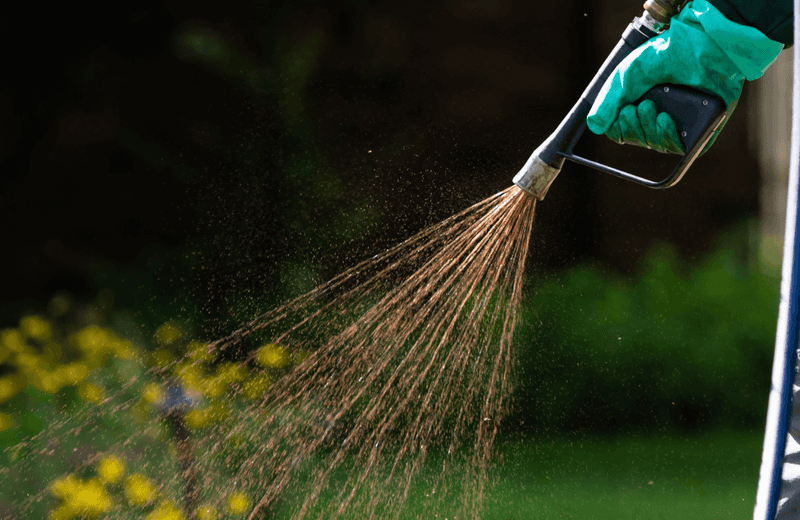
Meet the skipped step: a fall application of pre-emergent herbicide. Most Texans know about the spring version for crabgrass, yet far fewer think about weeds in the fall.
A pre-emergent works by forming a thin chemical zone in the top layer of soil. When a weed seed sprouts, its tiny root and shoot hit that zone and fail to grow.
It does not harm established grass when used as the label directs, and it does not affect weeds already growing.
Texas A&M AgriLife turf specialists list fall pre-emergent treatment as a key tool for controlling winter annual weeds in home lawns.
Common active ingredients include prodiamine, dithiopyr, and pendimethalin. Isoxaben is another option aimed mostly at broadleaf weeds like henbit.
Your Texas Garden Changes Every Week. Your Plan Should Too.
Gardening in Texas changes quickly throughout the season. Every Friday you’ll receive a simple weekly plan showing exactly what to plant, prune, fertilize, harvest, and protect so you never miss the right timing.
I like how preventive this approach feels. Instead of chasing weeds with a sprayer in March, you stop most of them quietly in October.
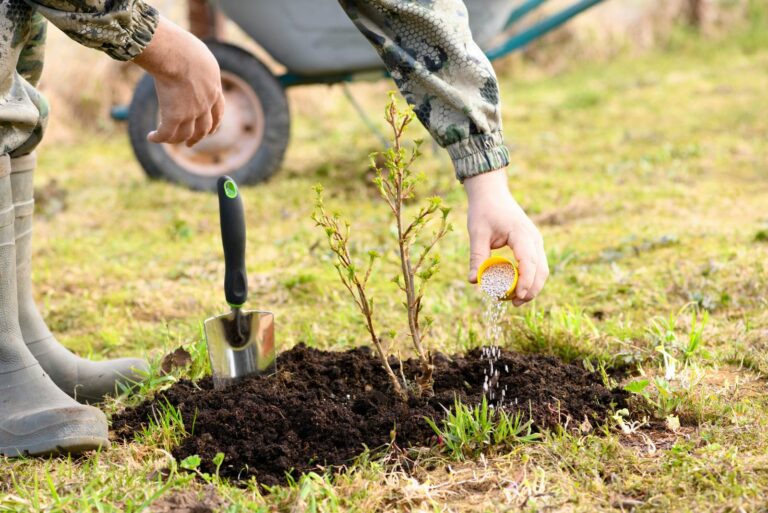
Granular products go out with a basic broadcast spreader, which most garden centers sell or rent. Liquid versions work too, though they need a sprayer and careful mixing.
Read the bag for your grass type, because some products are labeled for certain turf only. St. Augustine, for example, can be sensitive to a few herbicides.
Watch The Soil Thermometer Before You Fill That Spreader
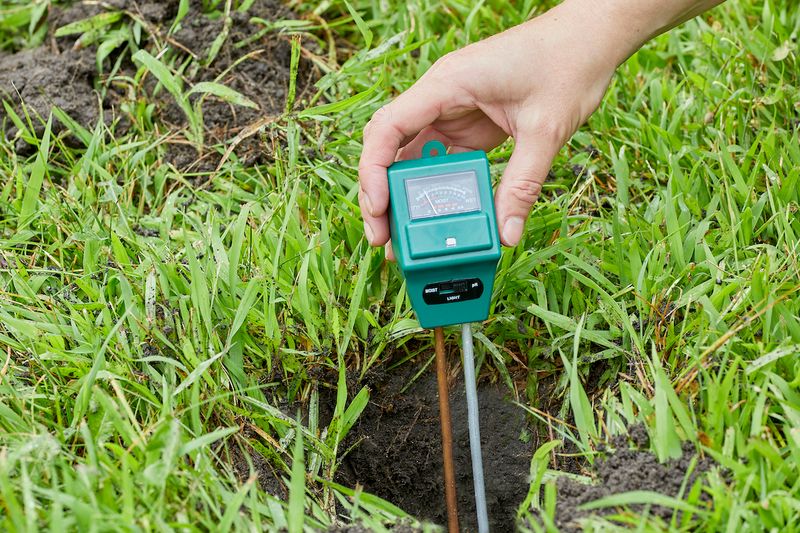
Timing makes or breaks this whole project. Put the product down too late, and seeds have already sprouted past the barrier.
Winter weeds start germinating when soil temperatures fall to around 70 degrees and below. Many turf experts suggest applying when nighttime air temperatures drop into the 50s and 60s for several days.
In North Texas, that often means mid to late September. Central Texas usually lands around late September to early October, while Houston, the coast, and South Texas often run into October.
A cheap soil thermometer takes the guessing out of it. Push it about two inches deep in the morning and check for a few days in a row. Some university and state websites also post local soil temperature data.
Many pre-emergents last roughly eight to twelve weeks, depending on the product and rate. Some labels allow a split application, with a second round about two months later to cover late sprouting weeds.
Personally, I set a phone reminder for the first cool stretch of fall. It sounds small, but that reminder has saved me hours of weeding.
Your exact window depends on your region, so trust your local soil readings over a fixed calendar date.
Water In Those Pre-Emergent Granules Or They Just Sit There
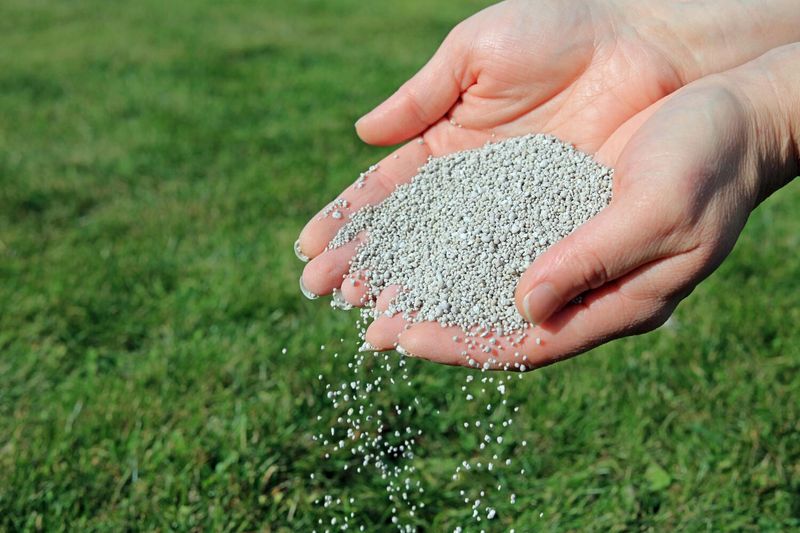
Granules sitting on top of the grass blades are not doing much. A pre-emergent needs water to move off the leaves and into the soil, where weed seeds actually live.
Most labels call for about a half inch of water within a few days of application. Some products are more forgiving, but light watering soon after spreading is a safe habit.
A gentle rain works just as well, as long as it is not a gully washer that carries product into the street.
Sweep or blow any granules off sidewalks, driveways, and patios back onto the lawn. Anything left on hard surfaces can wash into storm drains and local creeks. That small cleanup matters for Texas waterways.
After the barrier is set, try not to disturb the soil. Core aeration, power raking, or heavy digging can break the treated layer and open gaps for weeds. If your lawn needs aeration, schedule it before the pre-emergent goes down.
You also want to skip fall seeding in treated areas. A pre-emergent does not know the difference between a weed seed and a grass seed.
If you plan to overseed with ryegrass, choose spots you leave untreated or pick a different strategy.
Feed Your Bermuda Or St. Augustine Before The First Frost
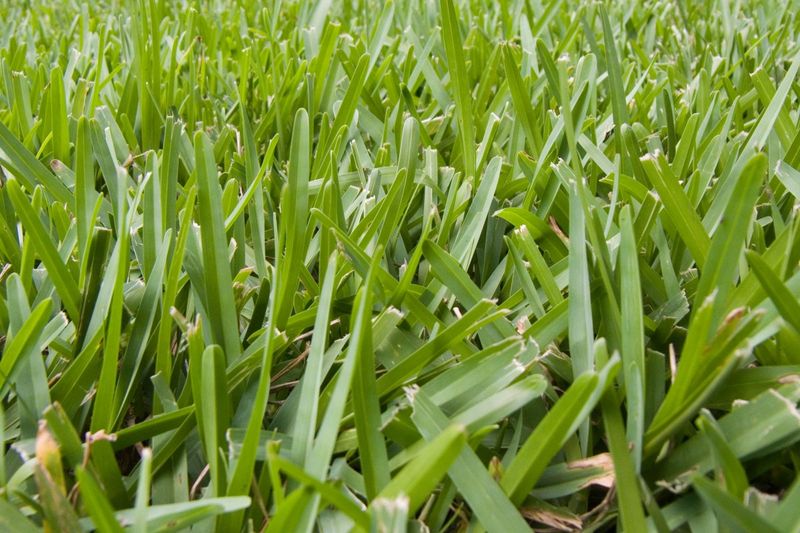
Think of fall fertilizer as a packed lunch for the winter months. Your grass is slowing down, but it still stores energy in its roots and runners for spring green-up.
Texas A&M AgriLife generally suggests a final fall feeding about four to six weeks before your average first frost date. For Dallas, that is often early October. In Houston or San Antonio, it can stretch later into October.
Go easy on nitrogen at this stage. Too much late nitrogen pushes soft leafy growth, which may raise the risk of disease like large patch in St. Augustine and zoysia.
A soil test through the Texas A&M Soil, Water and Forage Testing Lab can tell you what your yard actually needs.
Many Texas soils already hold plenty of phosphorus, so a test keeps you from buying nutrients you do not need. Potassium sometimes helps with stress and cold tolerance, but only when soil levels run low.
Some fall products combine fertilizer and pre-emergent in one bag. That can save a trip with the spreader.
Just make sure the timing works for both jobs, because the weed window and the feeding window do not always match perfectly.
Cut Back The Sprinkler Schedule As Grass Slows Down
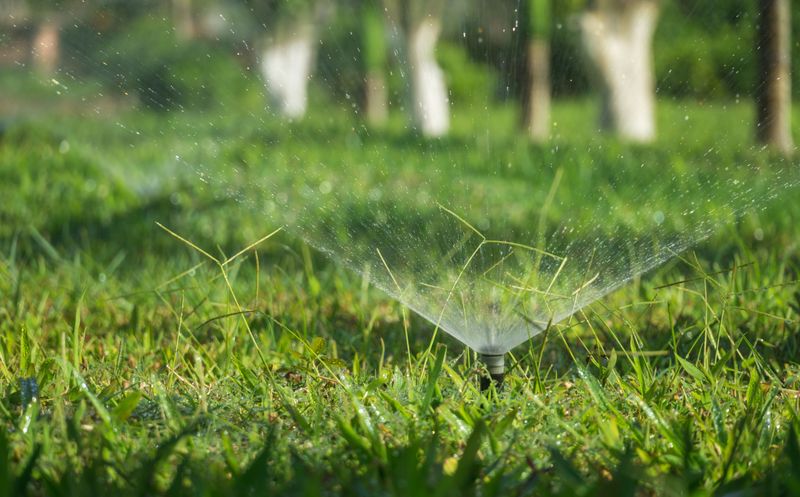
Summer sprinkler settings are a sneaky problem in October. Your lawn simply does not drink like it did in August.
Cooler days, shorter daylight, and occasional fall rains all lower water needs. Keeping the same schedule often leaves soil soggy.
Wet, cool turf is a welcome mat for large patch, the fungal disease that leaves tan, circular rings in St. Augustine and zoysia.
Water deeply but less often, only when the grass shows signs of thirst. Folded blades, a bluish gray color, or footprints that stay visible are good clues. Many Texas lawns need water every week or two in fall, depending on rain and soil type.
Run sprinklers early in the morning so blades dry quickly during the day. Evening watering keeps leaves damp overnight, which fungi enjoy far more than you do.
Check your city’s watering rules too. Many Texas cities, including Austin and San Antonio, set specific watering days and times, and some adjust during drought stages. A rain sensor or smart controller helps skip watering after a good storm.
Once the grass goes fully dormant, it needs only occasional water during long dry spells. That small change also trims your water bill nicely.
Mulch Those Fallen Oak Leaves Instead Of Bagging Them
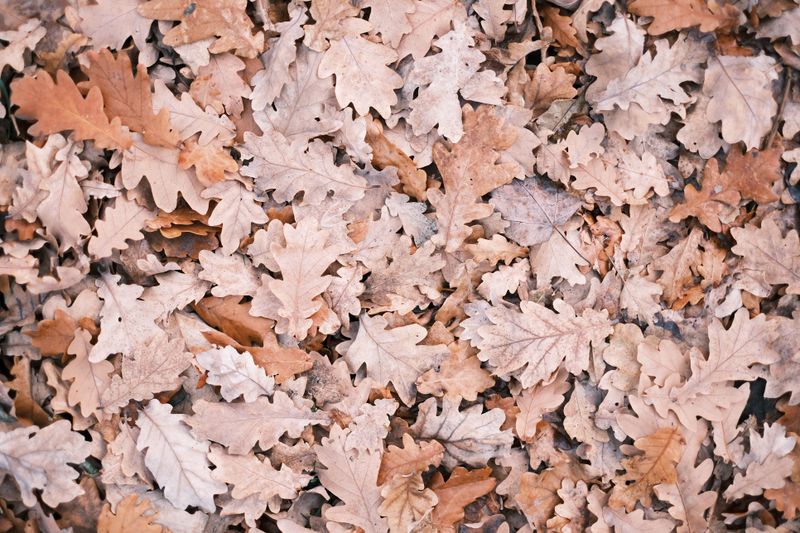
Live oak, red oak, and pecan leaves can pile up fast once fall arrives. A thick carpet looks cozy, but it blocks sunlight and traps moisture against your grass.
Under heavy leaf cover, turf can thin out and become more prone to disease. Your pre-emergent barrier still works underneath, but the grass itself struggles for light.
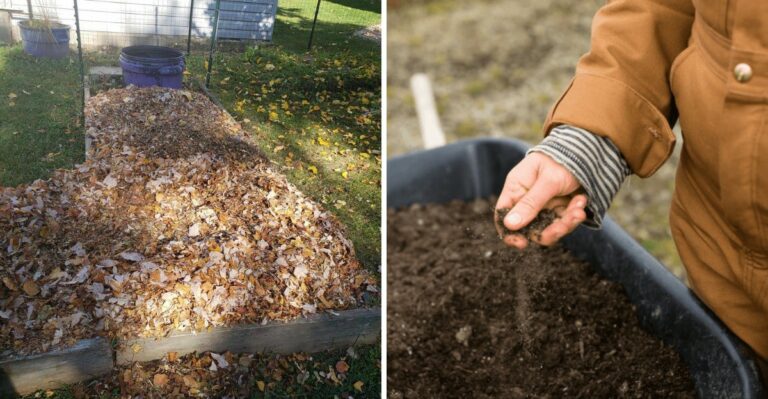
Bagging every leaf is not the only answer. Running a mower over dry leaves chops them into small pieces that slip down between grass blades. Those bits break down over time and add organic matter to the soil.
Texas A&M AgriLife supports this approach, often called leaf mulching. It saves time, reduces bags headed to the landfill, and returns a little nutrition to your lawn.
If leaves pile up too deep for the mower to handle, rake some into flower beds or a compost pile. Shredded leaves make a fine mulch around shrubs and perennials.
Aim to mow leaves every week or so during heavy drop. You want to still see grass after mowing, not a solid brown layer. A little leaf litter is fine. A thick mat is what causes trouble.
Mark Your Calendar For A Second Weed Barrier In Late Winter
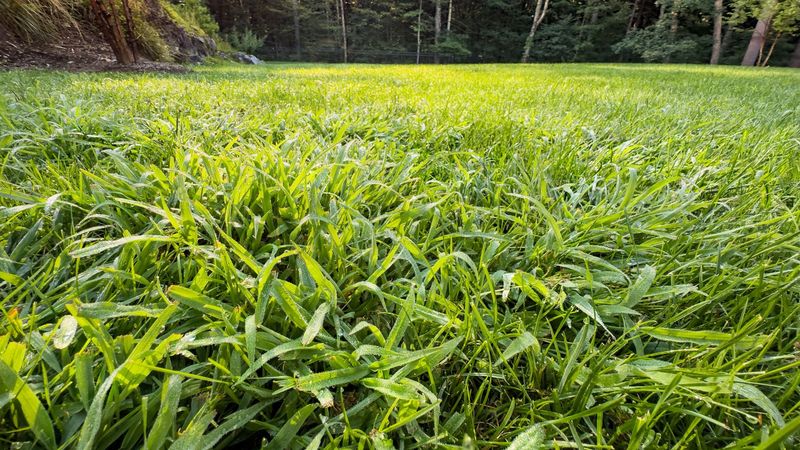
So you laid down a fall barrier. Nice work, and your spring self will thank you. The job does not end there, though.
A fall pre-emergent handles winter annual weeds, but summer annuals like crabgrass and sandbur sprout later.
Most Texas lawn experts recommend a second application in late winter, often February in South Texas and late February to March farther north.
A simple yearly rhythm works well. Apply pre-emergent in early fall for winter weeds, then again in late winter for summer weeds.
Add a well-timed fertilizer feeding and smart watering, and your lawn gets a strong head start.
Weeds that slip through can be spot treated with a post-emergent product labeled for your grass type. Hand pulling a few henbit plants before they flower also helps cut down next year’s seed supply.
Keep a small lawn notebook or phone note with dates, products, and results. After one season, you will see patterns specific to your yard.
Honestly, this habit changed how I feel about spring. Instead of dreading the purple weed bloom, I get to watch the grass wake up first. That feeling is well worth one autumn afternoon with a spreader.