Your Ohio Oak Is About To Start Feeding Half The Neighborhood
A single big tree in your yard can feed dozens of kinds of wildlife in one season.
That number stopped me cold the first time I read it. Deer, turkeys, blue jays, woodpeckers, raccoons, and foxes all want a seat at the same table.
In a strong year, one mature tree in Ohio can drop more than 10,000 little brown snacks. Some fall in late summer, while others hang on until the first snow. I like how the timing seems almost planned, like a buffet that refills itself.
You might hear them first, bouncing off the car roof or pinging the gutters at night. Then the visitors show up, sometimes in broad daylight and sometimes at dawn.
So who is really eating under your tree, and should you rake it all up or leave the feast alone?
Those Thumps On The Roof Mean Your Oak Tree Is Gearing Up
Late summer nights in Ohio come with a strange soundtrack. Pings on the gutters, cracks on the deck, and the odd bonk on a parked car all point to the same source overhead.
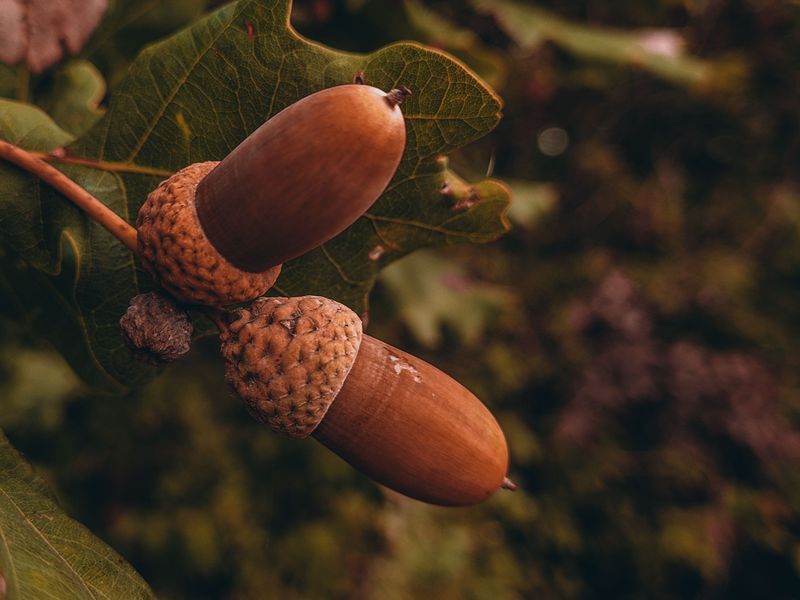
Your oak is ripening its acorns, and the first drops are often the early quitters. Many of those first nuts are small, empty, or damaged by insects like acorn weevils. Trees shed these duds before the heavy, healthy crop starts falling in September and October.
Some years bring a trickle, while other years feel like a hailstorm. Foresters call the big years mast years. Oaks tend to produce heavy crops every two to five years, and trees across a whole region often sync up.
Scientists still debate exactly why. Weather during spring flowering plays a big part, since frost or soggy pollen season can shrink a crop. Another theory says boom years overwhelm seed eaters, so more acorns survive to sprout.
I find it fun to keep a little notebook each fall. Jot down when the first acorns fall and how heavy the drop feels. After a few seasons, you will start to know your tree’s rhythm better than any forecast.
White Oak And Red Oak Acorns Share The Feast On Different Schedules
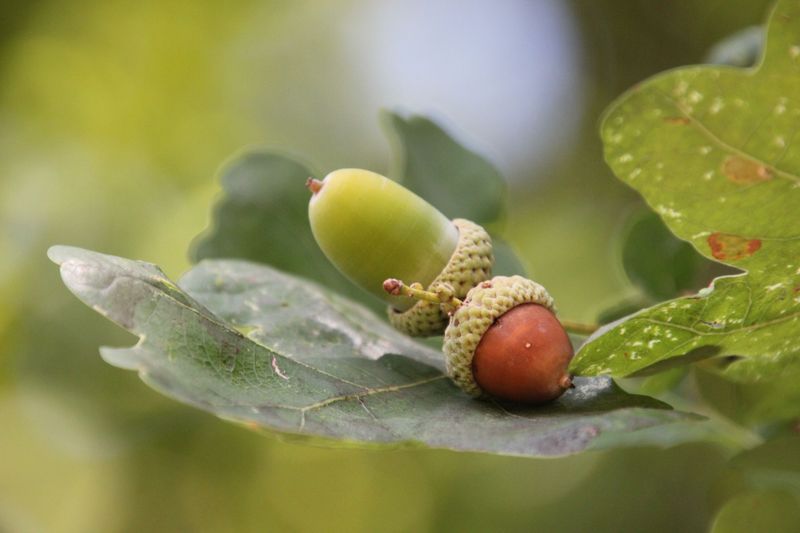
Grab one leaf from your tree and look at the tips. Rounded lobes mean you have a white oak group tree, like white oak, bur oak, or swamp white oak. Pointy lobes with tiny bristles mean a red oak group tree, like northern red oak or pin oak.
That small detail changes the whole dinner menu. White oak acorns mature in one season and taste sweeter because they carry fewer tannins. Animals gobble them fast, and the nuts often sprout soon after landing.
Red oak acorns take two growing seasons to ripen. They are bitter with tannins, so wildlife often saves them for later. Those nuts can sit through winter and still be useful in February, when food is scarce.
Having both types nearby is like stocking the pantry with fresh bread and canned goods. One gets eaten now, and the other carries animals through the hungry months.
Your Ohio Garden Changes Every Week. Your Plan Should Too.
Gardening in Ohio changes quickly throughout the season. Every Friday you’ll receive a simple weekly plan showing exactly what to plant, prune, fertilize, harvest, and protect so you never miss the right timing.
Ohio has more than a dozen native oak species, so your neighborhood may hold a mix. Take a short walk and compare leaves on nearby trees. You might discover your street runs a two-course feeding program without anyone noticing.
Squirrels, Deer, And Turkeys Are Already Lining Up Under The Branches
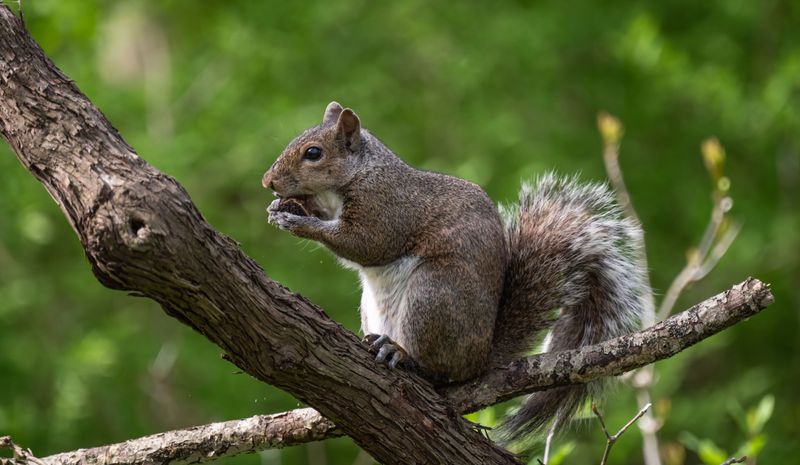
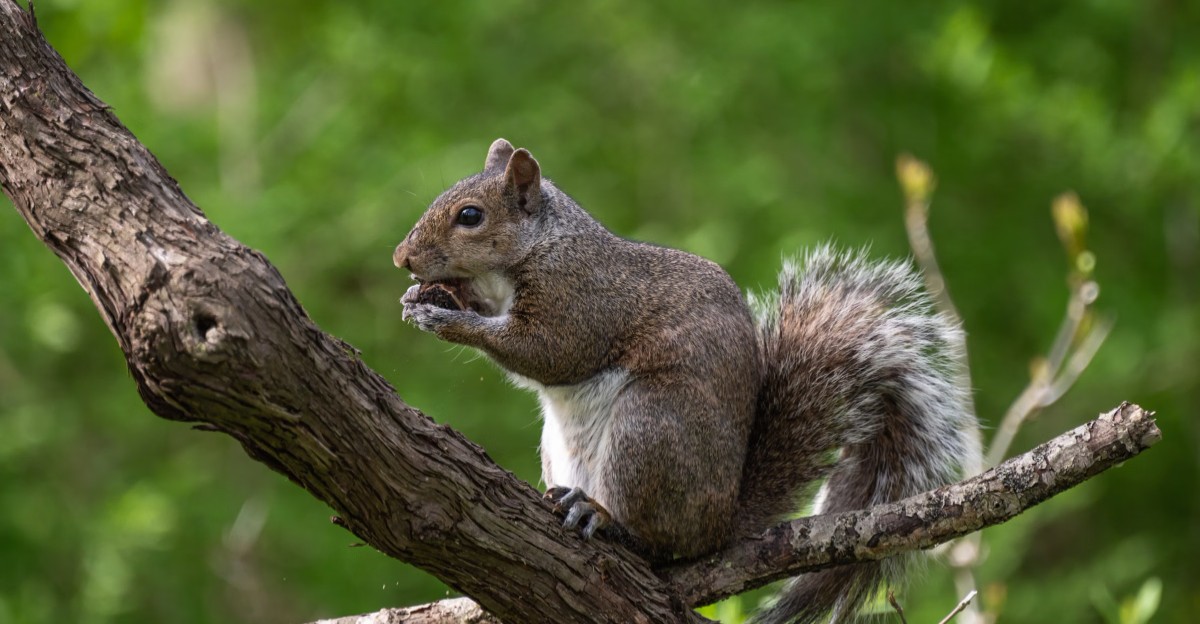
Watch your yard for one early morning in October. Odds are good you will spot a gray squirrel stuffing its cheeks before the coffee finishes brewing.
Wildlife agencies note that oaks support dozens of wildlife species. The regulars include fox squirrels, gray squirrels, chipmunks, white-tailed deer, and wild turkeys. Blue jays, red-bellied woodpeckers, wood ducks, raccoons, and even foxes join in too.
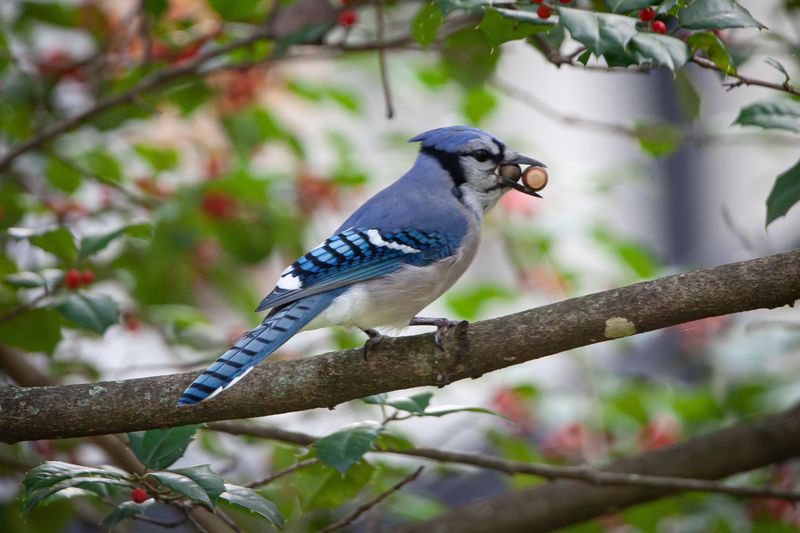
Each guest eats a little differently. Deer swallow acorns nearly whole and can pack away a surprising pile in a single evening. Turkeys scratch through leaves like busy chickens, while blue jays fly off with several nuts tucked in their throat pouch.
Mice and voles do their snacking after dark. You may only find their tiny chewed shells scattered near stone walls or woodpiles.
Personally, I love setting up a cheap trail camera aimed at the base of the trunk. The footage is often hilarious, with squirrels chasing jays and deer tiptoeing in at midnight. You will learn exactly who your oak feeds, and it might be a much longer guest list than you guessed.
Each Little Acorn Packs More Energy Than It Looks
Crack one open and you will see a pale, oily nut inside. That small kernel is loaded with carbohydrates and fat, plus a bit of protein. For a deer or turkey getting ready for winter, it works like a high-calorie energy bar.
Animals need those calories badly in fall. Fat reserves help them stay warm and survive long stretches when snow covers the ground. A good acorn crop can mean the difference between a strong winter and a rough one.
Wildlife biologists have linked heavy mast years to healthier deer. Does in good condition are more likely to have twin fawns the next spring. Turkey numbers and small mammal populations can rise after a rich year too.
A boom in mice has a side effect worth knowing. Biologists have tied mouse booms after big acorn years to more ticks the following year or two, since mice host young ticks.
So keep tick checks on your list after a heavy fall crop. A quick look after yard work is easy insurance. It is a small price for living next to such a generous tree.
Blue Jays And Squirrels Are Secretly Planting Tomorrow’s Oak Forest
Here is a fun fact to share at the dinner table. A single blue jay can bury thousands of acorns in one fall, and it forgets plenty of them.
Those forgotten nuts become baby oaks. Jays often carry acorns far from the parent tree, sometimes more than a mile away. Some researchers credit jays with helping oaks spread north after the last ice age.
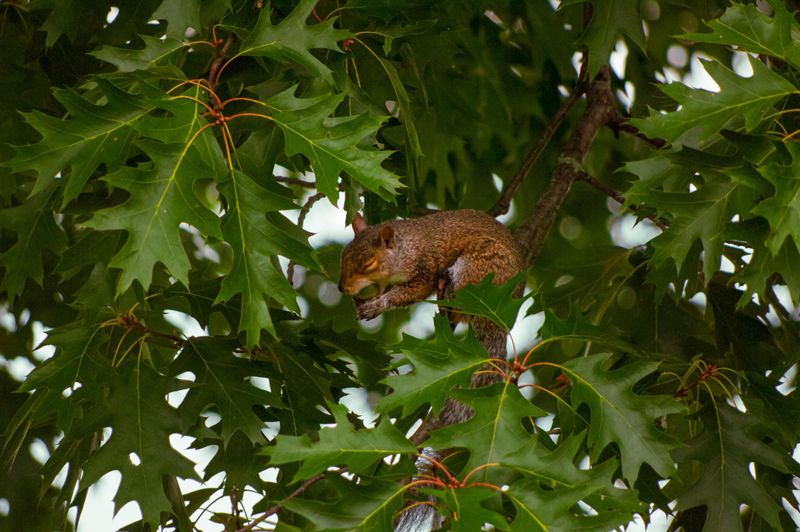
Squirrels play a similar game. Gray squirrels scatter-bury nuts one at a time across lawns and garden beds. They find many again by smell, yet a share stay put and sprout in spring.
Studies also suggest squirrels treat the two oak groups differently. They tend to eat white oak acorns right away because those sprout quickly. Red oak acorns, which wait until spring to germinate, get buried more often.
That explains the mystery seedlings in your flower beds each May. Pull the ones in awkward spots while they are small, since oak taproots grow deep fast. If you have space, pot one up and share it. Your squirrel just gave you a free native tree.
A Carpet Of Acorns On The Lawn Needs A Smart Cleanup Plan
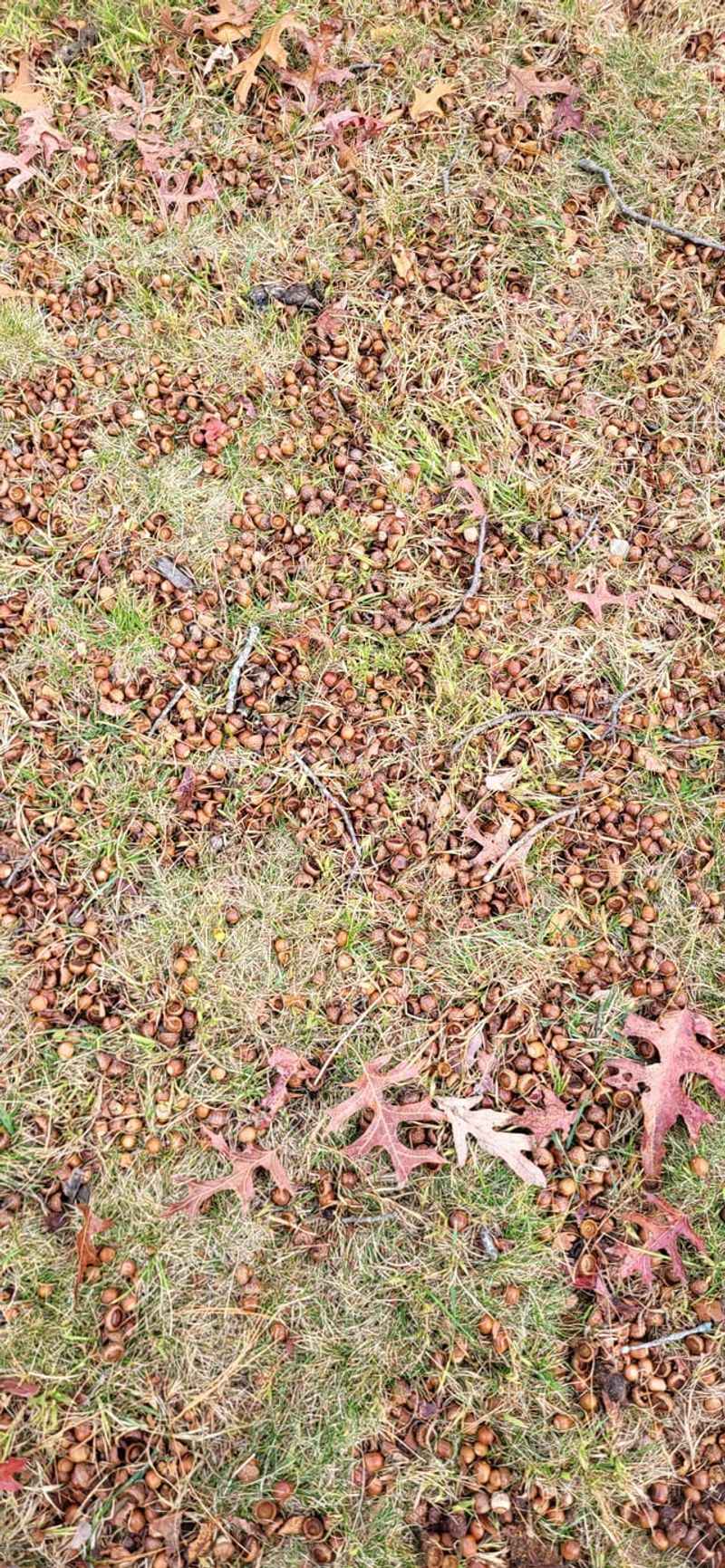
Ten thousand acorns sounds charming until you step on a few in sock feet. A big oak can bury a patio in a heavy year, and those round nuts roll like marbles on steps and driveways.
Safety comes first. Sweep walkways, porch steps, and driveways often during the peak drop, especially for older family members. A leaf blower clears hard surfaces quickly.
On lawns, a rolling nut gatherer saves your back. You simply push it like a small cart, and the wire basket scoops up acorns. Mowing over thick piles can dull blades and send nuts flying, so clear heavy spots first.
You do not need to remove every acorn. Leave a strip near shrubs, a back corner, or a natural bed for wildlife to enjoy. Collected acorns can go into compost in moderate amounts, though they break down slowly.
Dog owners should take extra care. Acorns contain tannins that can upset a dog’s stomach and may cause bigger problems if eaten in quantity. Scoop up nuts in pet areas and call your vet if your pup gets into a pile.
More Deer And Critters Near The House Can Mean Garden Trouble
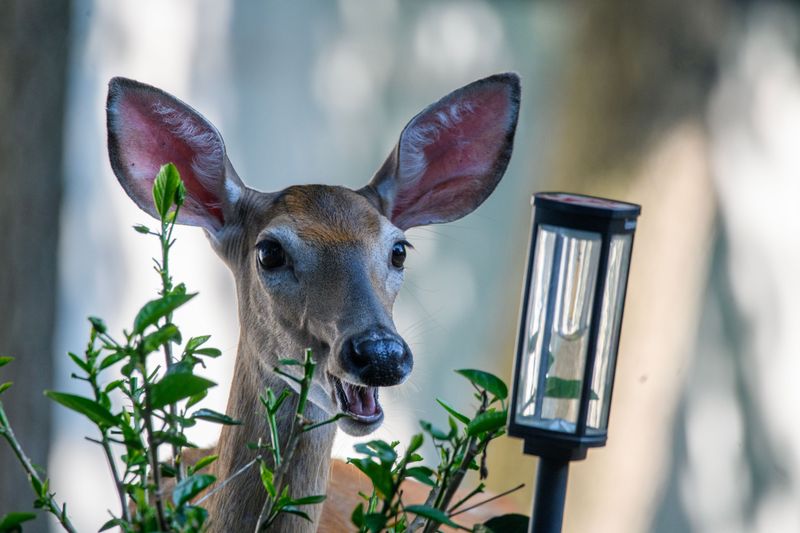
Plenty of food under one tree draws a crowd. Deer that come for acorns often stay for your tulip bulbs, hostas, and young shrubs too.
Fall is a good moment to protect what you care about. Wrap young tree trunks with tree guards, since bucks rub antlers on saplings in autumn. Wire mesh cages around new shrubs help through winter as well.
Planting bulbs this fall? Daffodils and alliums are rarely bothered by deer or squirrels. Tulips and crocus often vanish, so lay chicken wire over the bed before covering with mulch.
Squirrels sometimes dig up containers looking for buried treasure. A layer of gravel or a light mesh cover on pots can stop the digging. Bird feeders may also see more traffic, so baffles earn their keep now.
Driving gets a bit trickier too. Fall is peak season for deer crashes in Ohio, partly because of breeding season and partly because animals move toward food. Slow down near wooded roads at dawn and dusk.
Shared space works best with a little planning. Feed the wildlife with your oak, not your flower beds.
Planting One More Native Oak Keeps The Neighborhood Fed For Generations
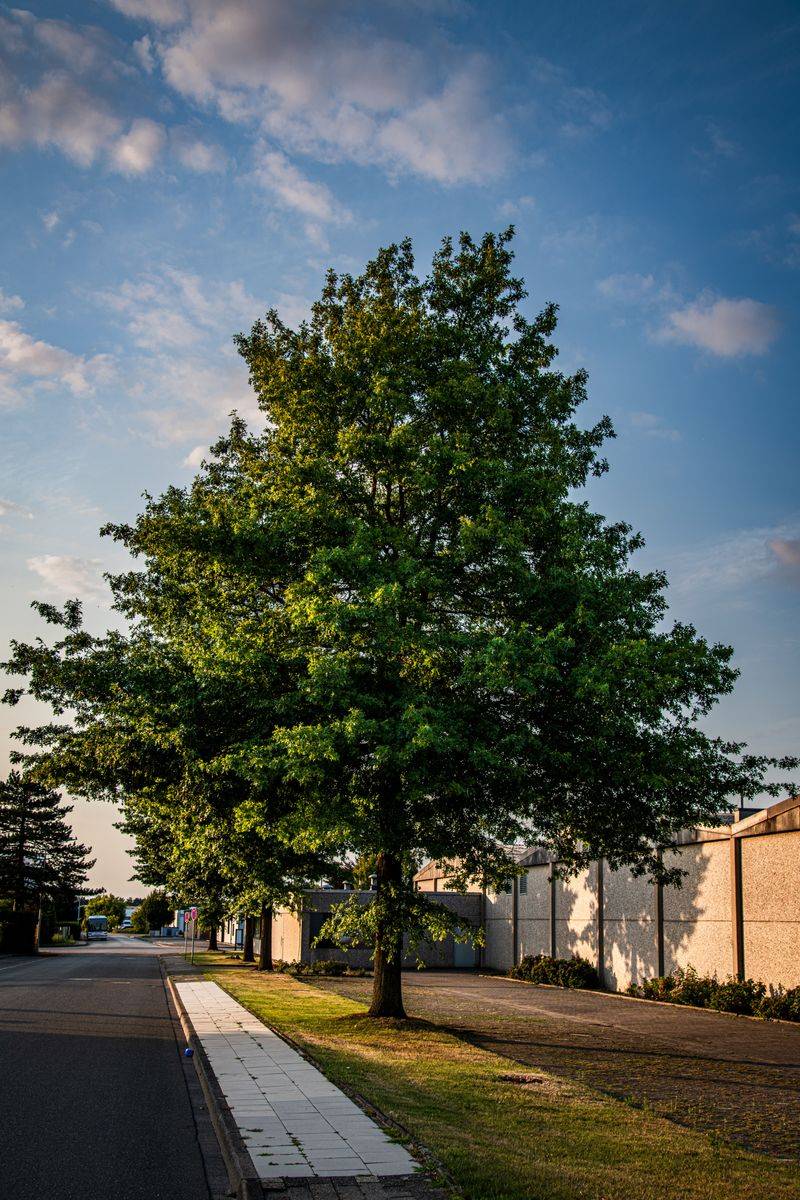
Honestly, the best thing you can do with this knowledge is plant another oak. Fall is a great time in Ohio to set out a young tree, since cool air and moist soil help roots settle before winter.
Entomologist Doug Tallamy found that native oaks support hundreds of caterpillar species. Those caterpillars feed nesting songbirds every spring, so an oak helps wildlife long before the first acorn drops.
Good choices for home yards include white oak, swamp white oak, bur oak, and northern red oak. Swamp white oak handles wetter clay soils common in much of the state. Check your local nursery or county soil and water district, since many hold yearly native tree sales.
Give your tree room to grow. Most oaks reach 50 to 80 feet tall, so plant them well away from the house, ideally 30 feet or more. Water weekly during dry spells for the first two years.
Patience pays off here. Many oaks start producing acorns at around 20 years, with the biggest crops coming later. Someone down the road will thank you, and so will a long line of hungry squirrels.