Turn Your New York Yard Into A Monarch Waystation With These Native Plants
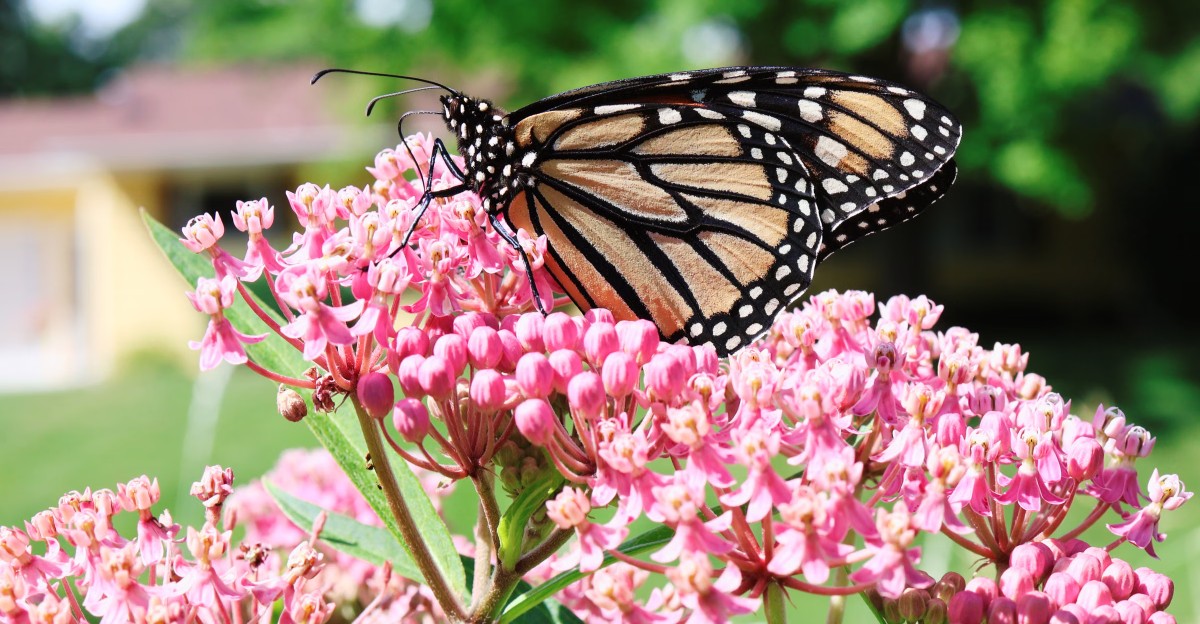
The monarch drifting past your fence this October could live up to nine months, unlike its short-lived parents. Scientists call it the super generation, and it may fly nearly 3,000 miles from New York to central Mexico.
Those travelers pause breeding and spend their energy on fuel, sipping nectar like marathon runners grabbing snacks. At night they cluster by the thousands on trees, sharing warmth during chilly stops along the route.
I am still amazed that a creature weighing less than a paperclip can pull off that trip. Your yard can become a refueling stop, and the right plants make a bigger difference than you’d expect.
Habitat loss and pesticide use have shrunk the food supply monarchs need, especially here in New York. So which native beauties belong in a true waystation, and could one already be growing near your mailbox?
1. Common Milkweed
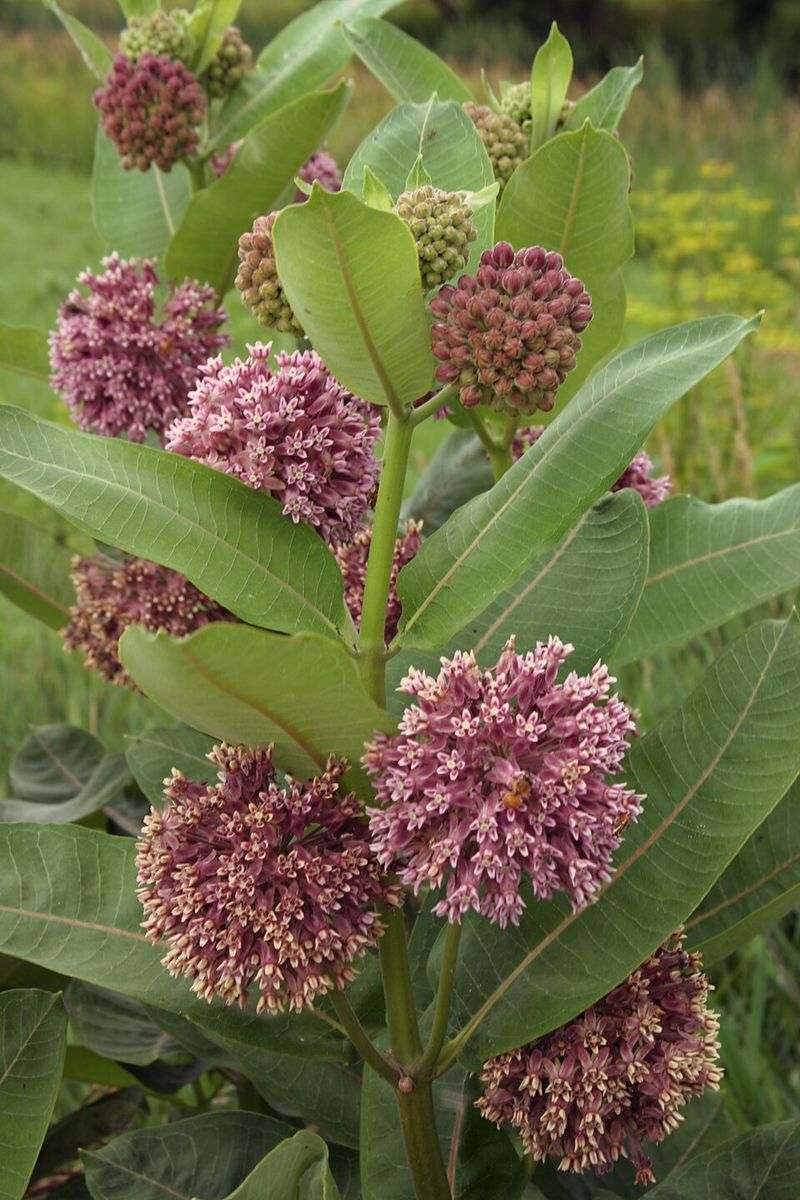
Crush a leaf of this roadside giant and a sticky white sap oozes out, which is the monarch’s secret shield. Caterpillars munch the leaves and store bitter compounds, so birds learn quickly that orange and black tastes awful.
I love the early summer flowers, which hang in round pinkish-purple balls and smell wonderfully sweet on warm evenings. Plants usually reach three to six feet tall, with broad leaves that give hungry caterpillars plenty to chew.
Right now in October, the warty seed pods are splitting open and releasing silky floss into the breeze. You can collect a few pods before they burst and scatter the seeds wherever you want a new patch.
Fall sowing works beautifully because the seeds need a cold, damp winter before they will sprout next spring. Press them lightly into bare soil in a sunny spot, then let snow and rain handle the rest.
Fair warning, though, because this plant loves to wander through underground rhizomes and pop up in surprising places. Give it a back corner or a meadow strip where a spreading colony feels like a feature, not a problem.
It handles average to dry soil and most soil types, so even tired lawn edges can host it. Wear gloves when handling stems, since the milky sap can irritate skin and should stay away from eyes.
Honestly, no waystation feels finished without this classic, because it feeds caterpillars and adults in the same patch. Every time I spot a striped caterpillar chewing a leaf, I feel like my garden earned a gold star.
2. Butterfly Milkweed
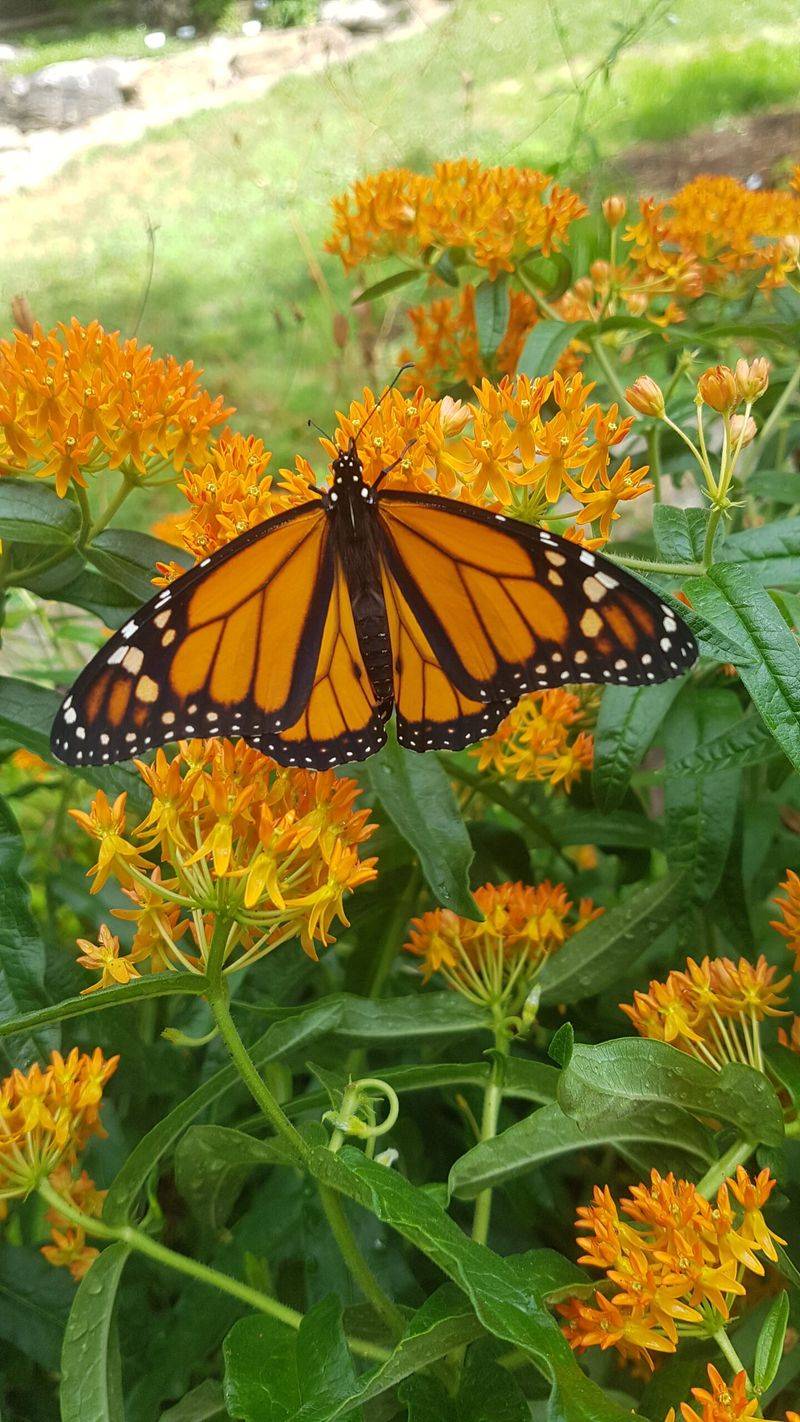
Few native flowers glow quite like this one, with flat clusters so orange they look almost electric in July. Unlike its cousins, it usually lacks milky sap, which surprises plenty of gardeners the first time they snap a stem.
Plants stay compact at one to three feet, making them easy to tuck into front borders or small yards. Monarch caterpillars feed on the leaves, while adult butterflies and bees crowd the bright blooms for nectar.
A long taproot gives this plant serious drought toughness, so sandy or poor soil suits it surprisingly well. That same root also makes transplanting tricky, so choose your spot carefully and plan to leave it alone.
Your New York Garden Changes Every Week. Your Plan Should Too.
Gardening in New York changes quickly throughout the season. Every Friday you’ll receive a simple weekly plan showing exactly what to plant, prune, fertilize, harvest, and protect so you never miss the right timing.
I learned the hard way that soggy clay makes it sulk, and I lost two plants before moving them. Full sun and sharp drainage are the winning combo, especially on a slope or raised bed.
October is a smart time to mark where your plants grow, because they emerge late in spring. Many gardeners assume they’ve disappeared and dig into the crown by accident, so a simple stake helps a lot.
The state lists this milkweed as exploitably vulnerable, so please buy nursery plants instead of digging wild ones. Look for pesticide-free stock, since some garden centers treat plants with chemicals that harm hungry caterpillars.
Roots and sap can upset stomachs if eaten in quantity, so keep curious pets and toddlers from nibbling. Once settled, though, this sunny little firecracker can return for many years with almost no fuss from you.
3. Swamp Milkweed
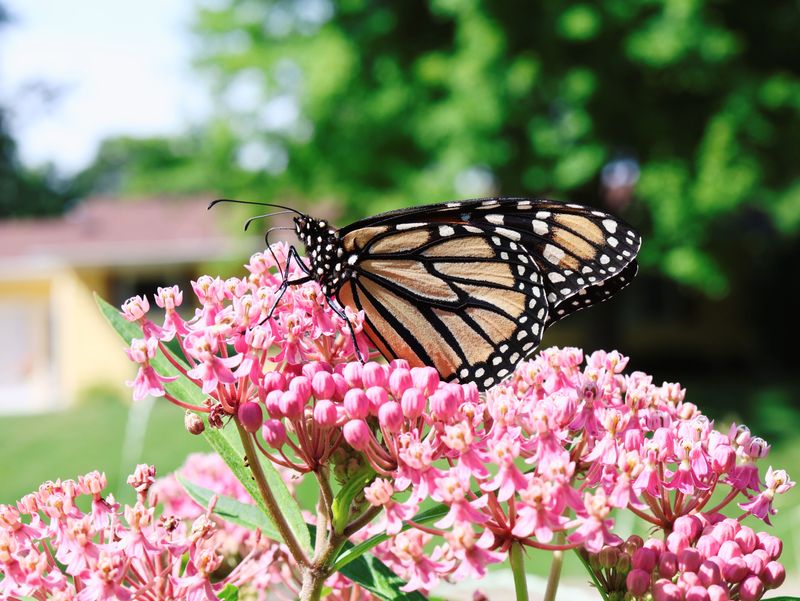
That soggy low spot where grass refuses to behave might be the best monarch real estate on your property. Swamp milkweed actually enjoys wet feet, and it turns a muddy corner into a pink pollinator party.
Its rose-pink flower clusters carry a sweet fragrance, and they bloom from midsummer often into early fall. Slender, pointed leaves look tidier than common milkweed’s big paddles, which makes neighbors much less likely to complain.
Plants grow three to five feet tall and stay in polite clumps instead of running all over the yard. I tucked mine beside a downspout, and it has thrived on the runoff for several summers now.
Rain gardens and pond edges suit it well, though average garden soil works too with regular summer watering. It tolerates clay better than most milkweeds, and it handles full sun or a bit of afternoon shade.
Look closely at the leaves this time of year and you may find small orange aphids clustering on stems. A quick blast from the hose usually controls them, and it keeps sprays away from any lingering caterpillars.
Seed pods ripen in autumn, so October is perfect for gathering a few and sharing them with friends. Like its relatives, the seeds need winter chill, so sowing them outdoors this fall gives them a head start.
Caterpillars that feed on it still gain the bitter chemicals that make them taste terrible to predators. For gardeners with damp ground, I honestly think this is the friendliest milkweed you could possibly plant.
4. New York Ironweed
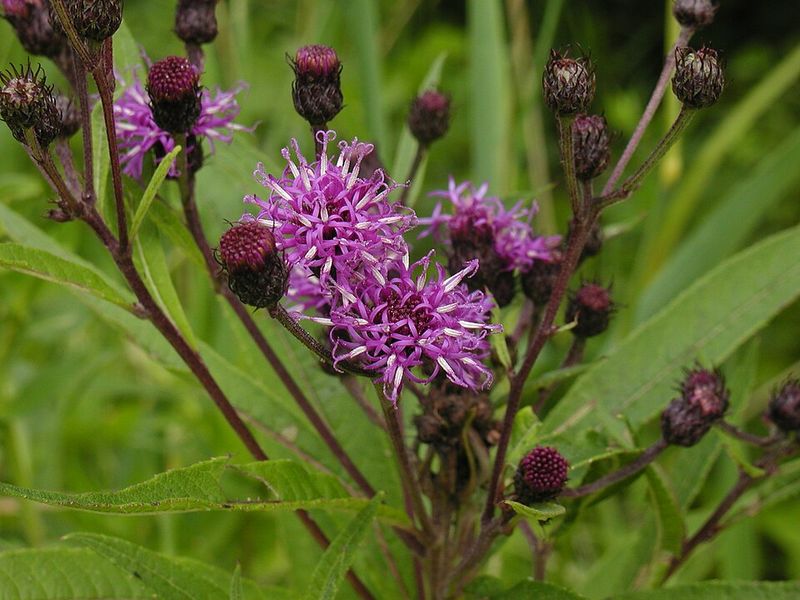
Towering up to seven feet, this late-summer skyscraper wears blooms so deeply purple they almost look velvet. The name comes from its tough, stiff stems, which stand firm through storms that flatten weaker perennials.
Flowers usually open in August and September, sometimes lingering into October when migrating monarchs need every sip. Butterflies land on the flat-topped clusters like customers at a crowded diner counter, and I find it mesmerizing.
Moist soil makes it happiest, though established clumps handle average garden beds better than you might guess. Full sun gives the strongest stems and most flowers, but filtered shade is acceptable along a woodland edge.
Deer tend to leave it alone, which feels like a small miracle in many suburban neighborhoods I know. Bitter leaves seem to discourage browsing, so it makes a sturdy backdrop that hungry deer mostly ignore.
Height can be an issue in small yards, so try the Chelsea chop in late spring next year. Cutting stems back by half around early June creates a shorter, bushier plant that still blooms in late summer.
This month, resist the urge to tidy it up, because the rusty seed heads look handsome all winter. Standing stems also give overwintering insects a place to shelter, which helps next year’s garden food web.
Hardiness covers zones five through nine, so the coldest Adirondack spots may find it a tougher fit. Everywhere else, I think this namesake native deserves a starring role at the back of your border.
5. New England Aster
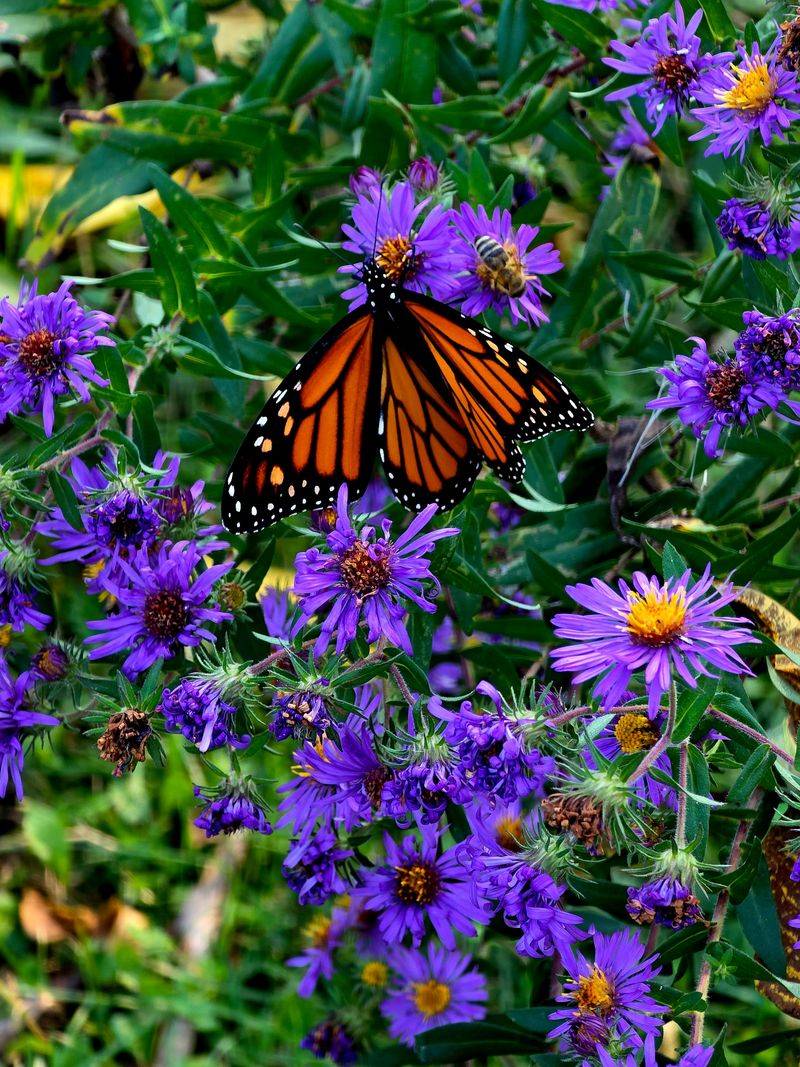
Walk past a clump of these in October and the purple flowers may literally buzz with traffic. Bumblebee queens fuel up for winter here, and migrating monarchs often elbow in for a share of nectar.
Blooms run from late August through October, which places them among the latest native flowers in the region. Each daisy-like head has dozens of skinny purple or pink rays around a sunny yellow center.
Plants reach three to six feet tall, with hairy stems and narrow leaves that hug the stalk. Those tall stems can flop by autumn, and mine leaned onto the path before I learned a trick.
Pinch or cut the stems back by a third in early summer, and the plant grows sturdier and bushier. Planting them among grasses or other perennials also gives them natural support without any stakes or string.
Full sun and moist, well-drained soil suit them best, though average garden conditions usually work fine too. Lower leaves sometimes turn brown or dusty with powdery mildew late in the season, which looks worse than it is.
Shorter plants placed in front hide those scruffy ankles, and good airflow helps keep mildew under control. Leave the fluffy seed heads standing after bloom, because finches enjoy picking through them on cold mornings.
Compact cultivars such as Purple Dome fit small yards, though many native plant fans prefer the wild form. Either way, watching a monarch sip from these purple stars on a crisp afternoon makes autumn feel generous.
6. Showy Goldenrod
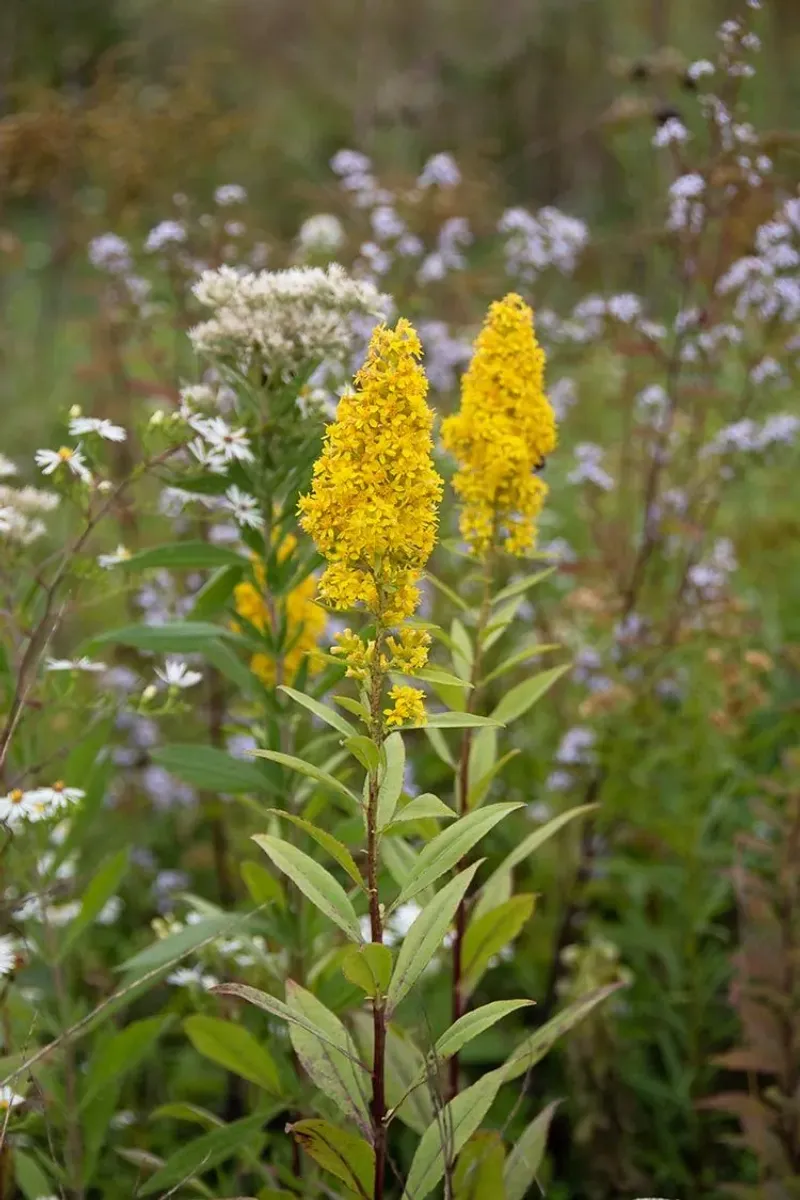
Goldenrod takes the blame for fall sneezing every year, yet the real culprit is usually ragweed blooming nearby. Its pollen is heavy and sticky, so it rides on insects instead of floating into your nose.
Showy goldenrod earns its name with dense golden plumes that form neat cone shapes atop sturdy reddish stems. Unlike some aggressive cousins, it grows in tidy clumps and behaves nicely in a mixed perennial bed.
Plants reach two to five feet, and blooms often peak from late summer into early fall. Right now, many gardens still glow with its color while monarchs pass through on their way south.
Dry, well-drained soil in full sun is its happy place, and it shrugs off drought once established. Sandy and clay soils both work, which makes it handy for those tough spots near driveways and sidewalks.
I planted three by my mailbox, and passersby keep asking what that glowing yellow plant could possibly be. Few guess goldenrod, because most people picture the weedy roadside types rather than this well-mannered beauty.
Deer usually pass it by, and rich soil is unnecessary, so skip the fertilizer to avoid floppy stems. Fall is a great planting season, giving roots several cool weeks to settle before the ground freezes.
After the flowers fade, leave the seed heads standing for winter birds that search gardens for snacks. Bees and butterflies crowd those plumes so eagerly that the whole plant sometimes seems to hum in sunlight.
7. Black-Eyed Susan
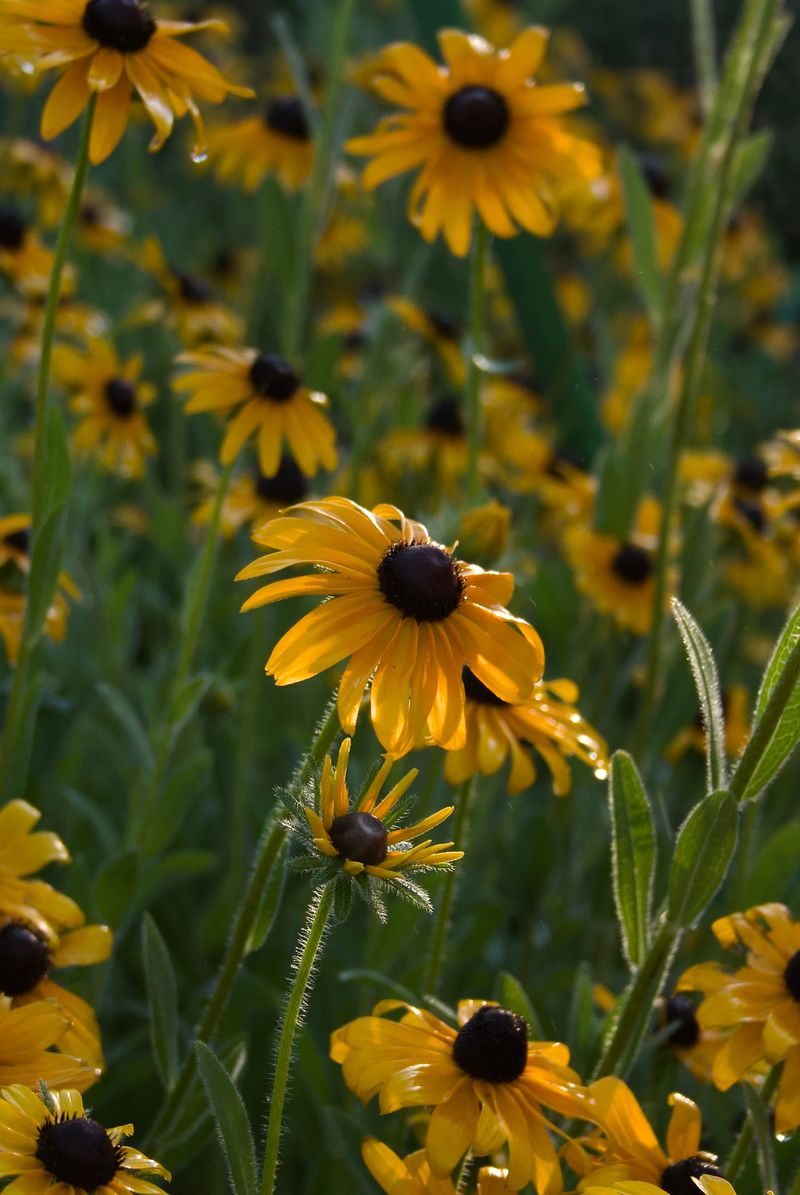
Those sunny gold petals around a chocolate-brown dome make this wildflower look like it was drawn by a kid. I mean that as a compliment, because few plants deliver so much cheer for so little effort.
Monarchs visit it less than milkweeds or asters, so treat it as a dependable supporting player. Its long bloom season still feeds many butterflies and bees, filling gaps when other flowers take a break.
Flowers often appear from June into October, and a few stragglers may still be shining in your beds now. Plants grow one to three feet tall, with rough, hairy leaves that feel a bit like fine sandpaper.
Most plants behave as biennials or short-lived perennials, so individual clumps may fade after a couple years. Thankfully, they self-seed generously, and new seedlings pop up nearby to keep the show going each summer.
Leave some seed heads standing this October, since goldfinches love perching on the stems to pluck seeds. You can also shake a few dried heads over bare soil to start fresh patches for next year.
Full sun suits it best, though partial shade works, and it tolerates heat and drought like a champ. Soggy ground is the one thing it dislikes, so avoid low spots where water sits after storms.
I like scattering it between taller natives, where its bright faces fill holes and soften the bare edges. Kids love it too, and planting some together could spark a lifelong interest in butterflies and gardening.
8. New York Aster
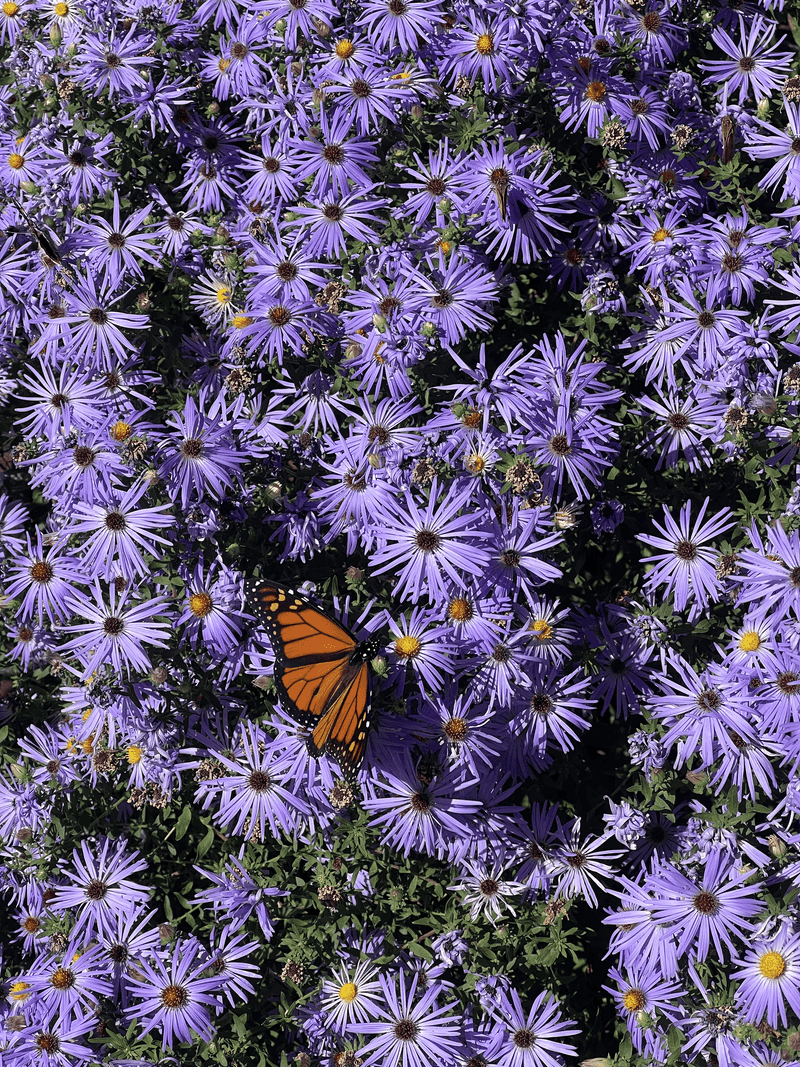
Its scientific name, novi-belgii, means New Belgium, an old Latin label for the Dutch colony of New Netherland. I find it charming that a wildflower carries a little colonial history in every lavender bloom.
Plants usually grow two to four feet tall, with smooth stems and narrow leaves that branch into airy sprays. Starry purple or pink flowers surround yellow centers, opening from late summer well into October and sometimes later.
In the wild, it favors moist meadows and coastal marsh edges, especially along the Atlantic shoreline. That background explains why it loves steady moisture and grows happily in full sun or light shade.
Hardiness covers zones four through eight, so it works for gardeners from Long Island up through most northern counties. I water mine during dry spells in summer, and the late show of flowers rewards that small effort.
Migrating monarchs need fuel well into fall, and these flowers often keep blooming after many neighbors fade. Pairing it with New England aster stretches your purple season and gives butterflies more choices on chilly days.
Clumps slowly spread by rhizomes, so dividing them every few years in spring keeps plants vigorous and tidy. Good air circulation helps limit powdery mildew, which can dust the leaves when late summer turns humid.
Hold off on cutting stems this month, since the seed heads feed birds and shelter insects through winter. Add this lavender finale to your waystation, and your yard becomes a final rest stop worth remembering.