9 Fall Porch Decor Ideas Using Plants That Survive Texas Heat
The calendar flips to fall in late September, yet Texas porches often keep baking for several more weeks. Those classic mums from the store can wilt fast when the afternoon sun bounces off hot concrete.
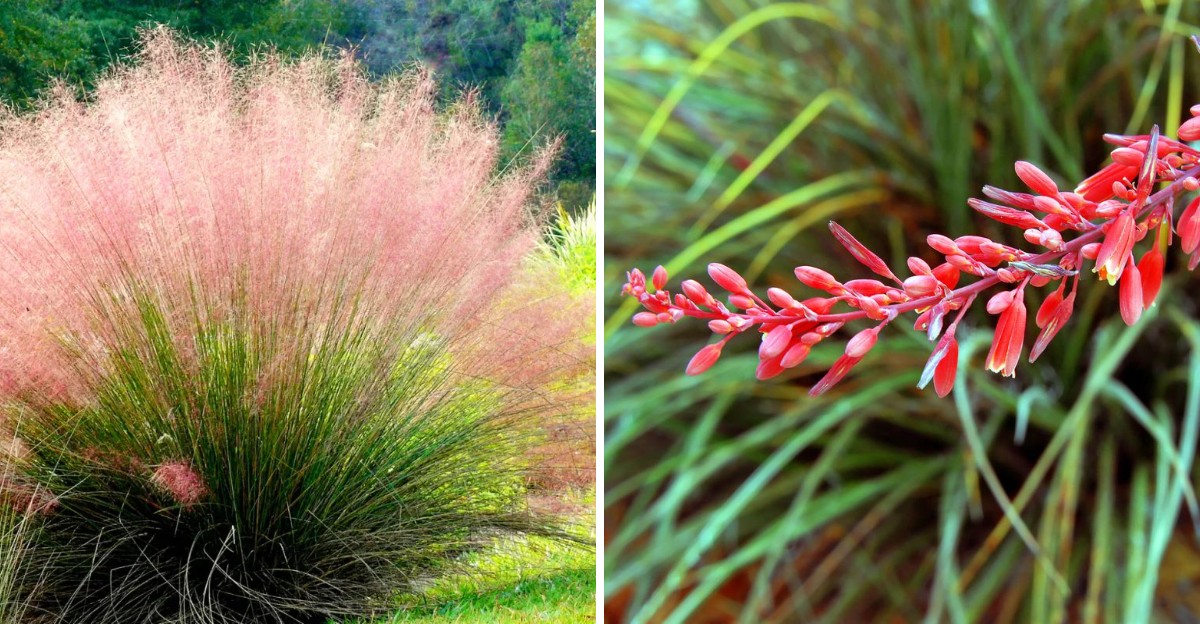
Some smart plants actually hit their stride now, saving their brightest flowers and seed heads for October. One native grass even turns into a pink haze that looks like cotton candy floating above your steps.
I have to admit that I used to swap porch pots every few weeks and spend way too much. You deserve plants that shrug off the heat and still look festive when friends drop by for pumpkin bread.
Personally, I love a porch that buzzes with butterflies while the rest of the yard takes a breather. So which tough beauties earned a spot beside my front door during this long, stubborn stretch of warm Texas weather?
1. Crotons
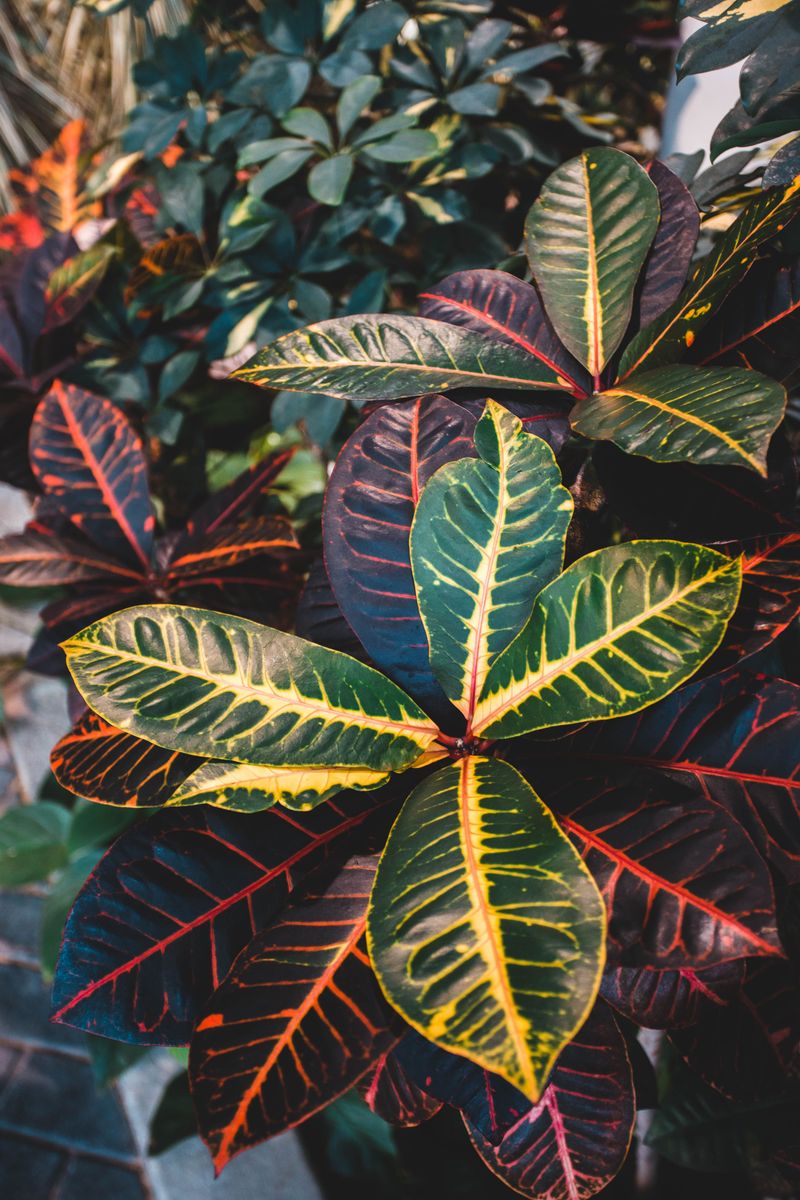
Croton leaves look like someone splashed fall paint across them, with streaks of gold and red on glossy green. I swear my crotons get more compliments than my carved pumpkins, and they hold that color for months.
Known to botanists as Codiaeum variegatum, crotons are tropical shrubs that love warm, humid air like ours.
Their leathery leaves come in many shapes, from wide ovals to skinny ribbons that twist like curly party streamers.
Bright light is the secret behind those fiery colors, so give your pot a spot with morning sun. Harsh afternoon rays can scorch the leaves, while deep shade makes the plant stretch and lose its brightest shades.
Watering takes a little balance, because soggy soil and bone-dry soil both cause crotons to drop older leaves. I check by poking a finger into the soil and water once the top inch feels dry to touch.
Pick a container with good drainage holes, and use a light potting mix that lets extra water escape quickly. A saucer underneath protects your porch floor, but empty it after watering so roots do not sit in puddles.
Cold is the real enemy, since crotons start to sulk once nights slip below about fifty degrees. Keep an eye on late fall forecasts and roll the pot indoors near a bright window when chilly nights arrive.
One more tip matters for families, because croton sap can irritate skin and the leaves are toxic if chewed. Set the pot up on a stand where curious puppies and toddlers cannot reach those tempting, candy-colored leaves.
2. Celosia
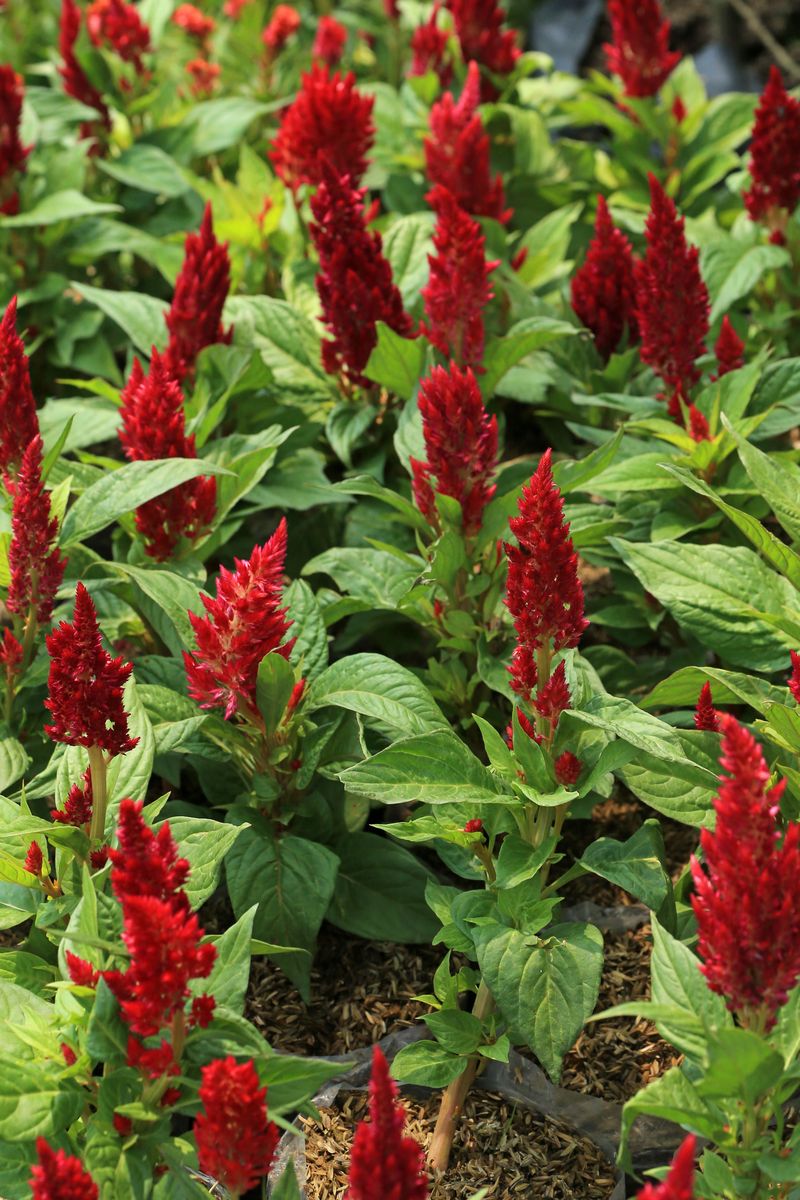
Ever touched a celosia plume and felt how soft and feathery it is, almost like a tiny flame made of velvet? Kids on my street call them fire flowers, and honestly that nickname fits their glowing orange shades perfectly.
Celosia argentea comes in a few fun forms, including fluffy plumes and wavy crests that look like rooster combs. Some varieties grow only six inches tall, while others can stretch past three feet in a roomy patio pot.
Sunshine fuels these annuals, so aim for at least six hours of direct light on your porch each day. I tuck mine near the steps where the sun hits hardest, and they keep pushing out color without complaint.
Your Texas Garden Changes Every Week. Your Plan Should Too.
Gardening in Texas changes quickly throughout the season. Every Friday you’ll receive a simple weekly plan showing exactly what to plant, prune, fertilize, harvest, and protect so you never miss the right timing.
Celosia likes evenly moist soil, yet too much water can rot its roots and leave the stems floppy. Water at the base instead of over the leaves, which helps reduce leaf spots during humid early fall mornings.
Snipping off faded blooms encourages fresh ones, and the cut plumes look lovely in a mason jar indoors. Many celosia flowers also dry beautifully, so you can save a few for wreaths after the plants finish outside.
For a cozy fall look, pair warm orange celosia with deep purple foliage or a few small white pumpkins. The tall varieties add height in the back of a big pot, while dwarf types spill nicely along the edge.
Fun fact for curious cooks, young celosia leaves are eaten as a cooked green in parts of Africa and Asia. I mostly grow mine for looks, but that bit of trivia makes a great conversation starter with porch visitors.
3. Texas Lantana
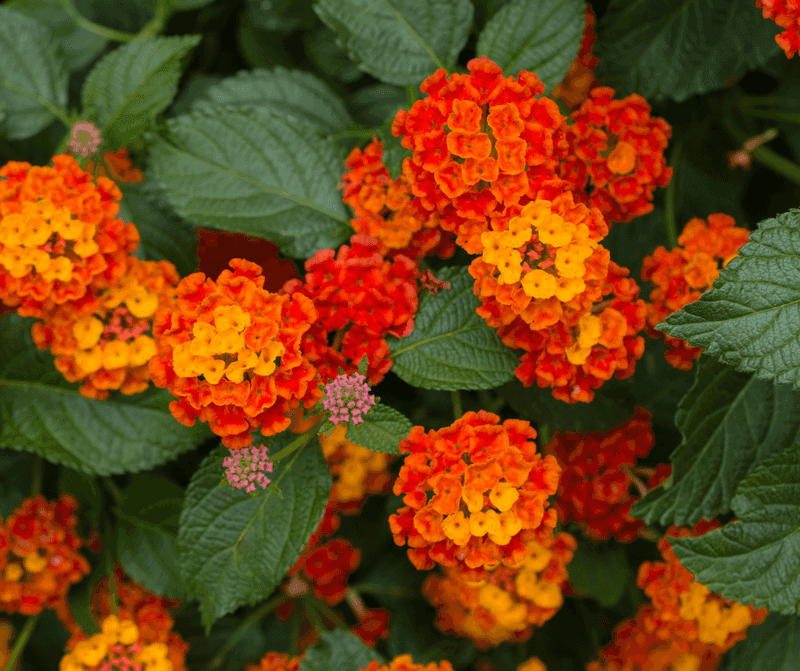
Monarchs migrating south in October often stop for a sip, and my pot of Texas lantana becomes their favorite fuel station.
Watching those orange wings flutter over orange and yellow blossoms feels like a fall parade right outside my door.
The plant I recommend is Lantana urticoides, a native species with bright clusters that shift from yellow to orange. It handles blazing heat and dry spells far better than fussy annuals, which makes it a smart choice for sunny steps.
Skip the common Lantana camara types unless the tag clearly says sterile, because that species can spread aggressively into wild areas.
Lantana berries and leaves, including those of the native species, can be toxic to pets and livestock, so place pots where animals can’t nibble them.
Full sun keeps this plant flowering heavily, so place it where it soaks up light most of the day. Once roots settle in, it needs only occasional deep watering, even when warm spells drag on into late fall.
In a container, lantana does best with a gritty, fast-draining mix and a pot at least fourteen inches wide. I give mine a light trim when stems look leggy, and fresh flower clusters follow within a couple of weeks.
Hummingbirds and many kinds of butterflies visit the blooms, so set a chair nearby for some easy wildlife watching. Small birds also nibble the dark berries later, which adds another layer of life to a simple porch planter.
In warmer parts of the state, the plant often returns from its roots after winter knocks it back. Northern gardeners may treat it as a seasonal plant, or they can move the pot into a sheltered garage.
4. Gulf Coast Muhly
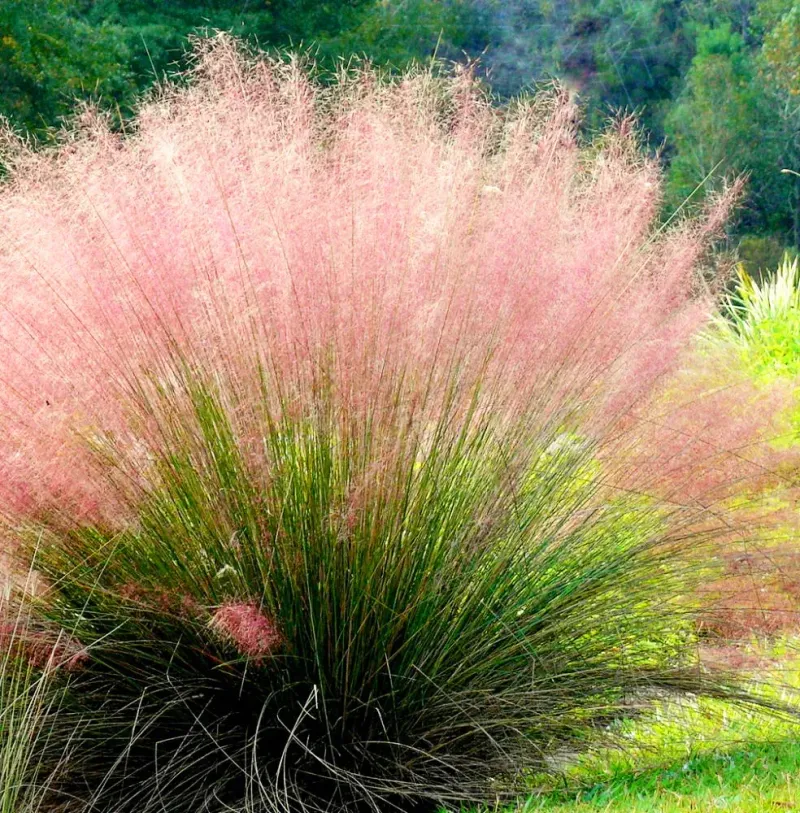
Backlit by late afternoon sun, Gulf Coast muhly looks like a pink cloud hovering over your front walk. I still remember the first time I saw it glowing, and I stopped my car just to stare at it.
Muhlenbergia capillaris is a native grass that stays green and wiry most of the year, then surprises everyone in fall. From about September into November, airy rose and purple plumes rise above the leaves and catch every breeze.
Clumps typically reach two to three feet tall and wide, so a pair of big pots makes a stunning entryway frame. I like placing one on each side of the steps, where the plumes glow while I sip my morning coffee.
Plenty of sun brings out the best color, and six or more hours of direct light keeps the plumes thick. In too much shade, the grass grows floppy and produces fewer blooms, which feels like a missed chance at fall magic.
Once established, this grass needs little extra water, which makes it a hero during dry spells across Texas. Use a well-drained mix in containers, since soggy roots are one of the few things it struggles to handle.
Deer usually walk right past it, and small birds sometimes shelter among the dense clumps during cool nights. That makes it a handy choice if your porch faces a yard where hungry wildlife roams after sunset.
Care is refreshingly simple, because you only need to trim the clumps to about six inches in late winter. Fresh green blades return in spring, and the whole pink show starts again the following autumn.
5. Mexican Bush Sage
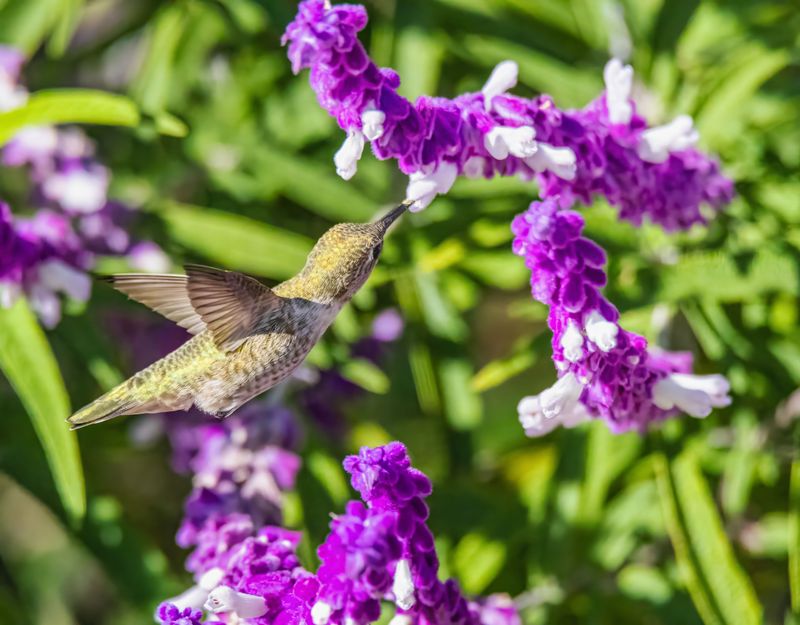
Run your fingers along a Mexican bush sage spike, and you will feel fuzz soft enough to rival a kitten. Those velvety purple wands make it one of my favorite plants to grow when summer finally loosens its grip.
Salvia leucantha hails from Mexico and Central America, and it saves its biggest show for late summer through fall.
Fuzzy purple calyxes hold small white flowers, though some cultivars like Midnight offer solid purple blooms instead.
Plants grow into arching fountains three to four feet tall, so give yours a large pot or a corner spot. I set mine beside a bench, where the long stems sway gently whenever a breeze sneaks across the porch.
Hummingbirds treat this sage like a favorite diner, zipping in for nectar before heading south for the cooler months. Bees and butterflies join the crowd too, turning the plant into a lively little stage for backyard wildlife.
Full sun keeps the stems sturdy, although a bit of afternoon shade helps in the hottest southern and western regions.
Once rooted, it tolerates dry weather well, but container plants appreciate a deep drink when the soil dries out.
Gray-green leaves with fuzzy undersides add texture, and deer and rabbits usually leave this plant alone. That makes it great for porches near open fields, where nibbling visitors may otherwise snack on your fall display.
Wait until late winter to cut stems back, after the worst cold has passed in your area. New growth fills in during spring, building up energy for another round of purple wands next fall.
6. Ornamental Peppers
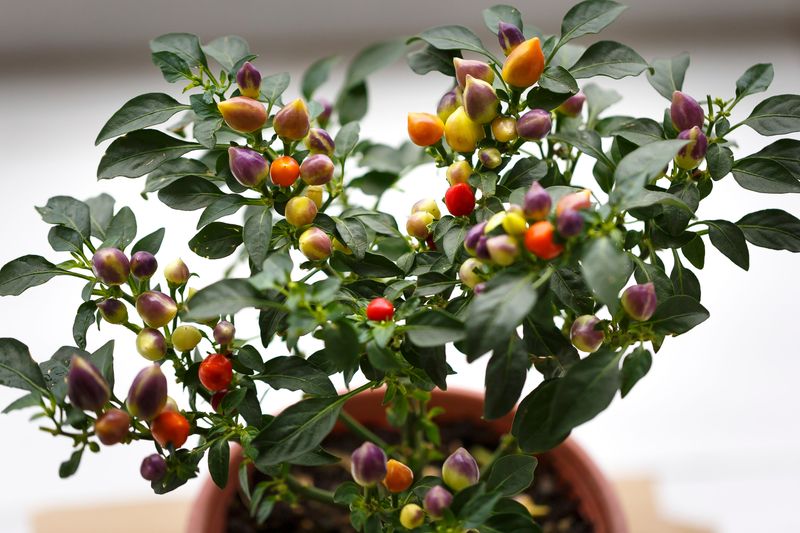
Rainbow peppers sitting on a tidy green bush look almost too cheerful to be real, like candy sprinkled on leaves. My nephew thought mine were fake until he touched one, and his face was priceless when he realized.
Ornamental peppers are bred from Capsicum annuum, the same species as many kitchen peppers, but chosen for their looks. A single plant often shows several colors at once, since each fruit shifts shades as it slowly ripens.
Most varieties stay compact, often under eighteen inches, which makes them perfect for small pots lining the steps. I group three or four together near a pumpkin, and the effect feels festive without any extra decorations.
These plants handle heat surprisingly well and color up best in full sun with well-drained potting soil. Water when the top inch dries, and avoid letting pots sit soggy, since wet roots can cause yellow leaves.
While the fruits are technically edible, many taste fiercely hot and offer little flavor compared with garden peppers.
Keep them away from pets and small children, because the spicy fruit can irritate mouths and upset tummies.
Pinching back the stem tips early encourages a bushier shape and more spots for colorful fruit to form. A light feeding with balanced fertilizer every few weeks also keeps the leaves glossy and green into November.
Wear gloves if you handle broken peppers, since the oils can sting skin and eyes for quite a while. Once cold nights arrive, enjoy the last colors, then compost the plants and save seeds for next year.
7. Red Yucca
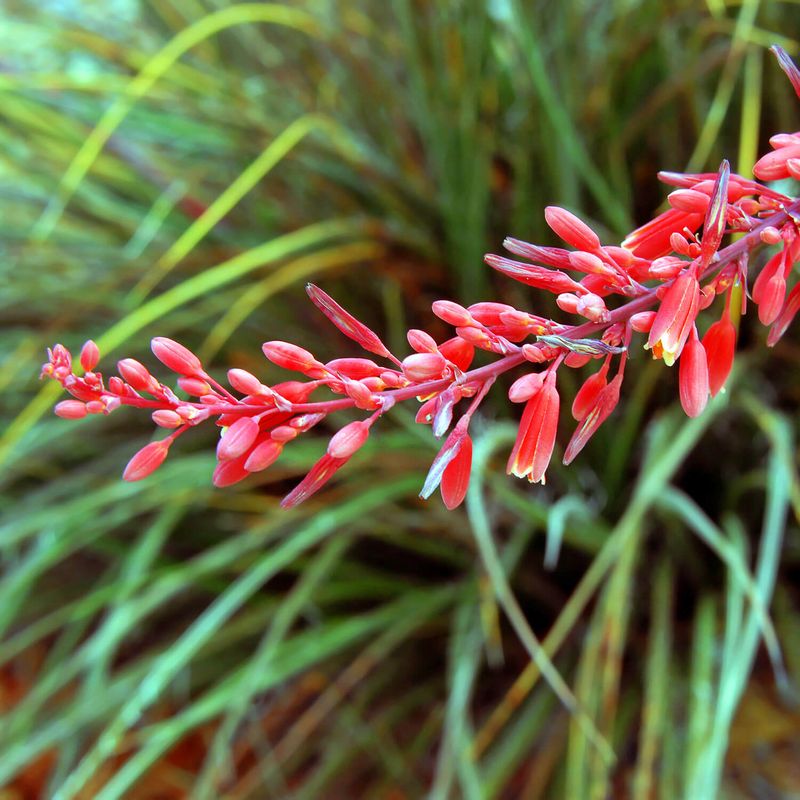
Funny enough, red yucca is not a true yucca, and it does not bloom bright red either. Its tall coral flower stalks still steal the show, rising like slender fireworks above a tidy clump of grassy leaves.
Botanists call it Hesperaloe parviflora, and it grows naturally in parts of Texas and northern Mexico. Narrow, arching leaves stay green all year, and they often take on a bronze or purple tint during cooler weather.
Flower spikes can stretch four or five feet tall, and they often keep blooming from early summer into fall. Hummingbirds adore the tubular blossoms, so I keep my pot close to the window for easy viewing.
Full sun and fast-draining soil are the keys to happy plants, especially when growing them in containers. I mix cactus soil with a little pea gravel, and the roots stay healthy even after heavy autumn rains.
Watering needs are tiny once the plant settles in, which makes it perfect for busy folks or frequent travelers.
A deep soak every couple of weeks during dry spells usually keeps the leaves looking plump and glossy.
Deer mostly ignore the stiff leaves, though they sometimes nibble the tender flower stalks when food runs short. A pot near the door tends to discourage them, since most deer avoid getting that close to people.
Cleanup is easy, so just cut old flower stalks at the base once they turn brown and dry. That simple trim keeps the clump looking neat, and it adds a modern, sculptural vibe to any fall arrangement.
8. Zinnias
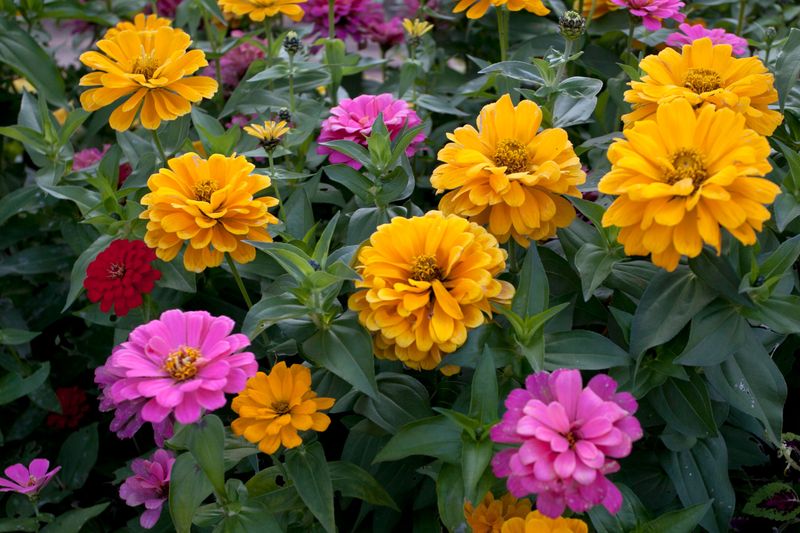
Zinnias are the plant equivalent of that friend who shows up early and stays to help clean up afterward. They kept blooming on my porch long after my petunias gave up, and they barely asked for anything.
Native to Mexico, Zinnia elegans thrives in heat that sends other flowers hiding in the shade. Blooms come in nearly every color except true blue, with orange and gold types looking extra cozy for autumn.
Full sun matters most, and eight hours of direct light gives you the biggest crop of cheerful flowers. Plant them in rich, well-drained soil, then water deeply at the base when the top layer feels dry.
Powdery mildew can coat the leaves in a dusty white film, especially when nights grow cool and damp. Spacing pots for airflow and keeping leaves dry helps a lot, and disease-resistant types like Zahara hold up well.
Here comes my favorite part, because cutting zinnias for bouquets actually tells the plant to make more flowers. I snip a handful every few days, and the kitchen table stays bright while the porch keeps blooming too.
Butterflies love the flat flower centers, which work like little landing pads for sipping nectar on sunny days.
Painted ladies and swallowtails visit mine often, and they make every morning coffee break feel a bit more special.
Zinnias usually keep flowering until the first frost, which can arrive late in southern parts of the state. Save a few dry flower heads before then, since the seeds inside will give you free plants next spring.
9. Firebush
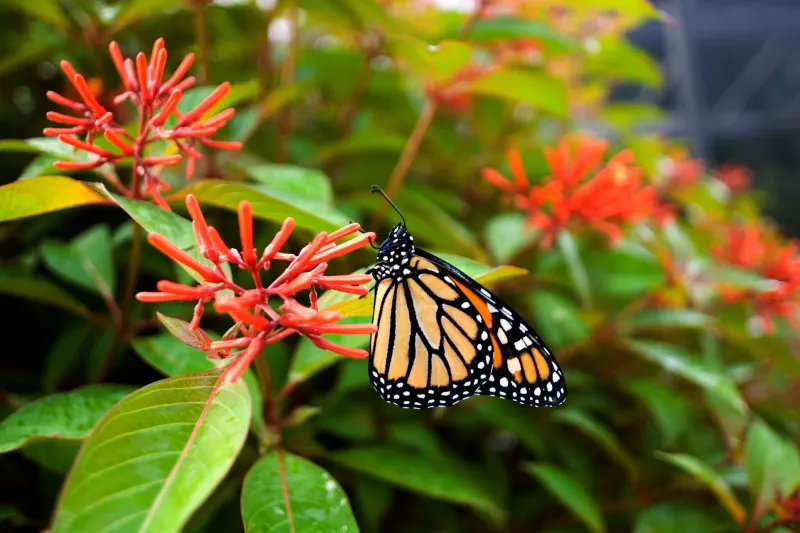
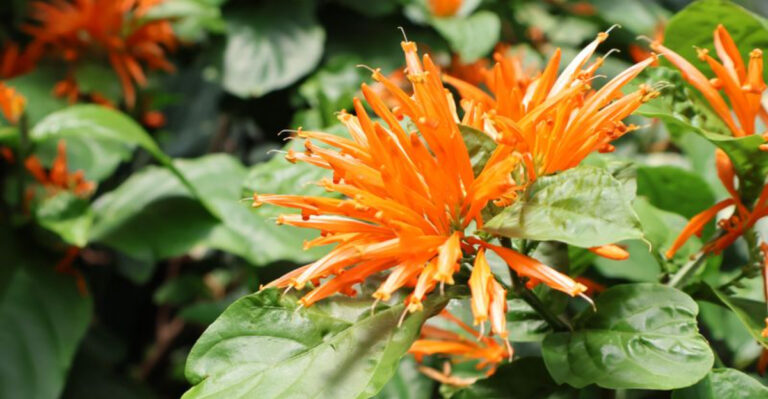
Firebush seems to laugh at summer heat, and then it pulls a sneaky trick when the weather cools in fall. Its leaves often blush red and bronze, giving you autumn color right when most porch plants start to fade.
Known as Hamelia patens, this shrub is native to South Texas, Florida, and much of tropical America.
Clusters of tubular orange-red flowers appear from spring until cold weather, and hummingbirds visit them like clockwork.
I have to admit that firebush became my secret weapon after a brutal summer scorched nearly everything else.
Mine kept blooming through weeks of heat, and the hummingbirds rewarded me with a nonstop show right by the steps.
Plant it in full sun or light shade, though more sun means more flowers and richer fall leaf color. A large container with good drainage works well, and water whenever the top couple of inches dry out.
Butterflies sip from the flowers too, and small birds snack on the dark berries that follow the blooms. Those berries add a pretty contrast against the reddish leaves, making the plant look decorated without any effort.
Frost often knocks firebush back in central and northern regions, but established roots frequently resprout in spring. In a pot, you can slide it into a garage on freezing nights and enjoy it for many seasons.
Shop for the native species when possible, since some compact varieties sold in stores come from related plants. Ask your local nursery for true Hamelia patens, and you will get the hardiest performer for your porch.