The Florida Fall Weed Mistake That Starts Weeks Before You See A Single Weed
The sticker weed that jabs your bare feet in March sprouted back in late fall. Those tiny spines are seed fruits, and the plant quietly started its life months earlier, while your lawn still looked spotless.
I learned this the ouchy way. My yard looked flawless every November, so I relaxed and admired my handiwork. Then the burs started poking my toes, and I finally went looking for answers.
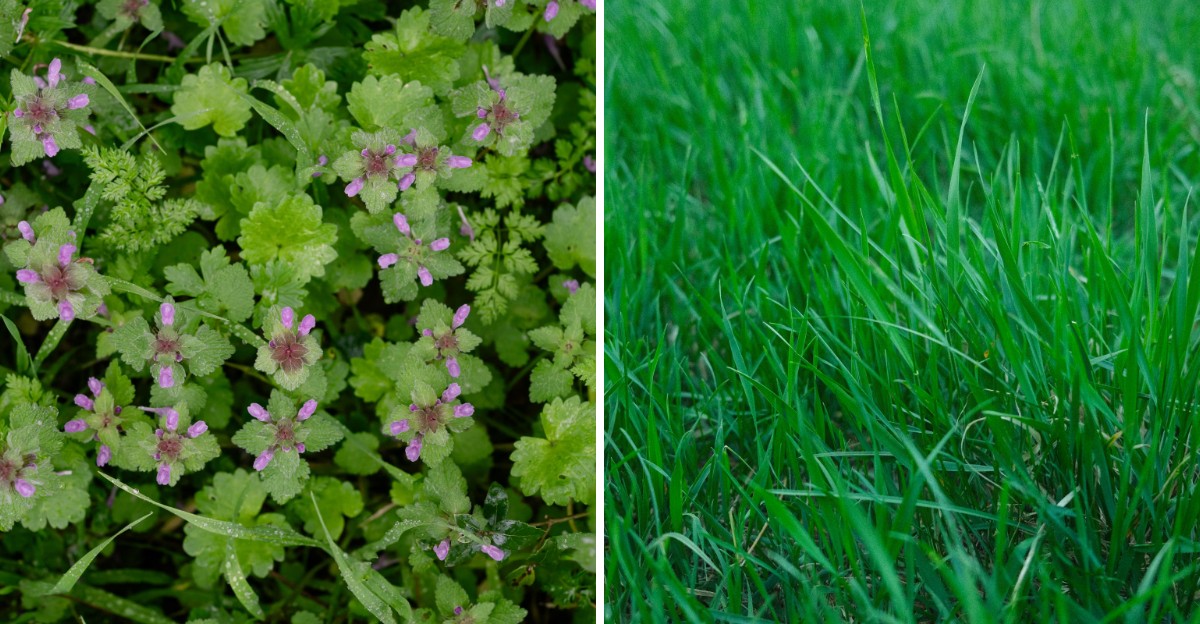
Looking back, winter in Florida had already sent a fuzzy green carpet of uninvited plants rolling across the grass. Chickweed and purple-flowered clumps showed up like they owned the place, and the spiny burs followed by spring.
The real mistake happened weeks earlier, and I had no clue. A small window opens each fall, and most of us miss it because nothing looks wrong yet. Want to know what your quiet, innocent-looking lawn is secretly planning right now?
Tiny Winter Weed Seeds Are Already Waiting In Your Lawn Soil
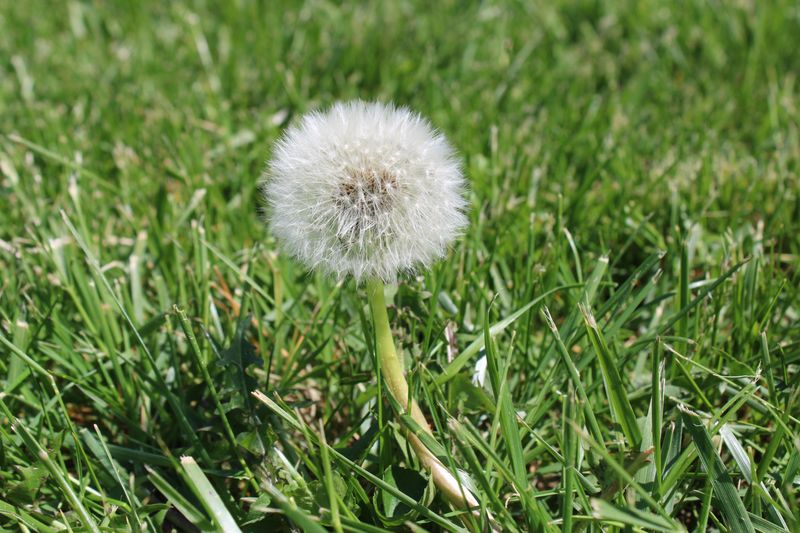
Weed seeds are patient little hitchhikers. A single henbit or chickweed plant can drop hundreds of seeds, and many of them sit in the top inch of soil for years, waiting for the right signal.
In Florida, that signal arrives when fall nights finally cool off. Warm summer soil keeps winter weeds asleep, but once temperatures slide down, the seeds wake up and start pushing out tiny roots.
You won’t notice anything for a while because those first sprouts are smaller than a grain of rice. That hidden stage is where the mistake begins.
Most of us wait for a visible problem before reacting, which makes sense for things like pests or yellow leaves. Winter annual weeds play by different rules, though.
By the time you spot them, they have already sprouted, rooted, and settled in for the season. I find it oddly fascinating that the whole battle is decided underground.
Your lawn can look perfect in October while thousands of seeds get ready to move. The smart approach is to plan for weeds you can’t see yet, rather than chase the ones you can.
Once that idea clicks, fall lawn care starts to feel a lot less frustrating.
A Pre-Emergent Barrier Has To Hit The Grass Before Cool Nights Arrive
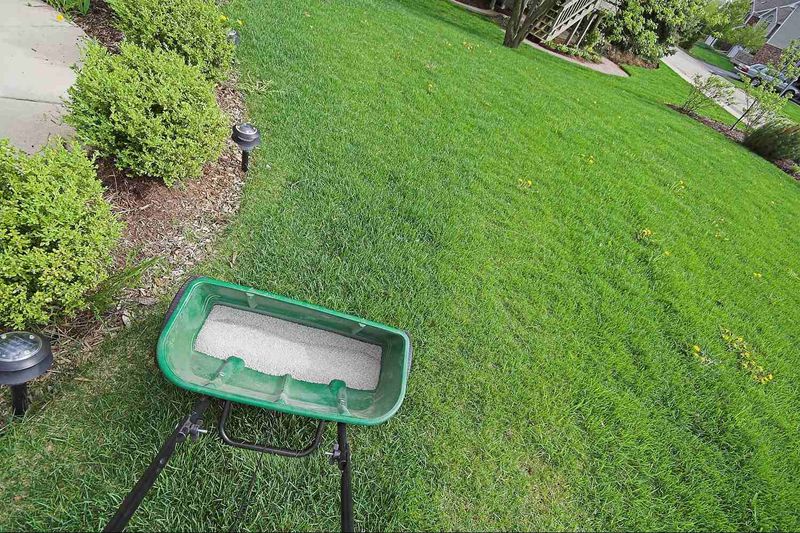
Every fall, I treat my lawn the way I treat a hurricane forecast. I prepare early, before anything shows up.
The main tool is a pre-emergent herbicide, which forms a thin chemical zone in the topsoil that stops weed seedlings from developing. Common active ingredients include prodiamine, dithiopyr, and pendimethalin.
Timing makes or breaks the whole plan. Pre-emergents do nothing to weeds that have already come up, so applying them after you see green sprouts is mostly wasted money. The product needs to be in place before germination begins, ideally a week or two ahead.
Going too early causes problems too. These products break down over time, especially in warm, wet soil, so a barrier laid down in August may fade before winter weeds get started. Many labels allow a follow-up application several weeks later for longer coverage, but check the label first.
Your Florida Garden Changes Every Week. Your Plan Should Too.
Gardening in Florida changes quickly throughout the season. Every Friday you’ll receive a simple weekly plan showing exactly what to plant, prune, fertilize, harvest, and protect so you never miss the right timing.
Read the label for your grass type as well. Some products can injure certain turf, and centipedegrass and St. Augustinegrass each have their own list of safe options. A quick check at the garden center saves a lot of regret later.
Cool Night Temperatures Matter More Than The Date On Your Calendar
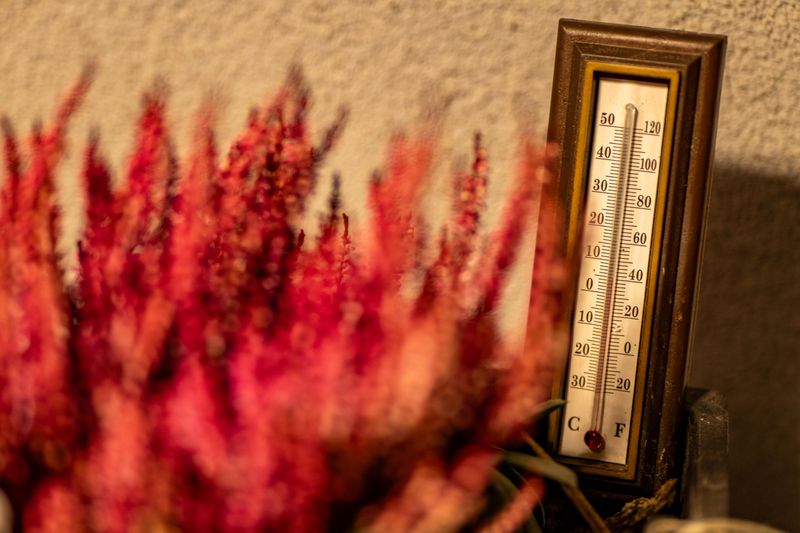
Your wall calendar doesn’t know what the weather is doing. Your lawn does, and that difference matters more than most people expect.
UF/IFAS recommends putting down fall pre-emergents when nighttime temperatures drop to about 55 to 60 degrees for several nights in a row. Many lawn pros also watch for soil temperatures falling toward 70 degrees. Both signals point to the same moment, when winter weed seeds start to stir.
Florida is a long state, so that moment shifts depending on where you live. North Florida often reaches it in early October. Central areas usually follow in mid to late October, and South Florida may not get there until November, if cool nights show up at all some years.
A mild fall can throw everything off. Some years, a warm October pushes the window back by a couple of weeks, and folks who apply on the usual date end up with a barrier that fades too soon.
My favorite trick is simple. I check the 10-day forecast each week starting in late September and watch for that first run of cooler nights. Your local county Extension office can also tell you when neighbors in your area typically start.
Lawn Burweed And Purple Henbit Lead The Fall Sprout Parade
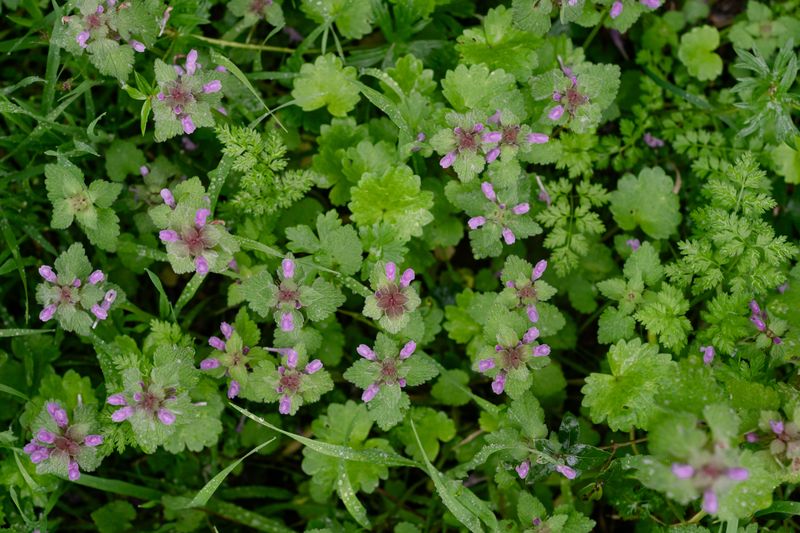
Lawn burweed has a sneaky reputation for good reason. It sprouts in late fall as a soft, ferny little rosette that looks harmless, then forms sharp, spiny seed burs by spring.
Those burs are what jab bare feet and pet paws in March and April. By then, the plant has finished most of its growth, so spraying it does little to remove the spines already in the grass. UF/IFAS suggests targeting it in winter, from about December through February, while the plants are still young.
Burweed has plenty of company. Annual bluegrass forms bright green tufts with tiny seed heads, while chickweed spreads in low, delicate mats. Henbit shows off purple tubular flowers, and Carolina geranium has deeply cut leaves that turn reddish as it ages.
Every one of these is a winter annual. They sprout in fall, grow through the cool months, set seed, and fade when summer heat returns. That life cycle is actually your advantage.
Stopping them before they sprout means fewer seeds dropped into your soil. Do that for a couple of seasons in a row, and the seed supply waiting in your lawn starts to shrink in a real way.
Those Herbicide Granules Need A Good Watering To Work
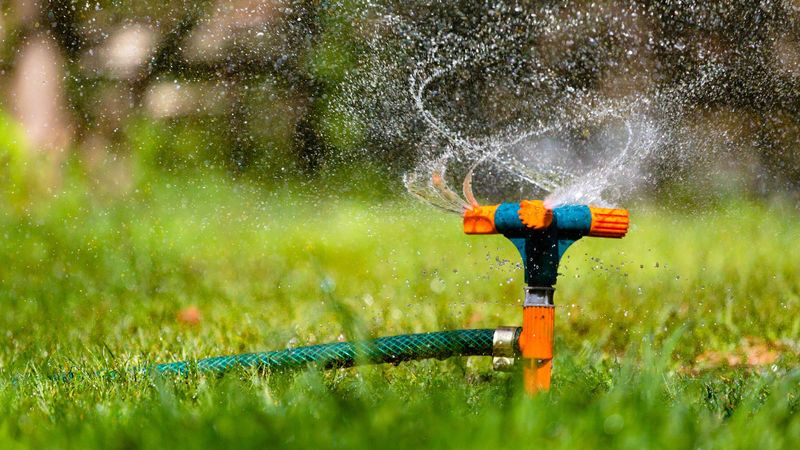
Granules sitting on top of your grass look busy, but they aren’t doing much yet. Most pre-emergent products need water to move them off the leaf blades and into the soil, where the barrier actually forms.
Many labels call for about half an inch of irrigation or rainfall soon after application. Without it, sunlight can break down some ingredients, and the product can wash or blow onto sidewalks and driveways.
Sweep any stray granules off hard surfaces back onto the lawn. Material left on pavement can rinse into storm drains, which often flow straight toward lakes, rivers, and springs. Plenty of Florida neighborhoods sit close to sensitive water, so this small habit really counts.
Watering restrictions add another twist. Many water management districts limit lawn irrigation to certain days each week. Plan your application for the day before your scheduled watering, or right before a gentle rain is in the forecast.
Avoid applying before a heavy storm, though. A tropical downpour can push granules into puddles and runoff instead of letting them settle evenly. A light, soaking rain is the sweet spot you want.
Fresh Sod And New Grass Seed Need A Break From Weed Preventers
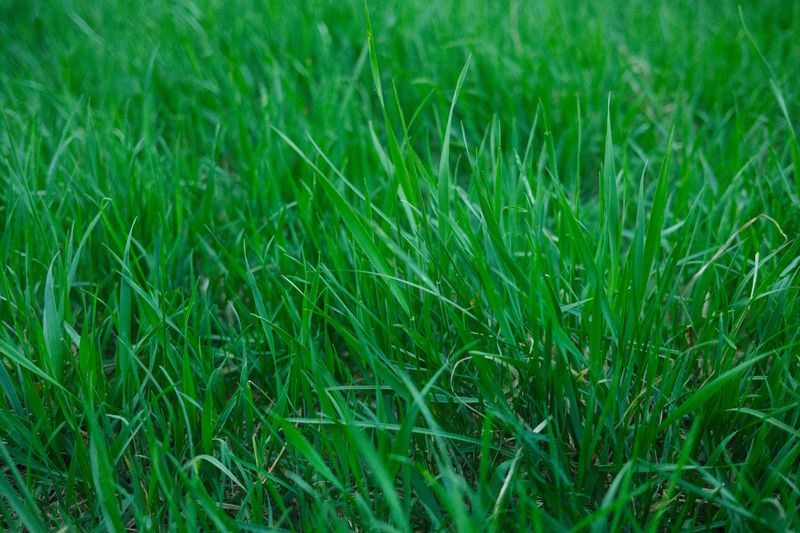
Fall feels like a natural time to patch up thin spots, though warm-season Florida grasses generally establish best in late spring and summer. Just be careful about mixing new grass with a weed barrier.
Pre-emergents can’t tell the difference between a weed seed and the grass seed you just spread. Both get stopped at the root. That makes seeding and pre-emergent treatment a bad pair for the same area in the same season.
Fresh sod and plugs need caution too. Their roots have to grow down into the soil, and some pre-emergents slow root development. Many product labels recommend waiting until new sod is well rooted, which can take several weeks or more, before applying.
Most Florida lawns are St. Augustinegrass, which is usually planted as sod or plugs rather than seed. Bahiagrass and centipedegrass are sometimes seeded, so homeowners with those lawns should plan extra carefully.
My approach is to pick one goal per patch. If a spot needs new grass, I fix it first and hand-pull winter weeds there for one season. The rest of the lawn gets the preventive treatment on schedule. A little patience now keeps you from wondering why your brand-new grass refuses to take hold.
Thick St. Augustine Grass Shades Out Sprouting Weeds
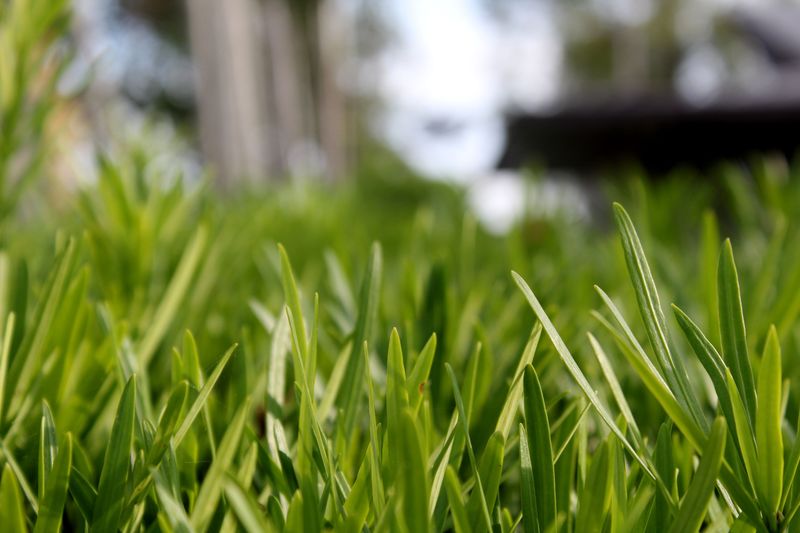
A thick lawn is like a crowded parking lot. When every spot is taken, there’s nowhere for a weed to pull in.
Many weed seeds need light to sprout, and dense grass shades the soil surface. Thin, patchy turf does the opposite, letting sunlight hit bare ground and giving seedlings room to spread. That’s why the same weeds tend to show up in the same tired corners each year.
Mowing height plays a surprisingly big role. UF/IFAS suggests keeping most St. Augustinegrass cultivars at about 3.5 to 4 inches and bahiagrass at 3 to 4 inches. Scalping the lawn short weakens the grass and opens the door for invaders.
Feeding matters, but more isn’t better. Follow UF/IFAS timing for your region, and check local ordinances, since many counties and cities restrict nitrogen fertilizer during the summer rainy season. Too much late-season fertilizer can also encourage disease on warm-season grass.
Soggy, compacted spots deserve attention as well. Dollarweed and sedges love wet ground, so fixing drainage and easing up on irrigation often helps. Healthy grass won’t stop every weed on its own, but it makes your other efforts work much better.
A Soil Thermometer And A Phone Reminder Can Save Your Spring Lawn
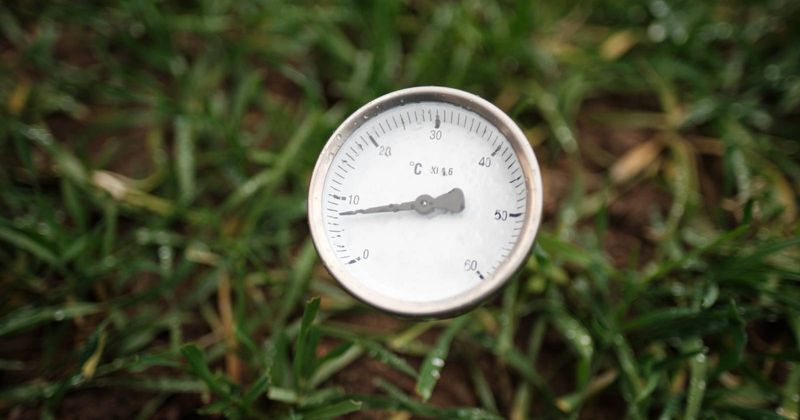
Some of the best lawn tools cost less than a fast food lunch. A basic soil thermometer and a reminder on your phone can change how your whole winter goes.
Start by setting a reminder for late September. Then check nighttime temperatures and soil readings each week, pushing the thermometer about two inches into the ground in the morning. When the numbers start sliding toward the target range, it’s time to grab your spreader.
Write down what you used and when. A simple note listing the product, the date, and the weather helps you fine-tune next year. Snap a few photos of trouble spots in February so you remember where weeds broke through.
Keep realistic expectations, too. No pre-emergent stops every single seed, so a few weeds will likely sneak past. Hand-pull them while they’re small, or spot-treat with a post-emergent product labeled for your grass.
The real lesson is that winter weed control is a fall job. Once you start working on the season ahead instead of the weeds in front of you, your lawn gets cleaner each year. Your bare feet will thank you come spring, too.