Does Lantana Come Back in North Carolina? How to Overwinter It Where You Live
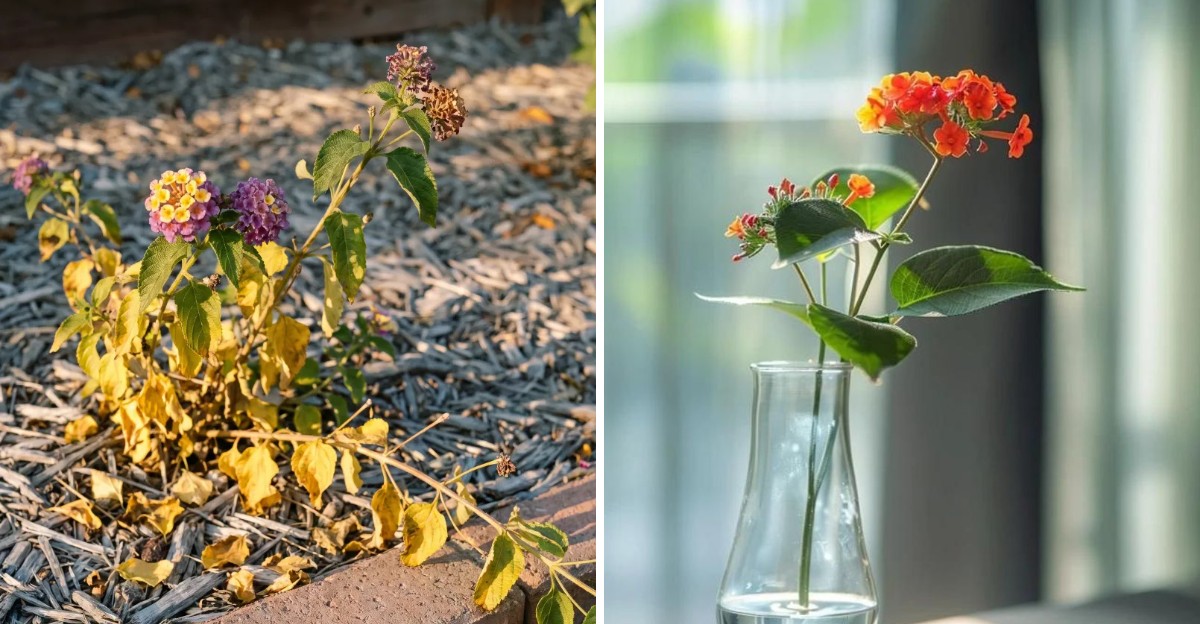
A single flower cluster on this plant can hold yellow, orange, and pink blossoms at the same time. The tiny flowers shift color as they age, so one bush looks like a sunset that refuses to set.
Butterflies treat it like a roadside snack bar. Hummingbirds zip in too, and I can’t imagine a hot July garden without that buzzing crowd. It shrugs off heat, drought, and poor soil like a champ.
Then October shows up in North Carolina, and the worry begins. You watch the first frosty forecast and wonder if all that color is gone for good. Personally, I used to rip mine out every fall without a second thought.
I believe that habit cost me some of my biggest, bushiest plants. The answer depends on your zip code, the variety you grow, and a few simple tricks. So will yours return next May?
1. Those Brown Lantana Stems Are Not Telling the Whole Story
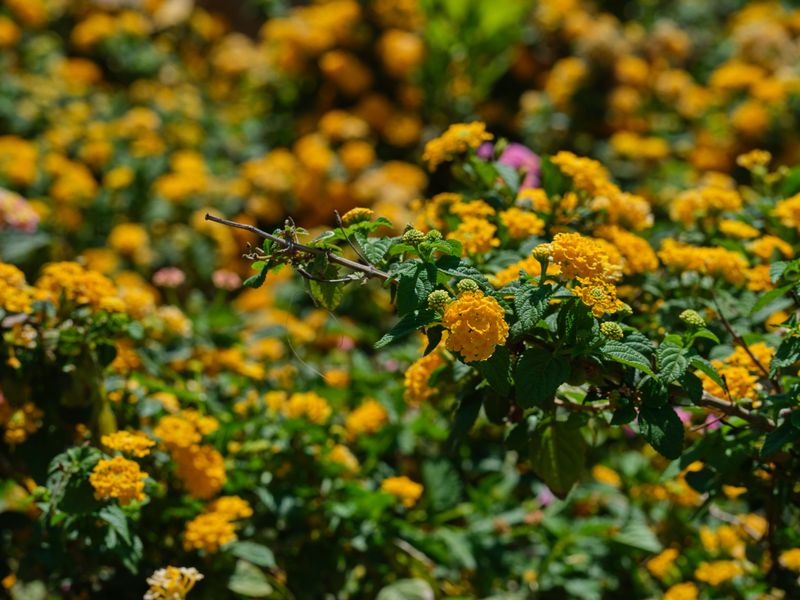
Frost turned my first lantana into a pile of crispy brown sticks, and I almost yanked it out. Thank goodness I got busy and forgot. In May, fresh green shoots pushed up right from the base.
Lantana is a tender perennial, not a true annual. The leaves and stems usually freeze back when temperatures drop below about 28 degrees. The roots, though, can survive underground if the soil does not stay frozen or soggy for long.
North Carolina covers a wide range of USDA zones, from 6a in the high mountains to 8b and even a sliver of 9a on the Outer Banks.
That spread explains why your cousin in Wilmington keeps lantana for years while your friend in Boone replants every spring.
Variety matters too. Lantana camara types like Miss Huff are famous for coming back reliably in zone 7. Trailing lantana and many compact hybrids sold in hanging baskets are often less winter tough.
So the short answer is yes, often. In-ground lantana in the Piedmont and coastal areas frequently returns. In the mountains, it mostly needs to come indoors. Patience is the real secret. Lantana wakes up late, sometimes not until late May or June.
2. Miss Huff Lantana Earns Its Reputation as the Comeback Queen
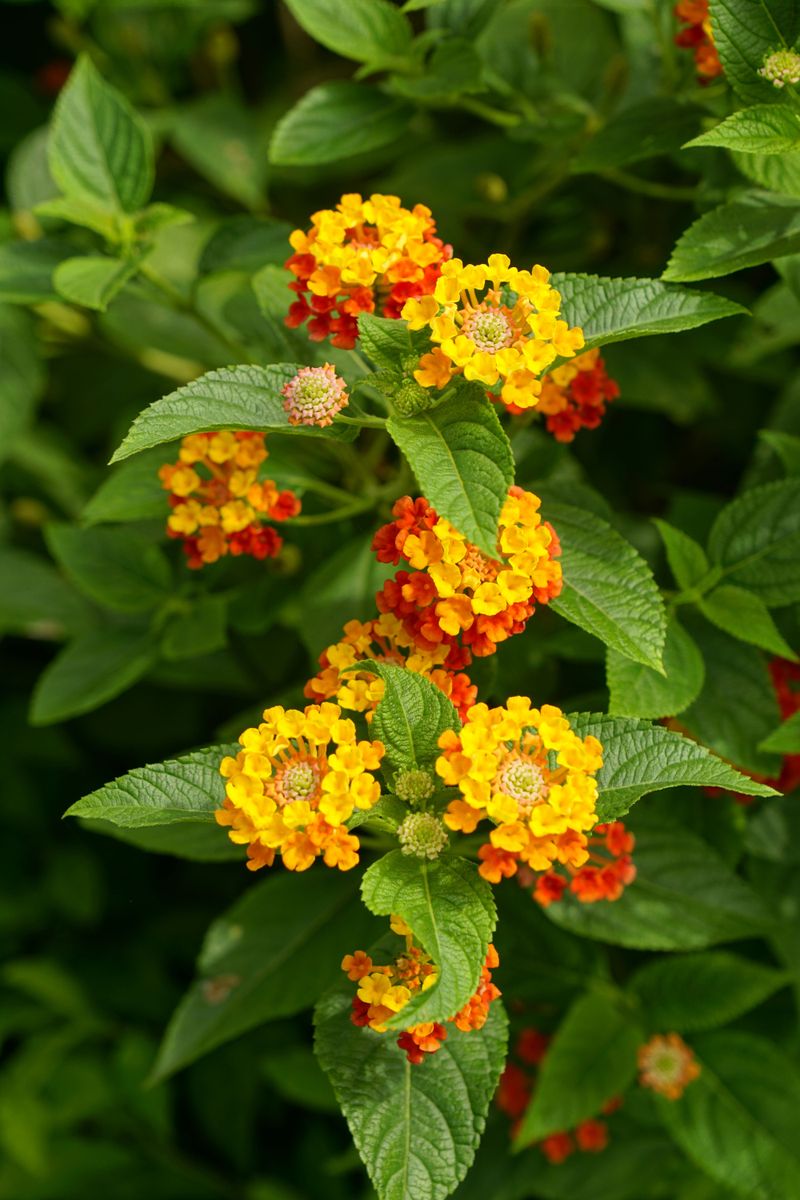
Ask any longtime Southern gardener about tough lantana, and one name pops up fast. Miss Huff was found growing in a Georgia garden, where it had survived winters for decades.
It is hardy to roughly zone 7, and some gardeners report success in sheltered spots a bit colder.
That toughness makes it a smart pick for Charlotte, Raleigh, and Greensboro yards. It grows big, often 5 to 6 feet tall and wide by late summer. Give it room, or it will gladly swallow nearby plants.
Other varieties worth trying include Chapel Hill Gold, Chapel Hill Yellow, and New Gold. NC State Extension notes that some lantana cultivars are more cold hardy than others, so check the tag before you buy.
You also want to think about seeds. Wild-type Lantana camara is invasive in Florida and other warm regions because birds spread its berries. Many newer cultivars, including New Gold, produce little or no fruit.
Choosing low-seed or sterile types keeps your garden friendly to local ecosystems. It also means the plant pours energy into flowers instead of berries. That is a win for you and the butterflies.
3. A Thick Pine Straw Blanket Helps Lantana Roots Survive
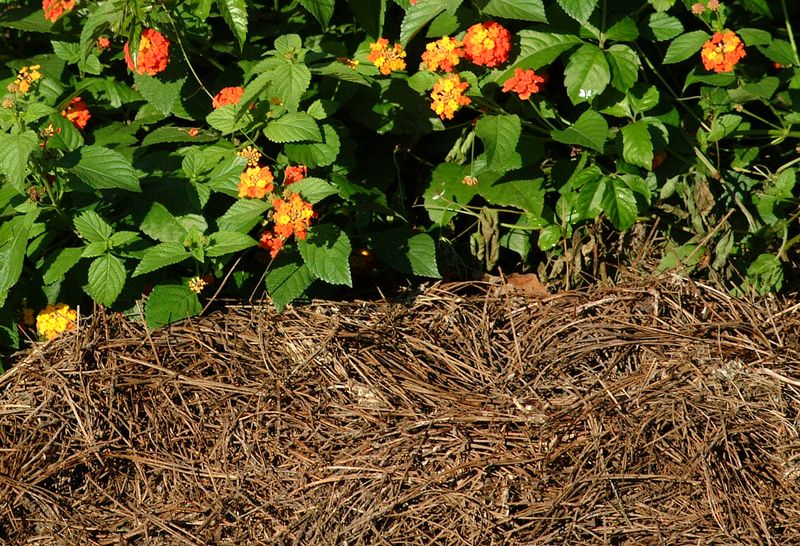
Pine straw is practically North Carolina’s official mulch, and lantana roots love it in winter. A fluffy layer traps warmth in the soil and softens those sudden temperature swings.
Wait until a hard frost browns the leaves. Then spread 3 to 4 inches of pine straw, shredded leaves, or wheat straw over the root zone. Pull it back slightly from the center so the crown does not sit in damp mulch.
Many gardeners leave the stems standing all winter. Those woody stems may help protect the crown and mark the spot so you do not dig into it by accident. Others trim to 6 to 12 inches for a neater look, which is fine in milder areas.
Drainage matters just as much as warmth. Lantana hates cold, wet feet, and heavy red clay can hold water like a sponge. Planting in a raised spot or amending with compost gives roots a better shot.
Stop fertilizing by late summer. New tender growth in fall freezes easily and weakens the plant. Skip winter watering unless you hit a long dry spell. Rain usually covers it.
4. Potted Lantana Should Head Inside Before Cold Nights Arrive
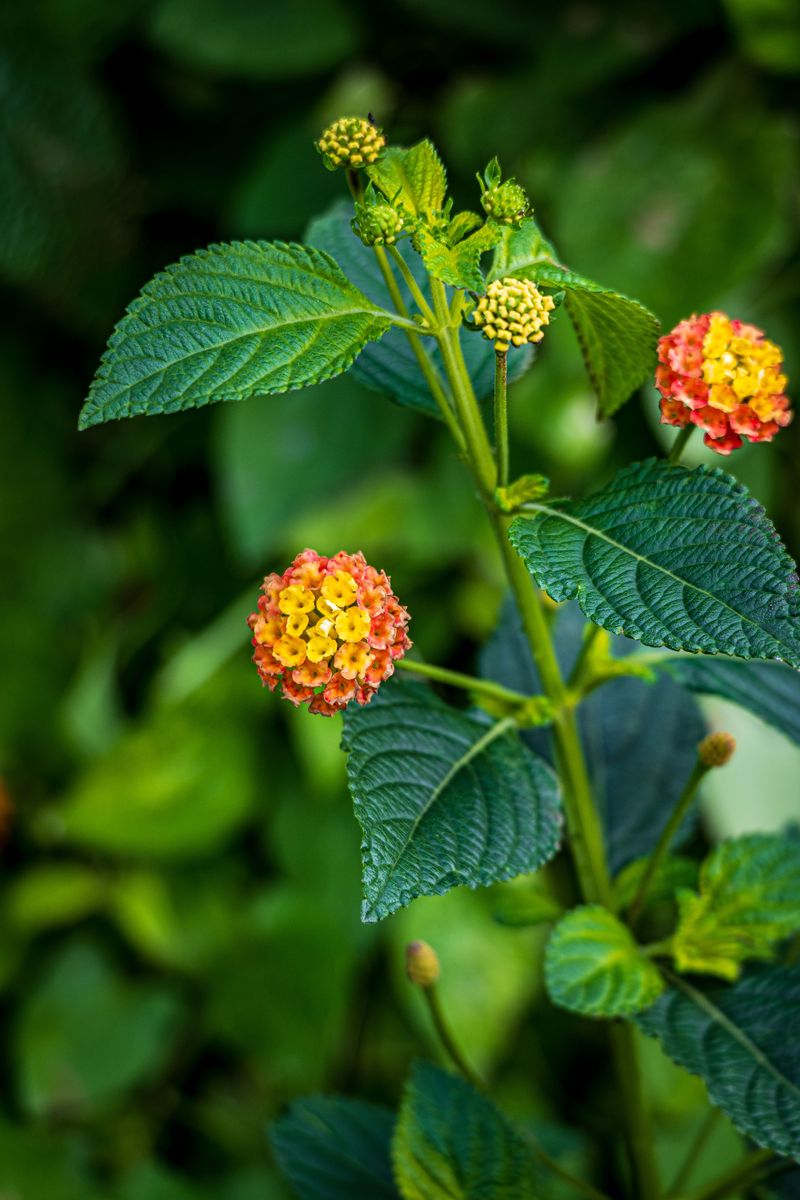
Containers are cozy in summer and chilly traps in winter. Roots in a pot sit above ground, so they feel the full sting of freezing air.
That is why potted lantana rarely survives outdoors through a North Carolina winter, even near the coast. Plan to move it in before your first frost. Many gardeners start the shift once nights dip into the 40s.
Give it a trim first. Cut the plant back by about one third to one half so it fits your space and loses less moisture. Smaller plants also settle into indoor life with less sulking.
Inspect every leaf before it crosses the doorway. Whiteflies, spider mites, and lace bugs love lantana and will happily throw a party on your houseplants. A strong spray of water or insecticidal soap a few days before the move helps.
Easing the transition reduces leaf drop. Park the pot in a shady spot outside for a week, then bring it indoors. Expect some yellow leaves anyway. Lantana is a sun lover, and it may grumble for a bit. That is normal and usually temporary.
5. A Cool Garage Lets Lantana Take a Long Winter Nap
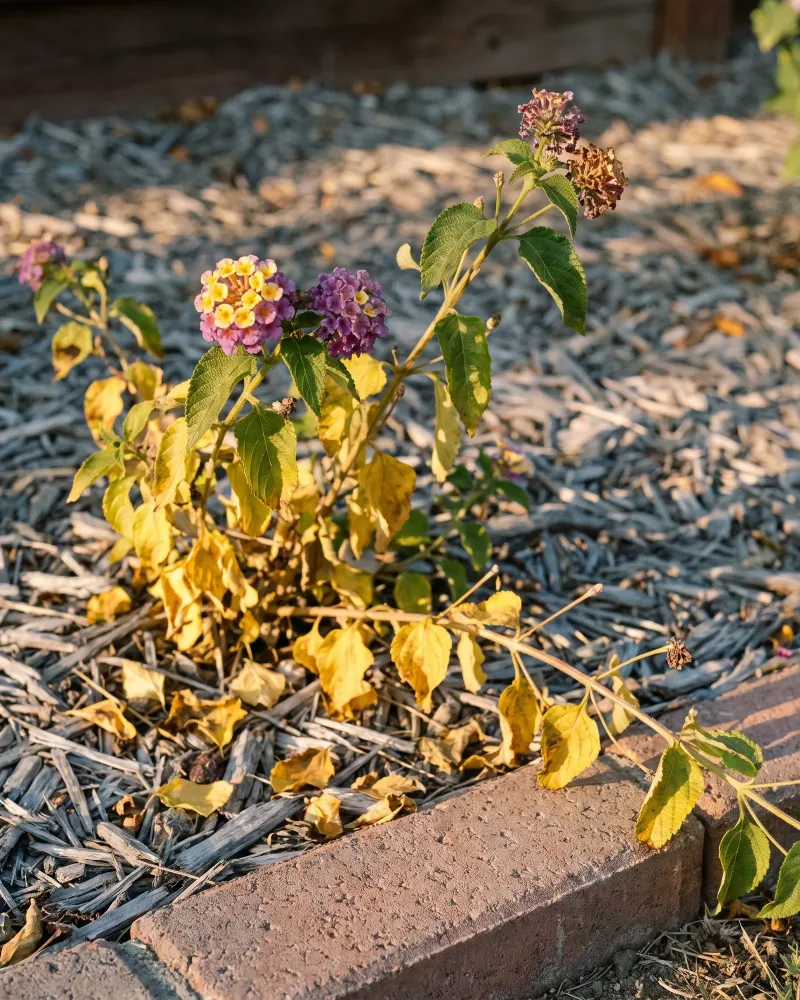
Some plants want attention all winter. Dormant lantana just wants to be left alone, and honestly, I respect that.
An unheated garage, cool basement, or enclosed porch that stays roughly 40 to 50 degrees works well. The plant will drop most of its leaves and look pretty sad. That is the goal, because it is resting instead of growing.
Water lightly, maybe once every three or four weeks. Let the soil dry well between drinks. Too much water in a cool, dark room is the fastest route to root rot.
Watch the thermometer during deep cold snaps. Garages next to outside walls can drop below freezing during a rare arctic blast. A frost cloth or moving the pot closer to the house wall can help.
Light is less important during true dormancy. A little window light is nice but not required.
Check stems every few weeks with a fingernail scratch. Green under the bark means it is alive and well. Brown and brittle all the way down means that stem is finished. Wake it up in early spring by moving it to brighter light and watering a bit more.
6. Your Sunniest Window Can Keep Lantana Blooming Indoors
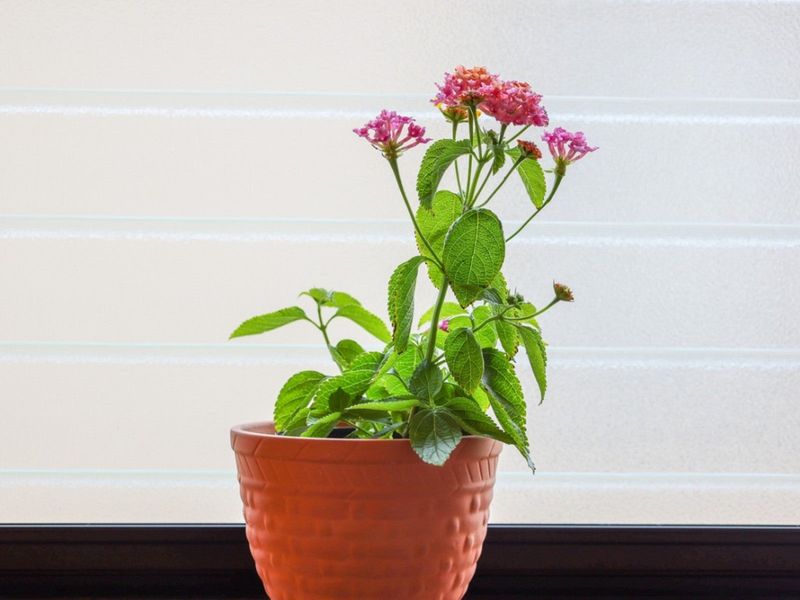
Flowers in January? A south-facing window can make it happen, at least now and then.
If you would rather keep lantana growing, treat it like a sun-hungry houseplant. Give it as much light as possible, ideally six or more hours of direct sun. A grow light helps a lot during short winter days.
Temperatures between about 55 and 70 degrees suit it nicely. Keep it away from heating vents, which dry out leaves fast. Cooler nights are fine and even helpful.
Water when the top inch of soil feels dry. Indoor plants use less water in winter, so resist the urge to keep it soggy. Rotate the pot every week so it does not lean toward the glass.
Hold off on heavy feeding. A light dose of balanced fertilizer once a month is plenty, or skip it entirely until spring. Leggy stems are common indoors. Pinch the tips to keep the plant bushier.
Keep an eye out for whiteflies, which often explode in warm, dry rooms. Yellow sticky traps can catch adults before numbers get out of hand. Do not expect summer-level blooms. A few cheerful clusters are a sweet bonus.
7. Lantana Cuttings Are a Cheap Backup Plan Worth Trying
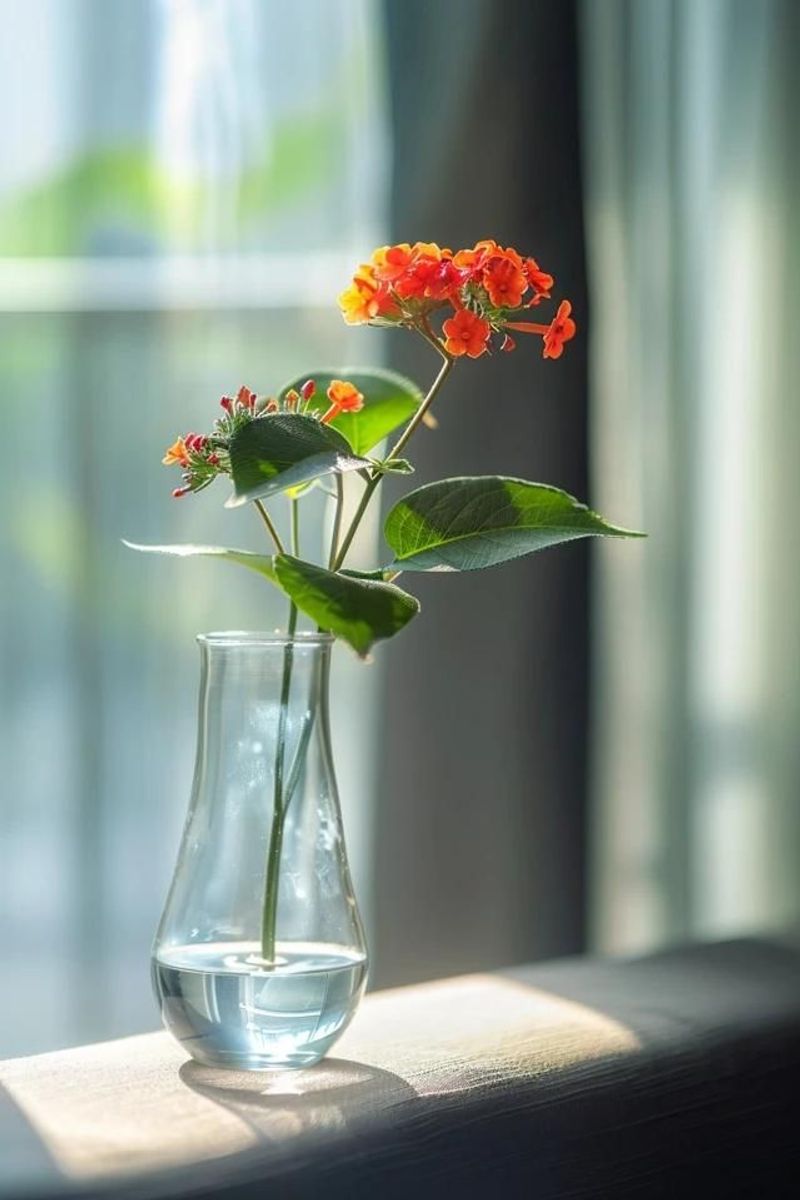
Not enough room for a big pot? Snip a few stems instead and grow tiny insurance plants.
Take 3 to 4 inch cuttings in late summer or early fall from healthy, non-flowering tips. Strip the lower leaves and dip the ends in rooting hormone if you have it. Then stick them in moist potting mix or a sand and peat blend.
Cover the pots loosely with a clear plastic bag to hold humidity. Set them in bright, indirect light. Roots often form within three to four weeks.
Once they resist a gentle tug, remove the bag. Move the little plants to your brightest window for the winter. They take up far less space than a full-grown shrub.
Patented varieties may carry propagation restrictions on the tag. Check before you multiply named hybrids for anything beyond personal use.
Cuttings make a smart backup even if your in-ground plant usually returns. A rough winter in the Piedmont can still knock back older shrubs.
They also make thoughtful gifts. Few things beat handing a friend a rooted lantana in spring and watching their face light up when it blooms.
8. Fresh Lantana Shoots in Late Spring Are Worth the Wait
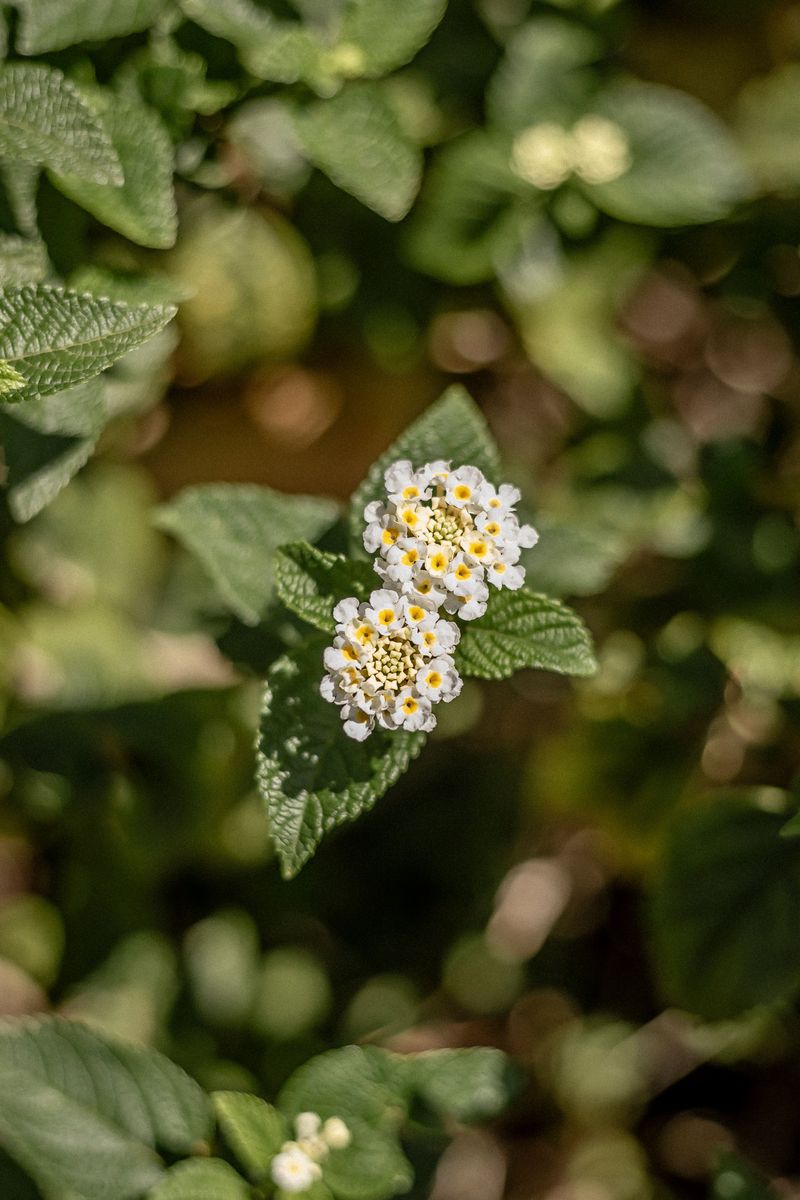
Spring patience gets tested hardest right here. Your azaleas finish, your tomatoes go in, and the lantana still looks like a bundle of twigs.
Do not grab the shovel yet. In-ground lantana often waits until soil warms, sometimes into late May or early June. Scratch a stem or brush aside mulch near the crown to look for green buds.
Once new growth appears, cut old stems back to just above the fresh shoots. This tidies the plant and sends energy into vigorous new branches. Pull mulch back a bit so the soil can warm.
For potted plants, wait until nights stay above about 55 degrees, usually late April or May in much of the state. Move them outside to shade first, then gradually into full sun over a week or two. Sudden direct sun can scorch leaves grown indoors.
Overwintered lantana gets a real head start. A woody, established plant fills out and blooms faster than a small nursery pot.
My favorite reward is the first swallowtail of summer landing on those flowers. Saving lantana costs little effort, and the payoff keeps coming back year after year.