The Poinsettia Mistake Most Ohio Homes Make in the First Week
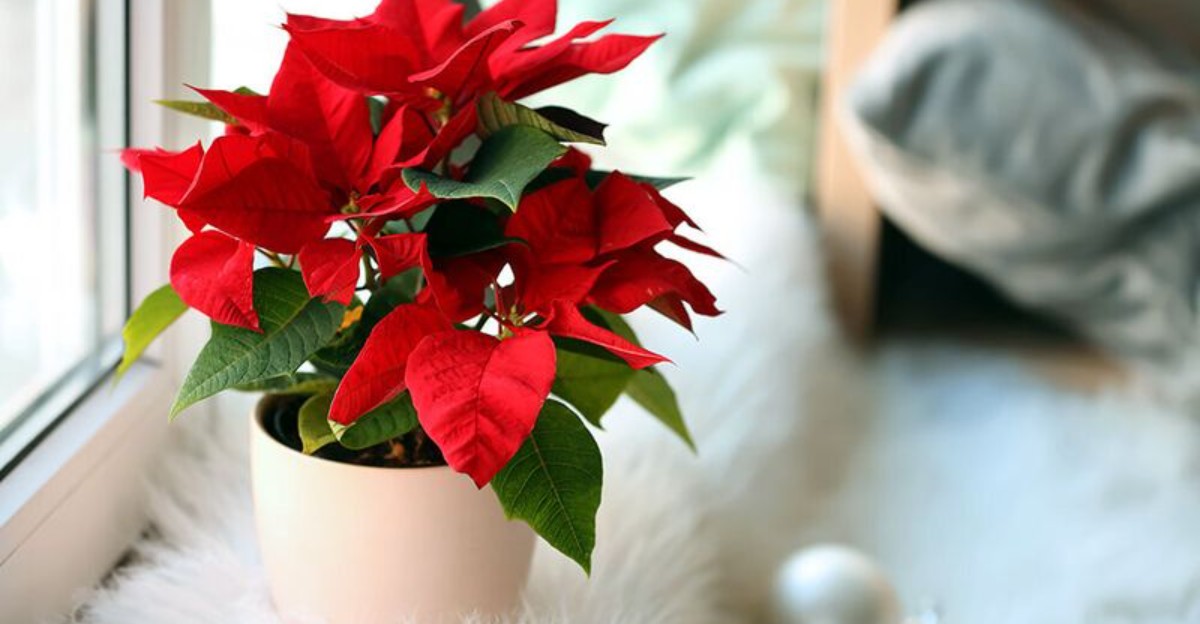
A few seconds of winter air can wreck a holiday plant that cost twenty dollars. The damage often stays hidden for days, then the leaves suddenly drop like confetti.
I learned this the hard way one December in Ohio. My plant looked perfect on the counter, so I blamed the store when it started shedding. The real problem happened in a parking lot.
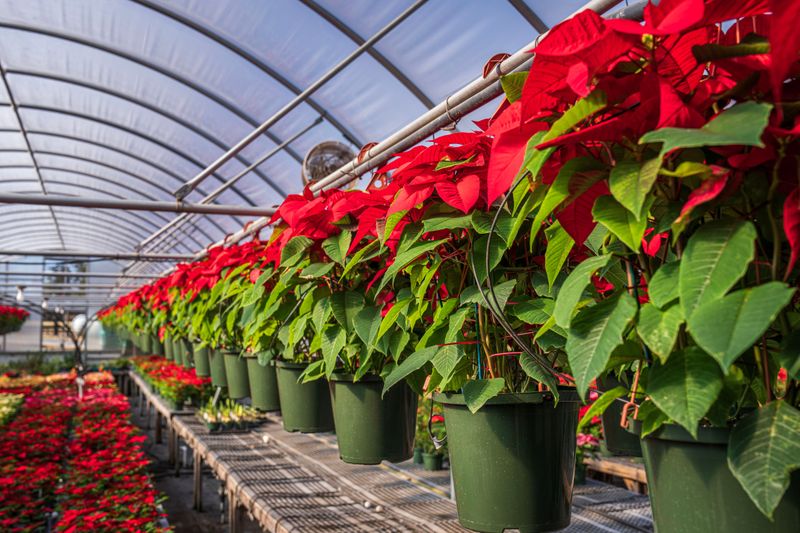
These cheerful plants come from the warm hills of southern Mexico. Growers raise them in cozy greenhouses for months, with careful heat, light, and water. Then we carry them into sleet, wind, and dry furnace air, and we wonder why they sulk.
You need to know that the first week decides a lot. A few small habits can keep those bright red tops looking sharp well into January. So what exactly goes wrong, and how early does the trouble start?
That Quick Poinsettia Trip From Store to Car Matters Most
Most of the damage happens in the space of one short walk. Poinsettias are tropical plants, and university extension experts warn that temperatures below 50 degrees can injure them fast.
A few minutes in freezing wind, or a ride in a car that sat cold all afternoon, is often enough. The scary part is the delay.
Chilled leaves may look fine at first, then curl, darken, and drop several days later.
That is the big first-week mistake in so many homes. People carry the plant out uncovered, toss it in a cold trunk, or leave it in the car while running other errands.
By the time the leaves fall, nobody connects the dots.
Ask the store to slip the plant into a paper or plastic sleeve before you leave. Warm up your car first, and set the pot on the floor or seat, not in the trunk.
Make the plant your last stop of the day.
Once home, bring it inside right away. If you notice a few droopy leaves the next morning, keep it warm and steady.
A mild chill often means a few lost leaves, not the end of the show. Gentle, stable care from here gives it the best shot.
Rip Off That Shiny Foil Wrap Around the Poinsettia Pot
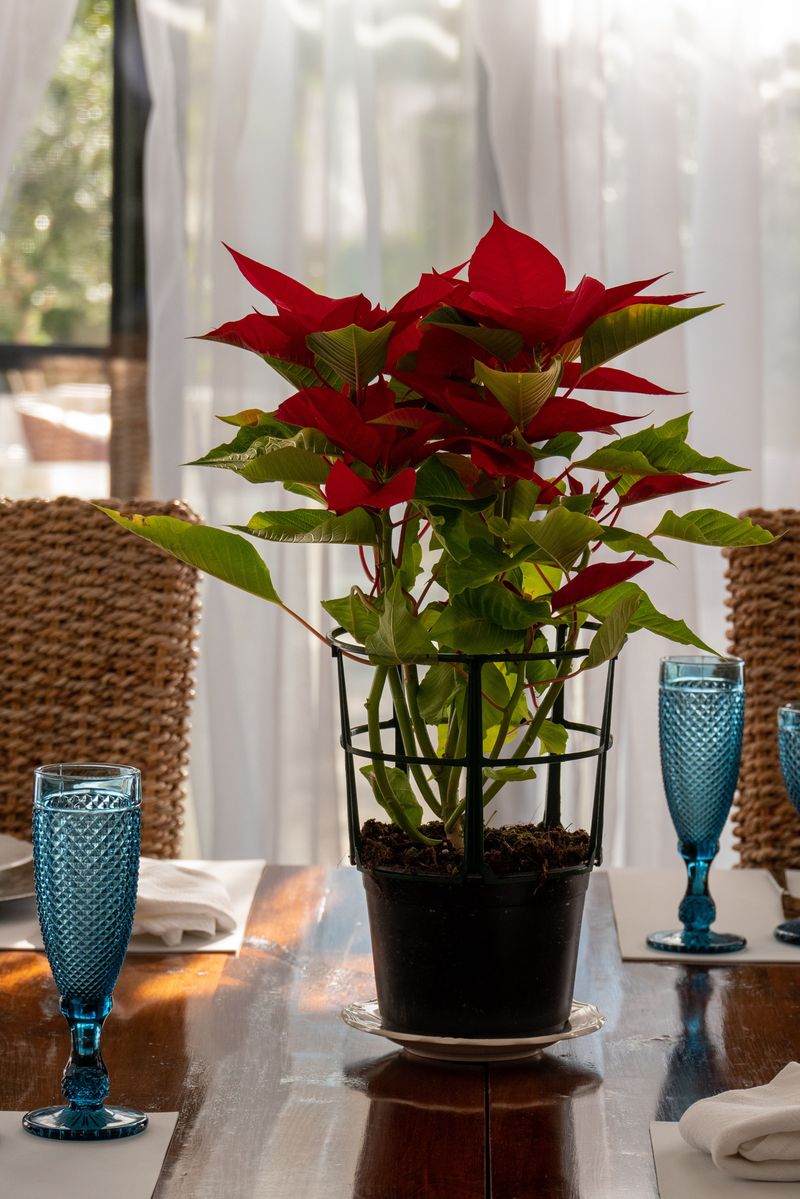
Sparkly foil looks festive, but it hides a sneaky problem. When you water, the extra liquid pools inside the wrap and has nowhere to go.
Roots sitting in a puddle cannot get the air they need. Within days they start to rot, and the plant reacts by yellowing and dropping leaves.
Many folks then add even more water, thinking the plant is thirsty. That makes things worse.
Purdue and Minnesota extension specialists both suggest removing the foil or poking several holes in the bottom. I like to slide the plastic pot out and set it on a saucer instead.
If you love the shiny look, put the wrap back on only after the pot has fully drained.
Another easy trick is to pour out the wrap every time you water. It takes ten seconds and saves a lot of heartbreak.
Your Ohio Garden Changes Every Week. Your Plan Should Too.
Gardening in Ohio changes quickly throughout the season. Every Friday you’ll receive a simple weekly plan showing exactly what to plant, prune, fertilize, harvest, and protect so you never miss the right timing.
Check for drainage holes in the grower pot too. Nearly all poinsettias come in pots with holes, but cheap decorative containers sometimes cover them.
A plant that can breathe at the roots handles dry winter air much better. You will notice firmer stems and brighter bracts within days.
Water Your Poinsettia Like a Pro, Not a Panicked Parent
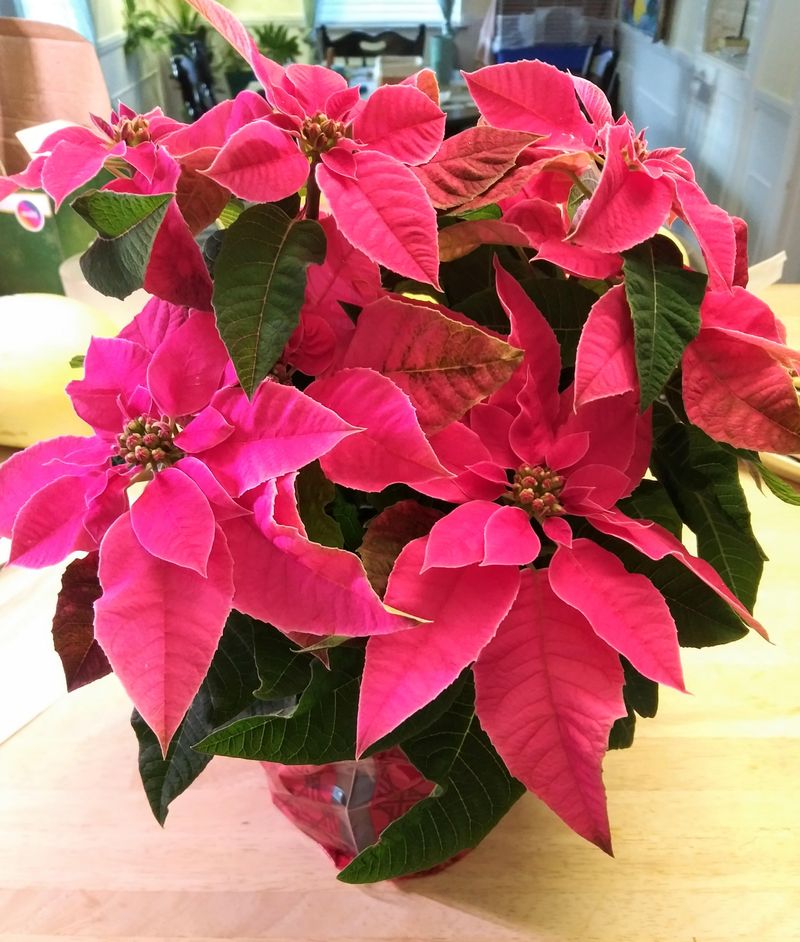
Ever poked a finger into poinsettia soil and found a soggy mess? You are in good company.
Watering mistakes rank right behind cold damage as a top cause of leaf drop.
The goal is soil that stays lightly moist but never waterlogged. Check it every day or two by pressing your fingertip into the top inch.
If it feels dry, it is time to water. If it still feels damp, wait.
When you do water, carry the pot to the sink. Soak it until water runs out the bottom, then let it drain for a few minutes.
Use room temperature water, since icy tap water can shock warm roots.
Lifting the pot helps too. A dry pot feels surprisingly light, while a freshly watered one feels heavy.
After a week, you will know the difference by feel.
Furnace heat dries potting mix faster than many people expect. A plant near a warm room may need water every two or three days, while one in a cool spot may go longer.
Let the soil guide you, not the calendar. Wilting from dryness and wilting from rot look alike, so always check before reaching for the watering can.
Heat Vents and Frosty Windows Make Poinsettias Miserable
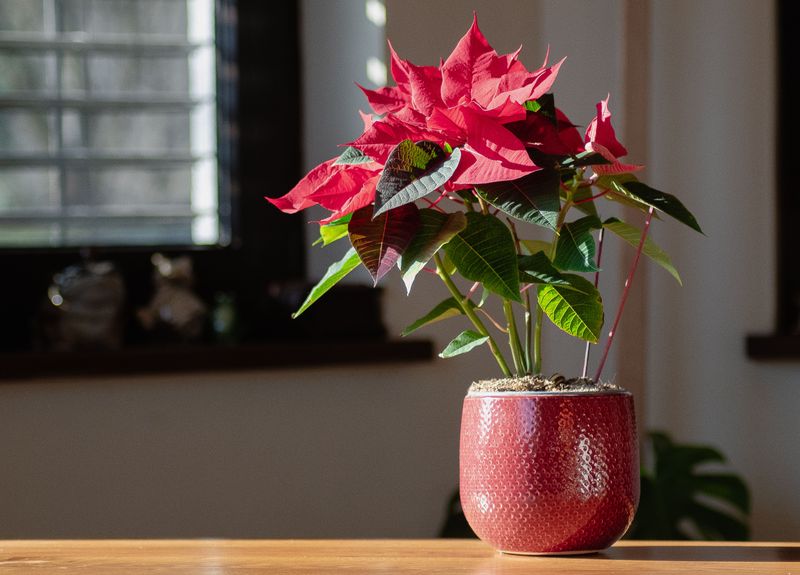
Location sounds like a minor detail, yet it can make or break your plant. Poinsettias like steady daytime temperatures around 65 to 70 degrees, a bit cooler at night.
Trouble comes from extremes. A pot pressed against a frosty window can get chilled overnight, especially during a January cold snap.
A spot above a heat register blasts the plant with dry air that crisps leaf edges.
Drafty front doors cause problems too. Every time guests arrive, a gust of winter air sweeps across the foyer table.
That pretty welcome display might be getting cold shock several times a day.
Fireplaces, space heaters, and the top of the TV are also risky. Anything that swings from hot to cold stresses the plant.
I keep mine a few feet back from the glass, away from vents and doorways. If leaves touch a window on a frigid night, move the pot or slide a curtain between them.
A cheap indoor thermometer can be eye-opening. Some corners of older Ohio homes run ten degrees colder than the hallway.
Find a spot with calm, even warmth, and your poinsettia will reward you with a longer, fuller display.
Bright Window Light Keeps Poinsettia Bracts Glowing
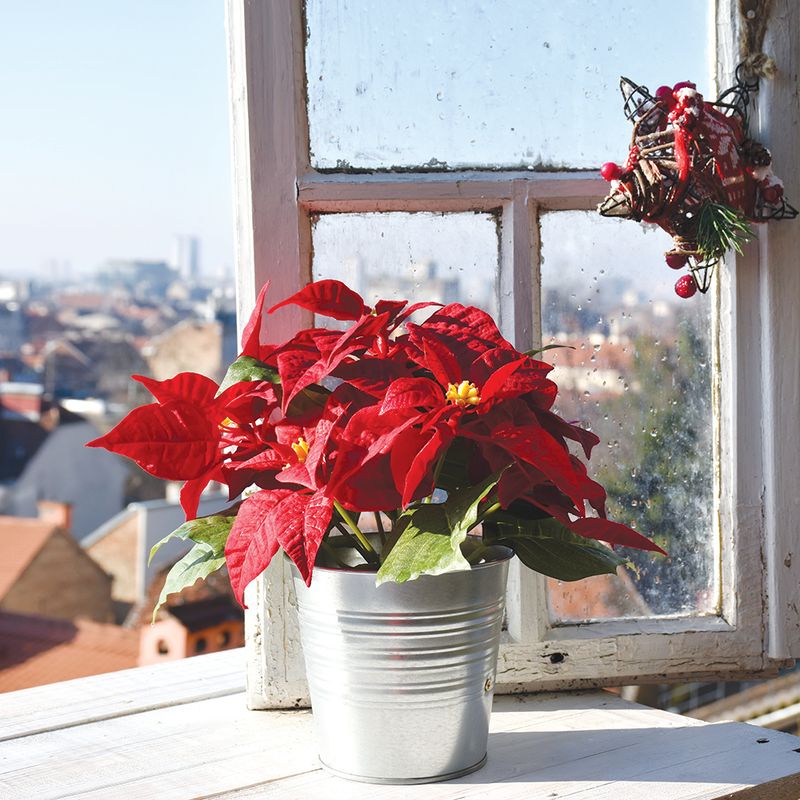
Here is a fun fact that surprises many people. The colorful parts of a poinsettia are not flowers at all.
They are modified leaves called bracts, and the real flowers are the tiny yellow buds in the center.
Those bracts need light to stay showy. Many households park the plant in a dim hallway or a dark corner as decoration.
Over a couple of weeks, the plant starts to fade and drop lower leaves.
Extension guides recommend at least six hours of bright, indirect light daily. An east, west, or south window works well, as long as the leaves do not touch cold glass.
Ohio winter days are short and often cloudy, so the brightest room in the house is usually the best choice.
A sheer curtain helps soften strong afternoon sun on rare clear days.
If your home is naturally dim, a basic LED grow light or bright lamp can fill the gap. Turn the pot a quarter turn every few days so all sides get a fair share.
Watch those tiny center buds as a clue. When they stay tight and yellow, your plant is happy and will hold its color longer.
Pick a Healthy Poinsettia Before It Ever Leaves the Store
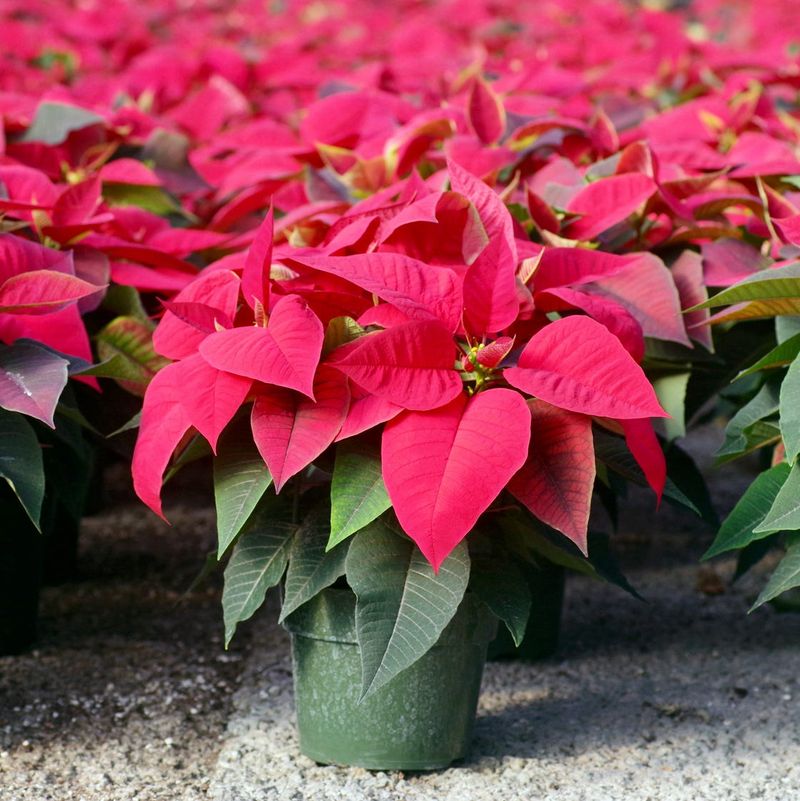
Smart shopping is half the battle. A plant that is already stressed at the store will struggle in your home no matter how well you treat it.
Start by peeking at the center. Look for tight green or yellow buds, called cyathia.
If they are dropping pollen or falling off, the plant is near the end of its peak.
Next, check the leaves. You want deep green foliage all the way down the stems, with no yellowing or wilting.
Bracts should be fully colored, without green edges or brown spots.
Be careful with plants displayed near automatic doors. Those entry areas blast cold air all day during Ohio winters.
Also skip pots crammed in plastic sleeves for long periods, since sleeved plants can droop quickly once they sit too long.
Local garden centers often handle their poinsettias with extra care, and staff can tell you when the plants arrived. Fresh stock usually lasts longer.
Finally, lift the pot. A bone dry, featherlight plant may have been neglected, while a dripping one may have soggy roots.
A healthy, balanced choice gives you a strong start before you even reach the checkout line.
Poinsettia Leaves Are Less Scary for Pets Than Rumors Claim
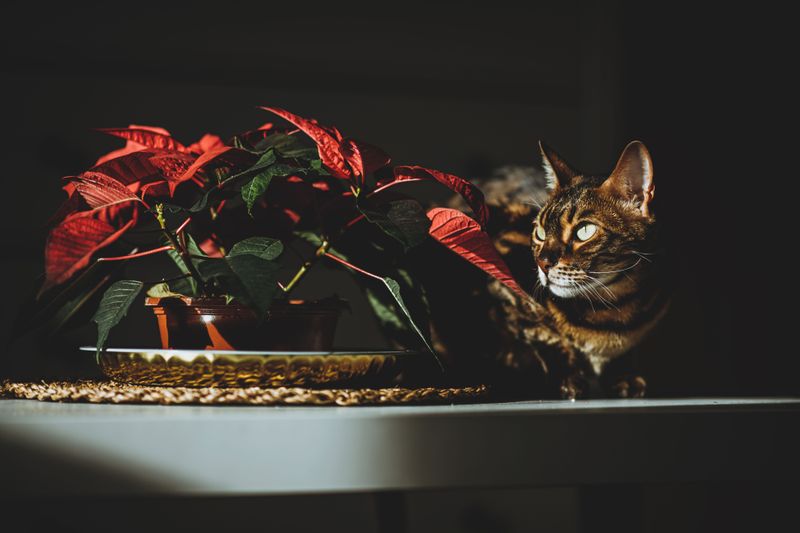
Plenty of families toss their poinsettia the moment the cat sniffs it. That worry is mostly overblown, according to university researchers and the ASPCA.
The old rumor started in the early 1900s and spread for decades. Studies since then show the plant has low toxicity.
Ohio State researchers even tested it years ago and found no serious effects at high doses.
That said, the milky sap can still irritate. Pets that chew the leaves may drool, vomit, or get an upset stomach.
Some people also get a mild skin rash from the sap, especially those with latex allergies, since poinsettias are related to rubber trees.
So keep the pot on a higher shelf if you have a curious puppy or kitten. Wash your hands after pinching off old leaves.
Small kids should also be kept from nibbling, mainly because the taste is bitter and can cause tummy trouble. If you are ever concerned, call your vet or the Poison Control line for quick advice.
With a little common sense, you can enjoy this holiday classic without panic. No need to give up a beautiful plant because of a century-old myth.
A Steady Routine Keeps Your Poinsettia Red Into Spring
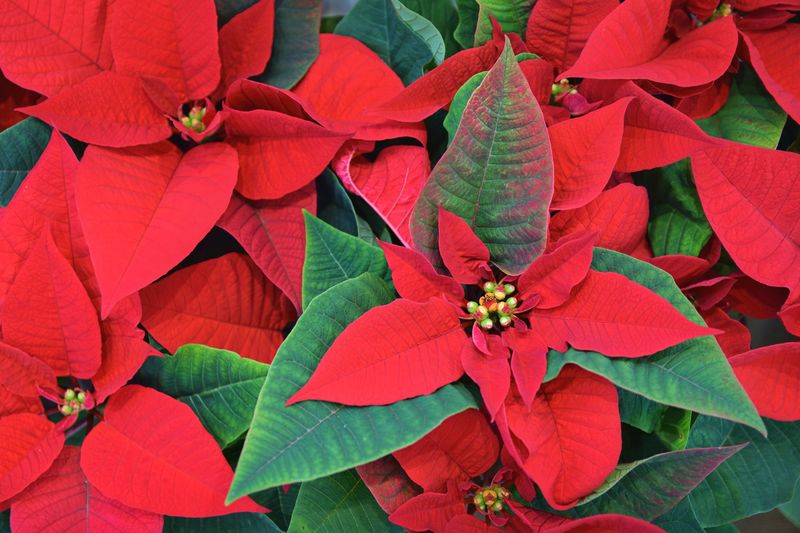
After that tricky first week, the rest gets much easier. Think of your plant as a houseguest who likes a calm, predictable routine.
Keep it in the same bright spot with steady warmth. Water only when the top inch dries out, and drain it well each time.
Skip fertilizer while it is in full color, since it does not need feeding until new growth begins in spring.
Dry furnace air can be rough in midwinter. Grouping plants together or placing a tray of pebbles and water nearby adds a little humidity.
Remove any yellow leaves that fall, so they do not invite mold on the soil.
With good care, many poinsettias keep their color for six to eight weeks, and some stretch into March. Ohio winters are long, so that pop of color feels like a gift.
Feeling ambitious? You can try to rebloom it next year.
That takes a summer outdoors after nights stay above 55 degrees, then strict long dark nights starting around October 1.
Even if you simply enjoy it this season, that careful first week is what makes the difference. Treat it kindly early, and it will brighten the gray months ahead.