What to Do With Leftover Halloween Pumpkins in a Texas Garden
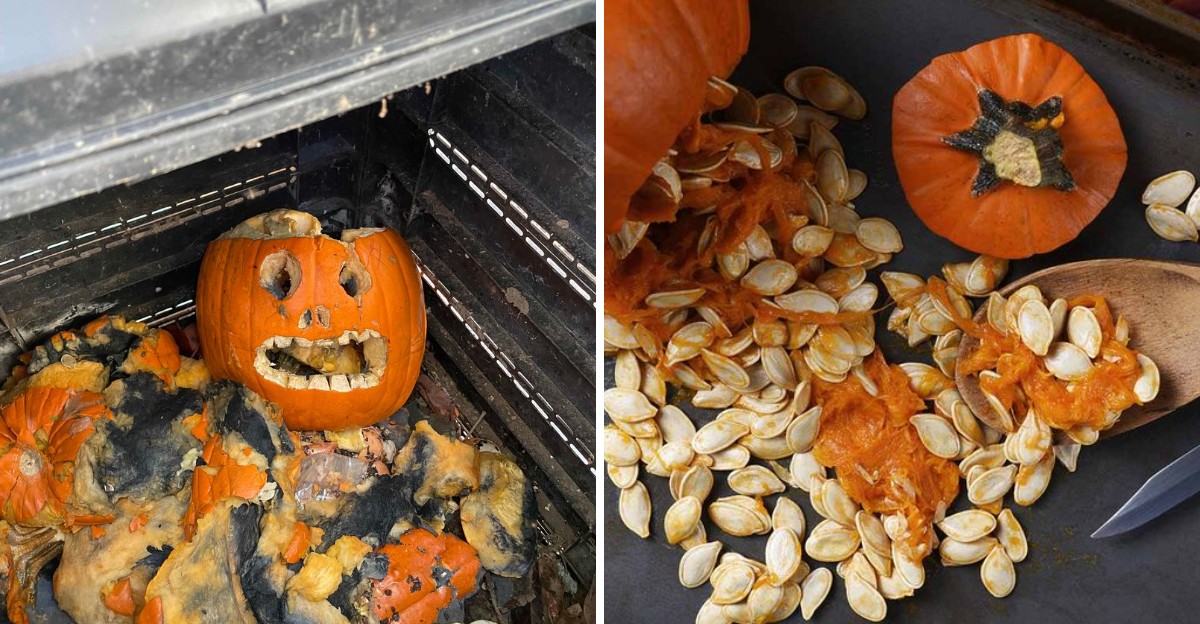
A single jack-o’-lantern is roughly 90 percent water, so most of that heavy orange globe on your porch is basically a soggy water balloon with a smile. I find that hilarious, and also a little useful.
All that moisture means it softens fast once November rolls around in Texas.
Warm, humid afternoons speed up the slump, and suddenly your proud carving looks like it lost an argument with gravity. Tossing it in the trash feels like such a waste.
Personally, I can’t imagine sending something this rich in organic matter off to a landfill.
Rotting food in landfills releases methane, a greenhouse gas, while the same pumpkin in your yard could feed worms, soil microbes, and next spring’s tomatoes.
So what does that squishy old gourd still have to offer your beds, your birds, and maybe even next summer’s patch?
1. That Slumping Jack-O’-Lantern Is Secretly Garden Gold
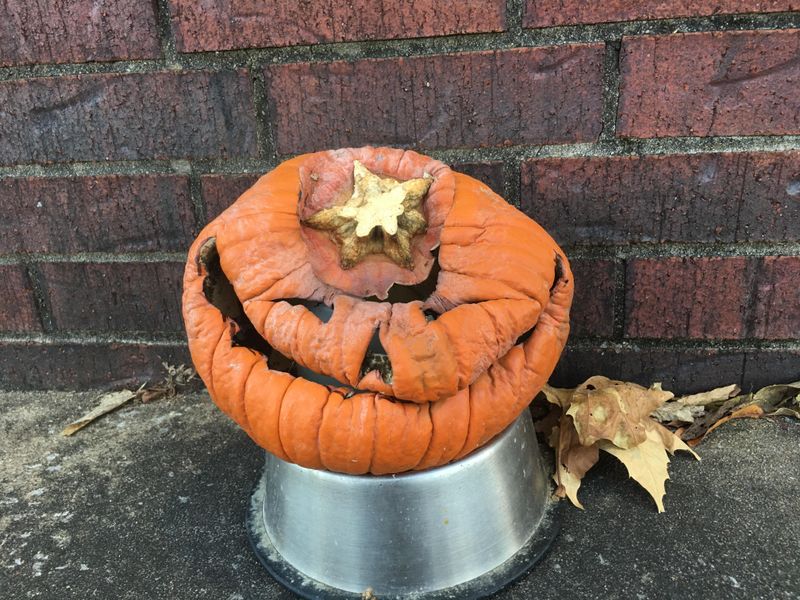
My favorite moment of November is watching a sagging jack-o’-lantern turn from porch decor into garden fuel. That wrinkled face still holds water, sugars, fiber, and plant nutrients like potassium.
Soil life adores that kind of buffet. Earthworms, fungi, and bacteria break pumpkin tissue down quickly, especially in the mild fall and winter weather much of Texas enjoys.
Within a few months, that orange mush becomes dark, crumbly organic matter.
Organic matter is the real treasure here. It helps heavy clay drain better, and it helps sandy soil hold onto moisture longer.
Both problems show up all over the state, from Blackland Prairie gumbo to East Texas sand.
Before you do anything, check the pumpkin. Paint, glitter, glue, marker, and wax drips from candles should stay out of your garden, so peel off or toss those pieces.
Plastic stems and fake decorations belong in the trash.
Also look for heavy fuzzy mold. Ordinary rot is fine for composting, but a thick fuzzy coat is a sign to wear gloves and move fast.
Once your pumpkin passes inspection, you have a few smart paths. Composting, burying, feeding birds, and saving seeds all keep that gourd working instead of heading off to the curb.
2. Chop It Up and Toss It on the Compost Pile
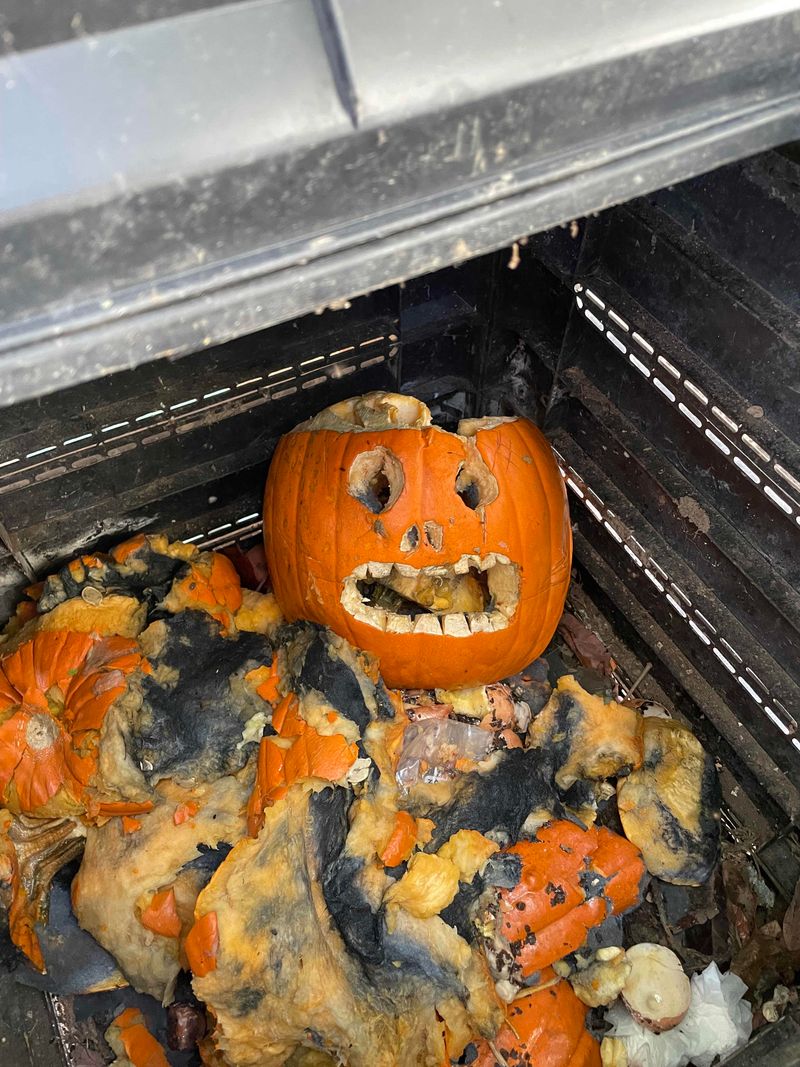
Texas A&M AgriLife Extension horticulturists back this one up. Composting is the top choice for a leftover pumpkin, and it takes very little effort.
Size matters most. A whole pumpkin can sit in a pile for months, but small chunks break down much faster.
I like to smash mine with a shovel or chop it with an old knife on a board.
Pumpkin counts as a green material, meaning it is wet and rich in nitrogen. Balance it with brown materials like dry leaves, shredded cardboard, newspaper, or straw.
A rough rule is about two or three parts brown to one part green.
That balance keeps the pile from getting slimy and smelly. It also gives microbes the carbon they need to work.
Bury the pumpkin pieces in the middle of the pile instead of leaving them on top. Covering food scraps with a layer of leaves helps keep fruit flies and curious raccoons away.
Your Texas Garden Changes Every Week. Your Plan Should Too.
Gardening in Texas changes quickly throughout the season. Every Friday you’ll receive a simple weekly plan showing exactly what to plant, prune, fertilize, harvest, and protect so you never miss the right timing.
Turn the pile every week or two and keep it about as damp as a wrung-out sponge. Fall leaves are falling right on schedule, so you have plenty of browns nearby.
By spring, you should have rich compost for vegetable beds and flower borders.
3. Bury Pumpkin Chunks Right in Your Garden Beds
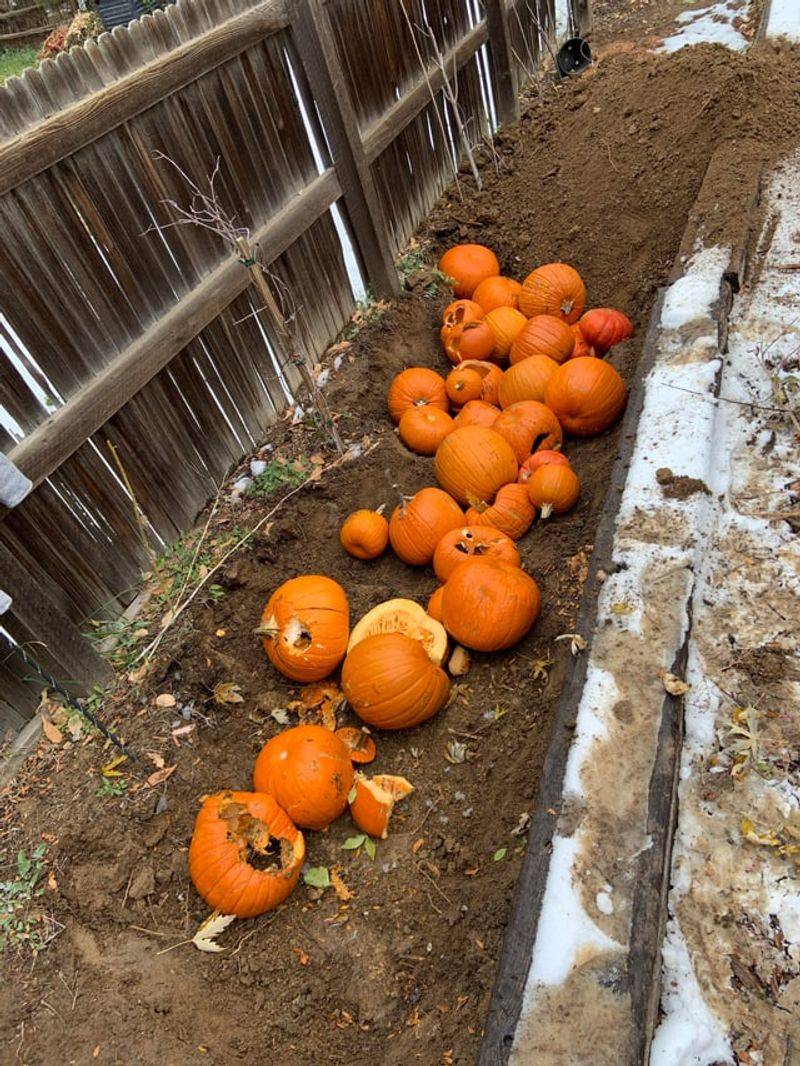
No compost bin? No problem at all.
Trench composting is an old-school trick where you bury food scraps straight into the soil and let worms finish the job.
Start by choosing a bed that is resting for winter or will be planted in spring. Dig a hole or trench about 8 to 12 inches deep.
Deeper is better because it helps hide the smell from dogs, raccoons, and opossums.
Chop the pumpkin into pieces before dropping them in. Smaller chunks give soil microbes more surface area to munch on.
Cover with soil, then pat it down firmly.
Earthworms move in quickly once they find the buried treat. Their tunnels help air and water move through the soil, and their castings add nutrients.
Keep an eye on timing. Pumpkin pieces can take a couple of months to break down, so avoid burying them right beside young cool-season transplants.
Planting a few inches away from the trench is a safer bet.
Got several pumpkins from neighbors? Spread them across different spots instead of piling everything into one hole.
A single heavy dump can turn soggy and sour, while smaller batches decompose cleanly and evenly.
4. Backyard Birds Will Happily Snack on Plain Pumpkin Seeds
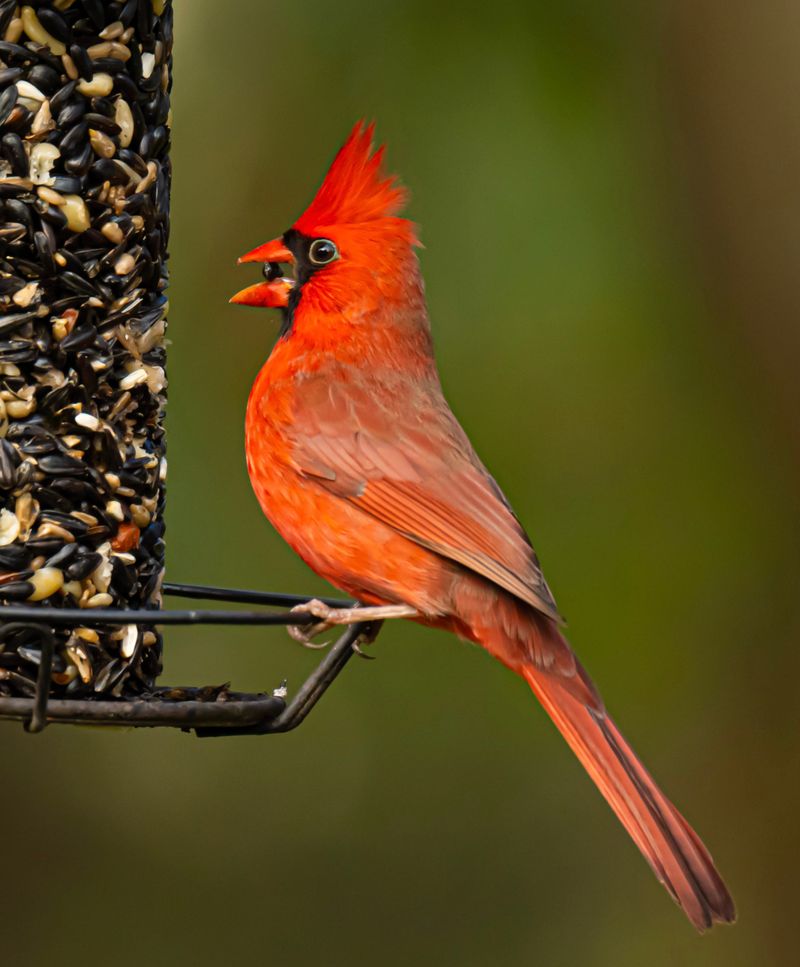
Cardinals cracking pumpkin seeds is one of the best shows a fall garden offers. Northern cardinals, blue jays, titmice, and chickadees are all fans, and Texas has plenty of them visiting feeders this time of year.
Scoop the seeds out, then rinse away the stringy pulp. Spread them on a tray or towel to air dry for a few days.
You can also bake them on low heat for a crunchier, longer-lasting treat. Skip the salt, butter, oil, and spices, since seasonings meant for people are not good for birds.
Pile the dry seeds into a platform feeder or a shallow dish. Larger seeds can be tough for tiny birds, so a quick chop in a food processor helps finches and wrens join the fun.
Fancy a cute project? Cut a fresh, unpainted pumpkin in half, scoop it clean, and fill it with birdseed.
Set it on a stump or hang it with twine for a temporary feeder.
Watch it closely, though. Once the shell gets soft or moldy, move it to the compost.
Moldy food can make birds sick, so freshness counts more than charm here.
5. Think Twice Before Leaving Pumpkins Out for Deer and Squirrels
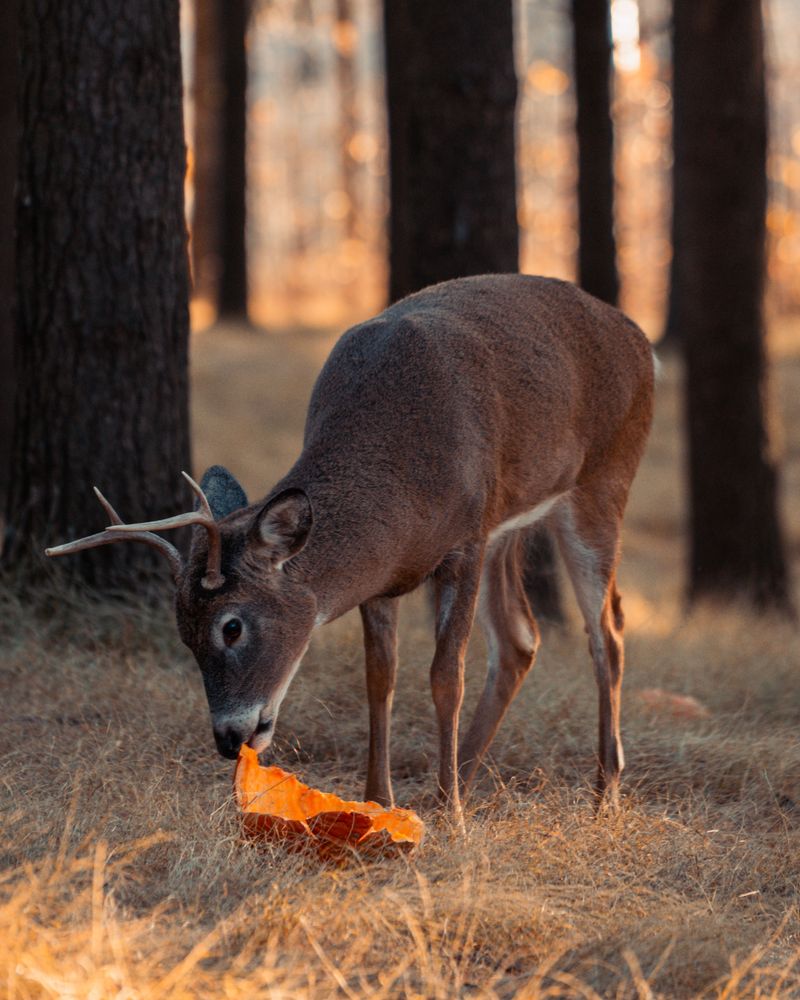
Plenty of people set a pumpkin at the edge of the woods for deer and squirrels. It sounds sweet, but wildlife experts urge caution.
The National Wildlife Federation says pumpkin can be an occasional treat. Still, the group generally discourages regularly feeding wild mammals.
Steady handouts can make animals lose their fear of people, crowd together, and spread disease more easily.
Some Texas cities have rules on this. New Braunfels, for example, has an ordinance against feeding certain wildlife, with possible fines.
Texas Parks and Wildlife Department also bans feeding wildlife in state parks.
Before you share, check your city and HOA rules. A quick call or website search can save you a headache and a ticket.
Raccoons and feral hogs also love pumpkins, and neither makes a good garden guest. Hogs in particular can tear up a lawn overnight.
If feeding is allowed where you live, keep it small and rare. Use only clean, unpainted pumpkin, place it far from your house, and pick up leftovers within a day or two.
Honestly, composting usually does more good for local wildlife by building healthy habitat over time.
6. Fruit Flies and Rats Love a Mushy Pumpkin Too
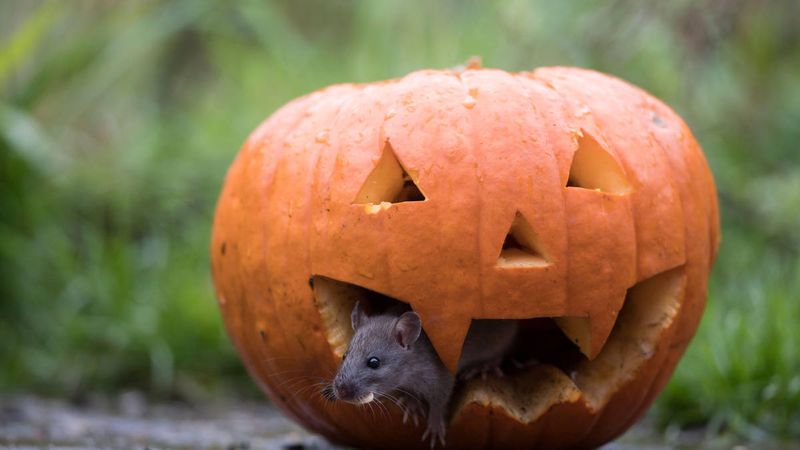
Warm, muggy fall days can turn a carved pumpkin into a fruit fly party within a week. Carving opens the flesh to air, so rot moves much faster than in a whole pumpkin.
Fruit flies are only the opening act. Ants, roaches, mice, rats, and squirrels may follow, chewing holes that let even more decay set in.
Squash bugs sometimes linger near old pumpkins and cucurbit debris too. Leaving rotting gourds near your vegetable beds gives these pests a cozy hangout through mild winters.
Quick action helps a lot. Move pumpkins off the porch once they start to sag.
Chop and compost them, or bury them deep in a bed.
Leaving a whole pumpkin to rot on bare ground is the riskiest choice. It draws critters and can leave a smelly, sticky mess.
A few simple habits keep pests under control:
Cover pumpkin pieces with leaves or soil in your compost. Keep compost piles a reasonable distance from your house.
Clear old vines and fruit from vegetable beds after harvest.
Doing this now means fewer surprises when you open the garden shed next spring.
7. Save Those Pumpkin Seeds for Next Year’s Patch
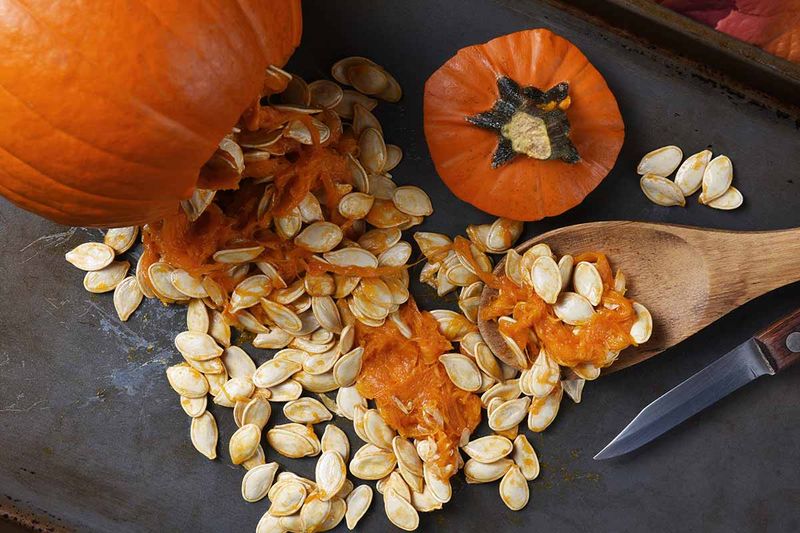
Here’s a fun gamble for curious gardeners. Seeds from your Halloween pumpkin might grow next year’s crop, though results can be a surprise.
Heirloom and open-pollinated pumpkins usually grow true to type. Hybrid pumpkins, which include many store-bought carving types, may produce plants that look different from the parent.
Squash family plants also cross easily, so you could end up with an odd, lumpy mystery gourd.
I think that mystery is half the fun.
Pick plump, mature seeds and rinse off the pulp. Dry them in a single layer on paper towels for one to two weeks, flipping them now and then.
Once they snap instead of bend, tuck them in a labeled paper envelope. Store it somewhere cool, dry, and dark.
Timing for planting depends on your goal. Many Texas gardeners who want Halloween pumpkins sow seeds in late spring to early summer, since vines need warm soil around 70 degrees and roughly 90 to 120 days to mature.
Exact dates vary from the Panhandle to the Rio Grande Valley, so check with your county AgriLife Extension office before planting.
8. Uncarved Pumpkins Can Become Planters, Pie, or Farm Snacks
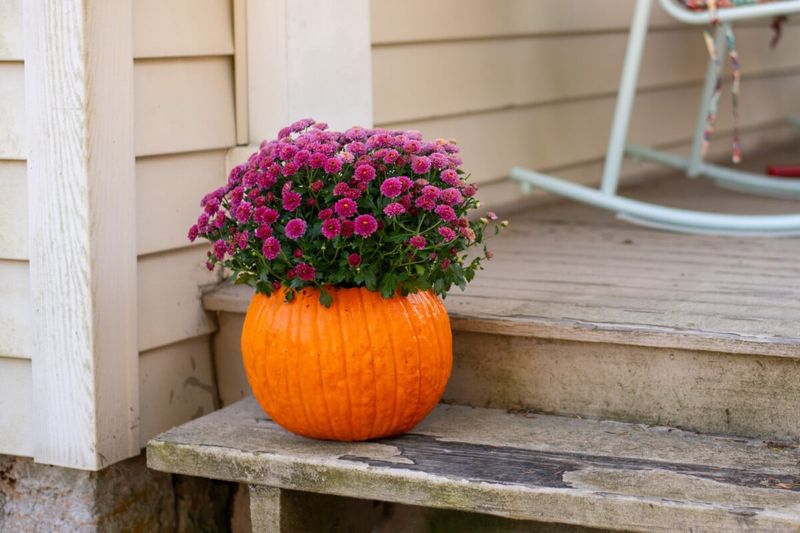
Whole, uncarved pumpkins still have a long to-do list. Without cuts in the shell, many stay firm for weeks in a cool, shady spot.
One cheerful idea is a pumpkin planter. Slice off the top, scoop out the seeds, and tuck in a potted mum, pansy, or ornamental kale.
When the shell softens, plant the whole thing in a bed and let the pumpkin break down around the roots.
Cooking is another option if the pumpkin was never carved, painted, or left sitting in the sun for weeks. Smaller pie pumpkins taste best, but big carving types can still make soup or puree.
Wash it well and cook it thoroughly.
Local farms, animal sanctuaries, and some community gardens accept pumpkin donations. Chickens, goats, and pigs often go wild for them.
Call first, since many places only want clean, unpainted pumpkins.
My takeaway is simple. Every pumpkin gets a second job before it leaves your yard.
Compost what’s mushy, feed the birds a few seeds, save some for planting, and share the rest. Your soil will be richer, and your trash can much lighter.