Why North Carolina Houseplants Struggle Near Heating Vents Once Winter Begins
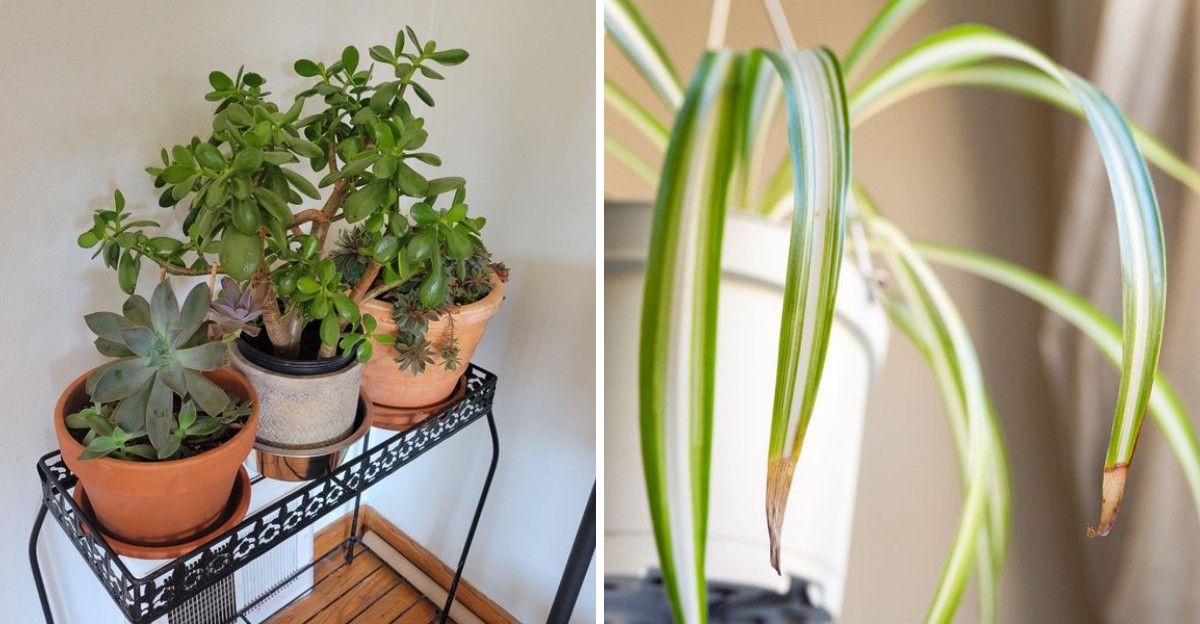
Indoor air in a heated winter home can drop to 20 percent humidity or lower, which rivals many desert afternoons. Your favorite leafy friend sitting beside a floor register is basically living in a hair dryer.
I learned this the hard way one January. My soil was moist, my watering schedule was perfect, and the leaf tips still turned brown and crunchy like fall potato chips.
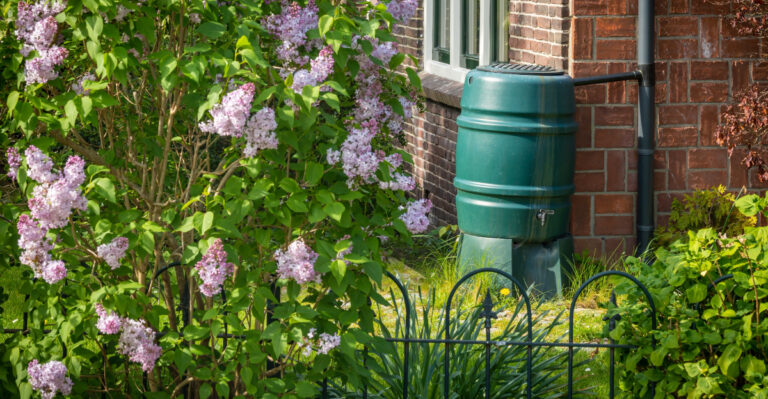
Across North Carolina, from mountain cabins to coastal cottages, furnaces and heat pumps start humming by late fall.
That steady warm stream feels wonderful on your cold toes, but most popular houseplants grew up on rainforest floors where the air stays damp and calm.
So why does one spot near a vent cause so much trouble? The answer involves invisible moisture, sneaky drafts, and a tiny pest that loves dry rooms more than you love cozy socks.
1. That Cozy Spot by the Floor Vent Hides a Problem
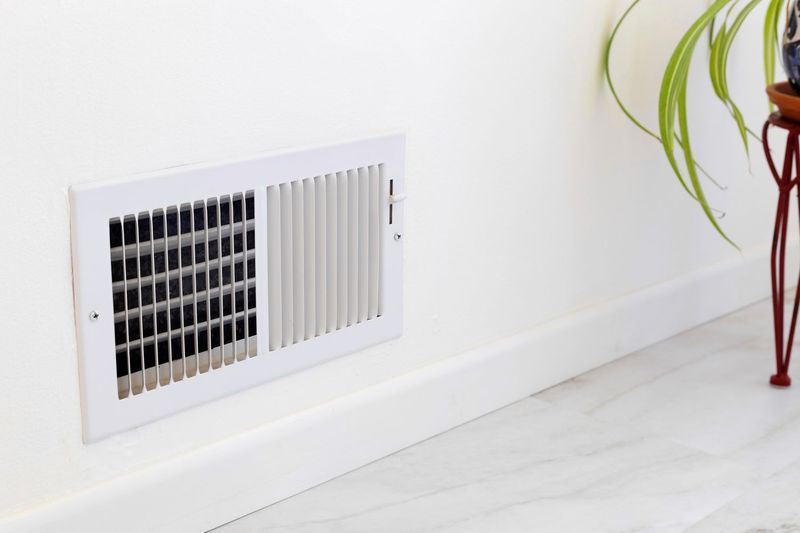
My peace lily once sat right beside a floor register because it looked cute there. Within two weeks, it slumped like a teenager on a Monday morning.
Most common houseplants, like pothos, peace lilies, calatheas, and ferns, come from tropical places. They grow best when the air holds about 40 to 60 percent humidity.
A heated home in winter often drops well below that, and the air right at a vent is the driest and warmest in the room.
Warm air can hold more moisture than cool air. When your system heats cold winter air without adding water, the relative humidity falls fast.
That thirsty air then pulls water out of leaves through tiny pores called stomata. Roots can only move water up so quickly. When leaves lose moisture faster than roots can replace it, the plant starts to struggle, even if the soil is damp.
So the trouble is often not your watering can at all. Fun fact for curious gardeners: plants release most of the water they take in through their leaves. Only a small share stays inside to build new growth. A vent simply speeds that natural process into overdrive.
2. Move Your Potted Plants At Least Three Feet From Heat Registers
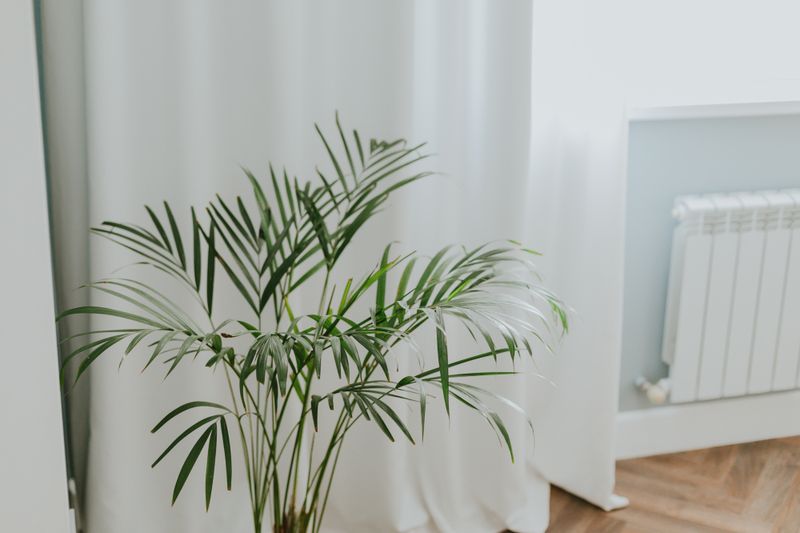
Sometimes the best fix is also the easiest one. Pick up the pot and carry it somewhere calmer.
Plant experts, including NC State Extension, advise keeping houseplants away from heating vents, radiators, and fireplaces. A good rule is at least three feet of space between the plant and any heat source.
That distance cuts down on the direct blast of dry, warm air. Before you choose a new home, check the light. Winter days are short, so plants still need a bright spot, ideally near an east or south window.
Just keep leaves from touching cold glass on frosty nights. Can’t move a big fiddle-leaf fig? Try a plastic vent deflector.
These cheap gadgets clip onto registers and push air up or sideways, away from foliage. You can also close a vent in a rarely used corner if it won’t affect your system.
I keep a little map in my head of each room every November. Vents, drafty doors, and sunny windows all get noted. It takes five minutes and saves me months of crispy leaves and second-guessing.
3. A Humidifier Can Turn Dry Winter Air Into Plant-Friendly Air
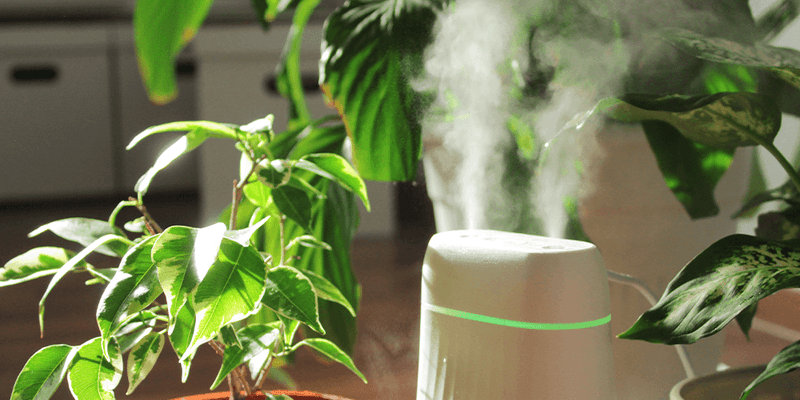
Here comes the hero of my winter plant corner. A small cool-mist humidifier, humming quietly near my fern collection, changed everything.
A humidifier adds moisture straight into the air, which is exactly what vent-blasted plants are missing. Placing one within a few feet of your plants can lift humidity into a much happier range.
A cheap hygrometer, which measures humidity, helps you see the difference in real numbers.
Aim for roughly 40 to 50 percent in winter. Going much higher can cause condensation on windows and walls, which may lead to mold.
Your house, and your nose, will thank you for staying balanced. Grouping plants helps too. Leaves release water vapor as they breathe, so a cluster of pots creates its own slightly damp pocket of air.
It works like a tiny neighborhood where everyone shares. Clean your humidifier often, following the maker’s directions. Stagnant water can grow bacteria and mineral crust.
Many people use distilled water to cut down on white dust settling across leaves and furniture.
4. Crispy Brown Leaf Tips Tell The Real Story
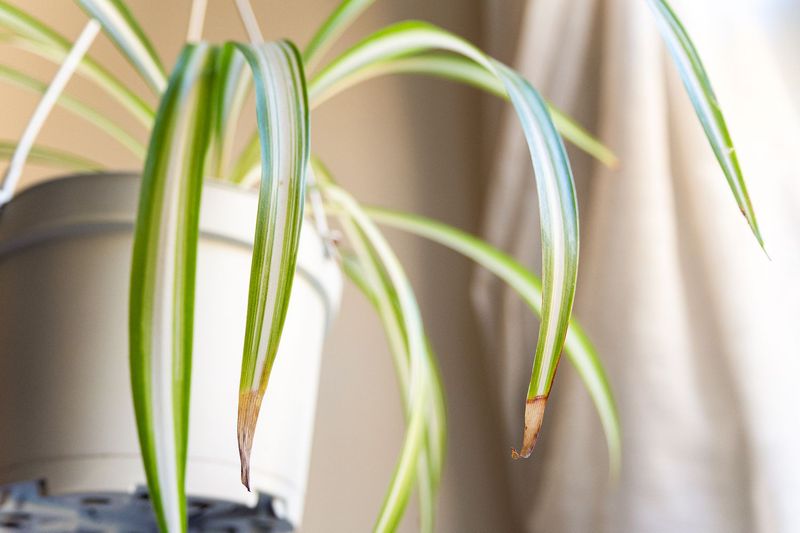
Leaves are terrible at keeping secrets. They show stress long before a plant gives up on looking pretty.
Brown, crunchy tips and edges are the classic sign of dry air. Spider plants, calatheas, dracaenas, and ferns show it quickly because their leaves are thin or long.
You may also see yellowing lower leaves, curling, or leaves dropping early. So how do you tell dry air from underwatering? Stick your finger into the soil about an inch deep.
If it feels moist but the leaves still look parched, the air is the likely culprit. If the soil is bone dry, the plant really is thirsty.
Brown tips can have other causes too. Fluoride and salts in tap water, too much fertilizer, and overwatering can all leave similar marks.
Looking at the whole picture, including where the plant sits, helps you narrow it down.
You can trim brown edges with clean scissors for a neater look. Follow the leaf’s natural shape and leave a thin brown line so you don’t cut into healthy green tissue. The damaged parts won’t turn green again.
5. Steady Blasts From The Heat Pump Dry Out Soil Faster
Ever stood in front of a fan after a shower? You dry off in minutes. Plants feel something similar beside a vent. Moving air sweeps away the thin layer of moist air that normally hugs a leaf.
Without that buffer, water evaporates faster from leaves and from the top of the soil. Many homes in the state use heat pumps, which often run longer, gentler cycles than gas furnaces. That can mean steadier airflow for hours.
Even a mild breeze adds up when it never takes a break. Small pots and terracotta containers dry out especially fast in this spot. Clay is porous, so moisture escapes through its walls.
A plastic or glazed pot holds water longer during winter. Still, resist the urge to drown your plant. Most houseplants grow slowly in winter because of shorter days, so they use less water than in summer.
Check the soil with your finger before each watering instead of following a strict calendar. A layer of fine bark or moss on top of the soil can slow surface drying a bit. Just keep it loose so roots still get air.
6. Hot And Cold Swings Near Vents Throw Tropical Plants Off Balance
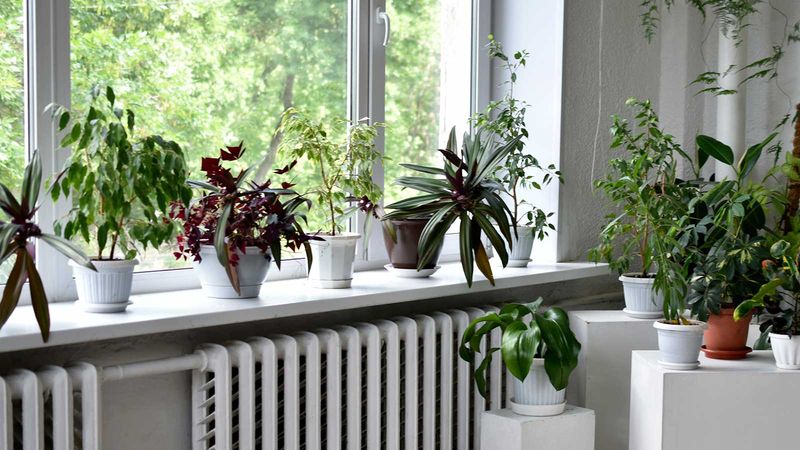
Picky about temperature? Most tropical houseplants are, and honestly, I don’t blame them.
Many prefer a steady range of about 65 to 75 degrees during the day, with a slight drop at night. A plant next to a vent gets roasted when the system runs, then cools when it shuts off. That up-and-down rhythm repeats all day long.
Frequent swings can slow growth and cause leaves to droop, curl, or drop. Some plants, like fiddle-leaf figs and weeping figs, are famous drama queens. They may shed leaves after even a small change in their surroundings.
The opposite problem matters too. Plants near drafty doors or touching icy windowpanes can get chilled on cold nights, especially in the mountains, where winter lows dip much lower than on the coast.
A cheap indoor thermometer placed beside your plant tells you a lot. Check it while the heat runs and again when it stops.
If the numbers jump around, find a spot in the middle of the room where conditions stay calmer.
7. Spider Mites Love A Warm, Dry Houseplant
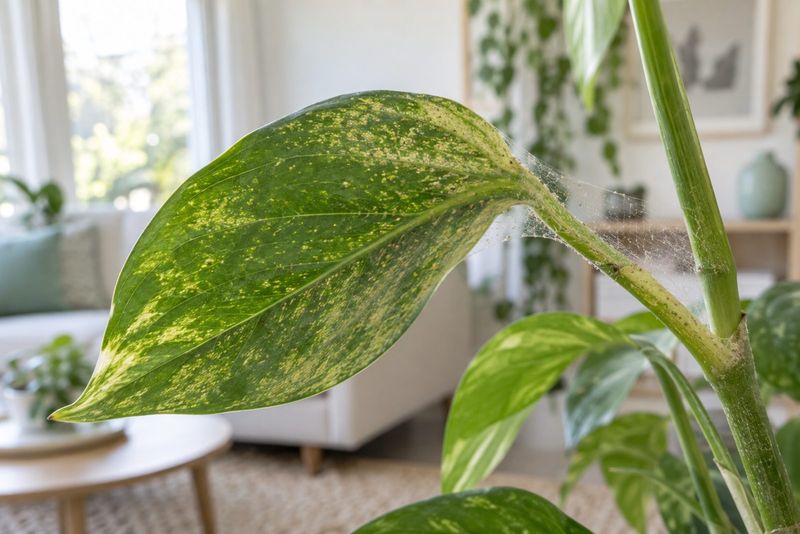
Nothing makes me grab a magnifying glass faster than tiny speckles on a leaf. Those pale dots often mean spider mites have moved in.
Spider mites are tiny relatives of spiders, smaller than a grain of sand. They thrive in warm, dry air, which makes a plant beside a vent their dream vacation spot.
Stressed plants also have weaker defenses, so mites spread fast. Look under leaves for fine webbing, yellow or bronze speckling, and moving dots. A simple test is to hold white paper under a branch and tap it.
If little specks crawl around, you have visitors. To manage them, rinse the plant in the shower and wipe leaves with a damp cloth.
Insecticidal soap or horticultural oil can help, but follow the label closely and repeat treatments, since eggs hatch over time.
Isolate the affected plant so mites don’t hop to neighbors. Raising humidity and moving the plant away from heat also makes your home less inviting. Prevention is far easier than chasing a big infestation in February.
8. Pebble Trays And A Smart Winter Routine Keep Leaves Happy Until Spring
Spring will return, and I promise your plants can make it there looking good. A few easy habits do most of the work.
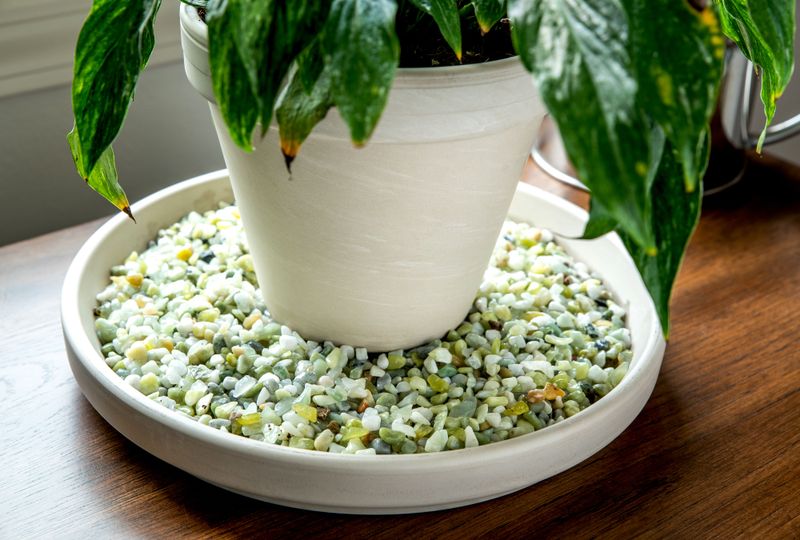
Pebble trays are simple and cheap. Fill a shallow tray with pebbles, add water just below the top of the stones, and set the pot on top.
The water evaporates around the leaves, and the pot stays out of the puddle so roots don’t rot.
Research shows pebble trays raise humidity only a little, so think of them as a helper, not a cure. Misting works the same way. It feels nice, but the moisture vanishes in minutes, so use it as a bonus.
Skip fertilizer for most houseplants until growth picks up in early spring. Dust leaves gently so they can soak up weak winter light. Rotate pots every week or two for even growth.
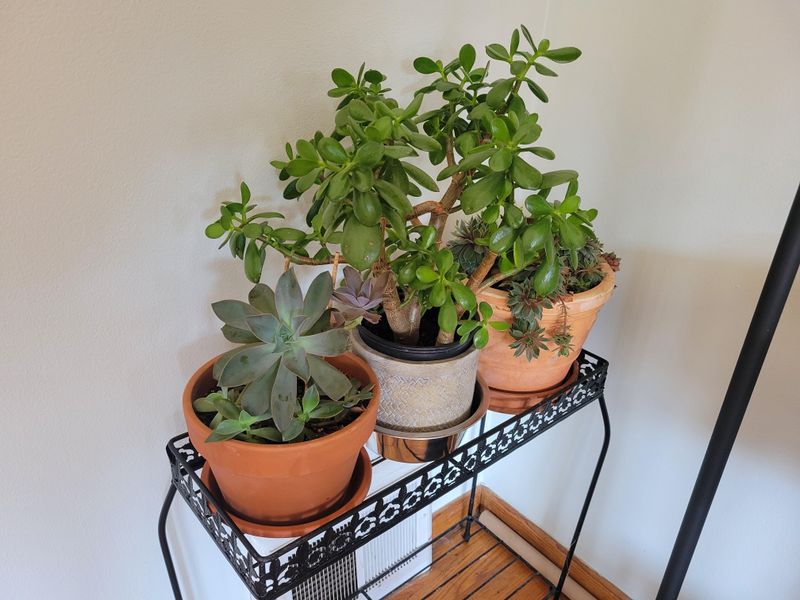
Succulents, cacti, and snake plants handle dry air far better than ferns. If one sunny spot near a vent is your only option, give it to these tough customers. Matching the plant to the place is the smartest winter move of all.