Louisiana Live Oaks Make The Perfect Orchid Host And Most Gardeners Never Try It
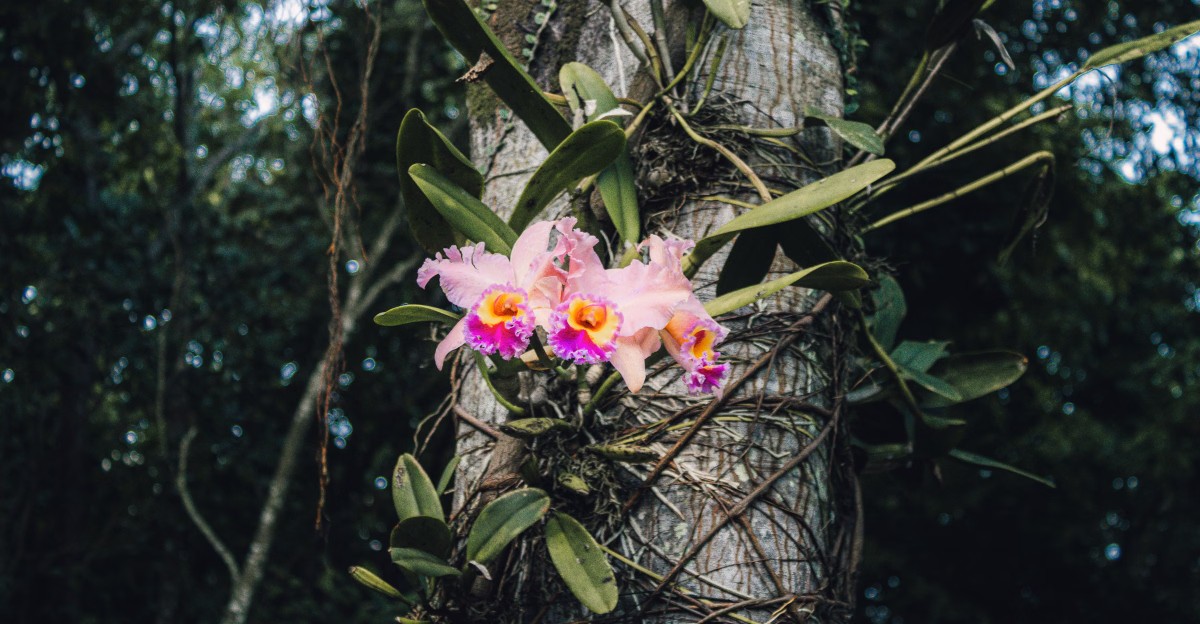
A wild flower in south Louisiana grows on tree bark with no soil and smells sweet after dark. It hides so well that many hikers walk right under it without noticing a single bloom.
Its roots grip the rough bark of old oaks, often tucked beside curly ferns that shrivel and green up again. The same plant shows up along the coastal plain from the Carolinas to Louisiana, wherever winters stay fairly mild.
I am surprised how few of us look up when we plan a new garden bed. After I tested a few mounts on my own oak, I started seeing every branch as extra planting space.
You already own the hardest part to grow, which is a big shady tree with patient bark. So what could happen if you treated that trunk like a living flower shelf this fall?
1. The Green Fly Orchid Already Lives On Southern Oaks
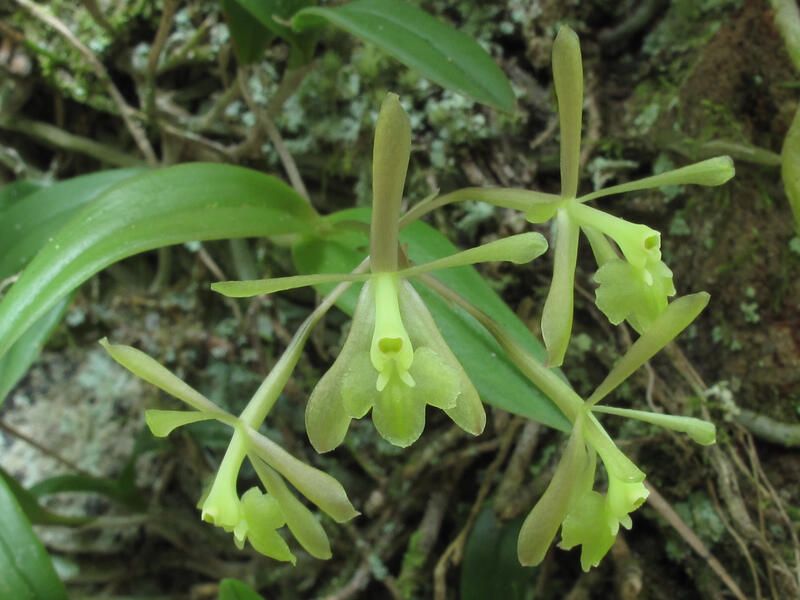
Nature ran this experiment long before any of us bought a hanging basket or a bag of bark mix. The green fly orchid, Epidendrum magnoliae, grows wild on Southern trees, from the bayous of Louisiana to the Carolinas, with nothing but air and rain for company.
Spotting one feels like finding a secret note tucked into the bark of a familiar old friend. Its leaves are slender and leathery, and the plant usually stays small enough to hide behind a clump of moss.
The flowers are tiny and greenish, roughly an inch across, so they blend into the branch quite easily. Come evening, many people notice a faint sweet scent drifting down from blooms they could barely see at noon.
Bloom time often stretches across late summer and into fall, so October walks in Louisiana can still reward sharp eyes. I like carrying binoculars on these walks, because the plants often sit high on limbs well above my head.
Botanists describe it as one of the most cold tolerant epiphytic orchids in the United States, which explains its range. It handles brief light frosts that would send many tropical orchids into a sulky decline within a single night.
Magnolias get credit in its scientific name, yet live oaks host plenty of these plants along the Gulf Coast, especially in southern Louisiana. Old trees with wide, slow limbs seem to offer the steady footing these patient little plants appreciate most.
Knowing this native already accepts our oaks gives you real confidence before you try anything fancy yourself. You are not forcing a strange idea onto the tree, you are copying something the woods already figured out.
2. Rough Live Oak Bark Gives Orchid Roots A Grip
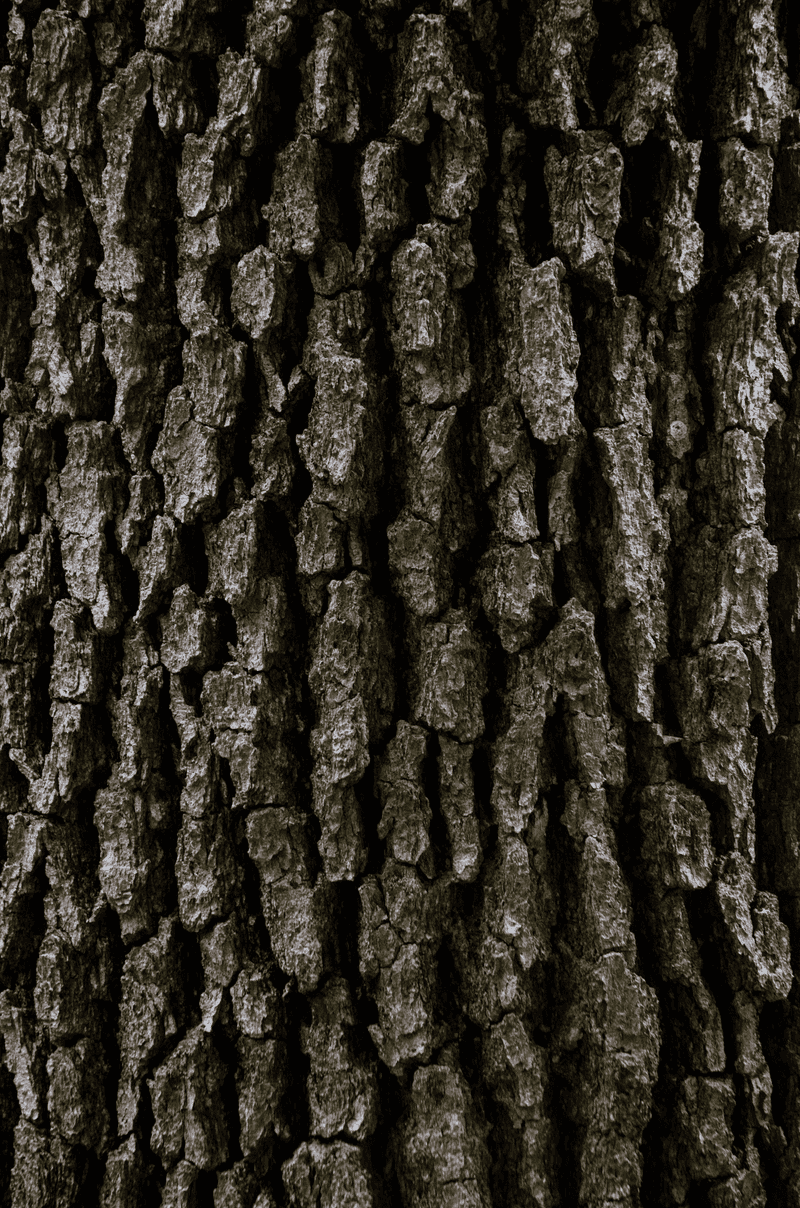
Run your hand along a mature live oak, and you will feel ridges deep enough to hold a fingertip. Those furrows act like tiny ledges where orchid roots can wedge themselves, catch water, and settle in for years.
Southern live oak, Quercus virginiana, grows well across USDA zones 8 through 10, covering most of the state comfortably. Its dark gray bark breaks into thick blocky plates as the tree ages, creating a surface orchids seem to adore.
Your Louisiana Garden Changes Every Week. Your Plan Should Too.
Gardening in Louisiana changes quickly throughout the season. Every Friday you’ll receive a simple weekly plan showing exactly what to plant, prune, fertilize, harvest, and protect so you never miss the right timing.
Orchid roots wear a spongy silver coating called velamen, which soaks up moisture fast and grips rough surfaces. Smooth bark gives that coating little to hold, so plants on slick trunks tend to slip or dry out quickly.
Furrows also trap bits of leaf litter, dust, and rainwater runoff, which supply small amounts of nutrition over time. In my yard, the deepest cracks on the north side stay damp longest after a passing autumn shower.
Live oaks keep most of their leaves through winter, so the canopy offers shelter during chilly months as well. Deciduous trees drop their cover, which can leave mounted plants exposed to harsh winter sun and drying wind.
These trees also live for centuries, so a single trunk can host your plants far longer than any pot. Few garden containers last a decade, while a healthy oak keeps offering fresh bark as it slowly widens each year.
Before mounting anything, check the trunk for loose plates, open wounds, or fungus, and choose solid bark instead. A firm spot gives roots something stable to wrap around, which makes the whole project far more forgiving.
3. Resurrection Ferns Signal A Happy Orchid Branch
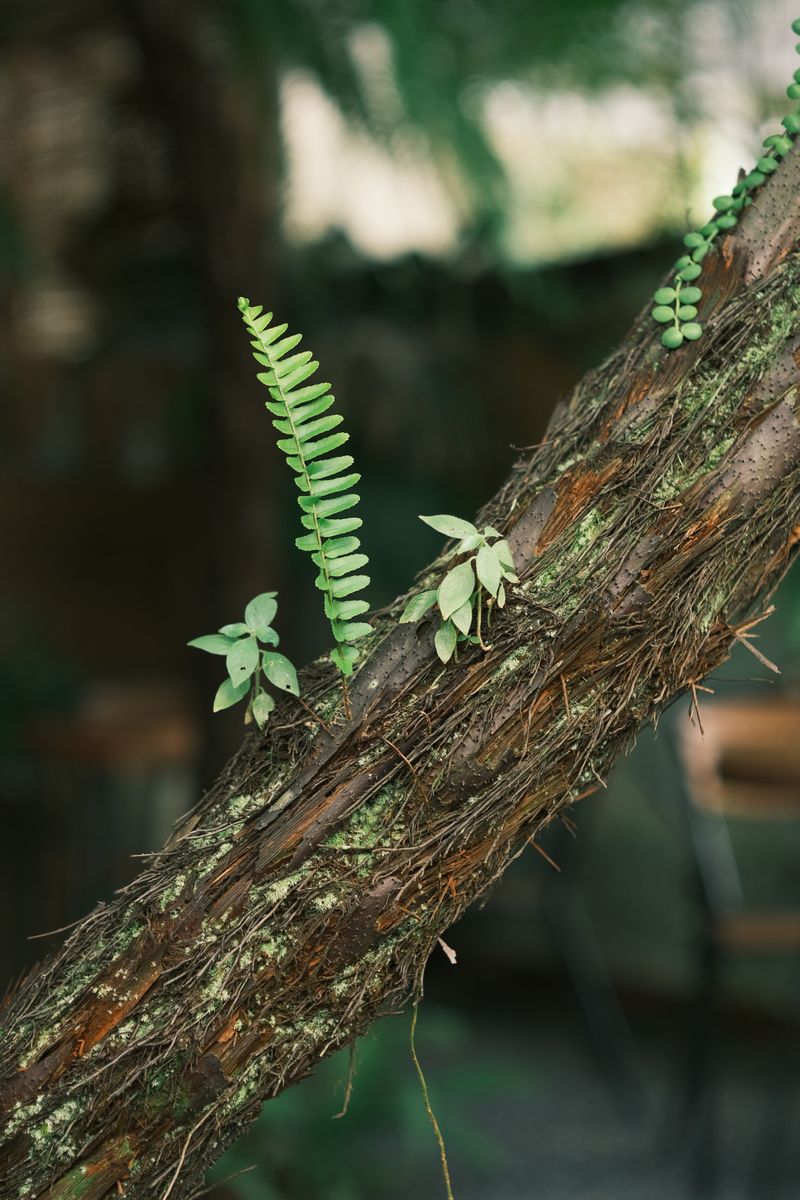
After a good rain, gray crispy fronds on oak limbs suddenly turn bright green, almost like a magic trick. Resurrection fern, Pleopeltis polypodioides, pulls off that stunt over and over, and it makes a handy guide for orchid lovers.
Field observers often find green fly orchids growing right beside these ferns on the same sturdy branches. Both plants want similar things, mainly bark that holds moisture and light that filters through leaves instead of blasting down.
So I treat a thick fern patch as a friendly signpost pointing toward promising orchid real estate on the tree. If ferns stay lush through most of the year there, the spot usually offers decent humidity and gentle shade.
Branches with no ferns at all may be too sunny, too dry, or too exposed to steady wind. That does not rule them out, but it means you will likely water more often while new roots establish.
Resurrection fern is not a parasite, and it takes nothing from the oak except a place to sit. Many gardeners worry about these ferns harming the tree, yet extension experts describe them as harmless passengers on the bark.
October rains often wake the fronds back up after a dry late summer stretch across much of the region. Take a slow walk around your oak this month and note which limbs turn greenest after each shower.
Mark those limbs with a soft ribbon so you remember them when mounting day finally arrives this coming spring. Your future orchids will appreciate that small bit of homework, and you will enjoy the fern show meanwhile.
4. Spanish Moss And Orchids Share The Same Oak Limbs

Spanish moss is neither Spanish nor a true moss, which makes it the funniest misnomer hanging in Southern yards. It is actually a bromeliad, Tillandsia usneoides, and a relative of pineapples that lives on air and rainfall.
Like orchids, it uses the oak only as a perch, so the tree keeps its own water and food. LSU AgCenter experts point out that Spanish moss does not feed on its host, which surprises many longtime homeowners.
I love seeing those silver strands because they prove the air around my tree carries plenty of moisture. A tree heavy with moss usually offers the humid conditions epiphytic orchids need to stay plump and actively growing.
Thick curtains of moss can shade orchids too much, though, and they may hold extra dampness against small plants. Gently pull back a few strands near your mounting spot so leaves receive filtered light and fresh moving air.
Do not strip the whole tree, since birds use the moss for nesting and bats sometimes roost within it. Some insects and even small frogs shelter in the strands, adding life to your garden in quiet ways.
Spanish moss often grows faster on struggling trees simply because thinner canopies let in more sunlight for it. So moss is rarely the problem itself, but heavy growth can hint that your oak deserves an arborist checkup.
Sharing limbs between moss and orchids creates a layered, tropical look that feels both wild and carefully planned. Your guests may not even notice the orchids at first, which makes the eventual discovery all the sweeter.
5. Cold Hardy Orchids Handle Gulf Coast Winters Best
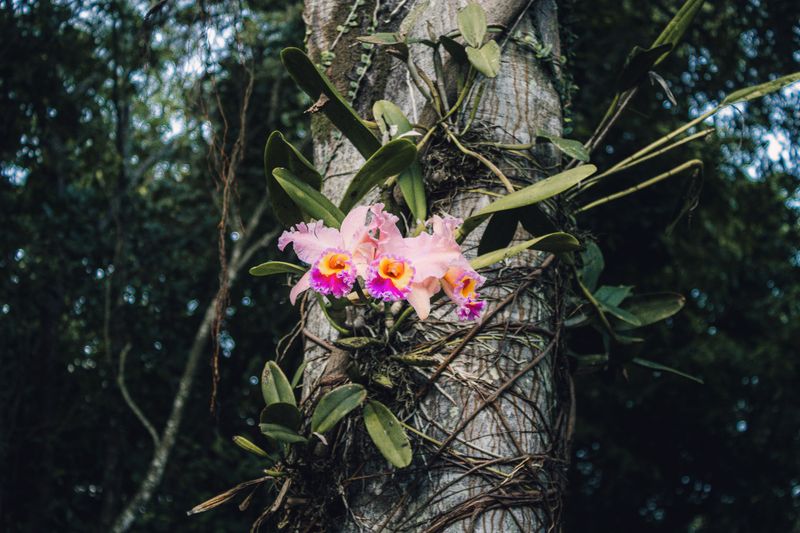
Winter decides which orchids stay on your oak year round, and that truth surprised me during my first attempt. Gulf Coast freezes come unpredictably, and many store bought orchids simply cannot handle a hard frost outdoors.
Native green fly orchids lead the list of plants that can remain mounted through a typical south Louisiana winter. They tolerate short dips near freezing, especially when sheltered beneath a dense evergreen canopy close to the trunk.
Some growers also experiment with cold tolerant Encyclia and certain Epidendrum hybrids in protected coastal spots. Results vary widely by neighborhood, so talk with your local orchid society before investing in anything unusual or pricey.
North of Interstate 10, winters turn colder, and even sturdy plants may need extra protection on frosty nights. Gardeners up there often treat their oak like a summer vacation home rather than a permanent orchid residence.
A thick evergreen canopy holds warmth radiating from the ground, which can keep trunk temperatures slightly milder overnight. Mounting plants on the lower trunk, close to that trapped warmth, gives them a small but helpful advantage.
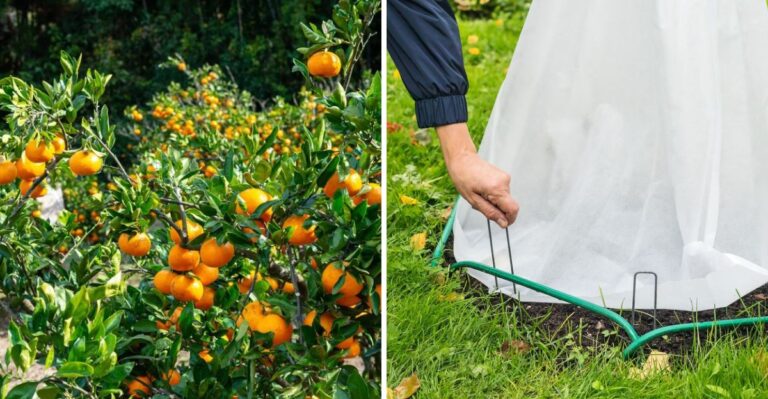
Frost cloth draped over low limbs can rescue a borderline plant during a sudden cold snap in winter. Keep a roll handy in the garage this October, so you are ready when the first forecast turns chilly.
Choosing hardy plants first lets you learn the craft without heartbreak, which I wish someone had told me sooner. Once those survivors thrive for a season, you can decide whether to try fussier orchids with more confidence.
6. Tying An Orchid To An Oak Trunk With Soft Twine
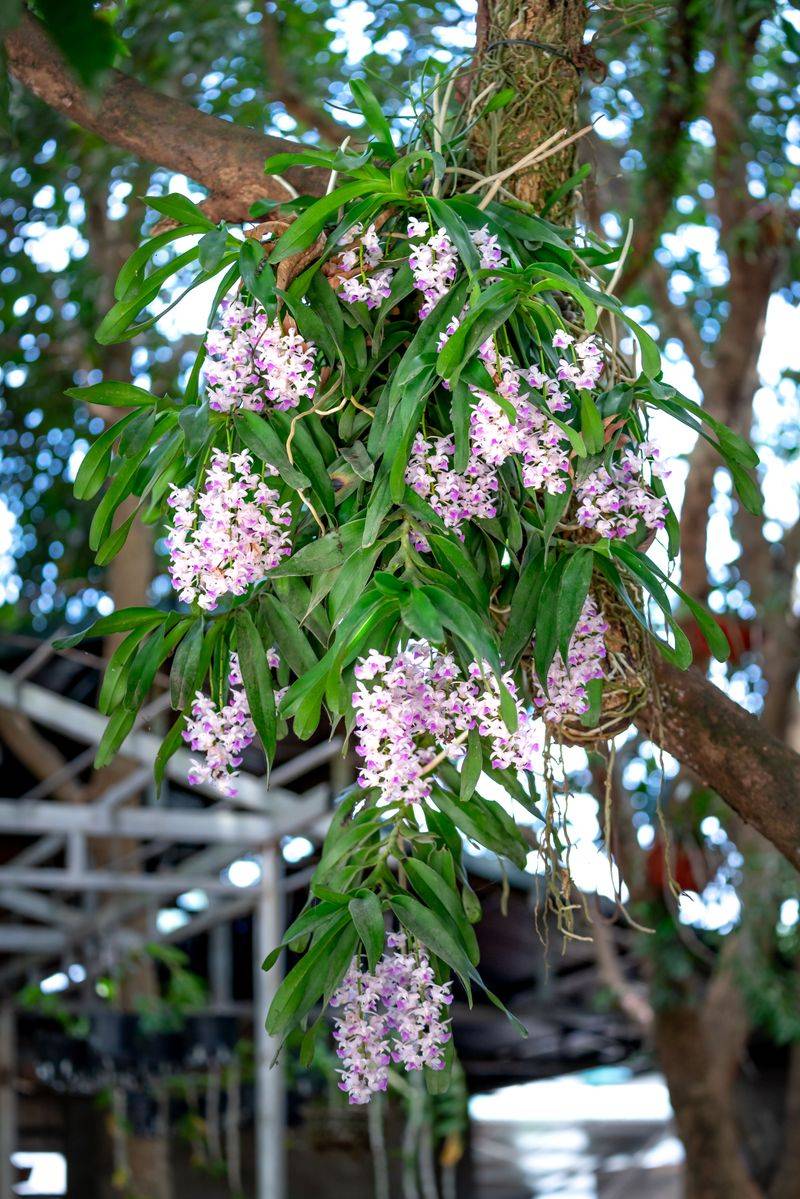
Mounting an orchid feels a bit like tying a shoelace around a sleepy toddler, gentle but secure enough to hold. Roots need firm contact with bark, yet tight bindings can bruise tissue and slow down new growth considerably.
Start by soaking the orchid roots in water for about fifteen minutes, which makes them softer and easier to position. Remove old potting mix carefully, trimming any mushy or hollow roots with clean scissors before heading outside.
Choose a spot where the plant sits upright or slightly angled, so water drains away from the central growing point. Spread roots flat across the bark, pressing them gently into furrows where moisture tends to linger after rain.
Wrap natural jute twine or cotton string around the roots and trunk a few times. These natural fibers break down over months, usually lasting just long enough for roots to grab the bark on their own.
Avoid copper wire, since copper can harm orchids, and skip anything that might later cut into the growing oak. Fishing line works for some growers, but remember to remove it once the plant clearly holds tight by itself.
A thin pinch of sphagnum moss over the roots can help hold moisture, but keep it out from underneath. Moss trapped between roots and bark often stays soggy, which encourages rot and keeps roots from touching the tree.
Since October cools things down, practice this technique now on a removable cork mount before spring arrives. Your hands will know the routine by the time active growing weather returns and permanent tree mounts make sense.
7. Morning Light On The East Side Of The Trunk
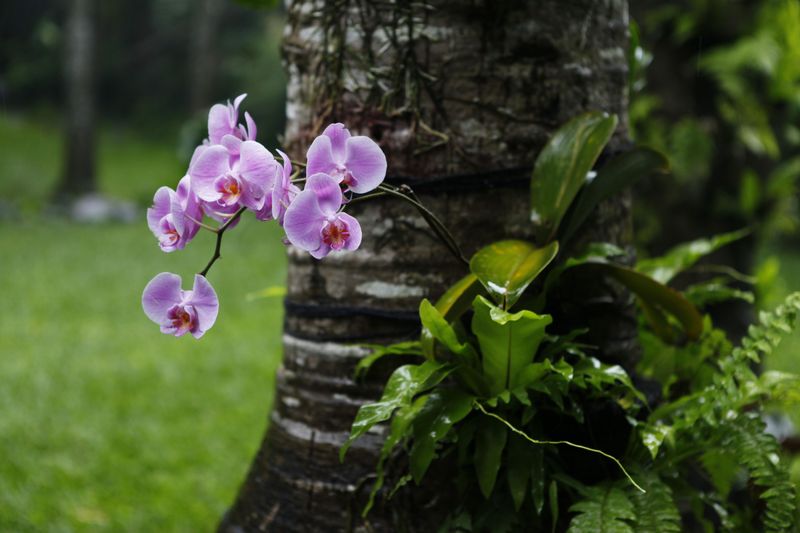
Sunrise paints the east side of my oak gold every morning, and my orchids soak it up happily. By early afternoon, that same side falls into shade, sparing plants from the harshest heat of the day.
Most mounted orchids prefer bright, filtered light rather than direct sun for hours on end during warm months. East and north facing spots on a trunk often provide that softer exposure without much extra effort from you.
Leaf color offers a useful clue about whether your plant enjoys its spot or wishes it lived elsewhere. Healthy foliage usually looks medium green, while very dark leaves suggest too much shade and yellowish leaves hint at excess sun.
Spend a weekend afternoon this month watching where shadows fall across your tree from morning until evening. October sun sits lower in the sky, so remember spring and summer light will reach slightly different branches later.
Higher limbs usually catch more sunlight, which suits sun lovers better than shade lovers like moth orchids. Lower trunk spots stay dimmer and more humid, making them comfortable homes for natives and other shade friendly plants.
Easy access matters too, because you will want to check on plants without hauling out a ladder each time. I keep my favorites around eye level, where I can admire flowers and catch problems early on.
A simple notebook sketch of your tree, marking light patterns, makes planning surprisingly fun and very practical later. That little map becomes your guide when choosing which orchid deserves which special spot next spring.
8. Watering Newly Mounted Orchids Until Roots Attach
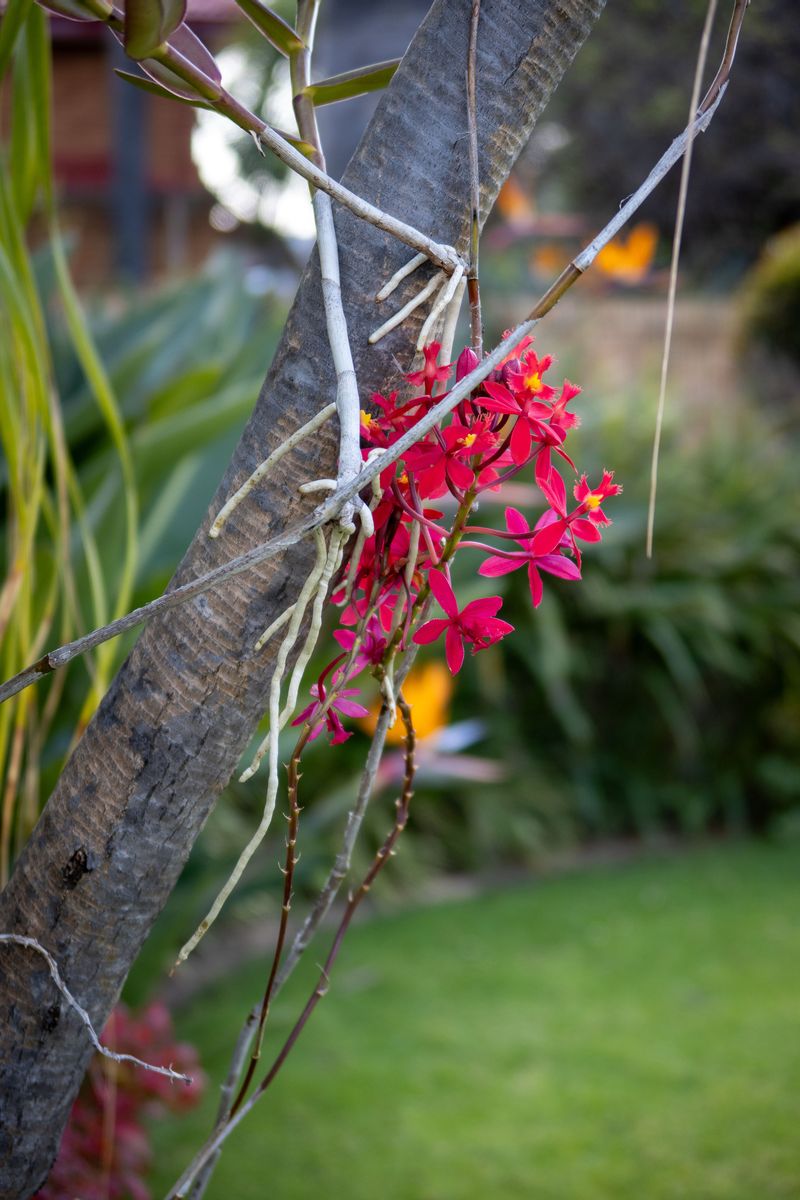
Fresh green root tips creeping across bark might be the most exciting thing I have ever seen in my yard. That tiny growth means your orchid has decided to stay, and early watering helps it reach that point.
Newly mounted orchids lose their potting mix safety net, so roots can dry out within hours on hot days. Many growers in Louisiana water or mist daily for the first couple of weeks while plants adjust to life on bark.
After roots start gripping the trunk, you can gradually space out watering and let rainfall carry more of the load. Humidity across Louisiana helps a lot here, though dry spells in late summer and fall may still call for help.
Morning watering works best because leaves dry before evening, which reduces the chance of fungal or bacterial trouble. Aim the spray at roots rather than the crown, since water sitting in the center can lead to rot.
Rainwater collected in a barrel makes a great choice, since it carries fewer dissolved minerals than some tap water. A weak orchid fertilizer mixed in every few weeks during active growth keeps plants vigorous and green.
Since growth slows during cool weather, ease off fertilizer this October and water only when roots look silvery and dry. Plants mounted earlier in the year should handle autumn showers well with only occasional extra drinks from you, even here in Louisiana.
Patience pays off with mounted orchids, because roots attach on their own schedule instead of following ours. Give them steady care, and one morning you will spot those bright tips anchoring your plant for good.