Is Your Michigan Home Hiding a Toxic Plant? 10 Popular Houseplants to Watch Out For
Some of the greenest leaves on your windowsill are packed with microscopic crystals shaped like tiny sewing needles. Those crystals are called raphides, and they can sting a curious mouth within seconds of one bite.
Plant scientists believe these sharp defenses evolved to discourage hungry animals from munching on tender leaves in the wild. Your curious cat or toddler has no idea about that history, so the plant simply does its old job.
I have to admit that several of my favorite Michigan windowsill plants landed on this list during my research. Long Michigan winters keep us indoors with our greenery, which means pets and kids spend more time near it.
None of this means tossing your plants into the compost pile, because smart placement solves most of the trouble.
So how many of these leafy suspects are quietly sitting in your living room right now?
1. Peace Lily
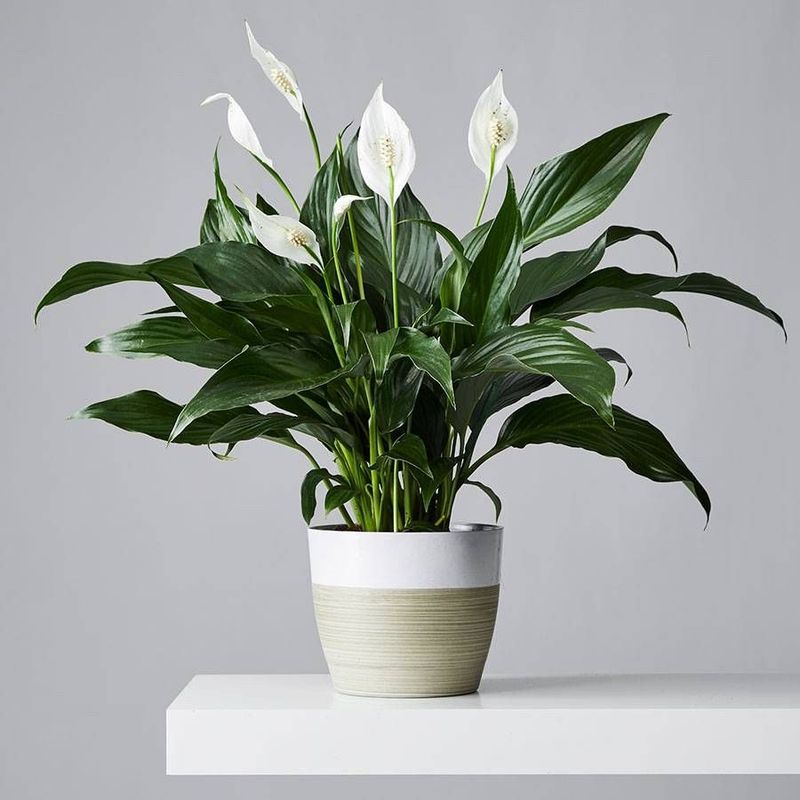
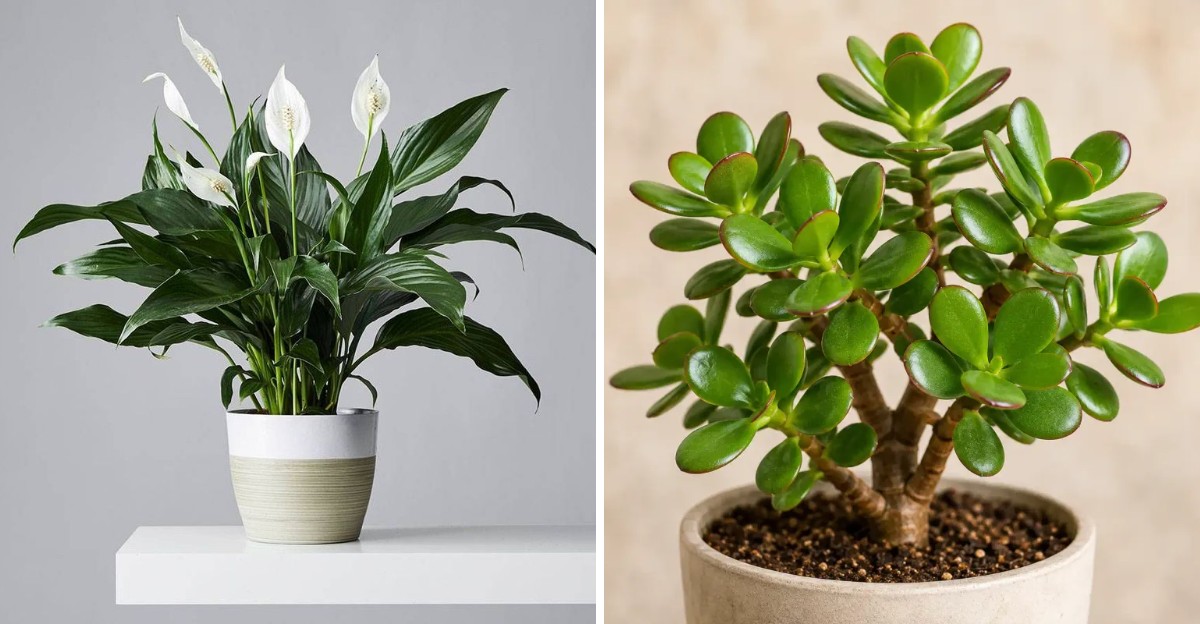
That snowy white flower on a peace lily is not really a petal but a hooded leaf called a spathe. I love how it glows in a dim corner, almost like a little lantern made of silk.
Behind that calm look, every leaf and stem holds insoluble calcium oxalate crystals that irritate soft tissue quickly. A single curious chomp can bring burning lips and heavy drooling for pets or small children.
You might feel relieved to learn that peace lilies are not true lilies, despite the confusing common name. True lilies in the Lilium group can cause kidney failure in cats, while peace lilies mostly cause mouth pain.
Serious breathing trouble is rare, but swelling in the throat can happen if a pet swallows a large piece. Rinsing the mouth with water and offering a cool drink often eases the sting while you call for advice.
Personally, I keep mine on a tall plant stand where my cat cannot reach the dangling leaves. Peace lilies handle medium or low indirect light, so a high shelf near a north window works nicely.
One fun habit makes this plant easy to read, since the whole thing droops dramatically when it gets thirsty. Give it a good drink and the leaves usually perk back up within a few hours.
Wear gloves when you trim yellow leaves, because the sap can irritate sensitive skin for some people. Toss the clippings straight into a closed bin so a nosy dog does not find them later.
2. Pothos
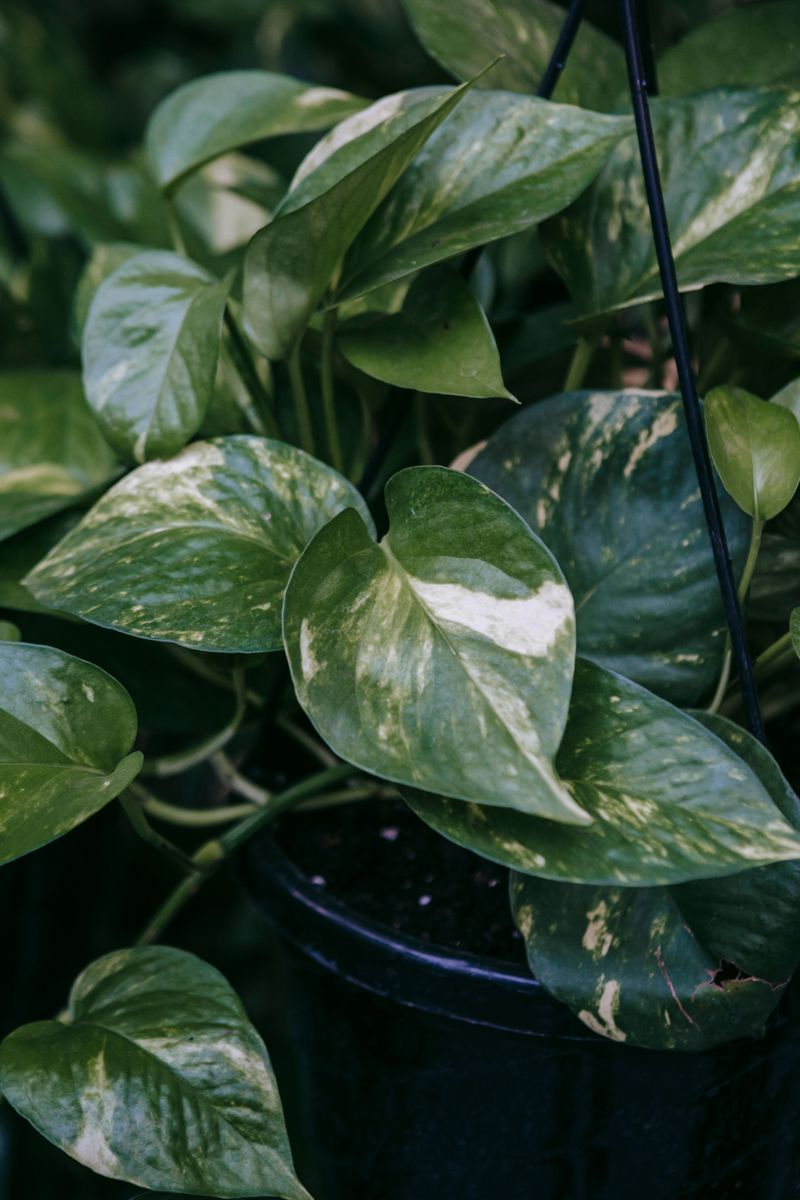
Pothos earned the nickname devil’s ivy because it stays stubbornly green even when tucked into dark corners. I have watched a single cutting in a jar of water grow long enough to circle my kitchen window.
Those trailing vines are exactly what makes pothos risky, because they dangle right at cat and puppy level. The leaves and stems contain insoluble calcium oxalate crystals, according to the ASPCA and North Carolina State Extension.
Chewing a leaf releases those tiny needles, which cause burning and swelling around the mouth and tongue. Pets often drool heavily or vomit, and some refuse food for a little while right afterward.
Kids are usually spared from swallowing much, since the painful sting tends to stop them after one bite. Still, call Poison Help at 1-800-222-1222 if a child chews on any houseplant you cannot identify.
My favorite trick is training the vines upward on a moss pole instead of letting them spill downward. Climbing pothos often produces bigger leaves, and the plant looks tidier while staying out of reach.
Regular trimming helps too, and every snipped piece can root in water within a few weeks. Just keep those rooting jars on a high counter, because a cat may treat them like a snack bar.
Pothos likes its soil to dry partway between drinks, especially during the darker months of winter. Overwatering leads to yellow leaves faster than almost anything else, so let your finger test the soil first.
3. Philodendron
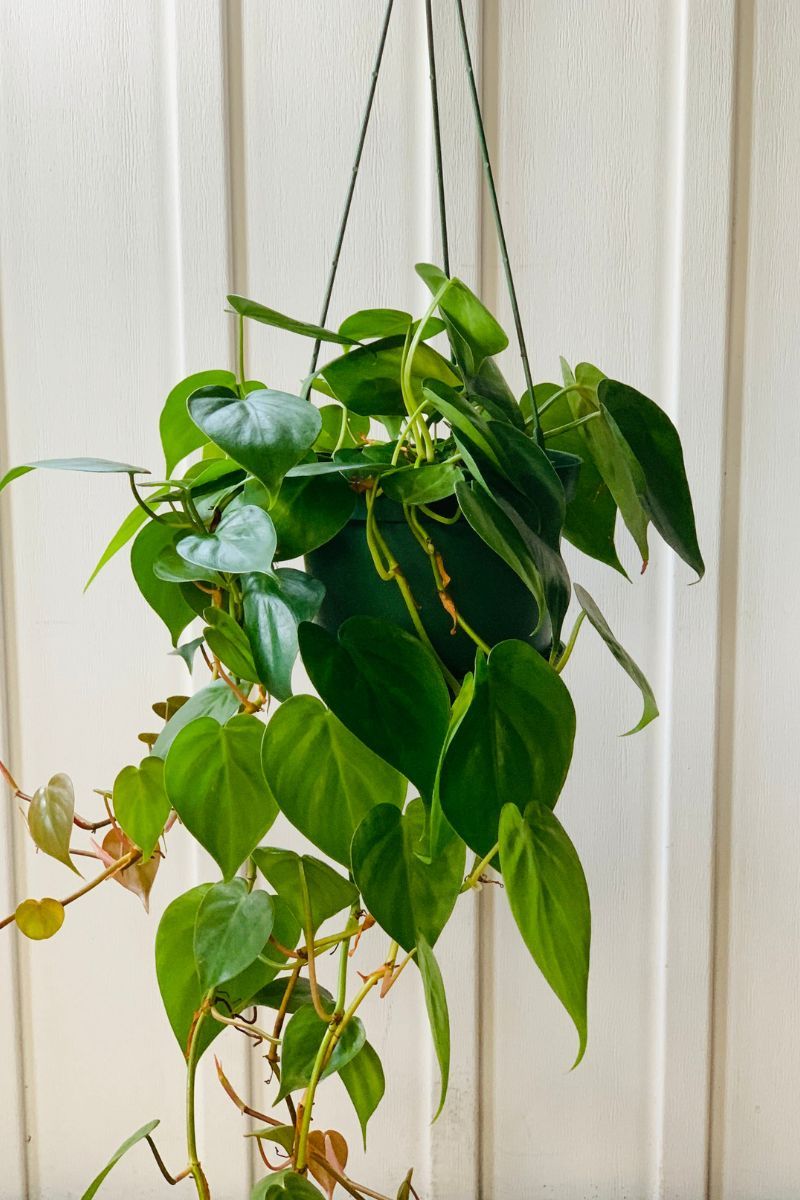
The name philodendron comes from Greek words meaning tree lover, which fits a plant that adores climbing. In tropical forests, many species scramble up tree trunks using aerial roots that grip like tiny fingers.
Indoors, the heartleaf philodendron is probably the one you know best, with glossy leaves shaped like valentines. Newer favorites include Pink Princess and Brasil, which have turned philodendrons into a real collector hobby.
Sadly, every part of the plant carries calcium oxalate crystals, the same irritating defense found in pothos. A nibble usually leads to mouth pain and drooling, and some pets vomit or struggle to swallow.
Cats seem especially drawn to the soft new leaves, perhaps because they wiggle so temptingly in a draft. Offering a pot of cat grass nearby gives them something safe to chew instead of your prized vine.
I believe hanging baskets are the smartest home for trailing types, as long as nothing hangs low. Upright varieties like Birkin work well on dressers, since they grow in a neat clump instead of vining.
Philodendrons enjoy bright indirect light, and they appreciate extra humidity when furnaces run hard in winter. Grouping plants together or setting them on a pebble tray helps keep leaf edges from turning crispy.
Wash your hands after repotting or pruning, because the sap can bother skin and sting if it reaches your eyes. Keeping a small pair of gloves right beside your watering can makes that habit much easier.
4. Snake Plant
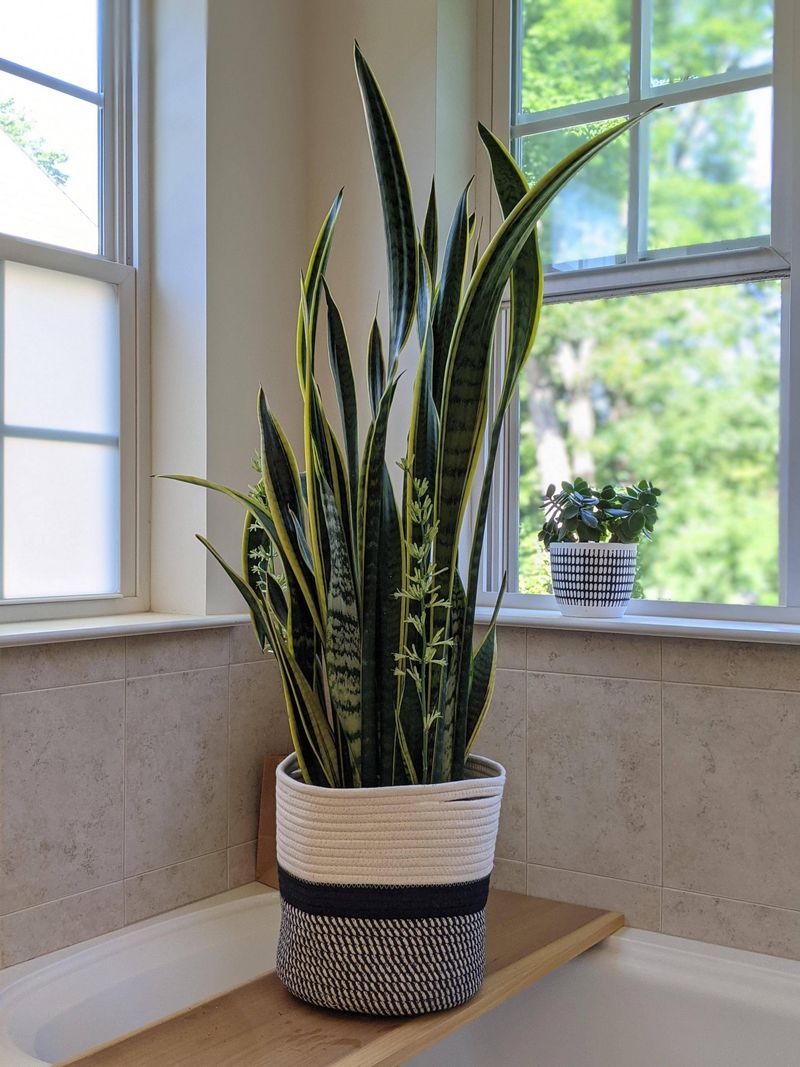
Botanists moved the snake plant out of the Sansevieria group and into Dracaena, so its official name is Dracaena trifasciata. The plant did not notice, of course, and it still stands like a row of green swords on your floor.
Compared with others on this list, snake plants are fairly mild, but they still deserve a little respect. Their leaves contain saponins, natural compounds that taste bitter and upset the stomach when someone swallows them.
Dogs and cats that chew the leaves may vomit or have diarrhea, according to the ASPCA plant database. Symptoms usually pass on their own, though a quick call to your vet is still a wise move.
I have to admit that this is the plant I recommend most to friends who forget to water. Once a month in winter is often plenty, since soggy soil causes far more trouble than drought.
The stiff, upright leaves are less tempting to pets than floppy vines, which works in your favor. Still, some dogs love chewing anything tough, so watch young pups closely around tall pots on the floor.
Snake plants tolerate low light, though they grow faster and look sharper near a bright window. Keep them away from cold glass on frigid nights, because leaves can turn mushy below about fifty degrees.
Clean up any broken leaf pieces right away, because the sap occasionally makes sensitive hands itch a bit. A tidy pot with no loose bits on the floor gives curious noses nothing to investigate.
5. ZZ Plant
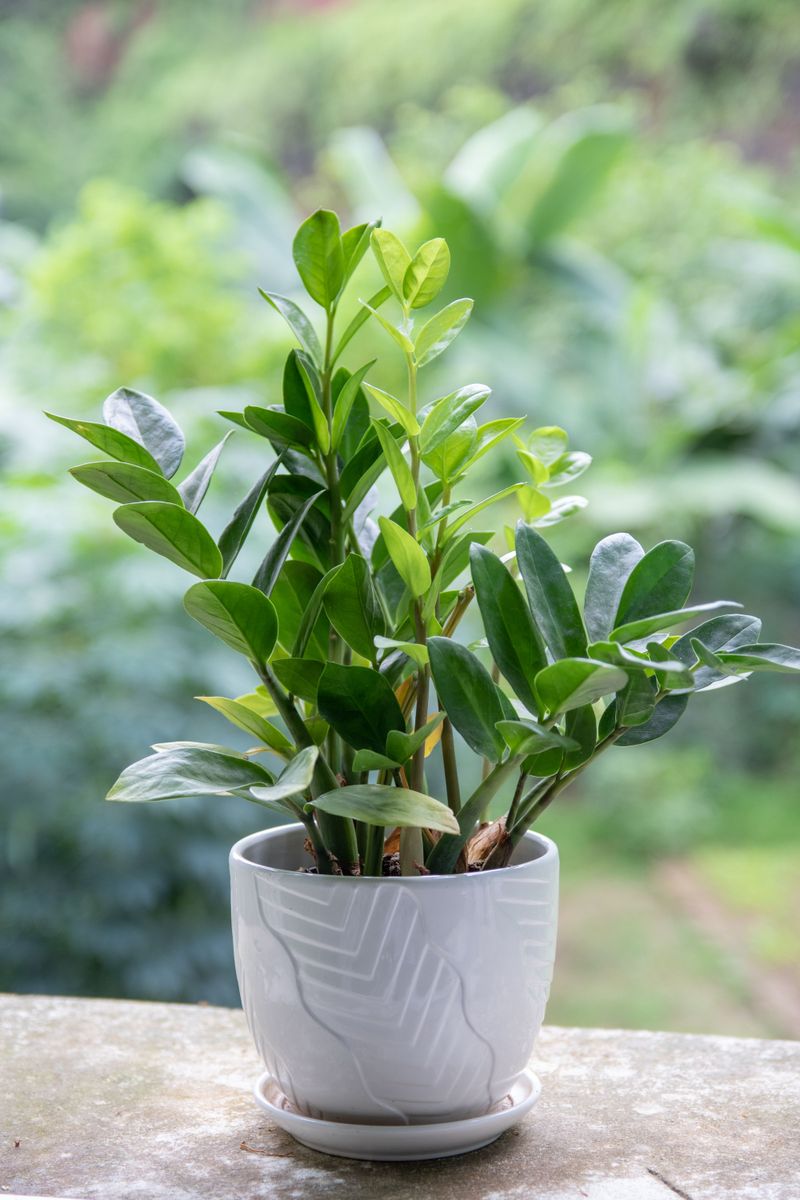
Under the soil of every ZZ plant sit chunky, potato-like rhizomes that store water for weeks at a time. That hidden pantry explains why this glossy plant shrugs off neglect better than almost anything on my shelves.
Its leaves look so shiny that guests often ask me if the plant is fake or freshly polished. The shine is natural, so skip leaf sprays and simply wipe off dust with a damp cloth.
ZZ plants belong to the arum family, which means they carry calcium oxalate crystals like their cousins. Chewing a leaf can cause mouth irritation and drooling, along with possible vomiting in dogs and cats.
You may have seen scary online rumors claiming this plant causes cancer, but no reliable research supports that idea. Its risk is similar to other common houseplants, which means sensible placement matters more than panic.
Sap from cut stems can leave skin red and itchy, so I slip on gloves before dividing a crowded pot. Afterward, a good hand wash keeps the residue away from your eyes and your afternoon snacks.
Low light suits a ZZ fine, which makes it handy for offices and dim hallways during gray winters. Water only when the soil is dry all the way down, since soggy rhizomes rot quickly.
A heavy ceramic pot works well here, because a top-heavy plant knocked over by a pet spills leaves everywhere. Fallen stems are exactly the kind of tempting toy a bored puppy will grab and carry off first.
6. Caladium
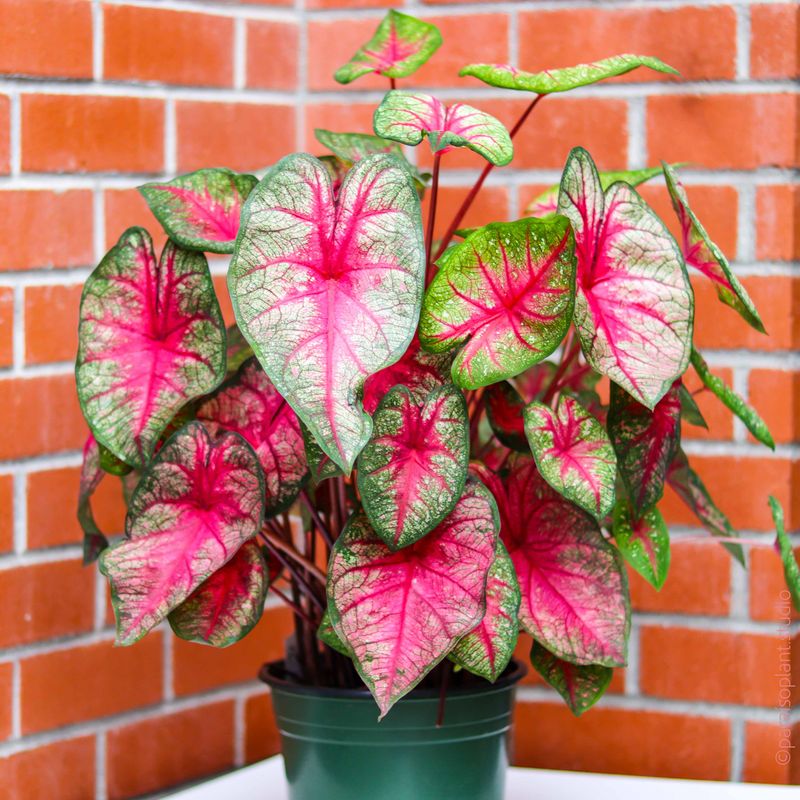
Caladium leaves look hand-painted, with pink splashes and ruby veins that seem almost too bold to be real. Some varieties are so thin and pale that light shines right through them like stained glass.
Many Michigan gardeners grow caladiums outdoors in shady summer beds, then bring the tubers inside before frost. That means the plant often ends up in a basement box or a sunny windowsill pot over winter.
Every part of a caladium, including the knobby tubers, contains insoluble calcium oxalate crystals that cause painful irritation. Pets that chew them may drool heavily or struggle to swallow until the puffy swelling finally eases.
Stored tubers worry me most, because a dog sniffing around the basement might mistake them for a treat. Keep them in a lidded box or paper bag on a high shelf, clearly labeled for the whole family.
Extension guides suggest storing caladium tubers somewhere warm and dry, since chilly basements below about sixty degrees can damage them. A closet shelf in a heated room often works better than a cold garage or root cellar.
Growing caladiums as houseplants year-round is tricky, because they naturally rest and drop their leaves each fall. Do not panic when the foliage fades, since that rest period is perfectly normal behavior for the tubers.
Pot them up again in spring, once nights stay warm, and wear gloves while you handle them. Personally, I think those dazzling leaves are worth the extra care, as long as pets stay safely away.
7. Aloe Vera
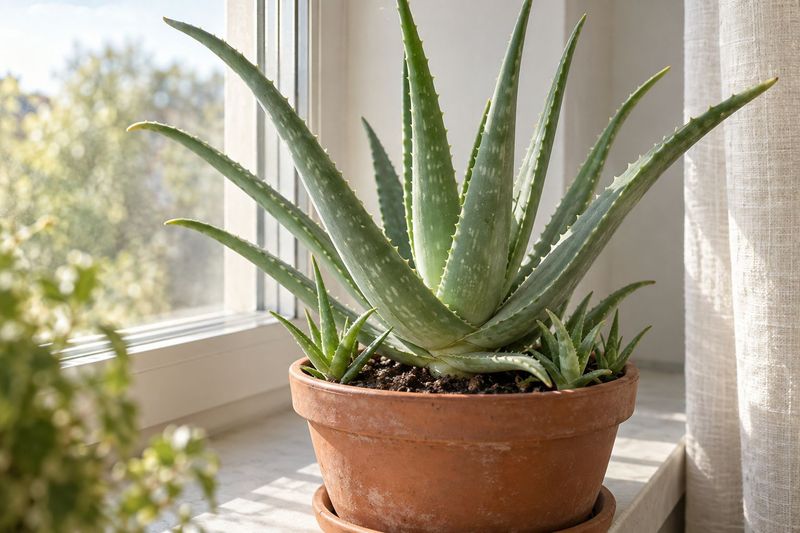
Aloe vera earns a spot in plenty of first aid kits, which makes its toxic side feel surprising. I keep one by my kitchen window, and I break off a leaf whenever I touch a hot pan.
The clear inner gel is the part people use on skin, and it is generally considered gentle for external use. Trouble hides in a thin yellow layer of latex just under the green skin of each leaf.
That latex contains aloin and related compounds that act as a powerful laxative when a pet or person swallows it. The ASPCA lists aloe as toxic to dogs and cats, with vomiting and diarrhea among the common signs.
Some pets also become sluggish after a nibble, which is a clear signal to call your veterinarian. The ASPCA Animal Poison Control Center answers calls at 888-426-4435, though a consultation fee may apply.
When you harvest gel, let the yellow latex drain from the cut leaf for several minutes first. Then rinse the gel well and toss the leftover leaf skin where pets cannot reach it.
Aloe loves bright light, so a south window suits it nicely during the short days of winter. Water deeply but rarely, and use a gritty cactus mix so the roots do not sit in soggy soil.
Those plump, spiky leaves rarely tempt cats as much as soft vines, yet a bored kitten might try. I would rather move my aloe to a high sill than learn that lesson the hard way.
8. Sago Palm
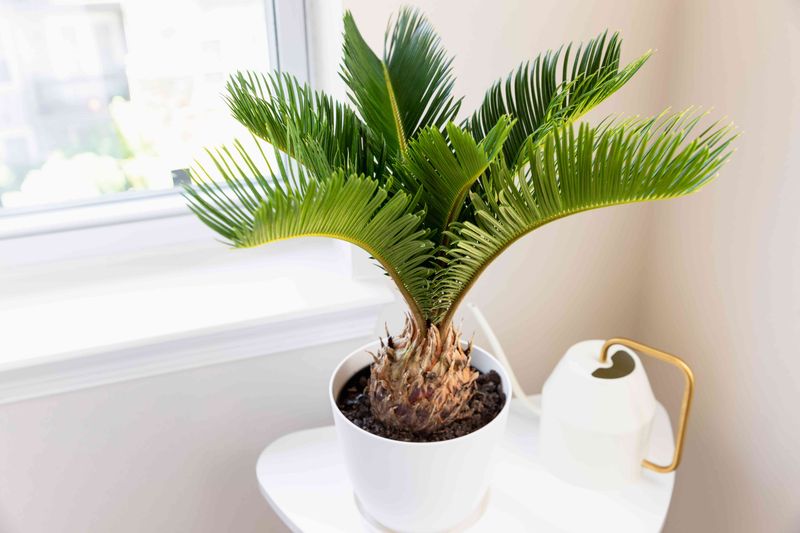
Sago palms look like something a dinosaur might have munched, and their family history really does stretch back that far. Despite the name, this plant is not a palm at all but a cycad, an ancient seed plant.
Of every plant on this list, the sago palm worries veterinarians the most, and for very good reason. All parts contain a toxin called cycasin, with the highest levels packed into the bright orange seeds.
According to the ASPCA, eating even a small amount can trigger vomiting, followed by serious liver damage in dogs. Cats are at risk too, and liver failure can occur within days if treatment is delayed.
You need to treat any chewed sago palm as an emergency and call your vet right away. Waiting for symptoms is risky, because signs can be delayed while damage quietly builds inside the body.
People face real danger as well, so a toddler mouthing a seed or leaf calls for Poison Help immediately. Honestly, I cannot imagine keeping one in a home with young children or a dog that chews everything.
Some Michigan families move potted sagos outdoors for summer, which puts them right where dogs roam and dig. Fallen fronds and seeds on a patio deserve quick cleanup before any pet has a chance to explore.
If you love that prehistoric look, a pet-safe option like a parlor palm offers feathery fronds without the worry. The ASPCA lists parlor palm as nontoxic to dogs and cats, which makes it a calmer choice.
9. Jade Plant
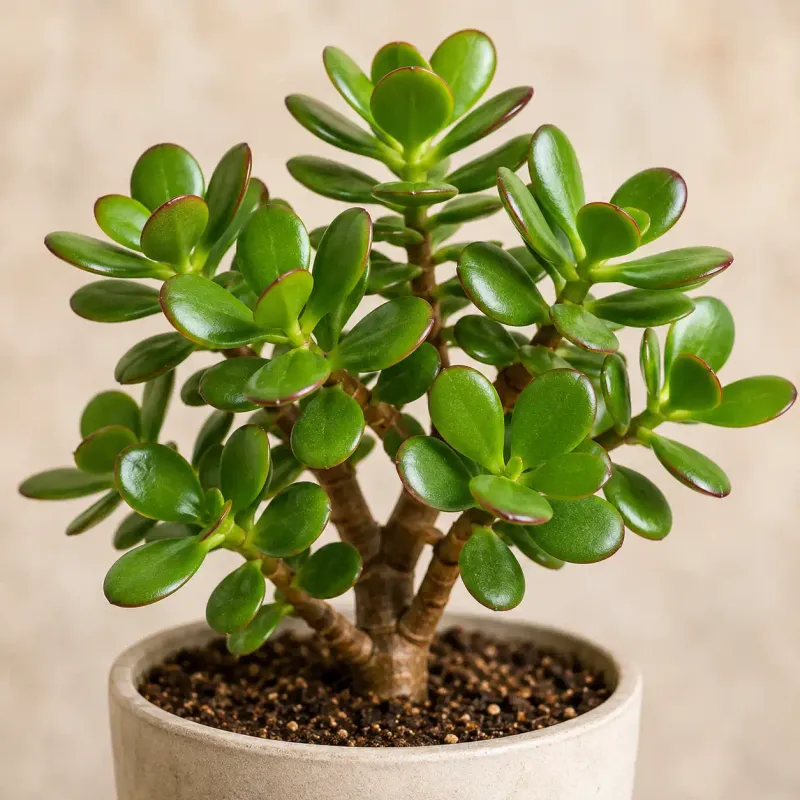
Jade plants are often called money trees, and some folks believe a thriving one invites good fortune. I love how an old jade can turn thick and woody, looking like a tiny tree from a storybook.
Native to South Africa, Crassula ovata stores water in its plump leaves, which helps it handle dry indoor air. Plenty of sun can blush the leaf edges red, a look many growers find especially charming.
Those friendly leaves are not friendly to pets, since the ASPCA lists jade as toxic to dogs and cats. Signs can include vomiting and a gloomy, sluggish mood, and some animals show wobbly, uncoordinated walking.
Scientists have not clearly identified which compound causes these reactions, which honestly feels a little unsettling to me. Still, the safest move is the same as with any toxic plant, which means keeping it out of reach.
Jades get heavy as they age, so a sturdy pot on a high table works better than a wobbly shelf. Fallen leaves can root wherever they land, so sweep them up before a curious cat bats them around.
Give your jade the brightest window you have, especially during short winter days when light runs scarce. Let the soil dry out between waterings, because mushy, wrinkled leaves often point to soggy roots.
Summer vacations outdoors can make jades sturdier, but bring them back inside well before the first fall frost. A slow transition into sun prevents scorched leaves, and a shady porch makes a nice first stop.
10. Monstera
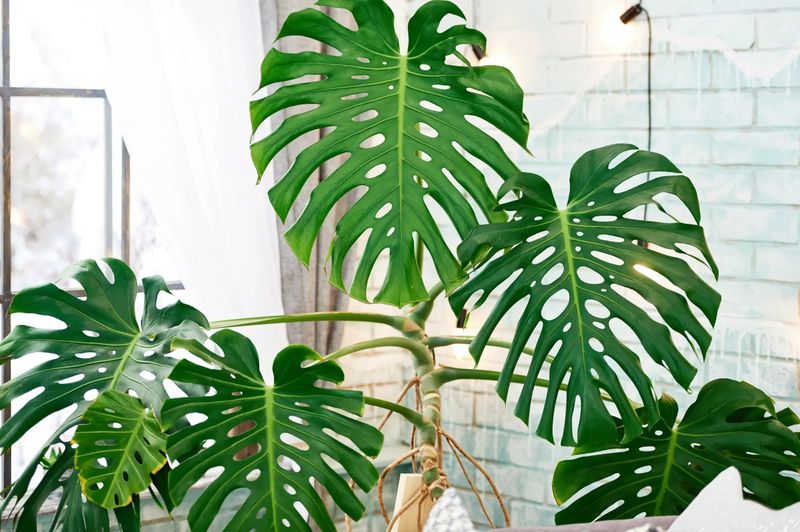
Those famous holes in monstera leaves have a name, fenestrations, which comes from the Latin word for windows. Botanists suspect the gaps may help leaves handle wind or share light, though the exact reason is still debated.
Monstera deliciosa got its species name from its fruit, which tastes like a blend of pineapple and banana. Unripe fruit contains irritating crystals, though, and indoor plants here in Michigan rarely flower or set fruit anyway.
The leaves and stems hold insoluble calcium oxalate crystals, and the ASPCA lists the plant as toxic to pets. A chewed leaf often brings drooling and mouth irritation, with occasional vomiting in dogs and cats.
What surprises me most is how fast monstera can grow, sometimes reaching the ceiling in a few years. All that size means more low leaves and long aerial roots that dangle within easy reach of pets.
A sturdy moss pole keeps the plant growing upward, which lifts the newest leaves away from curious mouths. Trim any low, floppy stems with clean pruners, and slip the cuttings into water to start new plants.
Monstera enjoys bright, indirect light, and it appreciates water once the top couple of inches dry out. Growth slows down in winter, so ease up on watering until the longer, brighter spring days return.
Gloves are a smart idea when you prune, since the sticky sap can irritate skin and sting your eyes. I believe a little planning lets you enjoy this jungle giant without worrying about every nibble.