Georgia Homeowners Could Break Federal Law By Collecting Old Bird Nests This Fall
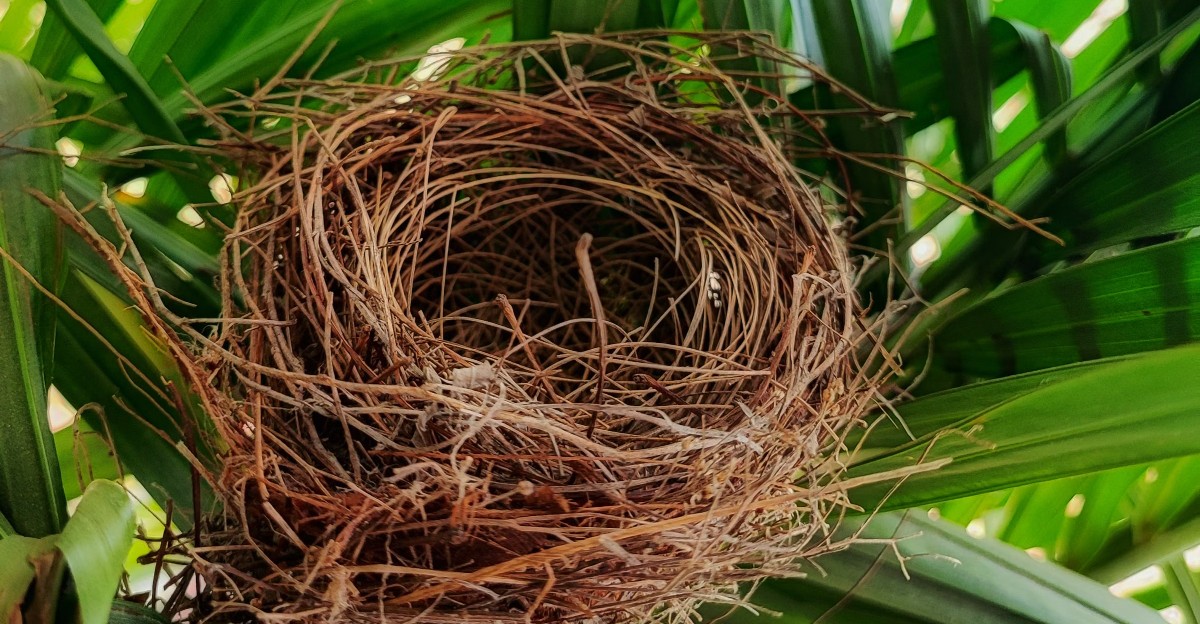
A tiny cup of twigs and grass, sitting empty in your crepe myrtle, carries the same federal protection as the songbird that built it. I learned that after admiring one on a fall walk and nearly tucking it into my basket.
Here in Georgia, autumn makes these little treasures easy to spot. Leaves drop, branches go bare, and suddenly you can see every hidden summer project the cardinals and wrens worked on.
A century-old law treats those woven homes as wildlife parts, just like feathers and eggs. The rule still applies when the babies left months ago.
I love a good nature table on the porch with pinecones and acorns, and I bet you do too.
So how does a harmless keepsake turn into a possible fine of thousands of dollars? The answer might change what you pick up on your next stroll.
1. That Empty Bird Nest In Your Shrub Is Still Federally Protected
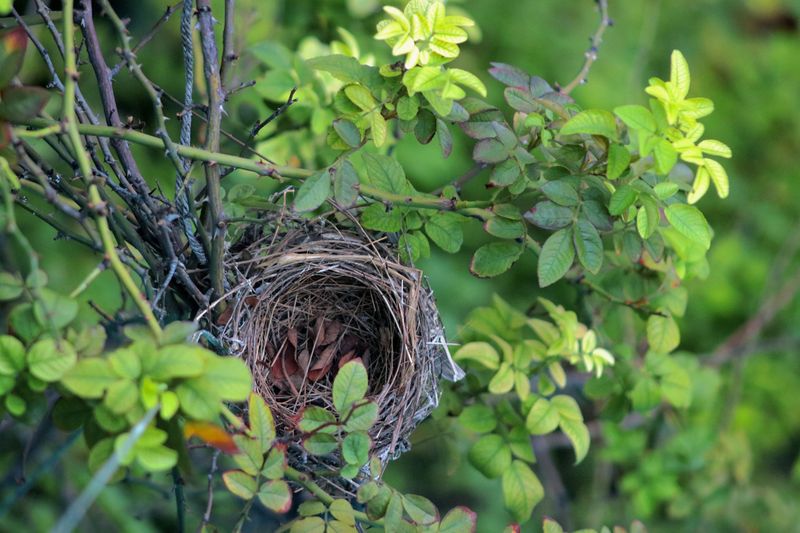
Fall is prime time for nest spotting. Once the leaves of your dogwoods and hollies thin out, little cups of grass and twigs appear like magic.
Most of us assume an empty nest is just yard litter. The law sees it differently.
Under federal rules, a nest built by a native bird counts as part of that bird, so keeping it without a permit is illegal.
It does not matter if the nest blew down in a storm or the chicks fledged back in June. Possession itself is the problem, not how you found it.
A nest on your nightstand is treated the same as one pulled from a branch.
Why so strict? Officers have no easy way to tell an old nest from one taken during nesting season.
A blanket rule closes that loophole and protects birds that might reuse a site.
I find this surprising, but it makes sense once you think like a game warden. Collectors once raided nests by the thousands, and the rule is designed to stop that from happening again.
So the next time you see a cozy cup in your azalea, enjoy it right where it sits. Leaving it alone is the simplest way to stay on the right side of the law.
2. The Migratory Bird Treaty Act Covers Nests, Feathers, And Eggs
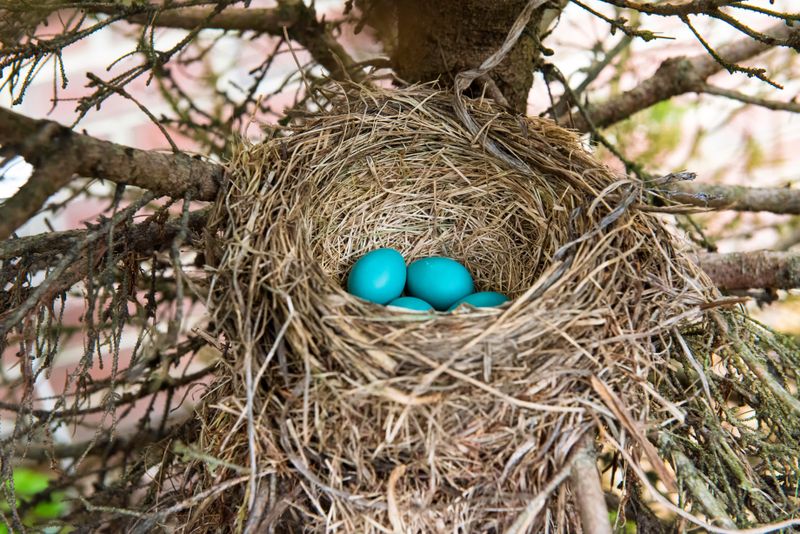
Back in 1918, ladies’ hats were decorated with whole birds and plumes. Egrets and herons were shot by the thousands for fashion, and egg collecting was a popular hobby.
Congress answered with the Migratory Bird Treaty Act, built on a treaty with Great Britain on behalf of Canada. Later agreements added Mexico, Japan, and Russia.
Today the law protects more than 1,000 native bird species across the country.
The name fools a lot of people. You might guess it only covers birds that fly south for winter, but year-round residents count too.
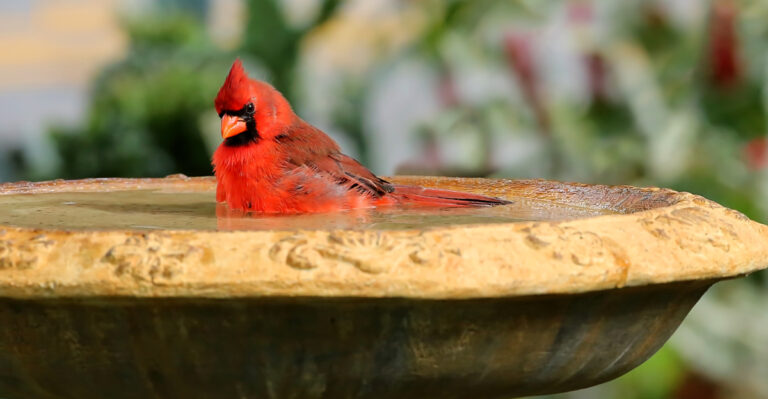
Cardinals, Carolina wrens, mockingbirds, blue jays, and Carolina chickadees are all on the list.
The act makes it unlawful to take, possess, sell, or transport protected birds or any of their parts without permission. Parts include feathers, eggs, and nests.
Your Georgia Garden Changes Every Week. Your Plan Should Too.
Gardening in Georgia changes quickly throughout the season. Every Friday you’ll receive a simple weekly plan showing exactly what to plant, prune, fertilize, harvest, and protect so you never miss the right timing.
That pretty blue jay feather in your jacket pocket falls under the same rule.
Fun fact for your next garden club meeting: the snowy egret was hunted heavily for its lacy breeding plumes. Thanks to this law and early conservation work, those graceful white birds now wade along the coast again.
Knowing this history helps the rule feel less random. It was written to stop a real crisis, and it worked.
3. Knocking Down An Old Nest Is Different From Keeping One
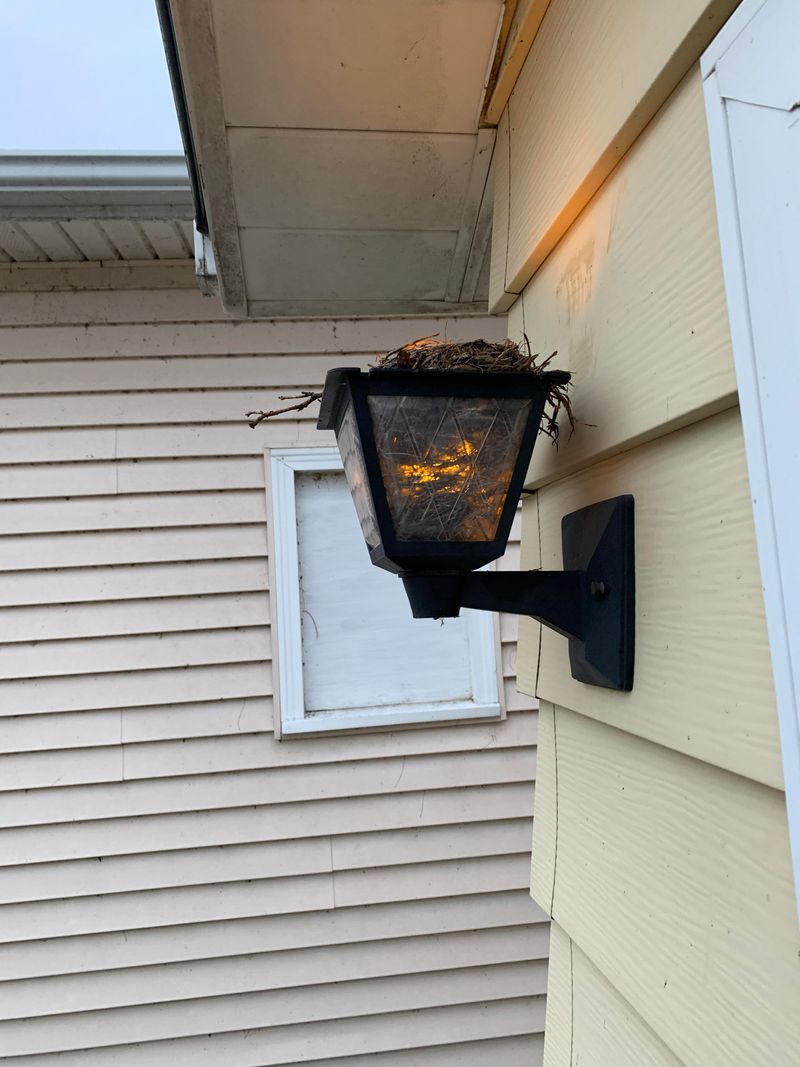
Plenty of homeowners scratch their heads over this one. You can often remove an inactive nest, yet you cannot keep it.
That sounds odd, so let me explain.
The U.S. Fish and Wildlife Service says the law focuses on harm to birds, eggs, and chicks.
Removing a nest with no eggs or young inside generally is not a violation. Possessing that nest afterward still is.
So if a phoebe built a messy pile above your porch light, you can clear it once the family is gone. Just toss the material in the trash or compost instead of saving it for a craft project.
The key word is inactive. A nest with eggs, chicks, or a bird sitting on it is off limits.
Some species raise two or three broods a summer, and mourning doves in the South can nest well into fall.
Before you reach for that broom, watch the spot for several days. No adults coming and going and no peeping usually means the coast is clear.
My personal rule is simple. If I have any doubt, I wait a week.
A few extra days of patience costs nothing and keeps you from disturbing a late family.
4. Georgia Wildlife Rules Add Another Layer Of Nest Protection
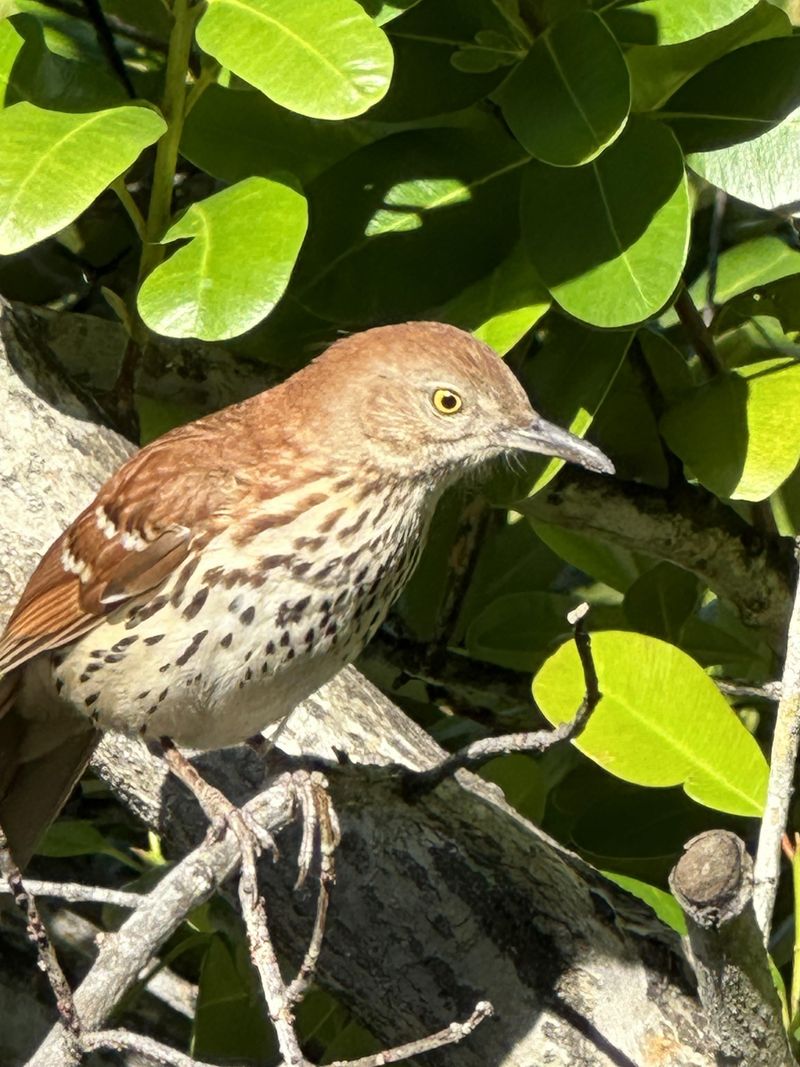
Our state bird, the brown thrasher, gets protection from more than one direction. Federal law covers it, and so does state law.
Georgia code protects nongame wildlife, which includes most native birds. The Georgia Department of Natural Resources Wildlife Resources Division generally does not allow people to collect nests, eggs, or feathers of these birds without a permit.
That means you cannot dodge the issue by arguing a bird never crosses state lines. Whether you live in the Blue Ridge, the Piedmont around Atlanta, or down near Savannah, the rules stay the same.
Game birds such as wild turkeys and certain waterfowl follow separate hunting regulations, with seasons and licenses. Those rules cover legally harvested birds, not nests you happen to pick up in the woods.
Local parks may have their own rules too. Many state parks and nature preserves prohibit removing any natural objects at all, from wildflowers to rocks to nests.
If you are unsure about a specific situation, call your regional Wildlife Resources Division office. The staff field these questions often and would rather help you upfront.
A quick phone call beats guessing every time, and you might pick up a few birding tips along the way.
5. Bald Eagle Nests Get Even Tougher Protection This Fall
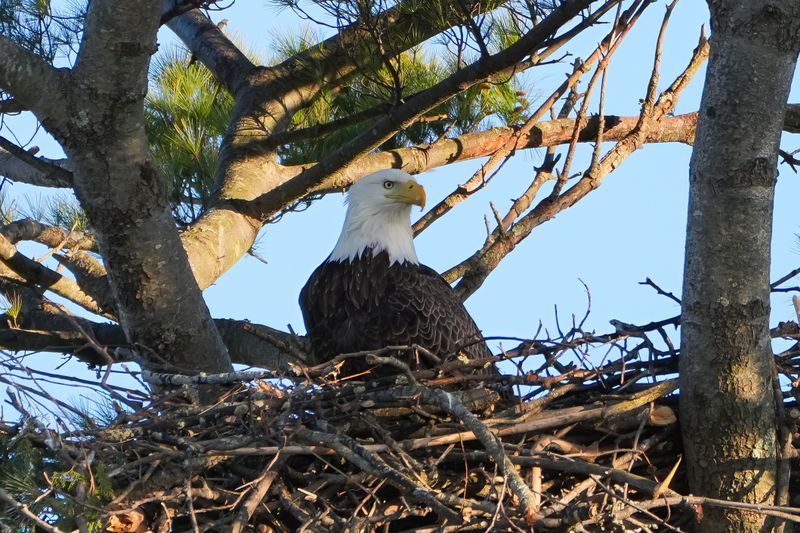
Here is a seasonal twist many people miss. Bald eagles in Georgia start building and repairing nests in the fall, often around October and November.
These are not ordinary songbird cups. Eagle nests can measure several feet across and weigh hundreds of pounds, usually perched high in tall pines near lakes, rivers, and coastal marshes.
On top of the Migratory Bird Treaty Act, eagles fall under the Bald and Golden Eagle Protection Act. That law also covers disturbing eagles, and pairs often return to the same nest year after year, so even a quiet one stays protected.
Penalties run much steeper than for most bird violations.
Disturbance counts too. Loud work, tree cutting, or hanging around too close can push eagles to abandon a site.
Federal guidelines generally recommend keeping a buffer of about 660 feet from active nests during the breeding season.
If you own lakeside property and suspect an eagle nest nearby, contact the Georgia DNR or the U.S. Fish and Wildlife Service before any tree work.
They can help you plan around the birds.
Honestly, an eagle pair next door is a gift. Grab binoculars, keep your distance, and enjoy one of nature’s best shows.
6. House Sparrow And Starling Nests Are The Rare Exceptions
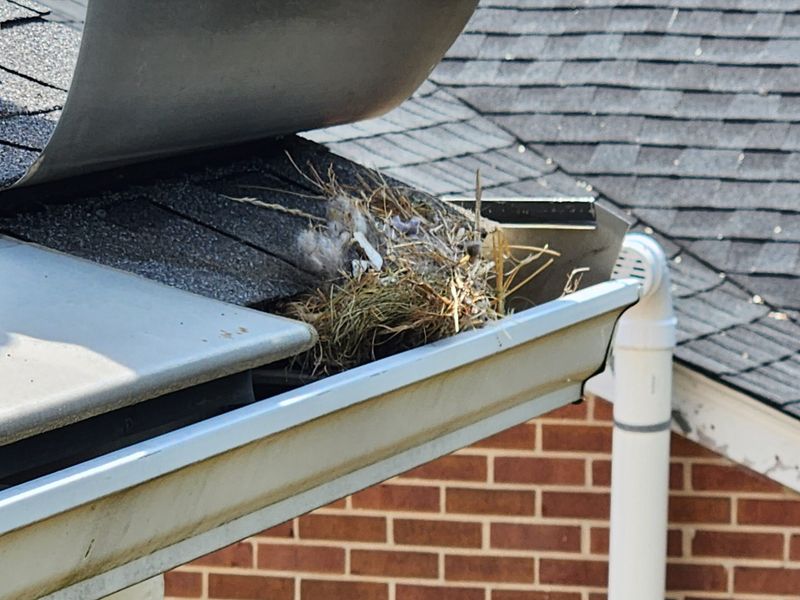
Not every nest is off limits. A few birds living in our yards are not native, and the federal law leaves them out.
The main ones are house sparrows, European starlings, and rock pigeons. These birds were brought over from Europe and spread across North America.
Other nonnative species, like the Eurasian collared-dove, are also excluded.
House sparrows build bulky, messy nests stuffed with grass, string, and trash. You often find them jammed into gutters, vents, signs, and birdhouses.
Starlings prefer cavities, including dryer vents and holes in siding.
Both species compete hard with native cavity nesters. House sparrows may push eastern bluebirds out of nest boxes, which is why many bluebird fans remove sparrow nests on sight.
The catch is identification. Plenty of folks mistake a female house finch or a chipping sparrow for a house sparrow, and those natives are protected.
Learn the field marks before you act.
A free app like Merlin Bird ID from the Cornell Lab can help you confirm who built a nest. I lean on it constantly.
If you cannot tell for sure, treat the nest as protected and leave it be, since a mistake could land you in trouble.
7. Cleaning Out Bluebird Boxes In Fall Is Smart, Just Toss The Old Nest
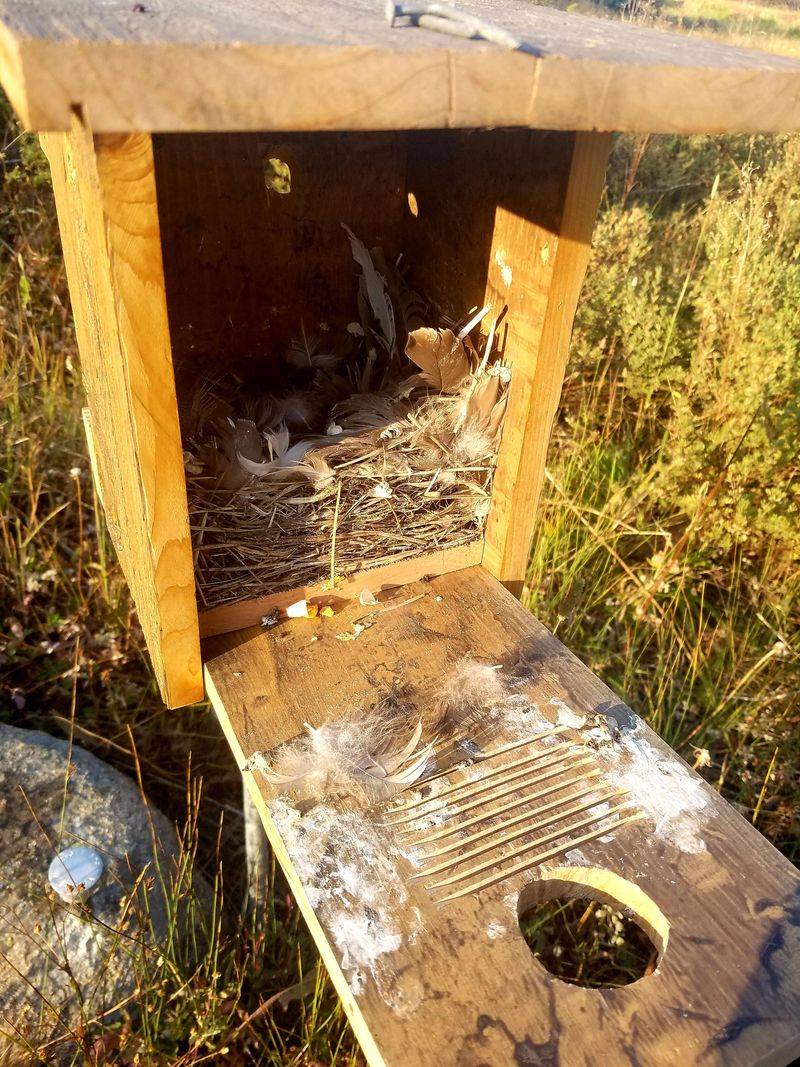
Those wooden bluebird boxes on your fence posts probably look a little stuffed by now. Fall is a great time to give them a cleanout.
Many bird experts recommend removing old nesting material once breeding wraps up. Used nests can harbor mites, blowfly larvae, and droppings.
A fresh, empty box gives birds a cleaner start and may even serve as a cozy winter roost.
Here is the important part. Once you pull out that tidy cup of pine straw, do not save it.
Drop it in a bag and toss it, or add it to a compost pile away from the house.
Wear gloves and avoid breathing dust from the box. Old nests and droppings can carry bacteria like Salmonella, so wash your hands afterward.
Check that no one is still home first. Eastern bluebirds in warm parts of the South sometimes squeeze in a late brood, so tap the box gently and peek before opening.
While you are at it, tighten screws, clear wasp nests carefully, and check drainage holes. A little fall maintenance sets your yard up for a busy spring of bluebird visitors.
8. Snap A Photo Of That Woven Nest Instead Of Taking It Home
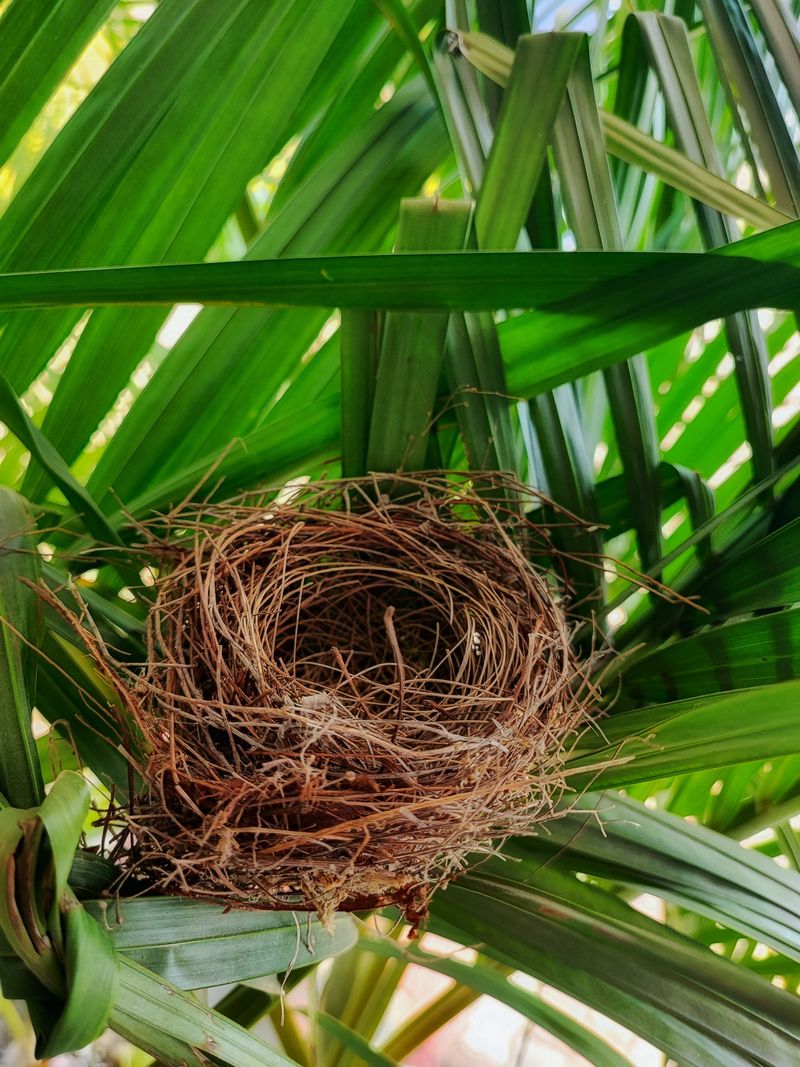
Nest admiration does not have to stop. You just need a different way to enjoy these tiny works of art.
A camera is your best friend here. Get close, shoot from a few angles, and notice the materials.
A ruby-throated hummingbird nest, for example, is about the size of a walnut shell and held together with spider silk and lichen.
Start a nest journal with your photos. Note the plant, the height, and the likely builder.
Over a few seasons, you will learn who raises families in your yard and where.
Craving something for the mantel? Artificial nests from craft stores look surprisingly real.
You can also weave your own from grapevine, raffia, and moss for wreaths and fall arrangements.
Leaving real nests outdoors helps the bigger picture.
Insects, spiders, and small critters often move into old nests, and the materials slowly break down and return to the soil.
Teachers and nature centers can apply for permits for educational displays, so ask your local center if you want to see real nests up close. My favorite takeaway is simple.
Look, learn, and leave the real thing outside. Your yard and its feathered residents will thank you.