9 Signs Japanese Knotweed Is Taking Over A New York Yard
A chunk of underground stem smaller than your fingernail can sprout a whole new patch of this backyard bully. Gardeners once bought it on purpose, admiring its spade-shaped leaves and frothy blooms back in the 1800s.
Today, New York lists it as a prohibited invasive species, so selling or moving it is against state rules. It shrugs off regular mowing and returns every spring looking even bolder than the season before.
I learned the hard way that hacking at it with a shovel can spread the trouble even farther. My knees still have opinions about that summer, and my compost pile has a story or two to tell.
Plenty of New York homeowners mistake it for bamboo or a harmless shrub until the patch doubles. So how can you tell whether this sneaky giant has already moved into your own yard?
1. Reddish Purple Knotweed Shoots Pop Up Like Asparagus
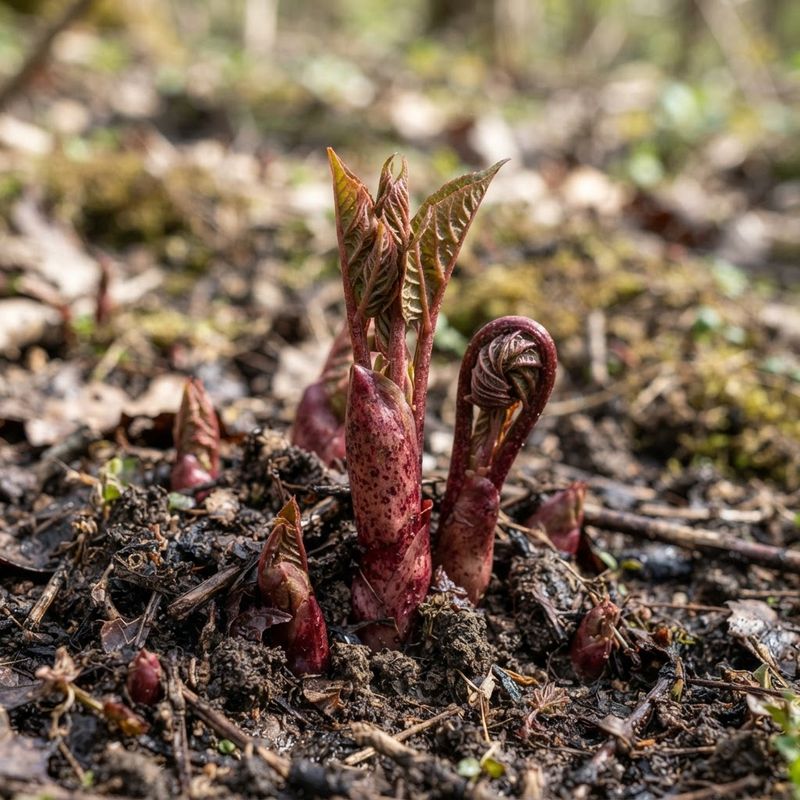
Spring brings a strange crop to some yards, and it looks like someone planted asparagus in all the wrong places. The fat spears push through the soil in shades of red and purple, often in tight little clusters.
In New York, these shoots usually show up from April into May, once the ground warms after winter. They grow shockingly fast, and a single patch can climb several feet tall within just a few short weeks.
I’ll be honest, the first time I saw them, I thought someone had tossed out a pile of old rhubarb scraps. The color fooled me, and by June the whole corner was a leafy jungle taller than my head.
Look closely at the tips as they rise, because the young leaves unroll from the stem in reddish folds. Those curled leaves are a handy clue, since real asparagus has tight scaly tips instead of soft unfolding leaves.
Each cluster grows from an underground crown, and crowns tend to widen a little more with every passing year. A ring of shoots that seems wider than last spring is a clear sign the colony is quietly expanding.
Snap a photo, note the spot on a calendar, and check again a week later to see the progress. Early detection gives you the best chance to plan control before the patch gets a firm grip on your yard.
2. Hollow Knotweed Stems Look Like Speckled Bamboo
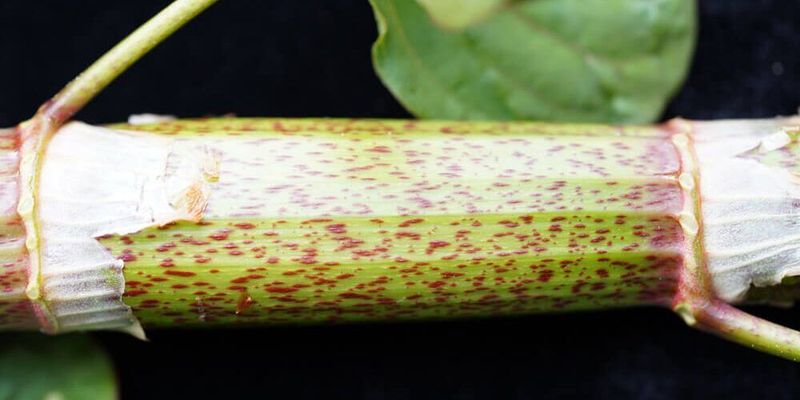
Snap a mature stem in midsummer and you’ll hear a crisp pop, followed by a peek into a hollow tube. That hollow center, divided by solid joints, is why so many people mistake this plant for a clump of bamboo.
The stems are smooth and green, freckled with reddish purple speckles that look a bit like spilled berry juice. Swollen joints called nodes appear every few inches, and a thin papery sheath often wraps around each one.
Call me stubborn, but I spent a whole season calling my patch ornamental bamboo before a friend corrected me. Bamboo stays green through winter, while these stems turn brown once frost arrives, so the seasons tell the truth.
Height is another giveaway, since established stands commonly reach eight to ten feet and sometimes stretch even higher. The stems often arch near the top, giving the clump a fountain shape that shades everything below it.
Run your hand along a stem and you’ll feel how smooth it is, with no hairs or prickly bits. Bamboo stems feel woody and tough, but these break fairly easily, which is part of the problem for gardeners.
Broken pieces of stem with a node attached can sometimes root in moist soil, so keep cuttings off the ground. Bag them or let them dry on a tarp before disposal, following any local yard waste rules in your town.
3. Knotweed Stems Grow In A Zigzag Pattern
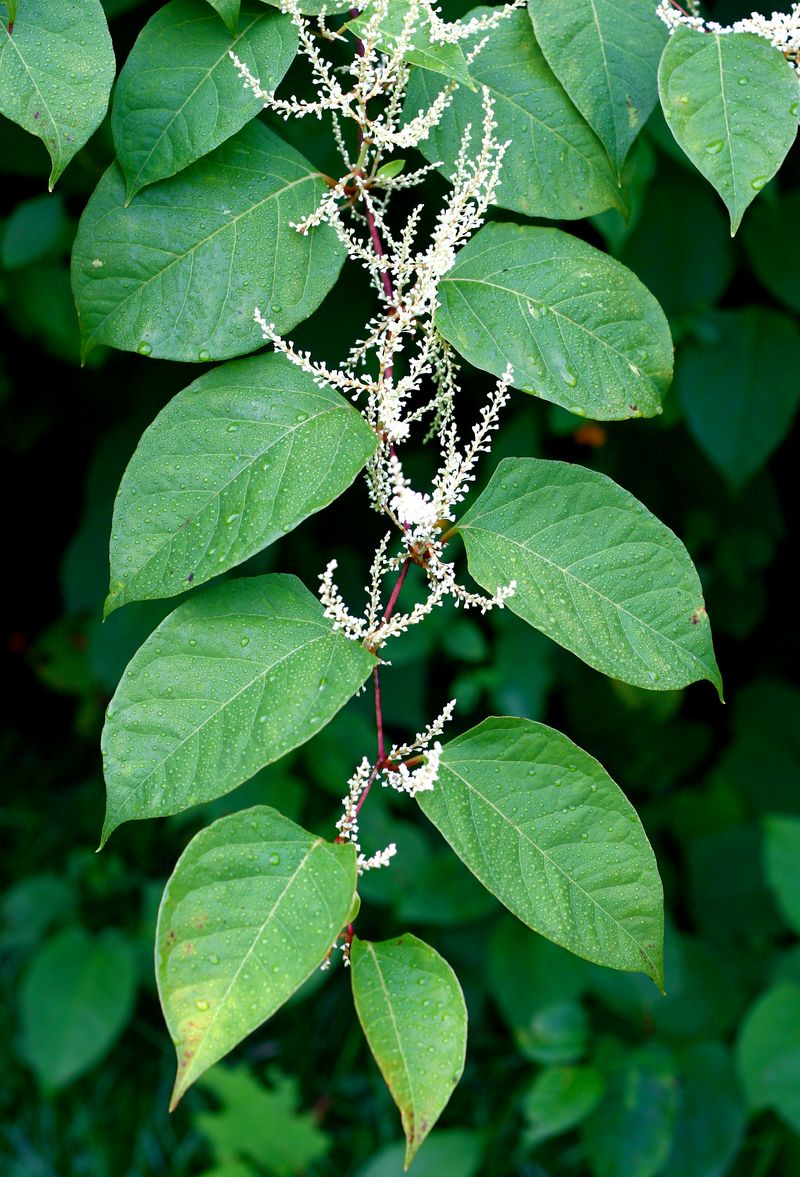
Follow one stem from bottom to top and your eyes will bounce left, then right, like a lightning bolt. The stem bends slightly at every node, and each leaf pops out on the opposite side from the last one.
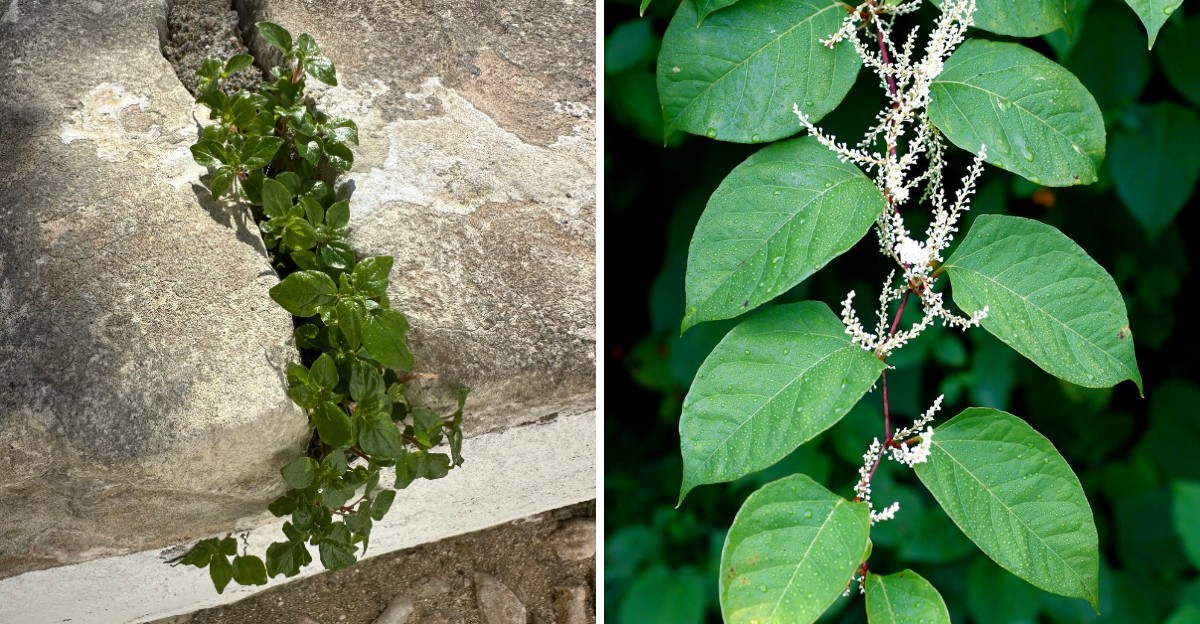
Botanists call this an alternate leaf arrangement, and the bending stem makes it look extra dramatic on this plant. The result is a zigzag line that is easy to spot once you know to look for it.
Here’s what gets me, though, because the pattern is so tidy it almost looks like someone designed it on purpose. I find myself admiring the geometry for a moment before remembering how much trouble the plant can cause.
The zigzag shows up best on the upper, leafy portions of the stem during summer and early fall. Lower sections can look straighter, so check the top third of the plant for the clearest view.
Several harmless garden plants also have alternate leaves, so this clue works best alongside the other signs in this list. Pair the zigzag with hollow, speckled stems and flat-based leaves, and your identification becomes far more confident.
Snapping a clear photo of the stem pattern helps if you plan to ask a local extension office for help. Cornell Cooperative Extension offices across the state can often confirm an identification from good pictures and a short description.
4. Broad Knotweed Leaves Show A Flat Squared Base
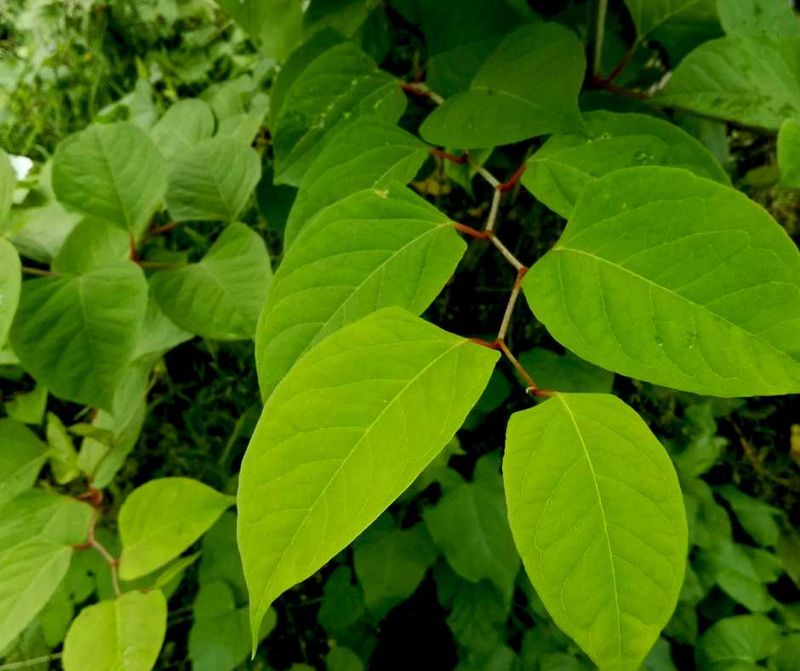
Hold one leaf against the sky and it looks like a green garden spade with a neat pointed tip. The base is the real giveaway, since it cuts straight across instead of curving into a deep heart shape.
Mature leaves usually measure about three to six inches long and nearly as wide, with smooth edges all around. They feel slightly leathery and stay a fresh medium green from late spring until frost finally arrives in fall.
My knees have opinions about crouching over leaf shapes, but this detail is worth the extra creaks and groans. Giant knotweed, a close relative, has much larger leaves with a heart-shaped base, so that base difference really matters during identification.
Bohemian knotweed, a hybrid between those two plants, can show leaves somewhere in between, which keeps things interesting for gardeners. All three are treated as invasive troublemakers in New York, so any of them deserves your careful attention.
Each leaf grows on a short stalk from a stem node, alternating sides as it climbs the plant. Together they form a dense, overlapping canopy that blocks sunlight from reaching almost anything trying to grow underneath it.
Compare a fallen leaf against a reputable photo guide, focusing closely on that flat base and the sharp pointed tip. If the match looks strong, mark the spot and check nearby stems and roots for more supporting clues.
5. Dense Knotweed Thickets Crowd Out Other Plants
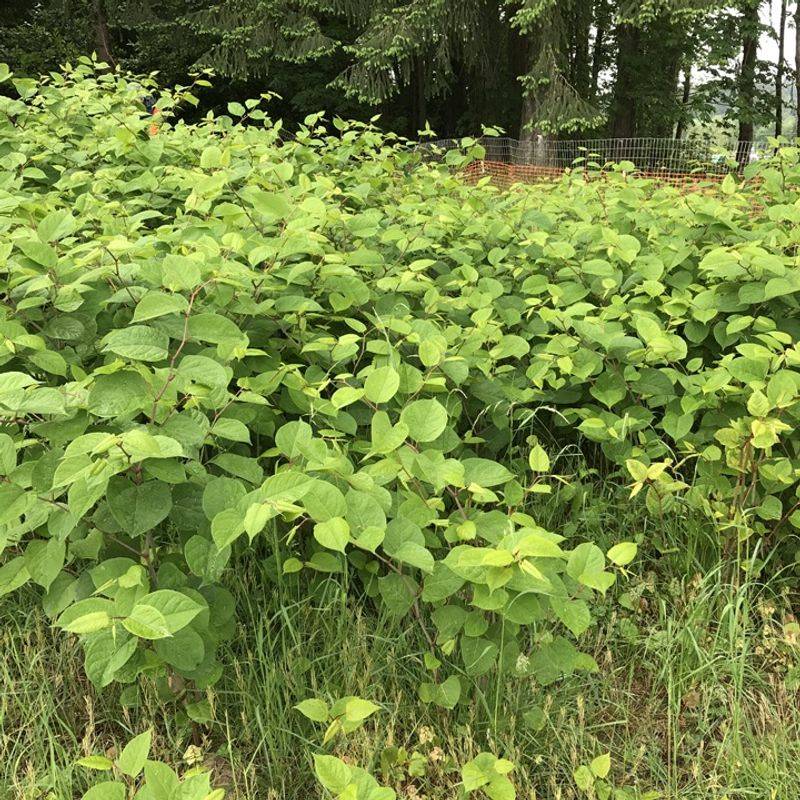
Walk past a mature knotweed patch in July and you’ll notice how quiet it feels underneath the leaves. Very little grows beneath those stems, because the canopy blocks so much sunlight that the ground stays bare and shady.
Stands can become so dense that walking through them feels like pushing through a crowded hallway of tall poles. Native wildflowers and young trees struggle to compete, and many slowly fade out over a few growing seasons.
I’m not proud of this, but I once let a small clump go for two summers without a fight. By the third year it had swallowed a lilac bush and turned my sunny corner into a shadowy green wall.
Researchers note that knotweed stands reduce plant variety and can change how leaf litter breaks down in streamside soils. Along creeks and rivers, bare ground under the thicket can wash away more easily during heavy rains and floods.
In a home yard, a thicket can swallow garden beds and crowd walkways that once felt open and friendly. Kids and pets lose play space quickly, and the stems create a tangled mess once they turn brown in fall.
Measure the patch each spring with a tape or simple pacing, then write the numbers down somewhere safe. Tracking growth over time helps you and any professional you hire decide which control approach makes the most sense.
6. Creamy White Knotweed Flowers Bloom In Late Summer
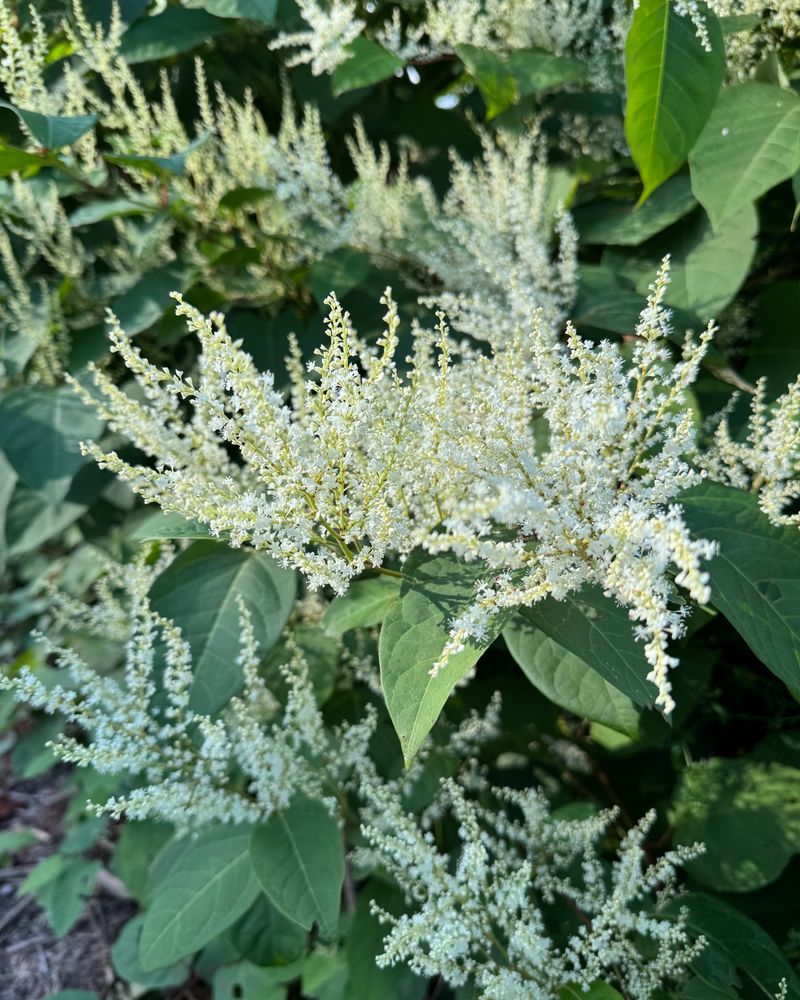
Late summer brings a surprise, as feathery sprays of tiny creamy white flowers burst from the tops of the stems. Bees swarm them happily, and the whole patch can hum like a busy kitchen on a warm August afternoon.
Blooms usually appear from August into September in New York, rising from the spots where leaves meet the stem. Each little flower is barely bigger than a grain of rice, but thousands together create a soft, frothy look.
There’s a soft spot in my heart for anything that feeds pollinators, so I understand the temptation to admire them. Still, those pretty sprays mean the plant is mature and well settled, not a newcomer you can easily pull.
Plants in North America spread mostly by underground stems and broken fragments rather than by seed from these flowers. Many Japanese knotweed plants here are female, though crosses with giant knotweed can produce viable seeds that sometimes sprout.
Beekeepers sometimes prize knotweed honey, but supporting pollinators works even better with native late bloomers like goldenrod and asters. Planting those natives in place of a removed knotweed patch gives hungry bees a meal without the invasive headache.
Snip flower heads before they set seed if you can reach them, and bag the clippings for trash pickup. Avoid tossing them into your compost, since most home piles rarely get hot enough to handle invasive plant parts safely.
7. Brown Knotweed Canes Stand Tall Through Winter
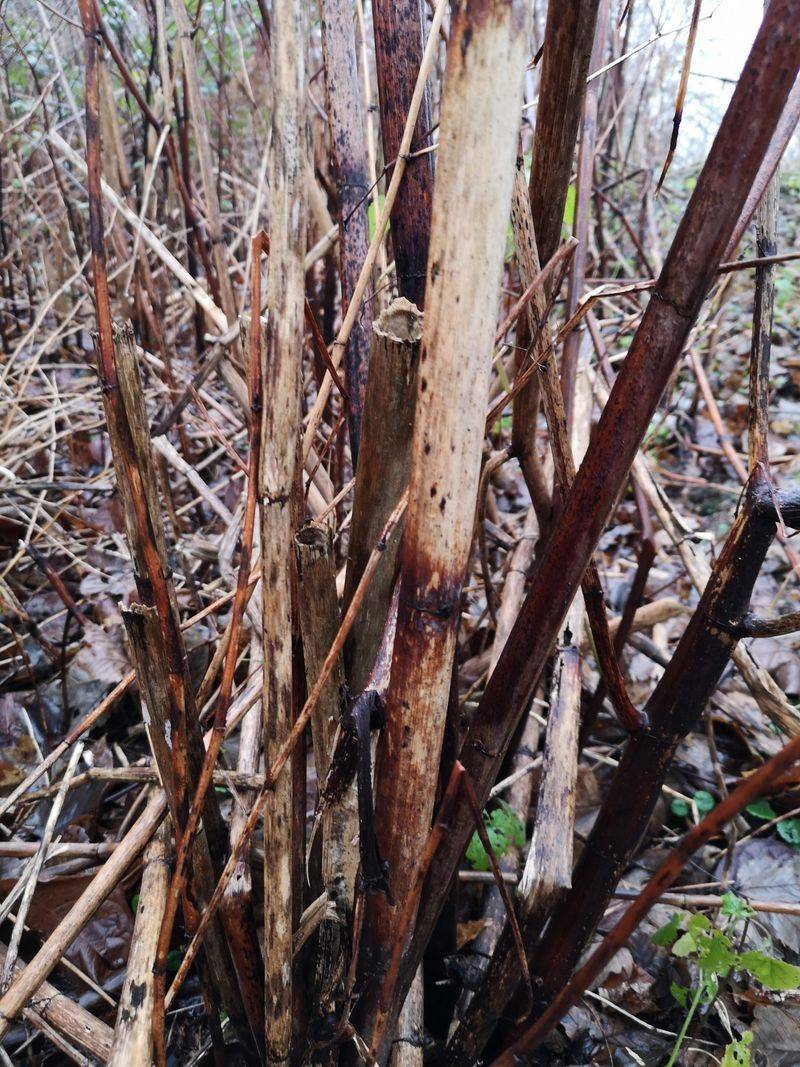
Winter strips most gardens bare, yet knotweed patches leave behind a spooky forest of tall, hollow, reddish brown canes. They rattle in the wind like wooden wind chimes and often stay standing until the new shoots push up.
After the first hard frost, the leaves drop and the stems shift from green to a coppery or tan color. The canes keep their jointed bamboo look, which makes them easy to spot against snow or bare ground.
You’ll catch me muttering at these stalks every February, because they remind me exactly where the trouble will return. Still, I appreciate how clearly they map the colony when everything else in the yard has gone quiet.
Older canes from previous years sometimes linger in the mix, leaning sideways and tangled among the newer brown stems. A big pile of crisscrossed stalks suggests the patch has been growing undisturbed for several seasons at the very least.
Winter is a smart time to sketch the outline of the patch, since leaves no longer hide its edges. Flag the borders with stakes so you can watch for spring shoots that pop up beyond last year’s line.
Cutting and removing old canes can make spring treatments easier, but handle them carefully to avoid spreading fragments. Dry canes are much less likely to root, though bagging them is still the safest choice for final disposal.
8. Orange Centered Knotweed Rhizomes Spread Underground
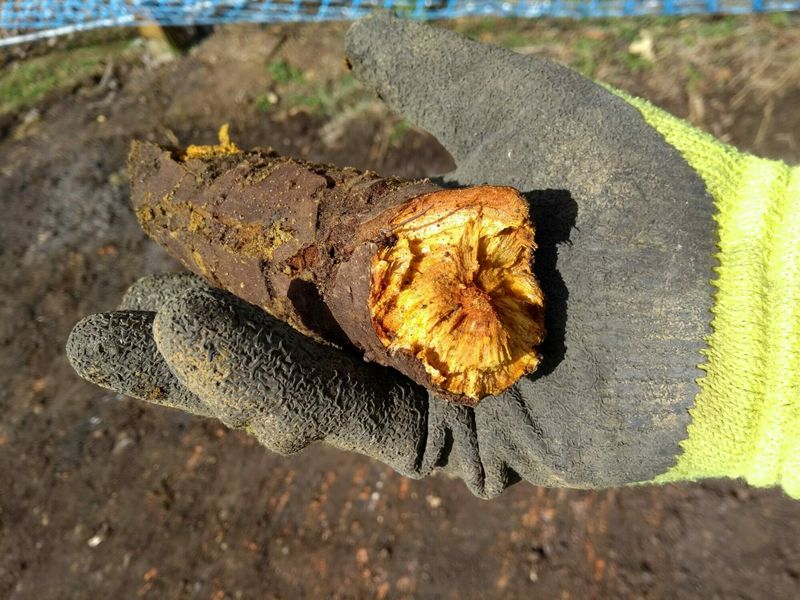
Dig near a knotweed patch and you might unearth something like a knobby ginger root with tough brown skin. Slice one open, and the inside glows a bright orange or yellow that almost looks like a carrot.
These are rhizomes, which are underground stems rather than true roots, and they power the whole invasion from below. They store huge amounts of energy, which explains why cut plants bounce back so quickly every single growing season.
Trust me on this one, because I tried digging out a small patch and created three new ones instead. Fragments as small as a fingernail can regrow, so every chunk left behind becomes a potential new plant.
Rhizomes commonly spread many feet sideways from the visible patch, often reaching well beyond where any shoots appear above. They can also run several feet deep, which turns any digging project into a huge and messy undertaking.
Be careful moving soil from an infested area, since topsoil and fill dirt are common ways knotweed travels. Ask questions about knotweed before accepting free fill, and avoid sharing soil or mulch from beds near a patch.
New York invasive species experts suggest repeated cutting or careful herbicide treatments, with timing matched to patch size and location. Most methods take several years of steady effort, so patience and good records help you stay firmly on track.
9. Knotweed Shoots Push Through Cracks In Pavement
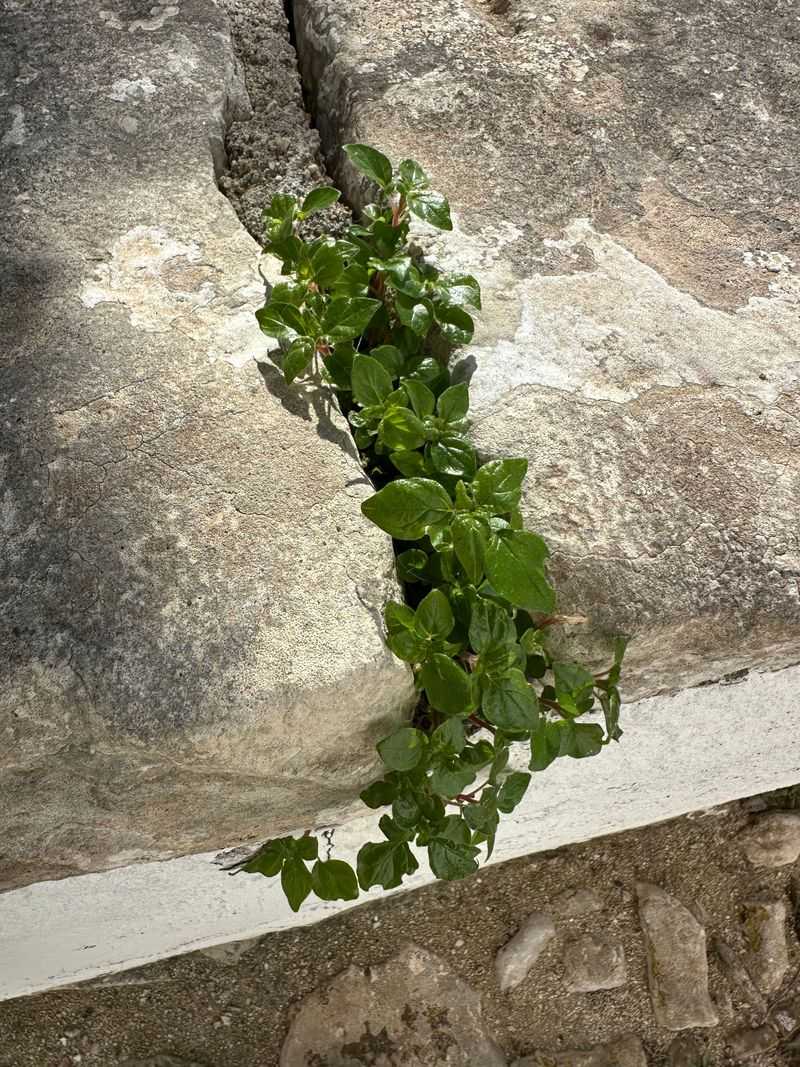
A pinkish shoot poking through a crack in your driveway is a sight that can make any gardener stop mid-step. Knotweed seeks out weak spots in paving, slipping through gaps and joints where moisture and light reach the soil.
Patio seams and sidewalk joints are common trouble spots, especially when a mature patch grows right alongside them. The shoots can widen existing cracks over time and lift loose pavers out of their tidy rows.
I didn’t see this coming, but a single shoot appeared between my garage and the gravel path one June. A quick dig revealed an orange rhizome sneaking under the edge from a patch nearly fifteen feet away.
Some homeowners panic about foundations, yet a 2018 British study found knotweed damage to buildings was often overstated. Older or already cracked structures face more risk, while sound modern concrete usually holds up better than many people fear.
Shoots in pavement still deserve quick action, because they signal an established rhizome network nearby that keeps quietly expanding outward. Avoid pulling them hard or digging under slabs, since breaking rhizomes can encourage even more shoots to appear.
Document any shoots with photos and dates, then reach out to a licensed pesticide applicator experienced with hard surfaces. In New York, professionals familiar with invasive species rules can recommend safe options for your property and budget.