7 California Garden Tasks That Pay Off Most In Early November
Los Angeles gardeners rarely see frost at all, while Pinecrest sees its first one by mid-October. That gap tells you how wildly different our yards in California can be.
Still, early November brings a sweet spot almost everywhere, with cooling soil and the first real storms finally rolling in. Many experts call this stretch California’s second planting season, and honestly, it deserves a much louder celebration.
I’ll be honest, I used to treat November like a lazy month for sipping cocoa and ignoring the beds. My spring garden paid the price, and my knees still have opinions about all that frantic catching up.
A few small jobs done right now quietly set up months of flowers and healthier, richer soil. So which chores truly earn their keep, and which ones can wait until the holidays are over?
1. Scatter Native Poppy And Lupine Seeds Before The Rains
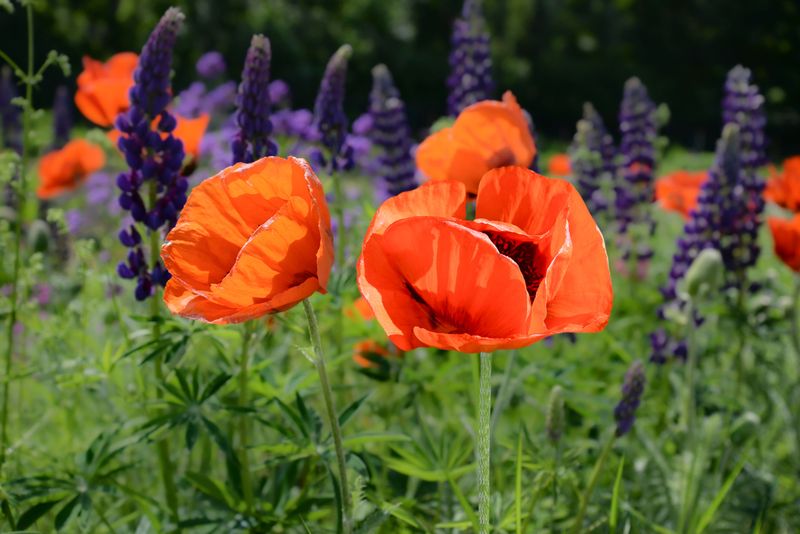
Wild poppy seeds are tiny enough that a single teaspoon can hold thousands, which feels like pocketing a whole hillside. Sowing them now lets winter storms do the watering, just like nature has handled it for ages.
Native annuals such as California poppy and arroyo lupine sprout with fall rains, then flower in spring. That timing mirrors their wild life cycle, so the seedlings settle in without much fuss from you.
Start by clearing weeds and old grass, then rake the surface lightly to loosen the top layer. Skip deep digging, because tilling drags buried weed seeds upward where they happily sprout beside your flowers.
I learned the hard way that birds treat bare seed like an open snack bar on a sunny morning. Mixing seeds with horticultural sand helps you scatter evenly and makes the tiny morsels a bit harder to spot.
Cover the seeds very lightly, no deeper than about an eighth of an inch, then press the soil gently. If rain stalls for a week or two, sprinkle the area so the soil stays slightly damp.
Once established, many native wildflowers handle dry spells well and ask for very little extra care later. Bees and butterflies will thank you in spring, since these blooms offer food that local pollinators truly recognize.
Let a few plants go to seed when the show fades, or collect the pods in paper bags. Next fall, you get a free batch of seeds and a patch that keeps getting fuller each year.
2. Plant Garlic Cloves And Sow Leafy Greens For Winter Meals
Carrots and beets often taste sweeter when they grow through cool weather, which feels like a bonus prize. Cold nights encourage some plants to store more sugars, and your winter salads benefit from that natural trick.
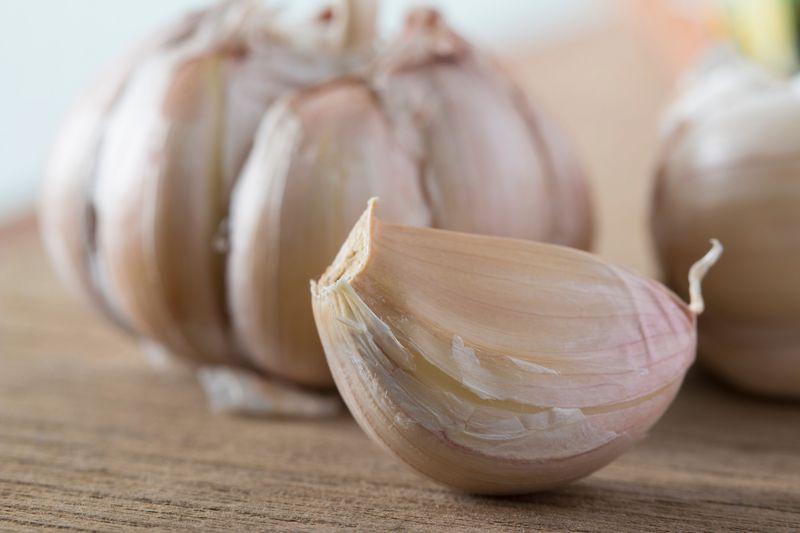
Garlic is the star of early November in many gardens, with planting often running from mid-October through November. Push each clove in pointy end up, about an inch deep, then water the bed well.
Leafy greens like spinach and lettuce love these cooler days and are much less likely to bolt. Direct sow arugula, chard, or mustard seeds right into the bed, keeping the surface consistently moist.
Don’t laugh, but radishes are my favorite cure for impatience, since many varieties mature in three to five weeks. Kids especially love pulling them, and a quick crop keeps everyone excited while slower plants catch up.
Peas and bok choy also fit this window, especially in warmer coastal and southern parts of the state. Broccoli and kale transplants do well too, giving you sturdy plants that shrug off a chilly morning.
Keep an eye on soil moisture between storms, because seeds need steady dampness to sprout evenly. A light layer of compost over the bed helps hold that moisture and keeps crusty soil from forming.
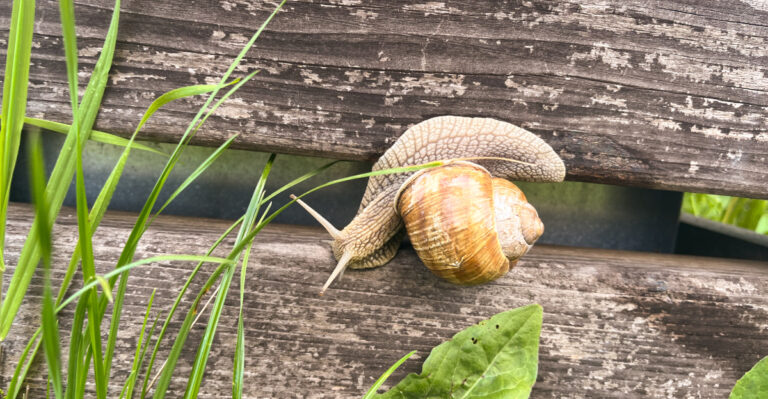
Snails and slugs come out in force after rain, so check seedlings at dusk with a flashlight. Hand-picking them or using iron phosphate bait helps protect your tender greens from becoming their midnight snack.
3. Tuck Daffodil And Dutch Iris Bulbs Into Cool Soil
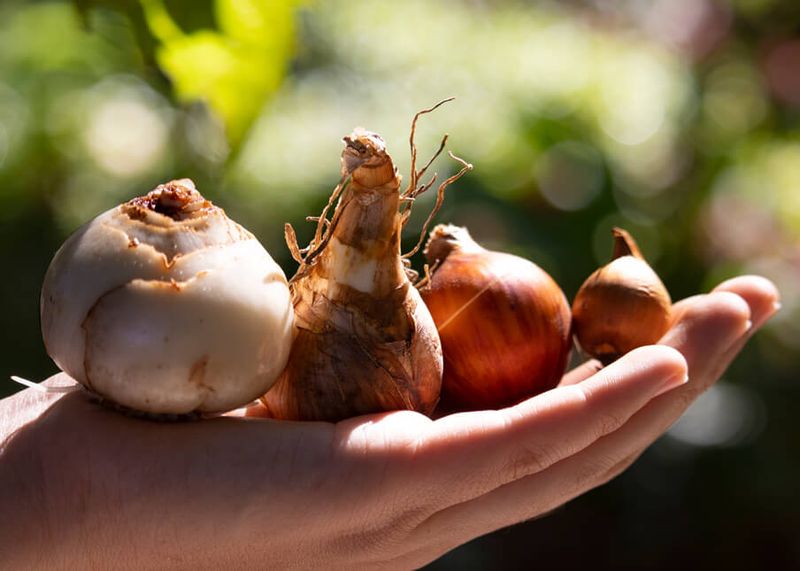
Daffodil bulbs come with their own built-in defense, since their tissues are toxic and gophers mostly leave them alone. That alone makes them my favorite bulb for yards where furry diggers treat tulips like buffet treats.
November is a prime planting window for many spring bulbs, including sturdy daffodils and elegant Dutch irises. In the mildest southern areas, waiting until late November or early December often gives even better results.
A handy rule says to plant each bulb about twice as deep as it is tall. Set the pointed end facing up, because that tip is where the leaves and flower stem will emerge.
Drainage matters more than almost anything else, since soggy soil can cause bulbs to rot before spring. Mix in compost if your soil is heavy clay, and add a sprinkle of bulb food or bone meal.
Tulips are the fussy cousins here, needing extra cold that our mild winters often fail to provide. Chill them in the refrigerator for about eight to ten weeks, keeping them well away from ripening fruit.
Containers work nicely too, and you can pack bulbs closer together for a fuller, showier display. Just pick pots with drainage holes and a quality potting mix that does not stay soggy for days.
Anemones and crocus are also worth tucking in now if you want more variety in the spring lineup. Come February or March, those humble brown lumps will reward you with color you nearly forgot planting.
4. Shred Fallen Leaves Into Free Mulch For Garden Beds
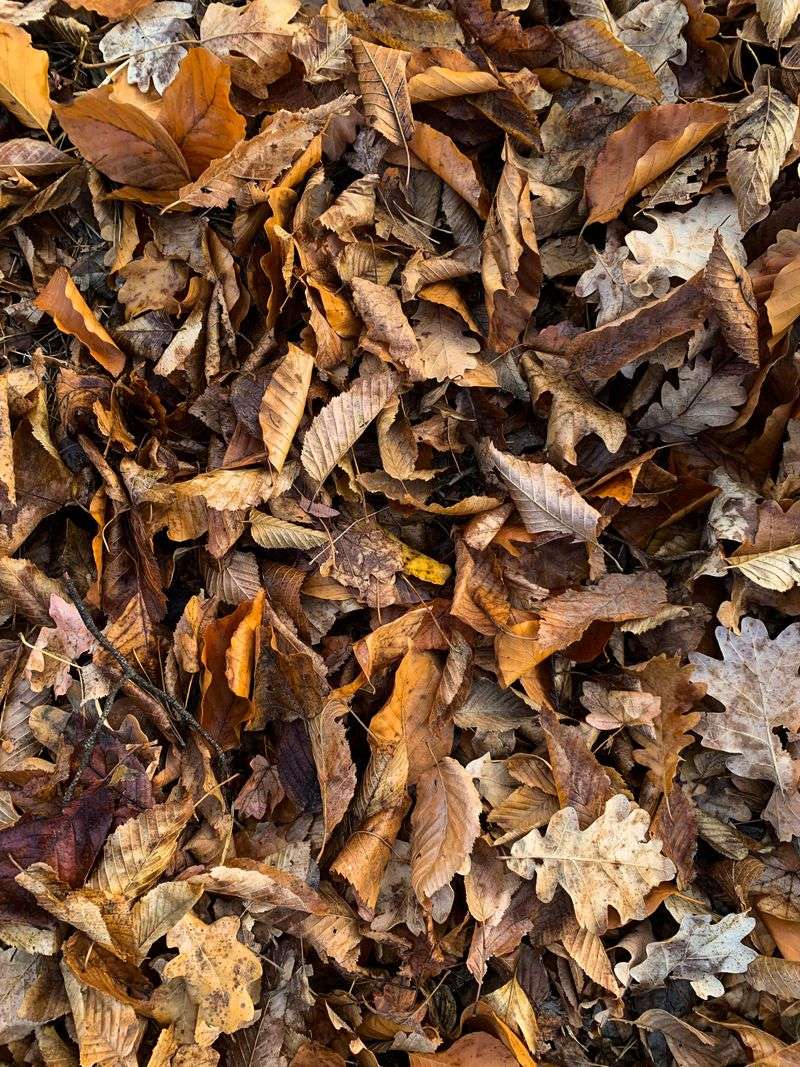
Every autumn, neighbors bag up piles of leaves and set them on the curb like unwanted treasure. Call me stubborn, but I see those crunchy heaps as free fertilizer and mulch just waiting for a rake.
Fallen leaves return nutrients like nitrogen and phosphorus to the soil as they slowly break down. They also help hold moisture in the ground and shield bare soil from erosion during heavy rain.
Shredding makes a huge difference, since whole leaves can mat into a soggy layer that sheds water. Run a lawn mower over a pile a few times, and you get fluffy bits that settle nicely.
Spread about two to three inches around shrubs and perennials, or up to six inches on empty beds. Keep the mulch a few inches away from stems and trunks so moisture does not cause rot problems.
Shredded leaves can also be piled in a wire bin and kept damp to make leaf mold, a crumbly soil conditioner. It takes a year or more, but it costs nothing and improves almost any bed.
Japanese maple and cherry leaves break down fairly quickly, so they can often skip the shredding step. Tougher leaves like magnolia take longer, so chop those finely or add them to the compost pile instead.
If you have a lawn, try mulch-mowing leaves right onto the grass to feed the topsoil underneath. That simple habit can cut down on fertilizer, and it saves your back from hours of bagging.
Leaf layers also give beneficial insects a cozy place to spend the winter months in your yard. I like leaving one corner messy on purpose, and the ladybugs seem to appreciate the gesture.
5. Sow Fava Beans And Crimson Clover As A Winter Cover Crop
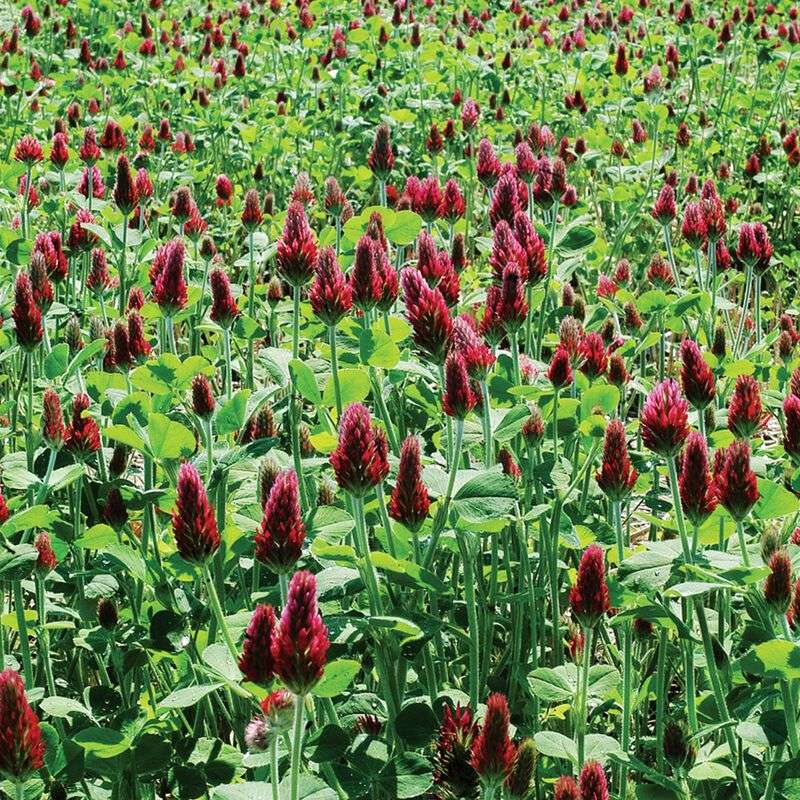
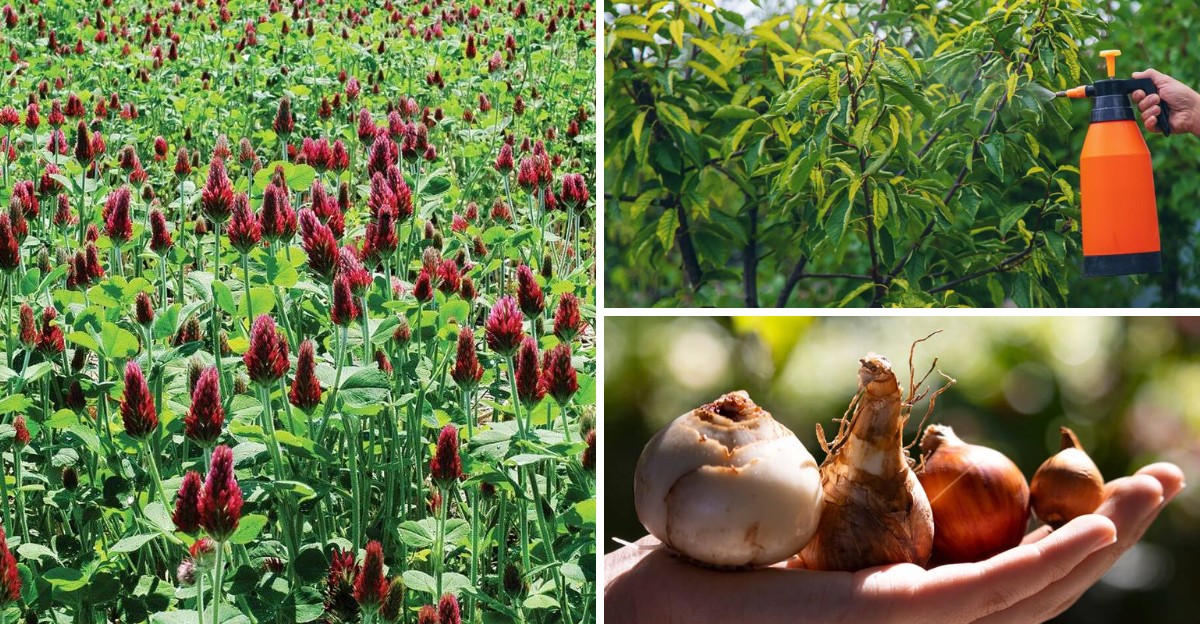
Fava beans can pull nitrogen out of the air with help from root bacteria, which sounds like science fiction. Planting them as a cover crop turns an empty winter bed into a quiet little fertilizer factory.
Cover crops are grown to feed and protect soil instead of filling up your harvest basket. Sowing in October or November lets them grow before heavy rains, so they crowd out weeds early.
Bare soil takes a beating from winter storms, washing away and crusting over between the downpours. Roots from cover crops hold that ground in place and leave tiny channels that help water soak in.
Fava beans and crimson clover are both legumes, so they add nitrogen while building up plenty of organic matter. Some gardeners toss in annual rye too, since its fibrous roots are excellent at holding loose soil.
Fava beans are often sold as bell beans, so check for that name on cover crop seed packets. Soaking the seeds overnight before sowing can help them sprout faster.
Space fava beans roughly four to six inches apart and cover them about an inch or two deep. Clover seed is tiny, so broadcast it over raked soil and lightly rake again to cover it.
Plan to cut or mow the crop about three weeks before you want to plant spring vegetables. You can chop it into the soil or leave it on top as mulch, and both options feed future crops.
Trust me on this one, the first time you dig into soil after favas, you will notice the difference. It crumbles beautifully, and you may find yourself buying less bagged fertilizer than in years past.
6. Clean Up Under Peach Trees Before Dormant Spraying
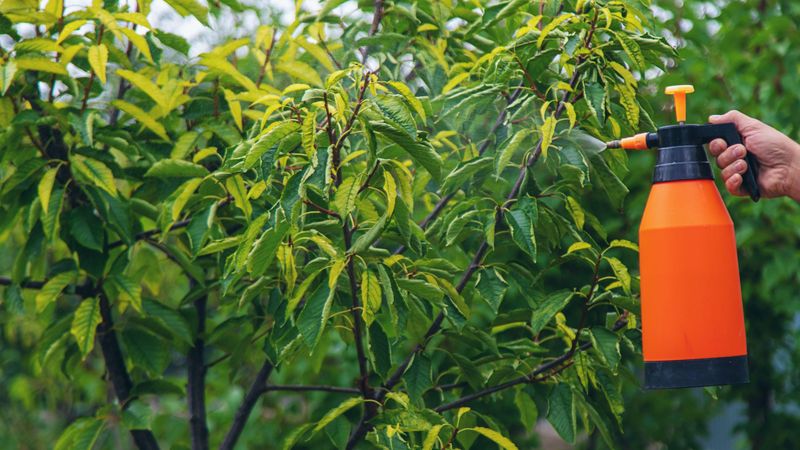
Peach leaf curl spores hide on twigs and bud scales all winter, waiting for spring rain to strike. Once those puckered reddish leaves appear in spring, it is far too late for spraying to help.
UC experts recommend treating peaches and nectarines after leaves fall, often starting around Thanksgiving. In early November, many trees still hold some leaves, so this is the perfect window for preparation.
Rake up fallen leaves and shriveled old fruit from beneath your trees, then put them in the green waste bin. Clearing away that debris removes hiding spots for disease spores and overwintering pests.
Also remove any shriveled fruit still hanging on the branches, since mummified peaches can carry fungal spores into next season. Keep them out of the compost pile.
Fixed copper products help control peach leaf curl and shot hole fungus on stone fruit trees. Horticultural oil is the go-to option for scale insects and mite eggs tucked into the bark.
Pick a dry, calm day with no rain or freezing temperatures expected for at least a day or two. Spray the whole tree until it drips, covering branch crotches and rough bark where trouble likes to lurk.
Many gardeners use holidays as handy reminders, starting near Thanksgiving and repeating in midwinter if needed. Read every product label carefully, and wear gloves along with eye protection while you spray.
Apple and pear trees can also benefit from dormant oil if scale gave them trouble last year. Healthy spring leaves on your peach tree feel like a sweet reward for chores done on a chilly morning.
7. Plant Toyon And Manzanita Shrubs While The Soil Stays Warm
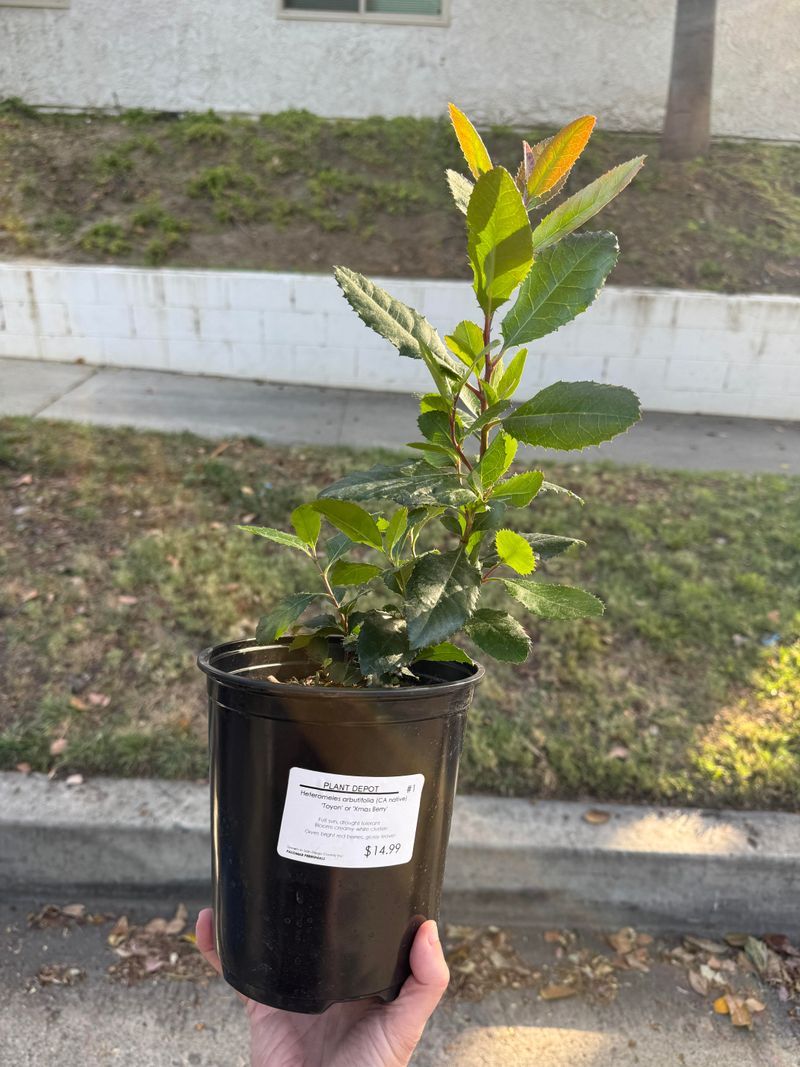
Toyon berries turn bright red in late fall and winter, and the shrub reportedly inspired the name Hollywood. Planting one now means its roots get a whole rainy season to settle in before summer heat.
Fall is widely considered the best time to plant California natives, since soil stays warm while rains begin. Roots keep growing through winter, even when the leafy tops seem to be resting quietly.
Toyon works well as a hedge, and its winter berries attract birds. Manzanita’s small winter blooms give hummingbirds an early source of nectar.
Choose a spot with good drainage, because many natives like manzanita sulk in soggy, heavy ground. Dig a hole about twice as wide as the pot but no deeper than the root ball itself.
Set the plant so its crown sits at or slightly above the surrounding soil level. Water deeply right after planting to settle the soil and remove air pockets hiding around the roots.
Most natives skip fertilizer and rich amendments, which honestly makes life easier for busy gardeners like me. Spread a layer of mulch around the plant, keeping it away from the base of the stem.
Drought tolerance comes later, since new plants still need regular water during their first year or two. Check the root zone with your finger between storms, and water when the top few inches feel dry.
Bare-root fruit trees and roses usually reach nurseries in winter, so jot a reminder for that season too. For now, a young toyon or manzanita planted this month will thank you with sturdier growth next summer.