What to Do With Leftover Jack-o’-Lanterns in a Florida Garden
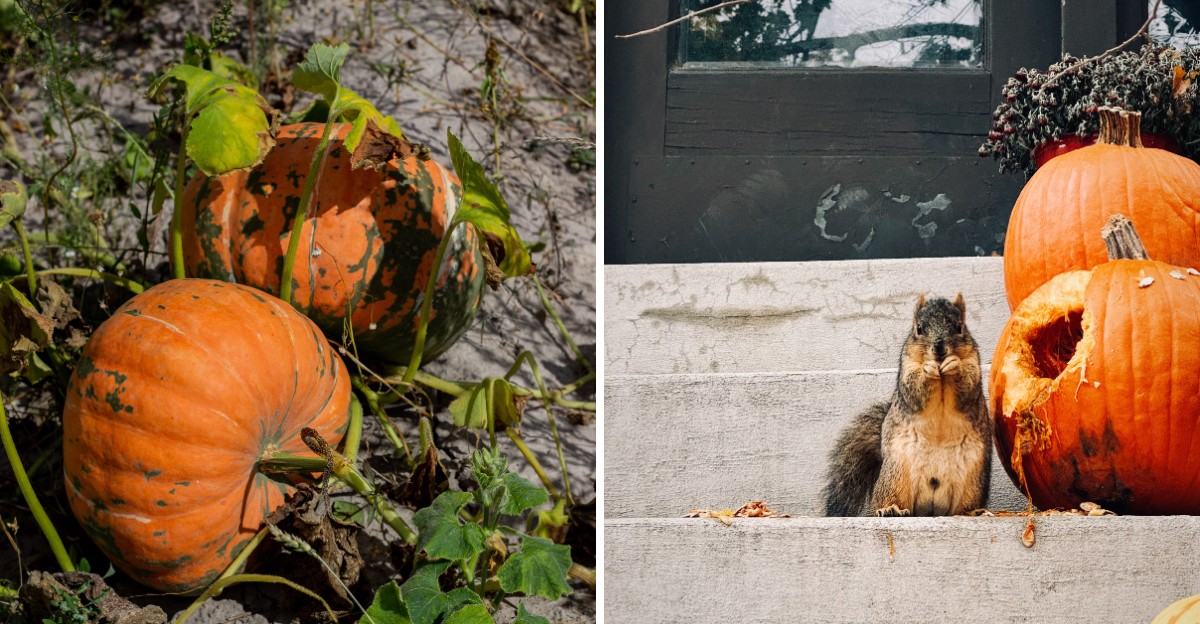
A carved pumpkin is roughly 90 percent water. In muggy Florida weather, that juicy orange shell can slump into a soft, fuzzy puddle in just a few days.
I learned this the hard way one November. My proud porch masterpiece looked like it had melted overnight, and the fruit flies threw a party around it.
Personally, I can’t stand the idea of tossing all that goodness into a trash bag. Landfills trap scraps without air, and that turns them into methane instead of something useful. Your garden could put that same pumpkin to far better work.
So what should happen to that grinning face once the candy is gone? Some answers are wonderfully simple.
A few popular ideas are actually worth skipping, and one of them surprised me more than I expected.
That Sagging Jack-o’-Lantern Is Already Starting Its Second Job
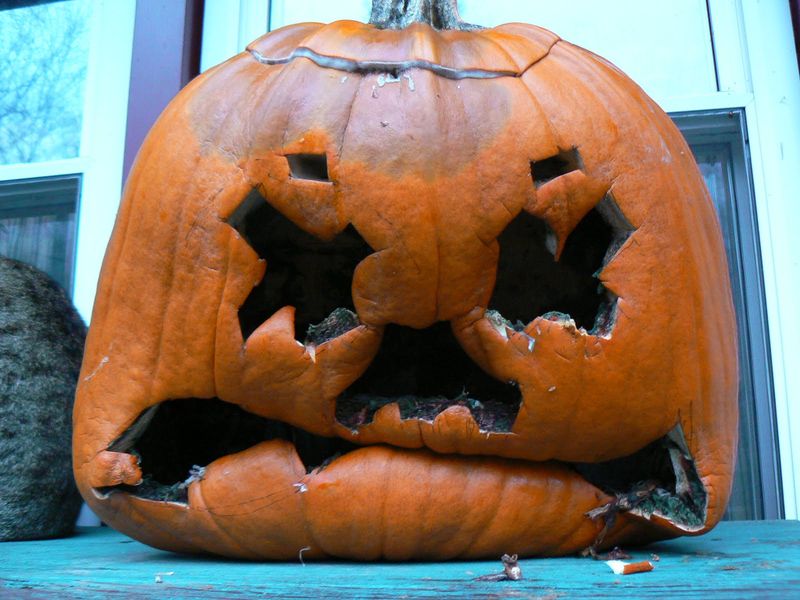
Mold spots on a carved pumpkin are not a failure. They are a sign that bacteria and fungi have already clocked in to break it down.
Once you cut into a pumpkin, its protective rind is opened up. Florida’s warm days and sticky humidity give microbes a perfect home, so a carved jack-o’-lantern can start sagging in as little as two or three days.
Up north, the same pumpkin might hold its shape for a week or more.
I like to look at that slump as a head start. The softer the flesh gets, the faster it turns into rich organic matter for your soil.
Your job is to guide that process to the right spot instead of letting it sit by the front door.
Bleach dips and petroleum jelly can stretch display time a little. Those tricks are fine before Halloween, but treated pumpkins are not ideal for the garden afterward, so skip them if you plan to recycle your carving.
A quick rinse with plain water helps if you used no chemicals at all. Then move your pumpkin off the porch soon after the holiday, before fruit flies and ants decide it belongs to them.
Your Compost Bin Is the Best Home for an Old Pumpkin
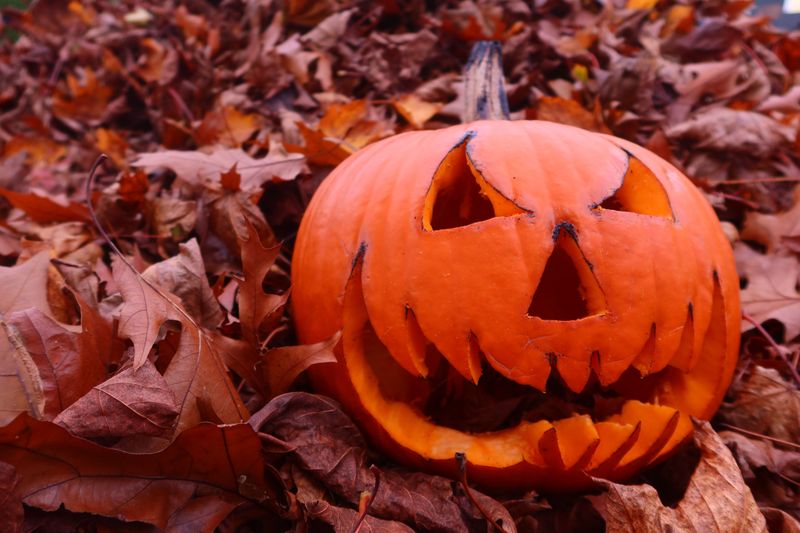
Composting wins the prize for leftover pumpkins, hands down. University of Florida IFAS Extension encourages home composting because it turns kitchen and yard scraps into a soil builder instead of trash.
Pumpkins count as a green material. That means they bring nitrogen and loads of moisture to the pile.
Pair them with plenty of browns, like dry oak leaves, shredded paper, or pine straw, so your bin does not turn slimy and smelly.
A good rule is about two or three scoops of browns for every scoop of pumpkin. In our state, those browns can be harder to find in fall, so I save a bag of dry leaves just for this week.
Bury the pumpkin pieces in the center of the pile rather than leaving them on top. The middle stays warmer, breaks things down faster, and hides the sweet smell from curious critters.
Turn the pile every week or two with a pitchfork. Air keeps the good microbes working and stops that sour odor you get from soggy, packed scraps.
In our warm climate, a well-managed pile can turn pumpkin chunks into dark, crumbly compost within a few months, just in time for spring planting.
Smash That Pumpkin Into Small Pieces First
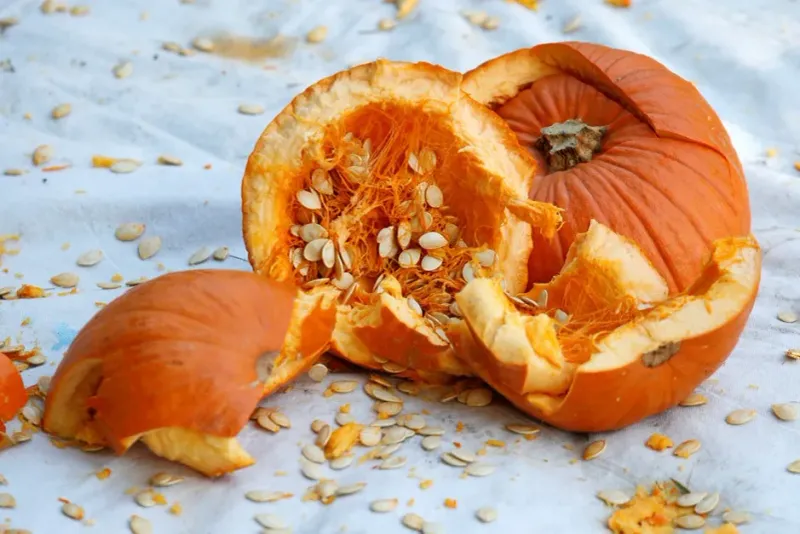
Here is my favorite part of the whole process, and kids love it too. A whole pumpkin rots slowly because its tough rind blocks microbes, so breaking it apart speeds everything up.
Start by pulling out anything that does not belong in soil. Candle stubs, wax drips, glitter, stickers, paint, and plastic battery lights all need to go in the trash.
Painted pumpkins are best kept out of the garden, since many craft paints contain synthetic materials.
Next, lay the pumpkin on a tarp or in a wheelbarrow. Chop it with a flat shovel, or carefully cut it into fist-sized chunks with a sturdy knife.
Some families simply drop it from waist height for a satisfying splat.
Smaller pieces mean more surface area. More surface area gives bacteria and fungi more places to feed, and that means faster compost.
Scoop out the stringy guts and seeds if you want to save them, or toss them right in with everything else. Just know that seeds in compost often sprout later.
Wear gloves, because rotting pumpkin is slippery and smells a bit funky. A garden hose nearby makes cleanup quick and easy.
Sandy Florida Soil Loves a Pumpkin Makeover
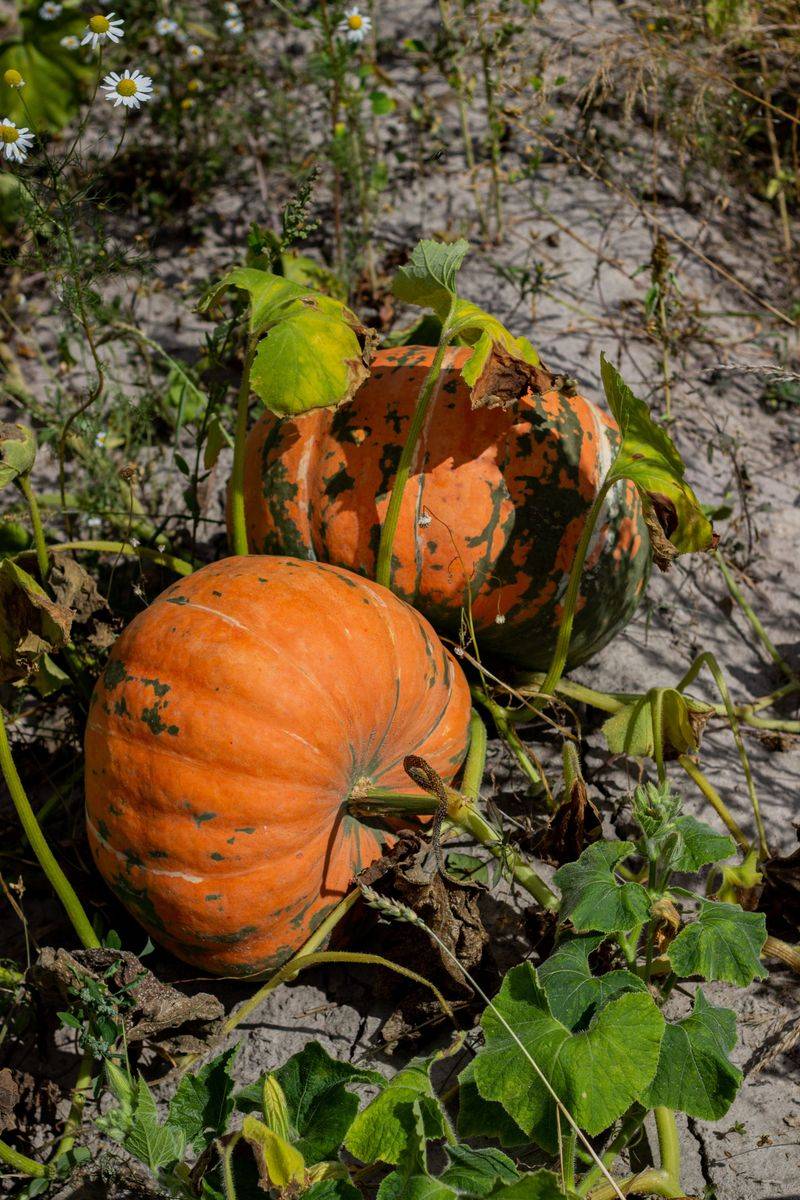
Much of the state sits on sandy soil that drains like a sieve. Water and nutrients rush right past plant roots, which is why so many gardeners here fight a constant battle with dry, hungry beds.
Compost made from pumpkins and other scraps adds organic matter to that sand. UF IFAS notes that organic matter helps sandy soil hold more water and nutrients, which means your plants can sip longer between waterings.
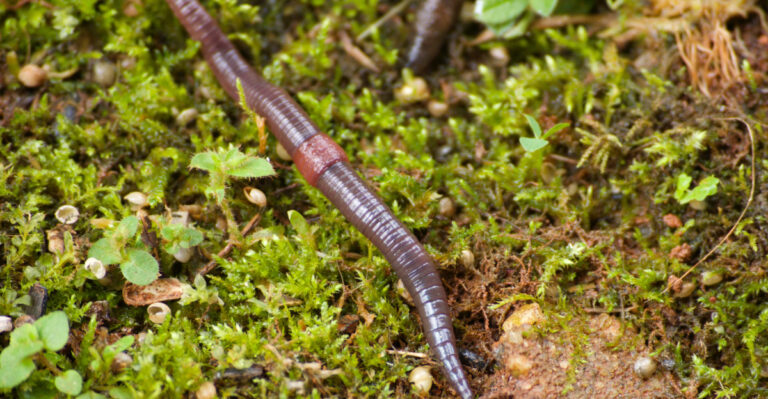
I noticed the difference in my own beds after a couple of seasons. The soil turned darker, held moisture after rain, and earthworms started showing up where I had seen almost none before.
That richer soil also feeds a busy crowd of helpful microbes. They release nutrients slowly, giving roots a steady snack instead of a single big meal.
Spread finished compost one to three inches deep over vegetable beds or around shrubs, then work it gently into the top few inches. You can also use it as a top dressing around fall crops like lettuce, kale, and collards, which grow well during cooler months.
One pumpkin will not transform a yard. Year after year, though, those orange leftovers add up to healthier ground.
No Compost Bin? Bury Pumpkin Chunks Right in the Garden Bed
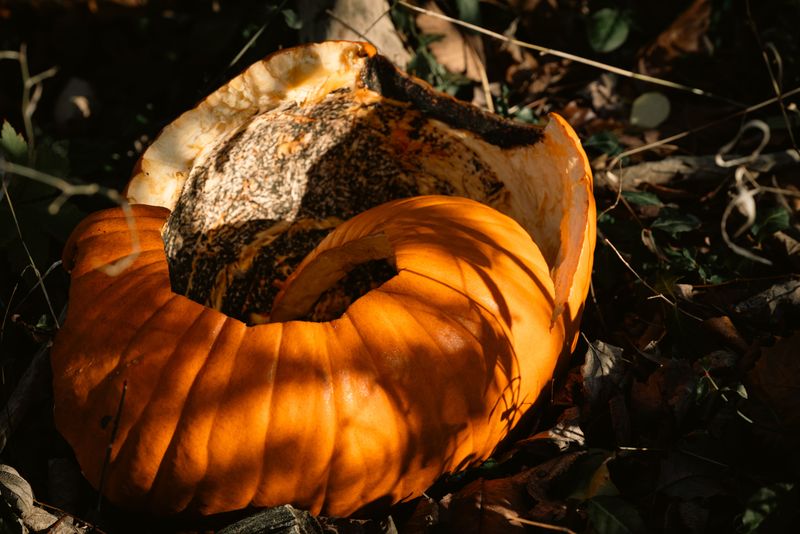
Plenty of gardeners skip the bin entirely. Trench composting, sometimes called pit composting, lets you bury scraps right where you want richer soil.
Dig a hole or trench about 12 inches deep in an empty bed or between rows. Drop in your pumpkin chunks, mix in a little soil or dry leaves, and cover everything with at least eight inches of dirt.
That depth matters a lot. Shallow burial invites raccoons, opossums, and neighborhood dogs to dig up a sweet surprise, and it can draw flies too.
Choose a spot you will not plant for a few weeks. In warm soil, buried pumpkin breaks down fairly quickly, but roots planted directly on top of fresh scraps may not appreciate the activity below.
I like to rotate trench spots around my garden each fall. Over time, every bed gets a turn at the extra organic matter.
Keep the trench away from wells and drainage ditches. Mark the spot with a stake so you remember where it is, and plan to plant a hungry crop like squash or tomatoes there once things settle.
Leaving Pumpkins Out for Squirrels and Raccoons Can Backfire
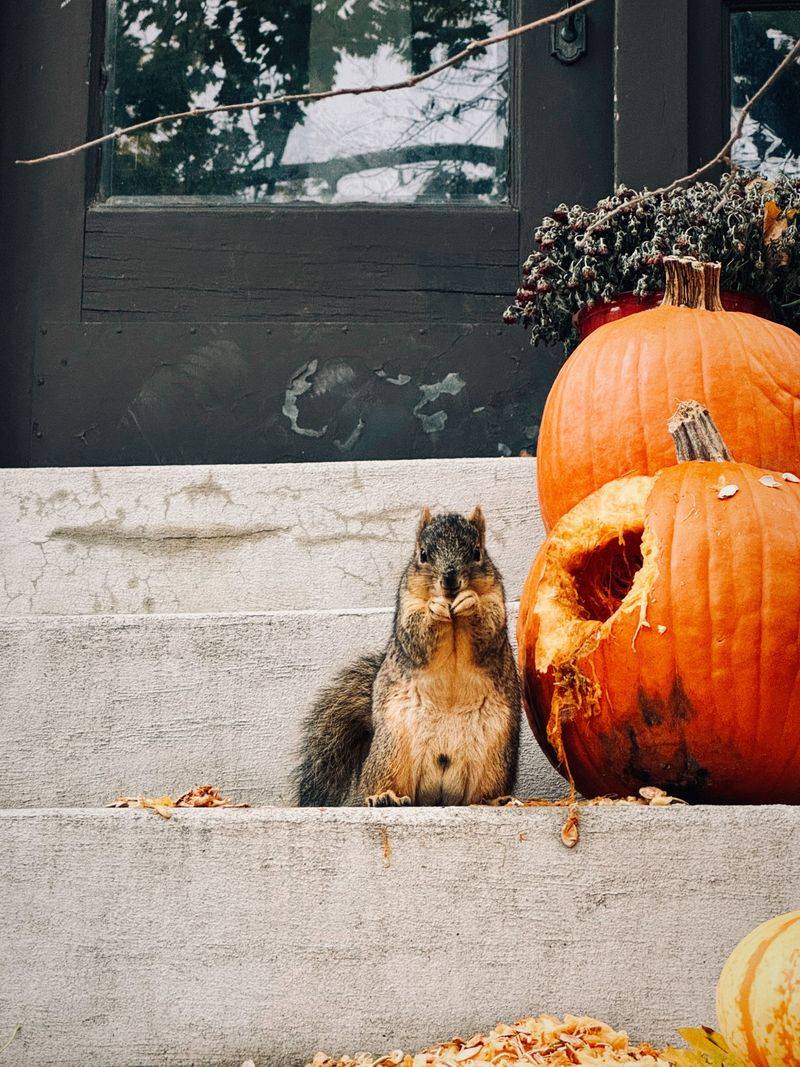
Sharing your jack-o’-lantern with backyard animals sounds sweet. Wildlife experts, including the U.S.
Fish and Wildlife Service, actually ask people not to do it.
Pumpkin piles can pull raccoons, opossums, rats, and squirrels closer to homes. More animals crowded around one food source can spread illness between them, and it can lead to problems with pets and people.
Carved pumpkins often carry candle wax, paint, or mold that is not healthy for animals. Feeding wildlife human-provided food also teaches them to visit yards for handouts, something the Florida Fish and Wildlife Conservation Commission discourages.
The state law also forbids intentionally feeding certain animals, such as bears, alligators, and sandhill cranes. A pumpkin left in the wrong place could attract a bear in parts of north and central Florida.
I know it feels kinder to leave a treat out. Honestly, the kinder choice is giving native plants a boost so birds and pollinators find natural food on their own.
Compost that pumpkin, and grow some firebush or beautyberry with the result. You will still be feeding wildlife, just in a way that works with nature.
Watch for Fruit Flies, Ants, and Mystery Pumpkin Sprouts
Fruit flies can find a soft pumpkin in what feels like minutes. Ants, roaches, and rodents are not far behind, especially in our warm climate where pests stay busy almost all year.
Keeping pumpkin pieces buried inside your compost or deep in a trench solves most of these problems. A quick layer of dry leaves or soil over fresh scraps works wonders against flies.
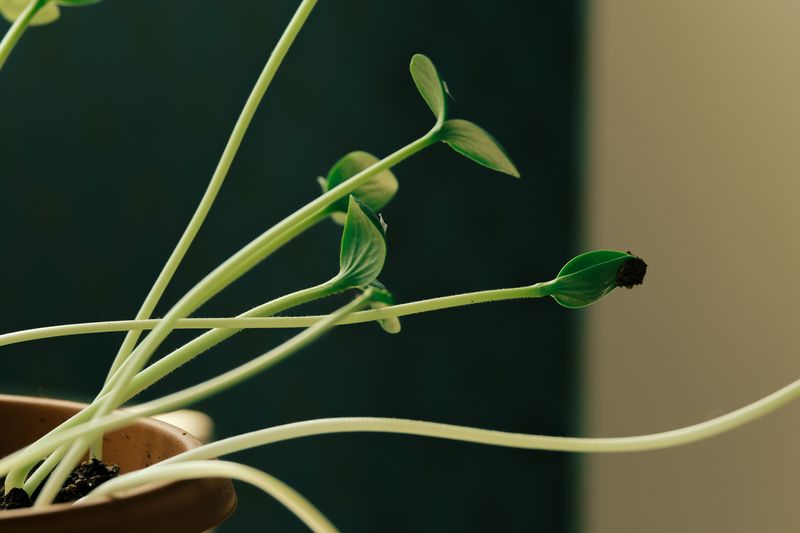
Seeds are the sneaky surprise. They often sprout weeks later as volunteer vines, popping up right in the middle of your compost or garden bed.
You can pull them or let one grow for fun. Just know that pumpkins struggle in humid weather, where powdery mildew, downy mildew, and pickleworms are common troubles for squash family crops.
Jack-o’-lantern seeds also come from varieties bred for carving, not flavor. Many are hybrids, so any pumpkins you get may look different from the parent.
If you would rather avoid sprouts entirely, scoop the seeds out before composting. Roast them with a little salt for a crunchy snack, and your pile stays seed-free.
Community Pumpkin Smash Events Make Recycling a Party
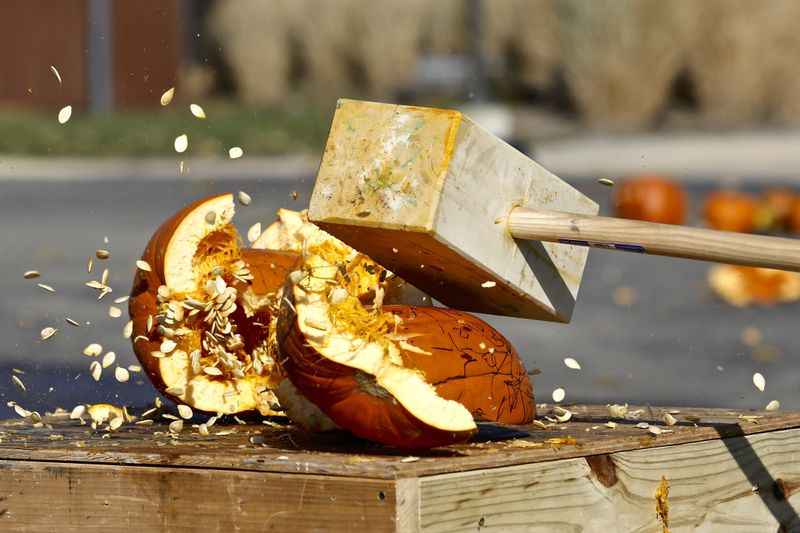
Not everyone has room for a compost pile, and that is perfectly fine. Several Florida communities host pumpkin drop-offs and smash events every November.
Alachua County and the City of Orlando have both offered pumpkin composting programs in recent years. Some community gardens, farms, and schools also collect plain pumpkins for their own compost piles.
Check your county’s solid waste or extension website in late October for the current year’s options. Programs change, so a quick search or phone call saves you a wasted drive.
Most programs ask for clean pumpkins only. That means no paint, glitter, wax, or stickers, so peel off decorations before you load the car.
I love these events because kids get to stomp, toss, and smash pumpkins with full permission. It turns a messy chore into a family tradition that teaches where food scraps belong.
Wherever your pumpkin ends up, the big takeaway stays the same. Keep it out of the trash, give it air, and let it feed the soil.
Next Halloween, carve with that plan in mind, and your garden will thank you for every grin.