Seal Your Window Gaps Before This Venomous Insect Moves Into Your Indiana Home
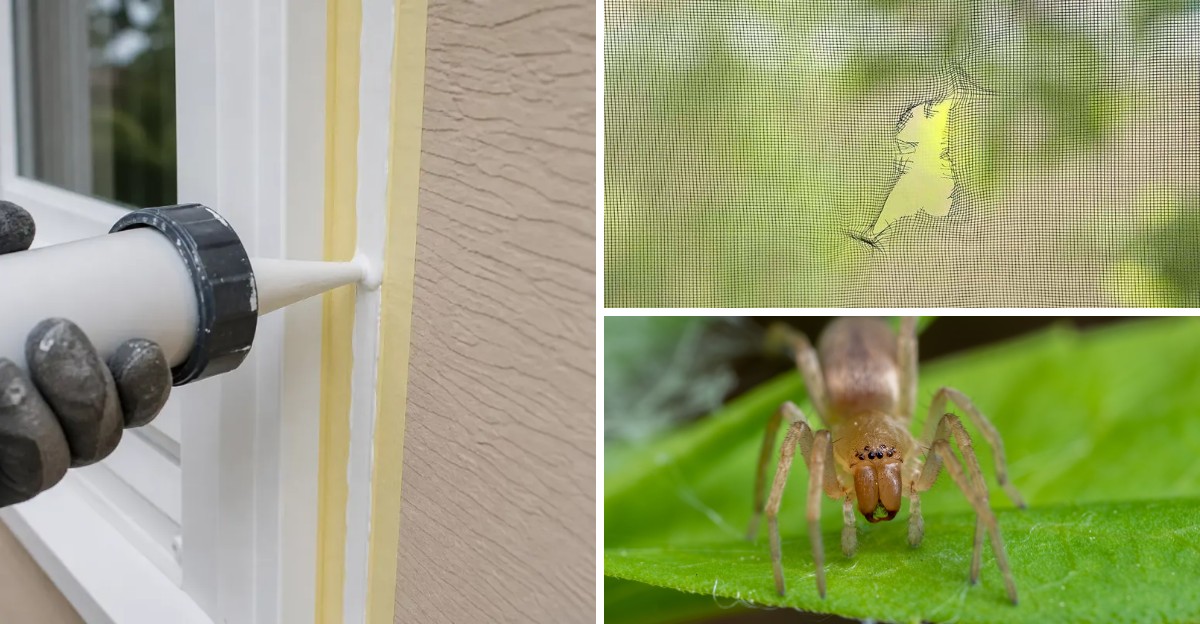
A single female of this house-loving critter can live several years and go months without a meal. That patience is exactly why it wins so many quiet standoffs with homeowners.
I’ll be honest, I used to blame every odd bump on my arm on it. Turns out most of those bumps had nothing to do with it, and experts say misdiagnosis happens a lot.
Here in Indiana, this shy hunter prefers cardboard boxes, wall voids, and forgotten boots over open lawns. It slips through cracks thinner than a pencil and rarely makes a fuss about it.
You’d think a venomous visitor would announce itself, but this one mostly stays hidden until a shoe or a sleeve presses it against skin. So what does it actually look like, and how small is the door it uses?
That Violin-Marked Brown Spider Has Bigger Ideas Than Staying Outside
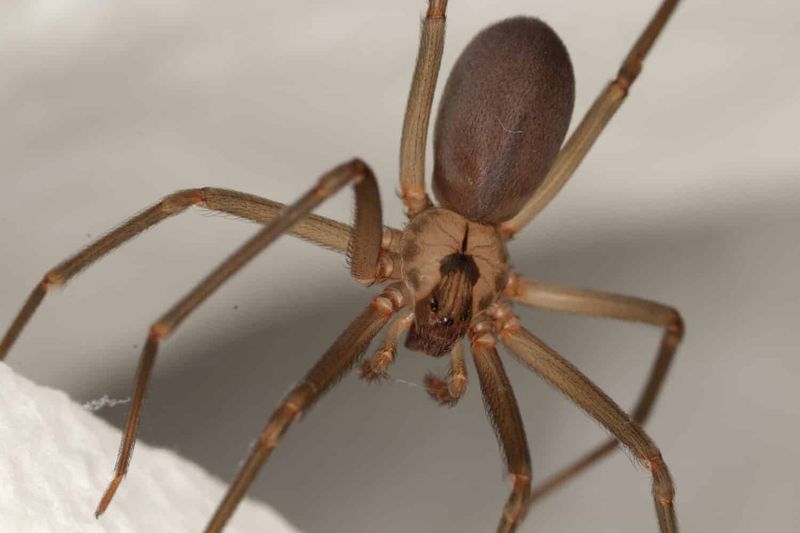
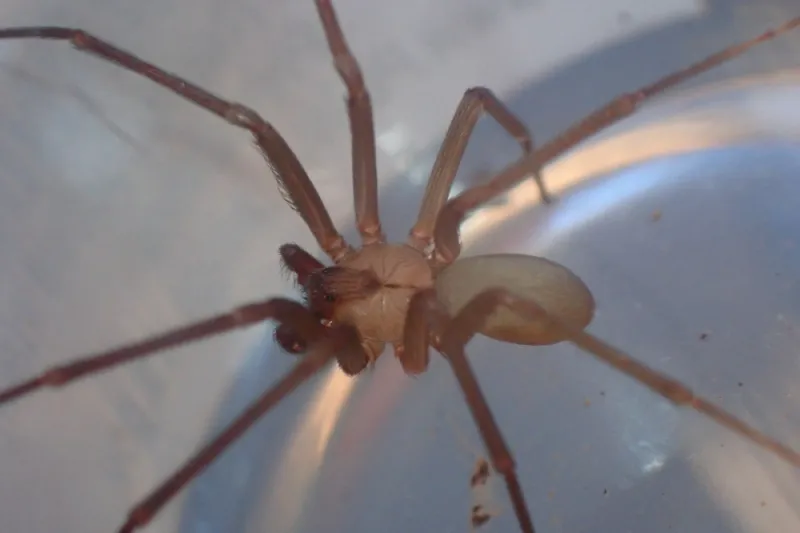
Funny thing about the so-called venomous insect in the headline. It is not an insect at all, but a spider called the brown recluse, and it carries eight legs instead of six.
Purdue University entomologists note that brown recluse spiders show up mostly in southern Indiana, with far fewer reports farther north. Homes there can host them for years without anyone noticing, since the spiders hunt at night and hide by day.
Their goal inside a house is simple. They want dry, quiet spaces with steady temperatures and a supply of small insects to eat. Wall voids, attics, closets, and stacks of stored boxes check every box on that list.
Most activity runs from roughly March through October, when spiders wander in search of food and mates. As nights cool in late summer and fall, people tend to notice them more indoors, mostly because the spiders are already settled and moving around.
Here is a quirky bit worth sharing at dinner. Brown recluses can survive many months without food, which makes them tough to starve out. That patience is exactly why keeping them from entering matters more than chasing them later.
Torn Window Screens And Worn Weatherstripping Need Attention Now
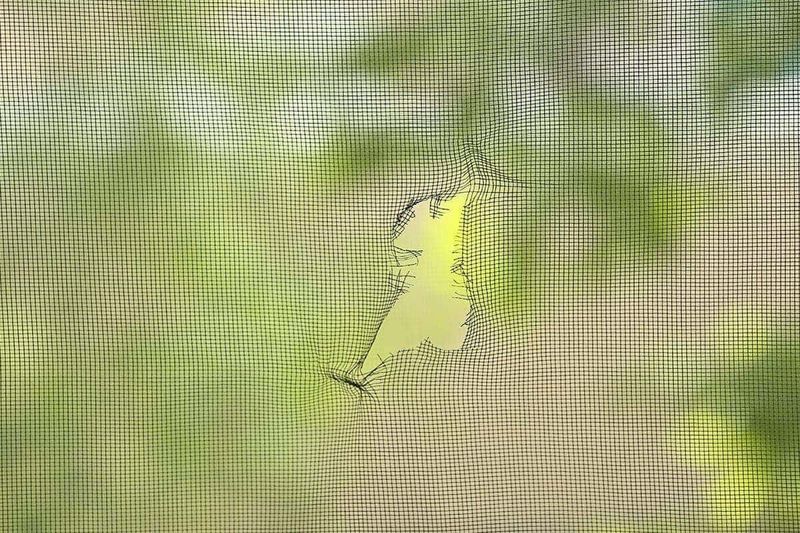
Guilty as charged, I once ignored a screen with a hole the size of a quarter for two whole summers. Moths, beetles, and who knows what else treated it like a revolving door.
A torn screen invites spiders in two ways. It lets them crawl straight through, and it lets in the insects they love to eat, which gives them a reason to stay.
Rescreening is cheaper than most people expect. A roll of fiberglass mesh, some rubber spline, and a spline roller from the hardware store will fix most standard frames in under an hour.
While the window is open, press on the weatherstripping along the sash. Foam that feels flat, cracked, or crumbly no longer seals, and light peeking through means a spider can follow.
Peel off the old strip, clean the channel, and press in new adhesive foam or V-strip seal. Older double-hung windows often benefit from both.
Do not skip basement windows and window wells. Clear covers over wells keep leaves and critters from piling up right beside the glass, where spiders like to wait for an opening.
Gaps Under Doors And Around Pipes Sneak Spiders Inside Too
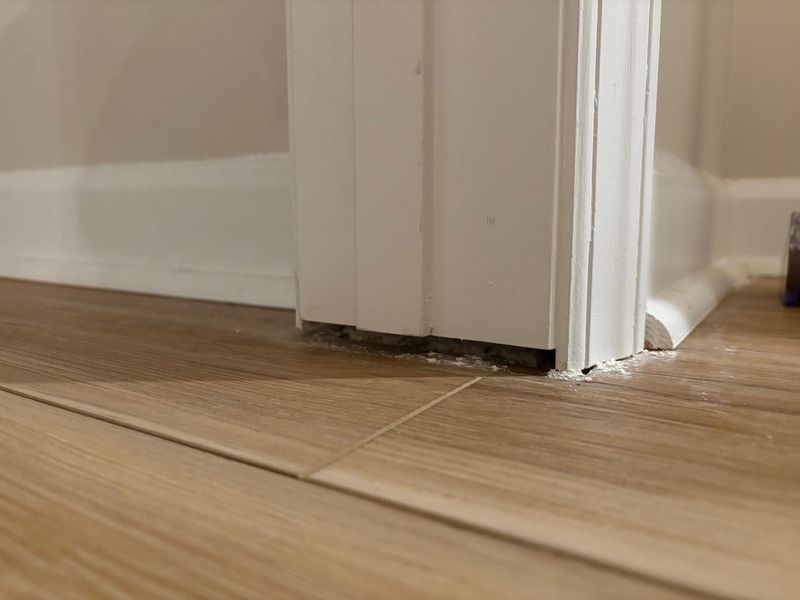
Windows get the headline, but doors and utility lines are sneaky sidekicks. A gap under a back door can look harmless while letting crawling pests stroll right in.
Lie on the floor at night with a flashlight shining from outside. If you see light under the door, a door sweep is worth the few dollars it costs.
Now walk around the house and look where pipes, cables, dryer vents, and air conditioner lines pass through the walls. Builders often leave rough openings around these spots.
Fill small gaps with caulk and larger ones with expanding foam or copper mesh. Cover attic and crawl space vents with fine screen instead of blocking them, since your home still needs airflow.
Foundation cracks deserve a look as well. Hairline gaps where siding meets concrete can be sealed with masonry caulk, while wide or growing cracks call for a contractor.
Pest pros say exclusion works best as a full loop around the house. Sealing every window perfectly while leaving a garage door gap is a bit like locking the front door and propping open the back.
Caulking Cracked Window Frames Shuts The Main Door
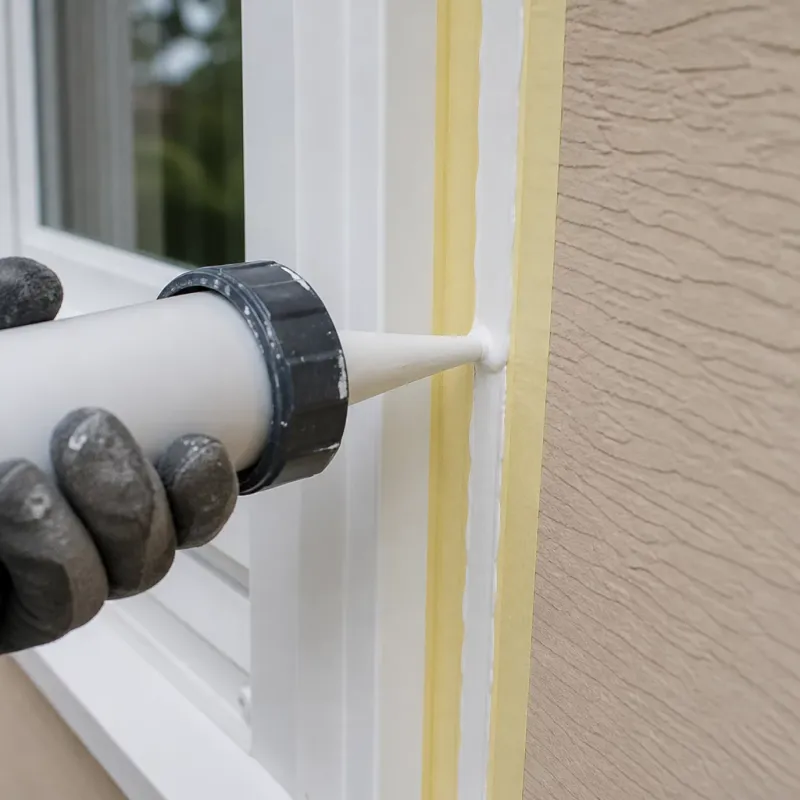
My first caulking job looked like a toddler decorated a cake. It still worked, and that taught me neatness matters far less than coverage.
Small cracks around window frames are among the easiest ways for a brown recluse to slip inside. If you can slide a business card into a gap, a young spider can likely squeeze through it too.
Start outdoors on a dry day above 40 degrees. Scrape away old, crumbling caulk with a putty knife, wipe the surface clean, and let it dry before you begin.
Choose silicone, siliconized acrylic, or polyurethane caulk for exterior joints, since they handle moisture and temperature swings well. Run a steady bead where the frame meets siding or brick, then smooth it with a wet finger or a caulk tool.
Head inside and repeat around interior trim where you spot gaps. Check corners closely, because settling houses often open tiny splits there.
A bonus perk shows up on your utility bill. Sealed windows hold heat in winter and cool air in summer, so this weekend chore pays you back in more ways than one.
Cardboard Boxes In The Basement Make Perfect Spider Hideouts
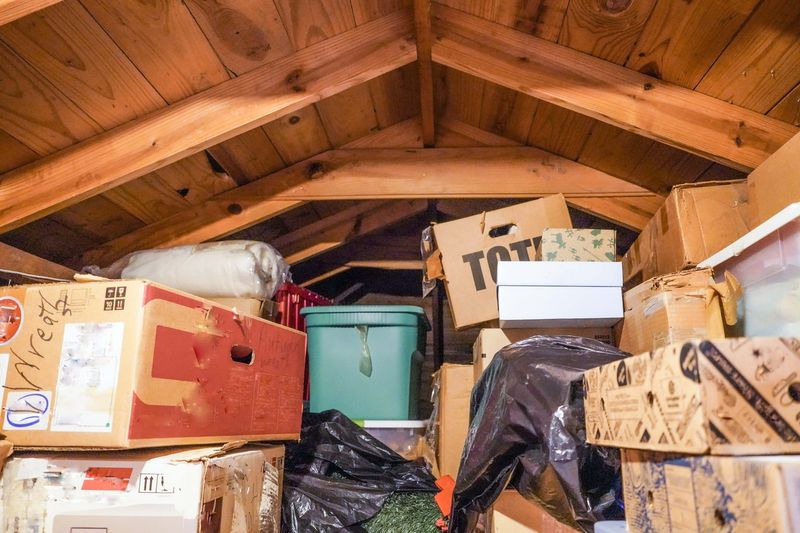
Cardboard is a brown recluse dream home. It is dark, dry, full of folds, and rarely moved, which is basically a five-star rating in spider terms.
Basements, attics, garages, and closets packed with old boxes give spiders endless places to rest and lay egg sacs. Even a well-sealed home can host a population if stored clutter goes untouched for years.
Swap cardboard for clear plastic bins with tight lids. You can see what is inside, and spiders cannot crawl into the contents.
Lift stored items off the floor with shelving, and keep things a few inches away from walls. That small gap makes it harder for spiders to travel unseen.
Clothing, shoes, and bedding lying on floors deserve special attention. Most bites happen when someone slips on a shirt or shoe where a spider was hiding.
Shake out garden gloves and boots before wearing them, especially items stored in the garage or shed. I keep my gloves in a sealed tub now, and my nerves thank me every spring.
Move beds slightly away from walls and keep bed skirts off the floor for an extra layer of comfort at night.
Sticky Traps And A Vacuum Tell You What Lives Inside
Curious whether your sealing efforts paid off? Simple glue boards from the hardware store act like little security cameras for crawling pests.
Place them flat along baseboards, behind furniture, under beds, and near water heaters or furnaces. Brown recluses tend to travel along edges, so walls are prime spots.
Check the traps every week or two and replace them when dusty. Several brown spiders on one trap point to a hot spot that needs more sealing or decluttering nearby.
A vacuum with a crevice tool is your best cleanup buddy. Run it along corners, under furniture, and behind appliances to pick up spiders, webs, and egg sacs.
Empty the canister or seal the bag outdoors right away so nothing crawls back out. It sounds fussy, but it takes seconds.
Many spiders in Indiana homes are harmless species like cellar spiders or wolf spiders. Look for six eyes in pairs, uniform leg color, and a dark violin shape on the front body section before assuming you found a recluse.
If you are unsure, Purdue Extension and local extension offices can help identify a specimen.
A Recluse Bite Rarely Matches The Scary Stories

Plenty of rumors float around about this spider, so let me set the record straight. Brown recluses are not aggressive, and they do not chase people.
Bites usually happen when a spider gets pressed against skin inside clothing, shoes, or bedding. Many bites cause only mild redness, though some can produce a blister or an open sore over several days.
Venom from this spider can damage tissue, and a small number of people develop fever, chills, or nausea. Serious outcomes are very rare, but any suspected bite deserves a call to a doctor.
Clean the area with soap and water, apply a cool compress, and keep the limb raised. Skip home remedies like cutting the wound or using heat.
If you can safely catch the spider in a jar, bring it along. A real specimen helps doctors rule things in or out.
Medical researchers point out that many wounds blamed on brown recluses turn out to be bacterial infections, including MRSA, or other skin conditions. Getting a proper diagnosis matters, since treatment for those problems is quite different.
For bites, the Indiana Poison Center is available any hour at 1-800-222-1222.
Trim Shrubs And Move The Woodpile Away From Your House
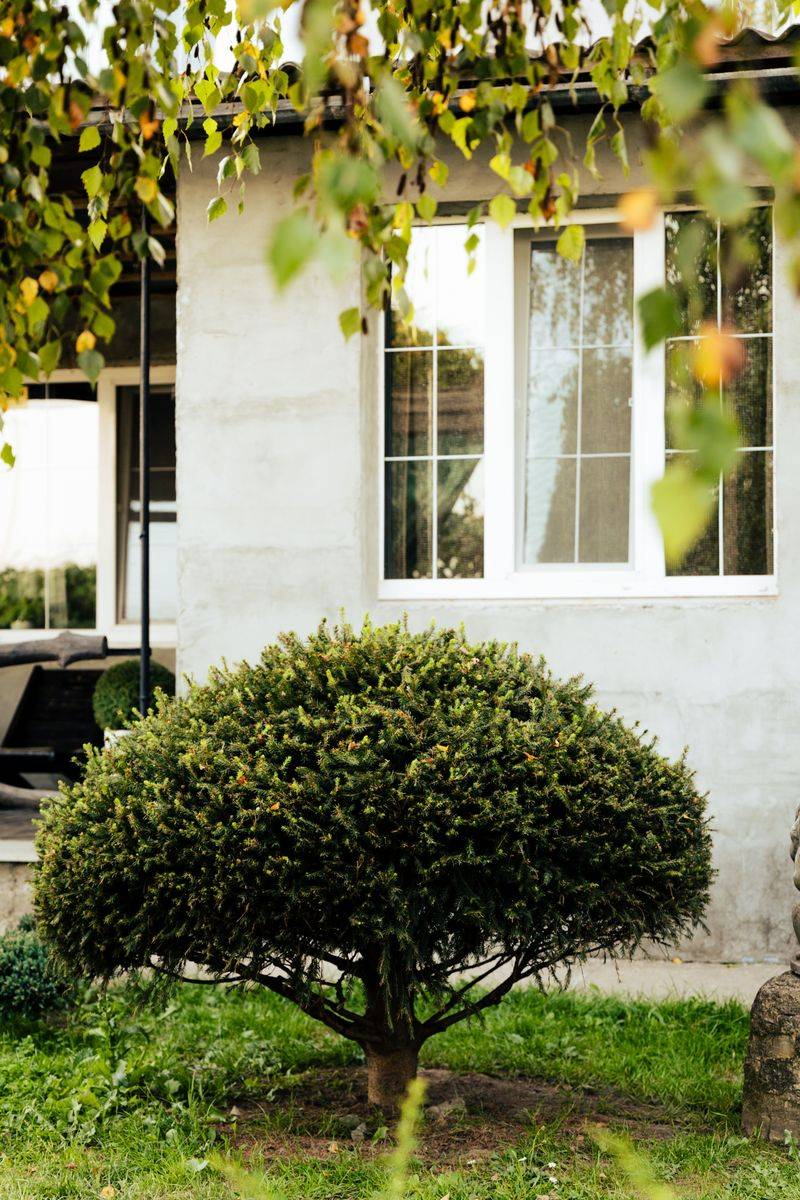
Gardeners, this part is right in our wheelhouse. The landscape around your foundation can either welcome spiders closer or nudge them farther away.
Trim shrubs, vines, and tree limbs so they do not touch siding or windows. Branches act like bridges, carrying spiders and insects straight to those gaps you worked hard to seal.
Store firewood at least 20 feet from the house and keep it raised off the ground on a rack. Bring in only what you will burn soon, and knock each piece before carrying it inside.
Leave a narrow strip of gravel or bare soil next to the foundation instead of thick mulch piled against the walls. Pull away leaf heaps, stacked pots, and old lumber too.
Outdoor lights draw insects at night, and those insects draw hungry spiders. Yellow bulbs or motion sensor lights near doors attract fewer bugs.
A quick fall walk around your Indiana home, caulk gun in hand, makes a smart yearly habit. If you still find many recluses after sealing and cleaning, a licensed pest professional can help with targeted treatment that fits your space.