Mushrooms At The Base Of Your Florida Tree? Look Up Before You Mow Them Down
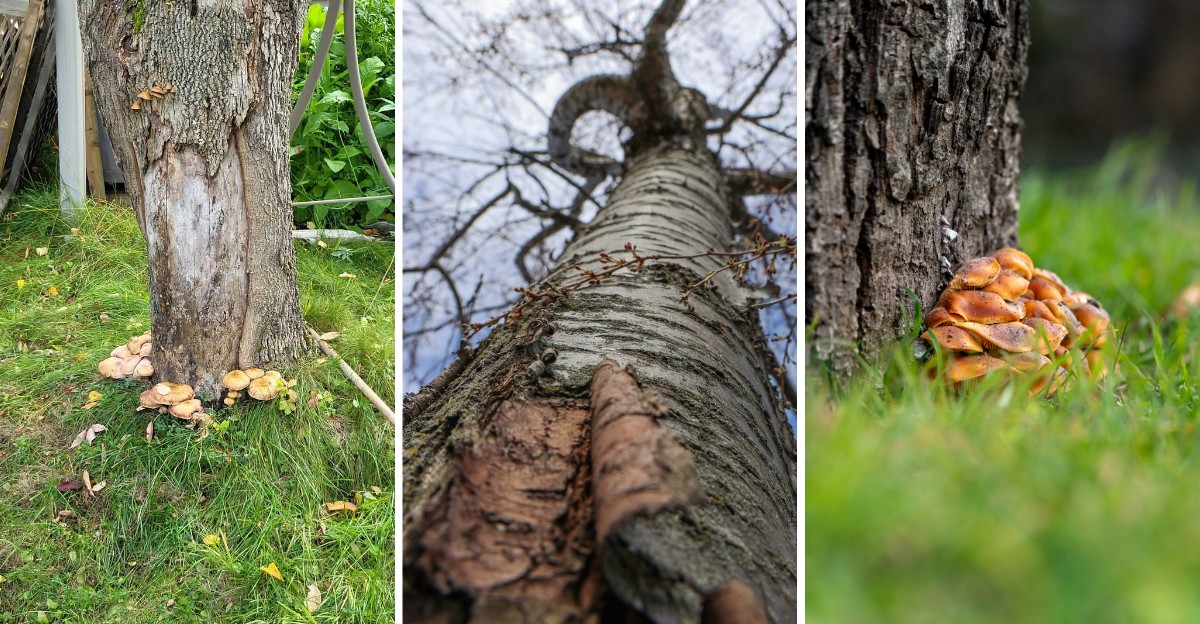
You spot a cluster of pale mushrooms at the foot of your oak after a wet week, and your first instinct is to grab the mower and level them. Hold your horses.
Those little caps could be the loudest alarm bell in your yard.
Florida’s heat and summer rain make fungi pop up like weeds, and most are harmless. Some are not.
A few signal that the roots below have gone soft and the wood inside has started to rot, long before the tree shows a single sign of trouble. By the time branches fall, the damage is old news.
Your neighbor will tell you to ignore them. Before you buy that advice, step back, tilt your head, and give the crown a good hard look.
The leaves will spill the beans. Stick around, because what you see up there could save your roof, your car, and a small fortune.
Mushrooms At The Trunk Base Can Signal Big Trouble
Picture a quiet Saturday morning in Tampa. A homeowner spots golden caps hugging the bottom of her old oak and shrugs them off as lawn decor.
That shrug can be a costly mistake. When mushrooms or shelf-like growths sprout right from the trunk, root flare, or big roots, they usually point to decay inside the wood.
Mushrooms are the fruit of a much larger fungus. Most of that fungus lives out of sight, feeding on the tree’s tissue like a hidden tenant who stopped paying rent.
Not every mushroom in your yard is a villain, though. Plenty of them just munch on mulch, buried lumber, or old roots from a tree removed years ago.
The key is location and look. A lone mushroom out in the grass is usually harmless.
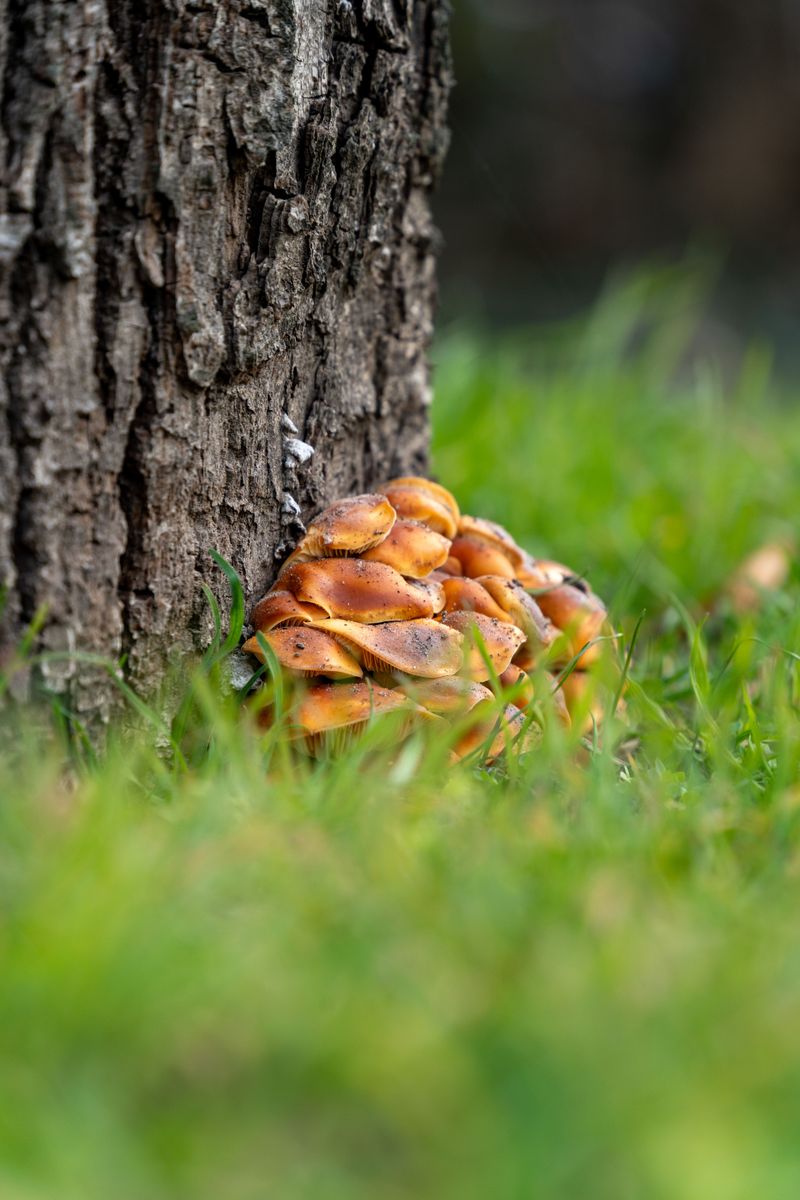
A honey-colored cluster near the base or over the roots, or any growth coming straight out of the bark, deserves a closer look.
Here is a simple habit worth building. Snap a photo of any growth attached to the tree, note the date, and check if it returns after rainy spells.
Those photos help a tree expert later. They show patterns you might forget, like how often caps appear and how big they get.
Treat attached mushrooms as a polite knock on the door. Answering early gives you far more choices than waiting for a loud crash during hurricane season.
They Often Mean Decay Is Already Inside The Roots
Think of mushrooms as the tip of an iceberg. By the time they show up, the fungus has usually been working underground for a good while.
Fungi rarely barge in through healthy bark. They slip in through wounds, crushed roots, or weak spots left by digging, construction, or old injuries.
Once inside, they start breaking down wood bit by bit. The roots that anchor the tree and drink up water slowly lose their strength.
Roots work like a straw and an anchor at the same time. When decay damages them, the tree struggles to pull up water and nutrients from the sandy Florida soil.
That shortage shows up later in the leaves and branches. Meanwhile, the anchor job weakens too, which matters a lot when strong winds roll in from the Gulf.
A fun fact might surprise you here. Some fungal networks underground can stretch wider than the tree’s canopy, linking roots across a whole yard.
So what can you do right now? Avoid piling soil or mulch against the trunk, and skip trenching near big roots whenever possible.
Also keep heavy trucks and trailers off the root zone. Packed soil stresses roots and opens the door to more decay down the road.
Armillaria And Ganoderma Are Common Culprits
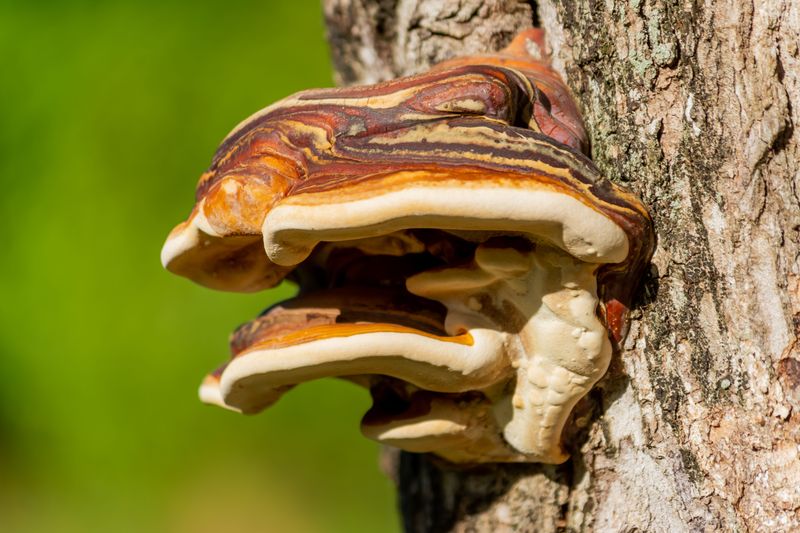
Meet the two troublemakers Florida arborists talk about most. One shows up in cheerful honey-colored bunches, and the other looks like a shelf bolted to the bark.
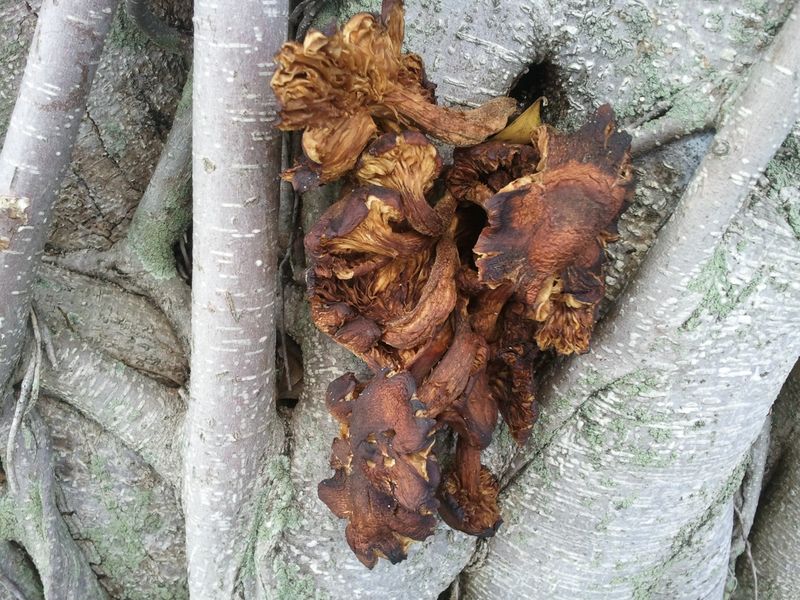
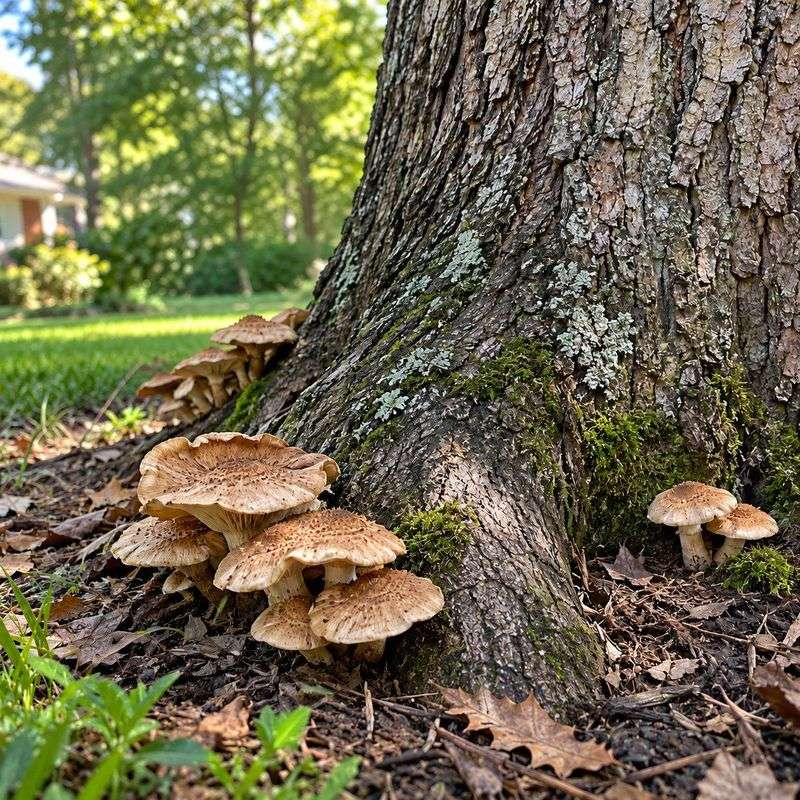
Armillaria, often called honey mushroom, forms clusters of yellow to tan caps. The most common Florida type has no ring on the stem at all, and it loves moist weather.
This fungus attacks roots and the base of the tree. It spreads through dark, shoestring-like strands called rhizomorphs, and it often targets trees already under stress.
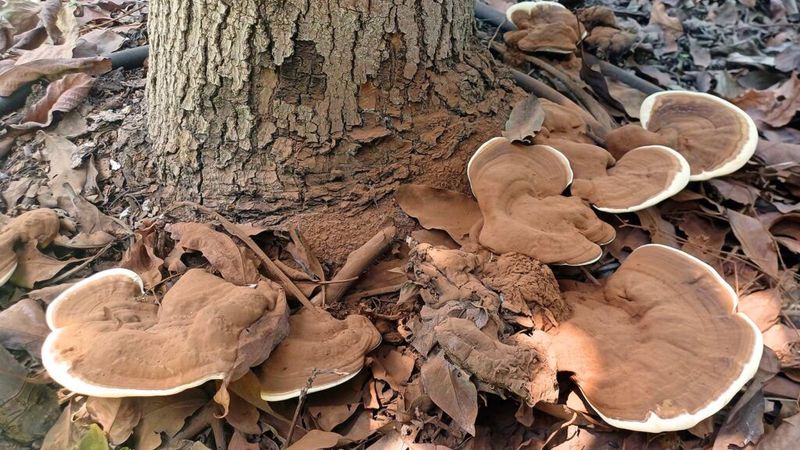
Ganoderma zonatum is the other big name. It causes butt rot in palms, while related Ganoderma species cause similar decay in oaks and other hardwoods.
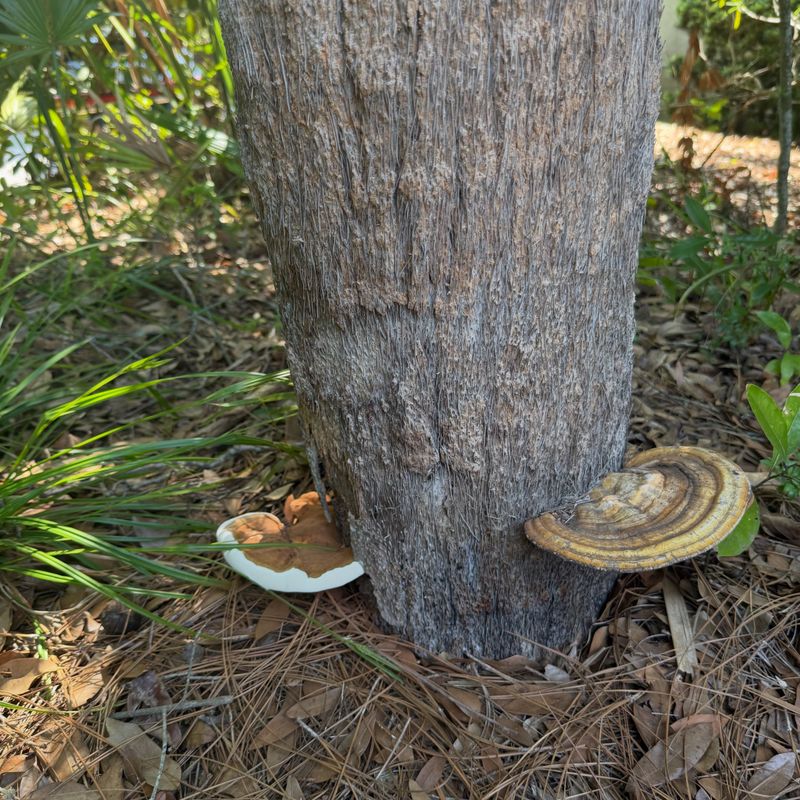
Its fruiting bodies are called conks. They start soft and white, then harden into reddish-brown shelves with a pale underside.
Those conks can puff out rusty spores. You might even notice a brown dust coating the trunk or nearby plants.
In palms, it eats away the lower four to five feet of the trunk. Sadly, there is no known treatment once conks appear.
Knowing these names helps you describe what you see. An expert can then confirm the type and suggest the safest next step for your yard.
Look Up For Thinning Or Fading Leaves
Grab a lawn chair and tilt your head back for a minute. The canopy can tell you what the roots are too quiet to say.
A healthy Florida oak usually looks full and leafy. When you can suddenly see lots of sky through branches that used to be thick, something may be wrong below.
Watch for leaves that seem smaller than normal. Yellowing or early fall colors in the middle of summer are other red flags.
These changes often mean the tree is thirsty. Damaged roots simply cannot deliver enough water and food to the top.
Comparing photos helps a lot here. Take a picture of the canopy from the same spot each spring and fall.
Over a few seasons, slow thinning becomes easy to spot. Without photos, gradual changes can sneak right past even careful eyes.
Keep in mind that drought, cold snaps, and pests can also cause thinning. That is why leaves alone are not proof of rot.
Still, thinning plus mushrooms at the base is a combo worth taking seriously. Put both clues together, and you have a strong reason to call in help.
Watch For Bare, Leafless Branches In The Canopy
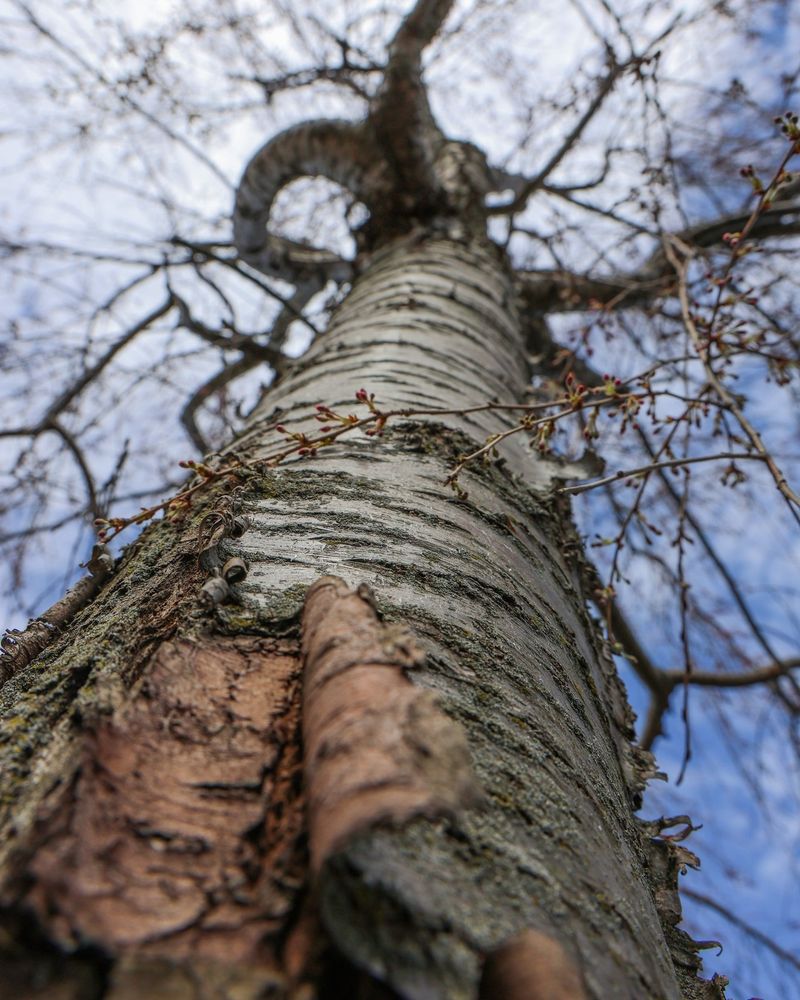
Ever notice a branch that looks like a bony finger poking out of a green crown? Arborists call this decline, and it is a warning worth heeding.
Bare limbs often show up when the tree’s plumbing breaks down. The tissues that move water and nutrients may be clogged or damaged by decay.
Usually the tips go first. Then the bare section creeps closer to the trunk over months or years.
Here is a quick backyard test. In late spring, when most trees are fully leafed out, count the bare branches you see.
One small twig is no big deal. Several large limbs without leaves, especially high up, suggest serious stress.
Those leafless limbs bring a safety concern too. Brittle wood can snap during summer storms and land on roofs, cars, or patios.
Keep kids’ play areas and parked vehicles away from the drip line until someone checks things out. A little caution beats an insurance claim.
Write down which side of the tree has the bare limbs. Damage on one side can hint at root trouble in that same direction, which gives an expert a head start.
A Tree Can Look Healthy Even With Ganoderma Inside
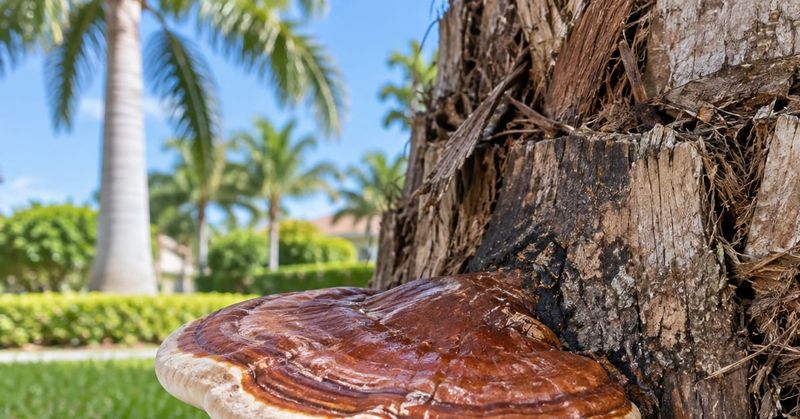
Here is the sneaky part. A tree can wear a full green coat while its lower trunk is quietly falling apart inside.
Ganoderma is famous for this disguise. The fungus breaks down structural wood near the base without leaving soft spots, cracks, or holes on the outside.
Infection often begins underground. By the time anyone sees a conk, the inner damage may already be past repair.
That makes it tricky for homeowners. You cannot judge this kind of rot by leaves alone, no matter how glossy they look.
Palm owners should pay special attention. Ganoderma butt rot hits many palm species in Florida, and a lush crown does not guarantee a solid trunk.
So what is a smart move? Walk around the base of each big tree once a month, especially after the rainy season starts.
Look for any shelf, bump, or white growth on the lower trunk, up to about five feet on palms. Check behind shrubs and under ivy, where conks love to hide.
If you find one, avoid knocking it off and moving on. Removing the conk does not stop the decay, and it hides the evidence an expert needs to see.
Laurel And Water Oaks Are Especially Prone To Decay
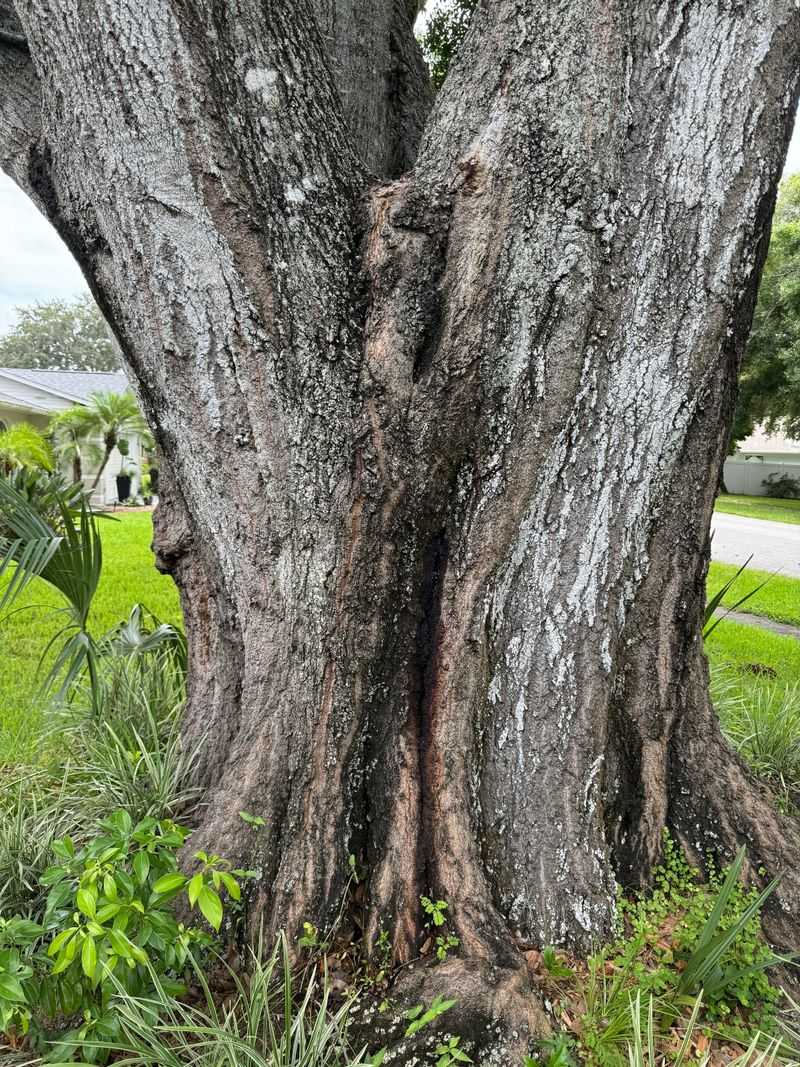
Not all oaks are built the same. Live oaks are the tough grandparents of Florida, but laurel and water oaks live faster and wear out sooner.
Laurel oaks typically last 50 to 70 years. They are not good at walling off decay, so rot can spread more easily once it starts.
Water oaks have even shorter lives, often around 30 to 50 years. Many become hollow by about age 40.
Both trees were planted widely in neighborhoods built decades ago. That means lots of Florida yards now hold oaks hitting their senior years.
Mature, decaying laurel and water oaks also stand up to wind less well than other oaks. Hurricane season makes that a real worry.
Not sure which oak you have? Water oak leaves are often shaped like a small spoon or duck foot, while laurel oak leaves are narrow and shiny.
Live oak leaves feel thicker and curl a bit at the edges. A quick photo app or county extension office can help confirm the type.
If you own one of these faster-aging oaks, plan for regular checkups. Knowing its age range helps you budget for care before an emergency forces your hand.
Keep The Mower From Nicking The Trunk
Every bump from a mower leaves a tiny scar. To a fungus, that scar looks like an open front door with a welcome mat.
Lawn mowers and string trimmers are among the top causes of trunk wounds. Over the years, those little nicks add up and invite decay inside.
The fix is pleasantly simple. Create a mulch ring around the trunk, about three to six feet wide if space allows.
Use pine straw, pine bark, or wood chips two to three inches deep. Pull it back a few inches from the bark so the trunk can breathe.
Now the mower has no reason to get close. You also skip trimming right against the bark, which saves time on yard day.
If you hire a lawn crew, have a friendly chat. Ask them to keep blades and trimmer lines away from tree trunks and exposed roots.
Exposed roots deserve protection too. Raise the mower deck or cover shallow roots with a thin layer of mulch.
A bonus perk comes with that mulch ring. It holds moisture in sandy soil, keeps roots cooler, and makes your landscape look neat and polished.
Have An ISA-Certified Arborist Check The Tree
Some jobs belong to a pro, and judging tree decay is one of them. An ISA-Certified Arborist has trained to spot problems most of us would miss.
ISA stands for the International Society of Arboriculture. Its certified members pass an exam and keep learning to hold onto their credential.
During a visit, an arborist studies the trunk, roots, and canopy. They may tap the bark with a mallet, listening for hollow sounds like a doctor checking a patient.
Some use special tools to measure decay inside the wood. These tests help reveal how much solid wood is left without cutting the tree down.
Afterward, you get a clear plan. It might include pruning, soil care, regular checkups, or removal if the tree poses a real risk.
Finding a qualified expert is easy. The ISA website lets you search for certified arborists by zip code.
Ask for proof of insurance and a written estimate before work begins. A good arborist will gladly explain findings in plain language.
Bring your photos and notes to the visit. Those records of mushrooms, thinning leaves, and bare branches can turn a guess into a confident decision.