Pick Your Florida Roselle This Way in November and the Plant Keeps Producing Until the First Cold Night
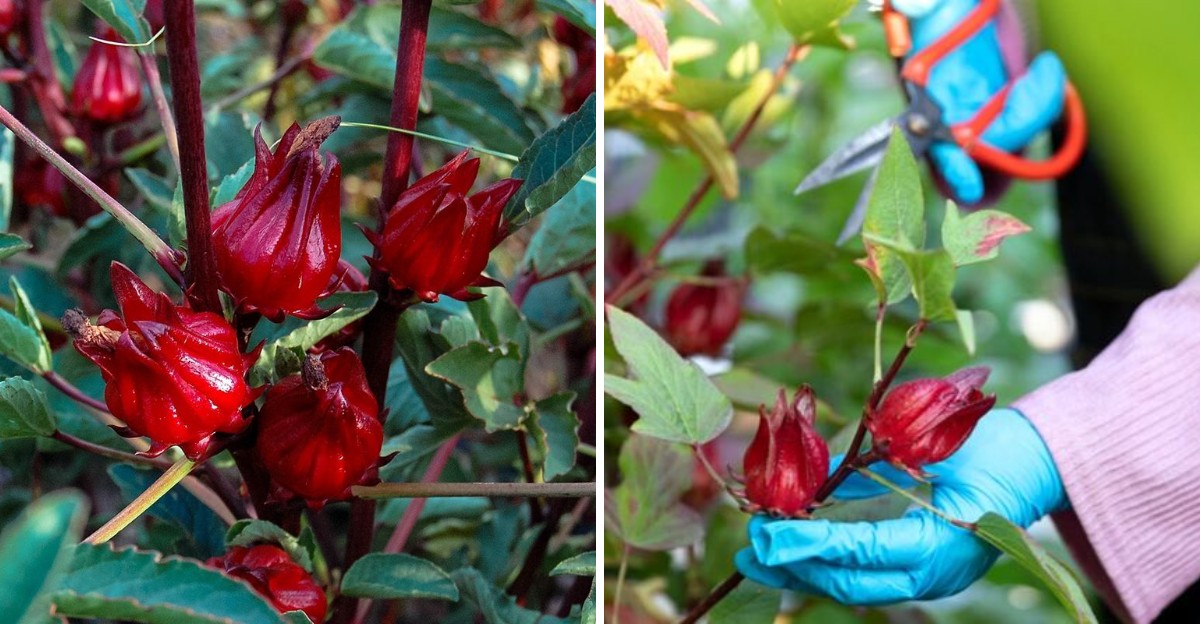
A shrub in your yard can bloom only after the days get shorter, and its flowers last just one day. Those fleeting yellow blossoms leave behind fleshy red cups that taste like cranberries.
Old-time Florida gardeners even called it the Florida cranberry. I like how it waits until fall to show off, right when most summer crops are giving up. The plant reacts to shorter days, so the real show starts in October and November.
You’re in for a big surprise once you learn how to harvest it. A few small changes in how you pick can keep new buds forming week after week. Personally, I can’t imagine a holiday table without that tangy red sauce.
A few clever picking habits will keep those ruby cups coming until a chilly night finally calls it quits.
Those Ruby Roselle Calyxes Respond to How Often You Pick
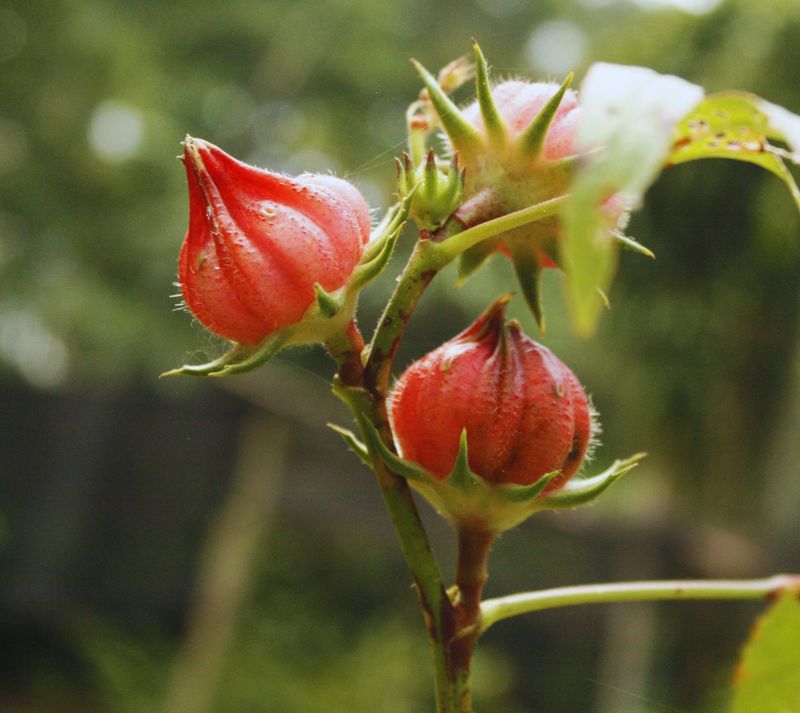
Every red cup you leave on the stem is a little signal to the plant. Once a calyx ripens and the seed pod inside starts maturing, the plant puts its energy into finishing those seeds.
Pick the calyxes while they are young and tender, and the plant keeps trying. It sends out new flower buds along the branches instead of slowing down.
Gardeners and extension sources describe roselle as a steady producer when harvested often, and I see this happen in my own beds every fall.
The trick is consistency. Walk your plants every few days in November and gather anything that looks ready.
Skipping a week lets pods harden and seeds form, which tells the plant its job is nearly done.
Roselle is a short-day bloomer, so flowering starts as nights lengthen in late September and October. That means November is often peak season, not the tail end.
Your harvest window is limited by the calendar and the cold, so making the most of each week matters.
Think of it as a friendly conversation with the plant. You keep picking, and it keeps answering with more blossoms.
Leave a few pods alone only if you plan to save seeds later.
Plump Red Florida Cranberries Are Ready About 10 Days After the Bloom Fades
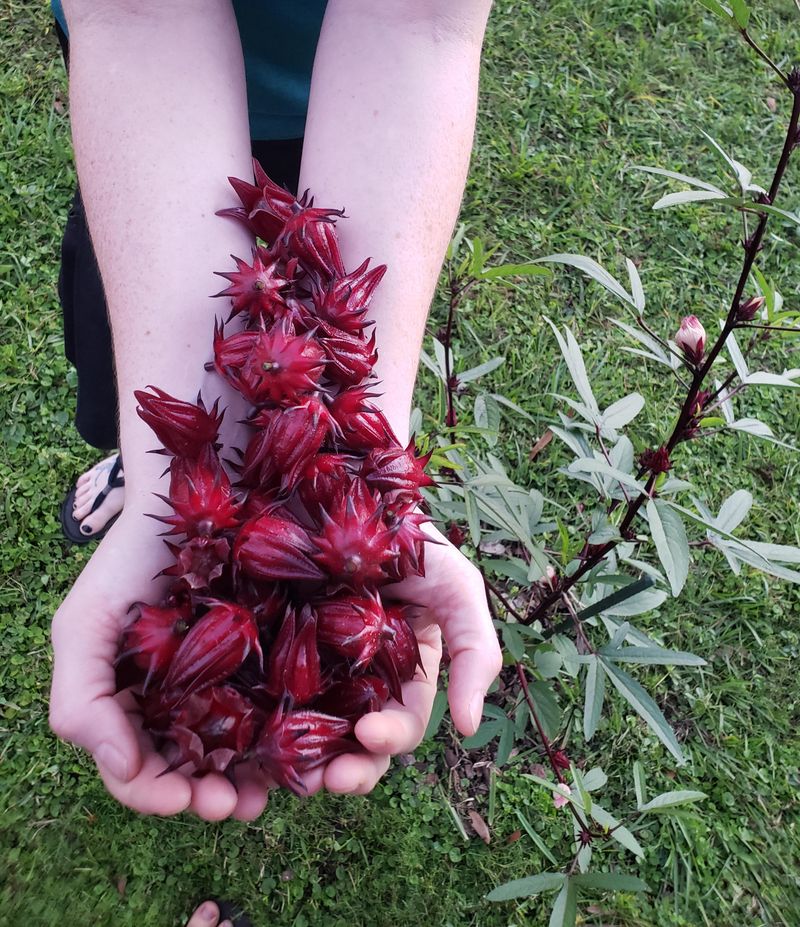
Timing is everything with this crop. The pale yellow flower opens for just one day, then folds up and drops.
After that, the green base swells into the red calyx you want.
Most growers find calyxes ready about 7 to 14 days after the bloom falls, and many aim for around 10 days. A ready calyx feels plump and crisp, looks deep red, and usually measures about 1 to 2 inches long.
It should snap off cleanly rather than bend.
Wait too long and things change fast. The calyx gets tough and woody, the seed pod inside turns brown, and the tart flavor fades.
Those older pods also take more effort to clean.
Here is a simple habit that helps. When you see a spent flower, look at the date and plan to check that spot again in a week and a half.
Some gardeners tie a bit of yarn on the branch as a reminder.
Squeeze gently if you are unsure. Firm and juicy means pick it now.
If the pod inside feels hard and dry, let it finish for seed or toss it into the compost pile.
Grab Garden Snips Instead of Twisting Roselle Pods Off
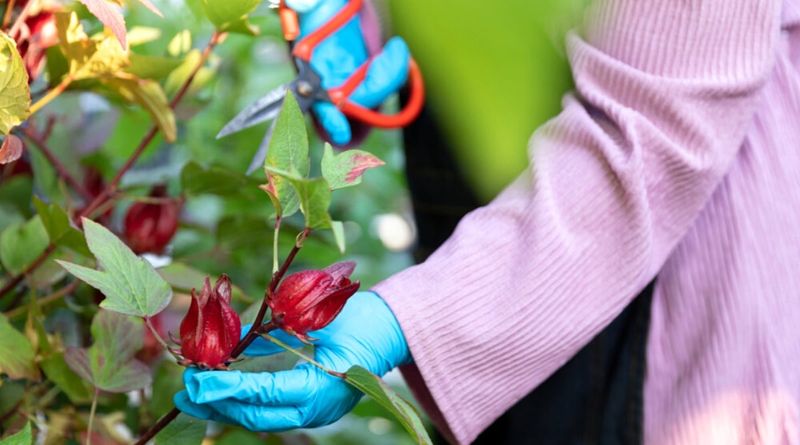
My first roselle harvest involved a lot of yanking, and the plant showed it. Torn bark and broken side shoots meant fewer buds the next week.
Small garden snips or sharp kitchen scissors fix that problem. Cut right where the short stalk meets the branch.
A clean cut heals quickly and leaves nearby buds untouched, so the plant can keep blooming without a setback.
Some fresh calyxes do pop off easily with a quick downward snap. If yours do, that works too.
The goal is to avoid twisting, peeling, or pulling hard on brittle branches.
Wear gloves if your plants have tiny prickly hairs on the stems and pods. Some varieties can leave your fingers itchy after a long picking session.
Once inside, separate the red calyx from the green seed pod. A simple tool makes this easy.
Push a sturdy metal straw or apple corer up through the base, and the pod slides right out.
Rinse the calyxes, then use them fresh or freeze them flat on a tray. Frozen roselle keeps for months and works nicely in sauces later.
Your future self will be grateful in January.
One Frosty Night Ends the Roselle Season, So Watch the Forecast
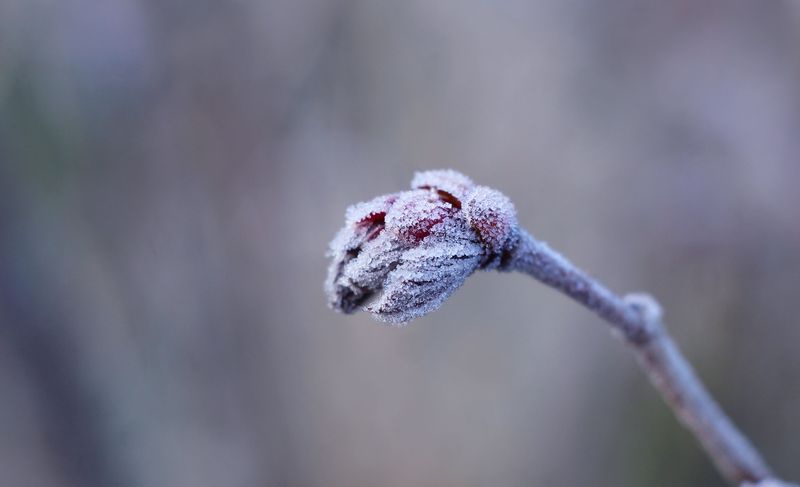
Roselle loves heat and has little tolerance for cold. Light frost damages leaves and young pods, and a hard freeze usually ends the plant for the year.
Where you live in the state makes a big difference. North Florida can see its first frost in late November or even earlier in some years.
Central Florida often waits until December or January. South Florida may skip frost in mild winters, so harvests can stretch longer.
Growth also slows as nights dip into the 40s. Buds may form more slowly, so keep expectations realistic as temperatures fall.
Check your local forecast each evening in November. When a frost warning pops up, pick every usable calyx that afternoon, even the smaller ones.
Slightly underripe calyxes still work well in sauces and tea.
A frost cloth draped over the plant to the ground can protect it from a light chill. Remove the cover in the morning once temperatures rise.
This trick may buy you an extra week or two of harvesting.
Plants in containers have an easy escape route. Roll them into a garage or onto a covered porch for chilly nights.
Ants and Mealybugs on Roselle Pods Mean It Is Time to Pick
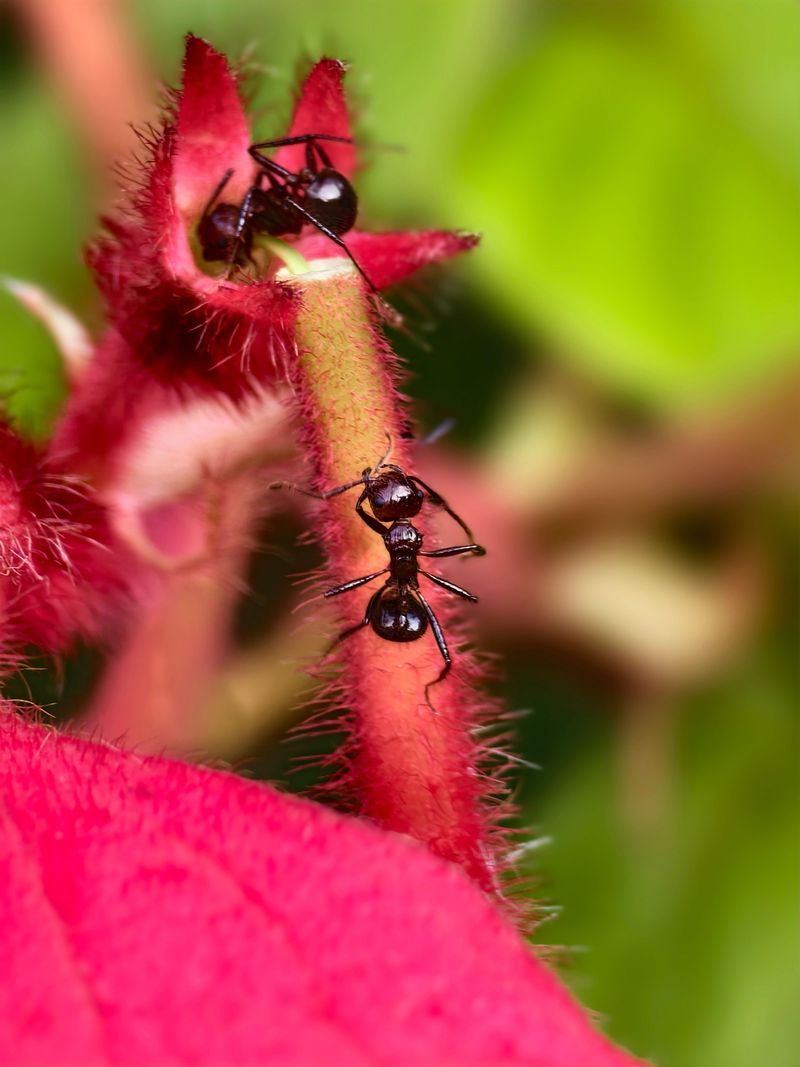
Spot a line of ants marching up your roselle? They are often after sweet nectar from the pods or honeydew made by sap-sucking insects.
Mealybugs are a common partner in that story. These fuzzy white insects can tuck themselves inside calyxes left on the plant too long.
Ants sometimes protect them, which makes the problem grow.
Frequent picking is your best first step. Calyxes harvested on time give pests less room to settle in.
Rinse your harvest well, and peel back the cup if anything looks suspicious inside.
A strong spray from the hose knocks many mealybugs off the branches. Insecticidal soap is another option for heavier spots.
Follow the label and test a small area first.
Underground, root-knot nematodes are a bigger concern in sandy Florida soils. UF/IFAS lists them as a key roselle pest.
Plants may look stunted, and roots show knobby swellings when pulled.
Rotate where you plant roselle each year, and add compost to build healthier soil. Keeping it out of beds where okra, another nematode favorite, grew recently helps too.
Healthy roots mean a stronger plant that keeps flowering into late fall.
Your Roselle Harvest Makes a Tangy Florida Cranberry Sauce
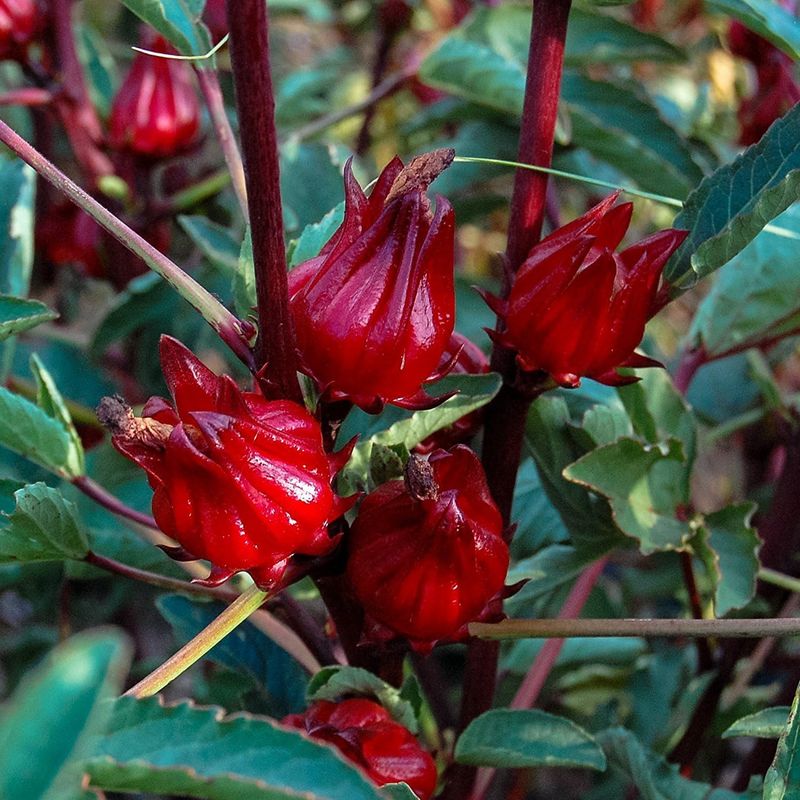
Back in the early 1900s, Florida families leaned on roselle for holiday sauces and jellies. That tradition is why many folks still call it Florida cranberry.
Fresh calyxes are tart, bright, and full of natural pectin. That pectin helps jams and jellies set without much fuss.
A simple sauce takes just calyxes, water, and sugar, simmered until thick and glossy.
Tea is another easy win. Steep fresh or dried calyxes in hot water, then add honey or a splash of orange juice.
The result is a ruby drink served hot or over ice.
Try chopping a handful into muffin batter or tossing them into a fruit crisp. They also blend nicely into smoothies for a sour kick.
Drying is the best way to save extras for months. Spread calyxes on a screen in a warm, airy spot or use a dehydrator on low.
Store them in a sealed jar away from light.
Young leaves are edible too and have a lemony flavor. Some cooks add them to stir-fries or salads.
It feels good to use every part of a plant you worked so hard to grow.
Save a Few Dry Roselle Seed Pods for Next Spring
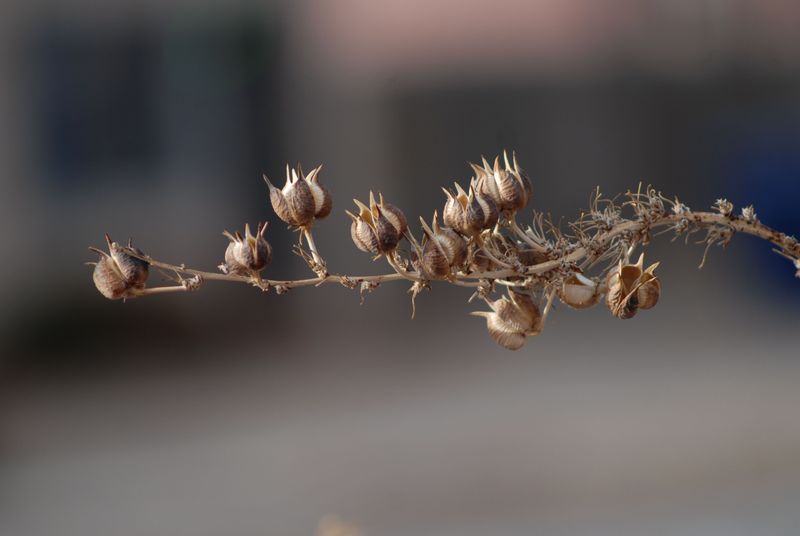
Near the end of the season, I let a handful of pods stay on my best plant. Those few become next year’s garden.
Pick a healthy, productive plant for saving seeds. Leave several calyxes in place and let the pods turn brown and dry on the branch.
They split open when ready, so check often or bag them loosely with a paper sack.
Shake the seeds onto a plate and let them air dry for another week. Then tuck them into a labeled envelope or jar.
Keep them in a cool, dry spot, and they usually stay viable for a few years.
Planting time in our state generally runs from spring into early summer. Starting in that window gives plants time to grow large before short days trigger flowering in fall.
Late planting often means smaller plants and a lighter harvest.
Roselle plants can reach 5 to 7 feet tall, so give them room and full sun. Space them a few feet apart for good airflow.
Sharing extra seeds with neighbors keeps an old Southern favorite alive. One pod can start a whole new patch of fall color.