Brown Bugs With Leaf-Shaped Legs Are Turning Up Indoors Across Indiana
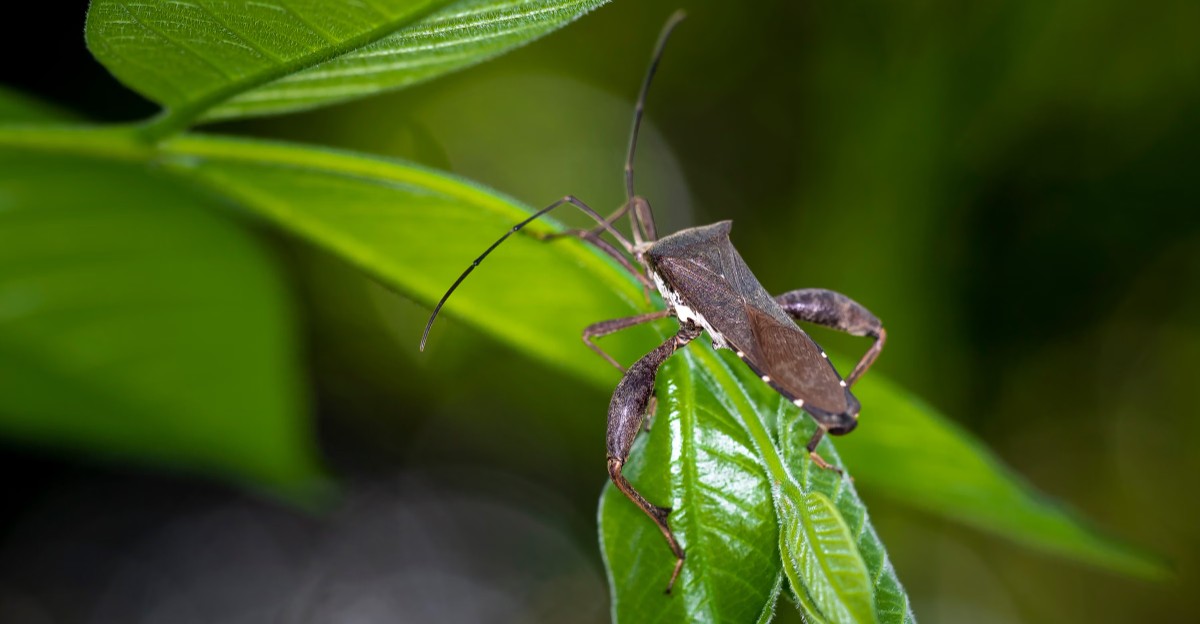
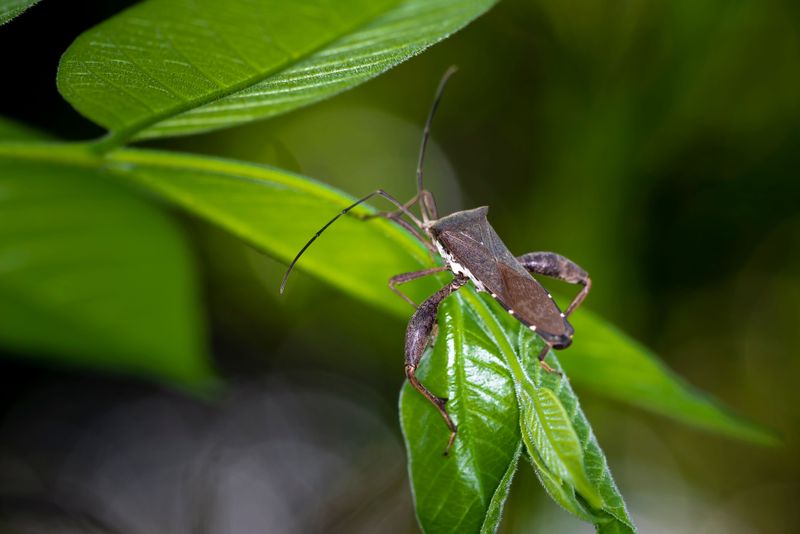
Some of the brown bugs crawling across Indiana windowsills right now have hind legs shaped like tiny, flattened leaves.
The first one I found looked like it had wandered out of a dinosaur documentary. It buzzed past my lamp with a low, clumsy hum, a bit like a bumblebee that forgot where it was going.
There’s another surprise, too. Pinch one, and it releases a sharp smell that some folks compare to pine sap or fresh apples. Others find it far less charming, and I’m not here to argue with them.
You’d think a bug that looks this odd would be up to something sneaky inside your house. The truth is a lot calmer than that, and it starts with the trees in your yard. So what exactly is hiding behind your curtains, and why did it pick your home?
Those Flattened Leaf-Like Hind Legs Belong to a Pine Tree Specialist
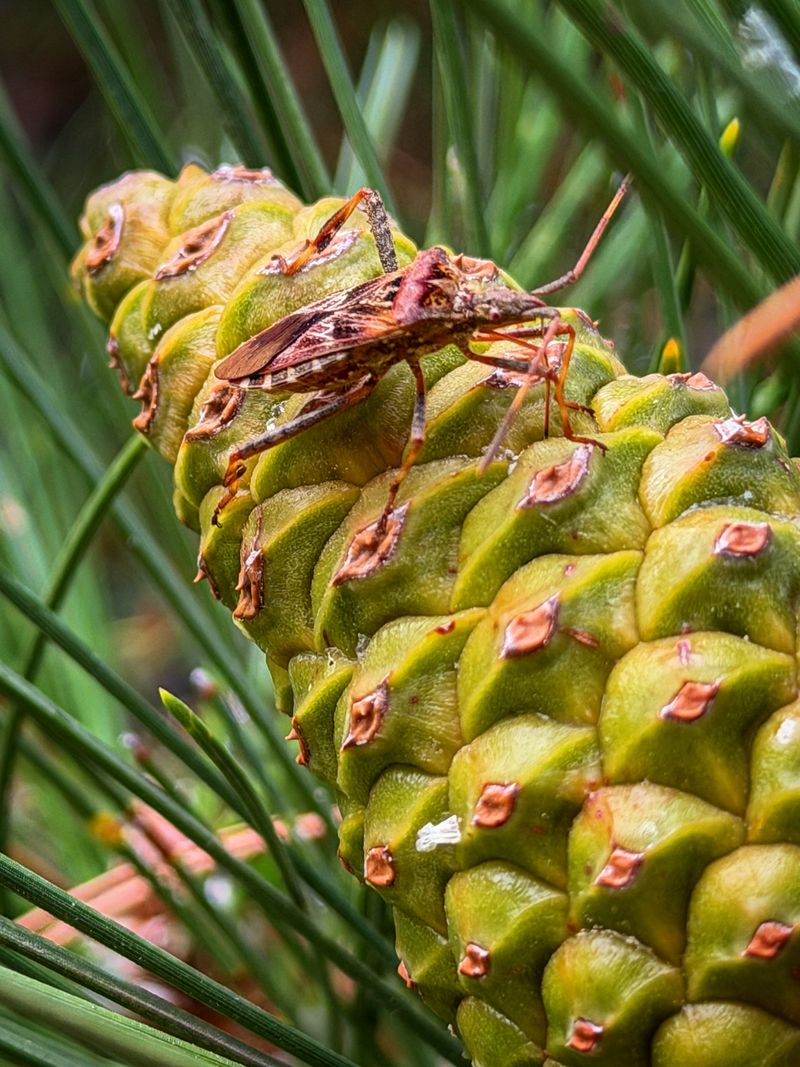
That strange houseguest has a name, and it’s a mouthful. Meet the western conifer seed bug, known to scientists as Leptoglossus occidentalis.
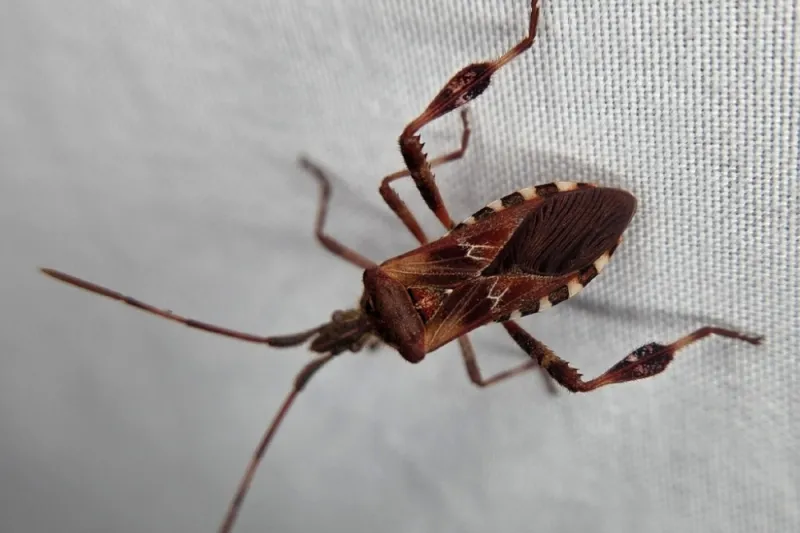
It belongs to the leaf-footed bug family, called Coreidae. The name comes from the flat, paddle-like flare on each back leg, which really does look like a little leaf glued to a stick.
Here’s a fun twist. As the word western in its name suggests, this insect originally lived in the western United States. Over the past several decades it spread east, and it is now a familiar fall visitor across the Midwest and Northeast.
Adults run about three-quarters of an inch long. Their color ranges from dull reddish brown to dark brown, which helps them blend into pine bark and wooden window frames alike.
Many people meet one for the first time when it lands on a curtain with a loud buzz. That sound surprises folks, because the bug is fairly slow and awkward on its feet.
Once you know what to look for, they are easy to spot. Those leg flares are the giveaway, and few other insects you will find indoors carry anything quite like them. Knowing the name also makes it much easier to look up trusted extension advice.
A Warm House Looks Like the Perfect Winter Hideout to These Seed Bugs
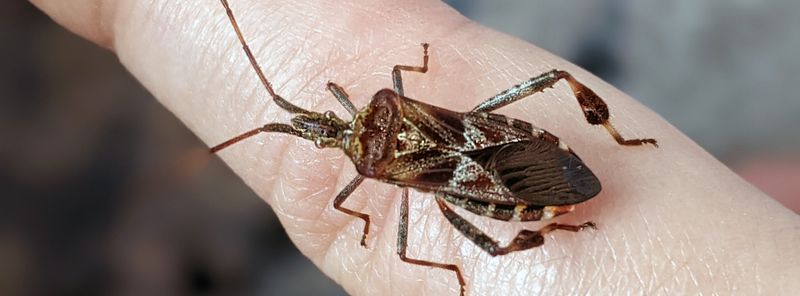
Cooler nights flip a switch for these insects. As late summer slides into fall, adult seed bugs start hunting for a sheltered spot to spend the winter.
In the wild, that might be loose bark, a pile of leaves, or a bird nest. Your house, though, is warmer and drier, so many of them aim straight for it.
They gather on sunny south and west walls, then slip through gaps around windows, siding, soffits, and vents. University extension experts note that they can squeeze through surprisingly small openings.
Once inside, most settle into wall voids and attics and stay quiet. You tend to see them on mild winter afternoons or in early spring, when warmth wakes them up and they wander toward light.
That is why a bug might appear on your kitchen ceiling in February. It is not a new arrival, just a sleepy one that got turned around while looking for the way out.
One comforting detail stands out. These bugs do not breed indoors, so the number you see will not grow over the winter. Every one in your home came in from outside during fall, and that fact shapes how you handle them.
No Bites, No Stings, and No Chewed Woodwork From This Buzzing Brown Bug
Take a deep breath, because this is a nuisance and not a threat. Western conifer seed bugs do not bite people or pets, and they do not sting.
They also leave your home alone. Extension sources agree they do not chew wood, damage wiring, eat fabrics, or raid your pantry.
There is no evidence they spread disease, either. Their mouthparts are built for sipping juices from conifer seeds, not for feeding on people.
So what is the actual downside? Mostly, it is the surprise factor and the smell.
When handled roughly or crushed, the bugs release a defensive odor. Some people find it piney or even a bit fruity, while others find it rather unpleasant.
That buzzing flight can also startle you when one zooms toward a lamp at night. Kids sometimes shriek first and ask questions later, which is understandable.
A few may stain fabric slightly if squashed against curtains. That is one more reason to move them gently instead of swatting.
Overall, these guests are more awkward roommates than real trouble. Knowing that can turn a panicked moment into a calm one, and maybe even a fun nature lesson at the kitchen table.
Grab a Jar or Vacuum Instead of Squishing That Leaf-Footed Bug
My go-to tool is a plain glass jar with a piece of stiff paper. Slide the jar over the bug, slip the paper underneath, and you are done in seconds.
Squashing them is a mistake I made exactly once. The smell lingered longer than I wanted, and the curtain needed a wash.
A vacuum works well when several appear at once. Use a handheld model or the hose attachment, then empty the bag or canister outside right away so the odor does not settle indoors.
Some folks place a knee-high stocking over the hose tip, held with a rubber band. The bugs collect in the stocking, and you can release them outdoors without any mess.
Indoor bug sprays are not much help here. Extension specialists point out that most of these insects are hidden inside walls, out of reach, and spraying living spaces adds chemicals for very little benefit.
Once outside in cold weather, released bugs usually slow down and tuck into the nearest shelter they can find. A few may wander back toward your siding, which is why sealing gaps matters so much.
Keep a jar near the window you visit most. It becomes a quick, calm habit.
Pines and Spruces in Your Yard Feed These Bugs All Summer
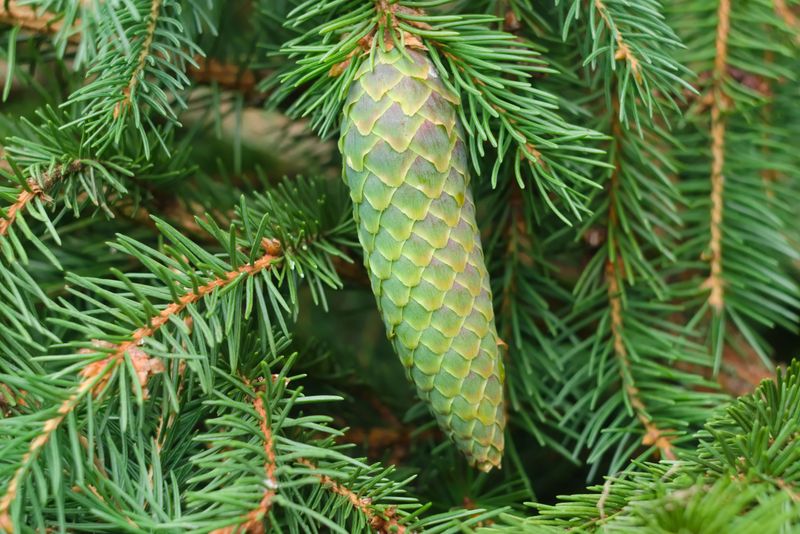
Outside, these insects lead a pretty simple life tied to evergreen trees. They feed on the developing seeds inside the cones of pines, along with spruce, fir, and other conifers.
White pine, Scotch pine, and Austrian pine are common hosts in Indiana landscapes. If your yard or neighborhood has plenty of those, you may notice more seed bugs come fall.
Females lay rows of small eggs on conifer needles in late spring and early summer. The young, called nymphs, hatch and feed on needles and cones as they grow.
They go through several molts during summer, gradually looking more like the adults. By late summer, the new generation is fully grown and ready to look for winter shelter.
Their feeding can lower seed production in seed orchards, which matters for tree nurseries. For an established backyard pine, though, the damage is usually minor and not a reason for concern.
Removing healthy evergreens to avoid these bugs is not worth it. Those trees give birds food, cover, and winter color.
Instead, simply know that conifers nearby help explain why your house gets visitors. That bit of insight makes the whole situation feel a lot less mysterious.
Stink Bugs and Boxelder Bugs Look Similar Until You Check the Legs
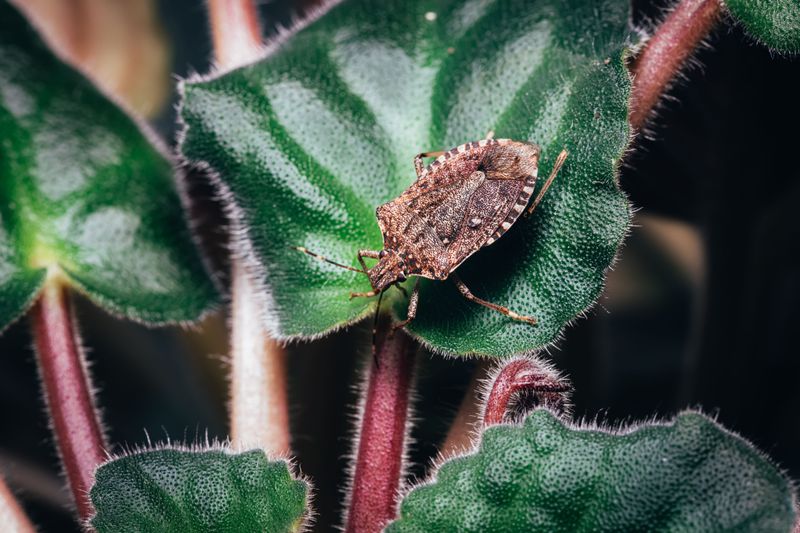
Confusion happens a lot with fall invaders. Several brown or dark bugs show up indoors at the same time of year, and they can blur together.
The brown marmorated stink bug is the most common mix-up. It has a wider, shield-shaped body and banded antennae, and its back legs are thin and plain.
Boxelder bugs are another fall regular. They are black with bright red or orange lines, smaller and slimmer, and they gather in groups near boxelder and maple trees.
The western conifer seed bug is longer and narrower than a stink bug. Look for those flattened leaf-like flares on the hind legs, plus a faint white zigzag across the middle of the back.
When it flies, you might catch a flash of yellow-orange and black on its abdomen. Some experts suggest that pattern may help it resemble a bee to predators.
Other leaf-footed bugs exist, and some feed on tomatoes and squash in gardens. Those species are less likely to be the ones overwintering in your attic.
Snap a clear photo if you are unsure. Purdue Extension and county offices can help confirm what you found.
Caulk Around Windows and Screen Attic Vents Before Next Fall

Prevention is where you really win this game. Sealing your home in late summer, before the bugs start moving, beats chasing them across the ceiling all winter.
Start with a slow walk around the outside of your house. Look for cracks around window frames, door trim, siding seams, and spots where pipes, cables, and dryer vents enter.
Fill small gaps with good-quality exterior caulk. Use weatherstripping on doors and install door sweeps where daylight peeks underneath.
Check every window screen for tears and loose edges. Repair or replace damaged ones so they fit snugly.
Up high, inspect soffits, fascia boards, and attic and gable vents. Fine mesh screening over vents keeps bugs out while still letting air flow, and a chimney cap helps too.
Aim to finish by late August or early September in most of Indiana. Northern parts of the state cool a little sooner, so earlier is smarter there.
Bonus perk: these same repairs keep out boxelder bugs, ladybugs, and stink bugs, and they can trim heating costs. One weekend of caulking can make next fall far quieter, and your future self will be grateful.