Road Salt Will Destroy These 10 Driveway Shrubs in Ohio – Protect Them Now
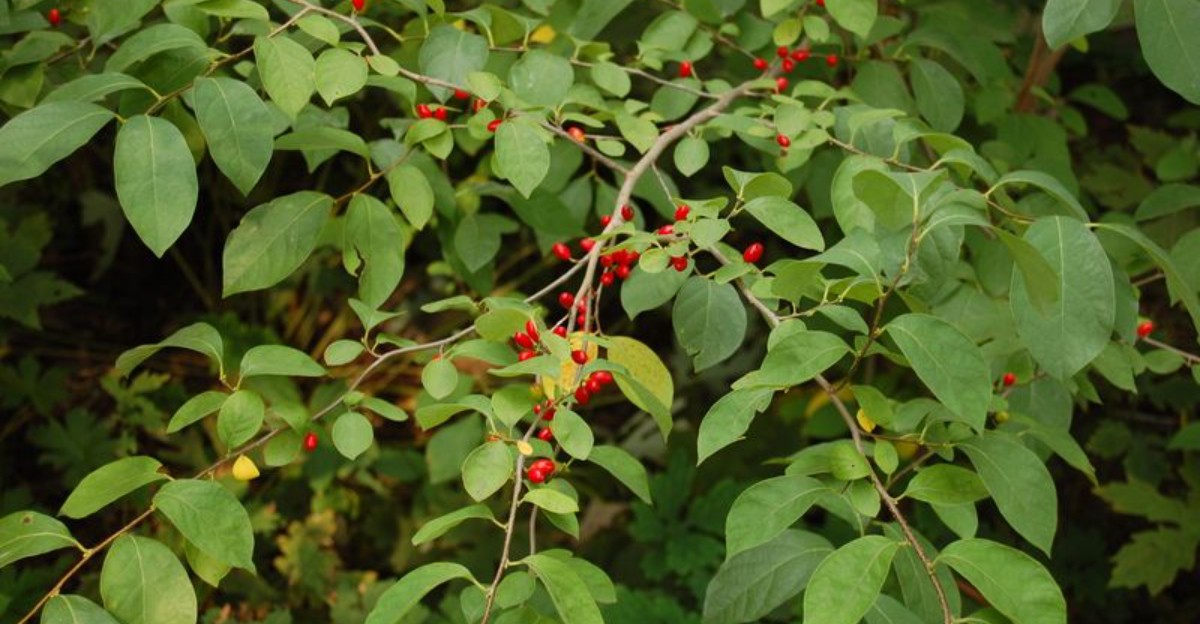
Salt spray kicked up by plows can drift well past the curb and settle on leaves like invisible frost. That gritty mist often does more harm in winter than the snow itself, though the damage hides until spring.
Sodium pulls water away from roots, so shrubs can look thirsty even when the ground is soggy and wet. Chloride travels into leaf tips and buds, which is why browning often shows up first along the driveway side.
I have to admit, I once blamed winter wind for my browned hedge before learning about our salty Ohio driveways. You might notice the same lopsided look on your own plants, with healthy green backs and scorched fronts.
Some favorite Ohio landscape shrubs handle this abuse far worse than others, and a few surprise even seasoned gardeners.
Which of these sensitive beauties are sitting in the splash zone beside your own driveway right now?
1. Arborvitae
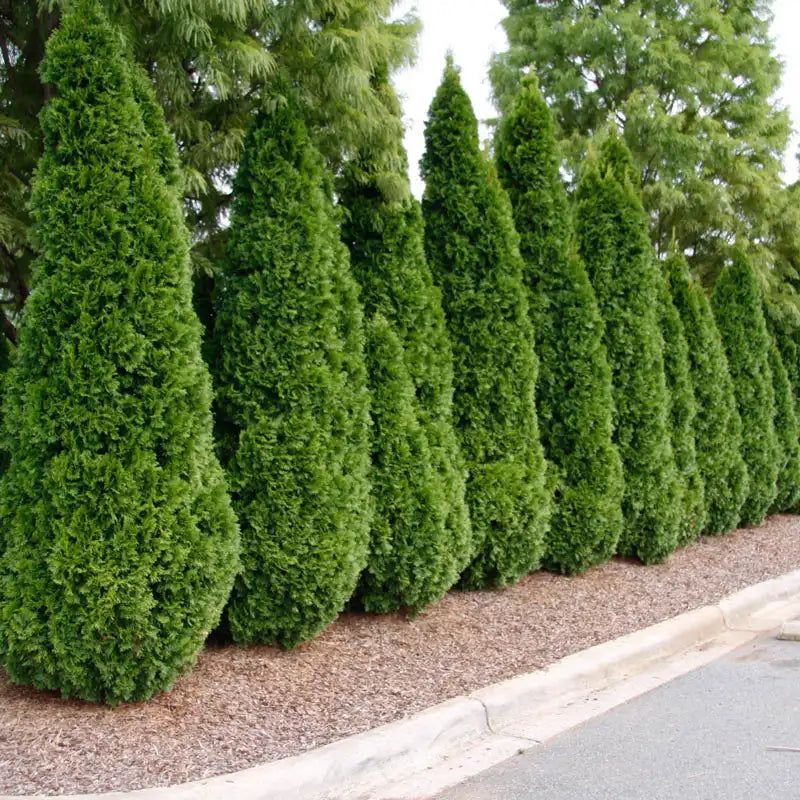
Few sights sting quite like a tidy arborvitae hedge that turns rusty brown on just one side by March. That orange stripe usually faces the driveway, and it tells a clear story about where the salty slush landed.
American arborvitae, known to botanists as Thuja occidentalis, grows happily in USDA zones 3 through 7. Its soft, scaly sprays make a fine privacy screen, which explains why so many homeowners plant it right beside paved edges.
Salt spray coats the foliage and draws moisture out of the tissue, so the tips yellow before turning brown. Salty soil adds another layer of stress, often slowing new growth and thinning the branches over several seasons.
Personally, I think a simple burlap screen is the best gift you can give these evergreens before plows arrive. Set stakes a foot or so away from the plants so the fabric blocks spray without rubbing against branches.
Watering deeply in late fall helps too, because a well-hydrated plant copes better with dry winter winds and salt. Soak the root zone slowly until the ground freezes, especially after a dry autumn with little steady rain.
Spring cleanup matters just as much as winter defense for keeping arborvitae looking full and green again. Flush the soil near the pavement with plenty of fresh water to move lingering salt down past the roots.
Be patient with browned sections, since lightly damaged branches may push fresh growth once warm weather settles in. Trim only stems that stay bare and brittle after new growth appears elsewhere on the plant in late spring.
2. Boxwood
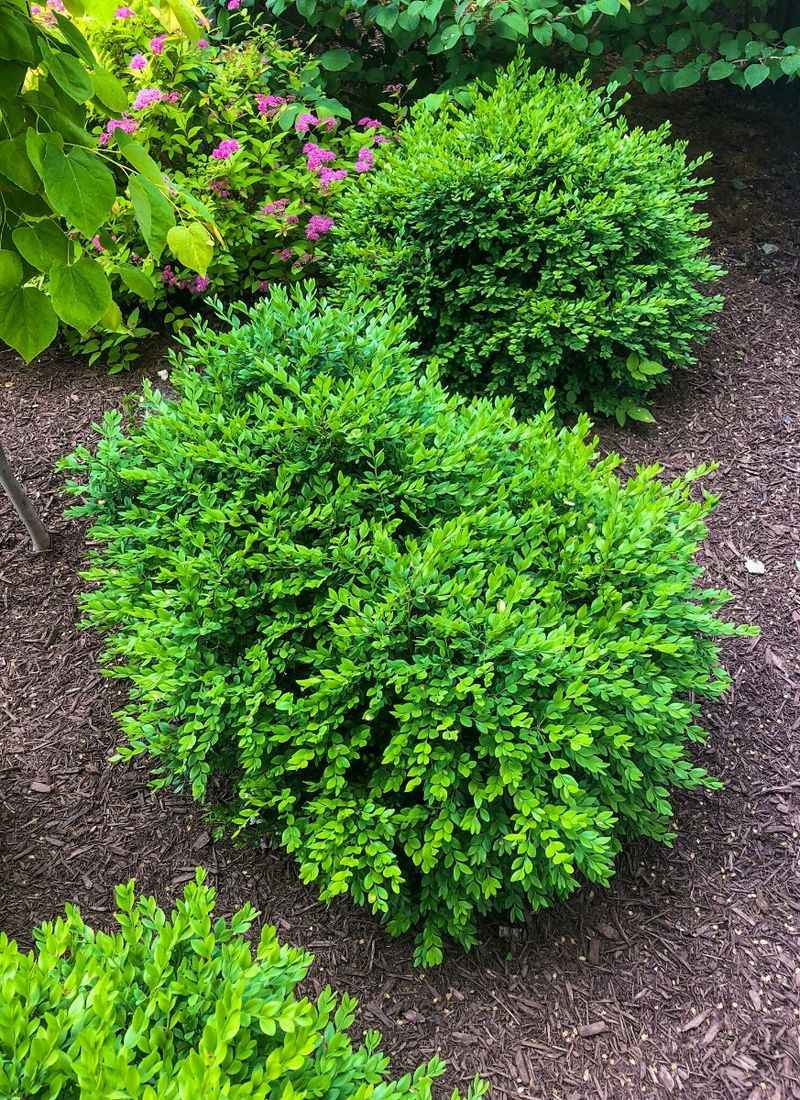
Boxwood carries a fancy reputation, yet those tiny glossy leaves can bronze faster than a summer tan near salted pavement. I love the crisp look of a clipped boxwood border, so seeing salt scorch on one still makes me wince.
Common boxwood, Buxus sempervirens, and its many hybrids grow well in zones 5 through 8 across much of the region. They prefer well-drained soil, steady moisture, and a little afternoon shade during the harshest stretches of winter.
Salt damage often mimics regular winter burn, which confuses plenty of gardeners when spring cleanup rolls around each year. The giveaway is placement, because browning gathers on the side facing the street or the shoveled walkway.
You need to think about where your snow piles end up, since salty mounds melt straight into shallow boxwood roots. Pile snow on the lawn side instead, or pick a spot where meltwater drains away from the beds.
A short run of snow fencing or burlap shields low hedges from passing tire spray with very little effort. Remove the barrier once freezing weather ends, so the leaves get full light and fresh air again.
Mulch helps buffer runoff, but keep it about two inches deep and pulled back from the stems themselves. Deep piles against the trunk can trap moisture and invite rot, which creates a different problem entirely for you.
Early spring rinsing makes a real difference after a rough season of storms and heavy salting along the drive. Run a soaker hose for a long session to push salt below the root zone before new growth begins.
3. Yew
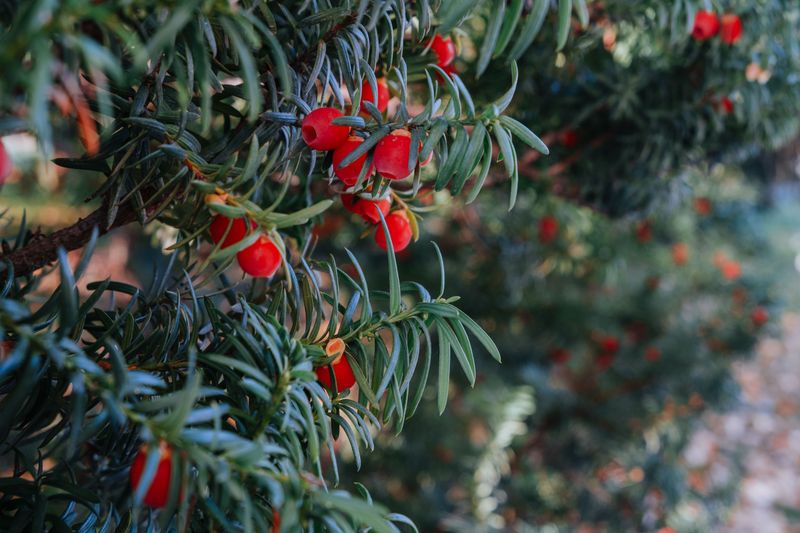
Yews are famous for taking almost any haircut, but salt is one insult they handle poorly near busy driveways. Extension specialists often rank them among the most salt-sensitive evergreens in common home landscapes today.
Gardeners plant Taxus species in zones 4 through 7 for dense, dark needles and bright red fleshy seed cones. Just remember that nearly every part of a yew is toxic, so keep curious pets and kids from nibbling.
Salt spray browns needle tips first, and the scorch usually climbs farther up on the side facing traffic. Salt that soaks into soil can thin foliage over time, leaving a sparse shrub where a lush hedge stood.
What surprises me most is how fussy yews are about drainage, which makes salty slush pooling around roots extra troublesome. Wet feet combined with sodium create a rough combination, so grade beds to shed water away from the shrubs.
A burlap wrap or freestanding screen works wonders for yews lining an Ohio driveway or front walk during winter. Leave the top open so air moves freely, and keep the fabric from pressing snugly against the needles.
Switch to a non-sodium product near these shrubs, such as calcium magnesium acetate, when ice builds up on steps. It usually costs more, but a small bag for the closest stretch of pavement can protect pricey plants.
In spring, water heavily to leach salt, then wait for new growth before pruning out browned tips. Yews often recover nicely from light damage because they push fresh shoots readily from older wood along the stems.
4. Rhododendron
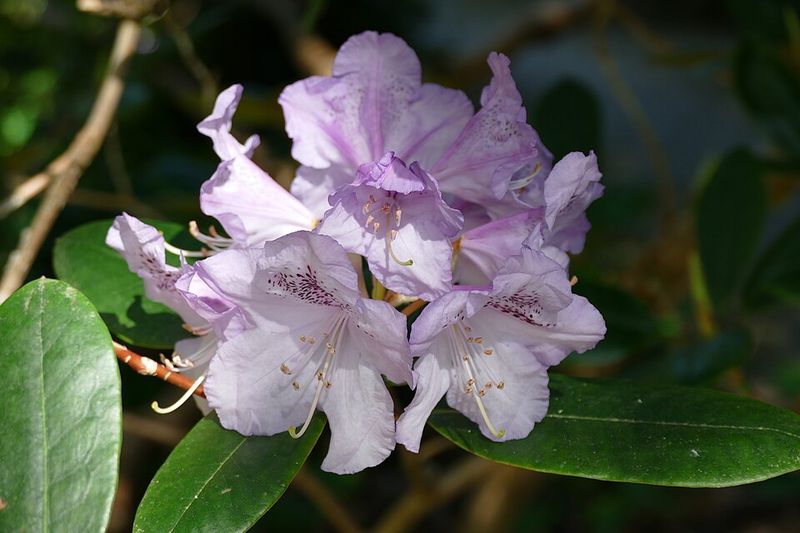
Big leathery rhododendron leaves look tough, yet they act like little salt catchers whenever plows rumble down the street. Those broad surfaces collect spray easily, and the edges brown long before you suspect any trouble at all.
Many hardy rhododendrons thrive in zones 4 through 8, though some cultivars handle cold far better than others. They want acidic, rich soil with excellent drainage, plus shelter from harsh winter sun and strong wind gusts.
Salt exposure browns leaf margins, and badly affected leaves may drop early when spring weather finally warms up. Flower buds can fail to open as well, which feels heartbreaking after waiting a whole year for those blooms.
I believe rhododendrons simply belong a few extra feet back from the driveway whenever you have a choice. Their shallow roots sit right where salty meltwater travels, so distance offers protection that no product can fully match.
For existing plants, a burlap screen on the pavement side reduces spray without blocking much of the sky overhead. Pair it with a thick layer of pine bark mulch, which keeps those delicate roots cool and moist.
Skip deicing directly above the root zone, especially on paths that slope down toward the planting bed.
Give rhododendrons a slow, deep soak before the ground freezes in late fall each year. A well-watered plant curls its leaves less dramatically in cold snaps and usually rebounds faster once spring arrives.
5. Azalea
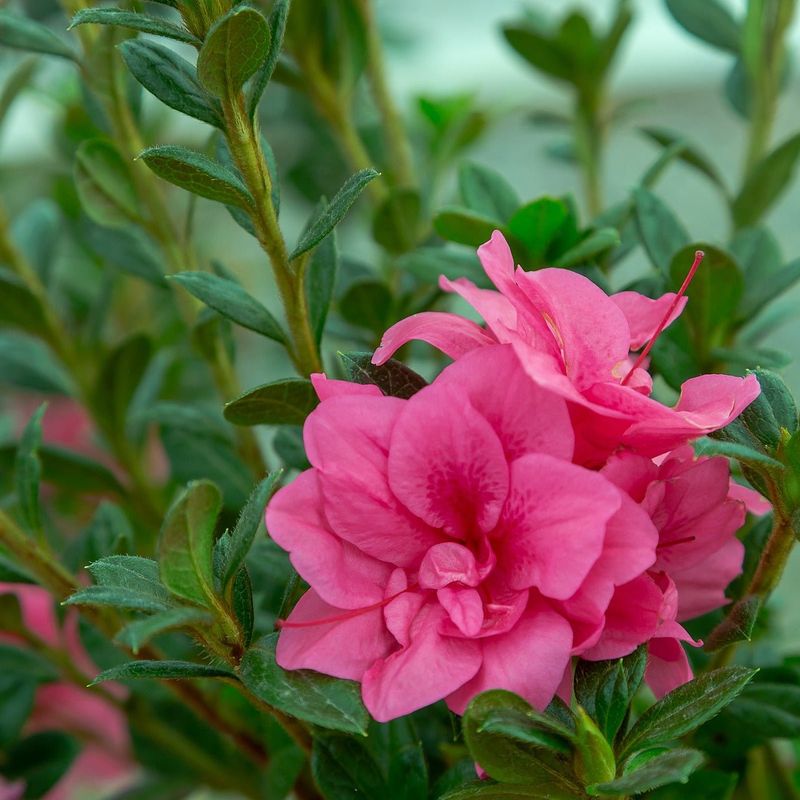
Spring azaleas paint Ohio front yards in pink and coral, unless salty winters quietly steal those buds first. You might not notice anything wrong until bloom season, when one side of the shrub stays strangely bare.
Azaleas belong to the Rhododendron genus, and many types grow well in zones 4 through 9 depending on the variety. Some keep their leaves all winter, while deciduous native types drop foliage in fall and bloom on bare stems.
Salt can brown leaf edges, bronze evergreen foliage, and cause buds to fail on branches closest to the pavement. Repeated exposure often leads to thin, weak twigs that leaf out poorly year after year if left unchecked.
I love how forgiving azaleas can be once you fix their surroundings and give them steady care again. Start by never tossing salty snow onto the bed, since that slush melts directly into their fine roots.
A temporary screen of burlap or garden fabric helps block spray during the heaviest plowing months each winter. Anchor stakes before the ground freezes, because pounding them into frozen soil is a frustrating chore for anyone.
Azaleas prefer acidic soil loaded with organic matter, so a pine needle or shredded bark mulch suits them well. This layer also slows salty runoff, giving you extra time to rinse it away later in the season.
When the soil thaws, water deeply several times to dilute salt around the roots before buds swell. Wait until after flowering to prune any damaged twigs, so you keep the buds that survived winter.
6. Mountain Laurel
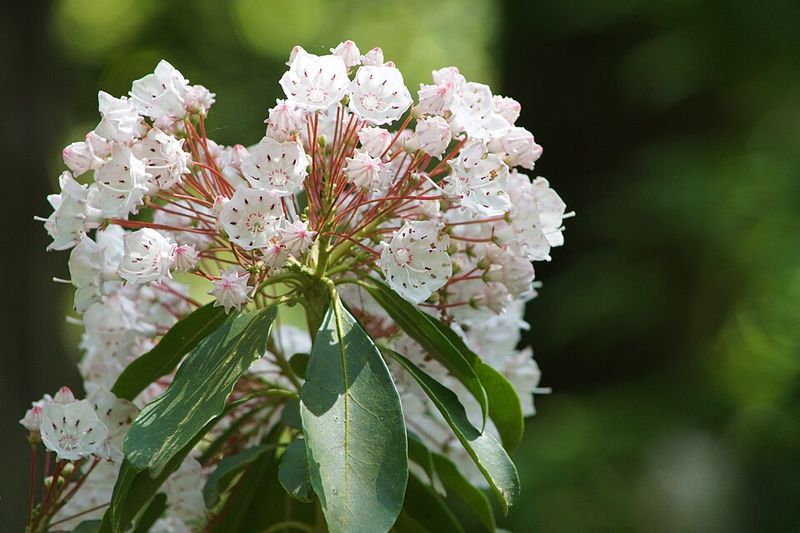
Mountain laurel flowers look like tiny frosted cups, each one holding stamens tucked into little pockets until a bee bumps them. That clever spring trick flings pollen onto visitors, and I still smile every time I watch it happen.
Kalmia latifolia is an Ohio native evergreen shrub that grows well in zones 4 through 9, especially in eastern woodlands. It wants acidic, well-drained soil and dappled shade, which is quite similar to what rhododendrons enjoy.
Like its cousins in the heath family, mountain laurel ranks low on salt tolerance in most plant references. Salt spray scorches the glossy leaves, and salty soil can slowly weaken the plant while yellowing its foliage.
Personally, I would keep this beauty in a sheltered bed rather than right against a busy driveway edge. If yours already sits close, a winter screen on the street side offers solid insurance against heavy spray.
Mountain laurel leaves contain compounds that are toxic to people and pets, so keep it away from grazing animals. That same chemistry means deer mostly leave it alone, which feels like a nice bonus in suburban yards.
Mulch with shredded leaves or pine bark to mimic forest soil and buffer roots from salty water. Avoid fresh lime or concrete runoff nearby, since alkaline conditions can stress this acid-loving shrub over time.
Rinse the root zone thoroughly in spring after the last salting of the season ends. Healthy plants reward you with clusters of white to pink flowers in late spring, often lasting a couple of weeks.
7. Eastern Redbud
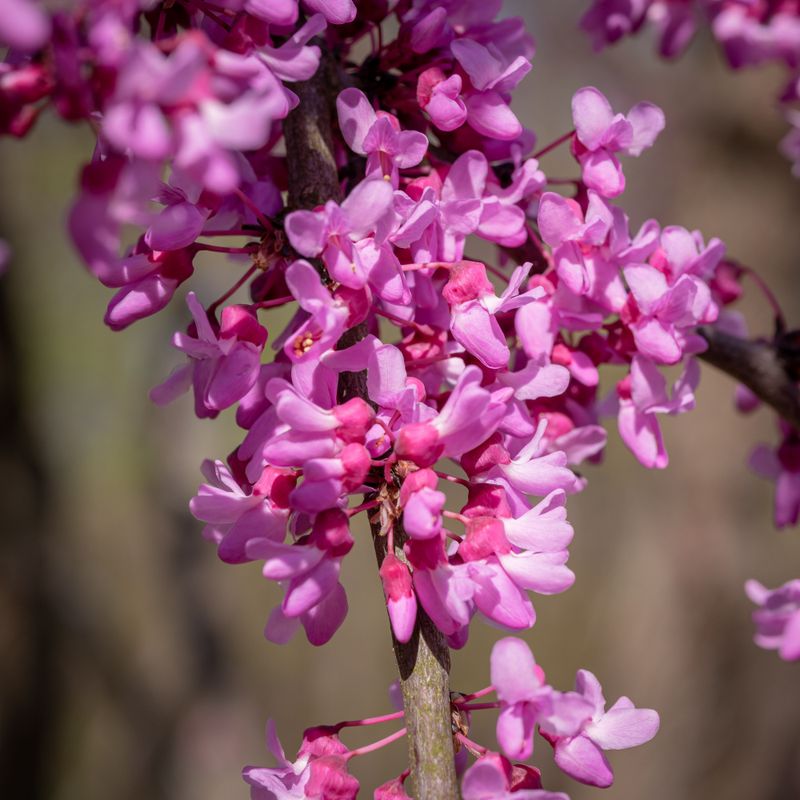
Eastern redbud blooms right along its bare branches and even its trunk, a quirky habit called cauliflory by botanists. Those magenta flowers are edible too, and some folks toss them into salads for a pop of color.
Cercis canadensis is native across much of the state and grows in zones 4 through 9 with ease. Many homeowners grow it as a multi-stemmed large shrub, reaching around twenty to thirty feet over the years.
Salt tolerance is poor for redbud, according to several extension lists that rank landscape plants by sensitivity. Deciduous plants hide salt injury in winter, then reveal it later through delayed bud break and stunted, twisted leaves.
You’re in for a big disappointment if branches facing the road stay bare while the rest flowers beautifully. That pattern usually points to salt spray, since the buds absorbed chloride while sitting dormant all winter long.
A burlap screen between the redbud and the pavement can cut spray for lower branches near the drive. Higher limbs sit above most splash, so focus your efforts on the bottom few feet of the plant.
Keep salty snow piles away from the trunk, because redbuds dislike soggy roots and heavy chemical loads. Choose a spot downhill from the tree for snow storage, letting meltwater travel away instead of soaking inward.
Redbuds have moderate drought tolerance once settled, but a deep fall watering still helps them enter winter strong. After spring rinsing, prune out only twigs that stay leafless well after neighboring branches fill in.
8. Allegheny Serviceberry
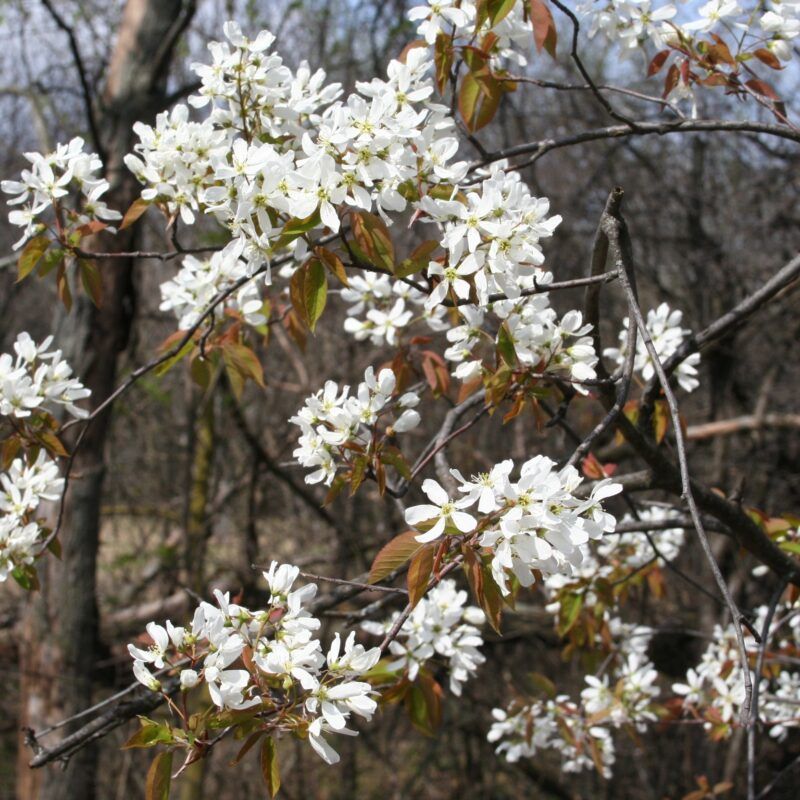
Robins and cedar waxwings can strip a serviceberry of its fruit in a single summer morning if you blink. I like racing the birds for a handful, since the berries taste a bit like sweet blueberries with almond notes.
Amelanchier laevis grows natively in zones 4 through 8 and often forms a multi-stemmed shrub or small tree. White flowers open in early spring alongside bronze new leaves, which later turn glowing orange and red in fall.
Many Ohio extension sources list serviceberry as sensitive to salt, especially when spray hits the twigs repeatedly. Damage can include leaf scorch, early leaf drop, and branch tips that fail to wake up when spring arrives.
You need to give this native a little breathing room from the driveway if you are still planning your beds. Even six or eight extra feet can lower spray exposure, since most splash settles close to the pavement edge.
For plants already in place, snow fencing or burlap deflects salt mist kicked up by tires during storms. Calcium chloride or calcium magnesium acetate near the bed cuts sodium, though using less of any product helps most.
Spread shredded bark mulch around the base to soften the impact of salty runoff. Keep it a few inches away from the stems so voles and moisture do not cause trouble underneath during winter.
Serviceberry prefers moist, slightly acidic soil, so steady watering through dry summer spells builds overall resilience. A stronger plant shrugs off minor salt injury far more easily than one stressed by drought.
9. Flowering Dogwood
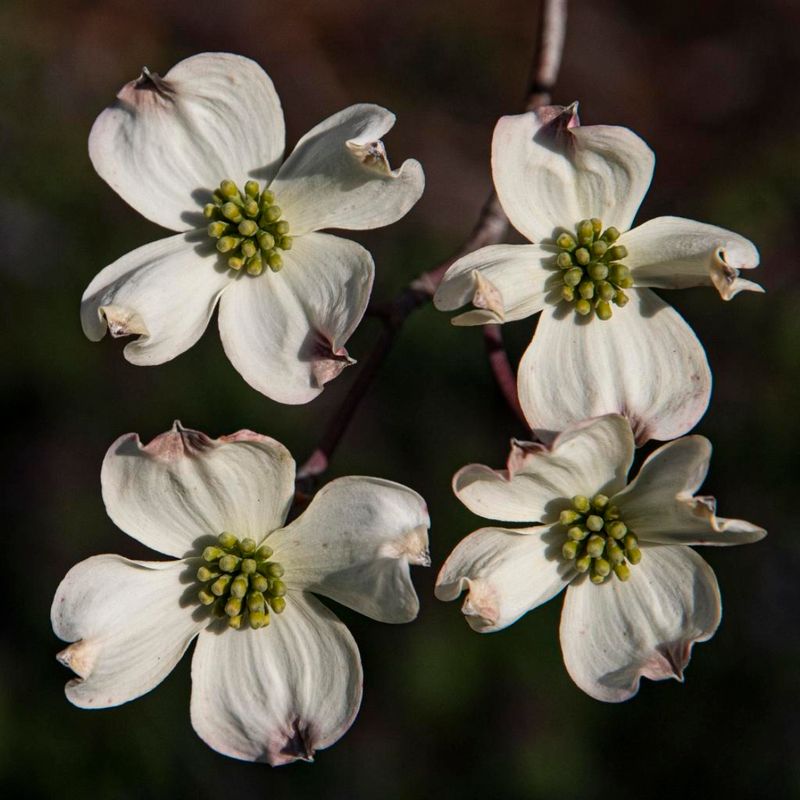
Those big white dogwood petals are not petals at all, but showy leaves called bracts surrounding tiny green flowers. Once you learn that detail, you start noticing the small flower clusters hiding in the center every spring.
Cornus florida is native and grows in zones 5 through 9, and young plants often stay shrubby for years. It prefers rich, acidic, well-drained soil with some afternoon shade, much like its natural forest-edge habitat.
Flowering dogwood is commonly rated as salt sensitive, so driveway plantings deserve extra attention during winter storms. Salt can scorch leaves, harm flower buds, and slow growth on branches leaning toward the pavement or street.
I have to point out a common mix up between this tree and red twig dogwood, which tolerates salt much better. If you want winter stem color right beside the drive, red twig types may be a smarter pick.
For a flowering dogwood already near the drive, a burlap screen protects the lower canopy from tire spray. Keep the barrier a little away from the bark, since dogwoods have thin bark that bruises rather easily.
Shallow dogwood roots spread wide, so salty meltwater reaches them quickly when snow piles sit nearby. Shovel snow toward the lawn instead, and consider sand for traction on the closest stretch of walkway.
Mulch the root zone, water through summer droughts, and rinse soil thoroughly in early spring after thawing. A healthy dogwood rewards you with red fall leaves and glossy red fruit that birds happily devour.
10. Spicebush
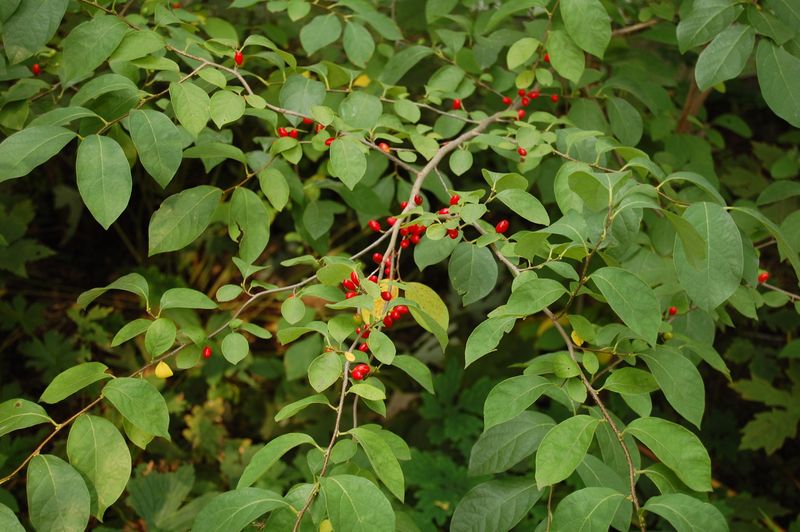
Crush a spicebush leaf or twig, and a lemony, peppery scent fills the air around your fingers. Kids love this sniff test, and I confess I still do it every single time I walk past one.
Lindera benzoin is a native shrub that grows in zones 4 through 9 and usually reaches six to twelve feet tall. Tiny yellow flowers dot bare branches in early spring, giving pollinators a meal before most shrubs wake up.
Spicebush hosts the spicebush swallowtail butterfly, whose caterpillars wear fake eyespots that look like a cartoon snake. That clever disguise helps scare off hungry birds, and spotting one feels like finding hidden treasure in the garden.
This woodland shrub naturally grows in moist, shaded spots, and plant references generally rate its salt tolerance as low. Driveway salt can scorch foliage and stress roots, which makes protection worthwhile if yours grows near pavement.
Personally, I would plant spicebush along a shady side yard or woodland edge rather than the front curb. Existing shrubs near the drive appreciate a simple fabric screen and a snow storage spot placed far away.
Keep the soil evenly moist with a layer of leaf mulch, which mimics the forest floor this shrub loves. Moist, organic soil also helps salt move through more quickly when you flush the bed in spring.
Female plants produce glossy red berries in fall if a male shrub grows nearby for pollination. Migrating songbirds gobble those fatty fruits, so a protected spicebush gives back to wildlife all season long.