Why Ohio Farmers Planted Osage Orange Fence Rows (and Where They Still Stand)
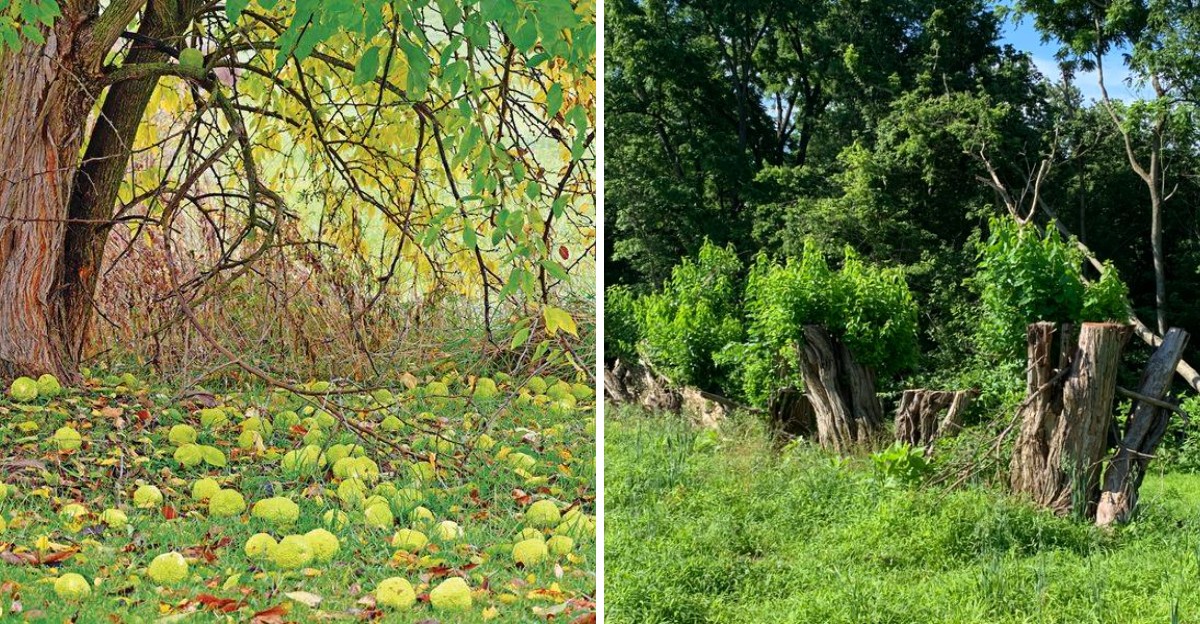
Before barbed wire, some farmers grew their fences from seed, and those fences still poke through the countryside today.
A single tree in these old rows can grow wood so hard and rot-resistant that posts cut from it often outlast the wire nailed to them. Pioneers called the hedges horse high, bull strong, and hog tight.
I love finding one of these thorny lines on a back road in Ohio. You can almost hear the cattle that once leaned against it and the farmer who trimmed it every summer.
Personally, I think these tangled rows are some of the best history lessons growing outdoors. They tell you where old fields began and ended, long after the barns are gone.
You may have driven past one a hundred times without noticing. So what made a prickly tree from Texas the favorite fence of Midwest farms?
1. Those Thorny Tree Lines Along Old Fields Were Once Living Fences
Back in the mid-1800s, Ohio farmers had a big problem. Prairie and cleared land stretched for miles, but good fence timber was getting scarce and expensive.
Split-rail fences ate up huge amounts of wood and labor. Stone walls were slow to build, and many fields had few stones to spare.
Farmers needed a barrier that was cheap, sturdy, and easy to make in large amounts.
The answer came from a small tree native to parts of Texas, Oklahoma, and Arkansas. Osage orange, known to botanists as Maclura pomifera, grows fast, tolerates poor soil, and carries sharp thorns along its branches.
Nurseries sold seed by the bushel, and the idea spread quickly across the Midwest. Historians say thousands of miles of these hedges were planted in the decades before 1880.
I find it amazing that a plant from so far away became a common sight on Ohio farms. Farmers didn’t just plant trees; they grew a working fence that could hold livestock for generations.
So when you spot a crooked line of trees splitting two fields, take a second look. You may be standing next to a fence that someone planted by hand more than a century ago.
2. Horse High, Bull Strong, and Hog Tight Was the Osage Orange Promise
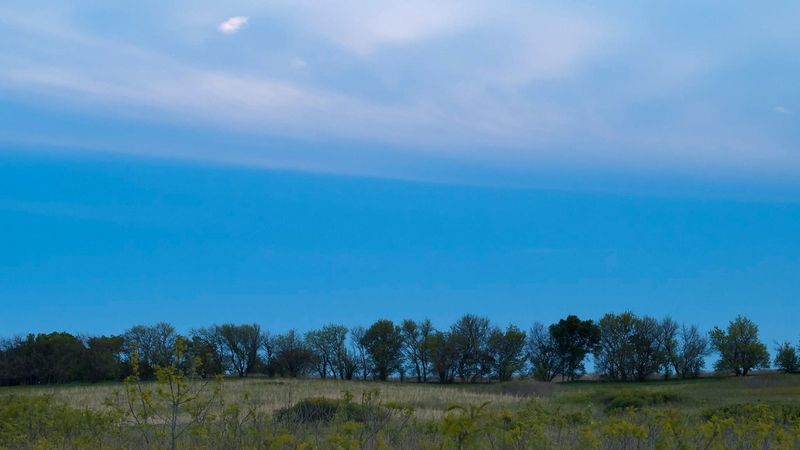
Farmers loved a catchy saying, and this one stuck for good reason. A well-kept Osage orange hedge was tall enough to stop horses, tough enough to turn back bulls, and thick enough to keep pigs from squeezing through.
The secret was in the planting. Seedlings went in close together, often about a foot apart, in a single tidy row.
After a few years, farmers cut the young trees back hard. That pruning made each stump send up many new shoots, and the shoots tangled together into a thick wall.
Some farmers took it further by bending and weaving the stems, a method called plashing. The thorns did the rest, since few animals wanted to push through those sharp spikes twice.
Of course, a living fence needed regular trimming to stay low and dense. Left alone, the hedge would grow into a row of full trees, which is what many look like today.
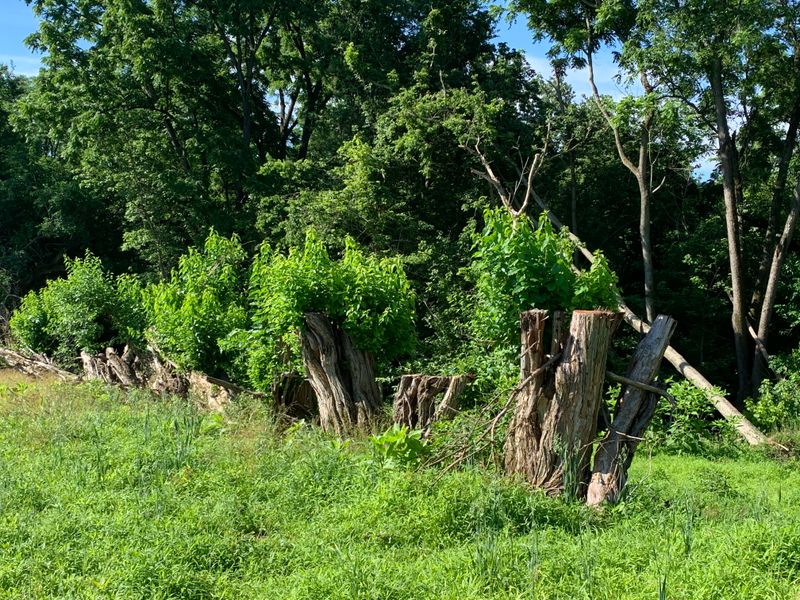
You can still see clues of that old work if you look closely. Multiple trunks rising from one base often point to the heavy cutting farmers did long ago.
3. Look for Osage Orange Rows on Rural Roadsides and Pasture Edges
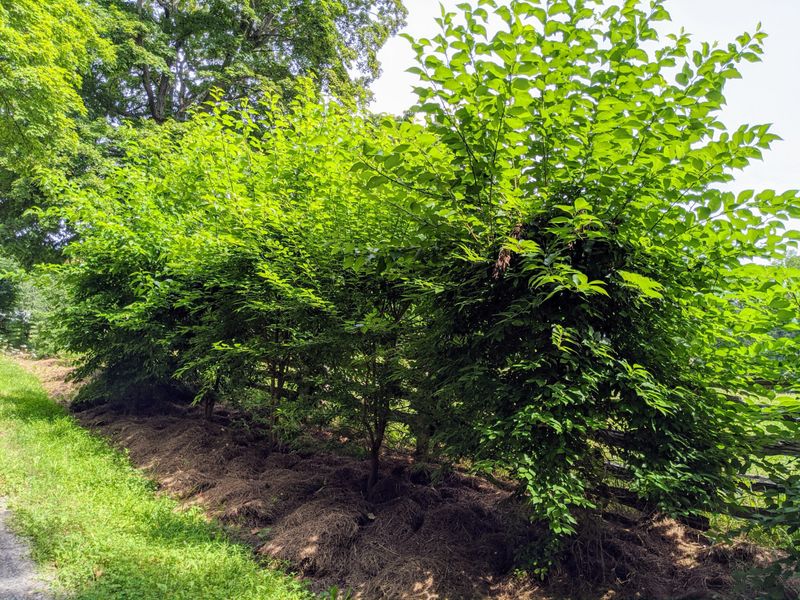
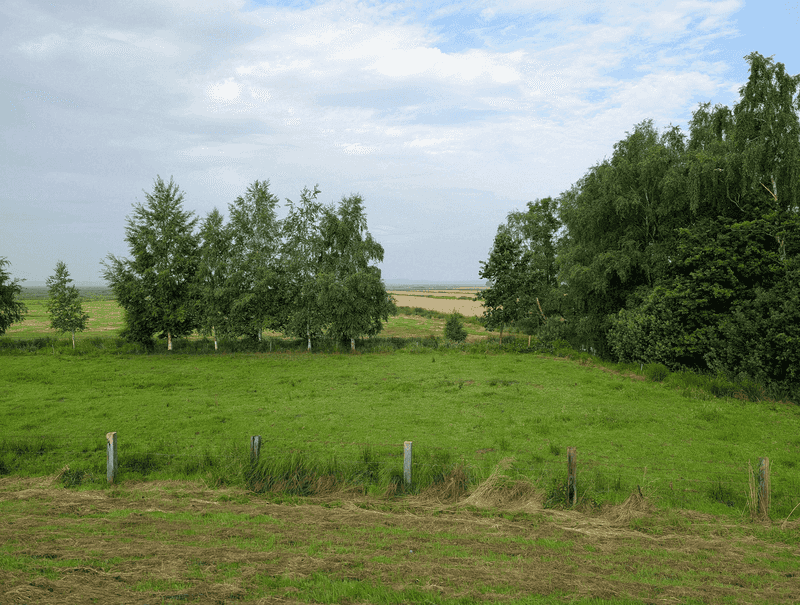
Ready for a little road trip treasure hunt? Old Osage orange rows still mark many rural edges, and once you learn the pattern, you will start seeing them everywhere.
Check fence lines between farm fields, the borders of pastures, and the shoulders of quiet country roads. These hedges often run in perfectly straight lines, which sets them apart from wild woods.
Western and central Ohio, with their wide, flat farm country, tend to show the most. Areas that were once prairie or open grassland got heavy hedge planting because wood was harder to find there.
Fall is my favorite time to search. The leaves turn a bright lemon yellow, and the big green fruits drop to the ground beneath the trees.
Winter works well too, because the bare, twisted branches stand out against snowy fields. Look for thick, arching trunks with orange-tinted, ridged bark.
Please stay on public roads and respect private land when you go looking. Most of these rows sit on working farms, so a photo from the roadside is the friendliest way to enjoy them.
4. Those Bumpy Green Hedge Apples Give the Tree Away
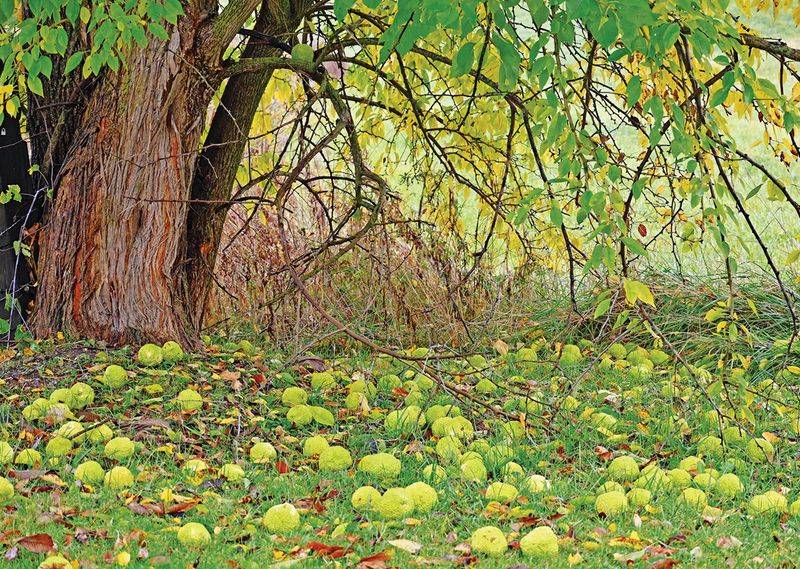
Nothing on an Ohio farm looks quite like a hedge apple. Picture a lime-green ball, about the size of a softball, with a wrinkled surface that resembles a brain.
Only female Osage orange trees produce these fruits. They usually drop in September and October, piling up under the branches and along the roadside.
Despite the nickname, these are not real oranges or apples. The fruit is a cluster of many tiny fruits packed together, and it oozes a sticky, milky sap when broken.
People generally don’t eat them, and they are not considered a food crop. Squirrels, though, love to tear them apart for the small seeds inside.
You may hear old claims that hedge apples keep spiders and bugs out of the house. Research has found some chemicals in the fruit that repel insects, but whole fruits sitting in a basement don’t seem to do much.
Fun fact: scientists think extinct animals like mammoths or giant ground sloths may once have eaten these fruits and spread the seeds. That would explain why few animals today know what to do with them.
5. Golden Osage Orange Wood Outlasted the Barbed Wire
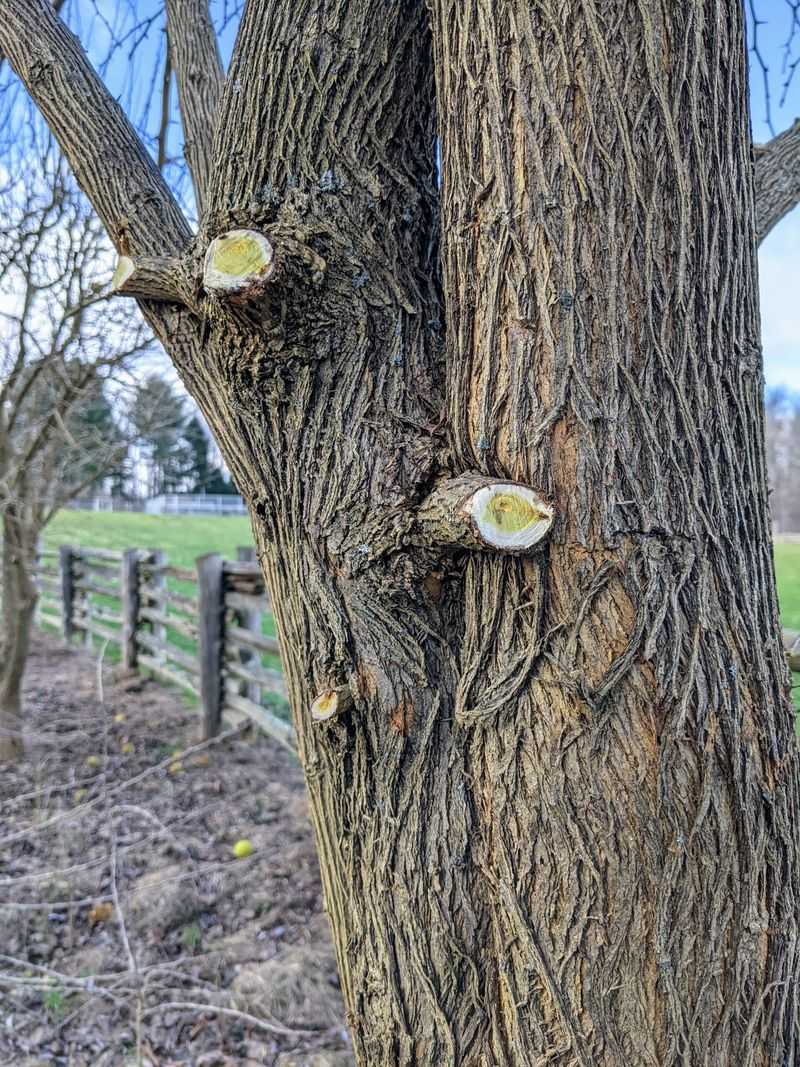
Here is a twist farmers enjoyed. When barbed wire arrived in the 1870s and took over fencing, the same hedges became a lumber supply.
Osage orange heartwood is a bright golden yellow when freshly cut, and it darkens to a rich brown over time. It is one of the hardest and most rot-resistant woods in North America.
Farmers cut the old hedges into fence posts and stapled the new wire right onto them. Many posts lasted 50 years or more in the ground, often longer than the wire itself.
The wood also burns very hot, so it made strong firewood for farm stoves. Just watch out, because it throws plenty of sparks.
Native peoples, including the Osage Nation, prized this wood for making bows long before settlers arrived. French explorers named it bois d’arc, meaning bow wood, and some folks still call it hedge or bodark.
If you find an old gray post at a field corner that feels heavy as stone, it might be Osage orange. Scratch it a little, and a hint of yellow could peek through.
6. Hedgerows Shielded Crops and Soil From Strong Prairie Winds
Ever stood in a flat field on a gusty spring day? Wind can sweep across open farmland and carry topsoil right along with it.
Osage orange rows helped slow that wind down. As the hedges grew taller, they acted like windbreaks that shielded crops, barns, and homes.
Calmer air near the ground meant less soil blowing away. It also helped keep moisture in fields a little longer during dry stretches.
The trees handled tough conditions with ease. Clay, sand, drought, and heat rarely slowed them down, which made them handy on hard-to-farm ground.
Farm families also enjoyed the shade on hot summer afternoons. Livestock gathered under the branches to rest out of the sun.
Many modern farmers have pulled out these rows to make bigger fields for large equipment. Others keep them as natural property lines and wind protection.
If you own land with an old row, think twice before clearing it. A healthy hedgerow can still cut wind, hold soil, and give your property some old-fashioned character that a wire fence can’t match.
7. Songbirds and Small Critters Still Hide in Thorny Osage Orange Branches
Those old hedges never really retired. They just found new tenants.
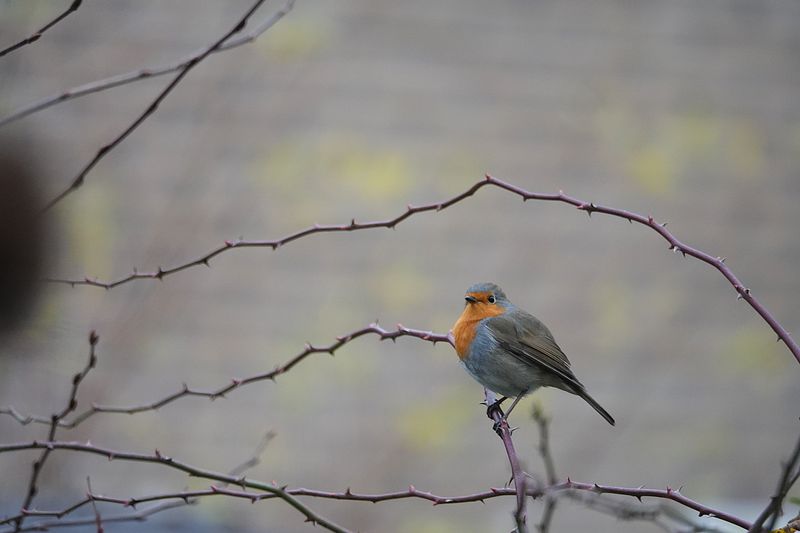
The thorny, tangled branches give songbirds a safe place to nest, away from hawks, cats, and other hunters. Cardinals, brown thrashers, and sparrows often use hedgerows for cover.
Rabbits, quail, and other small animals travel along these rows like hidden hallways between fields. Older trees with hollow trunks can shelter woodpeckers, owls, and raccoons.
Squirrels spend fall shredding hedge apples for seeds, leaving messy green piles under the trees. Deer and livestock will also lie in the shade on summer days.
I like to stand quietly near an old row in spring and just listen. The birdsong coming out of those thorns can be surprisingly loud.
Wildlife experts point out that hedgerows connect patches of habitat across farm country. In a landscape of large crop fields, that connection matters a lot.
One word of caution if you plan to plant new hedges. Osage orange can spread into pastures and old fields outside its native range, so many experts suggest choosing local Ohio natives like American plum or hawthorn for new wildlife plantings.
8. Give That Old Osage Orange Row on Your Road a Second Look
History doesn’t only live in museums. Sometimes it grows right along a ditch, covered in thorns and dropping green fruit.
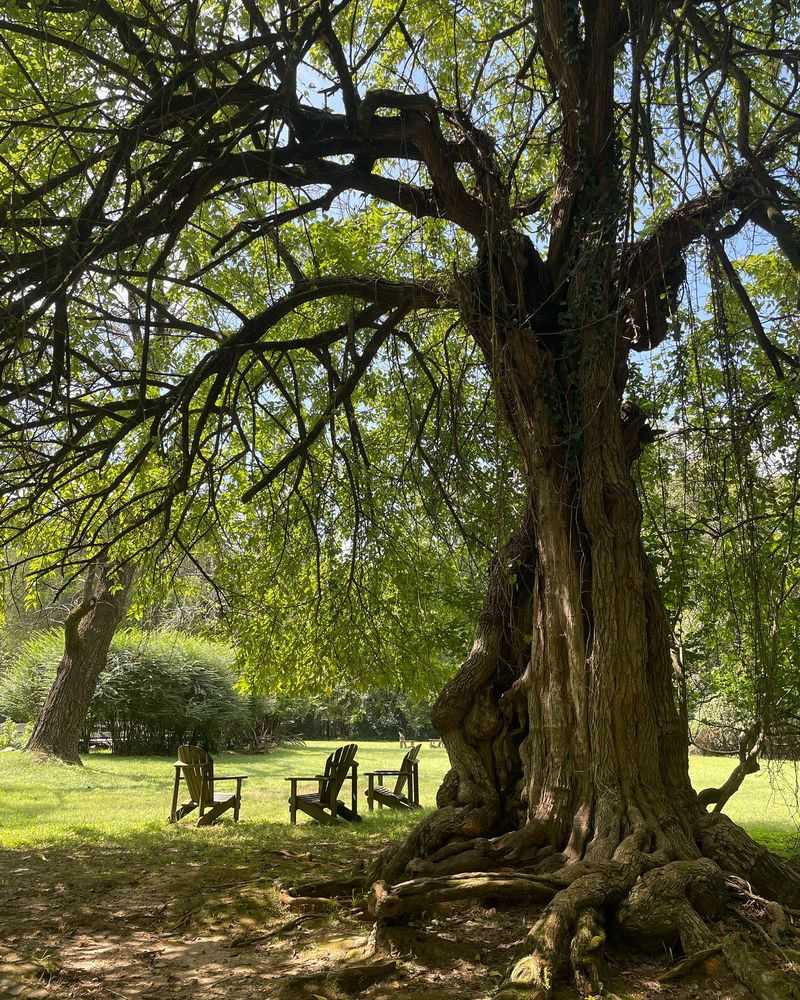
Old Osage orange rows tell the story of how families shaped Ohio farmland by hand. Each one marks a field line, a property border, or a farmer’s long summer of trimming.
If you have one on your land, a little care goes a long way. Remove broken limbs, and call a certified arborist before major cutting, since the wood is hard and the thorns are sharp.
Wear thick gloves and long sleeves when working near the branches. The milky sap can bother sensitive skin, too.
Choosing a male or fruitless variety is one option for people who still want the tree in a yard. Those types skip the heavy hedge apples while keeping the tough wood and yellow fall color.
Share what you find with local historical societies or your county extension office. They often enjoy learning about old farm features in the area.
Next time you drive a country road, slow down near those twisted trees. You’re looking at a fence someone grew, and it’s still standing strong.