Never Do These Things To Your Pennsylvania Lawn This November
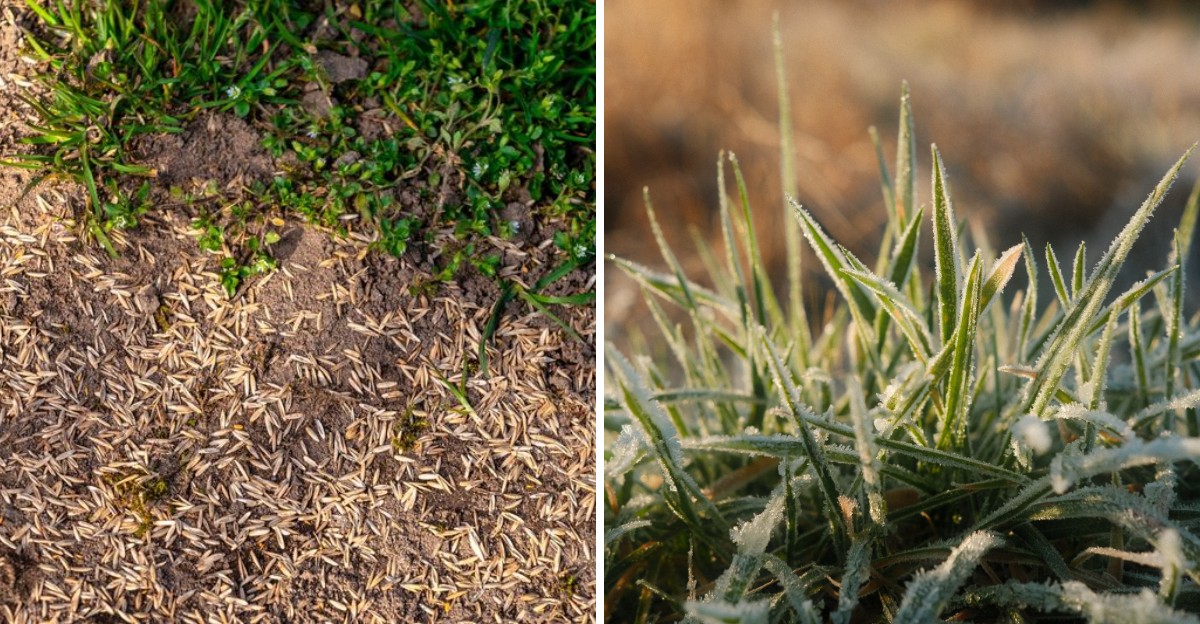
Grass roots in cool-season lawns keep growing until the soil drops near 40 degrees, long after the blades stop. That quiet underground work often stretches deep into late fall across much of Pennsylvania.
I love how a lawn looks sleepy on top while it busily stores sugars for spring below. Those stored reserves help turf green up faster once warmer days return in March and April.
I have to admit, I used to treat this month like a lazy cleanup period before winter. You might notice that a few common habits can quietly undo months of careful mowing and feeding.
Pennsylvania winters test every lawn with freezing nights, heavy snow, and soggy thaws that linger for weeks. So which small mistakes are secretly setting your yard up for a rough and patchy spring?
1. Leaving Fallen Oak Leaves Matted On The Grass
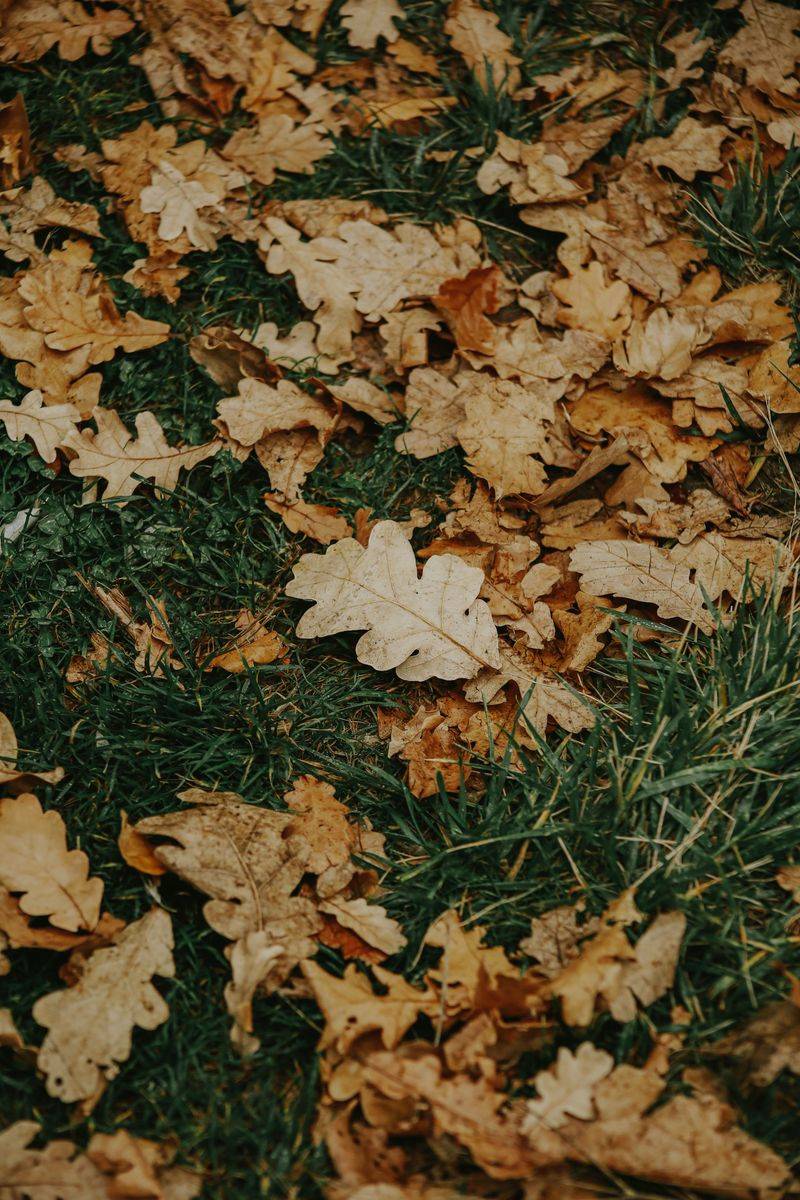
Soggy leaves stuck flat on your lawn act like a wet blanket that blocks sunlight from reaching the grass. Grass still needs that light this month because it keeps making food for its roots before winter.
Personally, I find a thick leaf mat after a rainy week one of the saddest sights in a yard. Underneath, the turf often turns yellow and weak, and it can stay thin and patchy until late spring.
Matted leaves also trap moisture against the blades, which creates a cozy home for snow mold over the winter. Penn State Extension notes that heavy debris left on lawns can raise the risk of this common winter disease.
You do not need to rake every single leaf to keep your grass happy and healthy through the cold months.
A mulching mower can shred light leaf cover into tiny pieces that slip down between the blades and break down.
Those small leaf bits actually feed the soil a little as they decompose over winter and into early spring. If you can still see grass through the shredded pieces after mowing, you are usually in good shape.
Thicker layers from big oaks or maples need raking or bagging, especially before the first lasting snow arrives. I like to tackle leaves every week or two so the job stays small and my back stays friendly.
2. Scalping Your Grass With A Super Short Final Mow
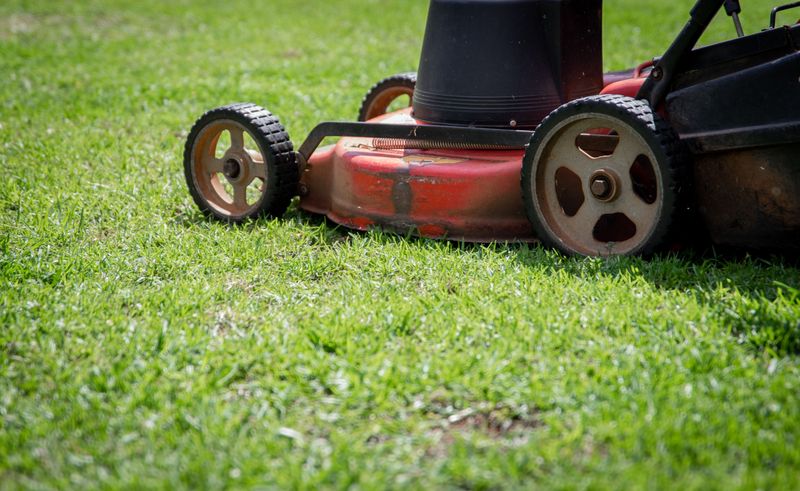
Chopping your lawn down to a buzz cut might feel tidy, but your grass will quietly pay for it all winter. Very short blades have less surface to make food, so the roots get weaker right when they need strength.
Most lawns here are cool-season grasses like tall fescue, Kentucky bluegrass, and perennial ryegrass mixed together in different amounts.
Extension experts generally suggest keeping these grasses around two and a half to three inches tall for the final cuts.
What surprises me most is how quickly scalped patches thin out and invite weeds to move in next spring. Crabgrass seeds love bare, sunny soil, and a shaved lawn gives them plenty of open space to sprout early.
On the flip side, leaving grass too long into winter is not ideal either for your yard’s overall health. Tall, floppy blades can fold over under snow and create damp mats that encourage snow mold and hungry voles.
The sweet spot is a gradual approach rather than one dramatic chop during the last mowing day of fall.
You can lower your mower deck slightly over the final two or three mows until you reach that middle height.
Keep mowing as long as the grass keeps growing, which often happens into early or mid November in many areas. I also sharpen my blade before the last mow because clean cuts heal faster than ragged, torn grass tips.
3. Spreading Grass Seed On Cold November Soil
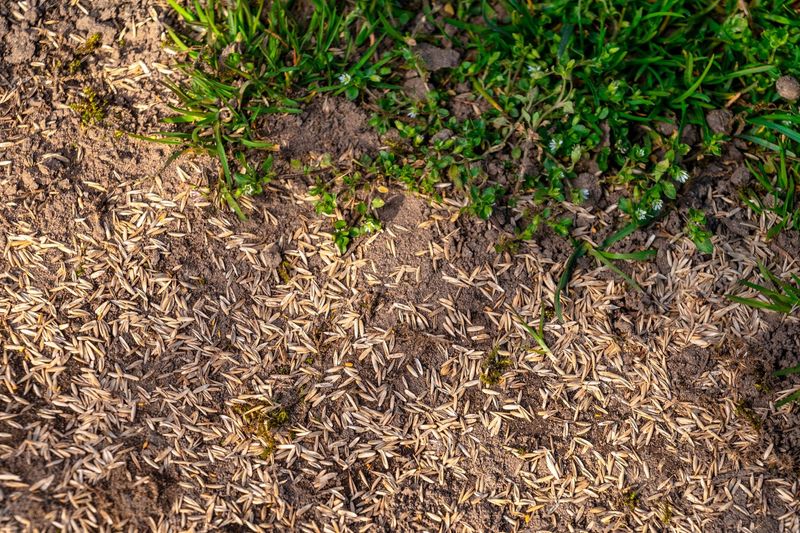
Grass seed tossed onto chilly ground is a little like planting hope in a refrigerator and waiting for magic.
Most cool-season seed sprouts best when soil temperatures stay roughly between fifty and sixty-five degrees for several weeks.
By November, soil in much of the state has cooled well below that range, so new seedlings struggle badly.
Even if a few sprouts appear, their tiny roots often cannot anchor deeply enough before hard freezes begin heaving the soil.
Penn State Extension points to late summer and early fall as the best window for seeding cool-season lawns.
That timing gives young grass several months of mild weather to build roots before the toughest winter weather arrives.
I have to admit, I once seeded a bare patch in November and mostly fed the neighborhood birds instead.
The few seedlings that survived looked thin and sad, and I ended up reseeding the same patch the following September.
There is one exception some gardeners use, called dormant seeding, which happens after soil is too cold for germination.
The idea is that seed sits quietly through winter and sprouts in spring, though results can be spotty and unpredictable.
For most yards, a better plan is marking bare spots now and saving your seed for next fall’s window. You can also seed in early spring, but expect more competition from weeds as temperatures rise into summer.
4. Walking Across Frosty Grass In The Early Morning
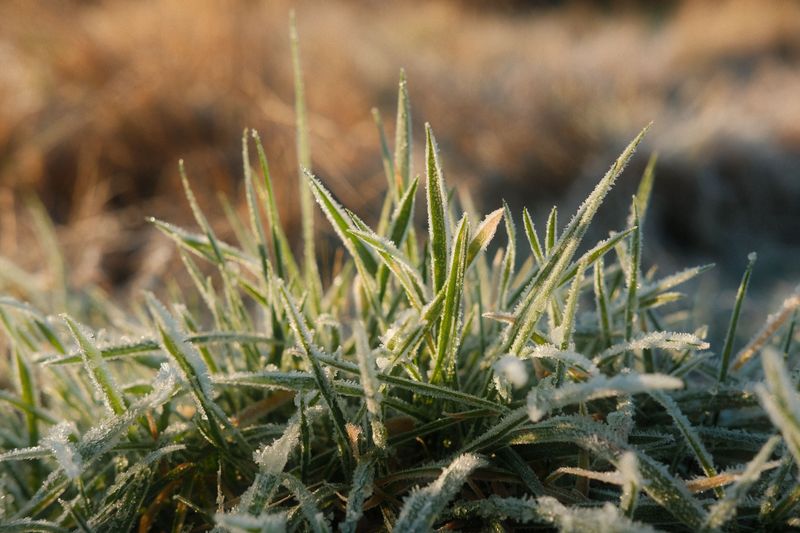
Those crunchy white footprints on a frosty lawn look charming until they turn brown a few days later. Frozen grass blades contain ice crystals, and stepping on them can break the plant cells like snapping thin glass.
You might notice a trail of tan footprints leading from your door to the mailbox by midweek.
That damage happens because the crushed tissue cannot recover easily, especially when temperatures stay cold for several mornings in a row.
Healthy lawns usually bounce back eventually, so a single trip across frosty grass is not a crisis at all. Repeated traffic along the same path, however, can thin the turf and compact the soil underneath over time.
Personally, I keep a pair of old boots by the back door and stick to the walkway on frosty mornings. Waiting until the sun melts the frost, often by midmorning, gives the blades time to soften and flex again.
Kids and dogs love racing across sparkly lawns, so this one can take some gentle family planning.
A few stepping stones or a mulched path along popular routes can protect your grass without spoiling anyone’s outdoor fun.
Parking cars, trailers, or heavy equipment on frozen or soggy turf causes even more trouble than footsteps do. Those heavy loads press the soil tight, making it harder for roots and water to move freely when spring arrives.
5. Dumping Rock Salt Near Lawn Edges And Sidewalks
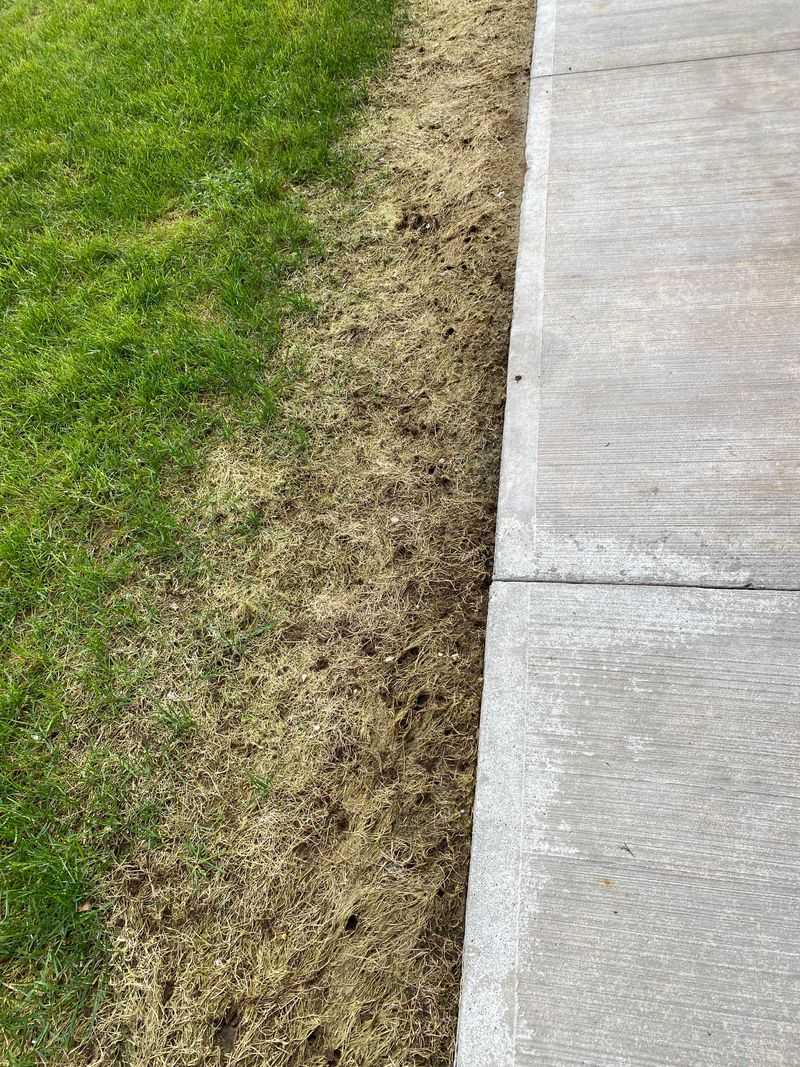
A strip of crispy brown grass along the driveway every spring often traces back to one winter habit. Sodium chloride, the common rock salt, pulls moisture away from grass roots and can build up in nearby soil.
November is when many folks stock up on ice melt, so this is the perfect month to choose wisely. Salt damage often shows up months later, which makes it easy to blame something else when grass struggles in April.
I believe the easiest fix starts with using less product and shoveling snow before it packs into slick ice.
Spreading salt only on true problem spots, rather than coating everything, keeps far less of it washing into lawn edges.
Products made with calcium chloride or magnesium chloride are often described as gentler on plants than plain sodium chloride.
They still contain salts, though, so moderation matters no matter which bag ends up in your garage this season.
Sand or fine grit adds traction without changing soil chemistry, although it will not melt ice for you. I keep a small bucket of sand near the steps for quick sprinkling on frozen patches during cold snaps.
Try not to pile salty snow from the driveway directly onto grass beds or flower borders if you can avoid it.
When spring arrives, a deep soaking of edge areas can help flush some lingering salt down below the root zone.
6. Skipping Fall Cleanup On Mowers And Garden Hoses
Old gasoline sitting in a mower tank all winter can gum up the carburetor like sticky syrup in a straw.
Many small engine experts recommend either running the tank dry or adding fuel stabilizer before storing equipment for months.
I can’t imagine dealing with a stubborn mower on the first warm Saturday of spring, but plenty of us do. A little care now saves frustration, repair costs, and that awkward moment pulling the starter cord over and over.
Scrape caked grass clippings from under the deck, since wet debris can encourage rust during long, damp winters. This is also a smart time to sharpen or replace the blade so your first spring cut looks clean.
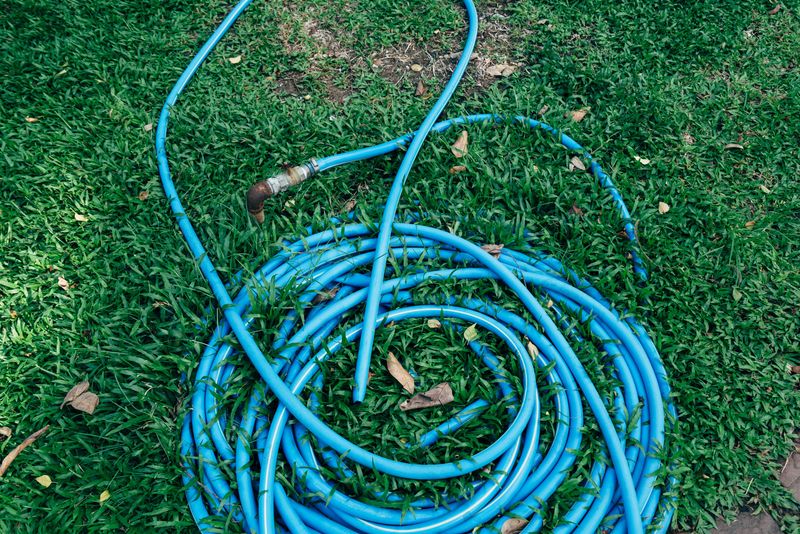
Garden hoses deserve attention too, because water trapped inside can freeze, expand, and split the rubber or fittings.
Drain each hose fully, coil it loosely, and store it somewhere sheltered instead of leaving it tangled on the lawn.
Outdoor faucets can freeze and crack if hoses stay attached during cold snaps that often arrive later this month.
Disconnecting hoses and shutting off interior valves for outdoor spigots, if your home has them, helps protect household plumbing.
Personally, I make a little ritual of this job on a sunny afternoon with a warm mug of cider. It feels good to close the season knowing everything is ready to roll once the grass wakes up again.
7. Feeding Your Lawn On Frozen Or Snowy Ground
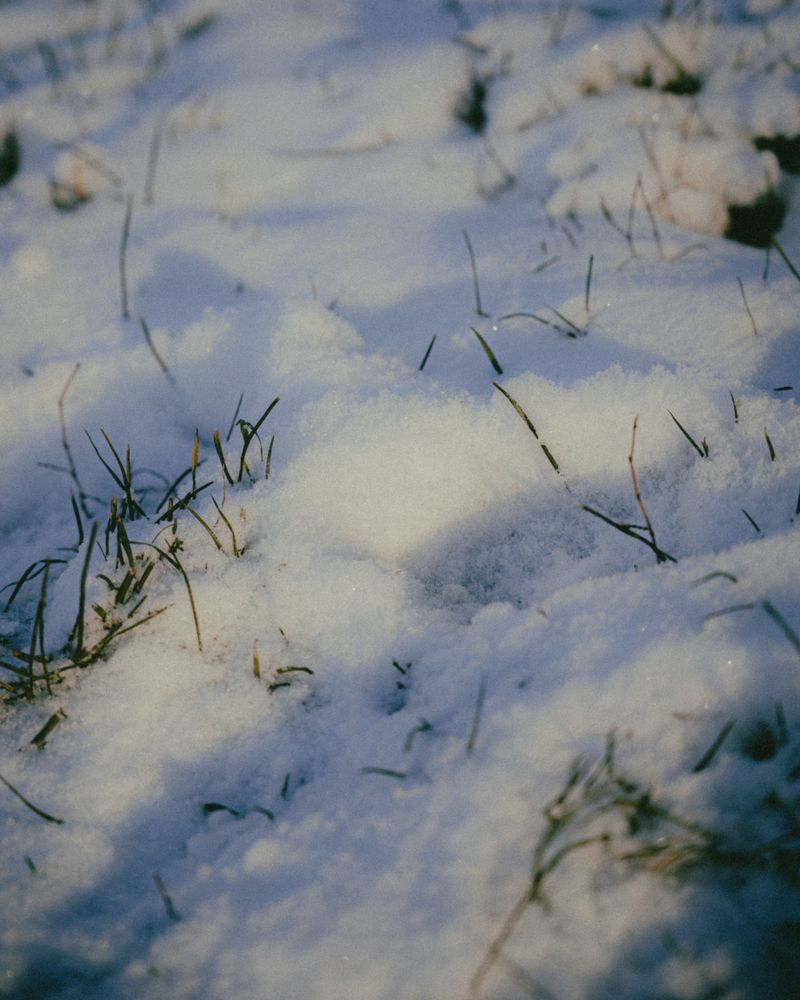
Fertilizer pellets bouncing across frozen grass may look harmless, but many of them never reach a single hungry root. When the ground is frozen, nutrients can wash away with melting snow and rain instead of soaking into soil.
That runoff often travels into storm drains and streams that eventually feed the Chesapeake Bay and other waterways.
Extra nitrogen and phosphorus in water can fuel algae growth, which harms fish and the plants living beneath the surface.
Pennsylvania has a fertilizer law, which took effect in late 2024, that limits applying lawn fertilizer to frozen or snow-covered ground.
The rules also set guidelines on product content and keeping fertilizer off hard surfaces like sidewalks and driveways.
I love how late-season feeding can help grass store energy, but timing makes all the difference with this practice.
Many extension specialists suggest a final application in fall while grass is still green and soil remains workable and unfrozen.
If you missed that window this year, try not to stress about it or rush out with a spreader. Your lawn will usually be fine, and you can plan a well-timed feeding next fall or a light one in spring.
Before buying any product, a soil test from Penn State Extension shows exactly what your lawn actually needs.
You might discover you need far less fertilizer than you thought, which saves money and protects nearby streams too.