The One Thing You Should Never Do to Hibiscus in Florida This Fall
One snip in October can wake up a sleepy shrub at the worst possible time. New shoots can pop out within a few weeks. Then one chilly December night can turn them brown and limp.
I learned this lesson the hard way in my own Florida yard. My bush looked tidy for about a month. After a cold snap, it looked worse than before I touched it.
You need to know one thing about these tropical beauties. They come from warm places and hate sudden chills. Fresh, soft leaves feel that cold far more than older, tougher ones.
What common fall habit puts your favorite flowering shrub at risk? The answer might be sitting in your garden shed right now.
That Urge to Grab the Hibiscus Pruners Can Backfire This Fall
Cooler mornings arrive, and suddenly every gardener I know wants to tidy up. Shrubs look leggy after a long, rainy summer.
Your hibiscus might be sprawling across the walkway and begging for a haircut.
Hold off on that big trim. The one thing you should skip this fall is heavy pruning of tropical hibiscus.
Cutting it back hard right now sends the plant a loud wake-up call at the wrong time of year.
Hibiscus responds to pruning by pushing out a burst of fresh growth. In spring, that is exactly what you want.
In fall, that same burst shows up just as cooler weather starts rolling in.
Gardeners love a neat yard, and that instinct is perfectly normal. Still, a shaggy shrub through winter is much better than a damaged one.
Think of the extra branches as a cozy blanket for the plant.
University of Florida extension experts suggest saving major pruning for late winter or early spring. By then, the danger of frost has mostly passed.
Your plant can grow strong, healthy shoots without any cold surprises.
So put the loppers away for now. A little patience pays off in the coming months.
Come spring, you can shape your hibiscus however you like, and it will reward you with fresh leaves and plenty of buds.
Of course, pruning is only part of the story. The real reason this matters lies in how those new shoots handle a sudden chill, and that is where things get tricky.
Fresh Hibiscus Shoots Show Up Right Before the Chilly Nights
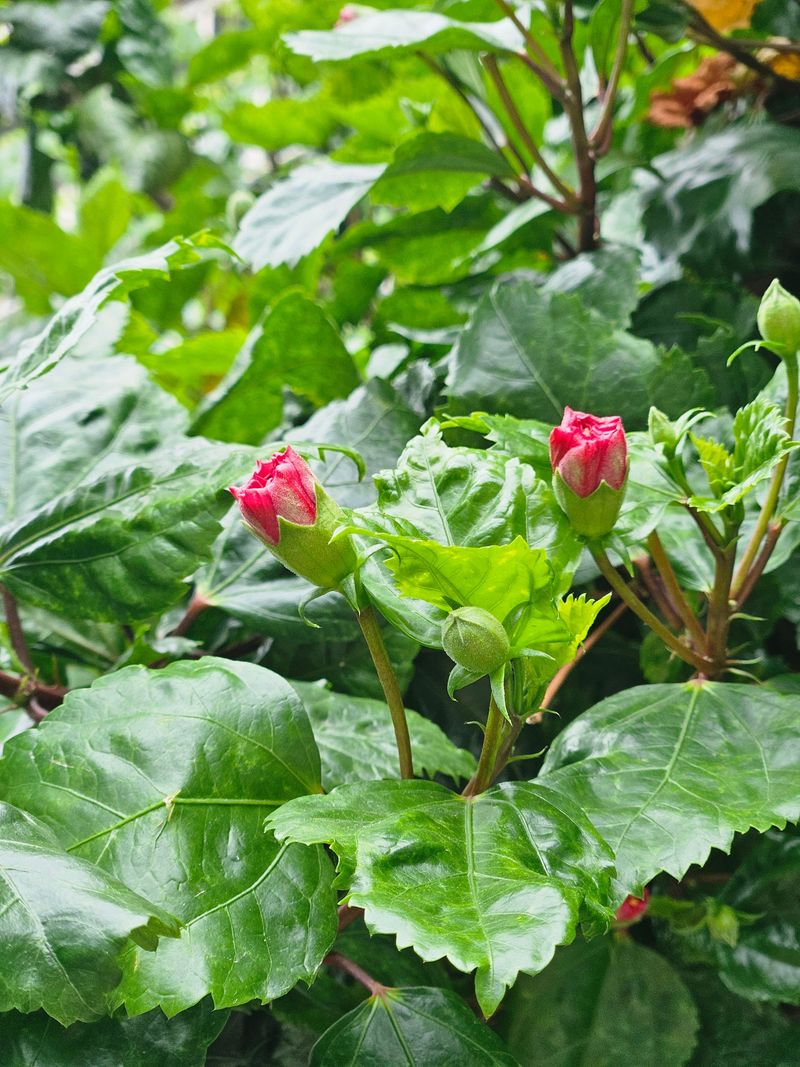
Cut a hibiscus branch, and the plant gets busy. Little buds hidden along the stem start swelling within days.
Soon you see bright, glossy leaves unfolding all over the shrub.
That flush of growth looks lovely at first. The problem is timing.
In much of Florida, the first cool fronts often arrive from November into January.
New shoots need several weeks to toughen up. Their cell walls are thin, and they hold a lot of water.
When temperatures drop near freezing, that water can form ice crystals and rupture the cells.
Older wood handles cold far better. It has had months to harden and build up some protection.
Pruning swaps that sturdy growth for soft, fragile tissue right before winter.
Plants also use energy to make those new leaves. If cold damages them, the shrub has to spend even more energy replacing them later.
That cycle can leave your hibiscus weak and slow to bloom in spring.
I like to compare it to sending a kid outside in shorts during a cold snap. The kid will probably be fine eventually, but nobody enjoys the shivering.
Your hibiscus feels a similar shock.
Fall growth also tends to attract pests. Aphids and whiteflies love tender leaves, and they can pile on quickly.
Avoiding a big trim helps reduce both cold injury and bug trouble, giving your shrub a calmer, healthier season overall.
Your Spot in Florida Changes How Much Cold Your Hibiscus Faces
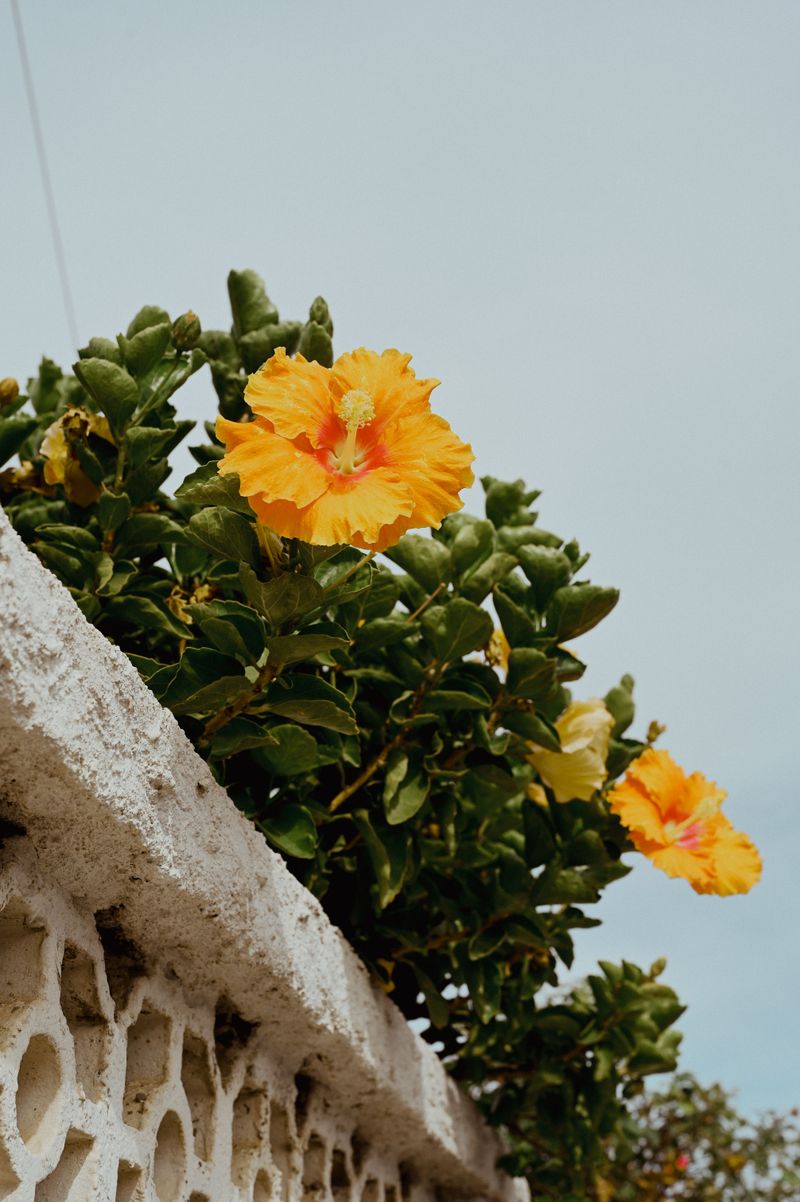
Florida stretches more than 400 miles from the Panhandle to Key West. That means winter looks very different depending on where you live.
A gardener in Pensacola and one in Miami face two separate worlds.
In North Florida, tropical hibiscus often freezes back to the ground during cold winters. The good news for those gardeners is that the roots usually survive and send up new shoots in spring.
Still, fall pruning makes that winter setback even harsher.
Central Florida sits in the middle. Some winters bring only a few chilly nights, while others bring a hard freeze or two.
Orlando and Tampa gardeners often see light frost damage on exposed leaves.
South Florida rarely freezes. Hibiscus stays green and blooming much of the year there.
Even so, cold fronts can dip into the 40s, and tender new growth may still show stress or leaf drop.
Your own yard has small pockets too. Low spots collect cold air, while areas near a south-facing wall stay warmer.
Plants close to the house often handle chilly nights better than ones out in the open lawn.
Pay attention to your local frost dates. The UF/IFAS extension office in your county can share helpful timing tips.
Knowing your zone helps you decide how careful you need to be this fall.
Wherever you garden, waiting on heavy pruning is the safer bet. A little caution costs nothing and protects your shrub’s spring show.
Tropical and Hardy Hibiscus Play by Different Rules
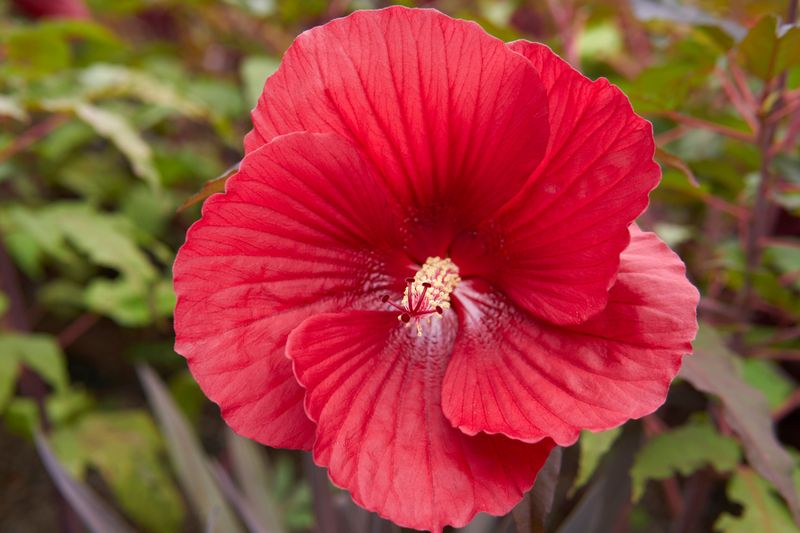
Not every hibiscus is the same plant. Garden centers sell several types, and they behave in surprisingly different ways.
Knowing which one you own makes a big difference this fall.
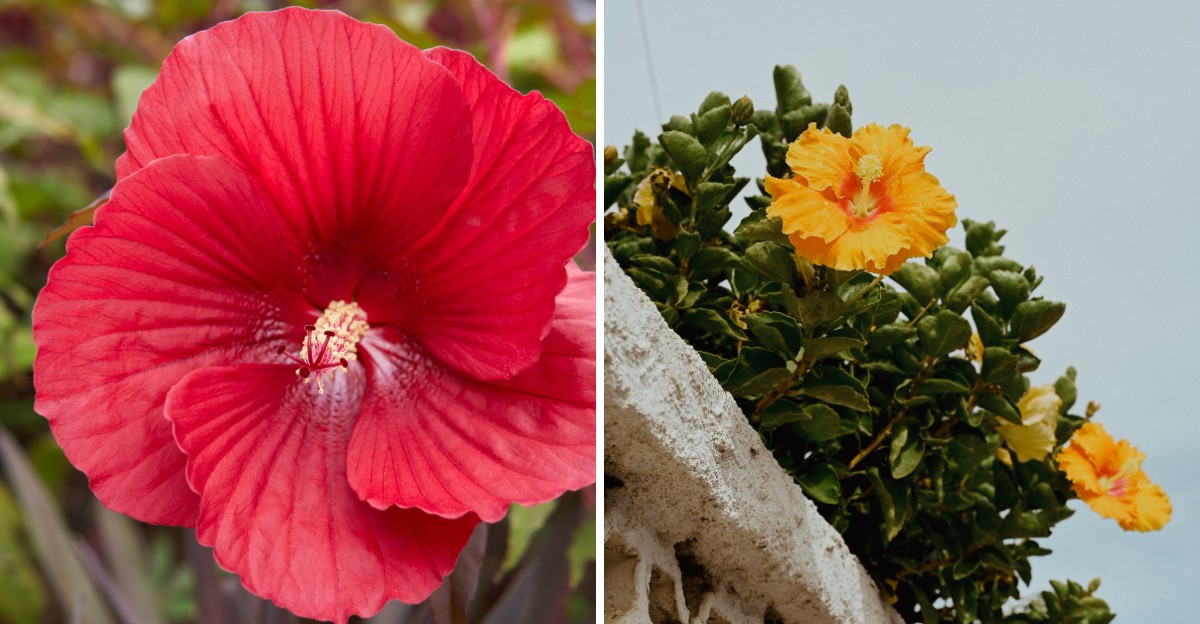
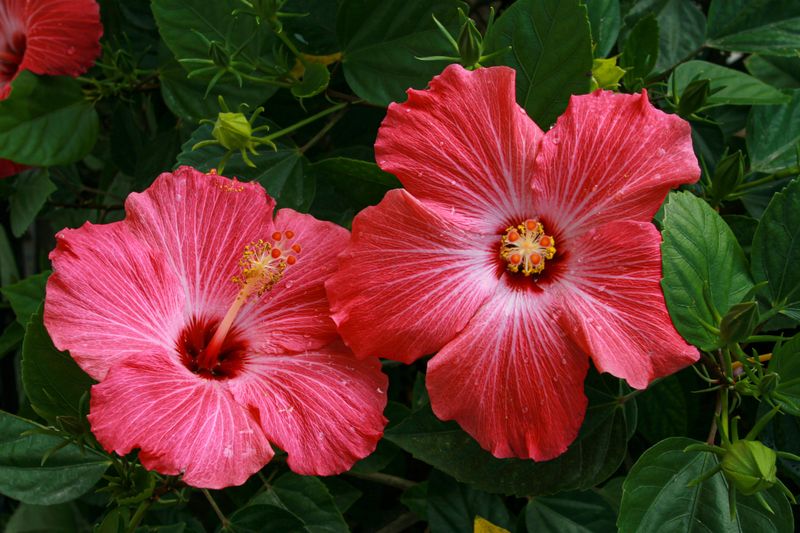
Tropical hibiscus, known as Hibiscus rosa-sinensis, is the classic Florida favorite. It has glossy, dark green leaves and flowers in red, orange, yellow, pink, and many mixed shades.
Most blooms last only about a day, but new ones keep coming.
Hardy hibiscus is another story. These plants, including native rose mallow and swamp hibiscus, handle cold much better.
Many die back to the ground in winter on purpose and return in spring. Fun fact: scarlet rosemallow, Hibiscus coccineus, is native to Florida wetlands.
Because hardy types go dormant, cutting their old stems down after they brown is perfectly fine. The fall pruning warning mostly applies to the tropical kind.
Those are the plants that keep trying to grow when they should be resting.
How can you tell them apart? Tropical hibiscus leaves feel shiny and leathery.
Hardy hibiscus often has softer, duller leaves and huge flowers, sometimes as wide as a dinner plate.
Check your plant tag if you still have it. If not, a quick photo shown to a local nursery worker can solve the mystery.
Once you know your type, you can follow the right care plan with confidence and avoid a costly mistake.
A Few Small Snips on Hibiscus Are Perfectly Fine
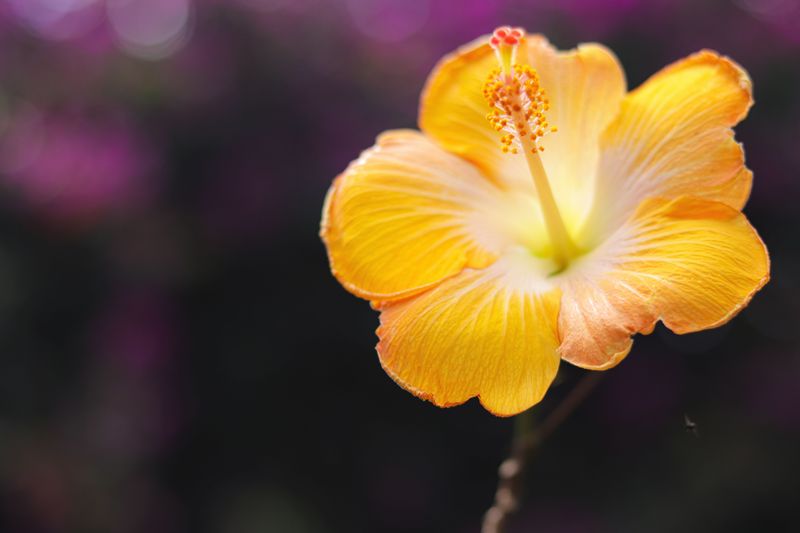
Skipping a big trim does not mean your pruners must stay locked up. Light maintenance cuts are fine almost any time of year.
The trick is knowing where to draw the line.
Start with broken branches. Storms and strong fall winds can snap stems, and those jagged ends invite disease.
Cut them back cleanly to a healthy spot just above a leaf or bud.
Next, look for brown, brittle wood or branches showing disease. Removing them helps the plant focus on healthy growth.
Toss the clippings in the trash rather than the compost if you suspect a fungus or pest.
A stray stem poking into the sidewalk can go too. Just keep these cuts minimal.
A good rule is to remove no more than a few branches at once.
Clean tools matter. Wipe your blades with rubbing disinfectant or a mild bleach solution between plants.
That simple step helps prevent spreading problems from one shrub to another.
Sharp pruners also make a difference. Dull blades crush stems and leave ragged wounds that heal slowly.
A clean cut closes faster and looks neater too.
Personally, I keep a small notebook of the cuts I make each fall. It reminds me which branches need attention when spring pruning season arrives.
Planning ahead turns that big spring job into an easy, satisfying afternoon in the garden.
Easy Fall Habits That Help Your Hibiscus Toughen Up
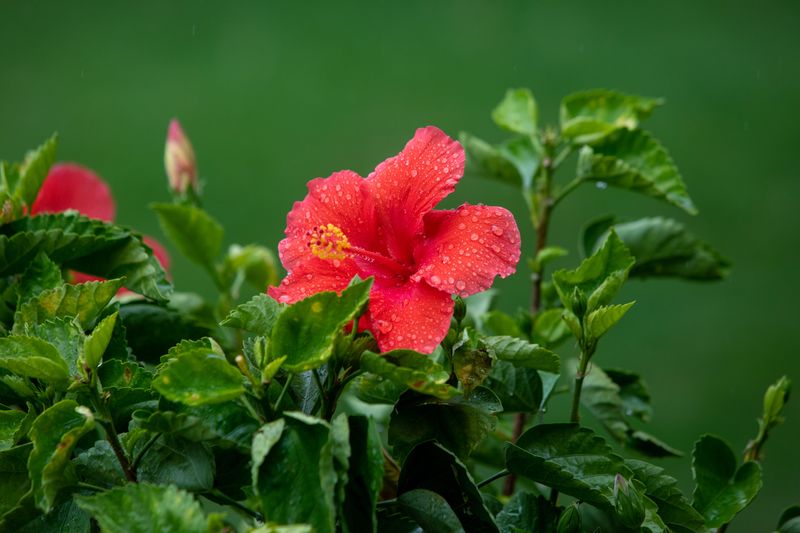
Strong plants handle cold better than stressed ones. That simple idea guides almost everything you do for hibiscus in fall.
A few steady habits can help your shrub settle in for the cooler months.
Water wisely. Florida’s rainy season usually winds down in October, and fall can turn surprisingly dry.
Give your hibiscus a deep drink when the top inch of soil feels dry, but avoid soggy roots.
Moist soil actually holds heat better than dry soil. Watering a day before a predicted cold night can help protect roots.
It sounds odd, but extension experts often recommend it.
Ease up on fertilizer. Like pruning, heavy feeding encourages soft new growth.
Many Florida gardeners slow or pause fertilizing as winter approaches, then pick it back up in spring.
Mulch is your friend. Spread two to three inches of pine straw, shredded leaves, or bark around the base.
Keep it a few inches away from the stem to prevent rot.
Keep an eye out for pests. Hibiscus can host whiteflies, aphids, mealybugs, and the pink hibiscus mealybug in some parts of Florida.
Check under leaves and rinse small infestations with a strong spray of water.
I believe consistency beats fancy products here. A healthy, unstressed hibiscus walks into winter with stored energy.
That stored energy helps it bounce back quickly once warm days return and the blooms start rolling again.
Cold Front Coming? Your Hibiscus Will Thank You for a Frost Cloth
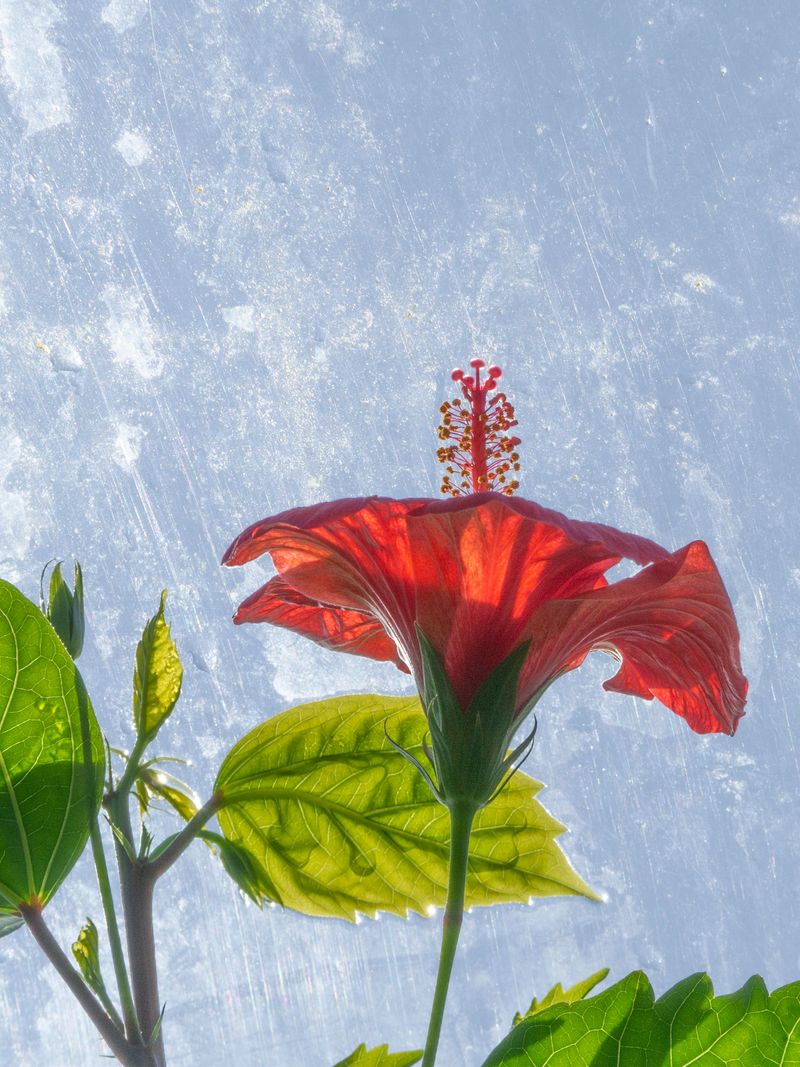
Weather apps buzzing with a frost warning can make any gardener nervous. Quick action the afternoon before usually helps a lot.
A little preparation protects all the patience you showed this fall.
Cover your hibiscus with a frost cloth, old bedsheet, or light blanket. Let the fabric drape all the way to the ground.
That traps warmth rising from the soil, which is where most of the protection comes from.
Skip plastic touching the leaves. Plastic can transfer cold directly and cause more damage.
If plastic is all you have, set up stakes so it does not rest on the foliage.
Potted hibiscus has an easy escape route. Roll containers into a garage, shed, or covered porch for the night.
Bring them back out once the sun warms things up.
Remove covers the next morning when temperatures climb. Leaving them on during a sunny day can overheat the plant underneath.
Fresh air and light help it recover.
What if damage happens anyway? Resist trimming off brown leaves right away.
That damaged growth shields the inner branches from the next cold night.
Wait until late winter or early spring, once the frost risk passes in your part of Florida. Then scratch the bark gently to find green wood and prune back to it.
Your hibiscus will likely push out healthy new growth and bloom beautifully by summer.