Shredded Oak Leaves Won’t Make Georgia Garden Soil Acidic Despite The Common Myth
A freshly fallen oak leaf can test as low as pH 4.5, about as sour as a cup of black coffee. That sounds alarming until you learn what happens a few weeks later.
For years, I watched friends bag up mountains of crunchy brown leaves every fall. They believed those leaves would sour their vegetable beds and stunt their tomatoes.
I used to worry about the same thing.
Here in Georgia, our red clay and sandy coastal soils already lean acidic on their own. The real question is whether a pile of leaves can push things any further.
Soil scientists have studied this for decades, and their answer surprised me.
You might be tossing out one of the best free soil builders your yard produces each autumn. What really happens to that sour leaf once it hits the ground?
1. That Sour Oak Leaf Has A Surprisingly Short Shelf Life
Grab a fresh oak leaf in November and it really does lean acidic. Tests often land somewhere between pH 4.5 and 5.5, and that number is where the whole myth was born.
Most people stop the story right there. The problem is that a leaf on the ground does not stay the same leaf for long.
Fungi, bacteria, earthworms, and tiny insects start chewing on it almost right away.
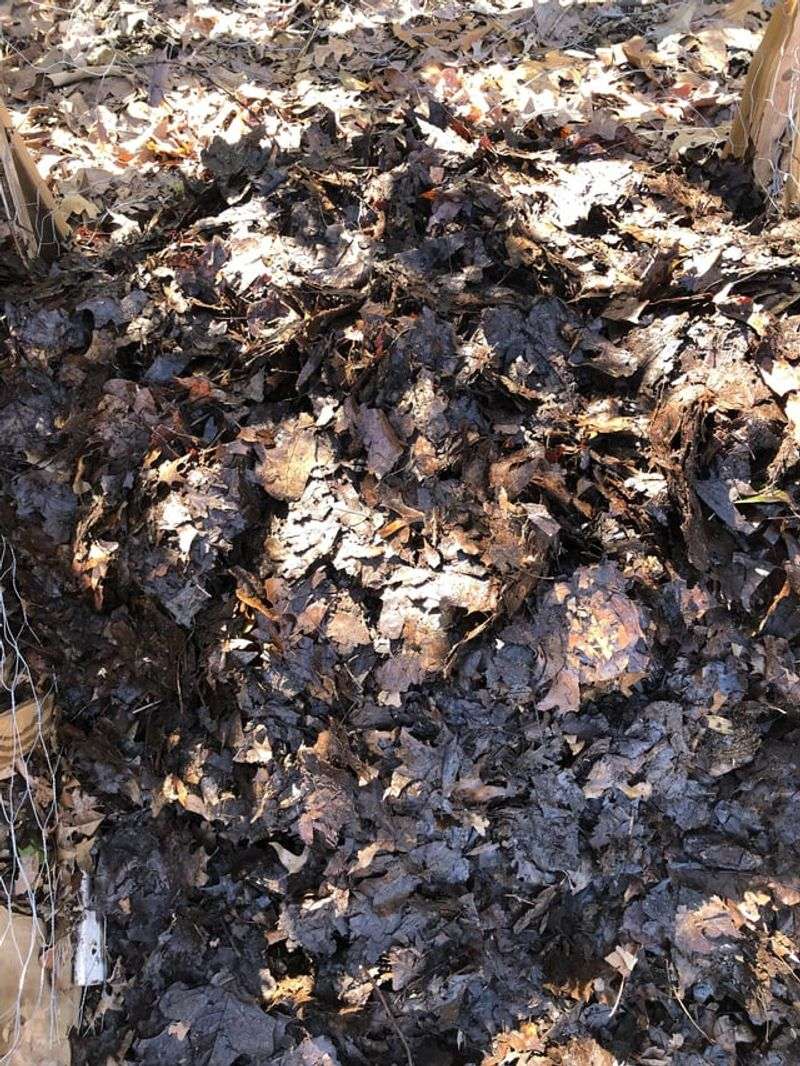
Those helpers break down the organic acids and tannins that give oak leaves their tangy edge. As the leaf turns into crumbly humus, its pH drifts toward neutral.
Some finished leaf compost even tests slightly alkaline.
I find this part fascinating. The very thing people fear is the first thing to disappear during decomposition.
Think of it like a green banana. It starts hard and sour, but time changes it into something very different.
Leaves follow a similar path, only underground and much slower.
So when someone tells you oak leaves are acidic, they are partly right. They are just describing the leaf at the starting line, not the material that actually ends up mixing into your garden beds months later.
2. Garden Soil Quietly Shrugs Off A Layer Of Oak Leaf Mulch
Soil has a hidden superpower called buffering capacity. It means the ground resists sudden swings in pH, a bit like a sponge soaking up small spills without overflowing.
Clay particles and organic matter hold onto minerals such as calcium, magnesium, and potassium. When a small amount of acid shows up, those stored minerals help balance it out.
A few inches of leaf mulch simply cannot overpower that system.
Research shared by university extension services, including Penn State and the University of Georgia, backs this up. Studies on leaf mulch show little to no lasting change in soil pH under real garden conditions.
You may see a tiny dip right at the surface where fresh leaves touch the soil. That effect stays shallow and fades as the leaves break down.
Roots a few inches deeper barely notice it.
I like to remind folks that forests have dropped oak leaves on the same ground for thousands of years. If leaves alone could sour soil dramatically, oak woodlands would be in serious trouble by now.
So go ahead and spread that mulch. Your beds can handle it with ease, and they will likely look healthier by next spring.
3. Georgia Red Clay Was Leaning Acidic Long Before The Oaks Dropped Anything
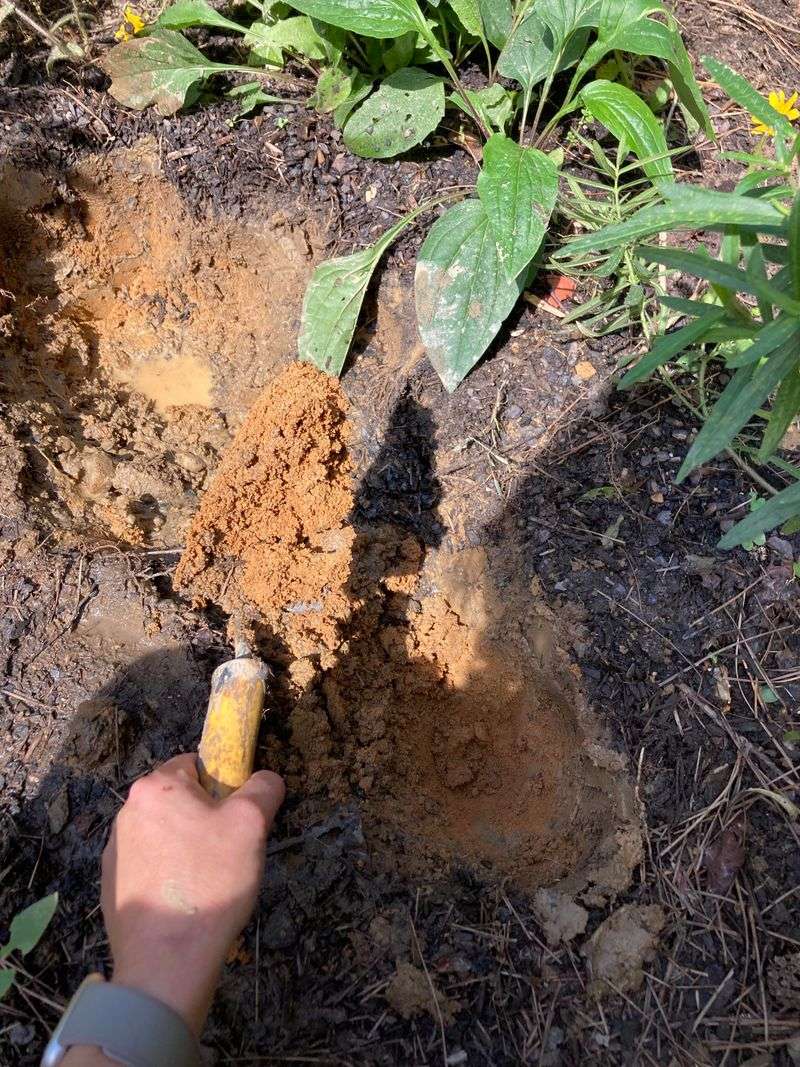
Dig a hole almost anywhere in the Piedmont and you will hit that famous red clay. It gets its color from iron oxides, and it often tests around pH 5.0 to 5.5 without any help from trees.
Heavy rainfall plays a big role here. Georgia gets roughly 45 to 55 inches a year in many areas, and all that water slowly washes calcium and magnesium out of the soil.
What stays behind tends to be more acidic.
Sandy soils in the Coastal Plain often follow the same pattern. Mountain soils in north Georgia can lean acidic too, which helps explain why native azaleas and mountain laurel feel right at home there.
Most vegetables, flowers, and lawn grasses prefer something closer to pH 6.0 to 6.5. That gap means many Georgia gardeners need to raise their pH, not worry about lowering it further.
So when a bed struggles, the leaves usually are not to blame. The soil was likely acidic from the start.
Honestly, this realization took a load off my shoulders. I stopped blaming the oaks and started paying attention to what my ground was really doing.
4. Chopped Oak Leaves Turn Into Free Soil Food For Your Beds
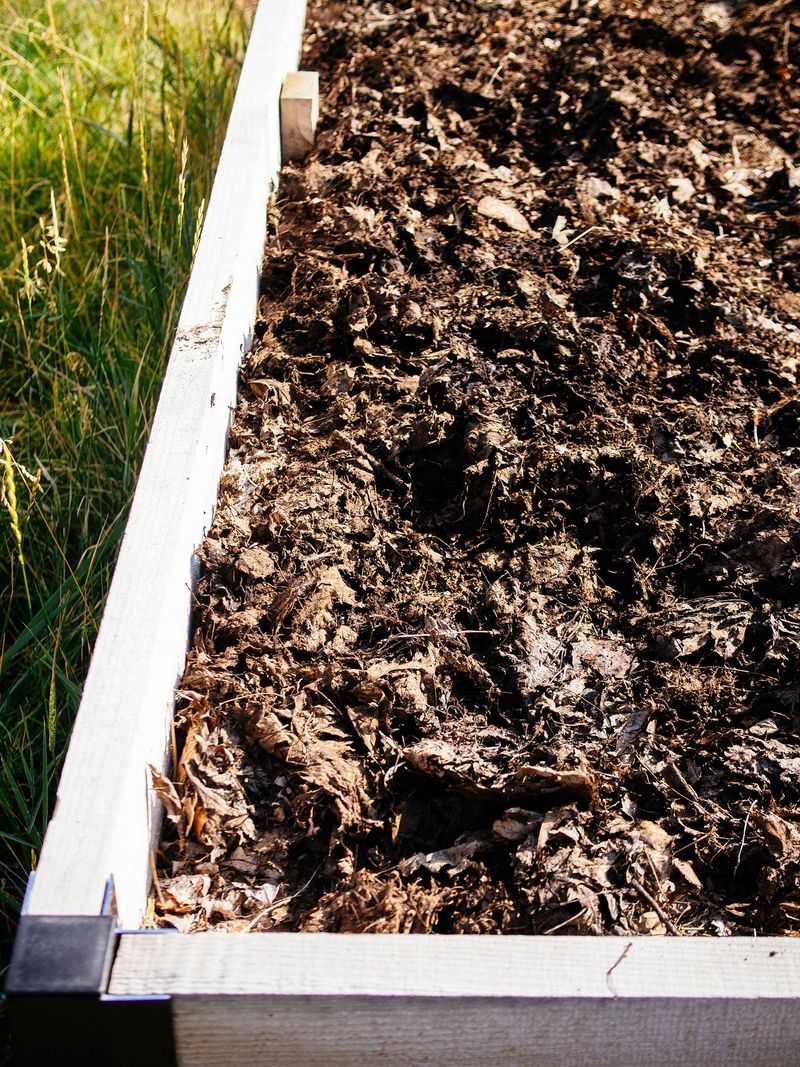
Every fall, my yard hands me a free soil amendment worth more than anything I could buy in a bag. Those shredded oak leaves are packed with carbon and slowly released nutrients.
As they break down, they add organic matter to the soil. In heavy clay, that organic matter opens tiny air spaces and helps water drain better.
In sandy soil, it acts like a sponge and holds moisture longer between rains.
Leaves also return small amounts of nitrogen, phosphorus, potassium, and calcium that trees pulled from deep underground. It is a gentle, steady feeding rather than a quick jolt like synthetic fertilizer.
Earthworms love leaf litter, too. You will often find more of them under a leaf mulch layer, tunneling and mixing organic material deeper into the ground.
Then there is leaf mold, the dark, earthy material that forms when leaves rot slowly in a pile. Gardeners in England have prized it for generations as a seed starting mix and soil conditioner.
Mulching with leaves also keeps weeds down and shades the soil during hot Georgia summers. That is a lot of work from something many people pay to haul away.
5. Run The Lawn Mower Over Those Oak Leaves Before You Spread Them
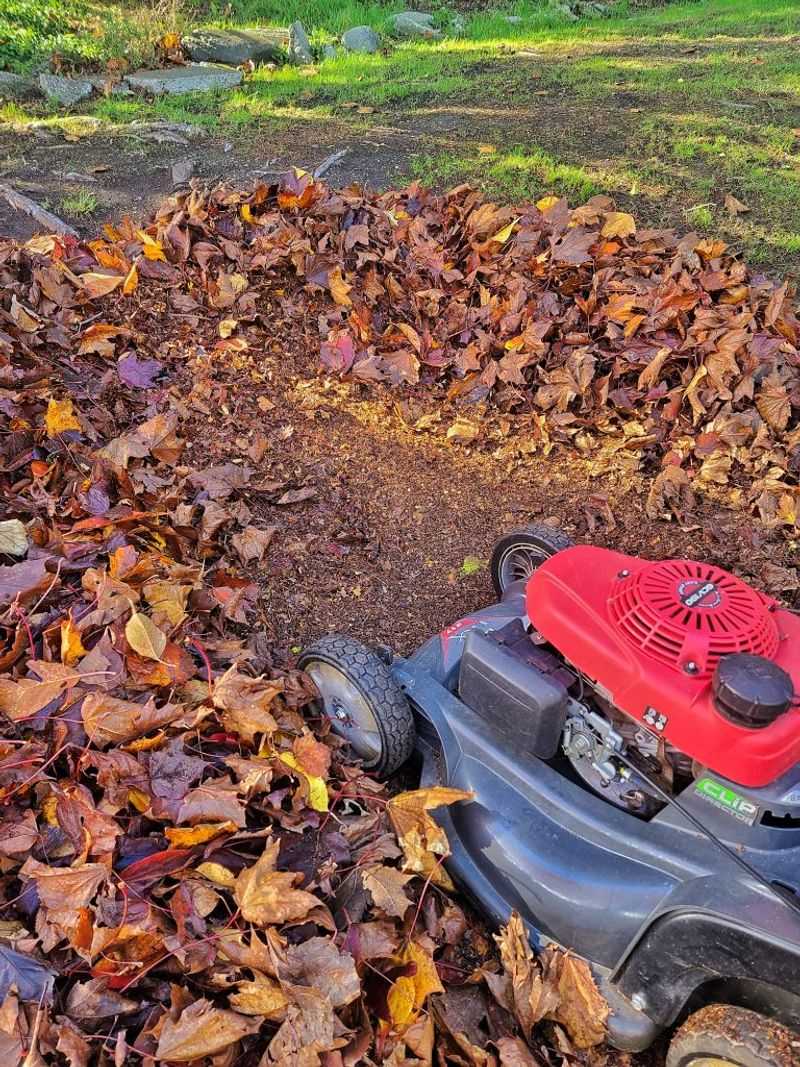
Whole oak leaves are tough customers. Their waxy coating and high tannin content make them slow to break down, sometimes taking a year or more in a pile.
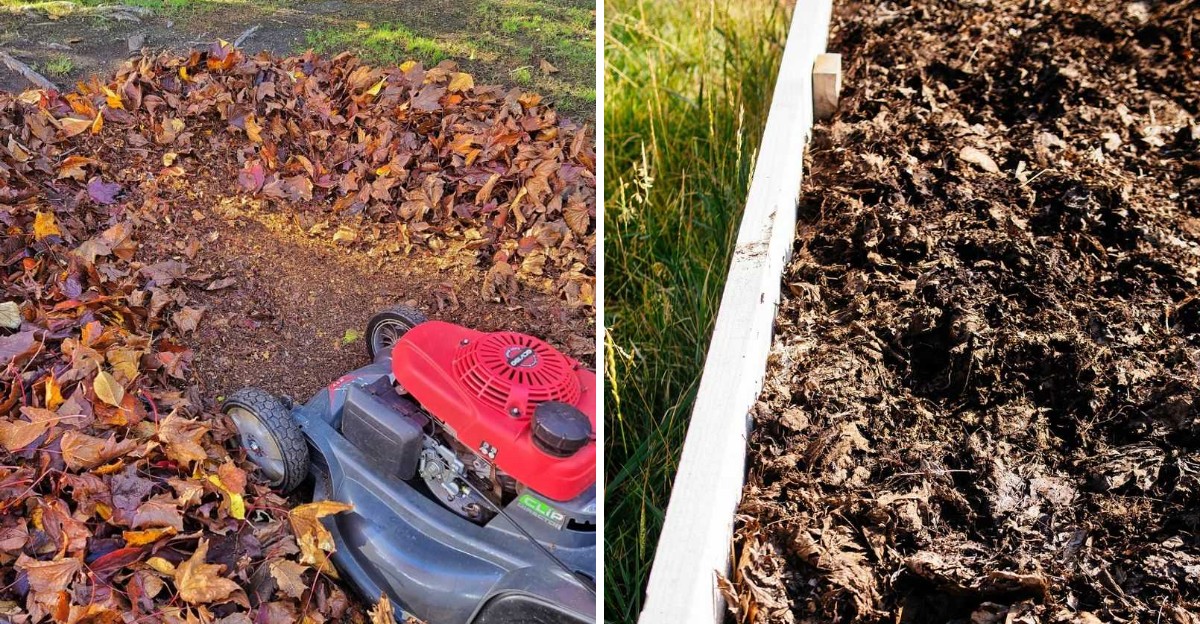
Shredding changes everything. A mower with a bagger or a simple leaf shredder chops leaves into small pieces, giving microbes far more surface area to work on.
Decomposition speeds up a lot.
Whole leaves can also mat together after a heavy rain. That soggy layer may block air and water from reaching the soil underneath.
Chopped leaves stay looser and let rain soak through.
Another bonus is that shredded pieces lock together and stay put on windy days. Whole leaves tend to blow across the yard and into your neighbor’s driveway.
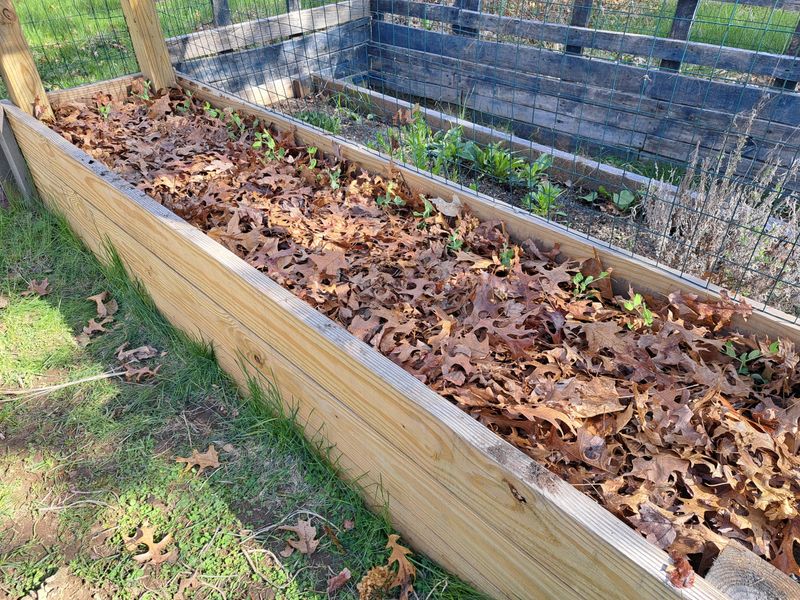
Spread your shredded leaves about 2 to 4 inches deep around shrubs, trees, and garden beds. Keep the mulch a few inches away from trunks and stems to prevent rot and pests.
In Georgia, late fall through early winter is prime time for this job. Most oaks finish dropping by December, so you can mow, collect, and mulch in just a few afternoons.
6. Garden Lime And Sulfur Move The Soil pH Needle Instead
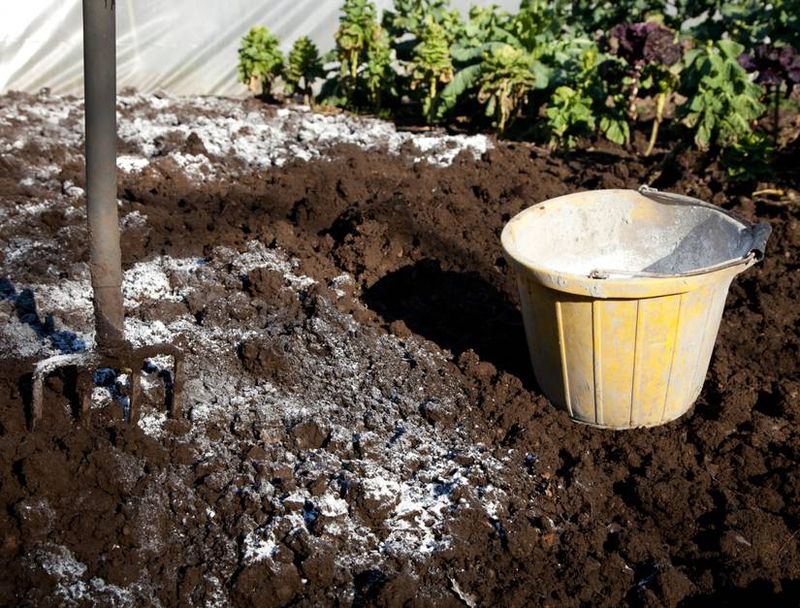
Want to really change your soil pH? Leaves will not do it, but a couple of common garden products will.
Agricultural lime is the go-to for raising pH. Dolomitic lime adds both calcium and magnesium, which many Georgia soils lack.
Pelletized versions spread easily and create less dust.
Lime works slowly, often taking several months to show full results. That is why many gardeners apply it in fall, giving it time to react before spring planting.
If you grow blueberries or azaleas and want more acidity, elemental sulfur is the usual choice. Soil bacteria convert it into a mild acid over time.
Sphagnum peat moss can also lower pH slightly when mixed into planting holes.
Here is a key point that surprises people. Even these products need correct amounts based on your soil type, because clay resists change more than sand does.
Adding too much lime or sulfur can cause more trouble than it solves. Nutrients can get locked up, and plants may show yellow leaves or poor growth.
So keep the leaves for soil health, and save the pH adjustments for products designed to handle that job.
7. A UGA Soil Test Kit Tells Your Garden’s Real pH Story
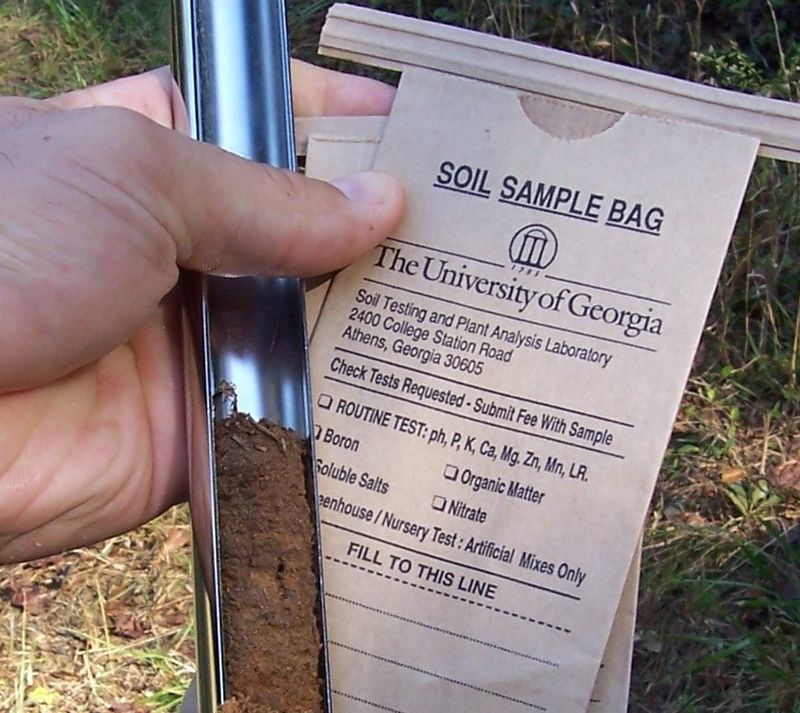
Guessing about soil pH is like guessing your temperature without a thermometer. A soil test gives you real numbers, and in Georgia it costs very little.
Your county UGA Extension office can send a sample to the university’s lab. You will get results showing pH, key nutrients, and exact lime or fertilizer recommendations for what you plan to grow.
Collecting a sample is easy. Take small scoops from 10 to 15 spots in one area, about 4 to 6 inches deep for gardens.
Mix them in a clean bucket, let the soil air dry, and send about a pint.
Skip metal containers if you can, and keep lawn samples separate from vegetable beds. Different areas often have different needs.
Fall is a great time to test. Labs are usually less busy than in spring, and you will have time to add lime before planting season arrives.
I test my beds every two or three years, and it has saved me money on products I did not need. Once you see your numbers, you can mulch with oak leaves confidently.
Your soil, not the old myth, gets to make the call.