What New York Gardeners Should Do With Fallen Apples Before Winter
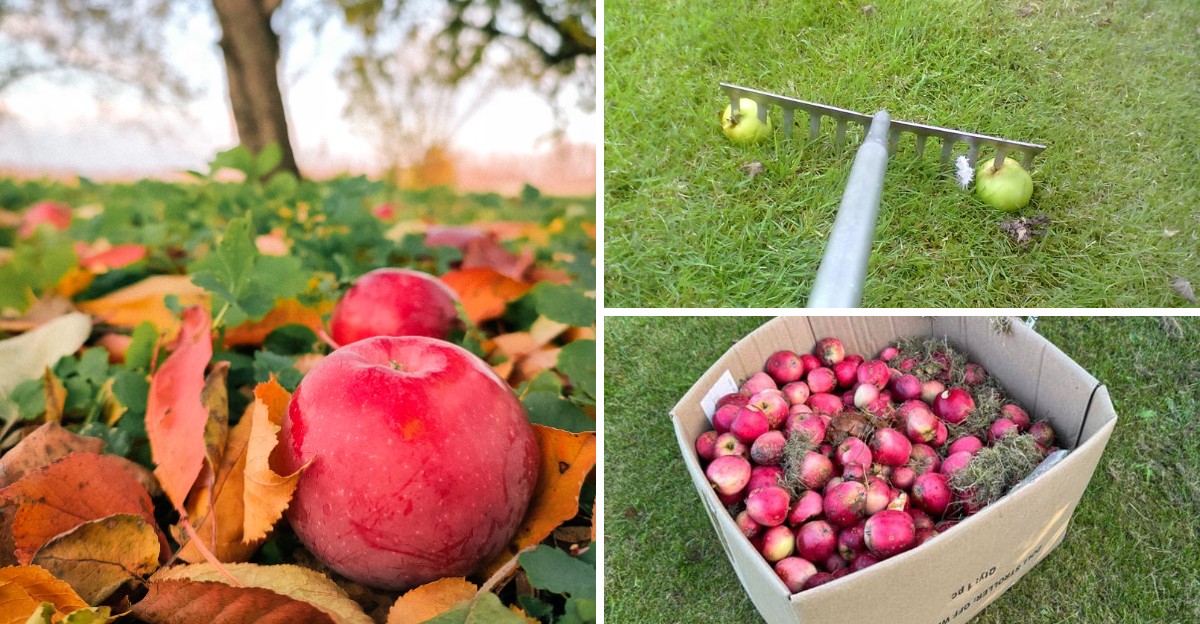
A single rotting fruit on the ground can carry enough fungal spores to start a whole new round of trouble next spring. That tiny detail stopped me cold the first time I read it.
Those lumpy, bruised windfalls under the tree look harmless. Yet some of them hold insect larvae, overwintering fungi, and sugars that draw deer, raccoons, and wasps from surprising distances.
Personally, I used to let the lawn mower handle the mess. You can guess how well that went with soggy apple mush flying everywhere. I believe a little smart effort in late fall saves a lot of frustration later.
So what separates a fruit worth composting from one that belongs in the trash bag? The answer might change how you look at that carpet of apples on your New York lawn.
Those Apples Under Your Tree Are Hiding More Than Bruises
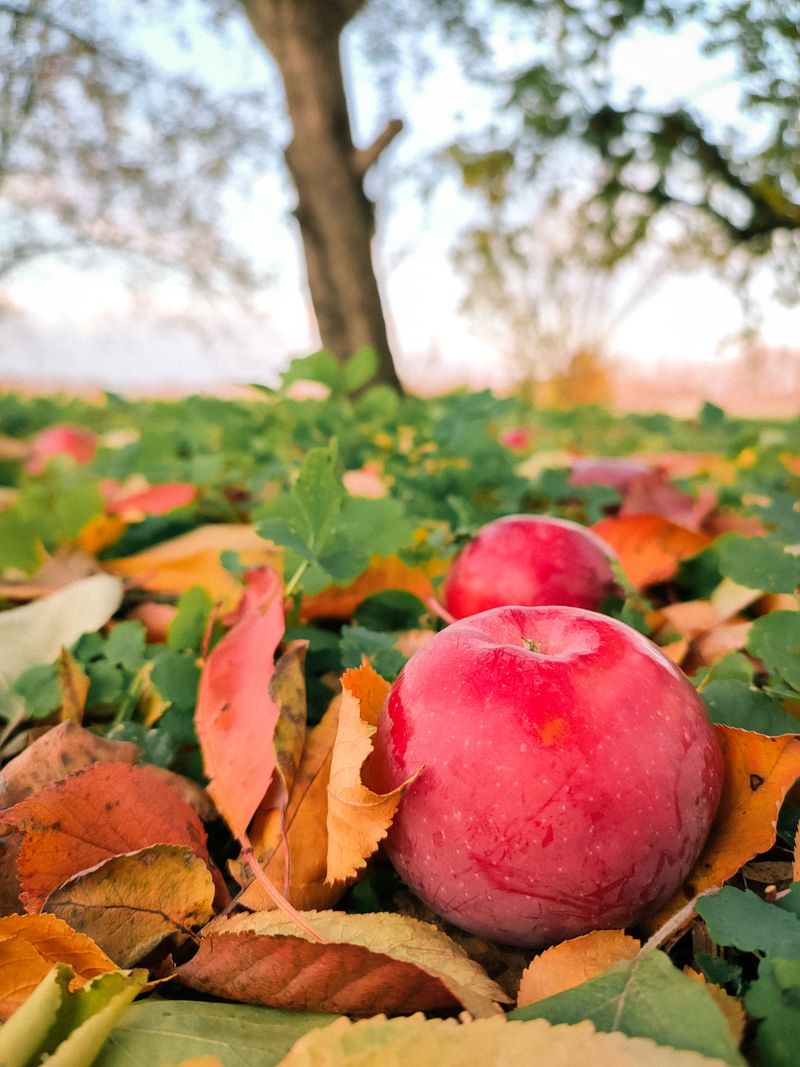
Cut open a soft windfall and you might find a brown, tunneled mess inside. Apple maggots and codling moth larvae often ride the fruit to the ground, then crawl into the soil to spend the winter.
Fungi travel the same way. Black rot and brown rot can survive on old, shriveled fruit, sometimes called mummies.
Apple scab mostly overwinters on fallen leaves, so the litter around the fruit matters too.
Cornell and other extension programs point to sanitation as one of the simplest ways to cut down these problems. When infected fruit stays on the ground all winter, spring rains splash spores right back onto fresh blossoms and leaves.
I like to think of the area under the canopy as a nursery for next year’s pests. Whatever you leave there gets a cozy, protected place to wait out the cold.
Clear it, and you interrupt the cycle before it restarts.
Look for a few warning signs as you walk the yard. Small exit holes, dark sunken patches, fuzzy mold rings, and fruit that feels mushy all suggest something is living inside.
Even apples that look fine on the outside can carry trouble. That alone is a strong reason to treat fallen fruit as a cleanup job instead of a lawn decoration.
Rake Up Every Windfall Before The Ground Freezes
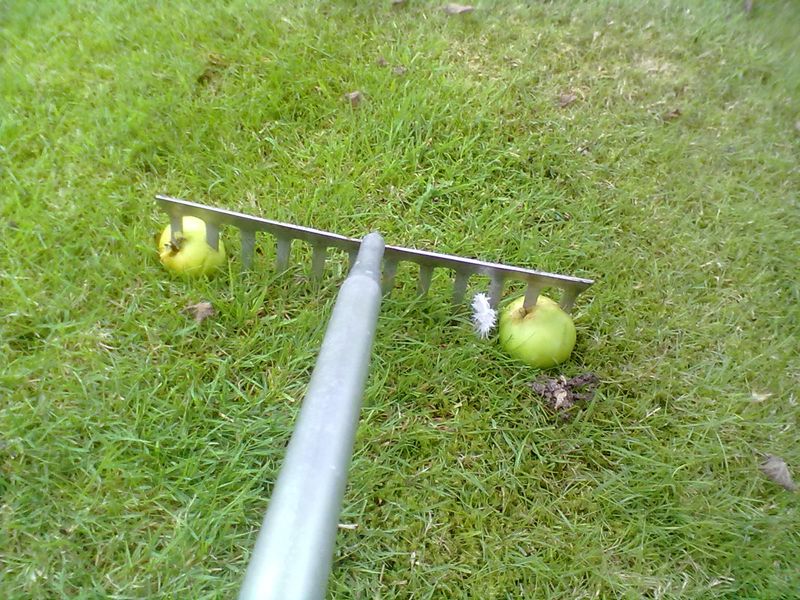
Grab a sturdy rake, a bucket, and maybe a podcast. Picking up fallen apples is the single most useful thing you can do before winter, and it goes faster than you expect.
Aim to collect fruit every few days during peak drop instead of waiting for one giant cleanup. Fresh windfalls are firmer and easier to handle, while week-old ones turn into slippery goo.
Across New York, timing shifts with the region. Gardeners near Buffalo or in the Adirondacks often see hard frost in October, while Long Island and the lower Hudson Valley usually get a few extra weeks.
Try to finish before the soil freezes and snow buries everything.
A few tools make the job easier. Rolling nut gatherers scoop apples without bending, and a pair of gloves keeps sticky juice and wasps away from your hands.
Don’t stop at the fruit. Rake fallen apple leaves too, since they carry apple scab spores into spring.
Mowing them into small pieces also helps them break down faster.
Check the branches while you’re at it. Shriveled mummy apples still hanging on the tree can hold rot fungi, so pull them off and toss them with the rest.
One afternoon of steady work now beats a whole season of fighting spots and wormy fruit later.
Sort The Good Apples From The Rotten Ones Before Anything Else
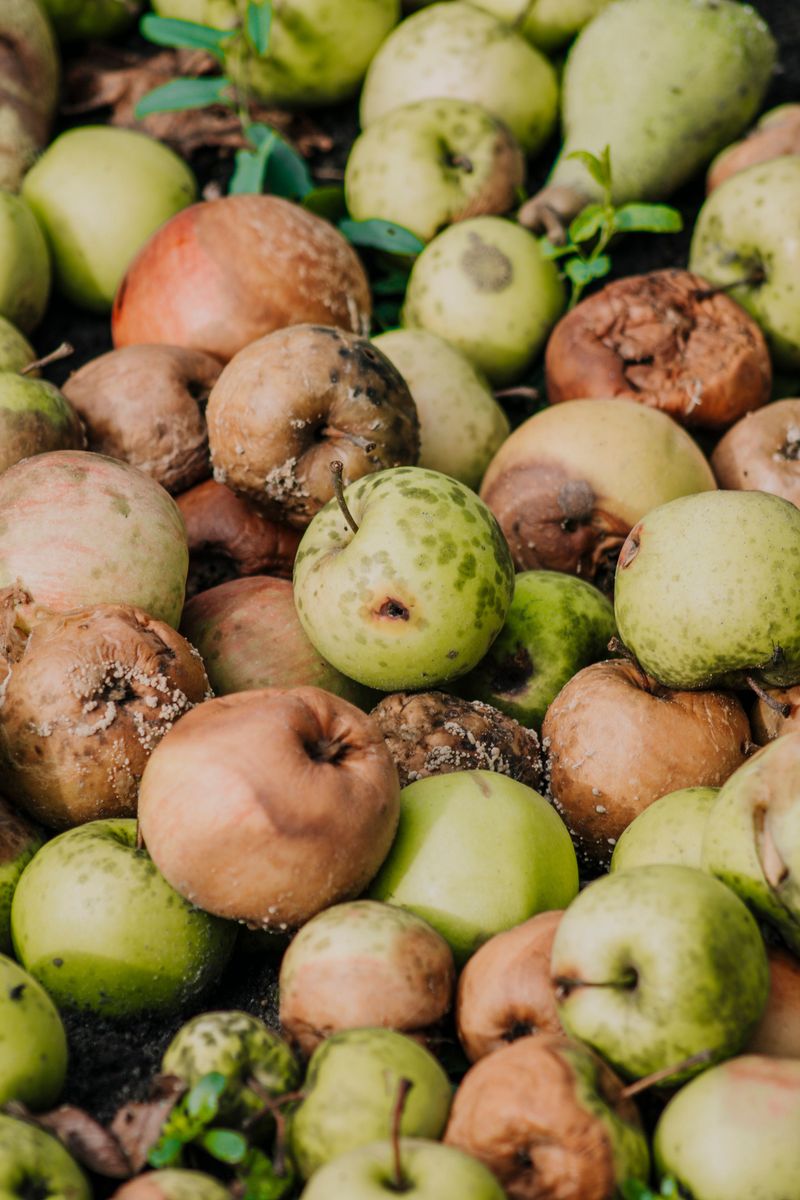
Sorting sounds fussy, but it takes only a quick glance per apple. Two buckets, one for usable fruit and one for problem fruit, will save you headaches.
Firm apples with small bruises and no holes can often go to the kitchen. Trim away damaged spots and turn them into applesauce, butter, or baked treats you cook right away.
Be cautious about one thing, though. Fallen apples are not a safe choice for fresh, unpasteurized cider.
Ground contact can bring in harmful bacteria like E. coli, and molds can produce a toxin called patulin that heat does not reliably break down.
Patulin is sneaky because you can’t see, smell, or taste it in juice. Food safety experts recommend cutting away bruised areas generously and skipping any fruit with visible mold.
The second bucket gets anything mushy, moldy, wormy, or covered in rot spots. Those apples need a different plan, which depends on whether they show signs of disease.
I find sorting oddly satisfying, like a little treasure hunt in the grass. Every apple you rescue for pie is a small win, and every rotten one you remove is a problem you just solved early.
Healthy Apple Scraps Make Your Compost Pile Very Happy
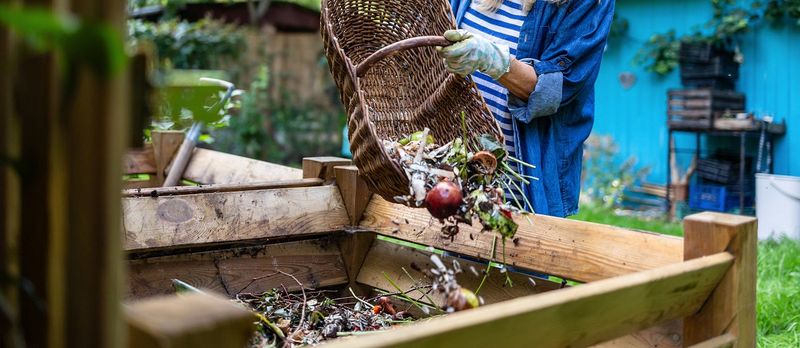
Sweet, juicy, and full of nitrogen, apples count as a green material in compost. That makes them great fuel for a pile, as long as you don’t overdo it.
Dump a whole wheelbarrow of apples on top and you’ll get a sour, slimy heap buzzing with fruit flies. The fix is simple.
Mix in plenty of browns like dry leaves, straw, or shredded cardboard.
A ratio of roughly one part apples to two or three parts browns works well. Lucky for you, fall hands out free brown material every time the maples drop their leaves.
Chop or smash the apples before adding them. Smaller pieces break down faster and blend into the pile instead of sitting there like little bowling balls.
Bury fresh fruit in the center of the pile and cover it with leaves. That trick hides the sweet scent from raccoons and wasps.
Only send clean, healthy apples here. Most backyard piles don’t get hot enough to reliably knock out disease organisms, so infected fruit could sneak spores back into your garden beds.
By spring, those windfalls become dark, crumbly compost. I can’t imagine a more satisfying way to recycle a messy fall chore.
Diseased Or Wormy Apples Belong In A Sealed Bag
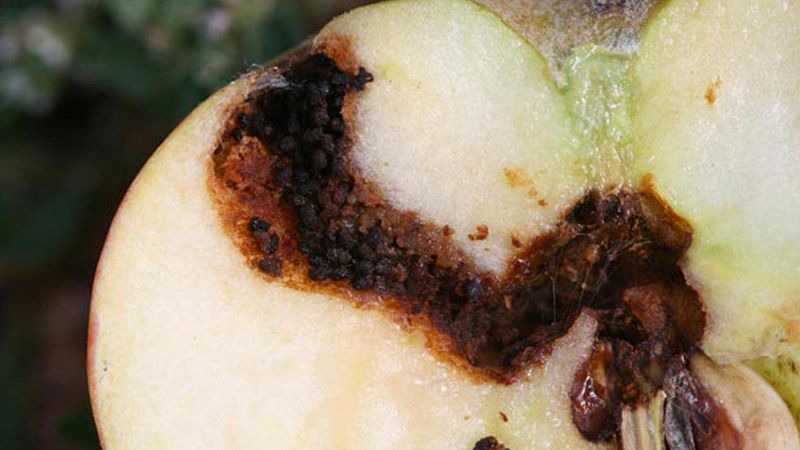
Some apples just aren’t worth saving. If you spot fuzzy mold, black rot, or tunnels from larvae, those fruits need to leave your property.
Bag them tightly and put them out with household trash, or check whether your town’s organic waste program accepts them. Commercial and municipal compost sites often run hotter than home piles, which helps break down pathogens.
Rules vary by town, so take a minute to look at your local sanitation website. New York City, for example, collects food and yard waste curbside, while many upstate towns rely on transfer stations.
Burning is not a good option. New York State restricts open burning of leaves and most yard debris, and smoke from wet fruit isn’t pleasant anyway.
Personally, I keep a separate stack of heavy bags just for this job. Tie them well, because a ripped bag of rotten apples is a very sticky surprise.
Bagging also stops apple maggot larvae from dropping into your soil for winter. That one step can reduce how many adult flies emerge next summer to lay eggs on your new fruit.
It may feel wasteful, but removing these problem apples protects next year’s harvest. Your tree will thank you with cleaner fruit.
Sweet Apple Piles Bring Deer, Bears, And Wasps To Your Yard
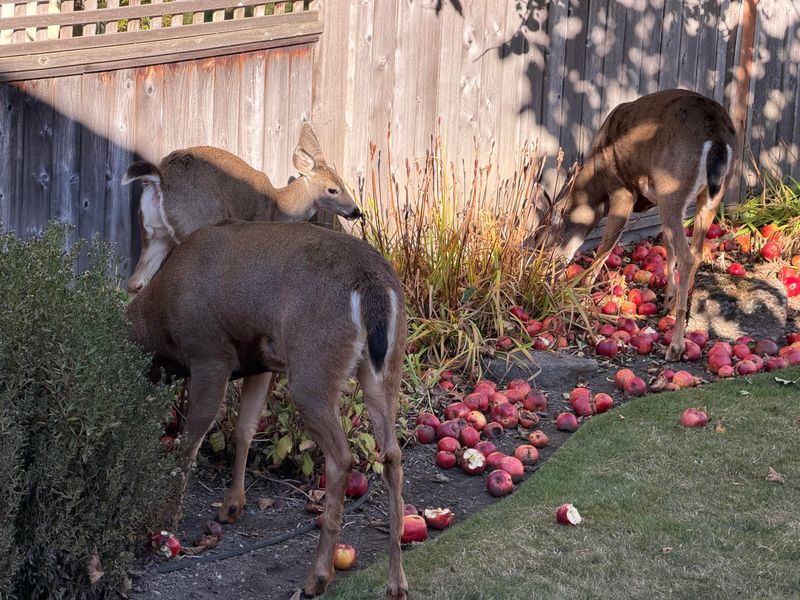
Deer can smell ripe apples from a long way off, and they’re not shy about a free buffet. A lawn full of windfalls can turn your yard into a nightly snack bar.
Deer aren’t the only guests. Raccoons, skunks, and in many parts of New York, black bears also follow the scent of fermenting fruit.
Bears that learn to find food near homes can become a real nuisance.
The state Department of Environmental Conservation discourages feeding deer and bears, and intentionally feeding them is restricted. Apples that drop naturally aren’t the same as deliberate feeding, but cleaning them up reduces the draw.
Gathering wildlife in one spot can also spread disease among deer. That’s one reason wildlife agencies prefer animals spread out over natural food sources.
Yellowjackets love fallen fruit too. Late in the season, they get grumpy and hungry, so watch your step and wear shoes while working under the tree.
Pets may nibble rotting apples and end up with an upset stomach. Apple seeds and cores aren’t great for dogs either.
Picking up fruit regularly is the easiest way to keep the peace. Fewer apples on the ground means fewer surprise visitors at midnight.
Burying Extra Apples In A Garden Trench Feeds Next Year’s Soil
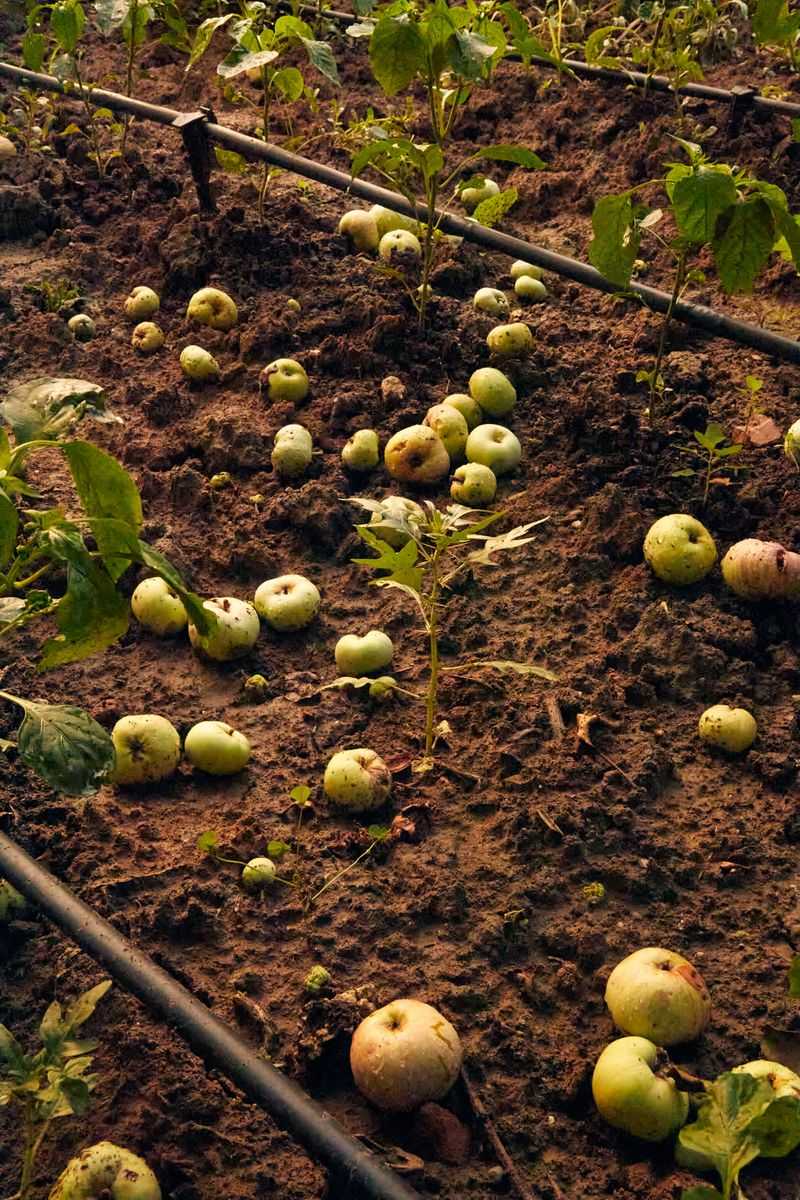
Got way more apples than your compost bin can handle? Trench composting is an old gardener’s trick that turns a mountain of fruit into rich soil with very little fuss.
Dig a trench about 12 inches deep in an empty vegetable bed. Toss in a layer of healthy, chopped apples a few inches thick, then mix in some leaves if you have them.
Cover everything with the soil you removed, plus a little extra on top. That soil cap keeps animals from digging and hides the smell.
Over winter and spring, soil life slowly breaks the apples down. By the time you plant in late spring, the area should be richer and full of earthworm activity.
Choose a spot away from your apple tree. Burying fruit right under the canopy can keep pests like apple maggots close to their favorite host.
Stick to clean fruit only. Wormy or diseased apples still belong in the trash bag, even when you bury them deep.
You need to finish this job before the ground freezes solid. In colder parts of New York, that window can close by mid-November, so plan your digging day early.
A Clean Orchard Floor Sets Up Your Apple Tree For Spring
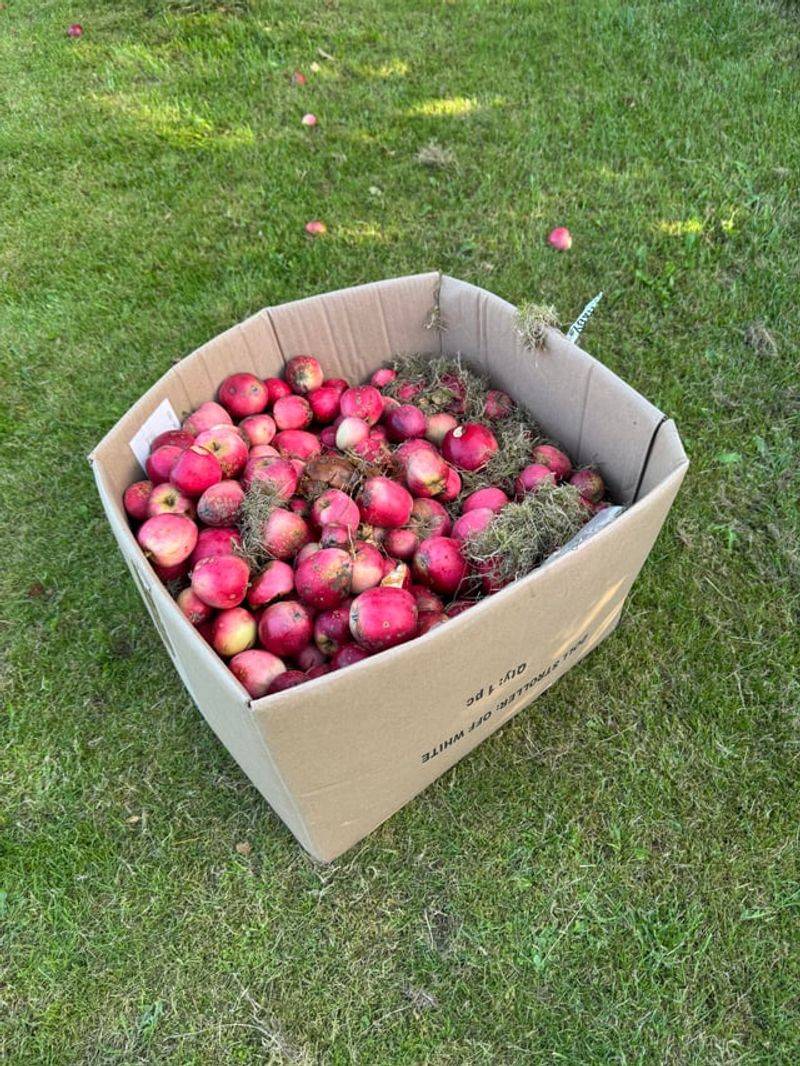
Once the last apple is gone, your tree can rest easy for winter. A tidy space under the branches is one of the best gifts you can give it.
Pull mulch a few inches away from the trunk. Mulch piled against bark invites voles and mice to chew on the tree during snowy months.
A simple hardware cloth guard or plastic tree wrap around the lower trunk adds extra protection. Young trees benefit the most, since their thin bark is easy for rodents to damage.
Keep notes on what you found this fall. Lots of wormy apples might mean apple maggot traps next July, while heavy scab spots could point you toward resistant varieties like Liberty or Freedom someday.
Save heavy pruning for late winter, usually February or March. Pruning in fall can encourage new growth that struggles in the cold.
A few birds may still pick at a small handful of sound apples you leave in a sheltered corner. Robins and cedar waxwings enjoy fruit, but keep it modest so mammals don’t move in.
I believe fall cleanup is the most underrated part of growing apples. Do it well now, and spring blossoms start on a much healthier note.