8 Shrub And Groundcover Pairings That Make An Arizona Backyard Look Designer-Planned
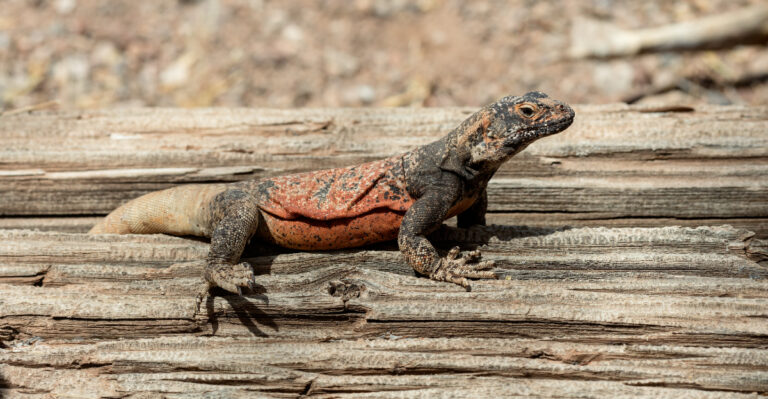
Bare desert gravel can heat far beyond the air temperature, and many lizards spend summer afternoons hiding under low leaves. That shady pocket under a shrub is often the coolest spot in an Arizona yard, and wildlife knows it.
Landscape designers copy that layered look on purpose, tucking low spreaders beneath taller shrubs the way the open desert does. The pairing hides bare soil, cools the ground, and gives quail and roadrunners places to hunt and rest.
I have to admit my first desert bed looked like scattered polka dots, with lonely shrubs floating in gravel. You might notice the same problem in new yards, where every plant seems to stand alone and slightly lost.
October happens to be the friendliest planting month in the low desert, because roots settle in before winter arrives. So which shrub and groundcover partners turn a gravel lot into a space that looks planned by a professional?
1. Brittlebush And Blackfoot Daisy
Silver leaves on a desert shrub act like built-in sunscreen, reflecting harsh light so the plant stays cooler in summer. I love how that frosty foliage makes every nearby flower look brighter, almost like a spotlight aimed at the ground.
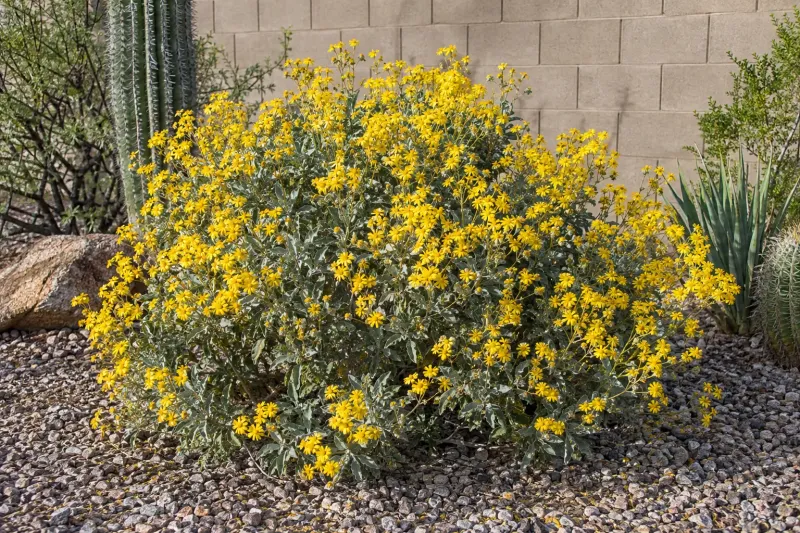
Brittlebush, or Encelia farinosa, forms a rounded mound about three to five feet tall and covered in yellow spring daisies. Its Spanish name, incienso, refers to the fragrant resin that collects along its brittle stems.
Blackfoot daisy, Melampodium leucanthum, stays under a foot tall and sprinkles honey-scented white flowers from spring well into fall. Tuck three or four around each brittlebush, and the white blooms carry color after the yellow show has finished.
Both plants hate soggy roots, so plant them in lean, gravelly soil and skip rich compost in the planting hole. Blackfoot daisy in particular can rot with frequent drip irrigation, so water deeply but only after the soil dries.
October is ideal for setting out both, since cooler nights let roots establish before the brittlebush blooms next spring. Native bees and butterflies work these flowers heavily, and finches pick at brittlebush seed heads once the petals drop.
2. Fairy Duster And Desert Marigold
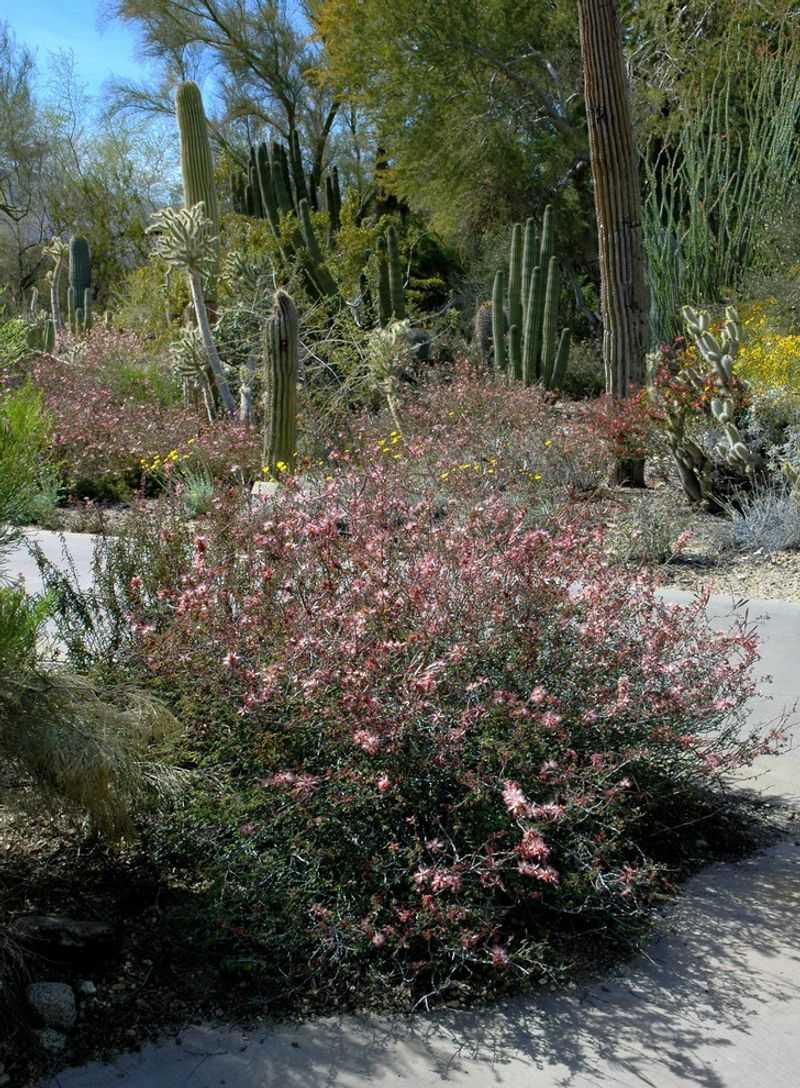
Hummingbirds treat fairy duster like a buffet table, zipping between the fluffy pink puffs before you can grab your phone. Personally, I think it is the softest-looking plant in the desert, even though it shrugs off brutal Arizona July heat.
Calliandra eriophylla grows only one to three feet tall, with feathery leaves and pink stamens that create those powder-puff blooms. It flowers mostly in late winter and spring, with scattered blooms appearing again after summer monsoon rains.
Desert marigold, Baileya multiradiata, makes a low clump of woolly gray leaves topped by lemon-yellow daisies on slender stems. Pink and yellow sound like an odd mix, but the gray foliage between them ties the whole picture together.
Plant marigolds along the sunny front edge of the fairy duster, where they can reseed into nearby gravel naturally. Expect each marigold to live just a few years, though volunteer seedlings usually pop up to replace older plants.
Water new plants every week or so this fall, then stretch the schedule out as winter rains begin to help. Once established, both handle long dry stretches, and you can let a few marigold seedlings wander wherever they look good.
3. Texas Ranger And Damianita
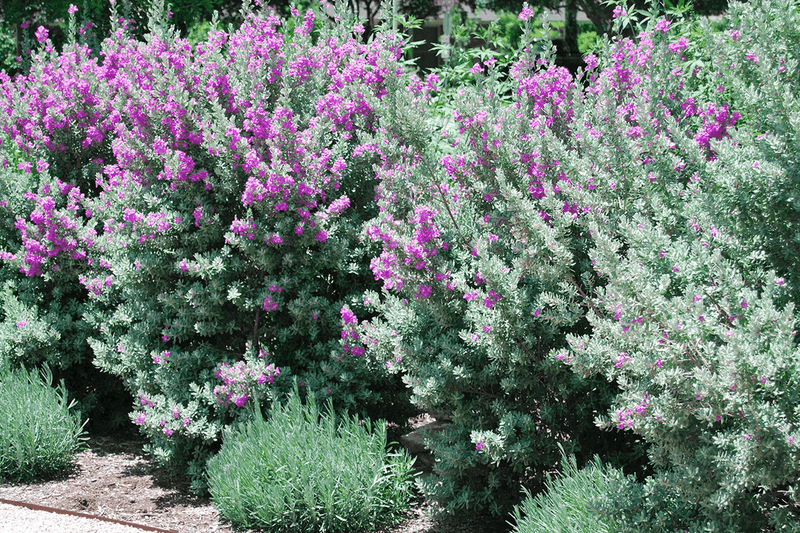
Texas ranger earned the nickname barometer bush because it often bursts into purple bloom right after humid summer storms. I still remember the first time mine flowered overnight, turning a dull gray hedge into a lavender cloud.
Leucophyllum frutescens is native to Texas and northern Mexico, growing five to eight feet tall with soft silvery leaves. Give it space to grow naturally, because heavy shearing into boxes reduces flowering and leaves it looking stiff.
Damianita, Chrysactinia mexicana, forms a tidy evergreen mound about a foot tall with needle-like leaves that smell faintly resinous. Its golden daisies appear mostly in spring and again in fall, which echoes the shape of the ranger beautifully.
The pairing works because both plants share fine textures, so the bed reads as calm and intentional instead of busy. Space damianita about three feet apart under the outer edge of the ranger, where it still catches full sun.
Fast-draining soil matters for both, and damianita in particular sulks when sprinklers keep its roots wet for days. Plant this month, water deeply twice a week at first, then taper off as the weather cools down.
4. Creosote Bush And Trailing Indigo Bush
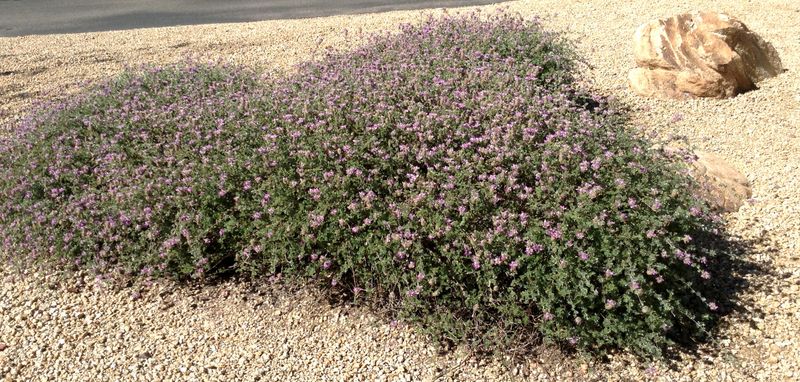
That famous smell of desert rain comes mostly from creosote bush leaves, which release aromatic oils when water hits them. You might notice neighbors stepping outside during a monsoon just to breathe it in, and honestly I do too.
Larrea tridentata grows four to eight feet tall, with tiny waxy leaves and yellow flowers followed by fuzzy silver seed balls. Some clonal rings in the Mojave Desert are estimated to be thousands of years old, which feels mind-boggling.
Trailing indigo bush, Dalea greggii, spreads into a silvery mat about a foot tall and several feet wide. Tiny purple flower clusters appear in spring, and the airy gray foliage echoes creosote’s olive tones without competing for attention.
Creosote’s open branches let lizards and quail slip underneath, while the low dalea mat adds more cover close to the soil. Roadrunners hunt lizards and insects around shrubs like these, so a layered planting gives them a reason to visit.
Both plants need very little water once established, so set drip emitters out wide and run them infrequently. Avoid heavy pruning on creosote, since its natural open shape is part of what makes the planting look authentic.
5. Jojoba And Angelita Daisy
Jojoba seeds hold a liquid wax so prized that it ends up in shampoos and lotions around the world. I like how a plant with such a fancy reputation looks perfectly happy growing in rocky, sunbaked desert soil.
Simmondsia chinensis is an evergreen shrub with leathery gray-green leaves that hold vertically, dodging the harshest midday sun rays. It can reach six to ten feet tall, and it takes clipping well if you want a looser informal hedge.
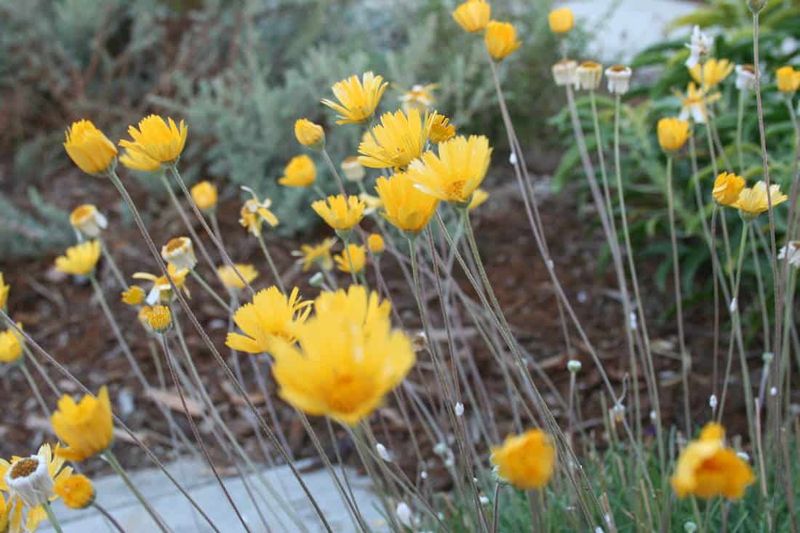
Angelita daisy, Tetraneuris acaulis, forms small grassy clumps under a foot tall topped with cheerful yellow daisies. It blooms heavily in spring and often keeps producing flowers through much of the year with modest water.
Jojoba’s steady evergreen backdrop makes those bright daisies pop, and the combination stays attractive through every single season. Quail and small mammals eat jojoba seeds, while the dense shrub offers shade and hiding places for birds.
Plant angelitas in groups of five or more around the jojoba, because single plants look lost in gravel. Trim spent flower stems occasionally for a tidier look, though leaving some lets the plants reseed on their own.
6. Desert Ruellia And Goodding’s Verbena
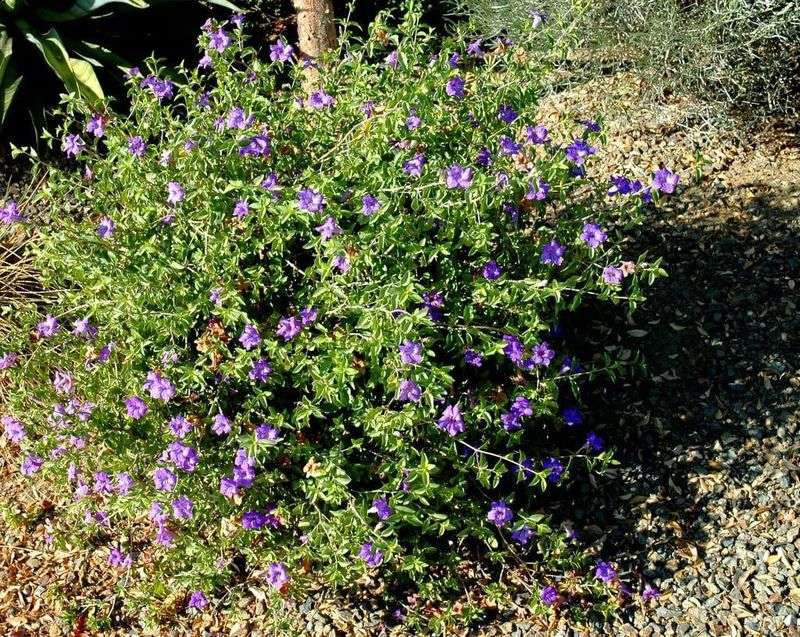
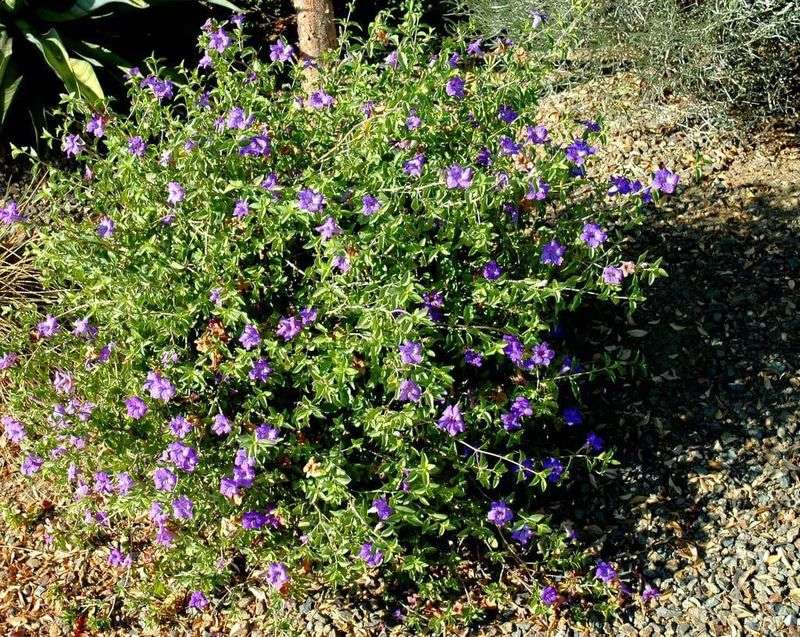
Desert ruellia flowers last only a day, yet the shrub produces so many that it looks freshly decorated each morning. Personally, I find those violet trumpets impossible to ignore, especially against the bright green leaves in early fall.
Ruellia peninsularis is native to Baja California and Sonora, forming a rounded shrub about three to four feet tall. Its pale stems and evergreen foliage stay tidy with little effort, and hummingbirds visit the flowers for nectar.
Goodding’s verbena, Glandularia gooddingii, is a native Sonoran Desert groundcover with lacy leaves and rounded clusters of lavender-pink flowers. Butterflies love it, and it tends to reseed politely, filling gaps between shrubs without becoming a real nuisance.
Purple layered over pink creates a soft color gradient, which is exactly the kind of trick designers use in beds. Plant the verbena where the ruellia’s shade won’t reach it, since it flowers best in full afternoon sun.
Ruellia tolerates reflected heat near walls, making this duo handy for those blistering spots along driveways and patios. Water both every week or two this fall, then reduce watering once winter weather cools the soil.
7. Globe Mallow And Desert Zinnia
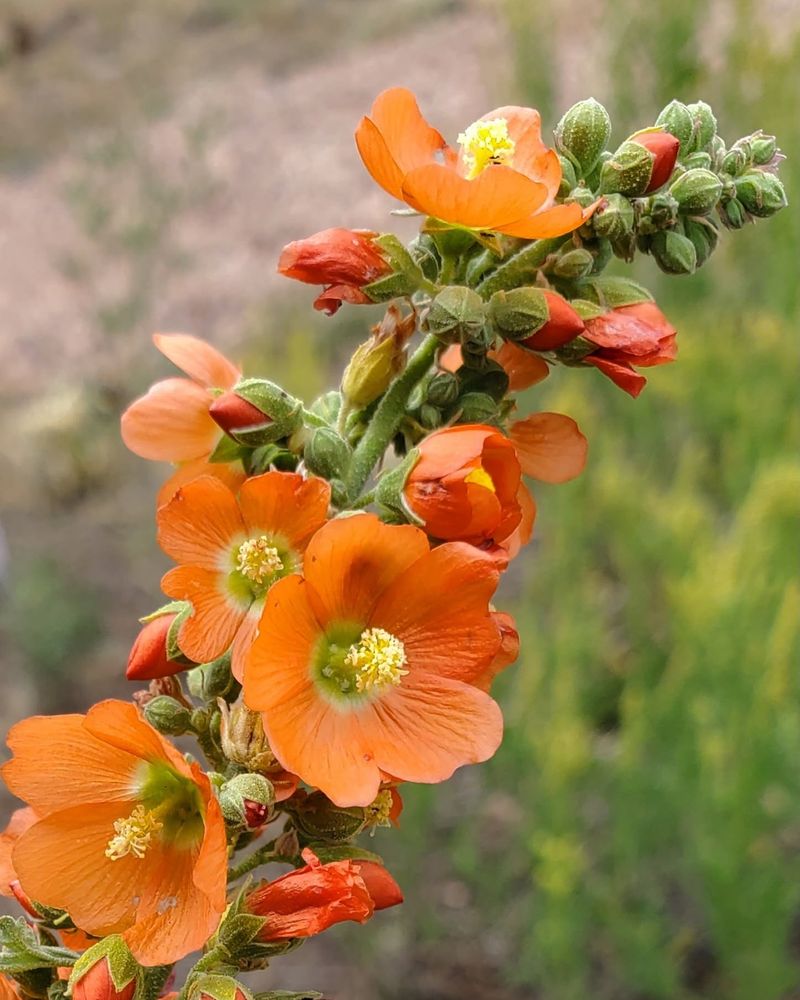
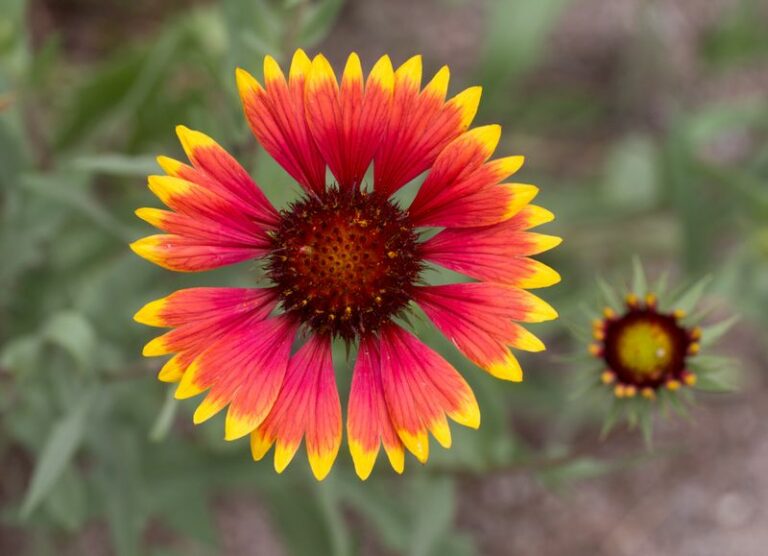
Globe mallow blooms usually glow a bright apricot orange, though pink and red forms show up at some nurseries. I can’t imagine a spring yard without them, because they look like little lanterns held up on silver stems.
Sphaeralcea ambigua grows two to three feet tall and wide, with fuzzy gray leaves that thrive on very little water. Cut it back by about half after spring bloom, since older plants get leggy and benefit from a refresh.
Desert zinnia, Zinnia acerosa, forms a low mound of needle-thin leaves under a foot tall with creamy white petals. It flowers mostly in summer and fall, so it picks up the color baton after the mallow finishes.
Native bees, including specialist mallow bees, visit globe mallow heavily, so this bed quietly supports local pollinators all season. Globe mallow hairs can irritate some people’s skin and eyes, so wear gloves and long sleeves while pruning.
Plant both in sharply drained soil this month, and skip fertilizer, because rich conditions make them floppy and weak. Space zinnias about eighteen inches apart along the edge, and let them knit together into a lacy border.
8. Desert Hackberry And Frogfruit
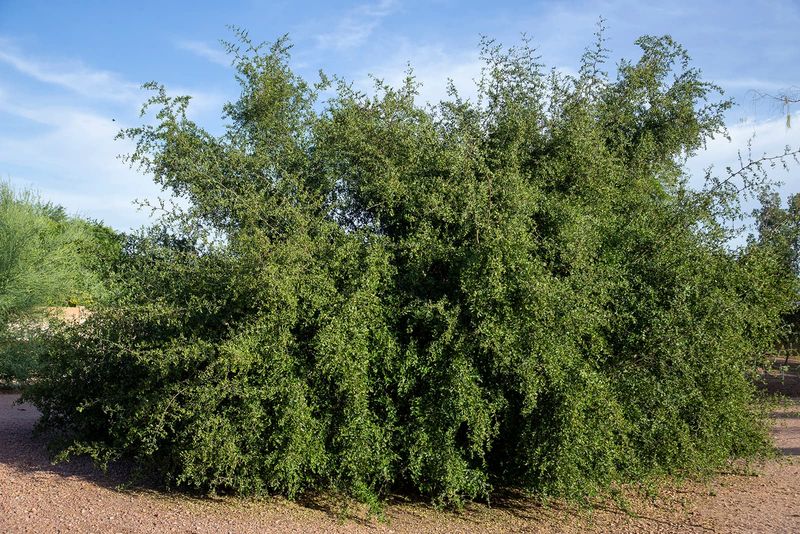
Desert hackberry is a thorny tangle that birds adore, because cats and hawks have a hard time reaching inside. You need at least one shrub like it if you want verdins and thrashers nesting near your patio.
Celtis pallida grows six to ten feet tall, with small leaves, zigzag thorny branches, and orange berries in fall. Those berries ripen around this time of year, and birds like mockingbirds and cardinals eat them quite eagerly.
Frogfruit, Phyla nodiflora, is a native groundcover that creeps along the soil a few inches tall with tiny white flowers. It hosts caterpillars of the phaon crescent and other small butterflies, so expect a little leaf nibbling.
Frogfruit appreciates more water than most desert plants, so place it where hackberry irrigation or roof runoff already collects. It handles light foot traffic, which makes it useful along paths where gravel feels too hot and crunchy.
Keep the hackberry a few feet back from walkways, because those thorns snag clothing and arms with surprising ease. Pruning is optional, and I prefer leaving lower branches intact so quail can shelter underneath during midday heat.