The Overlooked Spot In Your New Jersey Yard Where Roaches Hide
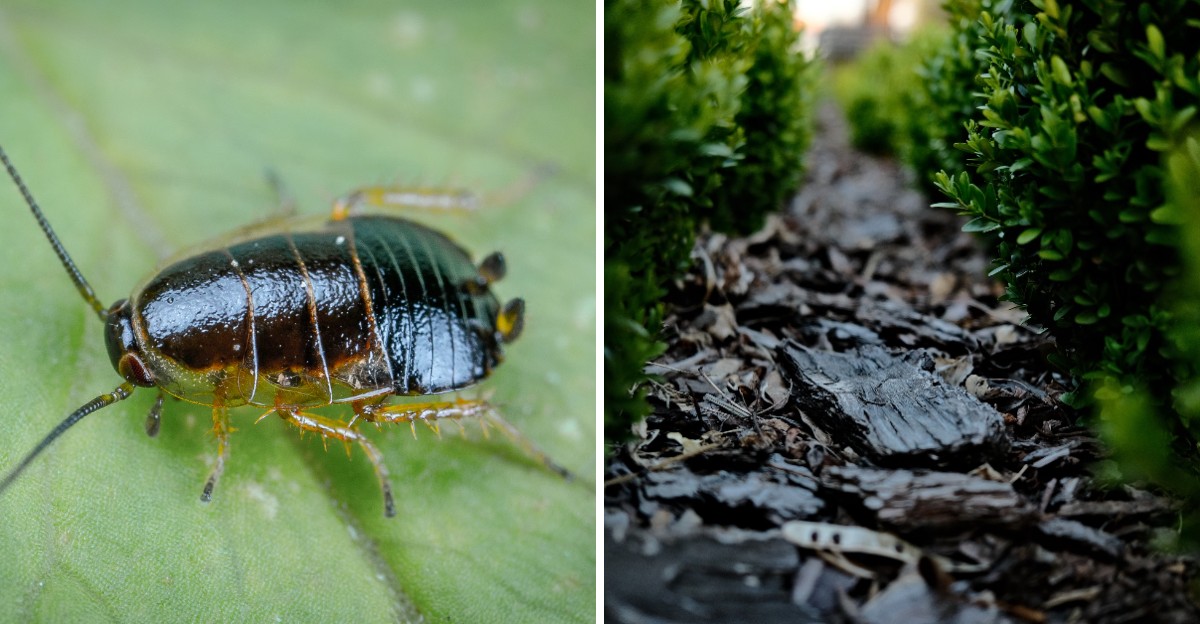
Some of the biggest roaches in New Jersey spend their days outdoors, tucked just inches below your feet.
They prefer to press their bodies against surfaces on every side, a habit scientists call thigmotaxis, and New Jersey gardeners are more likely to meet them than they realize.
I learned this the gritty way. I pulled back a layer near my porch steps one June evening, and three shiny brown bodies scattered toward the foundation.
You might notice the same thing in your own garden. That cozy, damp, dark layer you added to help your plants also gives these night crawlers a perfect daytime bed. Moisture, shelter, and a little rotting food are all they ask for.
The surprising part is how close that spot usually sits to your back door. Most gardeners walk past it every single day without a second glance. Your flower bed isn’t just a garden at night; it’s a city that never closes.
That Thick Mulch Bed Hugging Your Foundation Hides More Than Weeds
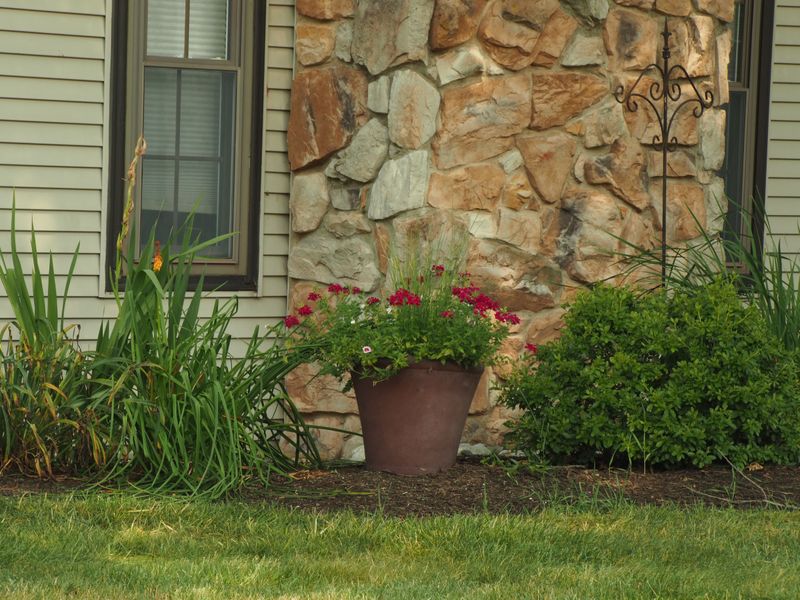
My first clue came from a rake, not a bug spray. I scraped back a fat layer of shredded bark near my foundation, and the whole bed seemed to wiggle.
Mulch is the overlooked spot. Pest experts across New Jersey point to thick mulch as a favorite daytime hideout for American and Oriental cockroaches.
It holds moisture, stays dark, and keeps temperatures steady even on hot summer afternoons.
Roaches also love the tight squeeze. Their thigmotaxis habit means they feel safest with surfaces touching their bodies, and packed wood chips do exactly that. As the bark slowly breaks down, it adds a buffet of decaying plant matter too.
The real trouble starts when mulch touches your house. Cracks in the foundation, gaps around pipes, and weep holes in brick sit right next to that cozy layer, and many older New Jersey homes have all three. A roach does not have to travel far to wander indoors.
You can still enjoy mulch. Mulch does wonderful things for soil and plant roots, so the goal is smarter placement, not removal.
The next few sections explain how New Jersey homeowners can keep the benefits while making that bed a lot less welcoming.
Decorative Rocks And Stepping Stones Make Snug Roach Shelters
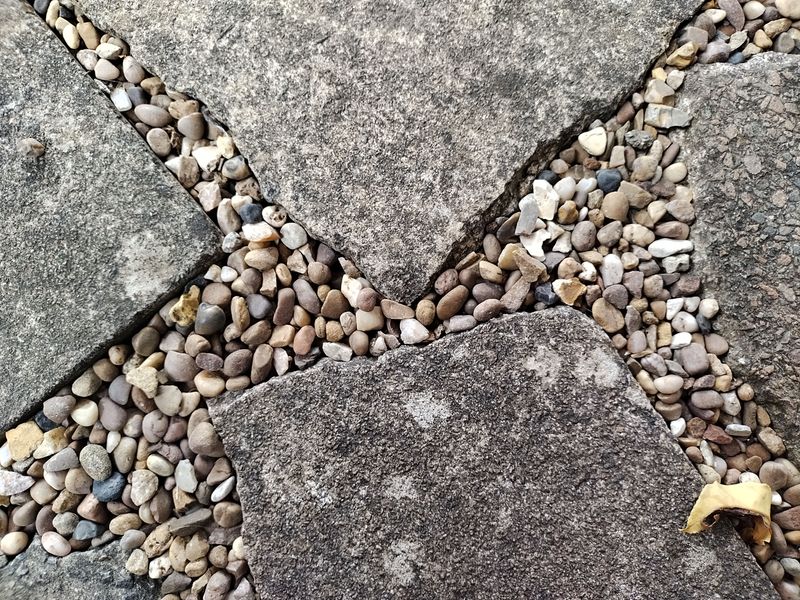
Flip a flat stepping stone on a summer morning and you may get a jumpy surprise. That cool, damp pocket underneath is classic roach real estate.
Rocks hold steady temperatures and trap moisture in the soil below them. The narrow gap between stone and dirt fits a roach body almost perfectly. For an insect that loves contact on all sides, it feels like a custom-built bunk.
Decorative river rock beds can act the same way. Hundreds of little gaps add up to plenty of shelter, especially when leaves and debris settle between the stones. You do not need to rip out your path. Try a few easy adjustments instead:
Set stepping stones firmly on a sand or gravel base so fewer gaps form. Blow leaves out of rock beds in fall and spring. Keep rock borders a short distance from foundation walls.
Landscape fabric under rock beds can limit weeds, though it may trap moisture if drainage is poor. Make sure water flows away rather than pooling underneath.
A quick lift-and-look test every few weeks tells you a lot. If you keep finding roaches or tiny brown egg cases, that area deserves extra attention.
Pull Your Mulch Back From The House About A Foot
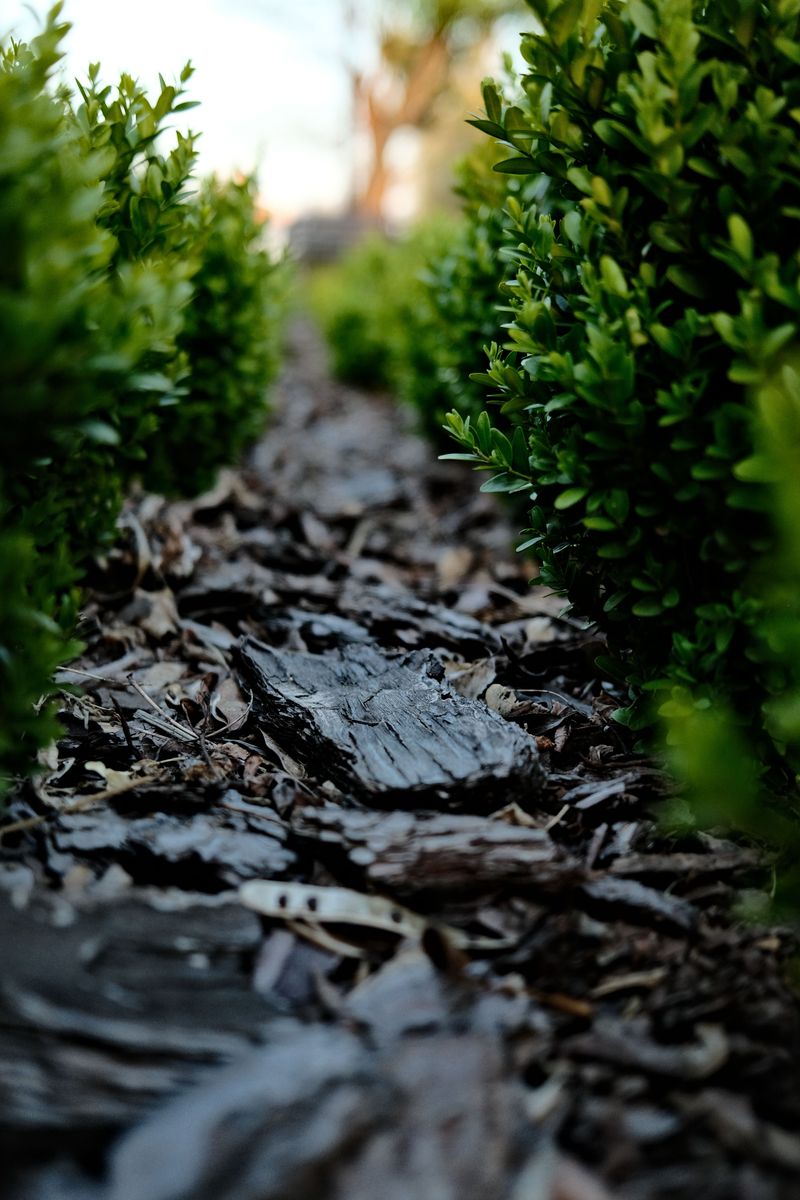
A simple gap can make a huge difference. Many pest pros and extension specialists suggest keeping mulch roughly 6 to 12 inches away from your foundation.
That bare strip dries out faster, and roaches dislike crossing dry, open ground. Some gardeners fill the space with pea gravel or crushed stone. Stone drains quickly and does not feed insects as it ages.
Depth matters as well. Two to three inches of mulch is usually plenty for most New Jersey flower beds.
Anything deeper stays soggy for days after a rain and turns into a roach mattress. Here is a quick checklist I follow each spring:
Rake old mulch and check its depth before adding fresh material. Fluff compacted layers so air can move through them. Keep mulch off plant stems and tree trunks, which also helps prevent rot.
Material choice plays a small role too. Coarse cedar or cypress chips may dry a little faster than fine shredded bark, though no mulch is truly roach-proof. Rubber mulch skips the decay, yet it can trap heat and moisture underneath.
Give the bed a quick poke with a trowel every few weeks. Spotting trouble early beats chasing roaches across the kitchen floor later.
Leaky Spigots And Soggy Soil Keep Oriental Cockroaches Happy
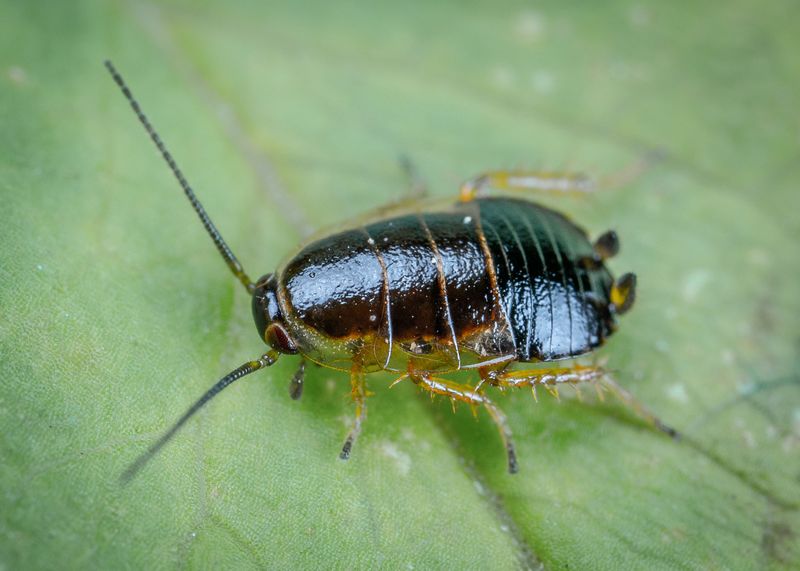
Water is the secret ingredient. Roaches can go a while without food, yet they struggle quickly without moisture.
Oriental cockroaches are especially thirsty. These dark, glossy insects are often called water bugs, and they favor cool, damp places near the ground. A dripping hose bib can turn the soil beneath it into a year-round spa for them.
Take a slow walk around your house after the sprinklers run. Look for puddles that linger, downspouts that dump water against the foundation, and drip lines that leak.
Each wet patch is an invitation. Fixes are usually cheap. A new washer can stop a leaky spigot.
Downspout extensions carry rainwater several feet away from the house, and adjusting sprinkler heads keeps spray off siding.
Small containers count too. Plant saucers, forgotten buckets, and old tires collect rain and hold it for days. Empty them weekly, which also helps with mosquitoes.
Watering habits matter more than many gardeners realize. Morning watering lets beds dry before night, when roaches come out to explore.
Evening watering leaves everything damp right as they get active. Switching your schedule takes no money at all, just a slightly earlier alarm.
Firewood Stacks And Leaf Piles Shelter Pennsylvania Wood Cockroaches
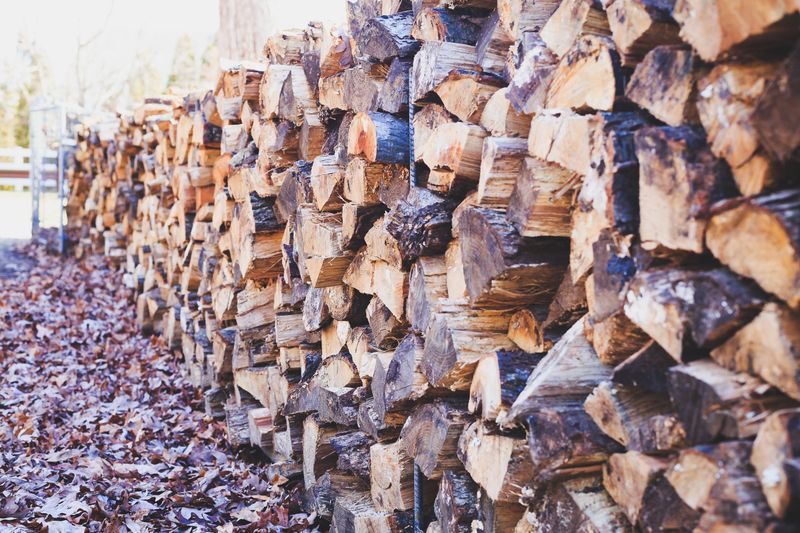
Not every roach in your yard wants your kitchen. The Pennsylvania wood cockroach is native to eastern North America, and it happily lives under bark, logs, and leaf litter.
Male wood roaches can fly and are often drawn to porch lights on warm nights in late spring and early summer. Females have short wings and stay mostly outdoors. Fun fact: these roaches usually struggle indoors because homes are too dry for them.
Firewood is how many sneak inside. A log carried in from a damp stack can carry a hitchhiker or two.
They rarely set up a lasting population indoors, but nobody wants a surprise crawler by the fireplace.
Store firewood at least 20 feet from the house when possible. Raise it off the ground on a rack and cover the top while leaving the sides open for airflow. Bring in only what you will burn that day.
Leaf piles deserve the same distance. Fallen leaves make wonderful compost and shelter for helpful insects, so keep them in back corners rather than against your foundation. Your pollinators and your peace of mind can both win.
Meter Boxes And Storm Drains Can Turn Into Roach Highways
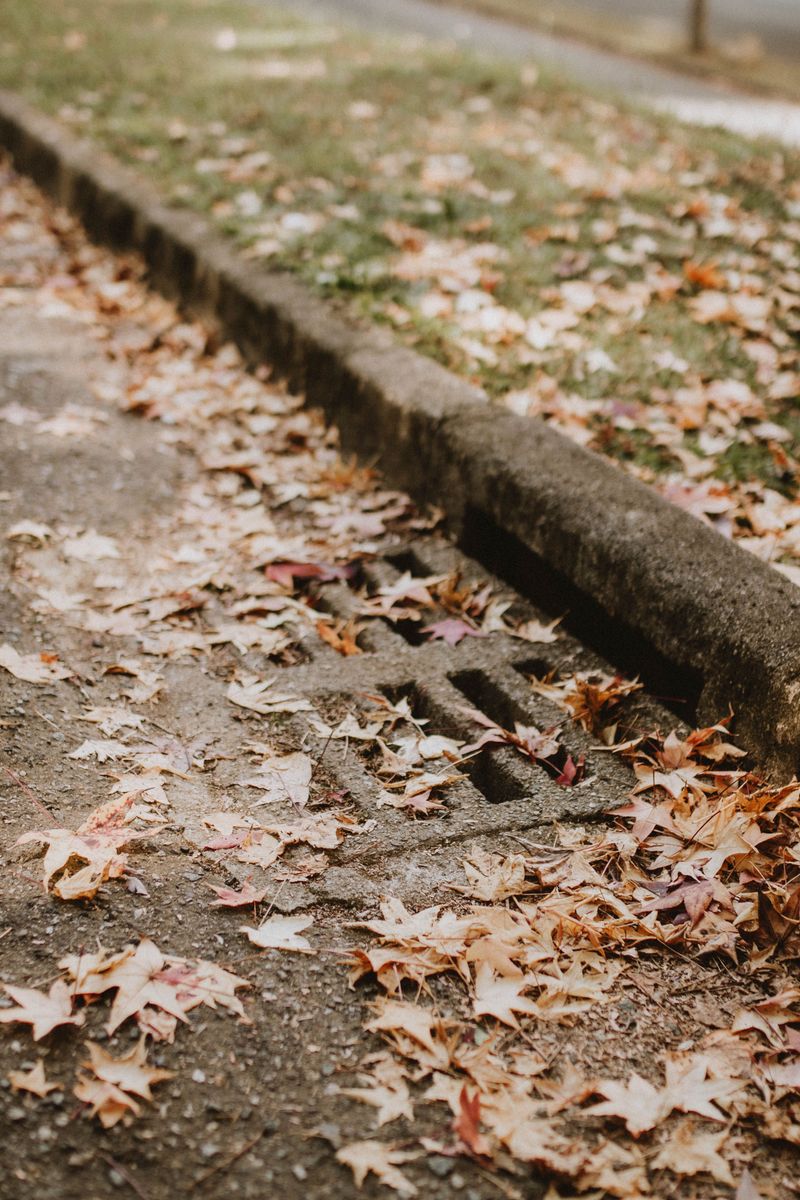
Ever lifted a water meter lid and jumped back? You are in good company. American cockroaches, the large reddish-brown ones sometimes called palmetto bugs, often live in sewers and storm drains.
Older sewer systems in parts of New Jersey give them steady moisture, warmth, and organic debris. From there, they explore nearby yards at night.
Meter boxes, sprinkler valve covers, and cleanout pipes copy those conditions on a smaller scale. They stay dark, damp, and rarely disturbed. Roaches treat them like rest stops between the street and your home.
Check these spots during regular yard chores. Make sure lids fit snugly and are not cracked. Clear leaves and soil that pile up inside valve boxes.
Sewer cleanout caps should be tight and intact. A missing or broken cap creates an open door straight from the pipes.
Floor drains in basements benefit from a splash of water now and then so the trap stays full.
Storm drains on public streets are usually maintained by your town, county, or state. If you notice heavy roach activity around one, a call to your local public works office is a reasonable next step. They handle sewer pest problems more often than you might guess.
Droppings And Brown Egg Cases Reveal A Hidden Roach Colony
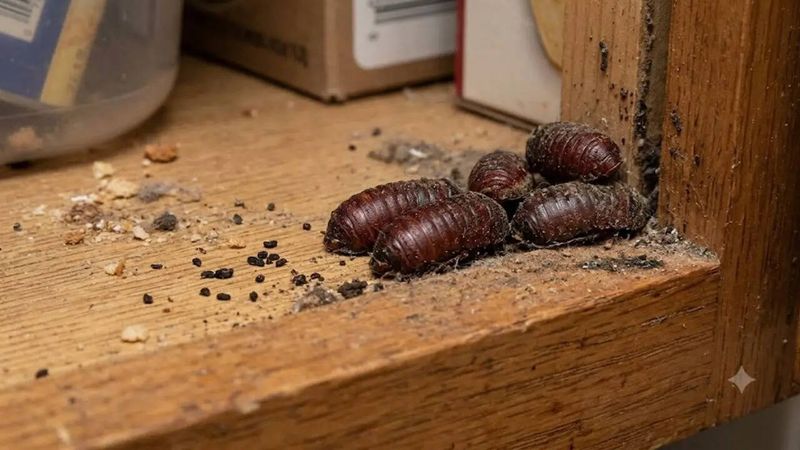
Roaches are shy, but they leave clues. Learning those signs helps you spot trouble before it moves indoors.
Droppings are the big giveaway. Smaller roaches leave specks that look like ground pepper or coffee grounds. American cockroaches leave larger pellets with ridges along the sides.
Egg cases tell an even bigger story. Called oothecae, they are tough, purse-shaped brown capsules.
Female American cockroaches often glue them to surfaces in protected spots, while Oriental females may drop them in sheltered debris. Finding several means a population is growing nearby.
Your nose can help too. A musty, oily smell in a garage, crawlspace, or damp corner may point to a larger group.
For the best look, grab a flashlight and head out an hour or two after dark. Roaches are nocturnal, so night checks reveal far more than daytime searches. Shine the light along the foundation, under decks, and around mulch edges.
Sticky monitoring traps placed along walls outside garage doors give you a simple count. Check them weekly and note where catches are highest. That pattern often leads you straight to the hideout you have been missing.
Fall Is Prime Time To Seal Cracks Before Roaches Move Indoors

Summer is roach party season. Activity peaks outdoors in warm months, and Oriental cockroach numbers often climb highest in spring and early summer.
Cooler nights change the plan. As temperatures drop across the state in fall, outdoor roaches start looking for warmer shelter. Your basement, crawlspace, or garage can look awfully inviting.
That makes autumn the smartest time for a home checkup. Seal cracks in the foundation with caulk or mortar.
Fill gaps around pipes and wires with foam or copper mesh, and add sweeps to doors that let light peek through.
Pair those repairs with yard habits from earlier sections. Pull mulch back, fix leaks, move firewood, and tidy leaf piles.
Each step removes moisture or shelter, and together they make your yard far less appealing.
Bait stations or professional help make sense when you keep seeing roaches despite cleanup. A licensed pest professional can identify the species and target treatment carefully, which protects bees and other helpful garden insects.
My biggest takeaway is simple. Roaches follow comfort, and you control a lot of that comfort right outside your door.
A few weekend chores can turn that cozy mulch bed back into what it should be, a happy home for your plants.