8 Things You Should Never Do to a St. Augustine or Bermuda Lawn in Florida in November
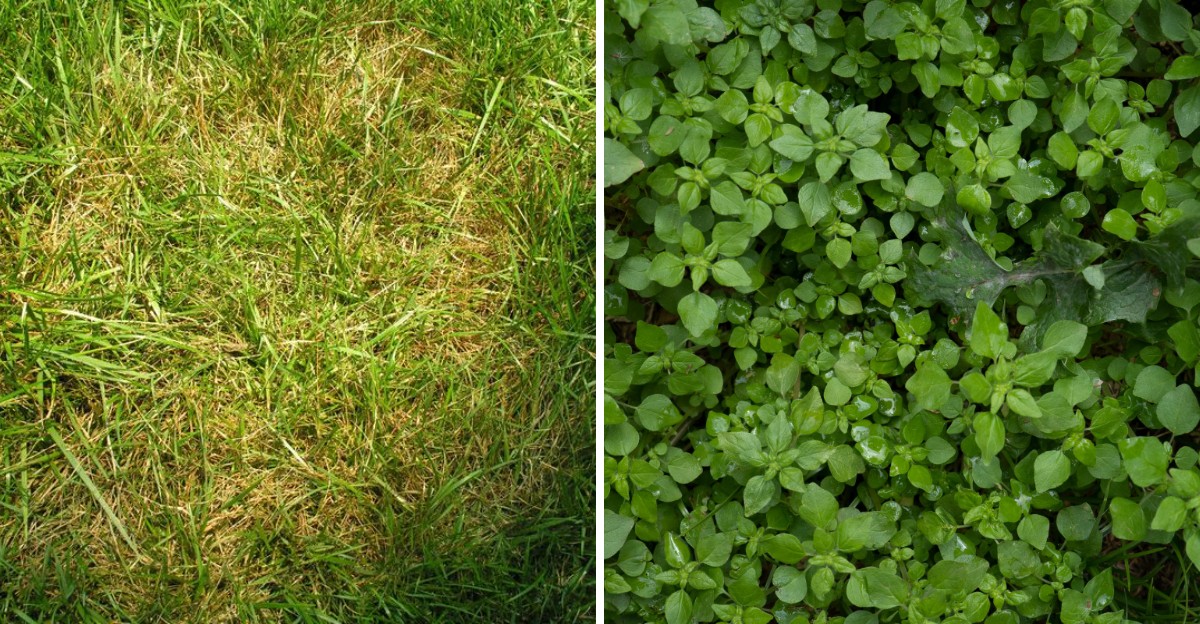
A sneaky fungus can paint tan rings several feet wide across a lawn once autumn nights turn cool. Those rings often show up just as Florida homeowners relax and assume their grass is resting safely.
Warm-season turf slows its growth sharply as days shorten, yet it keeps reacting to every choice you make. Summer habits with the mower and sprinkler can quietly backfire when the weather shifts toward cooler, damper mornings.
I have to admit that I once fed my lawn in late fall and paid for it all winter. You might notice similar troubles in Florida yards, especially where sprinklers still run on their busy summer timers.
Small mistakes this time of year can shape how quickly your grass greens up next spring.
Could one of your favorite lawn chores be the very thing inviting those tan rings this fall?
1. Skip Heavy Nitrogen Fertilizer As Grass Slows Down
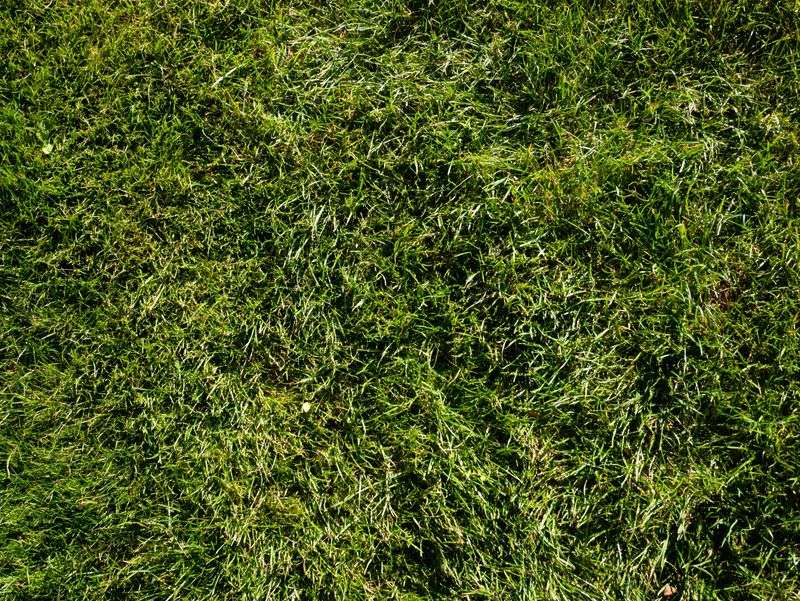
Grass in late fall acts like a sleepy teenager, and a big nitrogen meal only wakes it at the wrong time. That burst of soft growth looks lovely for a week but struggles when a cold front rolls through.
UF/IFAS research links late nitrogen on St. Augustine to more large patch, a fungal disease of cool weather. Bermuda reacts in a similar way, pushing lush growth when it should be storing energy in its runners.
Most extension calendars suggest wrapping up nitrogen feeding by early fall in northern counties and a bit later farther south. Southern lawns keep growing longer into the year, so local guidance there can stretch the schedule by several weeks.
Personally, I switch my thinking from feeding growth to protecting roots once the nights start dipping into the fifties. A soil test from your county extension office shows whether potassium is low before you buy anything.
Extra nitrogen on slow grass also has fewer places to go, so rain can carry it toward storm drains. From there, those nutrients can feed algae in nearby ponds and springs that so many of us enjoy.
Check your bag label before spreading anything, because many lawn products are mostly nitrogen with a fancy name. Look for the first number in the analysis, and keep it low or skip that product until spring.
Your grass will not starve over winter, since it needs far less food while growing so slowly. Patience now usually pays off with a thicker, healthier lawn when warm weather returns and growth picks up again.
2. Dropping The Mower Blade Too Low On Your Lawn
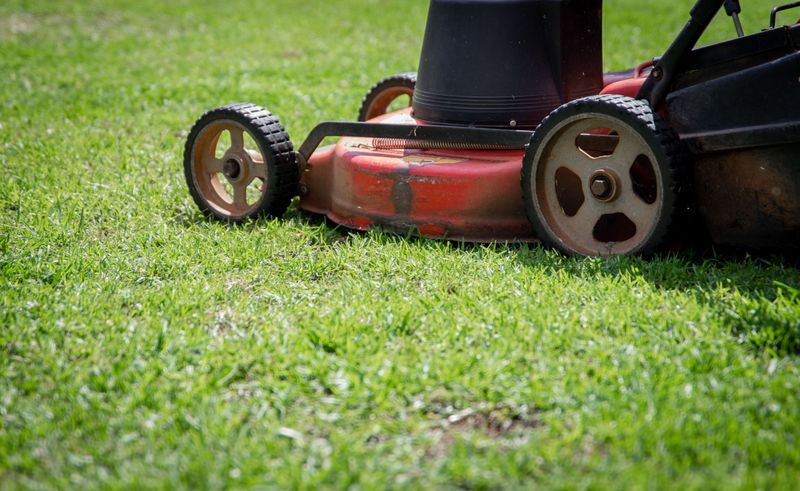
Scalped grass looks a bit like a bad buzz cut, with pale stems poking up where green blades used to be. I wince every time I hear a mower drop low on a St. Augustine lawn in late fall.
UF/IFAS recommends mowing most St. Augustine varieties at 3.5 to 4 inches, and dwarf types closer to 2.5 inches. Common Bermuda usually looks best between 1 and 2 inches, while hybrid Bermuda tolerates even shorter cuts with a reel mower.
Those taller blades act like a cozy blanket over the growing points near the soil surface. Remove too much, and the crowns face cold air with very little leaf left to make food.
Scalping also opens gaps in the canopy, and sunlight reaching bare soil invites weeds to move right in. Winter annuals like chickweed and annual bluegrass happily fill those openings while your lawn barely grows at all.
Follow the one-third rule, which means cutting no more than a third of the blade height at each mowing. If your grass got shaggy during a rainy stretch, lower the deck gradually across several mowings instead of once.
Sharp blades matter too, since dull ones shred leaf tips and leave a ragged, brownish look across the yard. I sharpen mine a couple times a year, and the clean cuts make a surprising difference in color.
Some folks raise the deck slightly for winter, giving the turf a little extra cushion against chilly mornings. Your lawn will thank you with sturdier roots and fewer bare patches once spring warmth returns.
3. Sprinklers Still Running On A Summer Watering Schedule
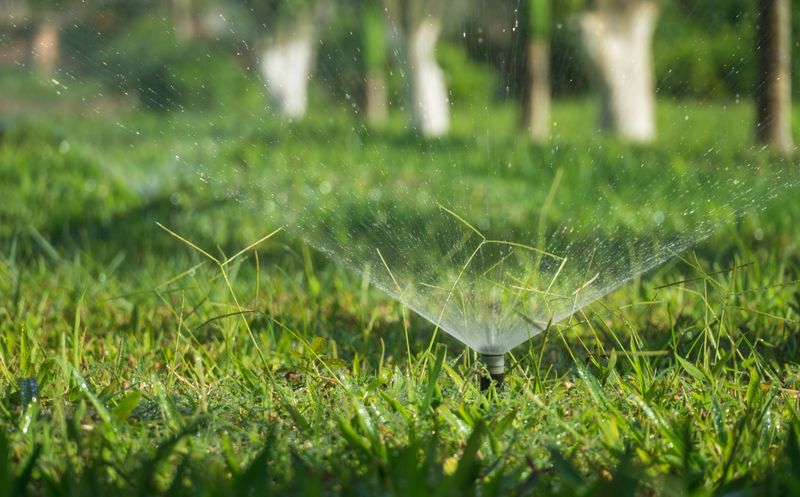
Sprinkler timers are sneaky little gadgets, because they keep following summer orders long after the rainy season ends. Cooler air means grass drinks far less, yet many systems keep spraying like it is still July.
Soggy soil starves roots of oxygen, and weak roots struggle to hold the lawn together through winter. Constant moisture also makes life easy for fungal diseases that thrive when turf stays damp for long stretches.
UF/IFAS suggests watering only when grass shows thirst, applying about one-half to three- quarters of an inch each time. Look for folded leaf blades or footprints that linger long after you stroll across the yard.
I love how a simple tuna can test reveals exactly how much water your sprinklers deliver in one cycle. Set a few empty cans around the yard, run each zone, and measure the depth with a ruler.
Some water management districts, including the St. Johns River district, limit lawn watering to one day weekly during standard time. Rules vary by county and city, so check your local schedule before changing any timer settings this month.
Installing a rain sensor or soil moisture sensor helps the system skip cycles after a passing shower. State law actually requires working rain shutoff devices on most automatic sprinkler systems, which surprises plenty of homeowners.
Dial back the run times now, and your grass will grow tougher roots that handle dry spells better. Your water bill will likely shrink a little too, which feels like a nice bonus heading into the holidays.
4. Evening Sprinklers Leave Grass Blades Wet Overnight
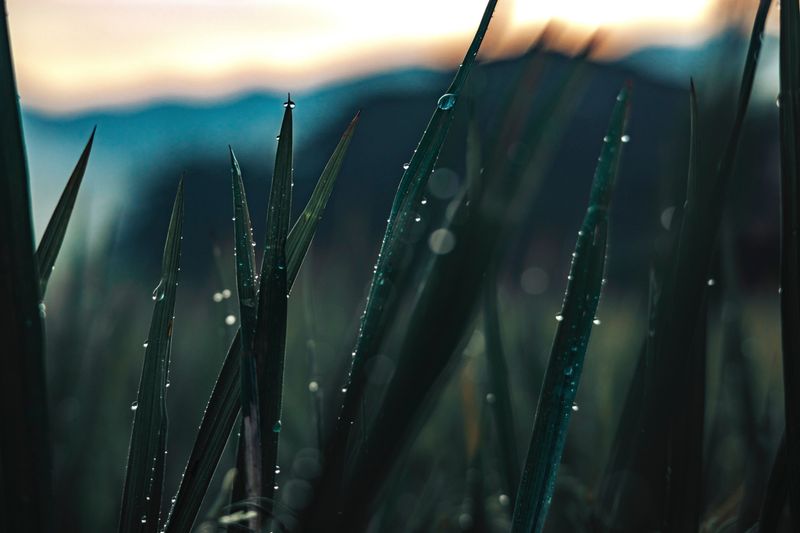
Wet grass at bedtime is basically an open invitation to every fungal spore drifting around your neighborhood. Leaf blades that stay damp for hours overnight give those spores plenty of time to germinate and spread.
Fall in Florida brings longer nights and heavy dew, so blades already stay moist longer than in summer. Adding sprinkler water at dusk stretches that wet period even further, and diseases like large patch take advantage.
UF/IFAS recommends irrigating in the early morning hours, ideally before about ten o’clock in the morning. That timing lets the sun dry the leaves quickly while less water drifts away on wind or evaporates.
I have to admit I once watered after work for convenience, and the brown spots told on me quickly. Switching my timer to an early start fixed the habit without forcing me to wake up before sunrise.
Many local watering rules also restrict daytime irrigation, often between ten in the morning and four in the afternoon. Pre-dawn cycles usually satisfy both the rules and the grass, which makes scheduling much simpler for busy households.
Hand watering a dry spot in the evening occasionally will not ruin anything, so there is no need to panic. The real trouble comes from repeated nightly soaking, especially during the cool, humid stretches that late fall often brings.
Take a peek at your controller settings this weekend and confirm the start time falls well before sunrise. It takes about two minutes, and your lawn will enjoy drier, healthier blades for the rest of the season.
5. Ignoring Tan Rings Of Large Patch Fungus
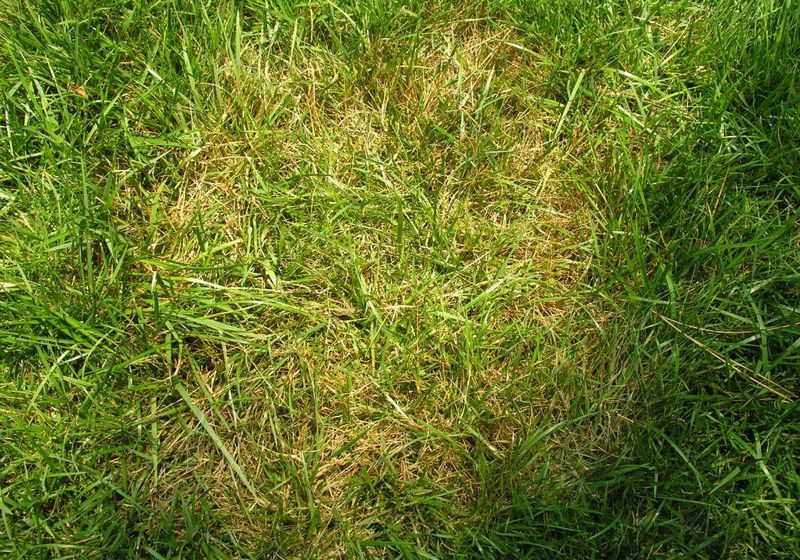
Those mysterious tan circles creeping across a St. Augustine yard in fall often have a name, large patch. Caused by a fungus called Rhizoctonia solani, it loves the cool, damp weather that arrives as temperatures settle down.
Patches can stretch several feet across, often with an orange or smoky-looking border where the fungus is actively spreading. Tug a blade near that edge, and it may slip right out because the base has rotted.
St. Augustine and zoysia suffer the most, while Bermuda tends to handle the disease better in most home lawns. Still, any warm-season grass weakened by poor care can show symptoms during a long, wet stretch of mild weather.
What surprises me most is how slowly the damage heals, since grass barely grows enough to fill gaps until spring. Spots that appear now can linger for months, which makes early action much more valuable than late regret.
Cut back on nitrogen and water only in the early morning, especially where puddles linger after rain. Those simple changes reduce how long the blades stay wet, which slows the fungus considerably in most yards.
If the disease shows up year after year, a preventive fungicide applied in fall can help protect the lawn. Read the label carefully and ask your county extension office which products work best for your grass type.
Mow affected areas last, because clippings and mower tires can carry the fungus into healthy parts of the yard. A little care now keeps those rings from turning into a patchwork mess by the time spring arrives.
6. Letting Chickweed And Winter Weeds Sprout Unchecked
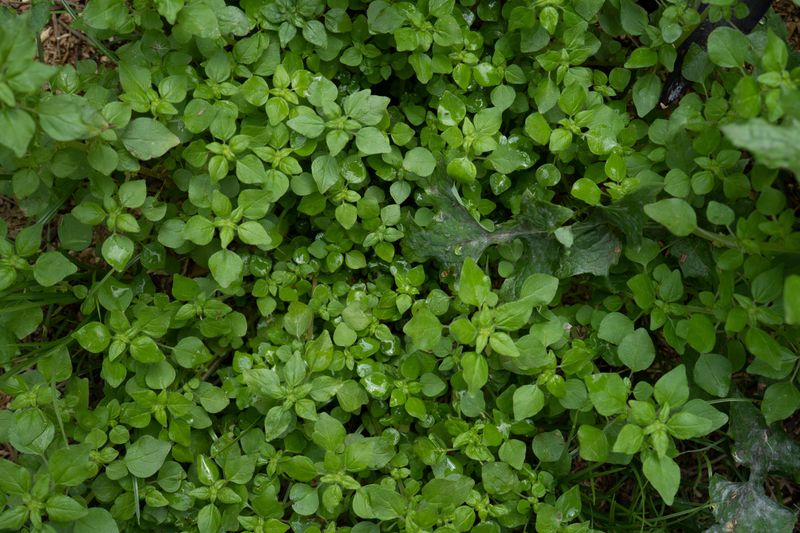
Chickweed and annual bluegrass are already plotting their takeover while your warm-season grass slows down for winter. Those cool-season weeds sprout in fall, then grow happily through months when your turf can barely fight back.
UF/IFAS suggests applying a pre-emergence herbicide once nighttime temperatures drop to about 55 to 60 degrees for several days. In northern parts of the state that often happens in October, while southern areas reach it later or rarely.
If that window has already passed, a pre-emergent will not stop seeds that sprouted weeks ago. In that case, switch your focus to small, young weeds that respond better to careful spot treatments.
Personally, I find a quick weekly stroll around the yard catches weeds while they are still tiny and manageable. Pulling a few by hand after a rain feels oddly satisfying, especially when the soil releases the roots easily.
Read herbicide labels closely, since some products harm St. Augustine while others are labeled specifically for it. Many weed control products also carry temperature limits, so check the forecast before spraying on a warm afternoon.
Overseeding Bermuda with ryegrass changes the plan, because pre-emergent products can block the ryegrass seed from sprouting too. You need to pick one approach, either winter color from ryegrass or weed prevention, for each lawn area.
A thick, healthy lawn remains the best weed barrier, so the mowing and watering tips above matter here too. Skip the weed-and-feed bags for now, since they add nitrogen that slow grass cannot use this late.
7. Overseeding St. Augustine Grass With Ryegrass
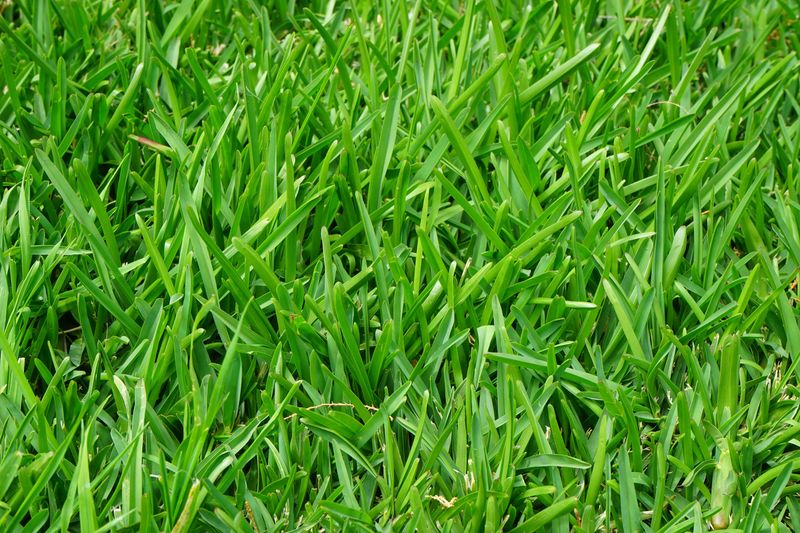
Bright green ryegrass sprinkled over a sleepy lawn sounds like a clever winter trick, and sometimes it truly works. The catch is that St. Augustine rarely enjoys sharing its space with a crowded carpet of cool-season grass.
UF/IFAS generally advises against overseeding St. Augustine, since the ryegrass competes hard for sunlight and moisture. That rivalry becomes a real problem in spring, when the St. Augustine needs every advantage to green back up.
Ryegrass also tends to linger into warm weather, shading the runners and slowing their recovery for several weeks. Thin spots often appear by late spring, and those gaps invite weeds right back into the yard.
Bermuda handles overseeding much better, which is why golf courses and sports fields in northern areas often use it. Even then, the extra seed means more frequent mowing and careful timing for a smooth spring transition.
I love how a dormant lawn looks honest, with its soft straw color showing the grass is simply resting. You might notice neighbors in cooler parts of the state embracing that tan look without any worry at all.
Lawn colorants offer another option, and many are designed specifically for dormant warm-season turf without adding competition. Spraying a little green pigment can brighten the view for holiday guests while the grass rests underneath.
If you already overseeded, mow the ryegrass short as spring arrives so the warm-season grass gets sunlight sooner. Holding back water during that transition also nudges the ryegrass to fade gracefully as temperatures climb.
8. Rushing Fertilizer Onto Freshly Laid Sod
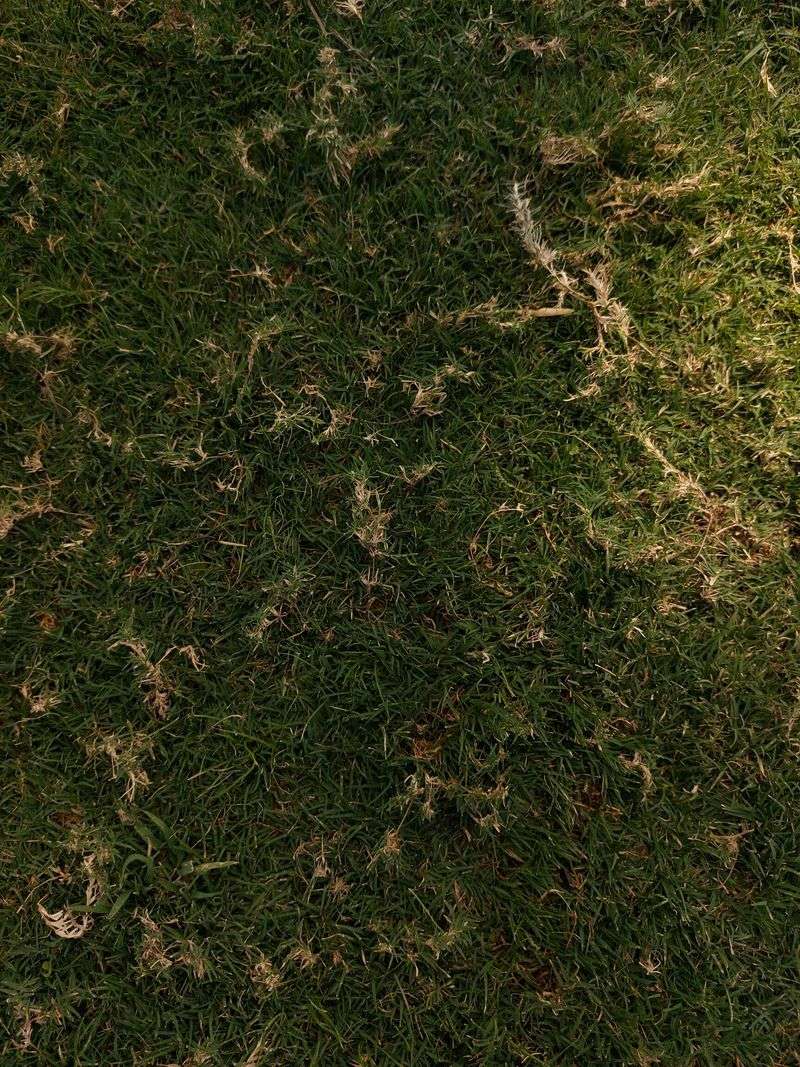
Fresh sod arrives looking like a flawless green rug, yet underneath it is basically a plant without much of a home. Those short roots need weeks to grab the soil below, and feeding too early can slow that process.
UF/IFAS suggests waiting about 30 to 60 days after installation before applying fertilizer to new St. Augustine sod. A gentle tug test helps, because well-rooted pieces resist lifting while loose ones peel up like carpet.
In late fall, root growth moves slowly, so that waiting period may stretch even longer than in summer. I believe patience matters more than any product here, since cooler soil simply limits how fast roots spread.
Water deserves most of your attention, with frequent light watering during the first week or two after installation. After that, gradually space out the sessions so the roots chase moisture deeper into the soil below.
Bermuda sod follows similar rules, though some installers apply a light starter product depending on soil test results. Ask your supplier for their specific recommendations, since they know the grass and the conditions it was grown in.
Fertilizer rules set by many Florida counties still apply to brand new lawns, so read them before buying anything. Some ordinances require fertilizer-free buffer zones near ponds and canals, which matters for waterfront yards in particular.
Hold off on mowing until the sod has rooted, then use your normal height setting with a sharp blade. Your new lawn will reward that restraint with deep roots and steady growth when spring finally rolls around.