8 Perennials That Triple In Size In One Season And Fill Pennsylvania Beds Fast
A single quart pot of one native mint cousin can sprawl into a patch three feet wide by fall. That kind of speed sounds like a tall tale until you watch it happen in your own yard.
Some tough perennials spread by underground runners, while others simply bulk up into wide mounds in one summer. Pennsylvania gardeners get a bonus because many of these fast growers handle cold winters and humid summers well.
I love how a skimpy new bed can look settled and lush before the Fourth of July arrives. You need patience with shrubs and trees, but these plants reward you much sooner than you expect.
Growth rates depend on your soil and sunlight, so tripling in size is a realistic goal rather than a promise. Which of these eager spreaders will finally fill that bare corner in your Pennsylvania garden this year?
1. Clustered Mountain Mint
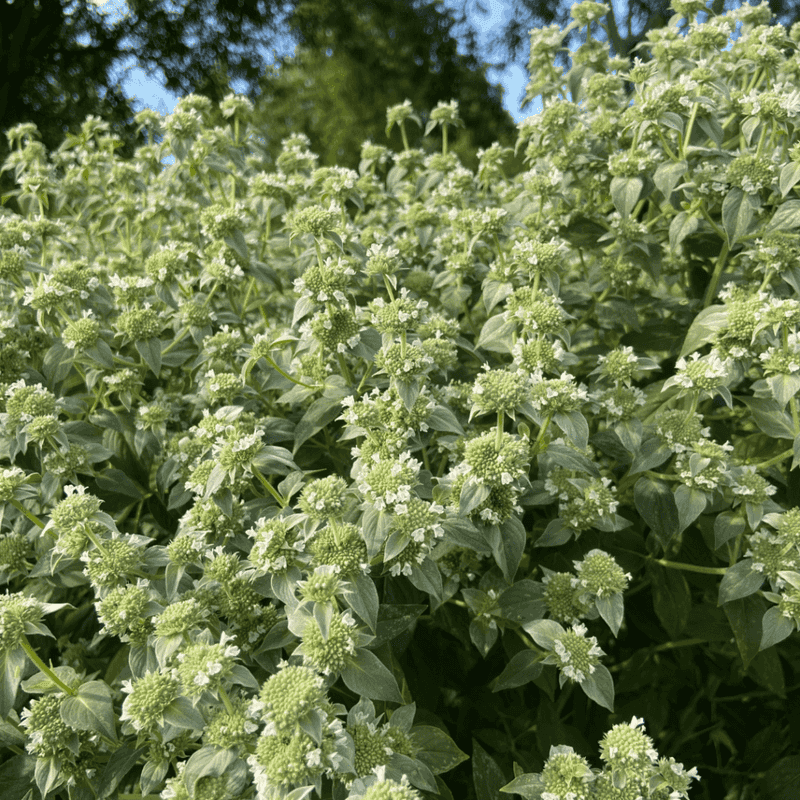
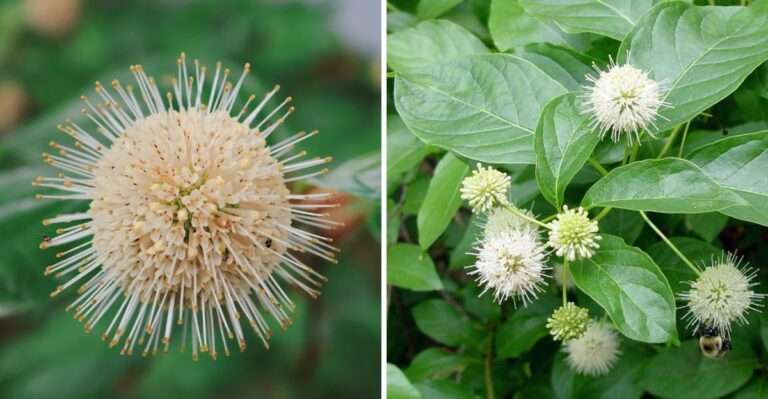
Brush your hand across clustered mountain mint and a cool, peppery scent jumps right up to greet you. Its leaves are topped by silvery bracts that look like someone dusted the whole plant with powdered sugar.
Known to botanists as Pycnanthemum muticum, this native grows wild in Pennsylvania meadows and woodland edges.
It spreads by shallow underground rhizomes, which explains how one small pot becomes a generous patch so quickly.
I have to admit the pollinator show is my favorite part of growing it every single summer. Bees, wasps, and tiny flies swarm the white flower clusters from July through August, buzzing like a busy train station.
Expect plants to reach two or three feet tall in sun or light shade with average soil. Moist ground speeds things up, though established clumps handle short dry spells without much complaint from you or them.
Spreading is the whole point here, but you still want to plan for it with a little foresight. Give it room near a fence, a rain garden, or a meadow corner where wandering roots feel welcome.
Thinning is easy because the runners sit close to the surface and pull up with a gentle tug. Share those extra pieces with neighbors, since rooted chunks settle into new gardens with very little fuss.
Deer and rabbits usually leave the minty foliage alone, which feels like a small miracle in many suburbs. Pair it with taller grasses that can stand up to its friendly push across the bed each year.
2. Bee Balm
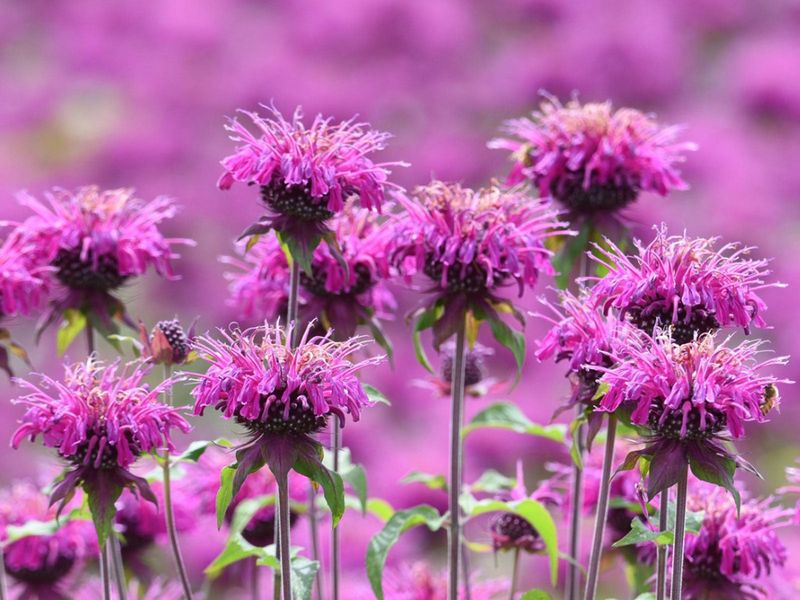
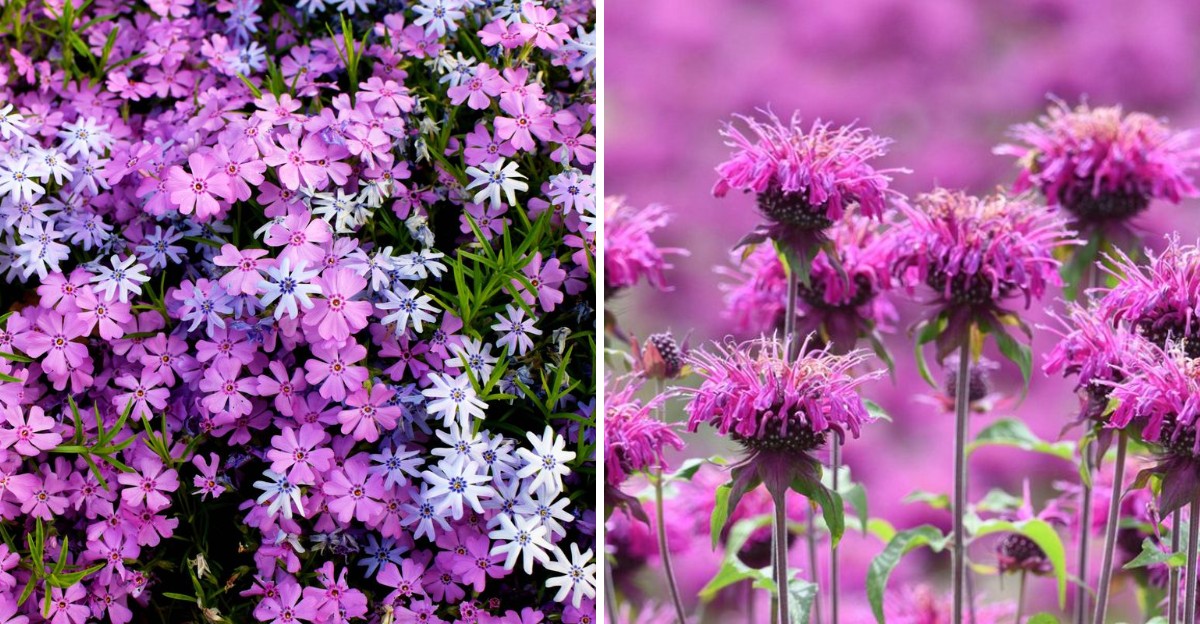
Hummingbirds seem to have a secret map that leads straight to every red bee balm flower in the neighborhood. Plant one clump, and you may spot those tiny green jewels zipping past your kitchen window by midsummer.
Scarlet bee balm, or Monarda didyma, is native to the eastern mountains, while wild bergamot, Monarda fistulosa, prefers drier meadows.
Both spread outward by creeping roots, forming wide colonies that can easily triple their footprint in good conditions.
The shaggy blooms look like little firework bursts frozen in place on top of square stems. Flowers usually open in early to mid summer and hold color for several weeks when the weather cooperates.
Plants generally reach two to four feet tall and enjoy full sun with soil that stays evenly moist. Afternoon shade helps in hotter spots, though too much shade leads to floppy stems and fewer flowers overall.
Powdery mildew is the classic complaint, showing up as a gray film on leaves during humid stretches.
Choose resistant cultivars like Jacob Cline or Raspberry Wine, and space plants so breezes can move freely between them.
Personally, I divide my bee balm every two or three years because the center can thin out over time. Dig in early spring, keep the vigorous outer pieces, and replant them where you want fresh color.
Crush a leaf and you will notice a spicy, citrusy aroma similar to the flavor of bergamot tea. That scent also helps discourage deer, which makes this fast spreader a smart pick for rural yards.
3. Catmint
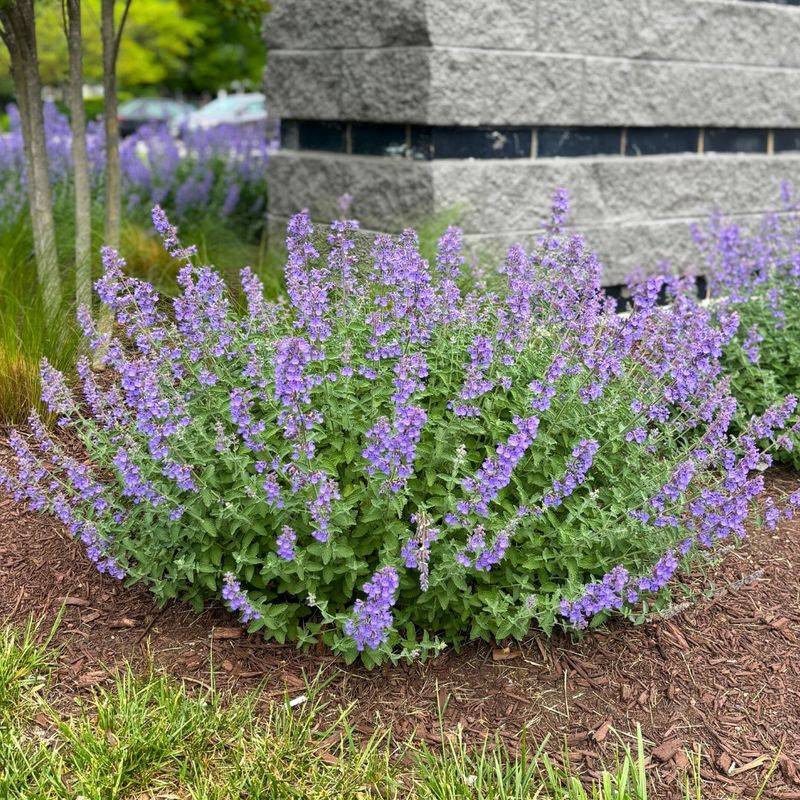
My cat once flopped right into a fresh catmint planting and rolled around like it was a fancy pillow. The plant bounced back within days, which tells you plenty about how tough and forgiving it really is.
Nepeta x faassenii and its popular cultivar Walker’s Low grow from small nursery pots into billowing mounds surprisingly fast.
A first-year plant can stretch two to three feet wide, softening path edges with a cloud of lavender blue.
Many faassenii types are sterile or nearly so, which means they spread by size rather than scattering seedlings everywhere. That makes them a polite choice compared with common catnip, which reseeds far more freely around a garden.
Flowers start in late spring and attract bumblebees that hum steadily from morning until the evening light fades. When blooms start to look tired, shear the whole plant back by about half for a fresh second flush.
Full sun and well-drained soil keep catmint happy, and rich soil actually makes stems sprawl more than you want. Once roots settle in, it shrugs off dry weather better than many perennials sitting nearby in the bed.
The gray-green leaves carry a minty, slightly musky scent that deer and rabbits generally find unappealing to nibble. I love planting it beside roses because the soft blue haze hides their bare knees so beautifully.
Plant spring or early fall, giving each one plenty of elbow room since that small pot grows deceptively large. Your bed will look full long before the tomatoes in your vegetable garden start ripening.
4. Bigroot Geranium
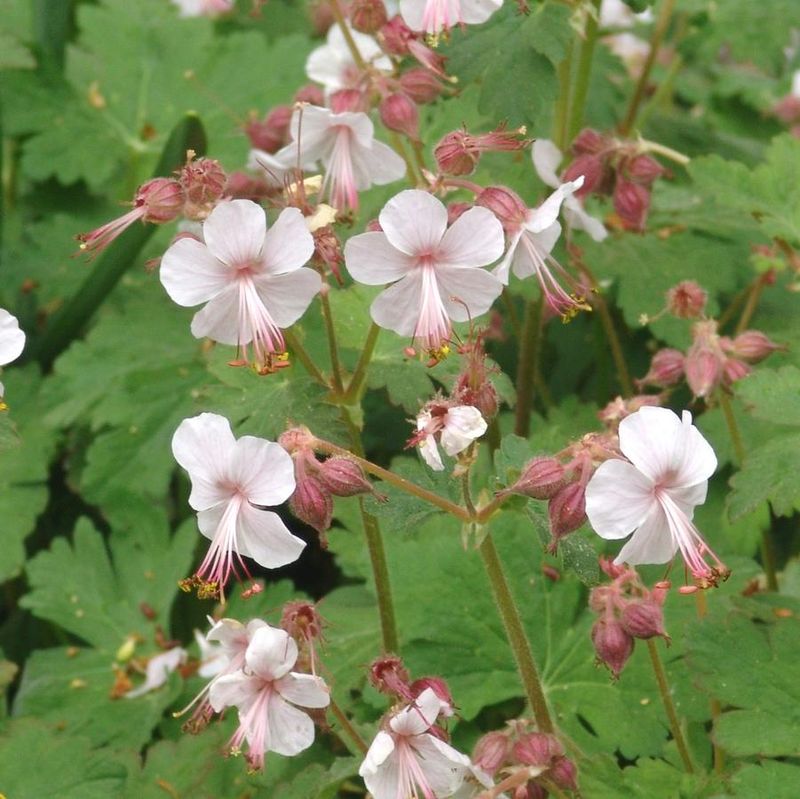
Run your fingers over bigroot geranium leaves and your hands will smell like a fancy herbal soap for an hour. That fragrance comes from oils in the foliage, and it is one reason deer usually walk right past.
Geranium macrorrhizum is not the red annual on your grandmother’s porch but a true hardy perennial for zones four through eight.
Thick rhizomes creep along the soil surface, knitting together a dense mat that crowds out most weeds.
What surprises me most is how happily it grows in dry shade under maples, where grass often struggles badly. Few plants handle that tough combination, so this one earns a permanent spot in my shady backyard corners.
Pink, magenta, or white flowers appear in late spring and early summer above leaves about a foot tall. Bees visit the blooms, and the foliage often turns red and orange as cooler fall weather moves in.
Plants spread steadily, and a well-watered first season can produce a clump several times its original size. Spacing plants about eighteen inches apart usually gives you a solid carpet within one or two years.
Water regularly during the first summer while roots get established, then ease off once the plants look settled.
After that, bigroot geranium handles dry spells better than most shade perennials, which saves you plenty of hose dragging.
Dividing is simple because pieces of rhizome root easily when tucked into loose soil and kept moist. Try it along a shaded walkway, where every brush of your ankle releases that lovely spicy scent.
5. Goldsturm Black-Eyed Susan
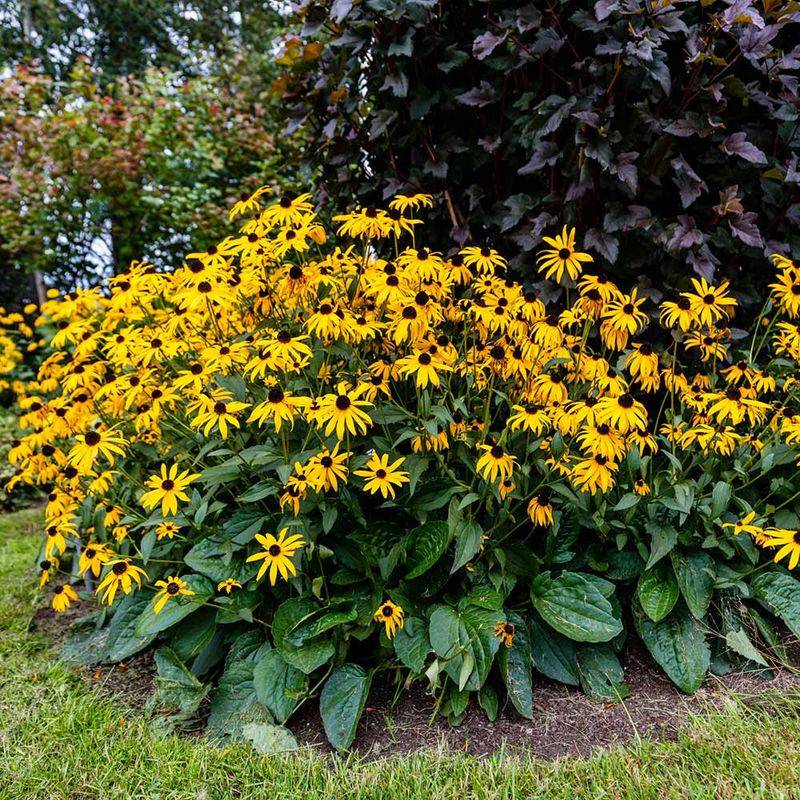
Late summer often turns many gardens tired and crispy, yet Goldsturm black-eyed Susan seems to wake up and shout. Golden petals with chocolate centers light up beds just when most spring bloomers have quietly faded away.
Rudbeckia fulgida Goldsturm differs from the short-lived Rudbeckia hirta often sold as a cheerful roadside wildflower.
This longer-lived perennial spreads by short rhizomes and some seedlings, quickly building wide clumps that fill gaps.
Flowers usually open in July and keep going into September, creating a long stretch of steady color for weeks. Butterflies and bees visit the blooms, and goldfinches pick at the seed heads once the petals drop away.
Plants grow about two feet tall and prefer full sun with average soil that drains reasonably well. They tolerate clay better than many perennials, which helps in yards with heavy ground across much of Pennsylvania.
I like leaving the seed heads standing through winter because they look charming capped with a little snow.
Cut everything back in early spring before new growth appears, and the clump will refill its space quickly.
Divide crowded plants every few years in spring to keep them blooming strongly and to grab free plants. Each chunk with roots and a few leaves can settle into a new spot without much trouble at all.
Watch for leaf spot during wet summers, and give plants enough space for air to move between stems. Mass a dozen together, and you will have a glowing river of gold by your first August.
6. Yarrow
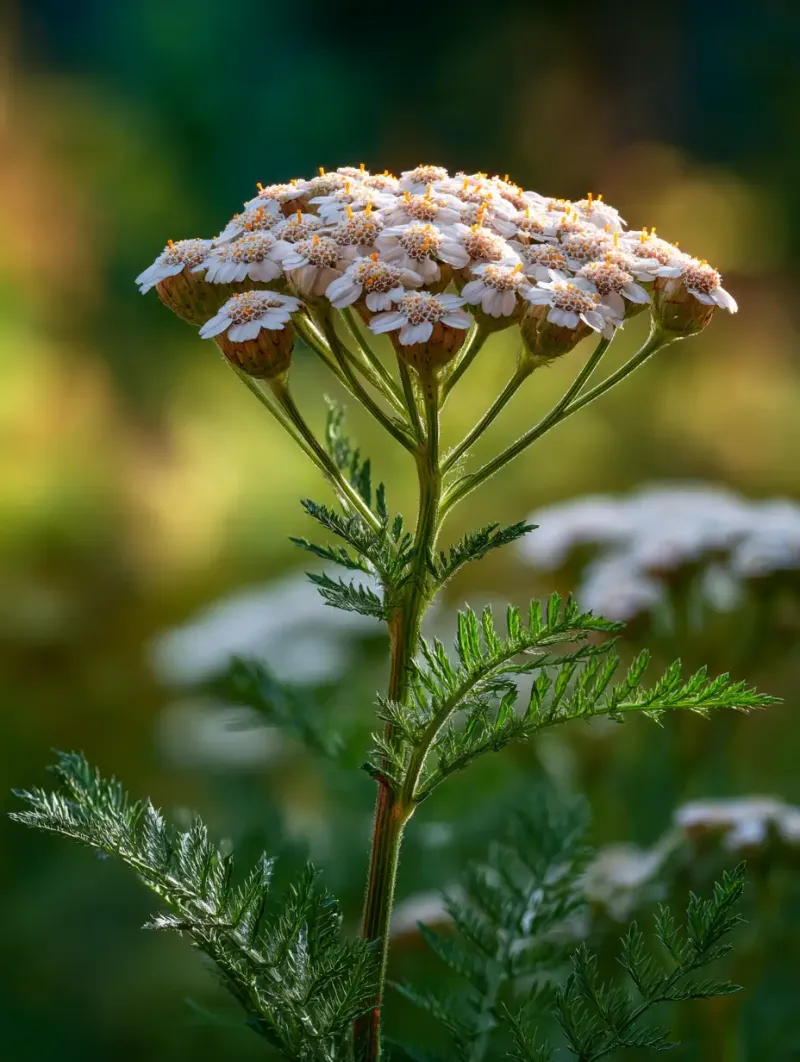
Ancient legend says the hero Achilles used yarrow to treat his soldiers, which is how it earned the name Achillea. Modern gardeners love it for a simpler reason, since it handles poor soil that frustrates fussier flowers.
Common yarrow, Achillea millefolium, includes native North American types along with European strains and many colorful garden cultivars. It spreads by rhizomes and seed, so a single plant can widen into a broad patch in one season.
The feathery leaves look almost like ferns, and they release a sharp herbal smell when you step on them. Flat flower clusters in white, pink, red, or yellow bloom from early summer into late summer.
Butterflies and small beneficial insects like hoverflies land on those flat flower tops as if they were tiny landing pads. You might notice fewer aphids nearby, since some of those visitors happily snack on soft-bodied pests.
Full sun and lean, well-drained soil keep yarrow sturdy and upright through hot weather. Too much fertilizer or rich soil leads to tall, floppy stems that collapse after a heavy summer rain.
Personally, I trim the first round of faded flowers to encourage a second bloom later in the season. Cutting back also helps limit seedlings, which matters if you prefer a tidy border over a wild meadow look.
Choose clump-forming cultivars like Moonshine for small beds, and save vigorous common types for slopes or meadows. Either way, yarrow fills bare sunny ground fast and rarely asks for extra water once settled.
7. Golden Ragwort
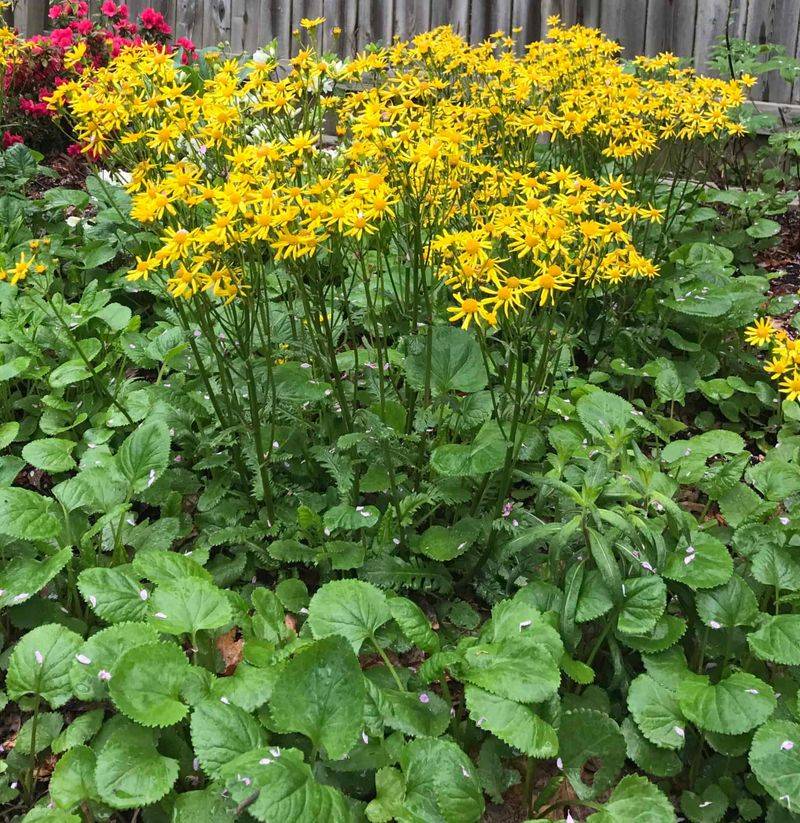
Spring woodland gardens can look a little sleepy until golden ragwort switches on like a row of tiny porch lights. Bright yellow daisies rise above dark leaves in April and May, often before most shade plants wake up.
Packera aurea is a native wildflower found in moist woods and stream banks across much of the eastern United States. It spreads by creeping stems and seed, forming dense mats that can quickly fill a shady, damp bed.
The heart-shaped basal leaves often stay green through mild winters, sometimes showing a purple tint on their undersides. That low foliage helps cover bare soil long after the flowers fade and the stems are trimmed away.
I believe this plant is one of the most underrated native groundcovers for wet spots where lawn grass sulks. It handles part shade to full sun, as long as the soil stays reasonably moist through the summer.
Early bees and small native pollinators visit the flowers at a time when food sources are still scarce. Planting it near a downspout or rain garden turns a soggy problem area into a cheerful spring display.
Plants contain compounds that can harm people and livestock if eaten, so keep it away from grazing animals. Deer also tend to avoid it, which makes it handy in woodsy yards with heavy browsing pressure.
Remove seed heads after bloom if you want to limit volunteers in nearby beds or lawn edges. Otherwise, let it roam freely under shrubs, where its glossy leaves create a neat green carpet.
8. Creeping Phlox
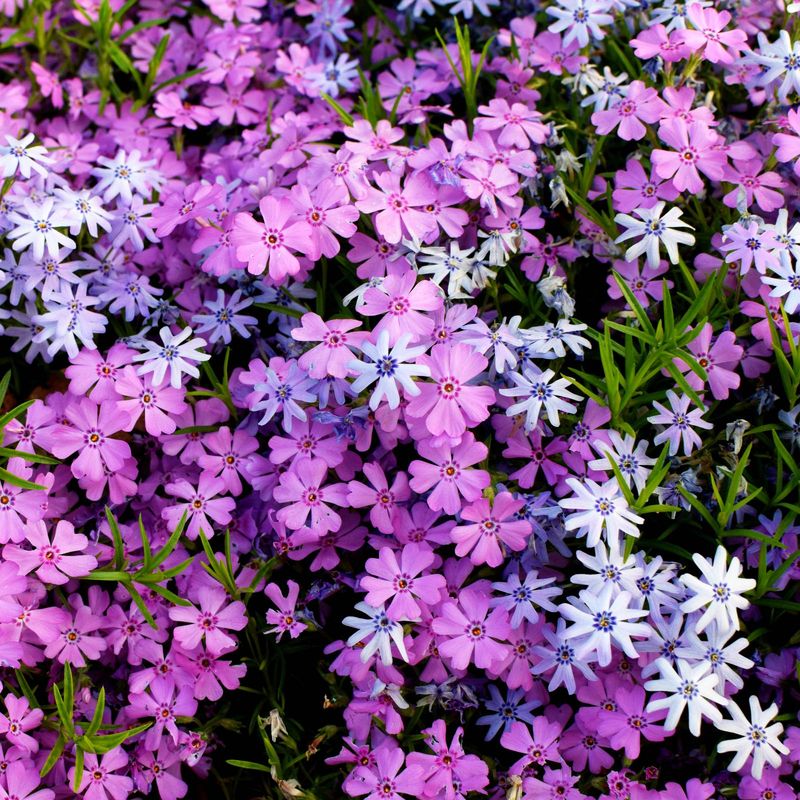
Drive through older neighborhoods in April and you will spot slopes that look like someone spilled pink paint everywhere. That bright carpet is creeping phlox, a native plant that grows wild on rocky outcrops in Pennsylvania.
Phlox subulata stays only a few inches tall but stretches sideways, rooting where stems touch the ground.
A small plug can widen considerably in its first year, though growth depends heavily on sun and drainage.
Needle-like leaves stay green through most winters, giving rock gardens texture even when everything else looks bare and brown. You might notice the foliage feels a bit prickly, which explains its other common name, moss phlox.
Flowers smother the plant in shades of pink, lavender, white, or blue for several weeks each spring. Early butterflies and bees visit the blooms, grabbing a welcome snack before summer flowers have opened.
Full sun and gritty, well-drained soil keep creeping phlox happy, especially on slopes and along stone walls. Heavy clay that stays soggy invites rot, so mix in gravel or plant on a raised mound.
After flowering finishes, shear the stems back lightly to keep plants dense and encourage fresh green growth. I love how quickly a trimmed mat thickens, filling cracks between stones by the middle of summer.
Space plants about eighteen inches apart for full coverage within a season or two on sunny banks. Cultivars like Emerald Blue and Candy Stripe offer fun colors that make your spring garden stand out.