How To Grow Huge Amaryllis Blooms Indoors For A Virginia Christmas
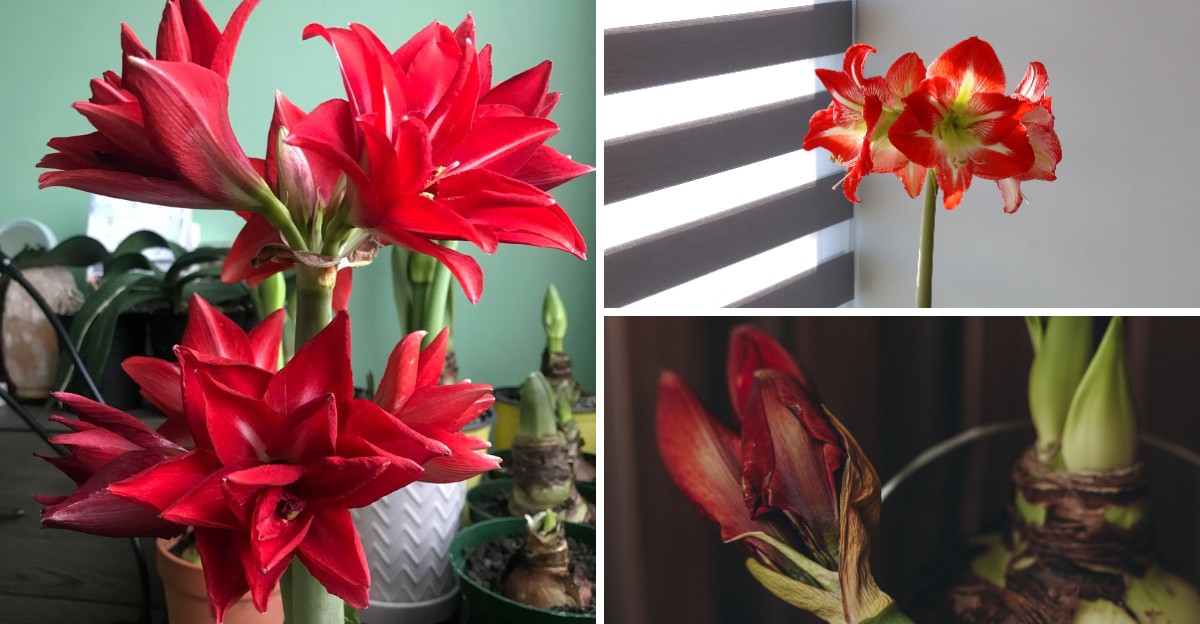
A single flower bulb can push up a stalk two feet tall and open blossoms as wide as a dinner plate. Some of those trumpets stretch close to ten inches across. All of that comes from something about the size of a softball.
I love how this plant ignores the gray skies outside. Your windows can look bleak in December, yet a red or white flower show can steal every bit of attention in the room. Personally, I think it beats any ornament on the tree.
The bulb does most of the work for you. It already holds next season’s flowers tucked inside, waiting for warmth, light, and a little water. Your job is mostly timing, plus a few smart choices that most people skip.
Here in Virginia, the calendar gives you a clear window for success. So how big could your holiday blooms get this year?
The Biggest Flowers Start Before You Ever Touch The Amaryllis Bulb
Walk into any garden center in November and you will see bins of amaryllis bulbs that look almost alike. Look closer, though, and the size gap between them is huge.
That gap matters more than any fertilizer you could buy later.
Bulb size is measured around the middle in centimeters. A 26 to 28 cm bulb or larger usually sends up two flower stalks, and sometimes three.
Smaller bulbs often manage just one stalk with fewer flowers.
The reason is simple. The flower buds for this season formed inside the bulb last year, fed by stored energy.
A bigger bulb means more stored food and more buds ready to go.
When you shop, squeeze each bulb gently. It should feel firm and heavy, like a good onion.
Skip any with soft spots, mold, or deep cuts.
Look at the top, too. A green bud tip peeking out is a happy sign.
Healthy roots at the base, even dry ones, are a plus.
Variety plays a role as well. Large-flowered Dutch and South African hybrids are bred for big, showy trumpets.
Some smaller types are lovely but naturally produce dainty blooms.
Spending a few extra dollars on a top-size bulb is the quickest shortcut to wow-worthy flowers. I learned that the hard way after a skinny bargain bulb gave me one lonely stem.
Plant Your Amaryllis In Early November For A Christmas Debut
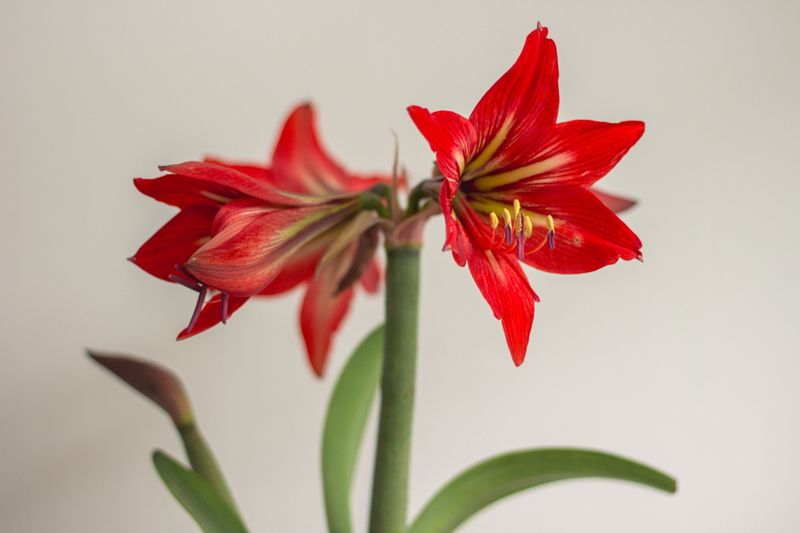
Here comes the magic number for your calendar. Most amaryllis bulbs need about six to ten weeks from planting to flowering.
Some slowpokes take up to twelve.
For flowers on Christmas, aim to plant between late October and the first week of November. That timing works across Virginia, since the bulbs grow indoors where outdoor frost does not matter.
Warmth speeds things up. A room around 70 to 75 degrees pushes growth faster, while a cooler house in the mid 60s slows it down.
Keep that in mind if your home runs chilly.
I like to stagger my plantings. Pot one bulb in late October, another in early November, and a third a week or two later.
That way something opens near Christmas no matter how fast each bulb moves.
Bulbs bought already sprouting are on a faster clock. If a green stalk is already a few inches tall, it may bloom in four to six weeks.
Plan a little later for those.
Waxed amaryllis bulbs are another option you will see in stores. They need no water or soil, but they rarely bloom again afterward.
Potted bulbs are the better choice if you want a plant that returns.
Write your planting date on the pot label. It helps you judge timing next year, too.
A Snug, Heavy Pot Keeps Those Towering Amaryllis Stalks Upright
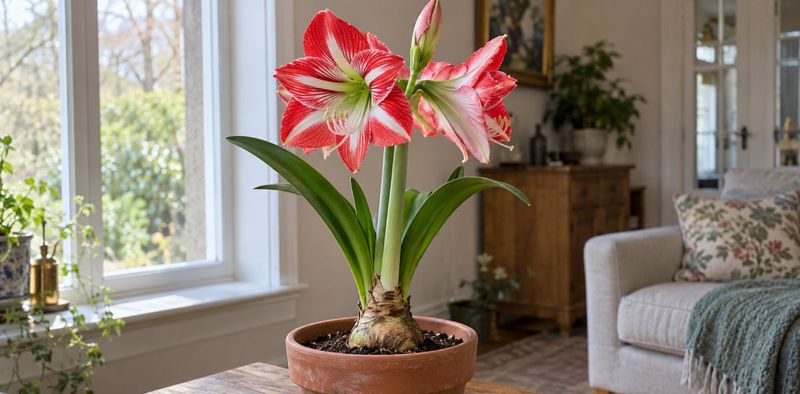
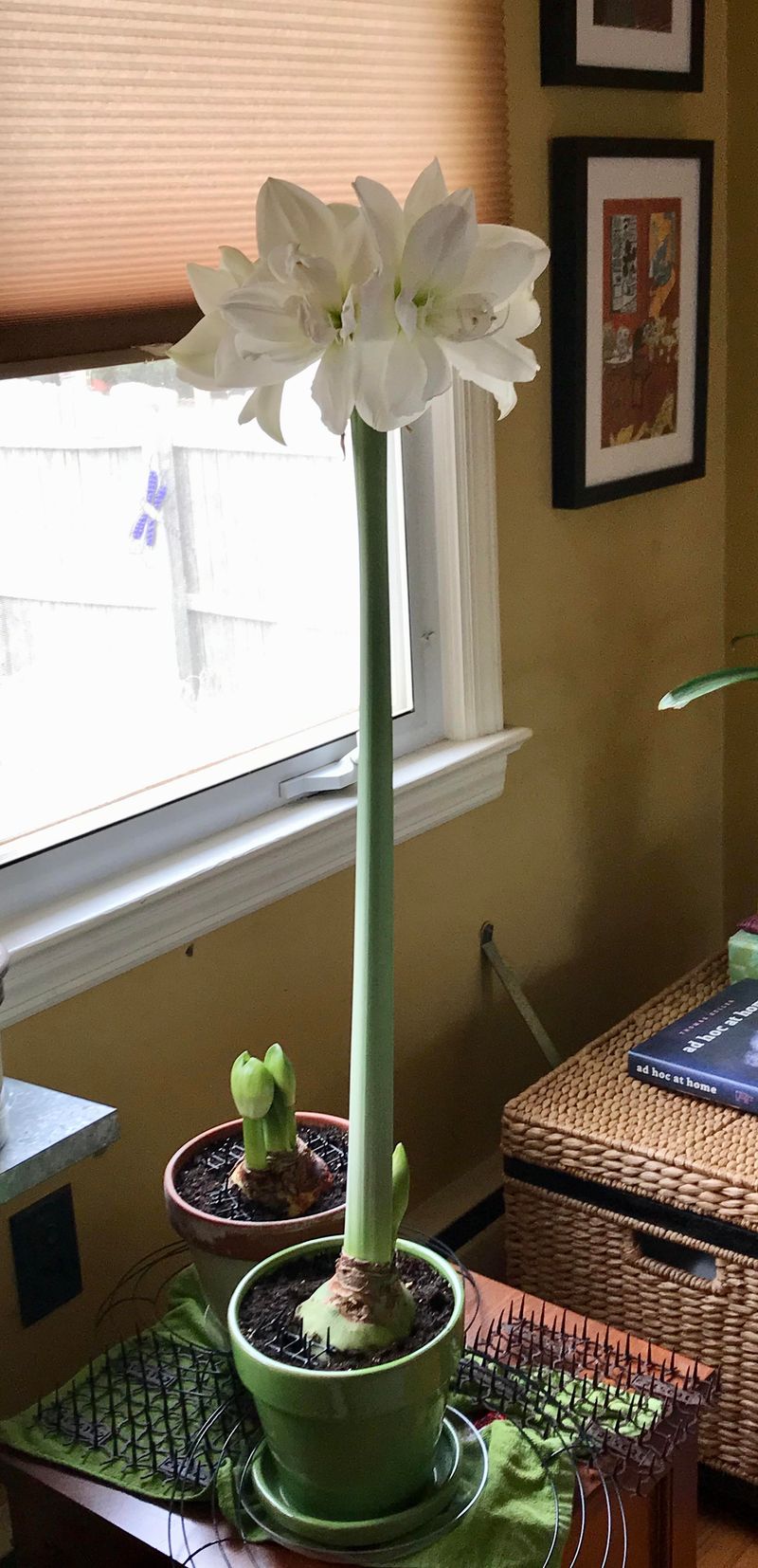
Amaryllis actually likes tight quarters. A pot only about one inch wider than the bulb on each side is plenty.
Too much extra soil stays wet and invites rot.
Pick a container with drainage holes, no exceptions. Clay or ceramic pots add weight, which matters when a two-foot stalk loaded with blooms starts to sway.
Lightweight plastic pots tip over surprisingly often.
For soil, use a fresh, well-draining potting mix. A bagged indoor mix with some perlite works well.
Garden soil is too heavy and can carry disease.
Before planting, soak the roots in lukewarm water for a few hours if they look dry. Trim any mushy or brown roots with clean scissors.
Set the bulb so the top third to half sits above the soil line. That exposed shoulder helps prevent rot around the neck.
Firm the mix around the roots so the bulb sits steady.
Water once, slowly and deeply, and let the extra drain away. Then hold off for a while.
The bulb needs very little until green growth shows up.
Thinking about a fancy display? Plant three bulbs together in a wider, shallow pot with about an inch between them.
The cluster looks stunning on a holiday table.
Sunny Windows Turn Amaryllis Shoots Into Sturdy Flower Stalks
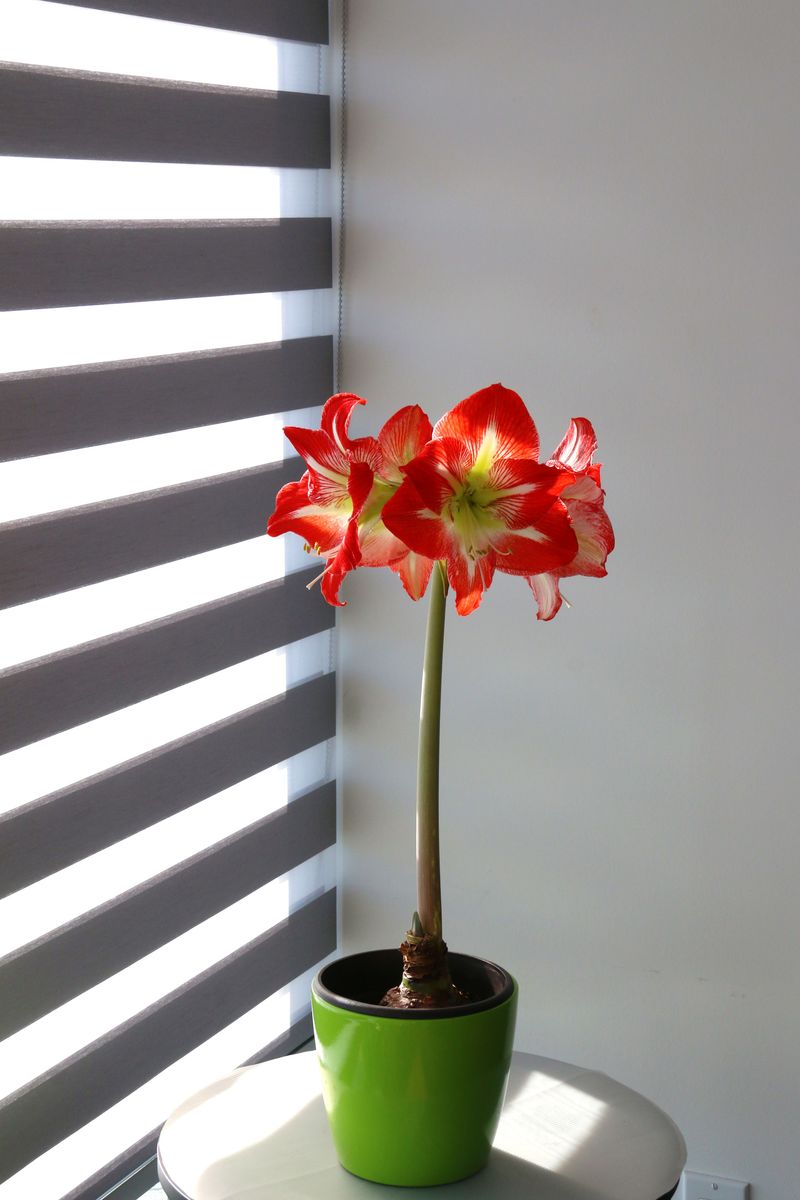
Light is the fuel that builds a thick, strong stalk. Without enough of it, amaryllis stretches tall and thin, reaching for the brightest spot it can find.
Floppy stems are the usual result.
Set your pot in the sunniest window you have. South-facing glass is ideal in a Virginia winter, when days are short and the sun sits low.
West or east windows can work, too.
Give the pot a quarter turn every few days. Stalks bend toward light fast, sometimes in a single afternoon.
Regular turning keeps them growing straight.
Watering changes as the plant wakes up. At first, add water only when the top inch or two of soil feels dry.
Soggy soil at this stage is the top cause of bulb rot.
Once a stalk or leaves appear, water a bit more often. Keep the soil lightly moist, never sitting in a puddle.
Empty the saucer after each watering.
Watch out for heat vents and cold drafts. Blasts of dry heat or chilly air near a door can stress the plant.
A steady room around 65 to 75 degrees suits it nicely.
If a stalk still leans, slip in a thin bamboo stake. A soft tie keeps it upright without crushing the stem.
Cooler Rooms Help Open Amaryllis Trumpets Last Weeks Longer
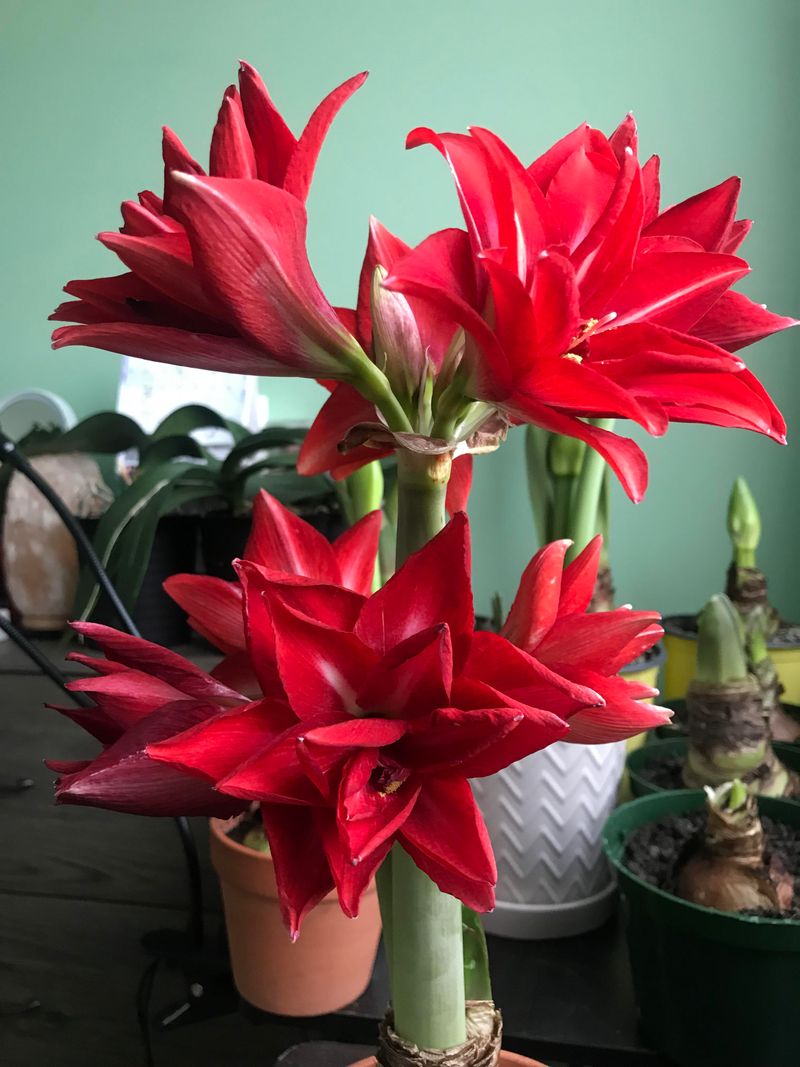
Then the big day arrives. The fat bud splits, and four or more giant trumpets swing open over a few days.
Now your goal shifts from growing to lasting.
Move the plant out of direct sun once flowers open. Bright, indirect light is perfect.
Strong sun and warm air make blooms fade much faster.
Cooler temperatures help a lot. A room around 60 to 68 degrees can stretch the show for several weeks.
I keep mine in a hallway spot away from the fireplace, and it pays off.
Many growers also snip off the yellow pollen-covered anthers as each flower opens. Pollinated flowers tend to fade sooner.
Removing anthers also keeps pollen from staining tablecloths and holiday clothes.
A second stalk often follows the first. Large bulbs may push up another one just as the first set winds down.
That can carry color well past New Year’s.
Keep watering whenever the top of the soil feels dry. Heavy blooms make the plant thirsty and top-heavy, so check the stake too.
One safety note matters for families. Amaryllis bulbs and leaves are toxic to cats and dogs if chewed, according to the ASPCA.
Place your pot where curious pets cannot reach it.
Those Long Amaryllis Leaves Are Building Next Year’s Flowers
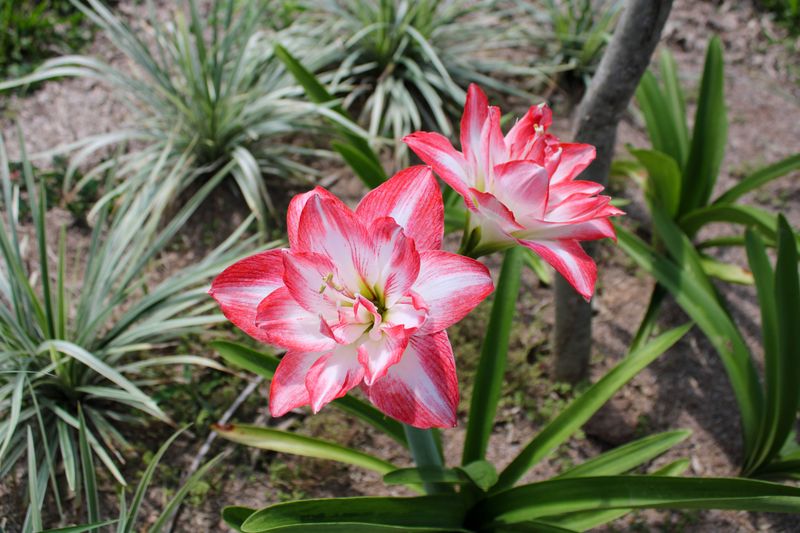
Once the last flower fades, plenty of people toss the whole plant. Please don’t.
That bulb is ready to start a brand-new cycle, and the leaves are the engine.
Snip off each faded flower right behind its base. This stops seed pods from forming, which would drain energy from the bulb.
Leave the flower stalk in place until it yellows. Then cut it back to an inch or two above the bulb.
A green stalk still makes food through photosynthesis.
Soon, long strap-like leaves take over. Each one works like a small solar panel, packing sugars into the bulb for next winter’s buds.
More healthy leaves usually means bigger blooms later.
Keep the plant in your brightest window through late winter and spring. Water when the soil surface dries out.
Start feeding once leaves are growing well. A balanced houseplant fertilizer at half strength every two to four weeks works fine.
Many growers favor a formula slightly higher in phosphorus.
Fun fact for your next dinner party. The amaryllis sold for the holidays is technically a Hippeastrum, native to South and Central America.
The true Amaryllis is a South African cousin, and the common name simply stuck.
Potted Amaryllis Love A Summer Break On The Virginia Patio
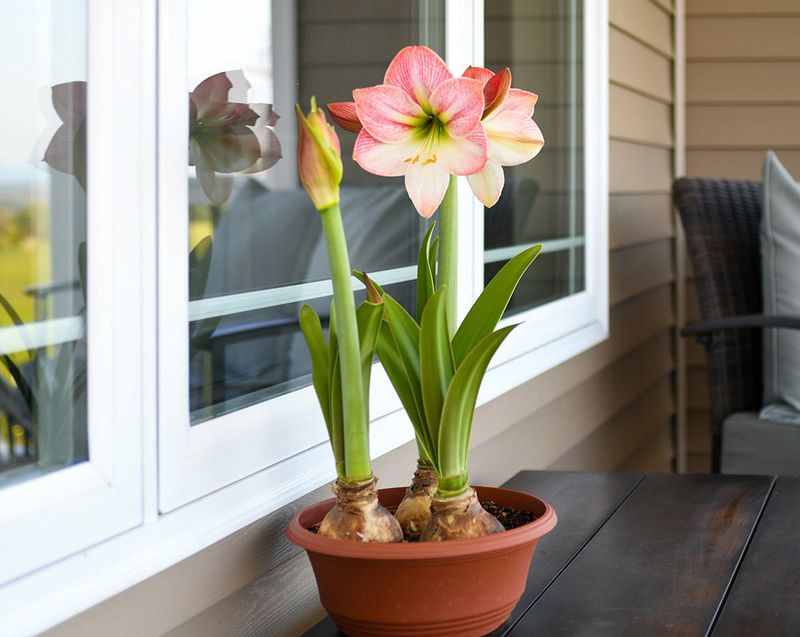
Your amaryllis has been cooped up indoors all winter. A few months outside can work wonders.
Strong summer light builds a plumper bulb than any window can.
Wait until frost danger has passed in your area. That usually means mid-April in southeastern Virginia and early to mid-May in the western mountains.
Night temperatures should stay above 50 degrees.
Ease the plant into sunshine. Start in a shady spot for a week, then shift it to morning sun or bright, filtered light.
Sudden full sun can scorch leaves that grew up indoors.
Keep watering through the warm months, especially during hot, dry spells. Summer storms help, but pots dry quickly.
Make sure water drains freely after heavy rain.
Continue fertilizing every few weeks through summer. This is the season when the bulb packs on size.
Healthy, deep green leaves tell you things are on track.
Keep an eye out for pests. Slugs may nibble leaves, and spider mites can show up in dry heat.
A strong spray of water usually takes care of mites.
Some gardeners in the warmest coastal parts of the state even plant bulbs in the ground. Still, potted plants are easier to move back inside when fall arrives.
A Cool, Dark Amaryllis Nap Sets Up Another Holiday Show
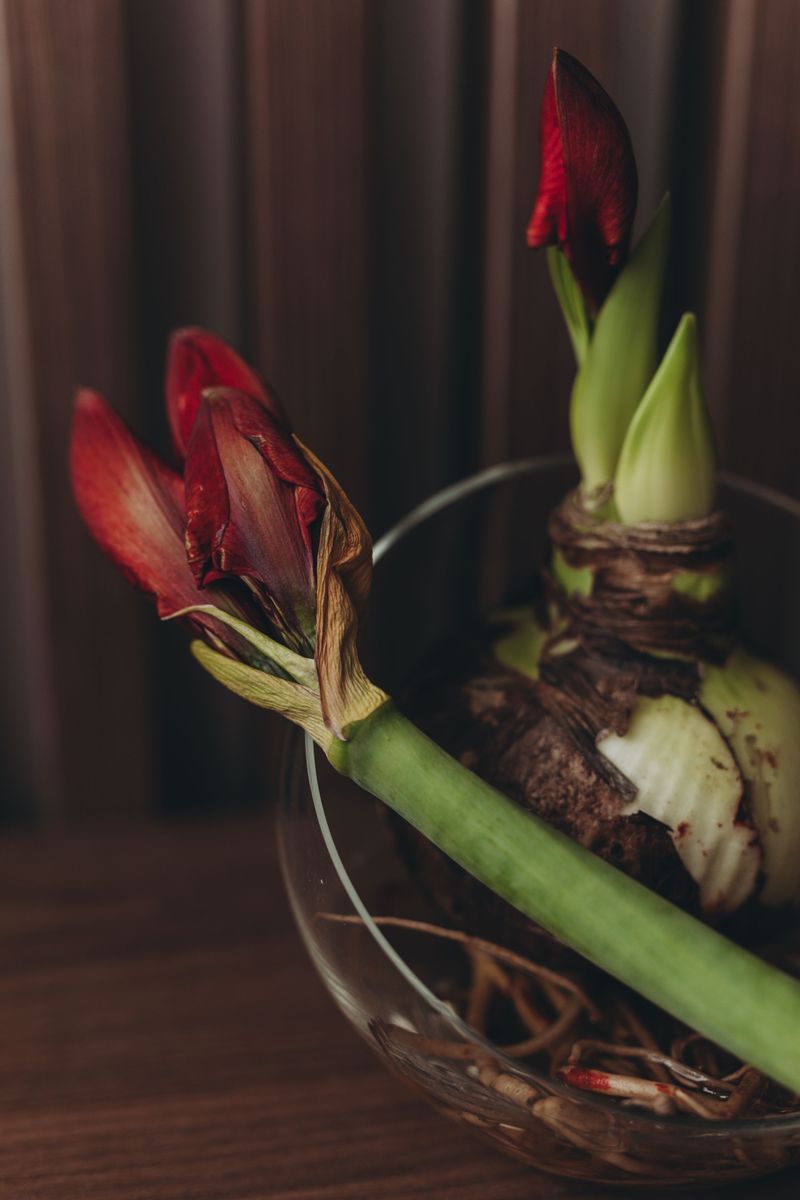
Rest is the secret most reblooming guides gloss over. Amaryllis needs a dry, cool break to reset and prepare fresh flowers.
Skip it, and you might get leaves with no blooms.
Bring the pot indoors by early to mid September, before nights turn chilly. Cold snaps below 50 degrees can harm the bulb.
Stop watering and stop feeding. Set the pot somewhere cool, dry, and dim, ideally 50 to 60 degrees.
A basement corner, closet, or unheated spare room works nicely.
Leaves will slowly yellow and wither. Cut them off once they turn brown.
Let the bulb rest for about eight to twelve weeks.
Count backward from Christmas to time it right. A rest starting in early September ends right around November 1.
Then bring the pot back into light and warmth, and water once.
Every three or four years, give the bulb fresh soil when you wake it up. Keep the pot snug, sizing up only if the bulb has grown much bigger.
Care for it well, and one bulb can bloom for many years. I like the idea that the plant on your windowsill today could become a family holiday tradition.
That’s a gift worth keeping.