Backyard Crops That Could Land North Carolina Gardeners in Legal Trouble
Some berry bushes found in mail-order catalogs are actually banned across North Carolina because they carry a sneaky pine disease. That rule has been on the books for decades, yet plenty of gardeners have no idea it even exists.
State plant regulators also track certain weeds that people are not allowed to sell or move between properties. Federal drug laws add another layer, covering a few pretty flowers that seem harmless in a seed packet.
I love trading cuttings with friends, so learning these rules honestly changed how I swap plants. You may be surprised to discover how innocent a few of these troublemakers look in full bloom.
Rules here in North Carolina can differ from neighboring states, so a plant legal in some other state may cause headaches here.
1. Opium Poppy
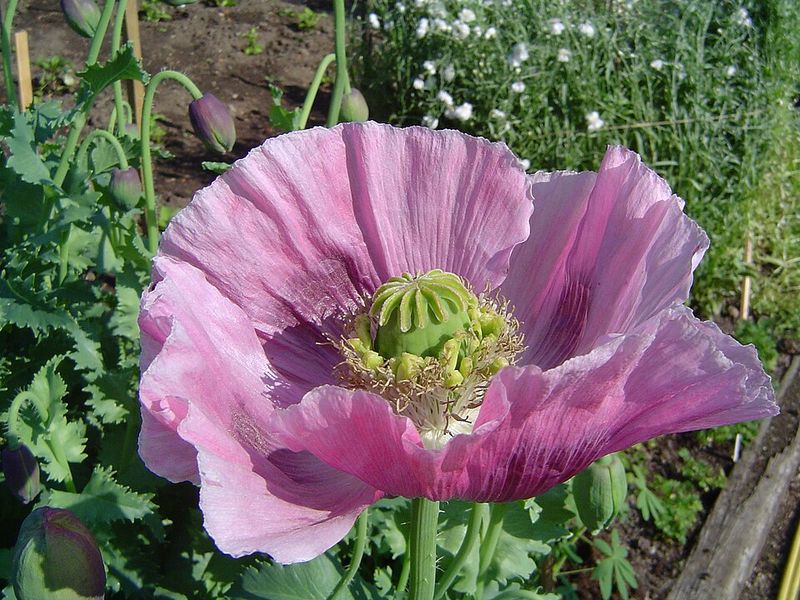
Silky petals in shades of lavender and crimson make this annual one of the loveliest flowers in old cottage gardens. Papaver somniferum also produces opium latex, and that chemistry places the plant squarely under federal drug laws.
Seeds are sold legally for baking, which explains why poppy muffins and bagels sit in nearly every grocery store. Planting those seeds to grow opium poppies is a different matter, because the living plant counts as a controlled source.
Federal law and state law both list opium poppy and poppy straw as Schedule II substances. That category means officials consider the material highly prone to abuse, with strong potential for physical dependence.
Honestly, enforcement against flower gardeners is rare, and many people grow these blooms without realizing the legal gray zone. Still, rare is not the same as safe, and scoring or harvesting pods could quickly change how authorities view things.
I’ve long felt the smartest path is choosing a poppy with the same papery charm and none of the baggage. Corn poppy and California poppy are popular legal choices that self-seed happily in sunny, well-drained beds.
Both prefer seeds scattered in fall or late winter, since they germinate best in cool soil before summer arrives. Lightly press seeds onto the surface instead of burying them, because light helps these tiny seeds sprout.
Iceland poppies also shine in Piedmont gardens during cool months, offering bright orange and yellow cups for cutting. You get the drama of crinkled petals without wondering whether your flower bed counts as contraband.
2. Coca Plant
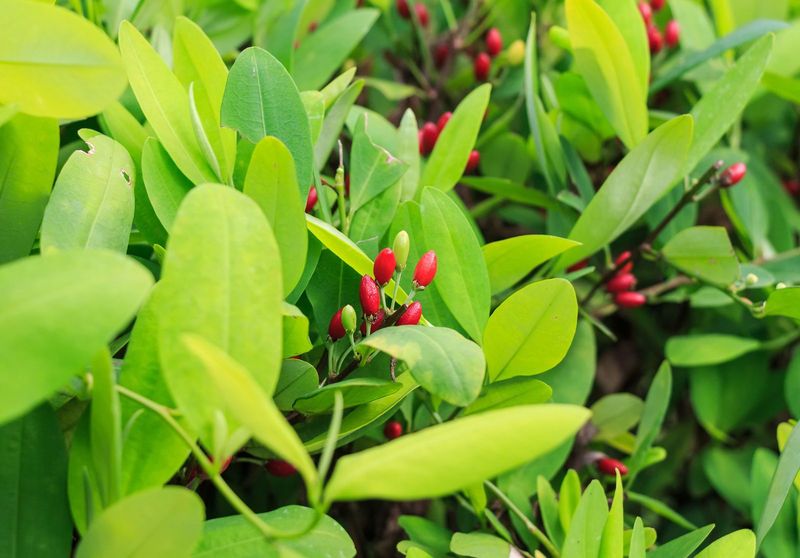
Glossy oval leaves and tiny red berries make the coca shrub look like something from a fancy botanical conservatory. Native to the Andes, Erythroxylum coca is the natural source of cocaine, which puts it firmly off-limits.
Federal law and state law classify coca leaves as Schedule II, the same tier as opium poppy straw. Growing the plant without federal authorization is illegal, and almost no private gardeners would ever qualify for that approval.
In my experience, this one rarely shows up in home gardens because it is so hard to find and grow. The shrub craves frost-free, humid mountain conditions that feel nothing like a chilly Piedmont January morning.
Coca cannot handle freezing temperatures, so even coastal gardens in zone 8 would struggle to keep it outdoors year-round. Indoor collectors sometimes chase rare tropicals online, and that is where accidental trouble could quietly begin.
Be cautious with unusual seeds from overseas sellers, especially listings with vague names or missing scientific labels. Importing plant material also falls under federal agricultural inspection rules, which can lead to seized packages and stern letters.
If glossy tropical leaves win your heart, consider a coffee plant on a bright windowsill instead. Coffea arabica stays happy indoors with steady moisture and sometimes rewards patient growers with fragrant white flowers.
Another fun option is the tea plant, since it shares that evergreen elegance and grows well outdoors here. Camellia sinensis handles much of the state with ease, and you can brew your own homegrown green tea.
3. Currants And Gooseberries
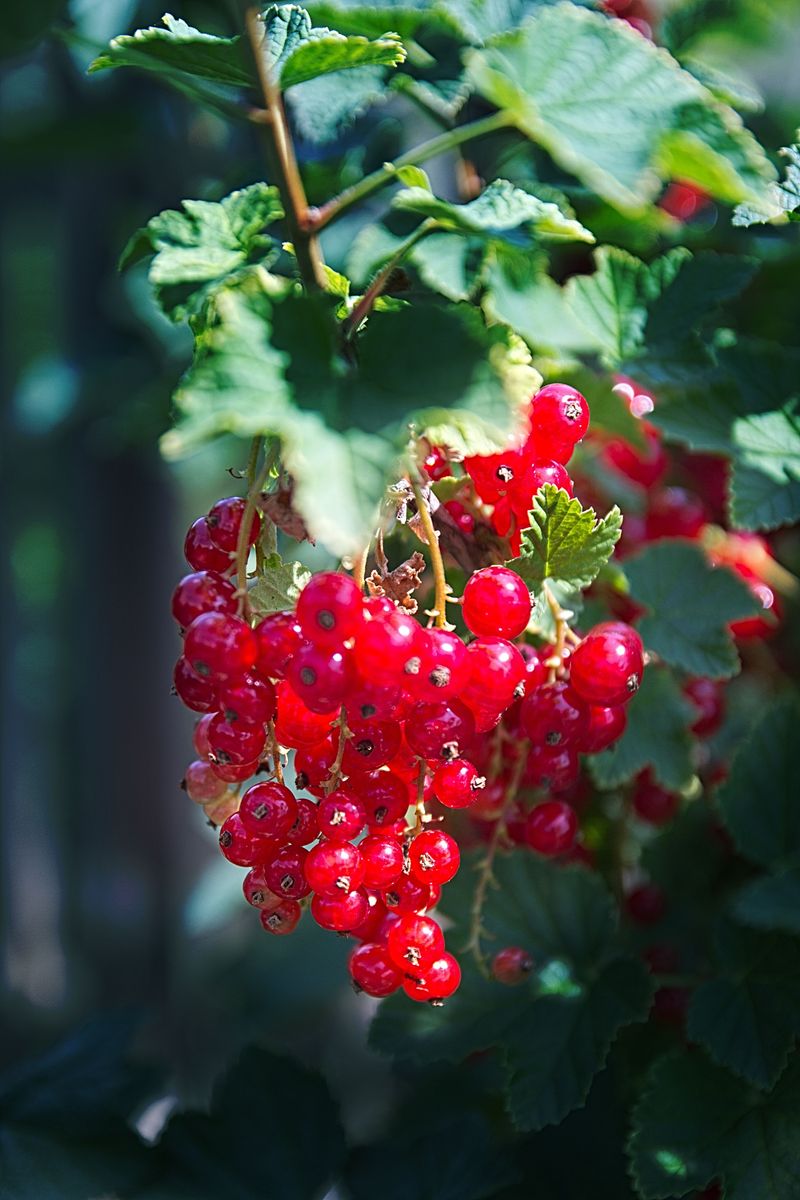
Tart little currants glowing like jewels on a summer bush sound like the perfect backyard snack to many gardeners. Unfortunately, every Ribes species, including currants and gooseberries, is regulated as a dangerous plant pest in North Carolina.
The reason is white pine blister rust, a fungal disease that needs both Ribes plants and five-needled pines. Spores travel from infected currant leaves to eastern white pines, causing cankers that can girdle branches and trunks.
Eastern white pine is a valuable timber and landscape tree across the mountains, so foresters take this threat seriously. State rules make it unlawful to plant or sell these shrubs, no matter how tasty the berries look.
Plenty of online nurseries still list them, and some will cheerfully ship orders without asking where you live. A shipping label does not make the plant legal, so double-check the rules before clicking that order button.
Wild native gooseberries can pop up in western woods too, and officials may require removal when they turn up. If you find one on your land, your county Extension office can help confirm the identification quickly.
For a similar tangy berry, try blueberries, which love the acidic soil found across much of the state. Rabbiteye types thrive in the Piedmont and Coastal Plain, while highbush varieties suit cooler mountain gardens nicely.
Elderberries are another cheerful substitute, offering big flat clusters of dark fruit for jams and homemade syrups. American elderberry is native and handles damp spots while drawing pollinators to its creamy early summer blooms.
4. Beach Vitex
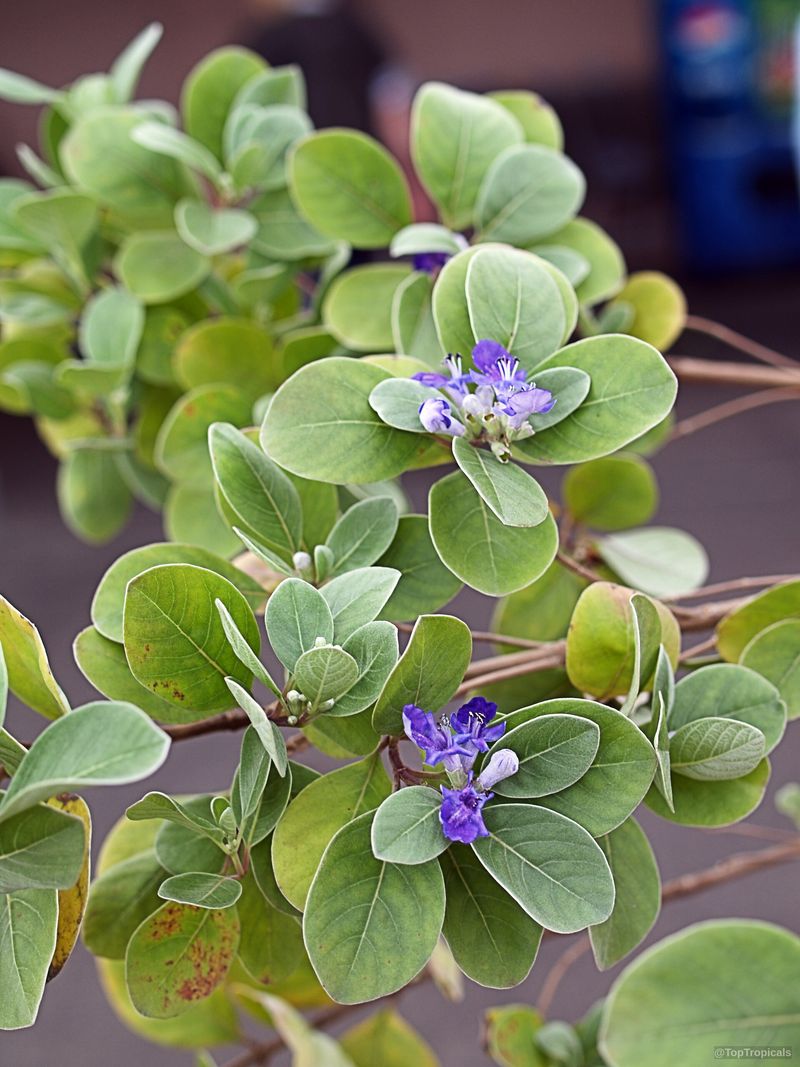
Silvery round leaves and pretty purple flowers helped beach vitex win a spot on coastal dunes during the 1980s. That charm faded fast once this Asian shrub began smothering sea oats and crowding sea turtle nesting areas.
Vitex rotundifolia spreads by long runners that root along the sand and can stretch dozens of feet. Its dense mats shade out native dune grasses, which actually hold sand better when strong storms roll ashore.
North Carolina added beach vitex to its noxious weed list, so selling or moving the plant is prohibited. Coastal volunteers with the Beach Vitex Task Force have spent years tracking and removing patches along the shore.
If you garden near the beach, look for a low woody shrub with grayish oval leaves and blue-purple summer blossoms. The round purple-black fruits float, which lets seeds ride the waves and wash ashore on new beaches.
Removal works best by cutting stems close to the ground and treating stumps with a labeled herbicide. Pulling alone often leaves root fragments behind, and those pieces can resprout quickly in loose, sandy soil.
Bag cuttings and seeds before disposal so nothing hitches a ride to another property down the road. Check back several times each growing season, since stubborn patches usually need follow-up treatments for a few years.
I love native dune plants because they look wild and handle salty wind like champs. Nursery-grown sea oats and seaside goldenrod make lovely legal replacements that support pollinators and steady the shifting sand.
5. Mile-A-Minute Weed
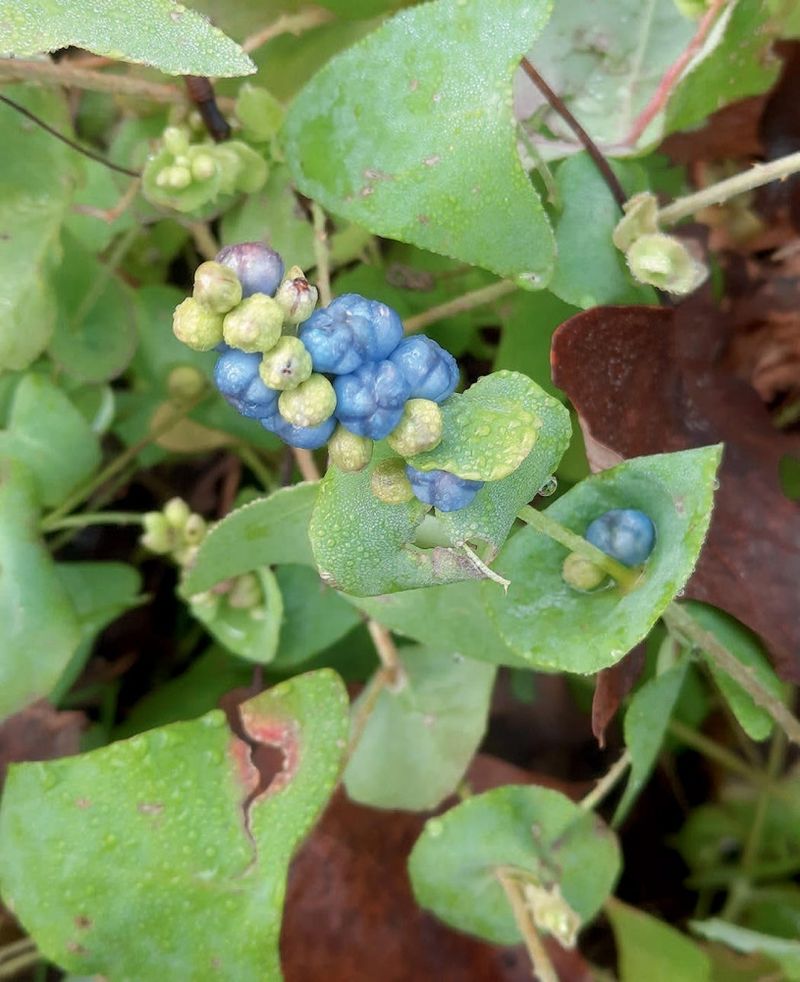
Triangle-shaped leaves and tiny backward barbs make mile-a-minute weed feel like Velcro with a bad attitude. Persicaria perfoliata can climb 20 feet or more in one season, smothering shrubs and young trees in tangles.
Native to Asia, this annual vine showed up in Pennsylvania during the 1930s and has kept spreading since. Its prickly stems scramble over anything nearby, blocking sunlight from the struggling plants underneath the tangled canopy.
The vine appears on the state noxious weed list, which makes selling or moving it against the rules. Spotting it early matters, because new patches are much easier to control before the seeds start spreading.
Look for round, cup-shaped leafy collars called ocreae that circle the stem where flower clusters emerge. Metallic blue berries appear in summer and fall, and birds happily scatter those seeds far beyond your yard.
Pull young vines in spring and early summer before berries form, wearing thick gloves and long sleeves. Seedlings come up easily, and the shallow roots usually let go without much fuss or heavy digging.
Seeds can stay viable in soil for up to six years, so patience becomes part of the plan. Mark the spot and return each season to catch new sprouts before they start climbing your fence again.
A specialized weevil, Rhinoncomimus latipes, has been released in several eastern states as a biological control. It feeds mainly on this vine, which makes it a clever partner for land managers facing large infestations.
6. Canada Thistle
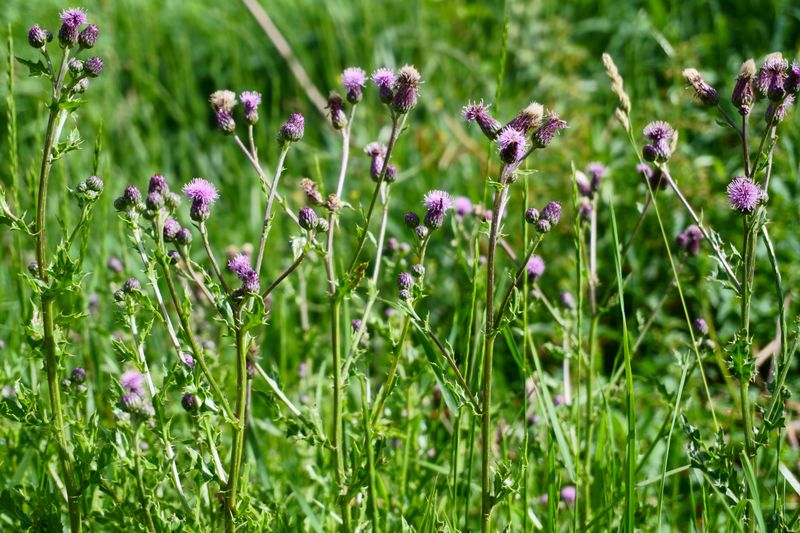
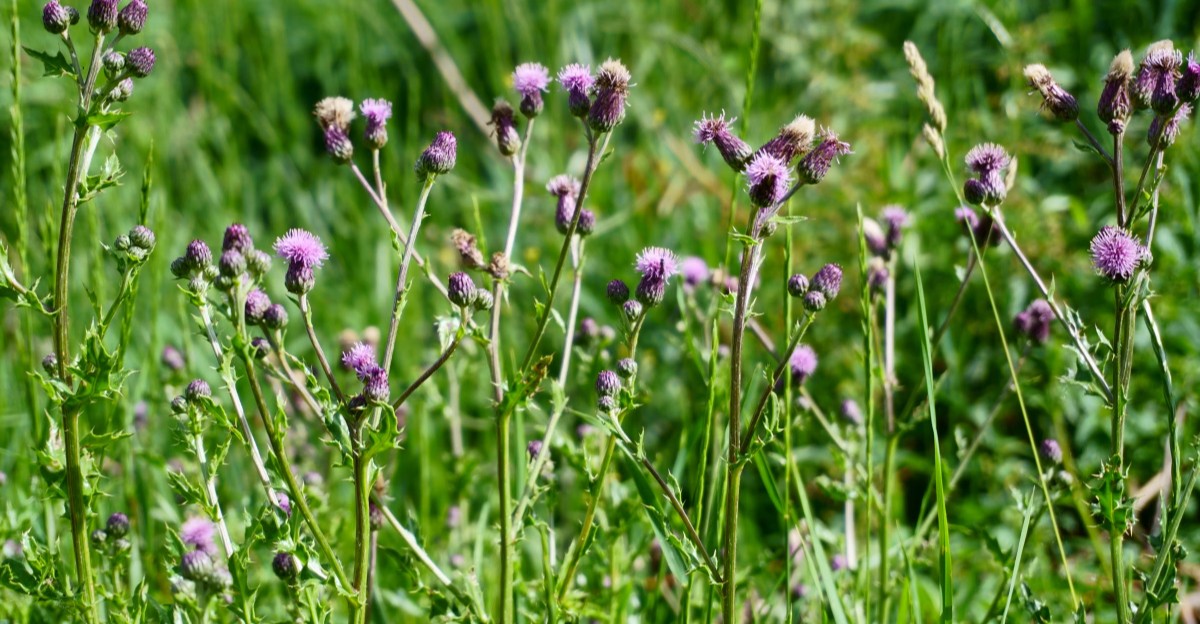
Despite the name, Canada thistle actually hails from Europe and Asia, arriving in North America as a seed contaminant. Its purple puffs look sweet until you grab a leaf and feel those spiny edges biting back.
Cirsium arvense spreads with creeping roots that can run several feet deep and sideways through garden beds. A single plant can grow into a large patch, and broken root pieces often sprout into brand-new shoots.
North Carolina lists it as a noxious weed, so propagating or selling the plant is prohibited by state rules. Moving soil or hay contaminated with it from regulated areas can also require official permits or certificates.
Tilling often makes things worse, because chopped roots turn one problem plant into dozens of fresh ones. Plenty of gardeners learn that lesson after rototilling a weedy corner and watching thistles return much thicker.
Repeated mowing or cutting weakens the roots by forcing the plant to spend stored energy again and again. Aim to cut before flowers open, which keeps the fluffy seeds from drifting across your whole yard.
Healthy competition helps too, since thick lawns and dense plantings leave less space for thistle seedlings. Mulch bare soil promptly, and wear sturdy leather gloves whenever you tackle older, well-established clumps.
Want the look of thistle blooms without the headache of runaway roots spreading through every bed? Native field thistle, Cirsium discolor, feeds bees and goldfinches without forming aggressive creeping colonies.
7. African Elodea
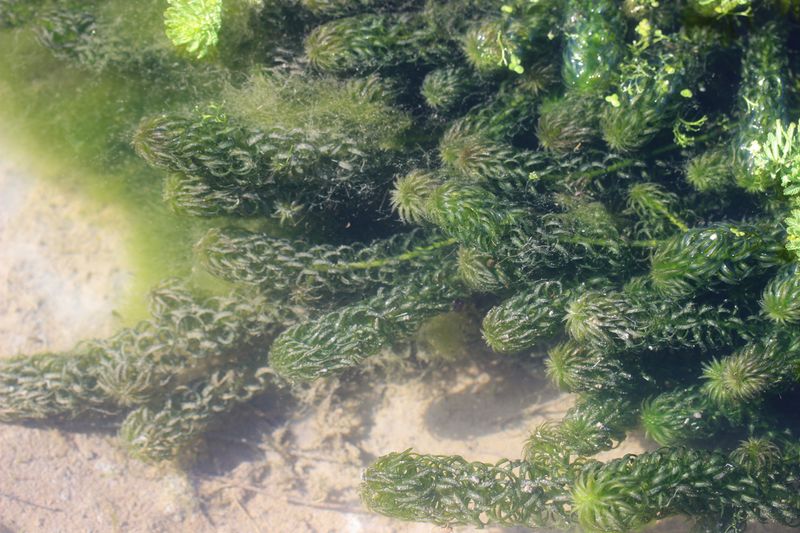
Feathery green strands swaying underwater can make African elodea look like a dreamy addition to a backyard pond. Lagarosiphon major is actually a federal noxious weed, and it is also restricted under state rules.
This South African plant forms dense underwater mats that can reach the surface and choke small ponds. Those thick mats block sunlight and crowd out native plants that fish and frogs rely on for shelter.
Selling or moving it is prohibited across the country, so it should not appear in local garden centers. Trouble usually starts with mislabeled aquarium plants or hitchhiking fragments tucked inside an online order.
Its curled leaves spiral along the stem, which helps separate it from look-alikes such as native waterweed. Even a tiny broken stem can root and start a new colony, so handle unknown plants carefully.
Before adding anything new, rinse plants well and quarantine them in a bucket for a couple of weeks. Check labels for scientific names, and buy from sellers who clearly follow state and federal regulations.
Please avoid dumping aquarium water or leftover plants into creeks or lakes, even when it feels harmless. Bag unwanted plants, let them dry out, and toss them in the trash instead of composting near water.
In my own water garden, native pickerelweed adds tall purple spikes that dragonflies love to perch on. Pair it with native hornwort for oxygenating help, and you get a lively pond without breaking any rules.