Why Shredded Leaves Do More For Pennsylvania Beds Than Any Bagged Mulch
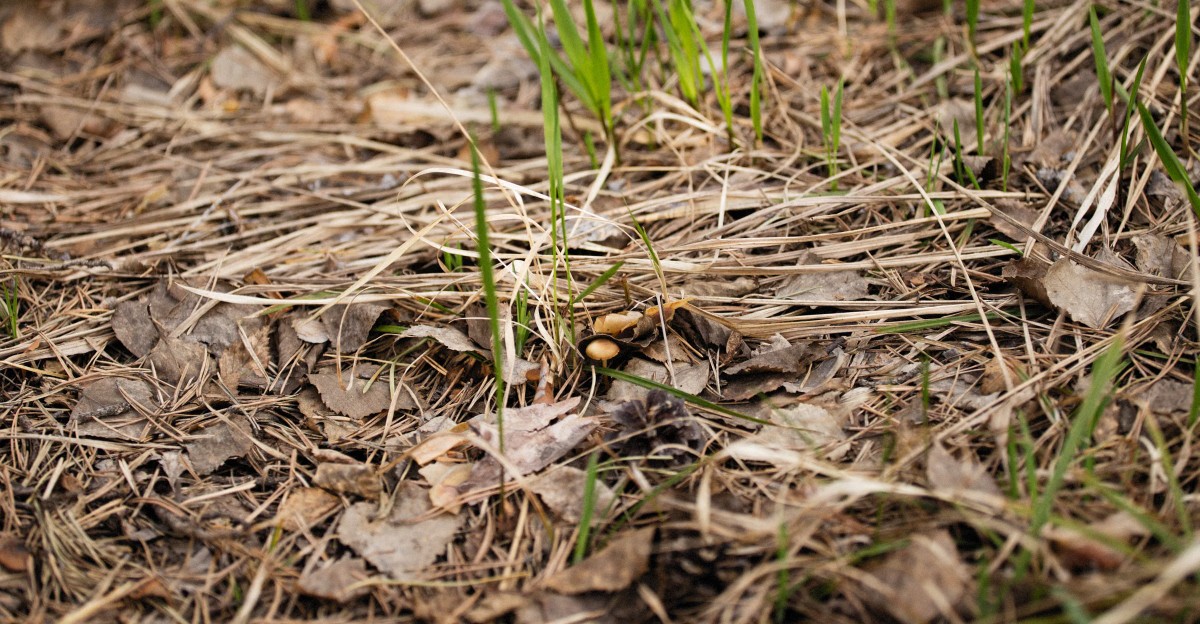
A mature oak tree can drop thousands of leaves each autumn, and many homeowners pay to haul them away. Meanwhile, those same folks often drive to the garden center and buy bags of brown stuff for their beds.
I laughed out loud the first time I noticed that funny loop in my own Pennsylvania neighborhood. Bulk wood mulch often runs twenty to forty dollars per cubic yard, and delivery fees can stack up fast.
After I tested a free alternative in my own beds, the soil started looking darker and crumblier by spring. You might notice the earthworms first, because they show up in surprising numbers under the right kind of cover.
The trick takes one simple extra step that most people skip before spreading anything around their plants.
Pennsylvania gardeners who stop bagging leaves and feed them back to the soil get richer ground, thriving worms, and free mulch for good.
Fallen Oak And Maple Leaves Feed Your Soil For Free
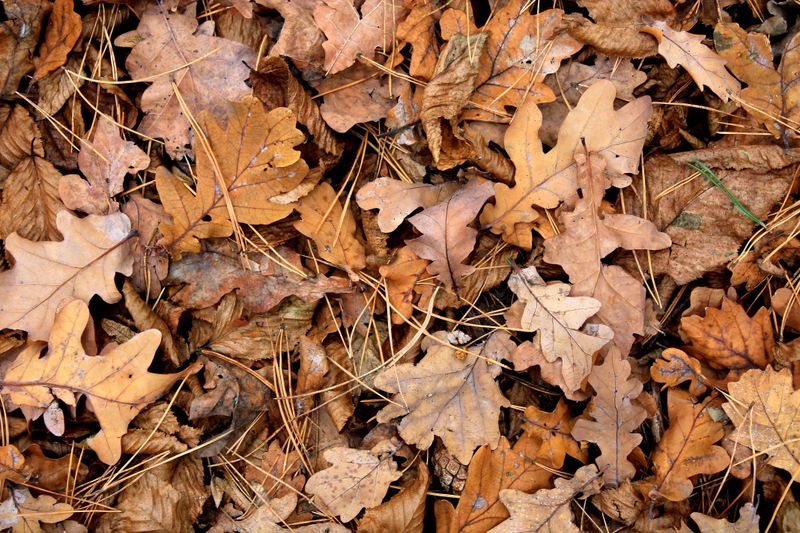
Every leaf on your lawn holds minerals that the tree pulled from deep underground during the long growing season. When those leaves break down, they hand potassium, calcium, and magnesium right back to your hungry garden beds.
I find that idea pretty amazing, because the tree basically mined nutrients for me without asking for any payment at all. Shredded hardwood mulch adds organic matter too, but it breaks down slowly and offers fewer quick nutrients for plants.
Leaves also contain smaller amounts of phosphorus and trace elements like boron, which plants use in tiny but helpful doses. You will not replace fertilizer completely, yet you can often cut back as your soil grows richer each year.
Shredding matters here because smaller pieces give soil microbes more surface area to work on during cool, damp months. A pass with a mulching mower over a pile of dry leaves usually turns them into perfect confetti-sized bits.
Spread about two or three inches over vegetable beds or around perennials after the garden goes quiet in late autumn. By spring planting time, much of that layer will have softened into dark, sweet-smelling material your seedlings will love.
Try saving a few extra bags in a corner so you can top up beds whenever bare spots appear later on.
Earthworms Tunnel Happily Under A Leaf Mulch Blanket
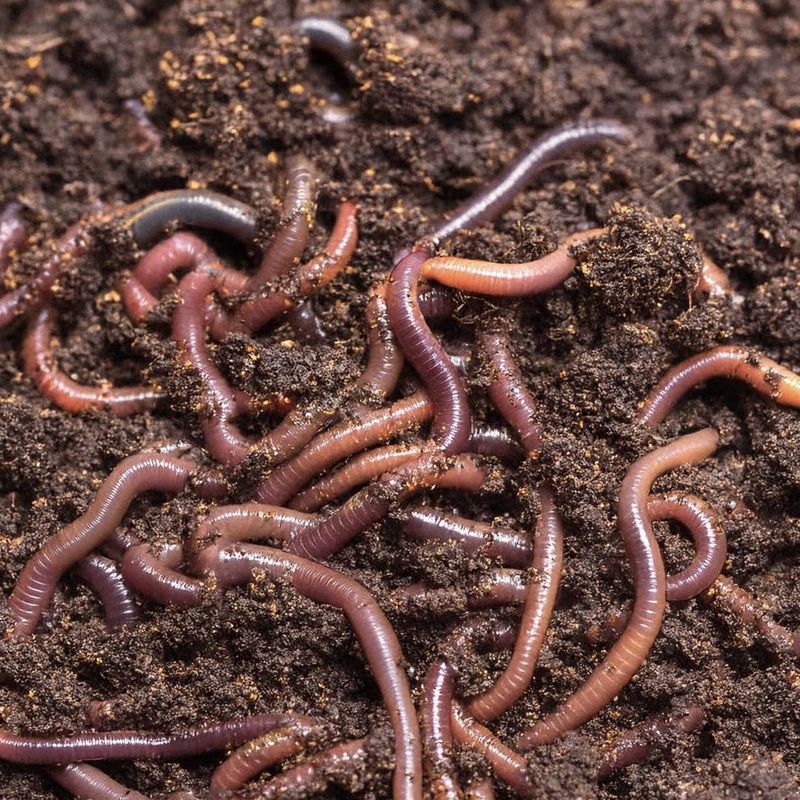
Lift a handful of old leaf mulch in April, and you may find a wriggling crowd of earthworms having a feast underneath. Those busy little diggers pull leaf bits downward, leaving rich castings and handy tunnels all through your soil.
I still grin every time I spot one in my Pennsylvania garden, because each worm means my soil is doing something right behind the scenes. Dyed wood chips rarely attract that kind of crowd, since worms much prefer softer material that rots quickly.
Fungi and bacteria join the party too, breaking leaves into smaller pieces that worms and other creatures can easily digest. This underground food web cycles nutrients slowly and steadily, which suits most Pennsylvania garden plants far better than sudden fertilizer surges.
Keep the soil life thriving by avoiding heavy tilling, which tears apart fungal threads and disturbs worm burrows you worked hard for. Simply add fresh shredded leaves on top each fall and let nature handle the mixing for you.
Moisture helps as well, so a light watering after spreading leaves during a dry autumn can speed things along nicely. You will often see the difference within a single season, especially in beds that once felt hard and lifeless.
Healthy worm numbers make a great free report card for any garden, and leaves earn high marks across Pennsylvania.
Heavy Clay Soil Loosens Up With Shredded Leaves
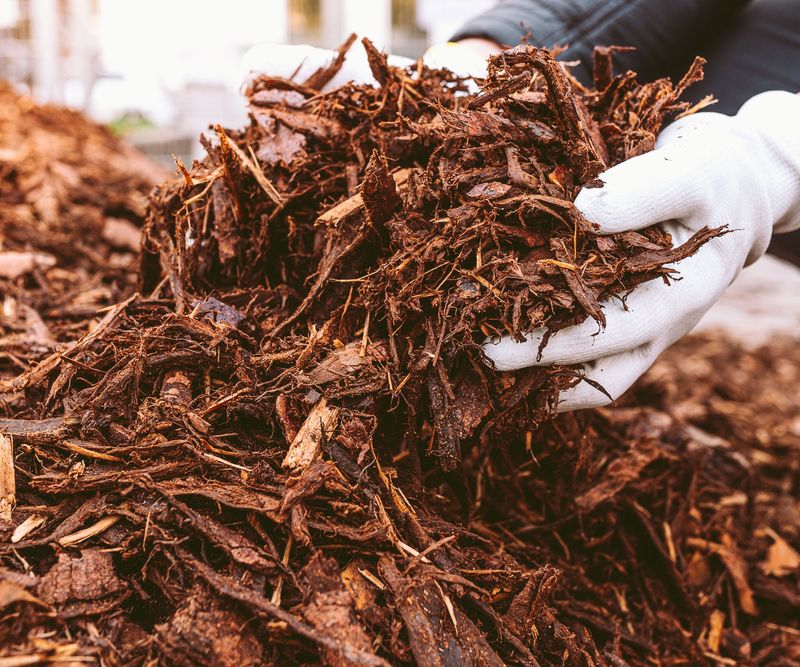
Plenty of yards around here sit on stubborn clay that turns sticky in spring and bricklike by the middle of August. My first shovel in one bed bent slightly, and that moment convinced me to try a gentler fix.
Decomposing leaves add organic matter that helps clay particles clump into crumbs, creating tiny pockets for air and water. Roots slide through those spaces more easily, while rainwater soaks in instead of puddling on the surface for days.
Sandy soils benefit in the opposite way, since leaf material acts like a sponge that holds moisture near thirsty roots. Either way, the soil slowly becomes more balanced, and plants seem to respond with stronger, steadier growth over time.
Wood chips can help structure too, but they mostly stay on top and take years to blend into the ground. Leaves usually work faster, especially when you shred them first and let earthworms carry them deeper into the soil.
For a quicker boost, spread a few inches of shredded leaves over empty vegetable beds during autumn cleanup and let them settle. By planting time, the soil often feels lighter and easier to dig, which your back will appreciate greatly.
Patience pays off here, because each yearly layer builds on the improvements that came before it.
A Leafy Layer Keeps Garden Beds Moist In Summer
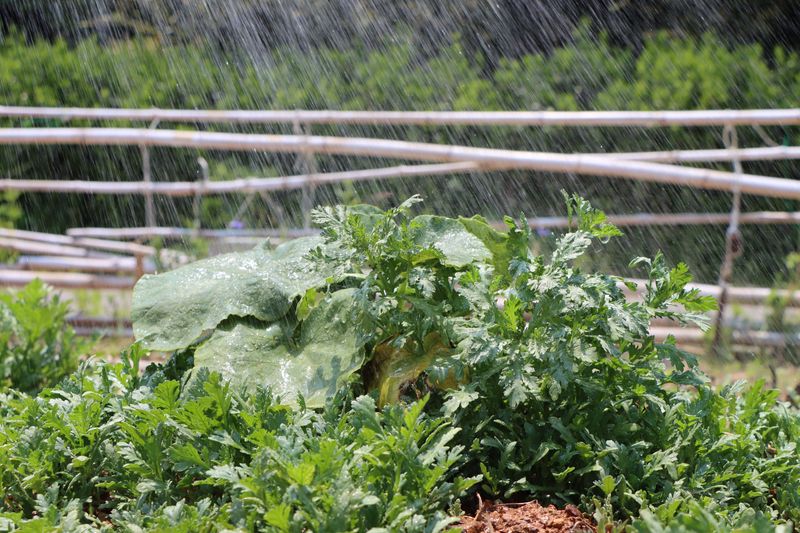
Summer dry spells can sneak up quickly, and a bare bed loses water to the sun faster than most of us expect. A blanket of shredded leaves shades the soil surface, slowing evaporation and keeping roots comfortably damp for longer.
I noticed my tomato beds needed far less watering once I tucked leaf mulch around them during early summer last year. That saved me time with the hose, and the plants looked less stressed during those sticky July heat waves.
Steady moisture also helps prevent problems like blossom end rot, which often shows up when soil swings between soaked and dry. Leaves soften those swings, giving plants a more even supply that supports healthy fruit and steady leafy growth.
Spread mulch after the soil warms in late spring, since cold damp ground under thick cover can slow early vegetable growth. Aim for two or three inches, and keep the layer a few inches away from stems to discourage rot.
Shredding stays key, because whole leaves can mat into a soggy sheet that sheds rain instead of letting it through. Chopped pieces settle loosely, allowing water to trickle down while still shielding the soil from harsh afternoon sun.
Your water bill and your evening schedule will both thank you once the hottest weeks finally roll around.
Weed Seeds Struggle To Sprout Beneath Chopped Leaves
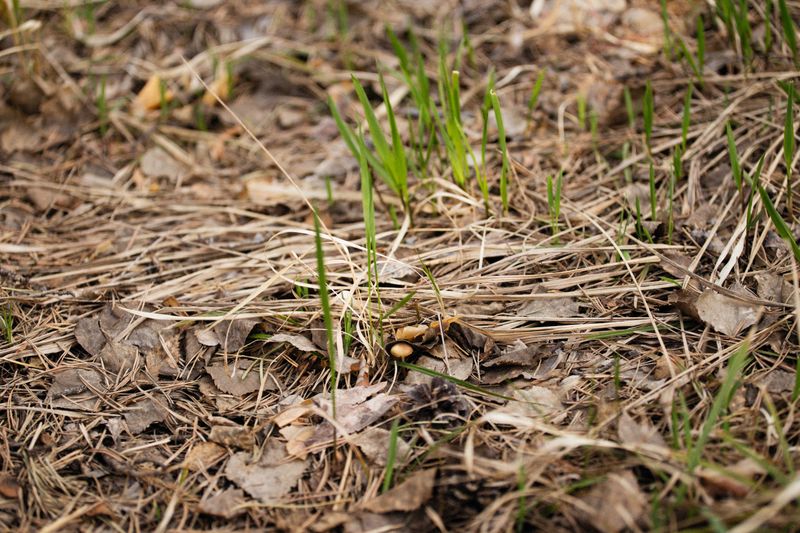
Weeding ranks low on my list of fun chores, so anything that cuts that work earns a happy spot in my garden. A thick layer of chopped leaves blocks sunlight from reaching many weed seeds, which often need light to germinate.
Small weeds that do pop up usually pull out easily, because the soil underneath stays soft and moist beneath the cover. Compare that with yanking deep roots from baked bare ground, and you will quickly see why I love leaves.
Store-bought mulch suppresses weeds too, but you pay for every bag and often need to refresh it each year. Leaves do the same job for free, and they improve the soil while they hold back unwanted seedlings.
For stubborn spots, lay a sheet of plain cardboard first, then pile shredded leaves on top for extra smothering power. The cardboard breaks down over a season, and earthworms usually appear beneath it in surprising numbers afterward.
Keep the layer around three inches deep, adding more as it settles and breaks down through the year. Thin patches invite weeds back quickly, so a quick check every few weeks keeps your beds looking neat and tidy.
Fewer weeds means more time sitting on the porch admiring your flowers instead of kneeling in the dirt.
Perennial Roots Stay Cozy Through Freezing Winter Nights
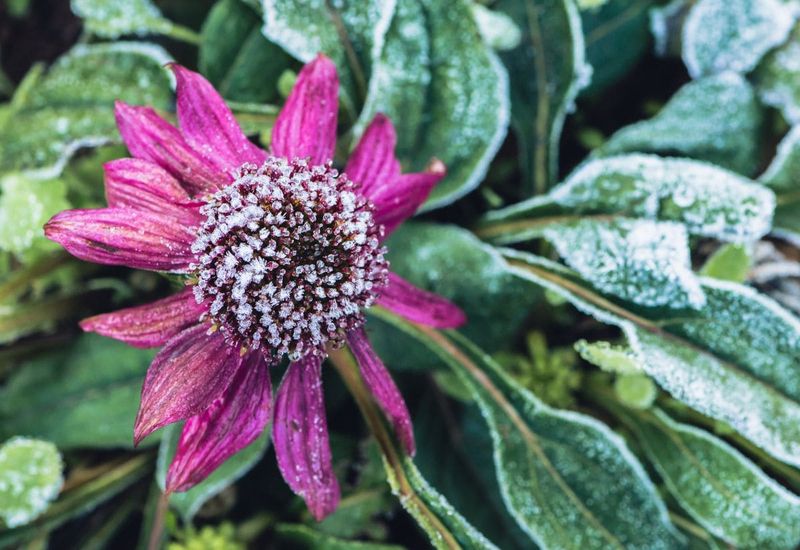
Winter in this part of the country loves to play tricks, warming up one week and freezing hard the next. Those swings can push perennial crowns right out of the ground, a problem gardeners call frost heaving.
A loose layer of shredded leaves acts like a cozy quilt, keeping soil temperatures steadier through those wild winter ups and downs. I started mulching my newer perennials this way, and far fewer of them got lifted out by spring.
Timing matters, so wait until the ground starts to freeze before adding a thick winter layer around tender plants. Mulching too early can invite mice and voles to nest snugly near the roots you are trying to protect.
Shrubs and young trees appreciate the cover too, especially when bitter winds sweep across open yards in January. Keep leaves pulled back a few inches from trunks, since mulch piled against bark can encourage rot and rodent nibbling.
Leaves also help hold soil in place during heavy winter rain or melting snow, reducing erosion on gentle slopes. That means more of your precious topsoil stays put instead of washing down the driveway after a thaw.
Come spring, simply pull some leaves aside so emerging shoots can find the sunlight as the weather warms.
Your Backyard Leaf Pile Saves Real Money
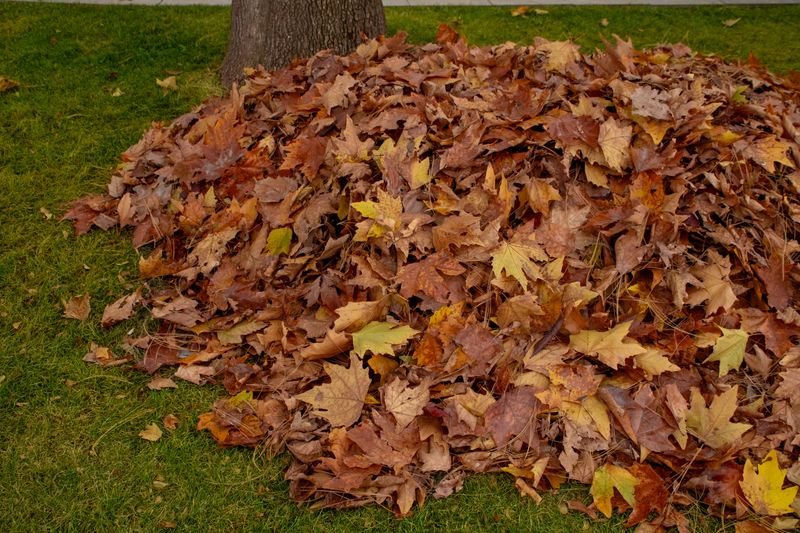
Bagged mulch at big stores often costs somewhere around three to seven dollars for a small two cubic foot bag. Cover a few large beds, and that total can climb past a hundred dollars before you even notice.
Meanwhile, my maple trees drop a fresh supply every single fall, and they have never once sent me a bill. Some local Pennsylvania nurseries even sell leaf mulch by the yard, which tells you how valuable this stuff really is.
You can skip yard waste fees in many towns too, since leaves you keep never need curbside pickup or special bags. Every pile you shred and spread is money that stays in your pocket for seeds or new plants.
Short on trees yourself? Neighbors often happily hand over bagged leaves, and some Pennsylvania municipalities offer free leaf compost to residents each season.
A basic mulching mower handles most shredding jobs, though leaf vacuums with built-in shredders make quick work of bigger piles. Run over dry leaves rather than wet ones, because damp leaves clump together and clog equipment more easily.
Store extra shredded leaves in bags or a simple wire bin behind the shed for use next spring and summer. That stash becomes your personal mulch supply, ready whenever a bare patch needs covering throughout the year in any Pennsylvania garden.
Leaves Kept Out Of Landfills Help The Planet
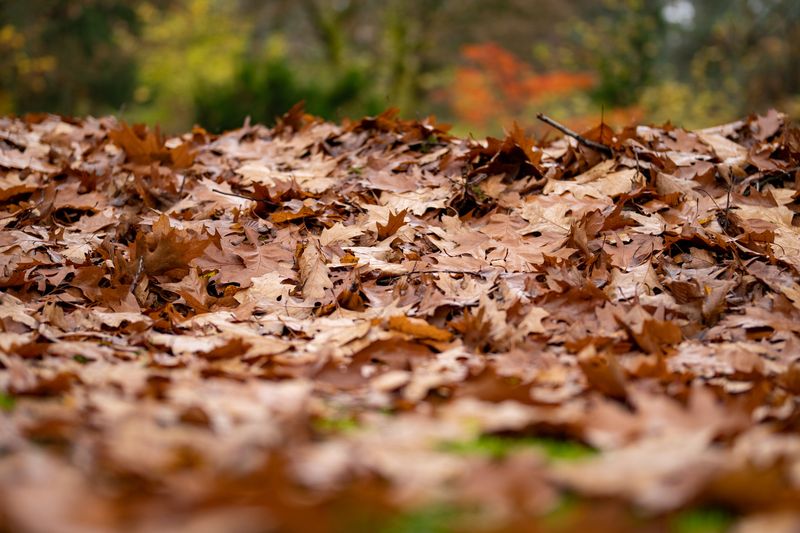
Yard waste takes up a surprising amount of space in landfills across the country, and leaves make up a large share. Keeping them at home cuts down on hauling trips, which means fewer trucks burning fuel on the road.
I love the simple loop this creates, where trees feed the garden and the garden helps feed the trees again. Nothing leaves your property, and nothing extra needs to be shipped in from a distant processing plant.
Dyed mulches sometimes come from recycled wood, and the colors can fade or bleed onto patios over a single season. Shredded leaves stay natural and plain, blending into beds with a soft brown look that rarely seems out of place.
Wildlife benefits too, because leaf layers shelter beneficial insects like ground beetles and certain moth caterpillars through the colder months. Leaving some leaves in quiet corners gives these helpful critters a safe hiding spot until spring returns.
A dedicated leaf bin also turns extra leaves into leaf mold, a crumbly material gardeners treasure for potting mixes. It usually takes one to two years, but the slow wait produces something wonderful with very little effort.
Small choices like this add up, and your yard can become a quiet example for the whole street.
Chopped Leaves Avoid The Soggy Mat Of Whole Leaves
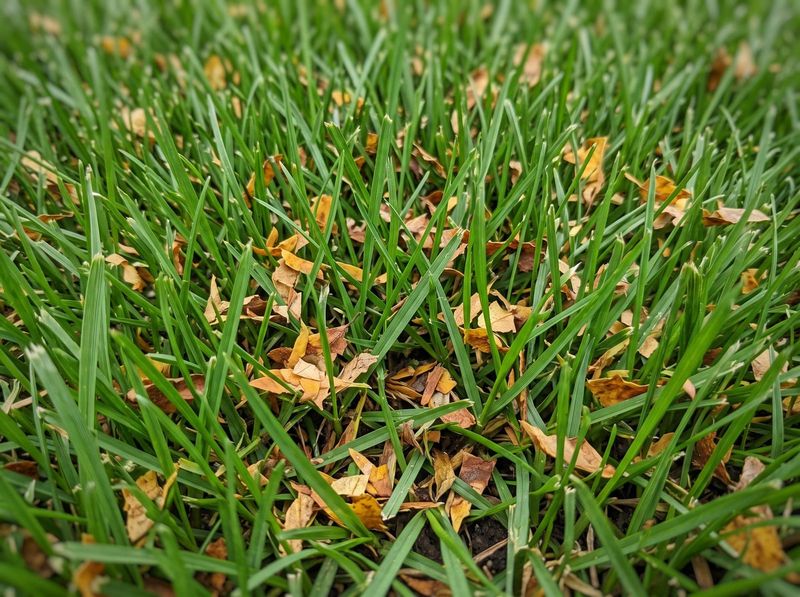
Whole leaves look pretty when they first fall, but a thick pile can turn into a slimy mat after heavy rain. That soggy layer blocks air and water, which can smother plants and invite slugs or fungal trouble underneath.
Shredding solves most of that mess, and it is the one step I tell every friend not to skip. Chopped pieces stay fluffy and loose, letting moisture soak through while still covering the ground nicely.
Smaller bits also break down much faster, so your soil gets those nutrients sooner instead of waiting for tough leaves to soften. Oak leaves especially benefit from shredding, since their thick, waxy texture lets them hang around a long time otherwise.
Some folks worry leaves will make soil too acidic, but research suggests leaf mulch has little effect on overall soil pH. That makes leaves a safe choice for most vegetable gardens, flower beds, and shrub borders across the Keystone State.
Mix leaf types when you can, because blending maple, oak, and other species creates a more varied, balanced mulch layer. Avoid using leaves from black walnut trees around sensitive vegetables, since they contain juglone that can bother tomatoes.
With a little chopping, those humble leaves outperform pricey bagged mulch in ways your plants will clearly show off.