8 Plants That Look Ruined After A Texas Freeze But Aren’t
In February 2021, the Dallas-Fort Worth airport hit minus two degrees, its coldest reading since 1949. Gardens across Texas turned brown overnight, and plenty of folks started yanking out shrubs by the next weekend.
Many of those shrubs were only napping underground, with healthy roots waiting for warmer soil to wake them up. I have to admit, I nearly dug up a few of my own favorites before spring proved me wrong.
You might notice crispy leaves and mushy stems that look about as lively as an old broom handle. Patience matters more than pruners here, because many tough Texas favorites rebuild from the crown when days warm up.
So which brown, sorry-looking plants deserve a second chance before you haul them to the curb this year? I suspect a few names on this list sit in your yard right now, quietly plotting a comeback.
1. Lantana
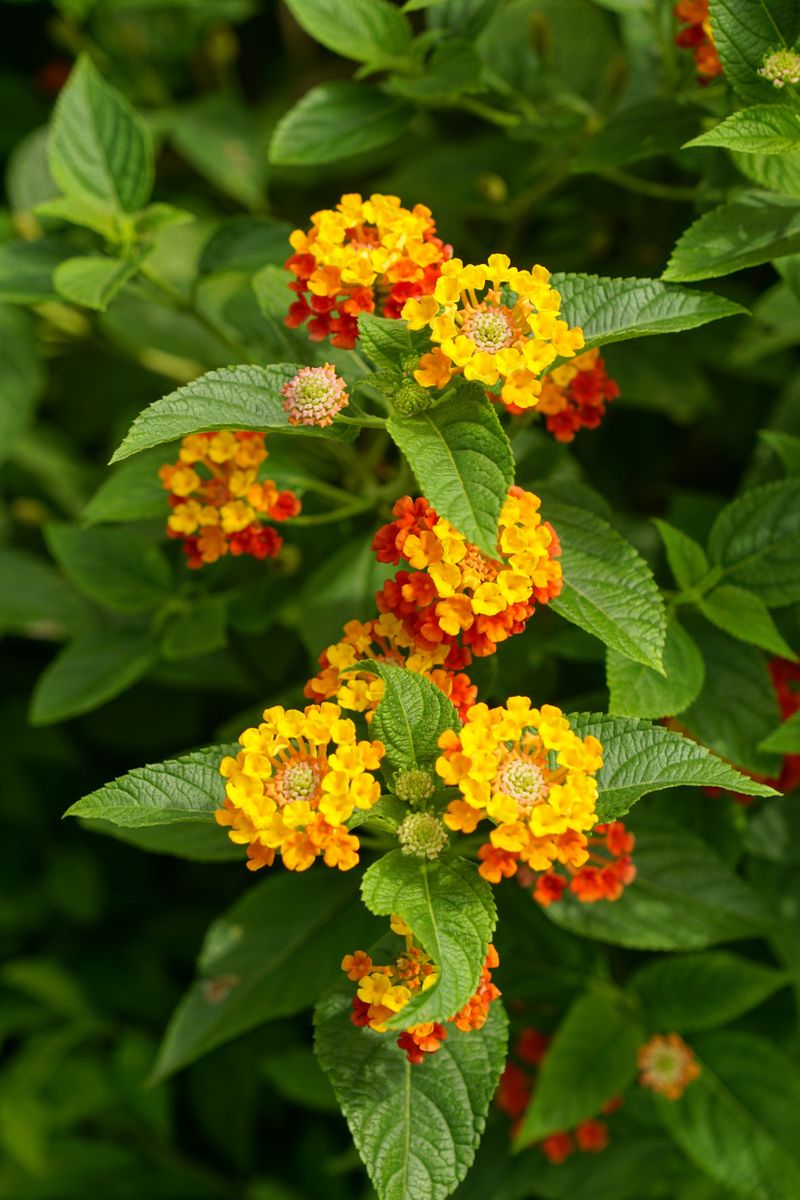
Lantana flowers smell a bit like citrus mixed with pepper, and butterflies seem to find them from across the yard. After a hard freeze, though, the whole plant turns into a tangle of gray sticks that crunch underfoot.
Do not panic when you see that sad bundle, because lantana roots usually survive well below the frozen surface. In much of the state, gardeners treat lantana as a perennial that sprouts fresh stems each spring.
Personally, I wait until I see green shoots near the base before reaching for my pruning shears at all. That often happens in late March or April, depending on how far north your garden sits.
Once new growth appears, trim the old stems down to a few inches above the soil line. Fresh branches will fill in quickly, and blooms usually return by early summer with plenty of color.
You can also try a simple scratch test by scraping a stem gently with your thumbnail. Green tissue underneath means that branch is still alive, while brown and brittle wood can be removed.
Choose native Texas lantana, Lantana urticoides, because some Lantana camara types spread aggressively into wild areas nearby.
Avoid heavy fertilizer during recovery, since lantana prefers lean soil and full sun over rich treatment.
A deep drink once a week during dry spells helps those returning stems settle in nicely. Within a few warm weeks, that crunchy bundle of sticks often looks like a brand new butterfly buffet again.
2. Esperanza
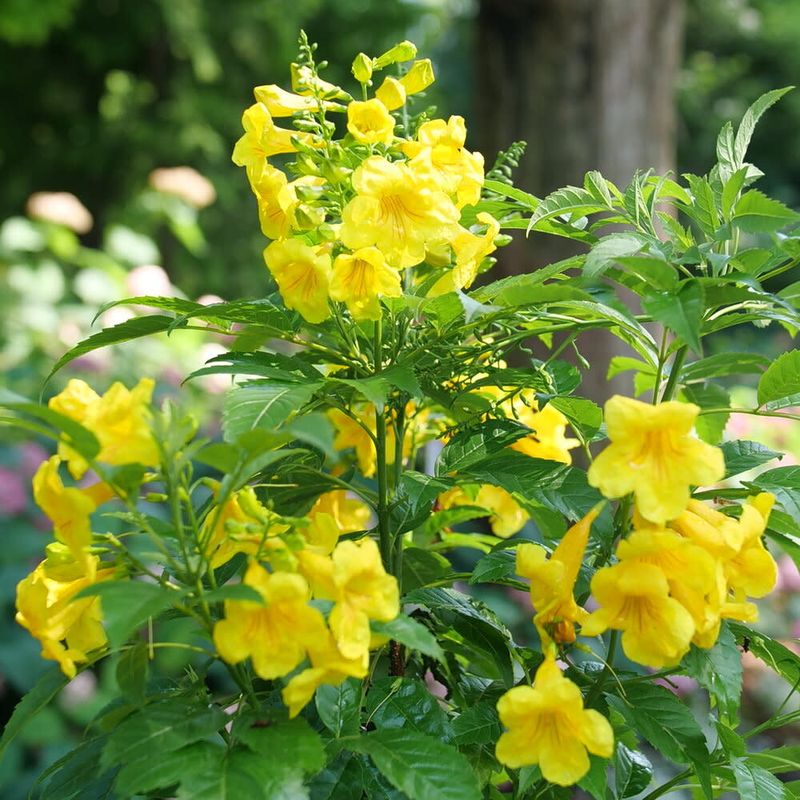
Golden trumpet flowers on esperanza can glow so brightly in August that neighbors slow their cars to stare. January freezes tell a different story, leaving the shrub with blackened leaves hanging like wet paper bags.
Esperanza, also called yellow bells or Tecoma stans, often freezes back to the ground in colder parts. Its roots are tougher than the top, and new shoots commonly push up once soil temperatures climb.
I love how fast it rebounds, sometimes growing several feet in one season after starting from bare stubs.
The variety called Gold Star earned Texas Superstar status from Texas A&M AgriLife for its strong performance.
Leave the frozen stems in place through late winter, since they offer some insulation for the crown. A thick layer of mulch around the base adds extra protection before the next cold snap arrives.
When warm weather settles in, cut back anything that stays brittle and shows no green under the bark. Be patient, because esperanza can be one of the later plants to wake up in spring.
Some gardeners give up in April, only to spot fresh leaves poking through the mulch in May. Mark the spot with a small stake so you do not accidentally dig into the sleeping roots.
Once it gets going, this heat lover needs little water and attracts hummingbirds along with busy bees. It prefers full sun and well-drained soil, so skip soggy corners where roots might rot over winter.
3. Turk’s Cap
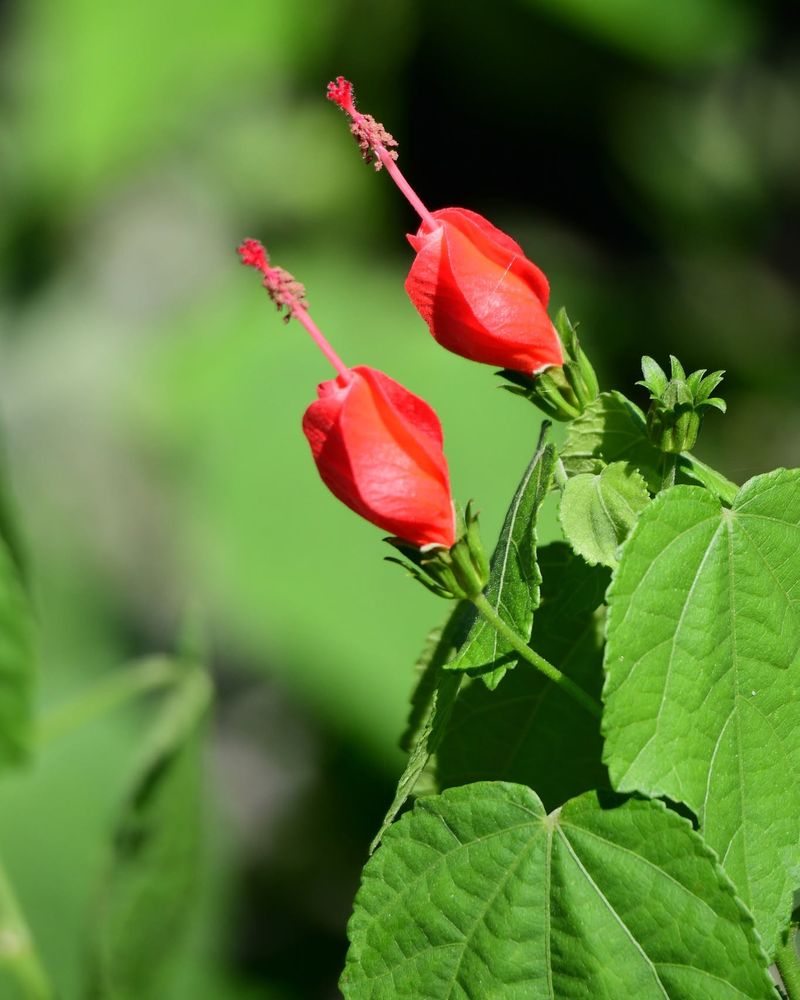
Turk’s cap blooms look like tiny red swirls that stay tightly wrapped, and hummingbirds visit them constantly. A freeze turns the leafy mound into droopy brown rags that make the garden bed look abandoned.
This native shrub, known as Malvaviscus arboreus var. drummondii, handles cold far better than its sorry winter appearance suggests.
It regrows reliably from the roots, often bouncing back with even more stems than it had before.
I have to say, a hard winter cut seems to give my Turk’s cap a fuller shape. Many gardeners prune it back hard each year anyway, so a freeze simply does the job early.
Wait until late winter or early spring, then cut the old stems to about six inches tall. New growth usually appears as the weather warms, and the plant fills its space again by summer.
Shady spots suit it nicely, which makes it a rare bloomer for gardens under large oak trees. It also grows in sun, though it may need a bit more water during hot stretches.
Small red fruits follow the flowers, and they taste mildly like apple to some adventurous foragers. Birds and other wildlife enjoy those fruits too, so your yard gets a lively snack bar.
Skip the shovel this spring and give the roots a chance to show their stubborn streak. A light layer of compost around the base helps fresh shoots get off to a strong start.
4. Pride Of Barbados
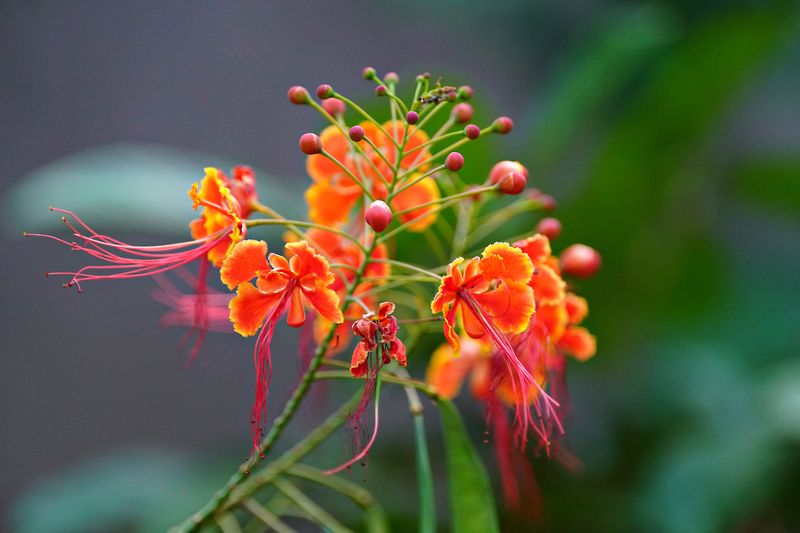
Pride of Barbados flowers look like fireworks frozen in orange and red, with long stamens sticking out. Freezing weather leaves nothing but pale, thorny sticks that look ready for the neighborhood brush pile.
Also known as Caesalpinia pulcherrima, this tropical shrub often freezes to the ground across central parts of the state.
Its roots usually survive, especially when protected by a thick blanket of mulch before cold weather arrives.
What surprises me most is how late it wakes up, sometimes waiting until May or even June. Warm soil seems to be the trigger, so a cool spring can stretch your patience pretty thin.
Resist the urge to dig, because many gardeners report sprouts appearing weeks after they gave up hope. Cut the old stems near the ground once you are sure they have no green inside.
Wear sturdy gloves for that job, since the stems carry small prickles that snag skin and sleeves. The seeds are considered toxic if eaten, so keep curious kids and pets away from the pods.
After it returns, the shrub grows fast and can reach several feet tall by late summer. Full sun and good drainage keep it happy, while heavy clay that stays wet can cause problems.
Butterflies and hummingbirds visit the blooms, giving your garden plenty of action during the hottest weeks. Honestly, few plants in my yard reward a little waiting quite like this flashy shrub does each year.
5. Firebush
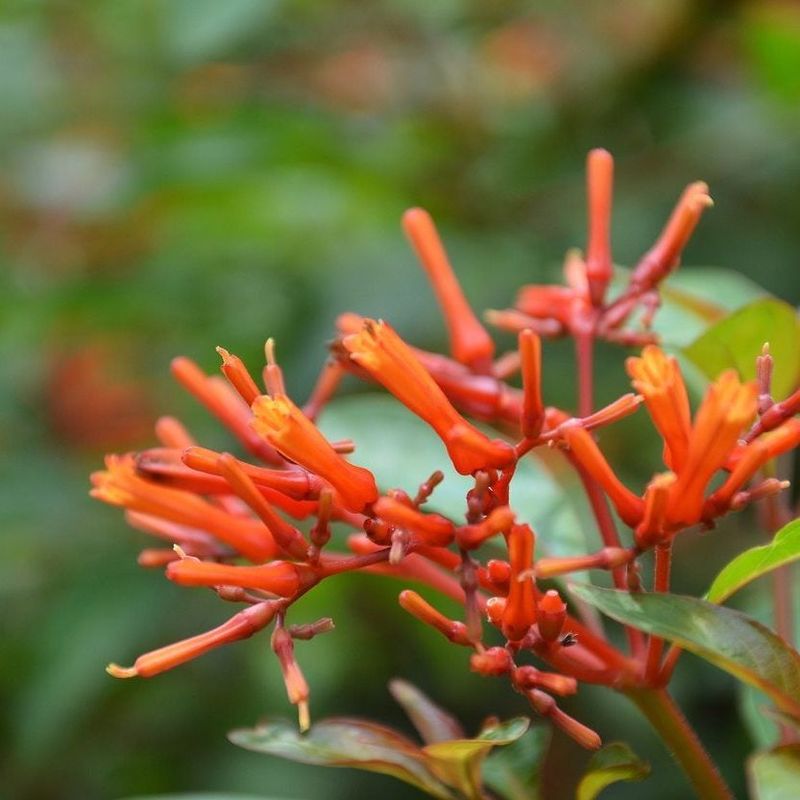
Firebush leaves often turn a rusty red in cool fall weather, almost like the plant is blushing. A real freeze goes further, leaving droopy black foliage that looks like it went through a campfire.
Hamelia patens is a tropical shrub, and in many parts of the state it acts like a perennial. The top freezes back, but established roots often send up fresh growth once warm weather settles in.
I believe mulch makes the biggest difference here, especially for younger plants still building their root systems. A layer about three inches deep helps keep the crown warmer during long, hard cold spells.
In spring, look closely at the base for small reddish shoots poking out of the soil. Those sprouts mean recovery is underway, so you can safely remove the old frozen stems above them.
Gardeners in southern areas sometimes see firebush keep part of its framework after a lighter freeze. In those cases, trim back only the brown tips and let the living branches leaf out naturally.
Tubular orange-red flowers appear from late spring into fall, drawing hummingbirds and butterflies to your yard like magnets.
Small berries follow, turning from red to a deep black, and many songbirds happily snack on them.
Plant firebush in full sun or part shade with soil that drains well after heavy rain. Once it settles, it handles summer heat with grace and asks for little fuss from you.
6. Rock Rose
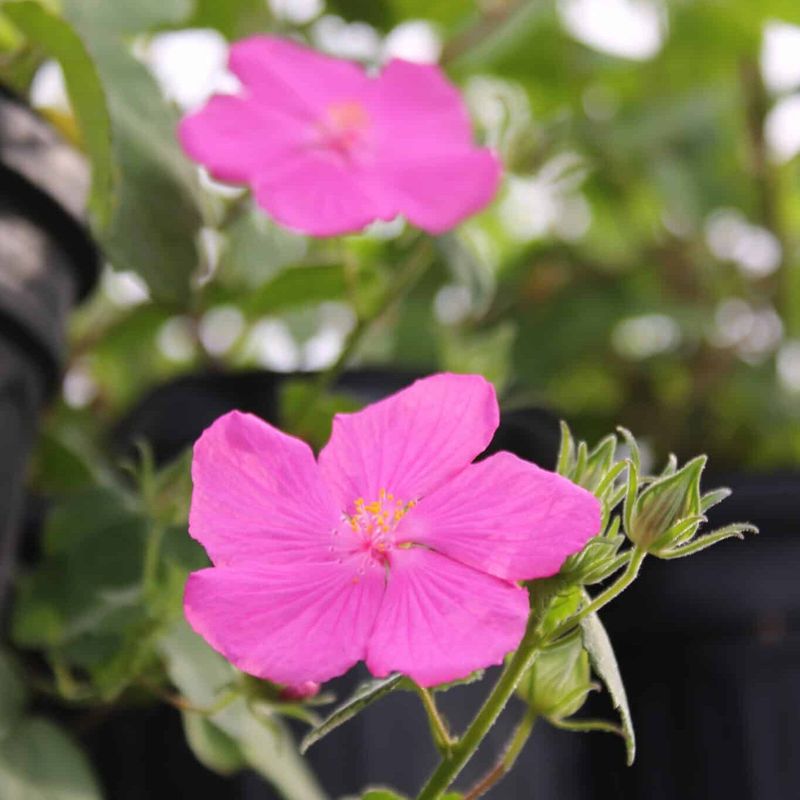
Rock rose has small pink flowers that resemble tiny hibiscus blooms, opening fresh almost every single morning.
After freezing weather, the plant shrinks into a twiggy little skeleton with hardly a leaf left behind.
This native, Pavonia lasiopetala, often freezes back in colder winters but usually returns from its woody base.
Even when an older plant struggles, seedlings frequently pop up nearby because rock rose reseeds quite generously.
I like how this tough little shrub thrives in rocky, dry soil where fussier plants often sulk. It grows naturally on limestone slopes in parts of Texas, so it handles heat and drought well.
Wait until early spring, then cut the plant back by about half or down to healthy green wood. That trim encourages a bushier shape and lots of new flowering stems as the season warms.
Keep an eye out for small seedlings around the base before you weed or spread fresh mulch. Transplant extras to sunny spots, or share them with gardening friends who love easy native plants.
Rock rose tends to be short-lived, often lasting a few years, so those babies come in handy. Letting a few seedpods ripen each fall keeps a steady supply of replacements coming along naturally.
Bees and butterflies visit the blooms often, and the plant rarely needs extra water once established. Avoid overwatering during recovery, since soggy roots cause more trouble for this shrub than cold does.
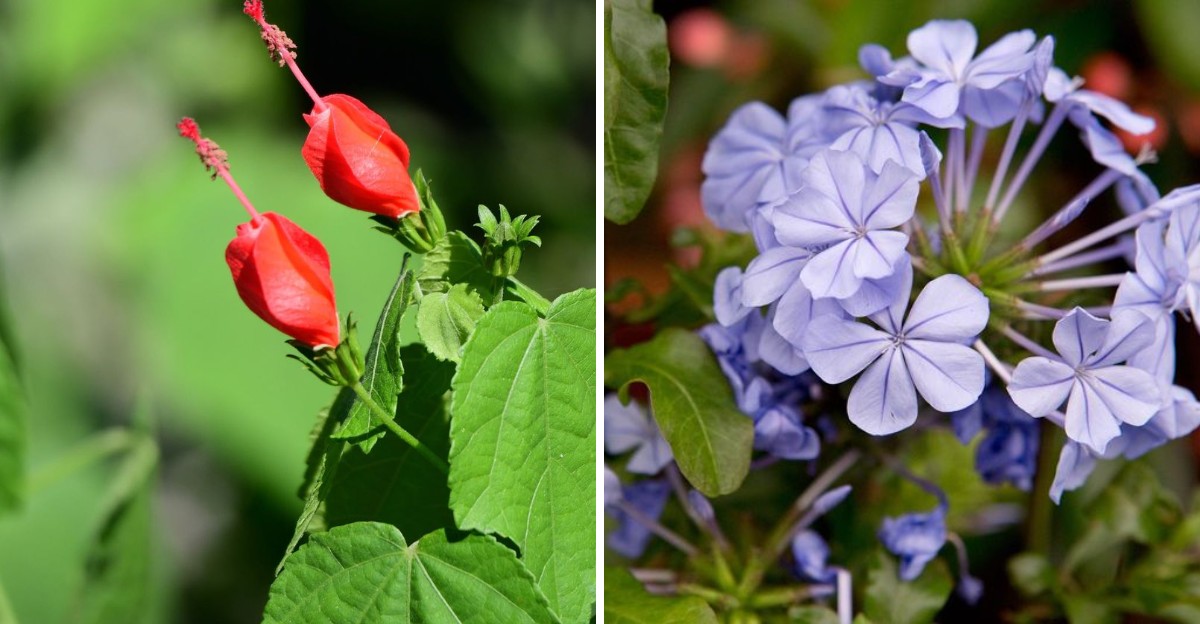
7. Plumbago
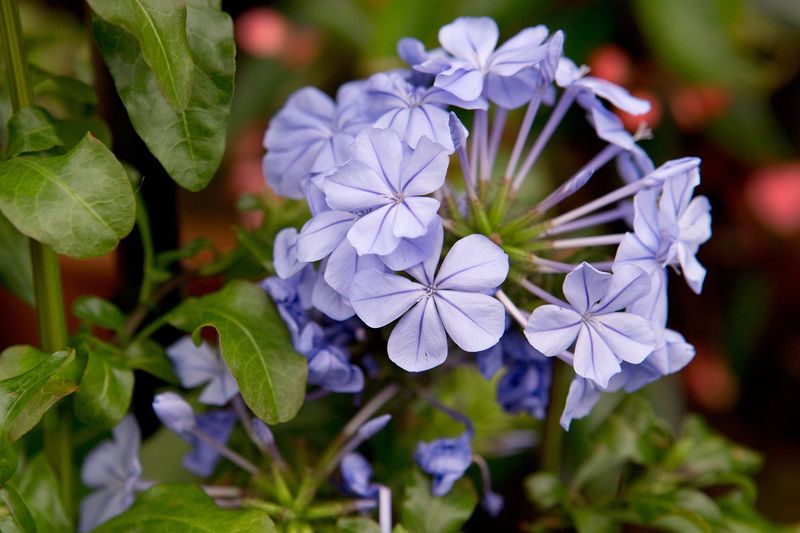
Sky-blue plumbago flowers look so cool on a scorching afternoon that I swear the yard feels lighter. Winter freezes flip that charm, leaving mushy brown leaves clinging to tangled stems like soggy confetti.
Cape plumbago, Plumbago auriculata, comes from South Africa and stays evergreen only in the warmest southern regions. Farther north, it often freezes to the ground and regrows from the roots when spring warmth returns.
You need to give it time, because recovery can take until April or May in cooler spots. Scratch a few stems first, then remove any wood that stays brown and dry all the way through.
Some gardeners simply cut the whole plant down to a few inches and let it start fresh. That approach works well since plumbago blooms on new growth, so flowers will still appear later.
A sheltered spot near a south-facing wall gives the roots extra warmth during sudden cold snaps. Mulch around the base adds another layer of protection for the crown when hard freezes arrive.
Plumbago handles heat and dry spells well once established, though regular water keeps flowers coming steadily. It prefers full sun to light shade, along with soil that drains rather than holding puddles.
Butterflies often stop by the clusters of blue blossoms, which add a soft color many gardens lack. Honestly, I think every hot garden needs one plant that looks this refreshing in July heat.
8. Sago Palm
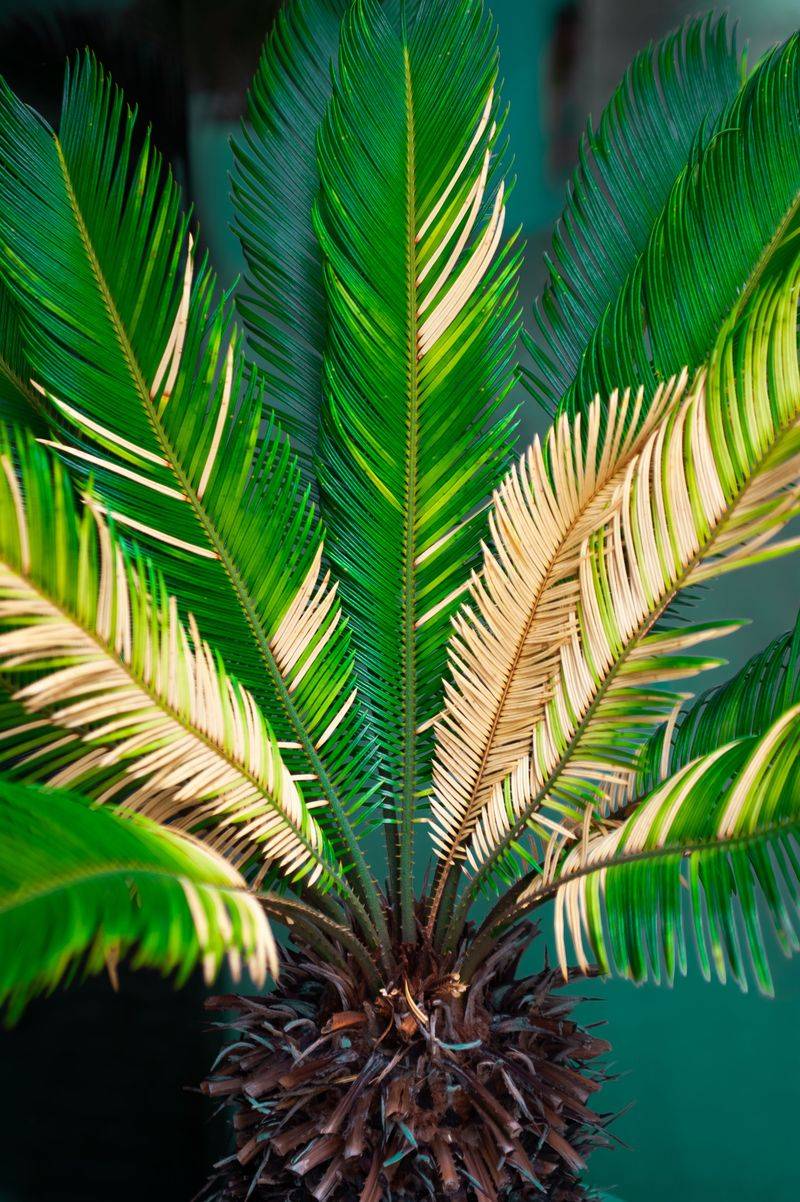
Sago palms are not true palms at all, but ancient cycads whose relatives grew alongside dinosaurs. Freezing nights can turn their glossy green fronds tan or brown, making them look scorched beyond repair.
Cycas revoluta usually tolerates brief dips into the teens, though prolonged hard freezes damage the fronds badly. The important part is the trunk and central bud, which often survive even when every leaf turns brown.
Press gently on the trunk to check its condition, since firm tissue is a hopeful sign of life. A soft, mushy trunk or a foul smell usually means rot has set in and recovery is unlikely.
Leave the brown fronds attached for now, because they still help shield the center from more cold. Once warm weather arrives, trim away the damaged fronds close to the trunk with sharp clean shears.
Patience is key, since a new flush of fronds may not appear until late spring or summer. Some sagos skip a full year before pushing out fresh growth, so give them the whole season.
Every part of the sago palm is highly toxic to dogs and cats, especially the seeds. Bag fallen fronds and seeds promptly if you have pets that like to chew on garden debris.
I have watched a seemingly hopeless sago in Texas burst into a crown of bright green fronds. That moment made me grateful I left my shovel in the shed and let the plant decide.