Why Your New York Lawn Has Mushrooms In November, And Whether They’re Dangerous To Pets
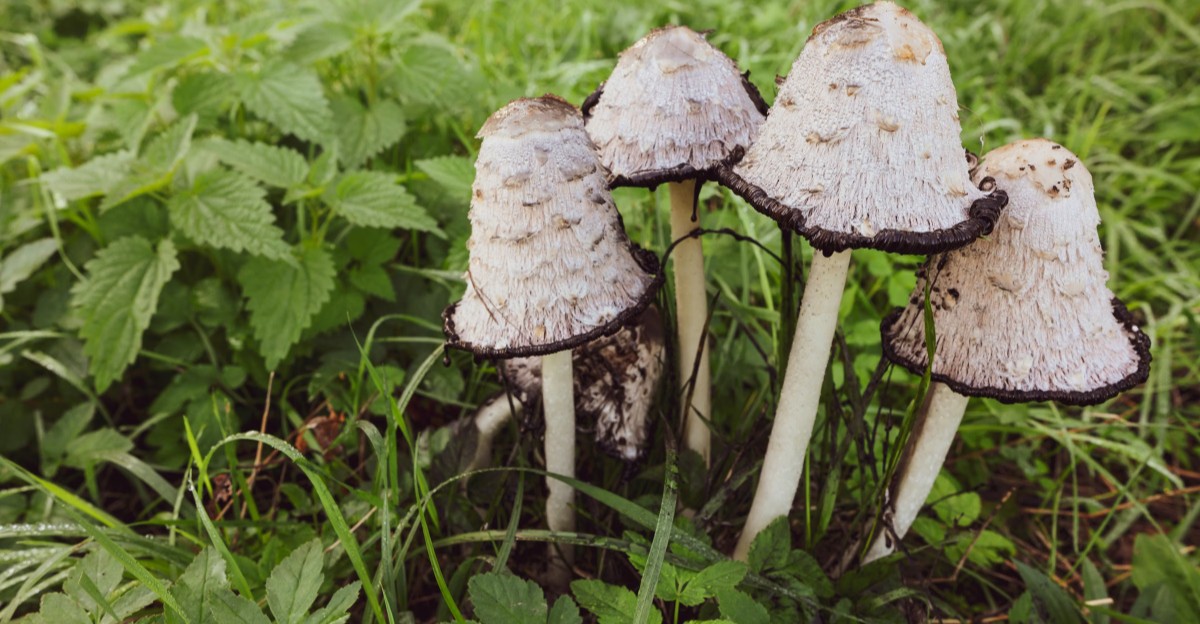
A single mushroom you spot on the lawn might be attached to an underground fungus wider than your whole yard. Some fungal networks in the soil stretch for acres, quietly living there for years.
I’ll admit it, I used to kick over every cap I found and call it a day. Then a cold, rainy November week in New York turned my front yard into a fungus parade overnight. My dog thought it was the best buffet ever.
Here’s what gets me. Most of those caps are harmless recyclers doing quiet work under the grass, but a few rank among the most toxic things a curious pet can swallow. Even experts struggle to tell some of them apart without a close look.
So why do they show up when everything else in the garden is shutting down for winter? And how worried should you be when your pup starts sniffing around?
Those Overnight Lawn Mushrooms Have Been Growing Underground All Season
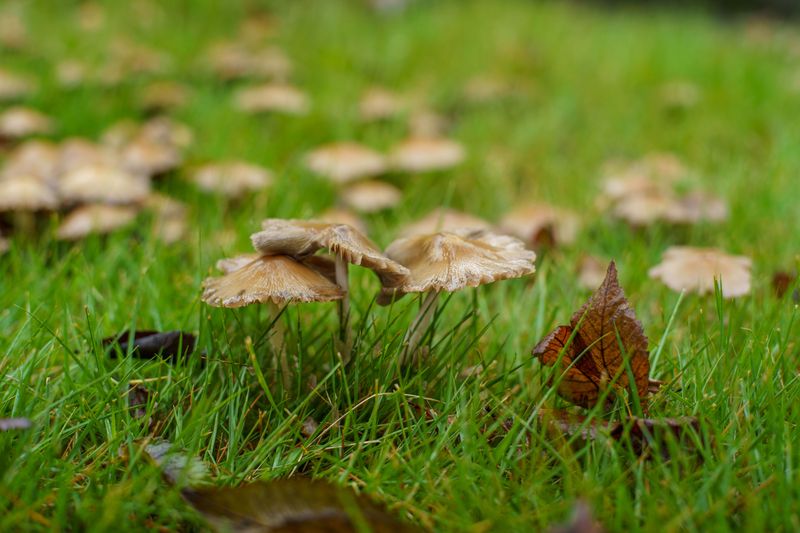
Believe it or not, the mushrooms you spot on a chilly morning are only the tip of the story. The real fungus lives below your grass as mycelium, a web of thin threads that spreads through soil all year.
For months, that hidden network feeds on buried organic matter. Old tree roots, rotting stumps, leftover lumber, and thick thatch are all on the menu. You rarely notice it, because it works quietly out of sight.
Mushrooms are the fruit of that network, much like an apple on a tree. Their whole job is to release spores so the fungus can spread. Once conditions line up, the mycelium pushes them up fast, sometimes in a single night.
I used to assume they arrived out of nowhere. Learning they had been there the whole time changed how I looked at my yard.
Cornell and other university extension programs describe lawn mushrooms as mostly a sign of healthy, active soil. They help break down dead material and return nutrients your grass can use.
So the appearance itself is not a red flag for your turf. The bigger question is what kind of mushroom you have, especially if a dog or cat shares your lawn.
Cool Rain And Soggy Soil Wake Up November Fungi
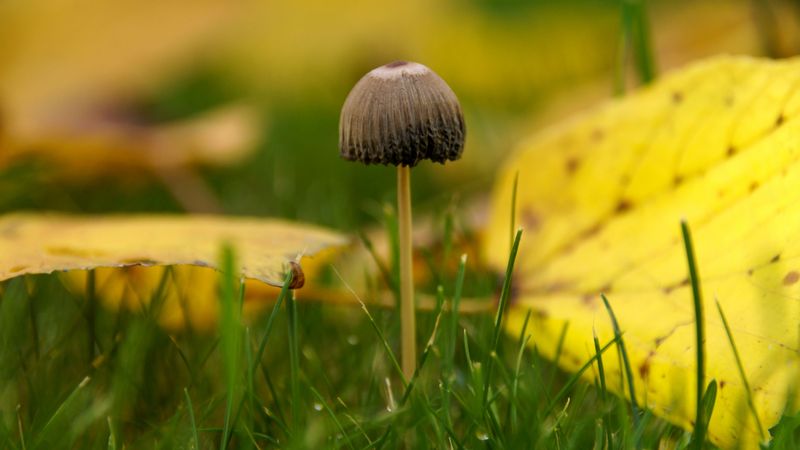
Rain is the main trigger, plain and simple. Mushrooms are mostly water, so fungi need moist soil and damp air before they can fruit.
Late fall in New York delivers that combo nicely. Days are cool, evaporation slows down, and the ground stays wet longer after each storm. Dew lingers on the grass well into the morning, too.
Many lawn fungi fruit best in mild, damp stretches of spring and fall. A warm spell after steady November rain can set off a surprising flush, even right before the first hard freeze.
Timing varies across the state. Long Island and New York City often stay mild later, so mushrooms can keep popping up into December. In the Adirondacks or western snow belt, cold arrives sooner and the season ends earlier.
Fallen leaves add another boost. A matted layer holds moisture against the soil, giving fungi a cozy, humid blanket.
Once hard frost settles in, most of these mushrooms collapse and fade fast. The mycelium below simply waits for the next good stretch of weather.
So if you see a crop after a soggy week, it is normal seasonal behavior, not a strange outbreak.
Any Wild Mushroom Could Be Trouble For A Curious Dog
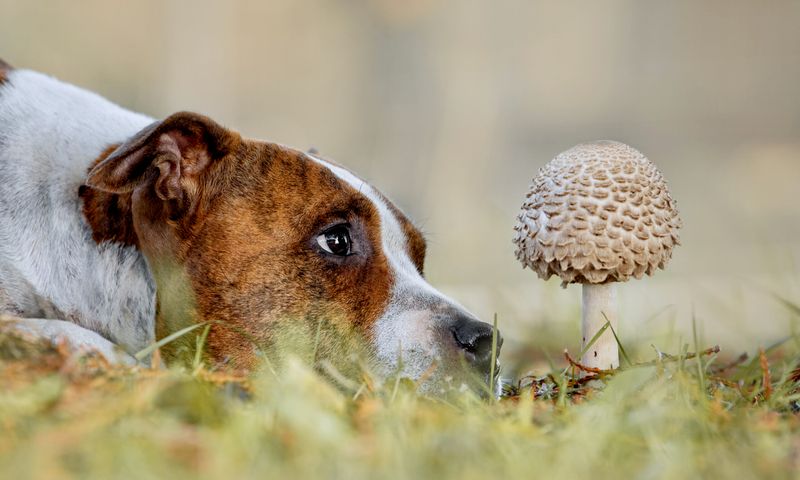
Short answer first: most lawn mushrooms are not toxic, but some are seriously dangerous to pets. The ASPCA and veterinary experts advise treating every wild mushroom as a possible poison.
Here is why. Many harmless species look a lot like toxic ones. Color, shape, smell, and whether slugs nibbled them tell you nothing reliable about safety.
I’m the first to admit I once thought plain white caps were fine. Then I learned some of the most dangerous mushrooms in the Northeast are plain white.
Dogs face the highest risk because they sniff, lick, and gobble almost anything. Puppies and young dogs are especially likely to snack on fungi. Cats rarely eat mushrooms, but it can happen.
Size of the pet matters, too. A small dog can get very sick from a tiny bite of a toxic species.
The safest habit is simple. Keep your pet away from mushrooms, remove any you see, and call a vet quickly if your pet eats one.
Do not wait for symptoms. With some species, the worst damage starts before your pet looks ill at all.
White Amanita Mushrooms Top The Danger List
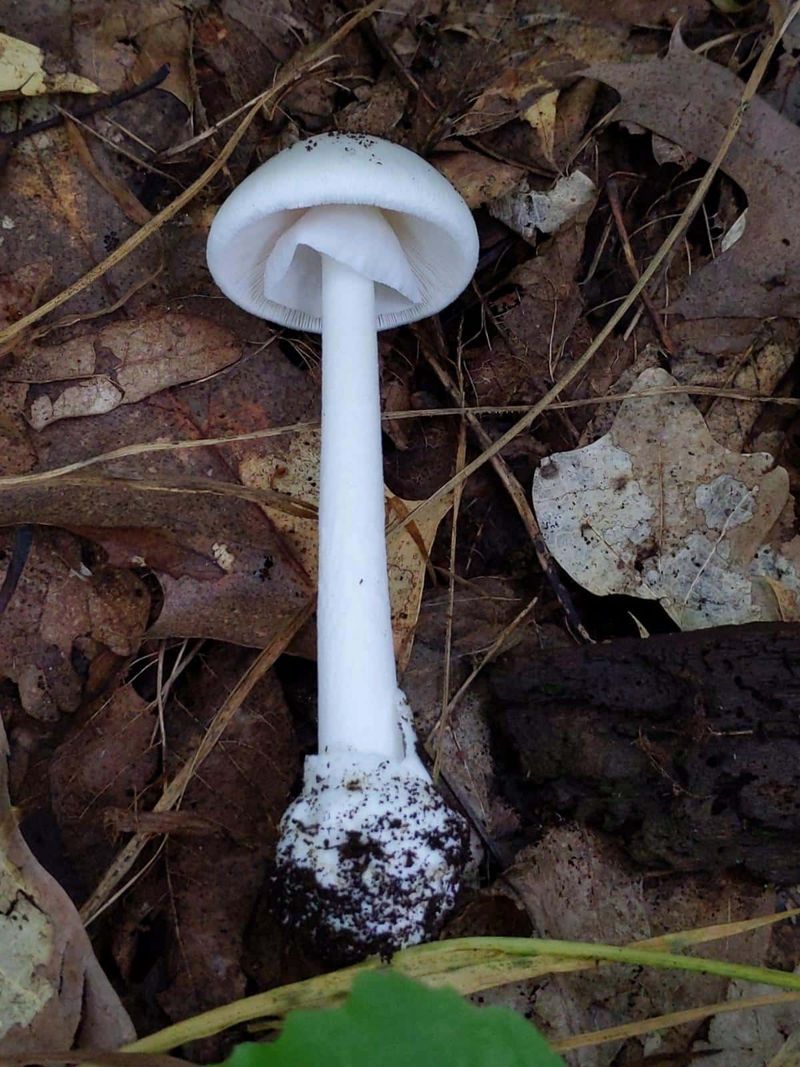
Few mushrooms worry vets more than the Amanitas. Species like the destroying angel, Amanita bisporigera, grow across New York, often near oaks, birches, and other trees at the edge of lawns.
These fungi carry amatoxins, which attack the liver and kidneys. The death cap, Amanita phalloides, holds the same toxins, though it is far less common in the Northeast.
Field guides point to a few telltale features. Look for white gills, a skirt-like ring on the stem, and a cup-shaped sac at the base, often hidden underground.
Here is the sneaky part. Symptoms usually take 6 to 24 hours to show up, starting with vomiting and diarrhea.
Pets may then seem to recover for a day or so. Meanwhile, liver damage keeps building quietly.
A few other species carry the same toxins. Galerina marginata, a small brown mushroom on rotting wood, is one of them. Some Conocybe and Lepiota species also contain amatoxins.
Fun fact: amatoxins are not destroyed by cooking or drying. So a shriveled, frost-bitten cap is still a threat.
If you have mature trees, check under them extra carefully during fall walks.
Fast-Acting Inocybe And Clitocybe Can Cause Drooling Within Minutes
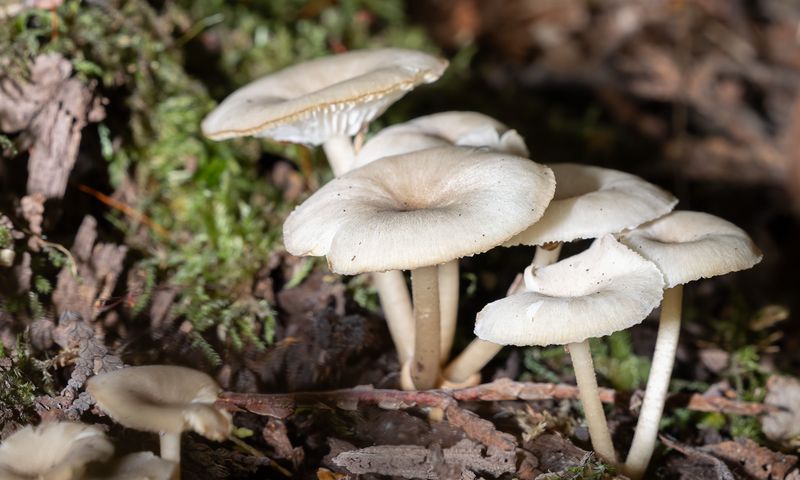
Not every toxic mushroom takes its time. Some species of Inocybe and Clitocybe contain muscarine, which can make pets sick within 15 minutes to a few hours.
These are often small, brownish, or whitish mushrooms that blend right into the grass. Some Inocybe have a cone-shaped, fibrous cap that looks a bit like straw.
Veterinarians describe a classic pattern of signs. Watch for heavy drooling, watery eyes, vomiting, diarrhea, and frequent urination.
You may also notice a slow heart rate, wheezing, or tiny pupils. These symptoms come from the toxin overstimulating the nervous system.
Not going to lie, these little brown mushrooms are the ones I overlooked for years. They are easy to mistake for harmless lawn fungi.
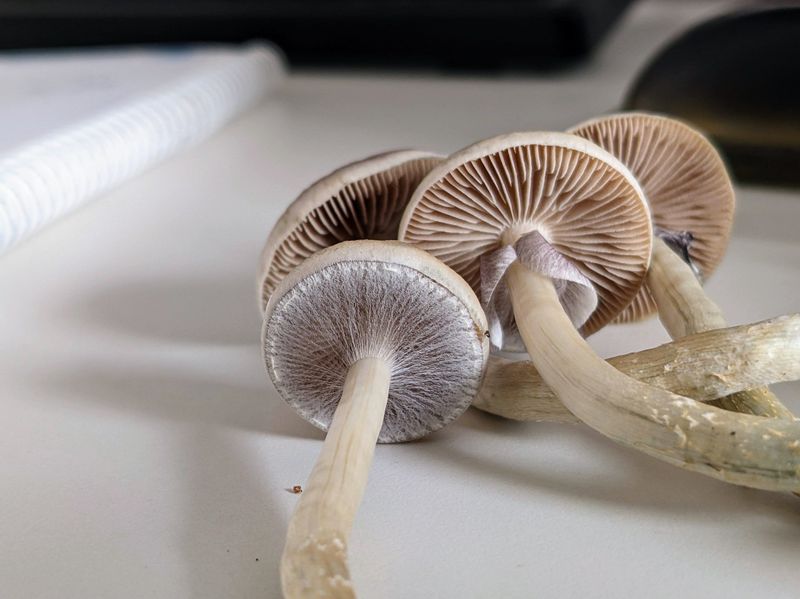
Other mushrooms bring different problems. Some contain hallucinogens that cause wobbling, agitation, or disorientation. Others mainly upset the stomach.
Since so many species look alike, identifying them at home is risky. Your vet can treat muscarine poisoning, and quick care often leads to a good recovery.
Bottom line, drooling after a backyard romp in mushroom season deserves a phone call, not a wait-and-see approach.
Grab A Mushroom Sample And Call Your Vet Right Away
Speed matters most when a pet eats a mushroom. Call your veterinarian or an emergency animal hospital right away, even if your pet seems perfectly fine.
Poison hotlines can help, too. The ASPCA Animal Poison Control Center is 888-426-4435, and the Pet Poison Helpline is 855-764-7661. Both may charge a consultation fee.
If you can do it safely, clear any leftover pieces from your pet’s mouth. Do not try to make your pet vomit unless a vet tells you to.
Next, collect evidence. Dig up a whole mushroom like the one eaten, including the base, and wear gloves while you do it.
Place it in a paper bag, not plastic, so it stays in better shape. Snap clear photos of the cap, gills, stem, and where it was growing.
Trust me on this one, those details help vets and mushroom experts narrow down the species fast. Some areas also have local mycological societies that assist with identification.
Bring the sample to the clinic. Treatment might include induced vomiting, activated charcoal, fluids, and liver monitoring, depending on the mushroom involved.
Fairy Rings And Shaggy Manes Are Usually Lawn Helpers
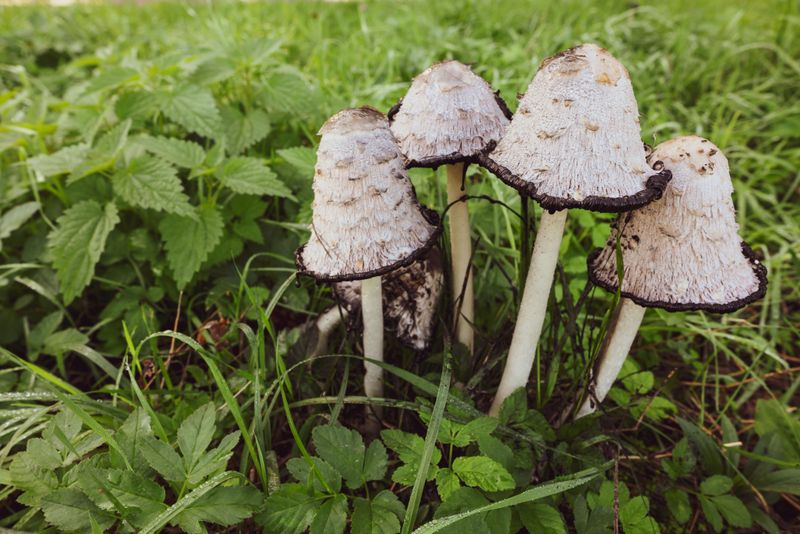
Plenty of lawn mushrooms are simply recyclers. Shaggy manes, with their tall, scaly white caps, often pop up in New York lawns during fall.
Fairy rings are another familiar sight. These circles or arcs of mushrooms come from mycelium spreading outward from a center point.
Many species form them, including Marasmius oreades. Often you will notice a ring of darker green grass, caused by nitrogen the fungus releases as it breaks down organic matter.
I didn’t expect a fungus to be fertilizing my yard for free, but that is exactly what happens.
Still, harmless to grass does not mean safe to eat. Some fairy ring fungi have toxic lookalikes, and even edible species can upset a pet’s stomach.
Fairy rings sometimes leave dead-looking brown bands, too. A dense mat of mycelium can repel water and leave grass thirsty.
Penn State and other extension services suggest aerating these areas and watering deeply to help. Fungicides usually do not solve the problem, since the fungus lives deep in the soil.
So enjoy the curious circles, but keep pets away from the caps.
A Quick Morning Mushroom Patrol Keeps Pets Safer
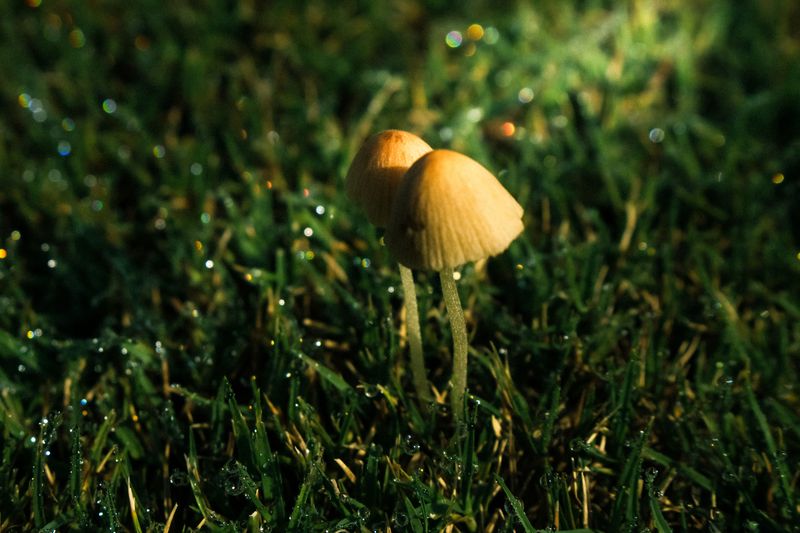
Every fall, I do a quick lap of the yard before letting my dog out. It takes about five minutes and gives me real peace of mind.
Pick or knock over mushrooms you find, using gloves or a bag. Toss them in the trash, not the compost or lawn, where pets could still reach them.
Expect new ones to keep coming. Removing caps does not stop the fungus below, so regular checks matter during wet weather.
You can also make your lawn less inviting. Rake up matted leaves, and core-aerate compacted spots to help water drain.
Fix soggy areas, cut back on watering in fall, and thin overhanging branches to let in more sun. Grinding old stumps removes a major food source, too.
Fungicides are rarely recommended for lawn mushrooms. Extension experts note they offer little lasting effect on the underground network.
Supervise pets closely, especially puppies, and use a leash in mushroom-heavy spots. A firm leave-it command is a lifesaver.
With a little routine, you can let the fungi do their quiet soil work while your furry friends stay safe this November.