The Fall Mistake Georgia Gardeners Make With Peonies That Can Affect Next Spring’s Flowers
A perfectly healthy plant can skip blooming for years because of one extra inch of dirt. That still surprises me every time I hear it.
In Georgia, this showy perennial is already a bit of a gamble. Our winters are short and mild, and the plant needs a long, steady chill to set flower buds.
Many of us take a big risk just by growing it this far south.
When lush green leaves show up in spring with zero buds, you start blaming the weather, the fertilizer, or even the nursery. I blamed the rain for two whole seasons.
The real answer often sits quietly under the soil, and fall is when most of us accidentally make it worse. Could a habit you picked up as a careful gardener be the very thing holding back your flowers?
1. Those Lush Peony Leaves With No Buds Are Sending You A Message
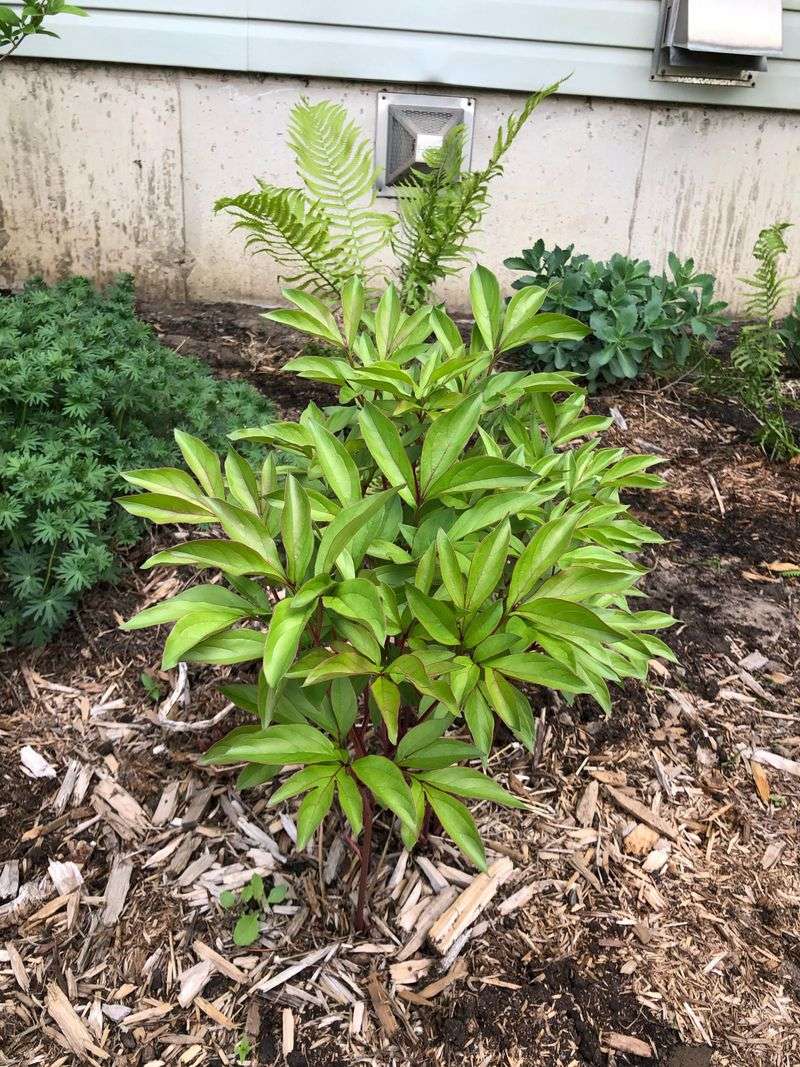
Plenty of Georgia gardeners know this scene well. The peony comes back every spring looking strong, with glossy leaves and sturdy stems, yet not a single fat bud appears.
A plant like that is not sick. It is healthy enough to grow leaves but missing a key signal it needs to make flowers.
Extension experts and peony growers point to one cause more than any other, and it hides below the soil line.
Herbaceous peonies grow from a crown with small pink or red buds called eyes. Each eye can become next year’s stem, and those eyes decide whether you get blooms.
Their position in the soil matters a lot more than most people expect.
Other things can cause poor blooming too. Heavy shade, young plants that are still settling in, too much nitrogen fertilizer, and recent dividing can all slow flowers.
Late frosts can also damage buds before they open.
Still, when a mature plant in good sun keeps making only leaves, depth is the first thing worth checking. I like to think of the leaves as a clue rather than a failure.
Your plant has energy to spare, so it mostly needs the right setup to put that energy into flowers.
2. Buried Peony Eyes Are The Mistake Hiding In Plain Sight
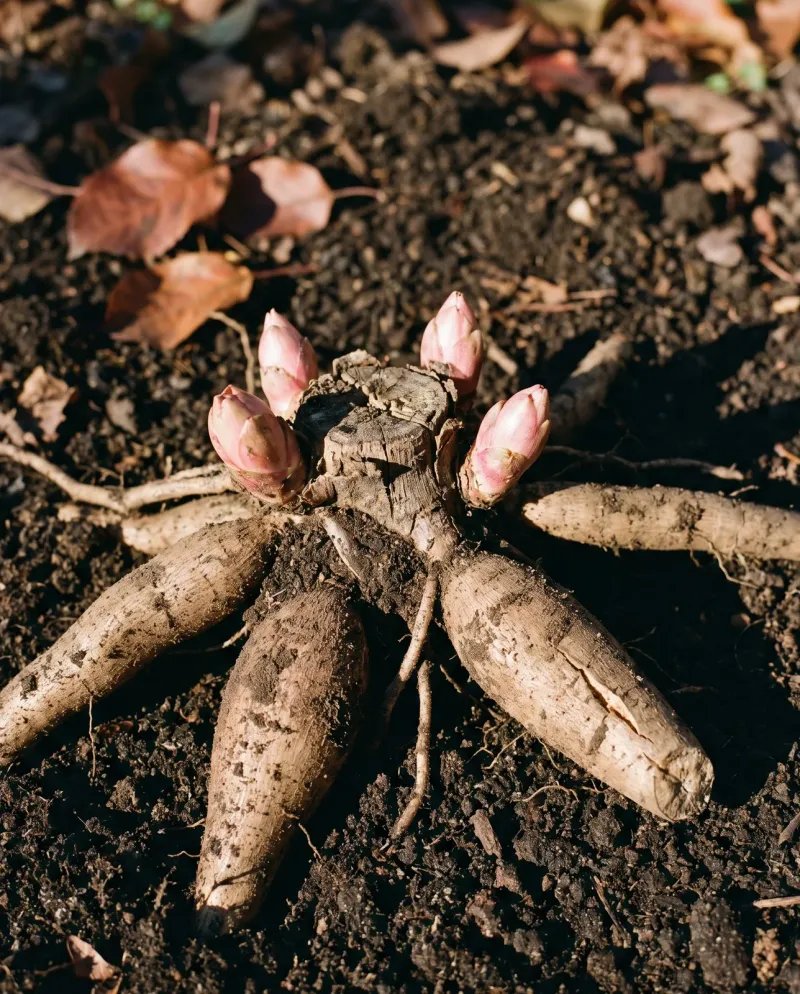
Here it is, plain and simple. The biggest fall mistake is planting, dividing, or mulching peonies so their eyes end up too deep under the soil.
Fall is peony planting season across Georgia, usually from late September into November. That timing is perfect for roots, but it is also when well-meaning gardeners dig deep holes and tuck the crown way down for protection.
It feels like the caring thing to do.
Most guides recommend eyes sit no more than about 2 inches below the surface in cold northern states. In the South, growers suggest going shallower, about 1 inch or even less.
Walter Reeves, a well-known Georgia garden expert, has long advised keeping the eyes just barely covered here.
A plant set too deep often grows fine leaves but holds back flowers for years. Some gardeners wait five or six seasons before discovering the problem.
That is a long time to stare at green stems!
You can avoid it by measuring as you plant. Lay a stick or ruler across the hole to mark the soil line, then check the eyes against it.
A quick measurement now can save you years of disappointment later.
3. Winter Chill Has To Reach Those Little Peony Buds
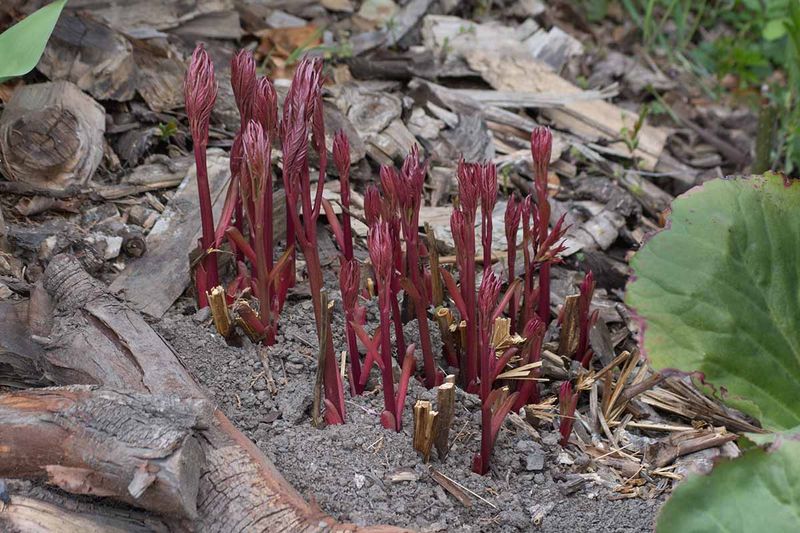
Peonies are a bit like kids who need a full night’s sleep. Without enough cold rest during winter, they wake up groggy and skip the big show.
Herbaceous peonies need a period of chilling, often measured in chill hours, which is time spent roughly between 32 and 45 degrees Fahrenheit. Many popular types want several hundred hours or more.
That cold tells the eyes it is safe to form flowers once spring arrives.
Soil acts like a blanket. Every extra inch of dirt over the crown keeps the eyes warmer and cuts down the chill they feel.
In a place with mild winters, that blanket can make the difference between buds and no buds.
Georgia covers roughly USDA zones 7a through 9a. North Georgia mountains and the Piedmont get far more winter cold than Savannah or Valdosta.
Gardeners in the cooler north often succeed with standard planting, while those in the south need every advantage.
Shallow planting is one of the easiest ways to help. It lets winter air reach the eyes directly.
I find it oddly satisfying that such a simple fix works with nature instead of fighting it.
4. Digging Up A Sulking Peony Crown Can Fix The Problem
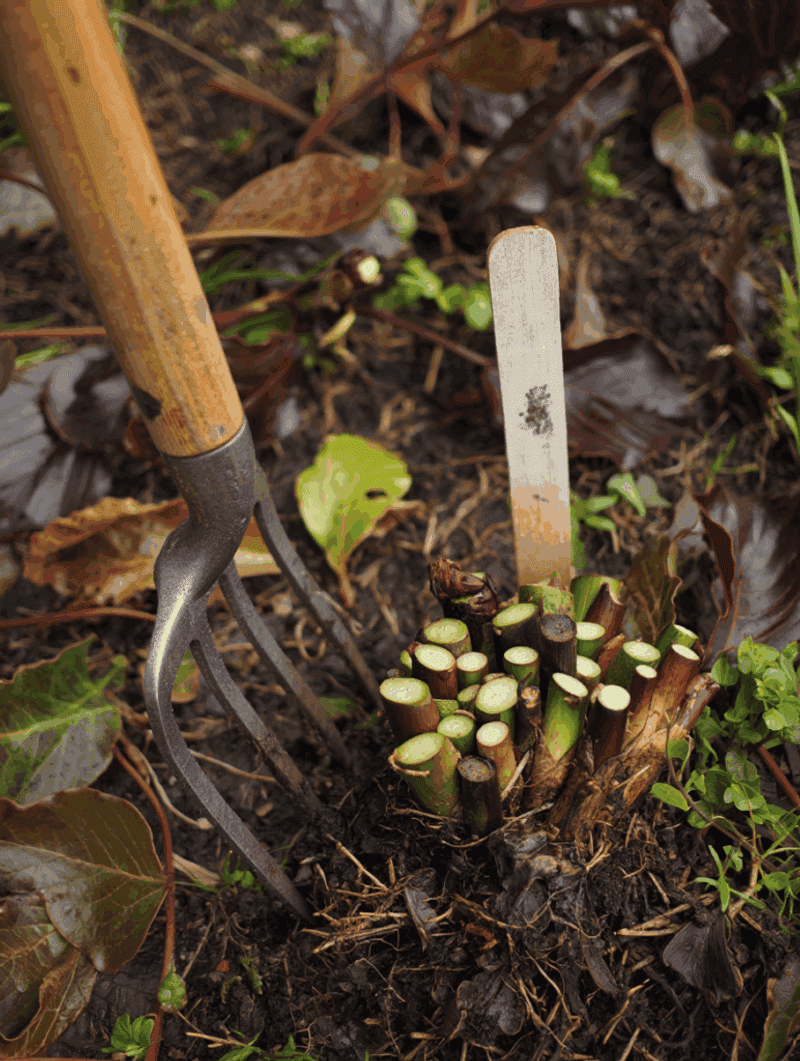
Got an older peony that refuses to bloom? Grab a trowel on a cool fall day and do a little detective work.
Gently brush away soil at the base of the plant after the leaves have faded. Find the crown and look for the pinkish eyes.
If they sit more than about an inch or two down, you have likely found your answer.
Fall is the right time to fix it, ideally from late September to early November in Georgia. Dig a wide circle around the plant with a garden fork, since peony roots are thick and easy to snap.
Lift the clump slowly.
Next, raise the planting level. You can add soil under the crown in the same spot, or replant in a fresh hole.
Set the eyes so they are about 1 inch deep or a little less, then firm the soil and water well.
Expect some patience after moving it. Peonies often take a year or two to settle before blooming again.
Large clumps can be divided into pieces with three to five eyes each, which gives you bonus plants to share with friends or neighbors.
5. A Thick Mulch Pile Over Peony Crowns Can Backfire
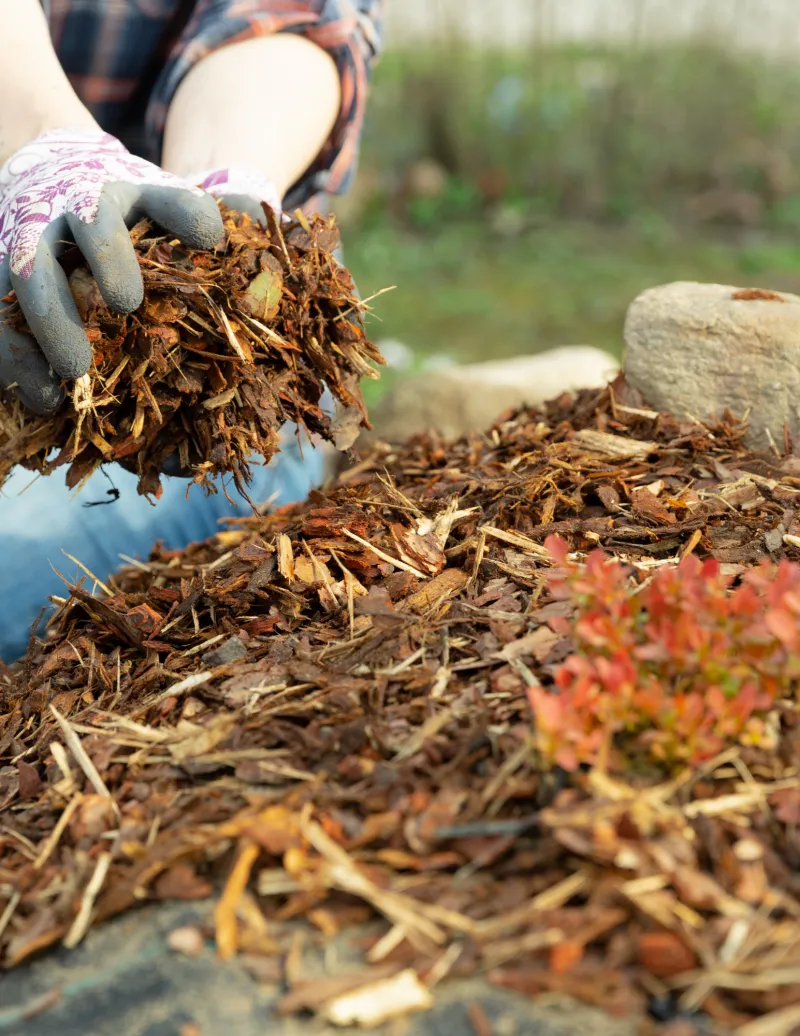
Pine straw is practically a Southern tradition. We spread it everywhere each fall, and peony beds often get a generous heap too.
The trouble is simple math. Three inches of mulch on top of a crown planted at the right depth turns a shallow planting into a deep one.
The eyes stay snug and warm, and the chill they need gets blocked.
Established peonies in Georgia rarely need winter mulch at all. Our ground seldom freezes deeply enough to harm them.
Mulch can also hold extra moisture around the crown, which may encourage rot in heavy clay.
Brand new plantings are a small exception. Some growers suggest a light layer the first winter to reduce frost heaving, where freezing and thawing pushes young roots out of the soil.
If you try that, keep it thin and pull it back in late winter before shoots appear.
My favorite approach is a mulch donut. Spread mulch around the outer edge of the plant to hold moisture and block weeds, but leave the crown area bare.
Your peonies keep their cool, and your bed still looks tidy.
6. Cutting Back Green Peony Foliage Too Early Steals Its Energy
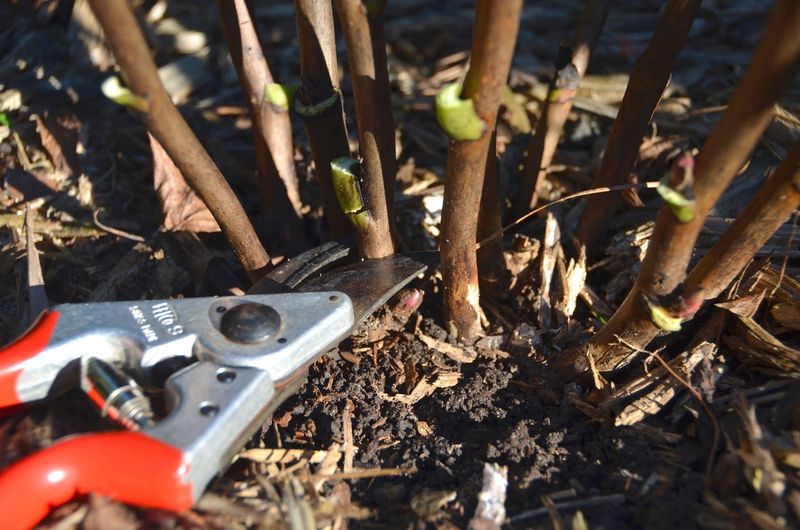
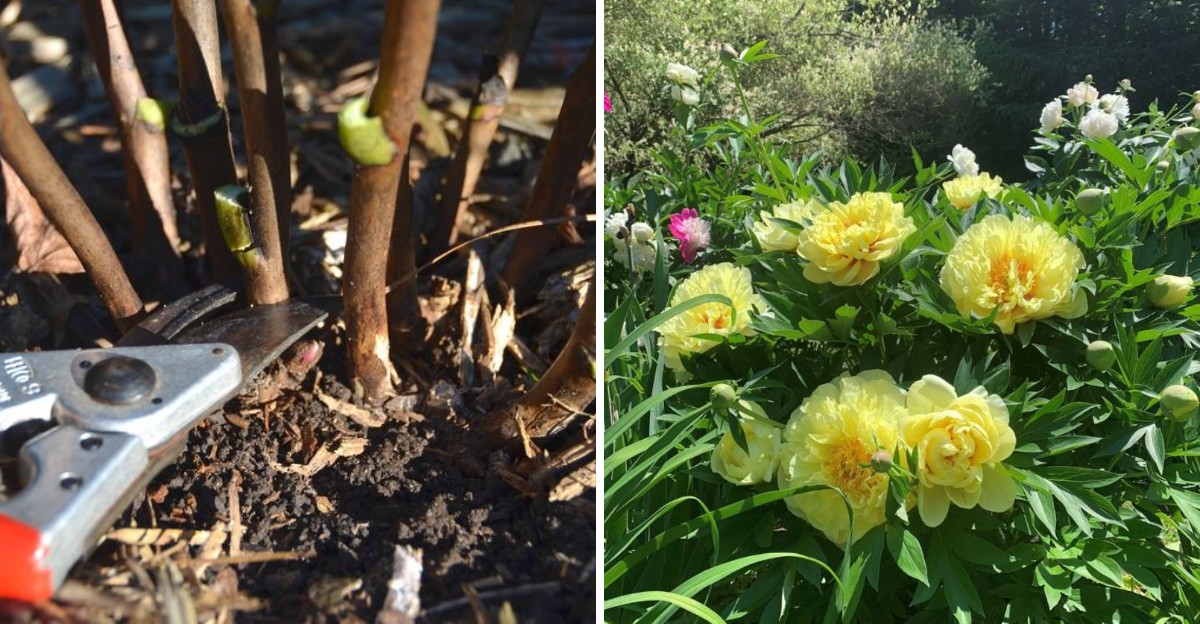
Tidy gardeners, this one is for you. Snipping peony stems in early fall might make the bed look neat, but it can shortchange next spring’s flowers.
Green leaves are tiny solar panels. As long as they stay green, they make food and send it down to the roots for storage.
That stored energy fuels the stems and buds that pop up after winter.
A better plan is to wait. Let the foliage turn yellow or brown, or get hit by the first frost, which often arrives in late October or November across much of Georgia.
Then cut stems back to a couple of inches above the soil.
Cleanup still matters once the time is right. Peonies can carry botrytis blight and leaf blotch, and old leaves left lying around can hold those spores over winter.
Bag or trash diseased foliage instead of adding it to compost.
Quick tip from my own beds: avoid slicing into the soil when you cut. Those eyes sit right near the surface, especially if planted properly, and a careless snip can nick next year’s stems.
7. Southern-Friendly Peony Varieties Give You A Head Start
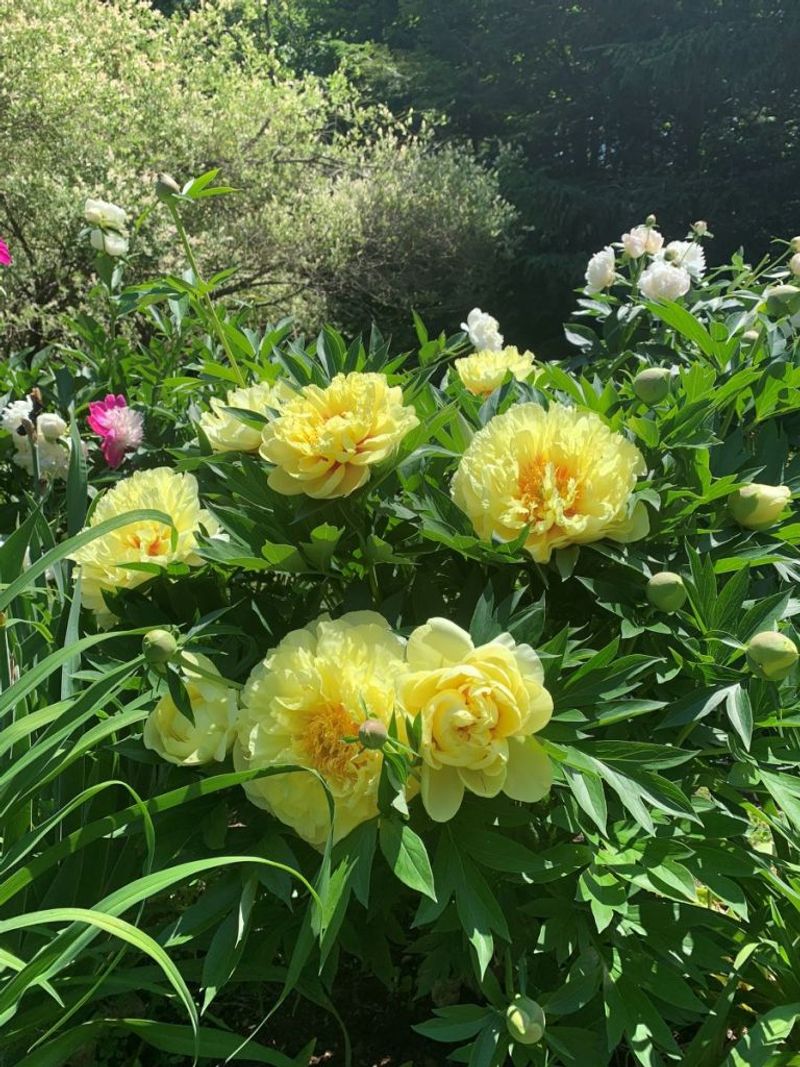
Some peonies simply handle Southern winters better. Picking the right ones gives you a real advantage before you even grab a shovel.
Early-blooming herbaceous peonies generally perform better in warmer areas. Varieties such as Coral Charm and Krinkled White are worth considering, while late-blooming varieties like Sarah Bernhardt may struggle in Georgia’s warmer regions.
Single and semi-double flowers usually hold up better in heat and spring storms than heavy, ruffled doubles.
Itoh peonies are another fun option. These hybrids cross herbaceous peonies with tree peonies, and many gardeners report they need less winter chill.
Bartzella, with its buttery yellow blooms, is a popular pick.
Tree peonies are worth a look as well. Their woody stems stay above ground over winter, and they often appreciate some afternoon shade in hotter parts of the state.
Location still matters. Give peonies morning sun and a little afternoon shade in middle and south Georgia, plus well-drained soil.
Raised beds help in heavy red clay. Did you know peonies can bloom in the same spot for decades?
Smart choices now could mean flowers for your grandkids.
8. A Simple Fall Peony Checklist For Bigger Spring Blooms
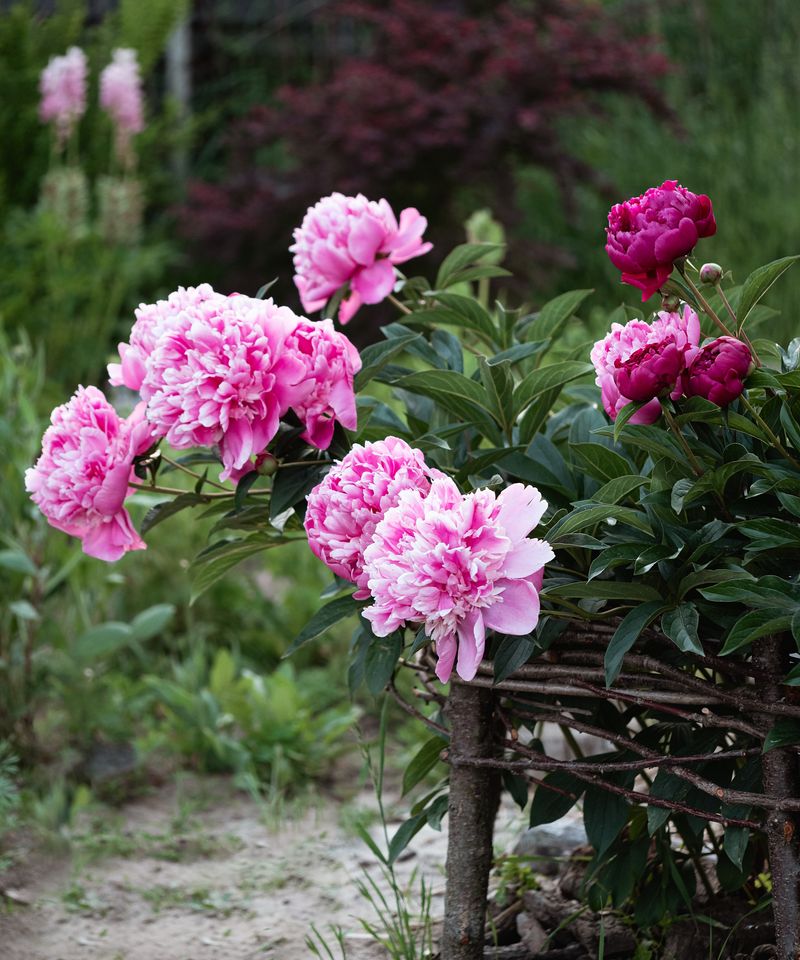
Ready to give your peonies their best shot? A few small chores this fall can set up a far better spring.
Start by checking depth. Plant or replant so the eyes sit about 1 inch deep or slightly less, especially in middle and south Georgia.
Measure rather than guess.
Next, hold off on pruning. Wait until leaves yellow or frost hits, then cut stems a couple of inches above the soil and toss diseased leaves.
Keep mulch away from crowns on established plants. A thin ring around the edge is plenty.
If you lightly mulched a new planting, pull it back in late winter.
Skip heavy nitrogen fertilizer, which tends to push leaves instead of flowers. A soil test through UGA Extension can tell you if anything is actually missing.
Make sure the bed drains well and gets plenty of sun.
Finally, be patient. Newly planted or moved peonies may need two or three years to bloom well.
I can’t think of many plants more worth the wait. Once those first fragrant buds open, every careful inch of soil will feel worth it.