Should You Keep Mowing North Carolina Bermuda and Zoysia After the Grass Starts Turning Brown?
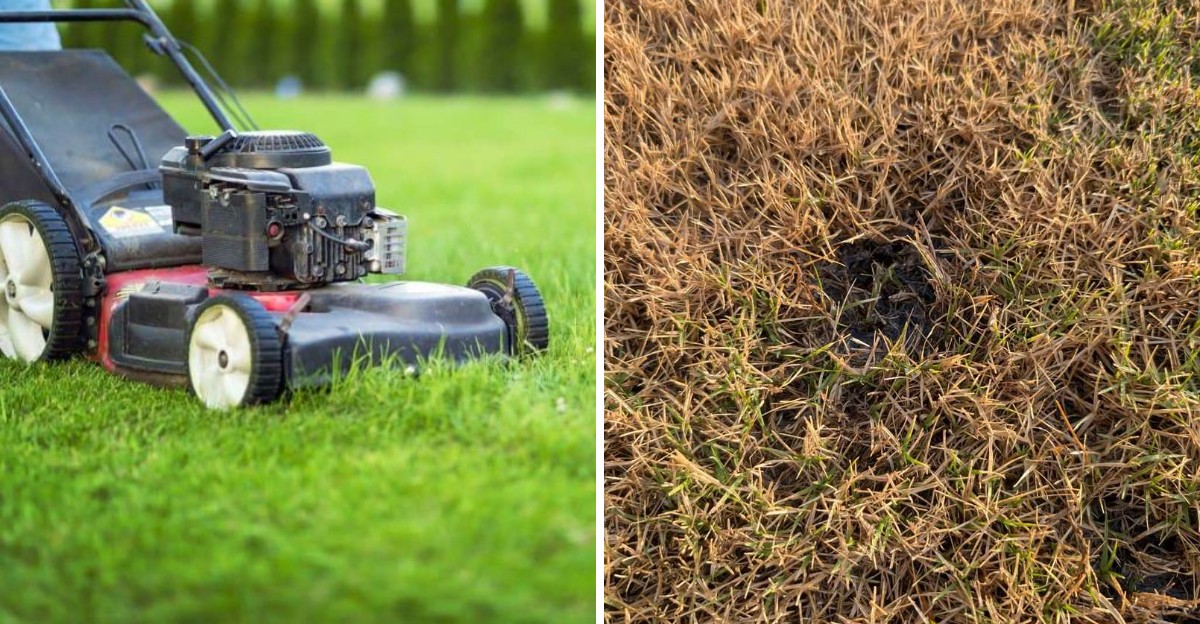
Your lawn can turn the color of toast and still be very much alive under your feet. That tan carpet is holding a secret, and the secret sits right at the soil line.
I used to stare at my yard every November and wonder if I had done something wrong. The blades went from green to gold to brown in a few short weeks. Personally, I felt a little guilty letting the mower sit in the shed.
Here in North Carolina, plenty of homeowners keep firing up the engine out of pure habit. Some do it because the neighbors are doing it. Others just like the neat look of fresh stripes.
You’re in for a surprise once you learn what those brown blades are doing all winter. I believe the answer will change how you spend your weekends.
So is the mower helping your yard right now, or quietly working against it?
1. Those Tan Bermuda and Zoysia Blades Are Taking a Winter Nap
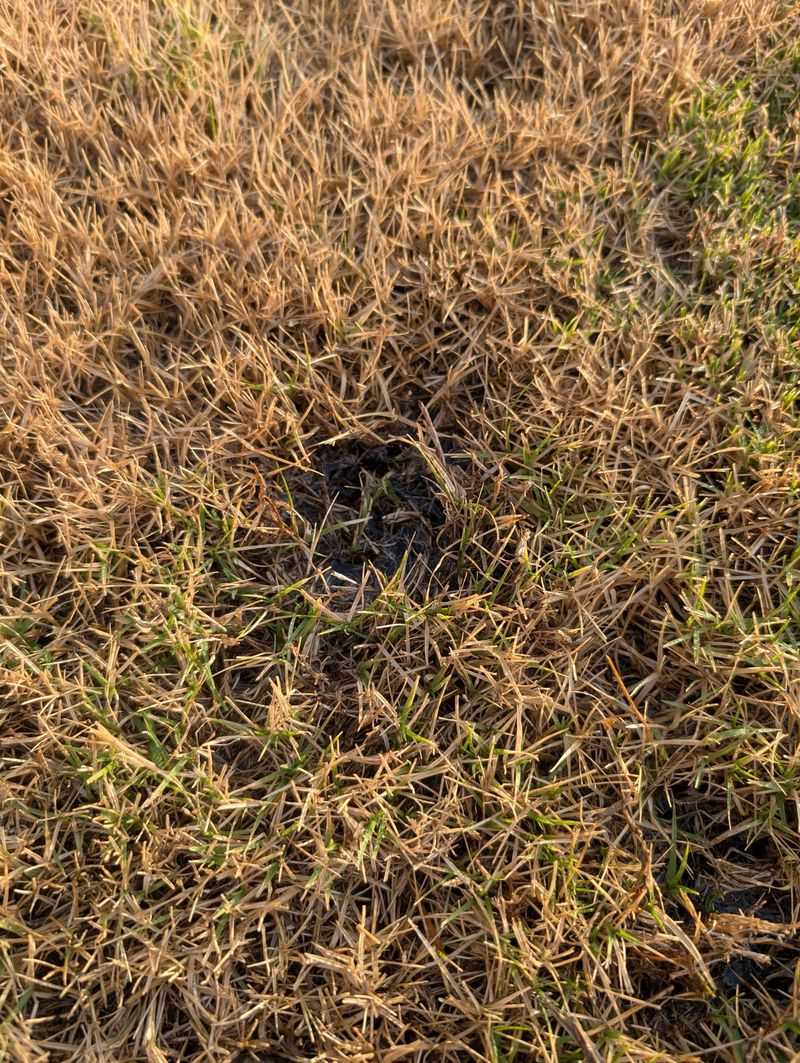
Brown grass in late fall looks alarming, but your lawn is simply resting. Bermuda and zoysia are warm-season grasses, and they slow down as soil temperatures drop below about 50 to 55 degrees.
After the first hard frost, the leaves lose their green color. Below that tan layer, the important parts stay alive.
The crowns, stolons, and rhizomes store energy and wait patiently for spring.
NC State Extension calls this normal winter dormancy. It is a survival plan these grasses have used for a very long time.
Bermuda tends to brown a bit sooner, while zoysia often hangs onto some color a little longer.
Timing varies across the state. Mountain and upper Piedmont lawns usually go tan first, often by late October or November.
Coastal yards may stay partly green a few weeks longer.
I like to think of dormancy as the grass pressing pause instead of quitting. You can check for yourself by gently pulling back the brown blades near the soil.
Firm, pale crowns and white roots are a sign of a healthy sleeper.
Once you know what you are looking at, that brown yard starts to feel a lot less scary.
2. Park the Lawn Mower Once Dormant Grass Stops Growing
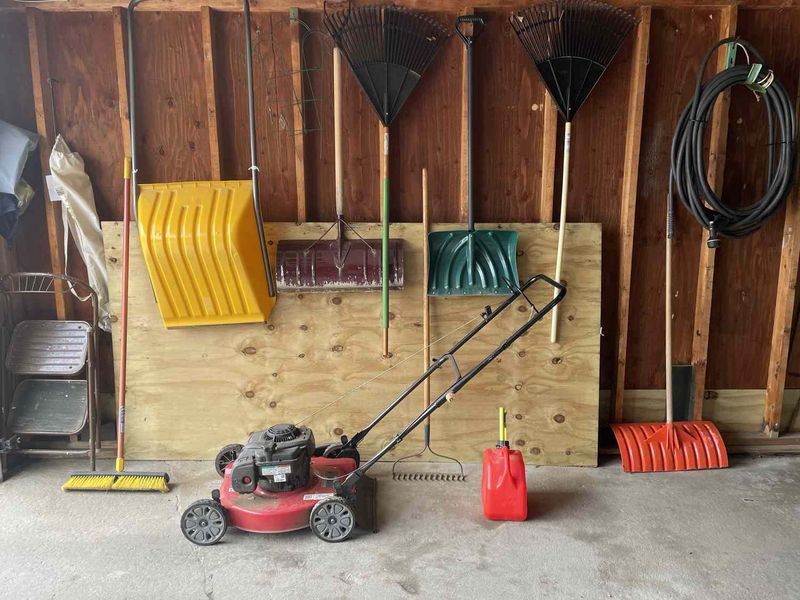
Short answer: no, regular mowing is not needed once Bermuda and zoysia go fully dormant. Grass that is not growing has nothing new to cut.
Mowing should follow growth, not the calendar. When your blades stop getting taller, your weekly routine can take a break too.
That means more free Saturdays from roughly November through March in much of the state.
Those standing brown leaves also do a job. They act like a light blanket over the crowns and help soften cold snaps and drying winter winds.
Cutting them very short removes some of that cover.
There is one gray area worth knowing. In early fall, before full dormancy, the grass may still grow slowly.
Keep mowing at your raised fall height until growth clearly stops.
Personally, I watch for two signs before I put the mower away. The color has turned mostly tan, and a full week passes with no visible new growth.
When both happen, I clean the deck, scrape off old clippings, and let the machine rest. You can use the downtime to sharpen the blade and change the oil.
Spring will arrive faster than you expect, and a ready mower makes that first cut easier.
3. A Quick Mow Can Still Clear Fallen Leaves Off Brown Turf
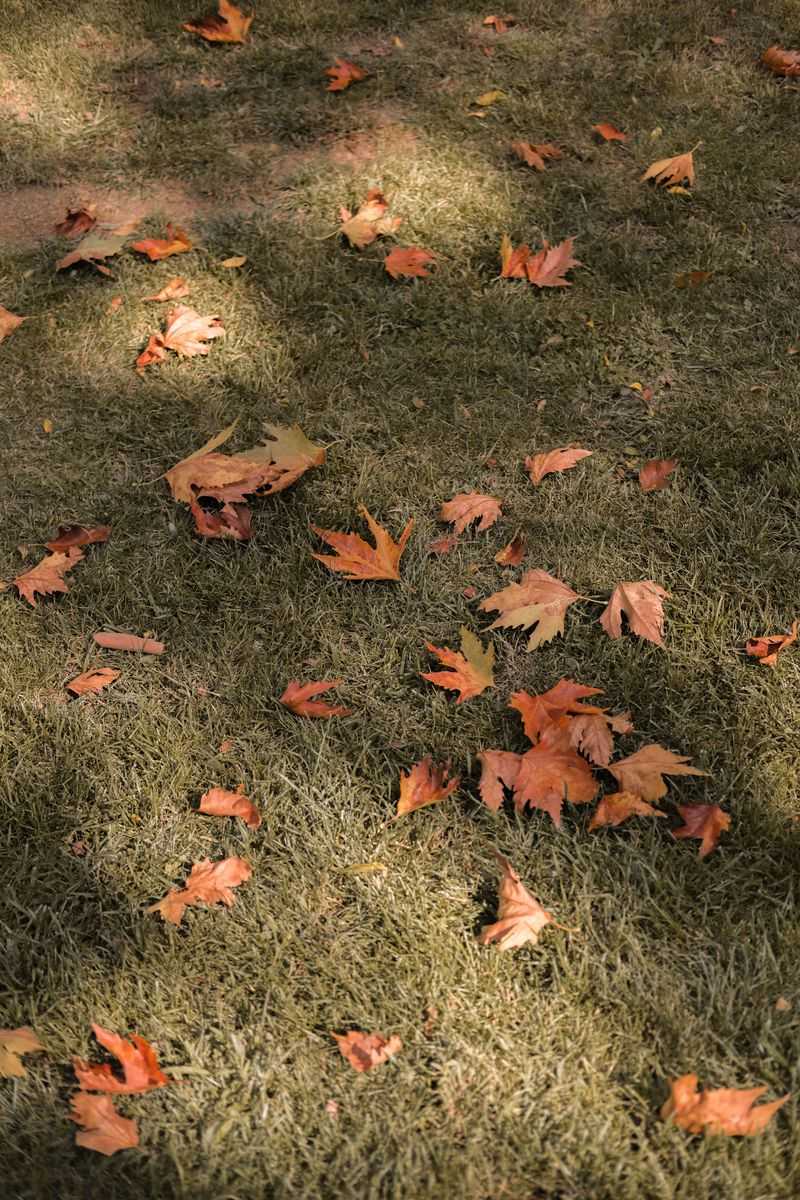
Oak and maple leaves pile up fast in a Carolina November. A thick, wet mat of leaves can block light and trap moisture on top of the grass.
Here an occasional pass with the mower makes good sense. Set the deck at your usual height and let the blades chop leaves into small bits.
A thin layer of shredded leaves can break down and return nutrients to the soil.
If leaves are deep, use the bagger or rake some off first. You want to see the grass through the shredded pieces when you finish.
Pick a dry day for the job. Mowing soggy turf can leave ruts and compact the soil.
Avoid mowing or walking on frozen or frosty grass, because brittle blades and crowns can be damaged by pressure.
Bermuda that is overseeded with ryegrass is another exception. Green ryegrass keeps growing in cool weather, so that lawn needs mowing through winter, usually around 1.5 to 2 inches.
I find this light cleanup oddly satisfying. It takes about half the time of a summer mow, and the yard looks tidy without disturbing the sleeping grass below.
4. Raising Your Mower Deck in Early Fall Protects Bermuda Over Winter
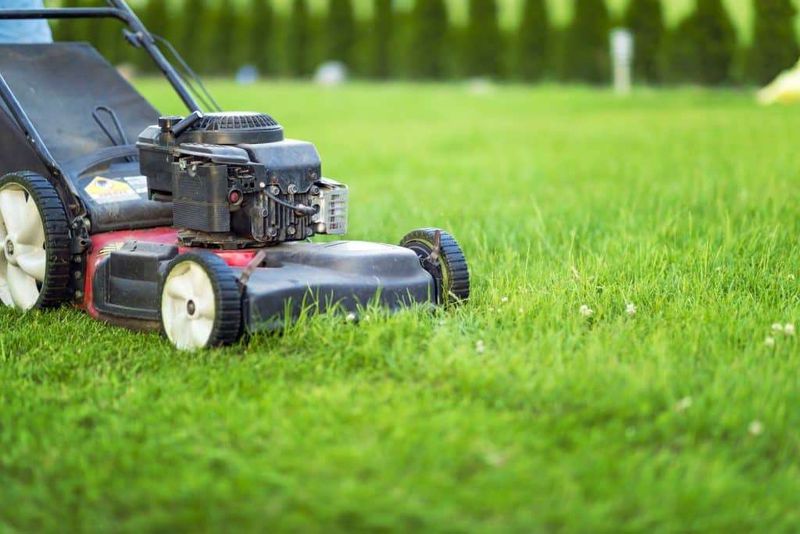
A small tweak in September pays off months later. NC State Extension suggests raising the mowing height of Bermuda that is not overseeded by about half an inch in fall.
Timing depends on where you live. In the Piedmont, aim for mid to late September.
In the Coastal Plain, late September to mid October fits better, ahead of the first expected frost.
Why bother? The extra leaf area helps the grass store food before dormancy.
It also leaves a slightly thicker canopy over the crowns when cold weather arrives.
Zoysia benefits from a similar approach. Keeping it at the upper end of its normal range in fall supports winter hardiness, especially in shady spots where it already struggles.
Most mowers make this easy. A lever near each wheel or a single deck adjustment does the trick in seconds.
Measure from a flat surface to the blade to be sure.
I mark the date on my calendar every year so I do not forget. It feels like tucking an extra quilt on the bed before the first chilly night.
Your grass will not thank you out loud, but spring green-up tells the story.
5. Fall Fertilizer on Browning Bermuda Does More Harm Than Good
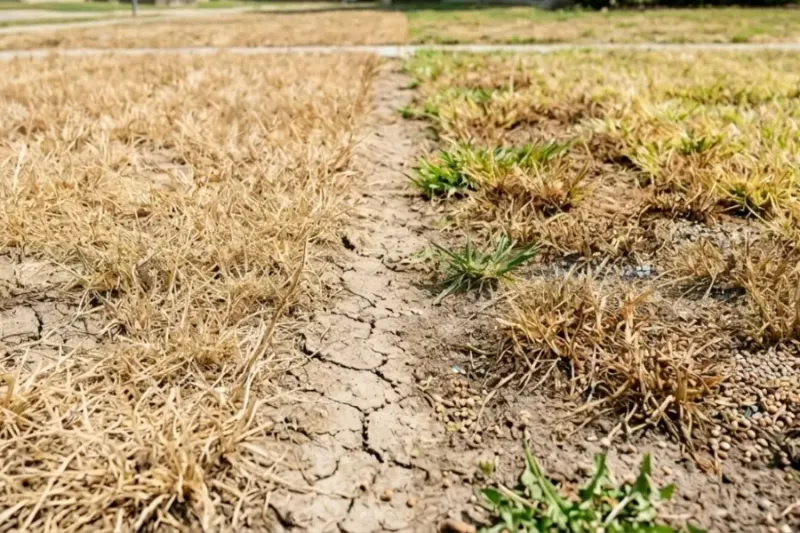
Plenty of folks reach for the spreader when the yard turns tan. It feels like the grass is hungry, but feeding it now can backfire.
NC State Extension advises against nitrogen on Bermuda and zoysia after about mid August to early September. Late nitrogen pushes soft new growth just as the grass should be hardening off.
That tender growth is more likely to suffer winter injury. Late feeding can also encourage large patch, a common fungal disease of zoysia that shows up as circular brown areas in fall and spring.
Potassium is a different story. If a soil test shows low potassium, a fall application can support winter hardiness.
The test, available through the NC Department of Agriculture, tells you exactly what your yard needs.
Soil test kits are free from your local Cooperative Extension office for much of the year. Fees apply during the busy season from roughly December through March.
My rule is simple now. If the grass is browning, the bag of nitrogen stays sealed until the lawn is fully green again in spring.
Your wallet and your turf both come out ahead with that kind of patience.
6. Heavy Foot Traffic on Frosty Zoysia Leaves Tracks Into Spring
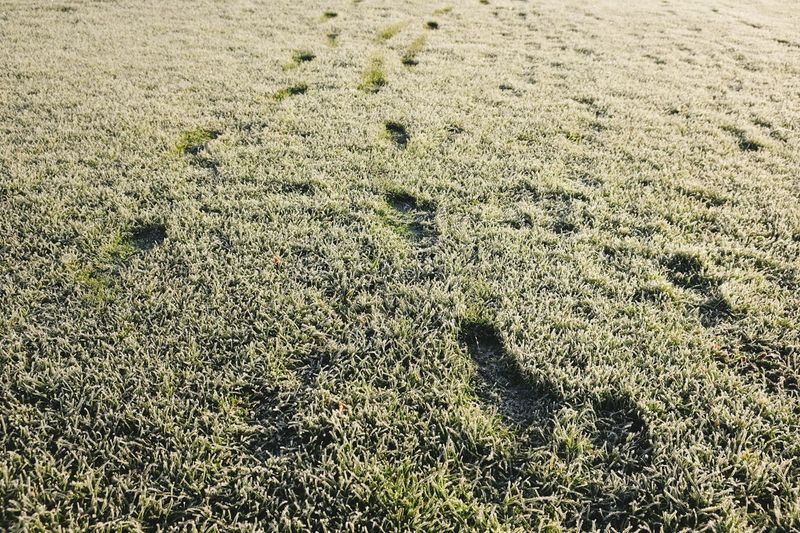
Ever notice dark footprints stamped across a frosty lawn? Those little prints can turn into brown, slow-to-recover spots later.
Frozen grass blades are stiff and brittle. When you step on them, ice crystals can damage the plant cells.
Dormant grass cannot repair itself until warm weather returns, so the injury lingers.
Repeated traffic also compacts the soil. Paths where kids, dogs, or delivery drivers cut across the yard often green up last in spring.
A few easy habits help. Wait until frost melts before walking across the lawn.
Use stepping stones or a mulched path for routes people take every day.
Parking cars, trailers, or heavy equipment on dormant turf is another common problem. Grass under that weight has little chance to bounce back before April.
Bermuda recovers from wear faster than zoysia once it is growing. Zoysia spreads slowly, so damage on that grass can take a whole summer to fill in.
I started keeping a small stack of pavers by my back gate for the dog’s favorite route. It looks tidy, and the grass on either side greets spring in much better shape.
7. Spring Scalping Clears Brown Bermuda Thatch for Faster Green-Up
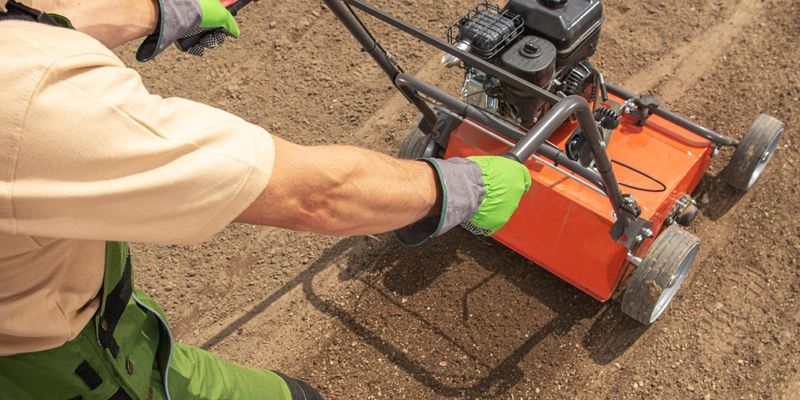
Spring is when the mower gets its big moment. Once Bermuda shows the first green shoots and frost danger has mostly passed, a low cut called scalping can help.
Scalping means mowing lower than normal to remove the old brown leaves. For Bermuda, NC State Extension suggests cutting to about half an inch to one inch.
Bag the clippings so they do not add to thatch.
Removing that tan layer lets sunlight warm the soil. Many people notice a quicker, more even green-up afterward.
In much of the Piedmont, this usually lands around late March or April. Coastal lawns may be ready a bit earlier, and mountain yards a bit later.
Zoysia needs a lighter touch. Lower it only slightly below the usual height, rather than scalping hard.
Zoysia recovers slowly, and an aggressive cut can set it back.
Do not scalp too early. A late frost after scalping can injure fresh green tissue.
Personally, I love this chore. A yard of brown fluff turns into a clean slate in an afternoon, and within a couple weeks you see the payoff.
8. Sharp Mower Blades Keep Bermuda and Zoysia Lush All Summer
Winter is the perfect time to get your mower ready for the season that really counts. Once the grass wakes up, good habits keep it thick and green.
Follow the one-third rule. Remove no more than one third of the blade height in a single mowing.
Cutting more stresses the grass and can turn tips brown.
NC State Extension lists Bermuda heights of about 1 to 2 inches with a rotary mower. Zoysia does well around 1 to 2 inches too, a bit higher in shade.
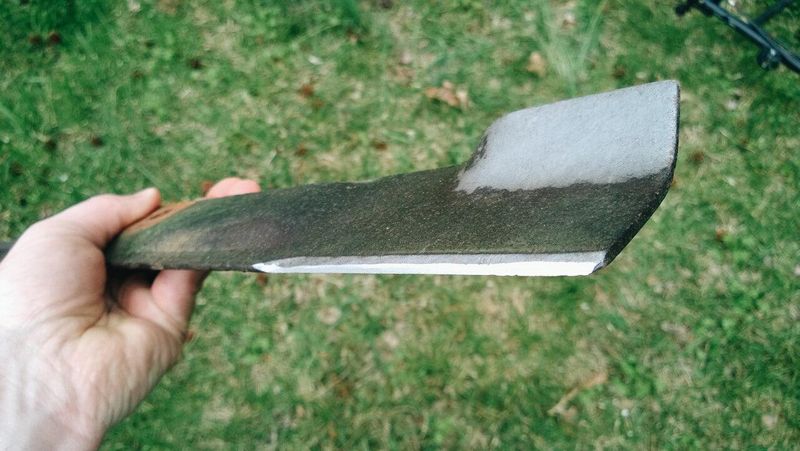
Zoysia blades are tough and wiry. A dull blade tears them and leaves ragged, brownish tips.
Sharpen your blade at least once or twice a season, or more if you mow often.
Leave clippings on the lawn when they are short. They break down quickly and return nutrients without causing thatch problems.
The biggest takeaway is to mow when the grass grows and rest when it rests. Brown Bermuda and zoysia need protection, not a trim.
I keep a little note taped to my mower that reads: green means go, brown means rest. It has saved me plenty of wasted fuel and plenty of worry.