8 Vegetables Texas Gardeners Should Still Be Planting in November
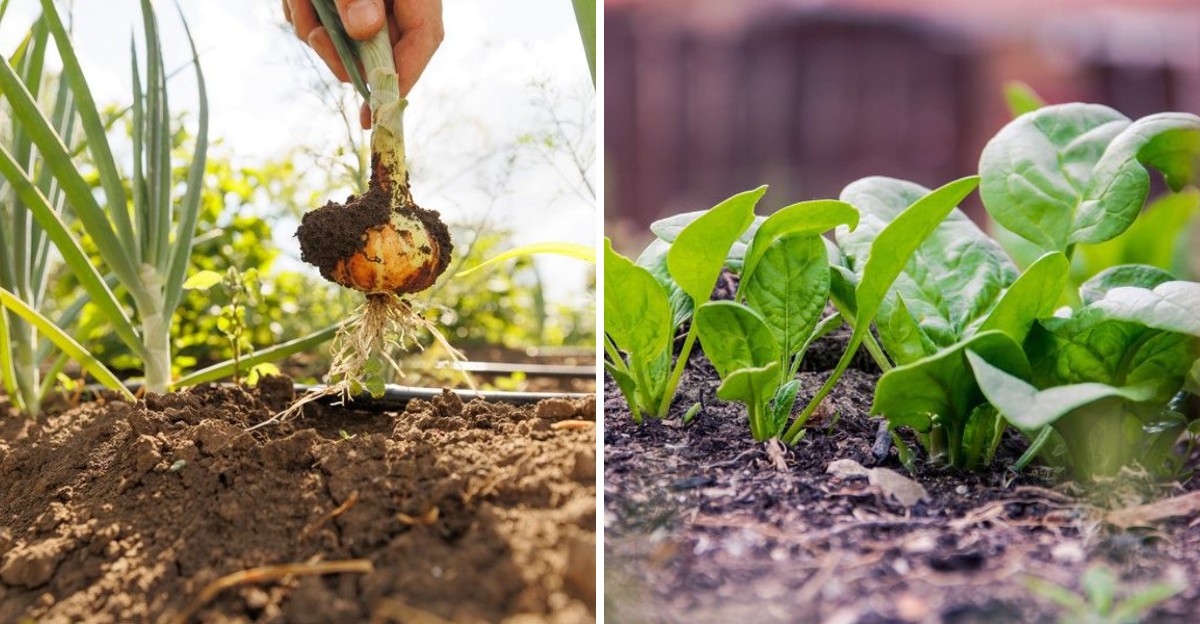
One famous Texas sweet bulb carries a number for a name, and that number is its ideal planting date. Breeders chose the name 1015 because mid-October is when growers in the Valley start sowing their seed.
I find it fascinating that a calendar date can sneak into a vegetable name like that. It reminds me that timing matters in a cool-season garden as much as rich, healthy soil does.
You might be surprised by how many crops still welcome a seed packet once the heat finally breaks. Cooler nights here in Texas actually push several leafy and rooty favorites toward a noticeably sweeter flavor.
So why let your beds sit empty while the weather finally feels pleasant enough to linger outside? A late start might just give you the tastiest harvest you have pulled from the ground all year.
1. Carrots
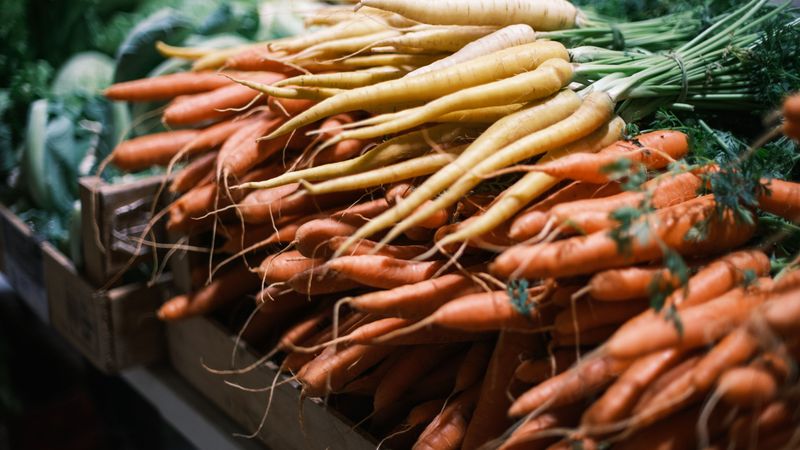
Long before orange became the standard, carrots grown in Central Asia were often purple or yellow inside. Pulling a crunchy, cold root from winter soil still feels like a tiny treasure hunt to me.
Cool weather is the secret here, since heat can turn roots bitter and woody instead of sweet. Seeds can go in through winter across most regions, so a late sowing fits right in.
Loose, sandy soil makes the biggest difference, because heavy clay or rocks cause forked and stunted roots. If your yard leans alkaline, Chantenay types handle shallow or tougher ground better than most.
Nantes varieties shine in sandy beds, while Danvers Half Long copes with heavier soil quite nicely. Sow seeds about a quarter to half inch deep, keeping them roughly one or two inches apart.
Germination can take ten to twenty-one days, which tests the patience of even seasoned gardeners like me. Keep the surface evenly moist the whole time, since a dry crust holds back tiny seedlings.
Thin the young plants to about two or three inches apart once they reach an inch or two. Go easy on nitrogen, because too much feeds leafy tops rather than the roots you want.
Most varieties mature in seventy to one hundred twenty days, so late winter and spring bring the main reward. Check the shoulders at the soil line, and pull when they look about as wide as your finger.
2. Spinach
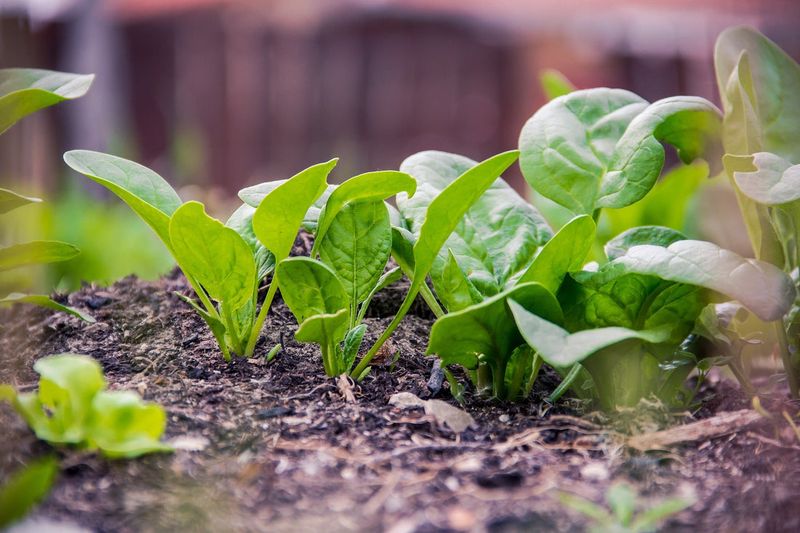
Spinach grows happiest when average temperatures hover between fifty and sixty degrees, which describes many winter afternoons down here. I love how its savoy leaves crinkle up like tissue paper, holding tiny drops of morning dew.
Long, warm days push it to bolt, sending up a flower stalk and turning leaves bitter fast. Planting now dodges that problem and gives you tender leaves well before spring heat returns.
Southern gardeners can sow from November through February, while northern areas start earlier and keep going into winter. Coastal growers often plant in October or November, then harvest from December through March.
Rich soil loaded with compost suits it best, and a pH between six and seven and a half works well. Work the bed about eight to ten inches deep before sprinkling in any seed.
A handy trick is soaking seeds in water inside the refrigerator for a day or two first. That little chill and soak can noticeably improve germination, which can be spotty with this crop.
Sow seeds half an inch deep, then thin seedlings to four to six inches apart after true leaves appear. A light nitrogen boost after thinning helps the plants leaf out quickly and stay vigorous.
Shallow roots mean steady watering matters, so aim for about an inch each week without soggy puddles. Keep an eye out for aphids under leaves, and expect your first harvest in roughly six weeks.
3. Kale
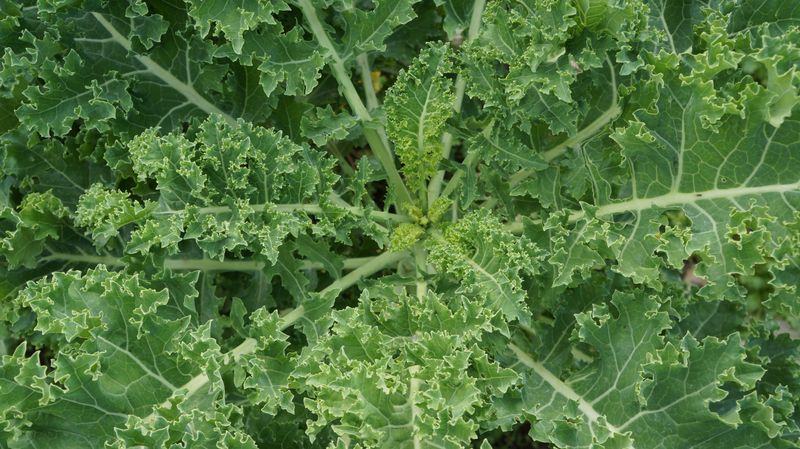
A light frost does something special to kale, nudging the leaves to taste noticeably sweeter. I have a soft spot for a frosty purple leaf glinting in the yard on a chilly December morning.
Unlike its cabbage cousins, kale skips the tight head and grows an open rosette of curly or flat leaves. Plants can reach two or three feet tall, which makes them surprisingly handsome in winter beds.
Most varieties handle cold down to around twenty degrees, so they can keep producing through milder winters. In areas where freezing nights are rare, transplants can go in anytime from September to February.
Transplants give you a head start, and they should sit about eighteen to twenty-four inches apart. Direct seeding works too, with three or four seeds sown half an inch deep in each spot.
Fertile soil enriched with compost or aged manure helps, and a pH near six and a half is ideal. Avoiding overly acidic soil can also help discourage clubroot, a soil disease that troubles cabbage family crops.
Give the bed about an inch to an inch and a half of water weekly during dry spells. A layer of mulch holds that moisture in place and keeps weeds from crowding your young plants.
Cabbage worms and aphids love kale, so spacing it away from broccoli and cabbage can reduce pest pressure. Pick the outer leaves first, and the center will keep pushing out fresh growth for months.
4. Lettuce
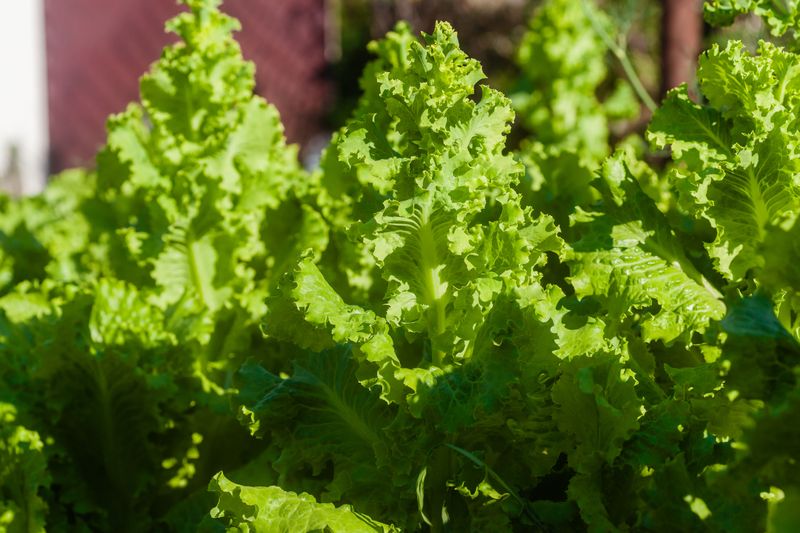
Fall lettuce has a crisp, almost juicy snap that store bags rarely match, and cool air deserves the credit. Temperatures between fifty-five and sixty-five degrees keep the leaves mild and pleasantly free of any bitterness.
What I find interesting is that a light frost can sweeten fall leaves even more. Warm spells above seventy or eighty degrees do the opposite, pushing plants to bolt and turn harsh.
Romaine, butterhead, crisphead, and loose leaf types all grow well here, each with its own texture and personality. Loose leaf kinds are the easiest for beginners, since you can snip leaves and let plants regrow.
Sow seeds just an eighth to a quarter inch deep, because they need some light to sprout well. Leaf lettuce can stand four to six inches apart, while heading types prefer about ten inches of room.
Deep, fertile soil with plenty of organic matter keeps leaves growing fast, and heavy clay benefits from compost. A pH between six and seven suits it, though highly acidic ground causes real trouble.
Steady moisture is the key to crisp leaves, so aim for about an inch of water each week. Mulch helps hold that moisture and keeps the soil cool during any surprise warm afternoons.
For a steady supply, sow a short row every two weeks instead of planting everything at once. Harvest early in the morning, when leaves are cool and crisp, for the best flavor in your salad bowl.
5. Radishes
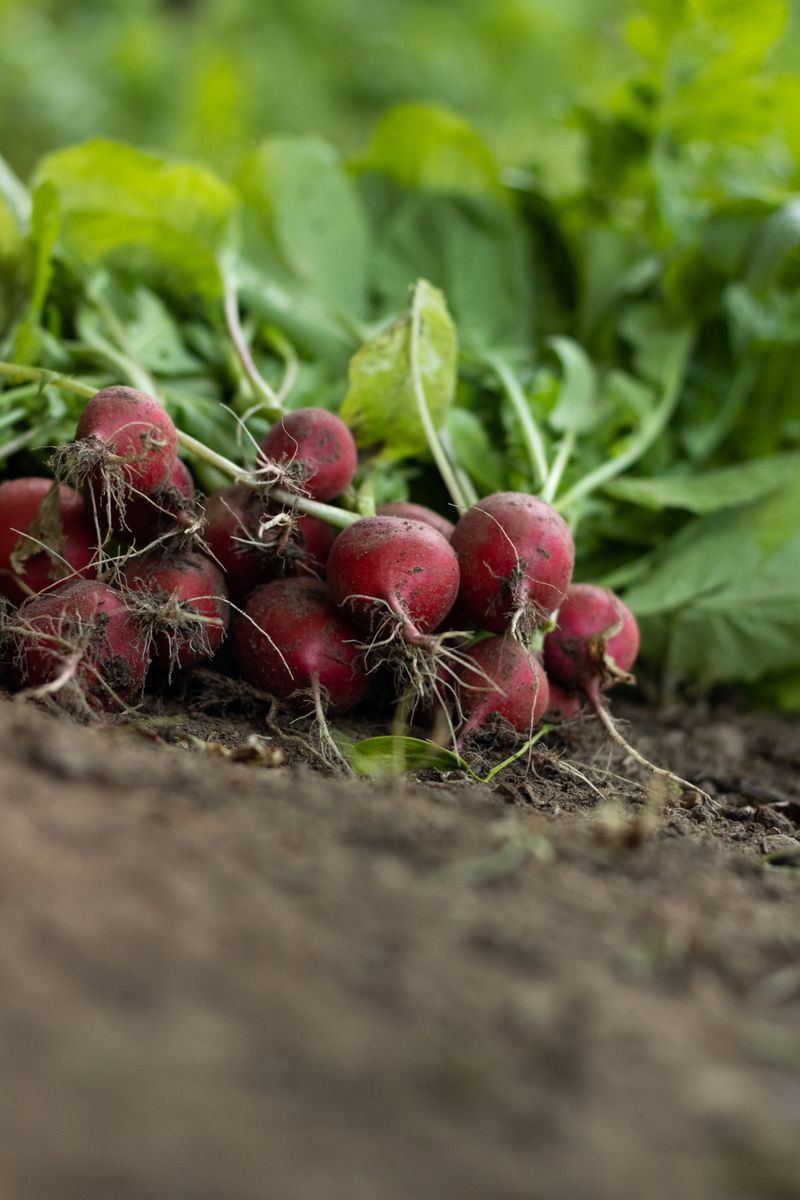
Radishes are the sprinters of the vegetable patch, and seeds can pop up in just three or four days. I still grin every time a row of tiny green loops breaks through the soil that fast.
Most varieties are ready to harvest in three to six weeks, which makes them perfect for impatient gardeners and kids. Cool weather between fifty and sixty-five degrees keeps them crisp, while heat makes them extra spicy.
Cherry Belle gives you classic round red roots, while daikon grows long and white with impressive size. Trying one familiar type alongside an unusual one makes harvest day feel like opening a surprise package.
Sow seeds directly a quarter to half inch deep, spacing them roughly an inch apart in rows. Thin to about two inches once seedlings are an inch tall, since crowded roots stay skinny.
Skip transplanting, because moving radishes disturbs the developing root and leads to poor shapes. Loose, sandy soil works best, letting each root swell evenly without bumping into hard clods of dirt.
Consistent moisture keeps flavor mild and texture tender, so water regularly without drowning the bed. Floating row covers are a smart move, since flea beetles and root maggots enjoy these crops too.
Sow a fresh batch every few weeks, and you can enjoy a steady supply through the cooler months. Pull them promptly when ready, though, because roots left too long turn pithy and woody.
6. Beets
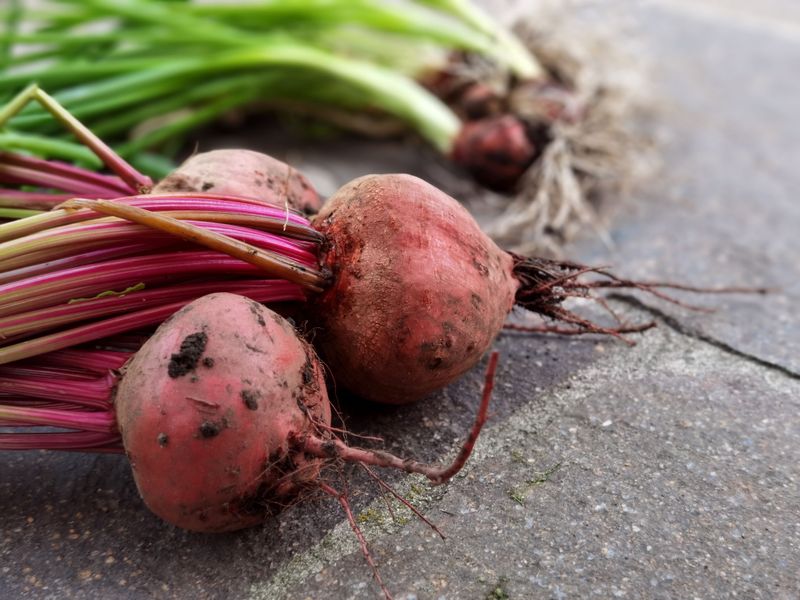
Every wrinkly beet seed is actually a tiny cluster holding three or four seeds packed together. That quirk explains why seedlings pop up in little bunches, almost like they decided to grow as families.
Beets give you two crops in one, since the leafy greens are tasty long before the roots finish. Greens can be ready in about thirty-five days, while roots usually take fifty to seventy days.
Daytime temperatures in the low to mid sixties are ideal for root growth, which suits this time of year nicely. The plants can also tolerate frost, so a chilly night will not ruin your bed.
Direct seeding is the way to go, because the taproot dislikes being moved around. Plant seeds about an inch deep, then thin seedlings to two or three inches apart for plump roots.
Would you rather grow a big bowl of tender greens instead of chunky roots this winter? Leave the seedlings unthinned and snip young leaves as they grow, letting the plants keep producing.
Loose, sandy loam free of rocks helps roots expand, and a pH from six to seven and a half works. Avoid acidic ground below six, along with beds where spinach or chard grew recently.
Steady moisture prevents woody or split roots, so water every ten to fourteen days during dry spells. Harvest while roots are still fairly small, because quick growth and early picking give the sweetest flavor.
7. Broccoli
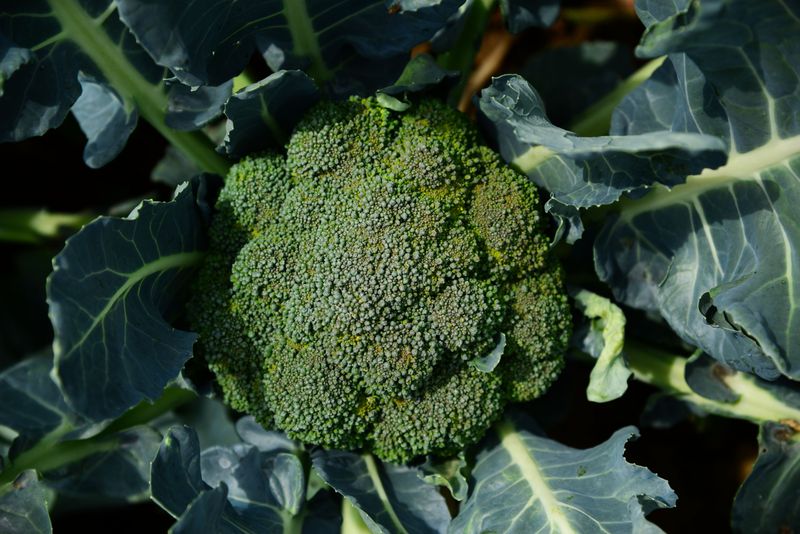
Chilly weather turns broccoli starches into sugars, so fall heads often taste sweeter than spring ones. Fun fact: the part you eat is a cluster of unopened flower buds waiting to bloom.
Timing matters a lot with this one, since seeds need one hundred days or more to produce. For a November planting, I would grab healthy transplants, which reach harvest in about fifty to sixty days.
Southern and central gardeners have the easiest time with late planting, thanks to milder winters there. In colder northern spots, a sturdy row cover helps young plants ride out the hardest freezes.
Space transplants eighteen to twenty-four inches apart, since mature plants spread nearly two feet wide. Give them a spot with six to eight hours of direct sun for strong, dense heads.
Rich, well-drained soil with plenty of compost works best, ideally with a pH between six and seven. Loosen the bed ten to twelve inches deep so roots can stretch out and feed well.
Feed with a balanced fertilizer, then side-dress during growth to keep plants pushing out leaves and heads. Keep soil evenly moist but not soggy, and watch for caterpillars munching holes in the foliage.
Cut the main head while the buds stay tight, before any yellow flowers start to open. Leave the plant standing afterward, because side shoots often follow and give you bonus harvests for weeks.
8. Onions
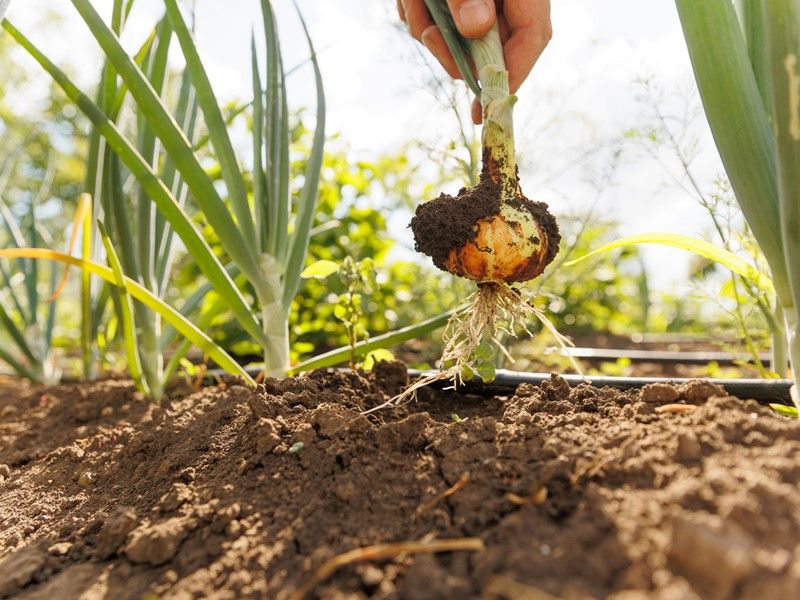
Onions are surprisingly picky about daylight, and that detail decides whether you get a fat bulb or a skinny stalk. Short-day types start bulbing with roughly ten to twelve hours of light, which fits Texas winters well.
Long-day varieties sold up north struggle to bulb properly here, so read the label before buying. Northern gardeners can also succeed with intermediate types like Candy, which bulb with slightly longer days.
Granex, Red Creole, and the famous 1015 SuperSweet are classic short-day picks for southern gardens. Valley growers usually set transplants in October or November, while central areas keep planting through January.
Plant sets or transplants about an inch deep, spacing them three to six inches apart in rows. The top of each bulb should sit right at the soil surface, so avoid burying them too deep.
Loose, well-drained soil lets bulbs swell freely, while heavy clay squeezes them into small, tight shapes. Work the bed eight to ten inches deep and clear out rocks before planting day arrives.
These hungry plants appreciate regular feeding, and fertilizer with phosphorus supports strong bulb development. Shallow roots need steady, deep watering, especially when dry, windy weather sweeps through the region.
Pull weeds often, because onions dislike competition and their thin leaves cast very little shade. Thin crowded rows when plants reach six inches tall, and enjoy the extras as tender green onions.