10 Texas Native Perennials That Survive Both Drought and Freezes
My garden survived a July that felt like an oven and a February that froze the birdbath solid. A handful of tough plants shrugged off both disasters and bloomed again like nothing had happened at all.
Texas weather loves to test gardeners with blazing drought one month and icy blasts the next month. I lost plenty of pretty imports that way, and my wallet still remembers every single one of them.
Native perennials play by different rules here, and they have handled these wild swings for thousands of years. Early fall in Texas is a smart moment to plant them, with warm soil and cooler air ahead.
I believe the ten picks below can turn a stressed yard into a lively spot for hummingbirds and bees. Your water bill and your weekend plans will both feel much lighter by the time next summer rolls around.
1. Autumn Sage
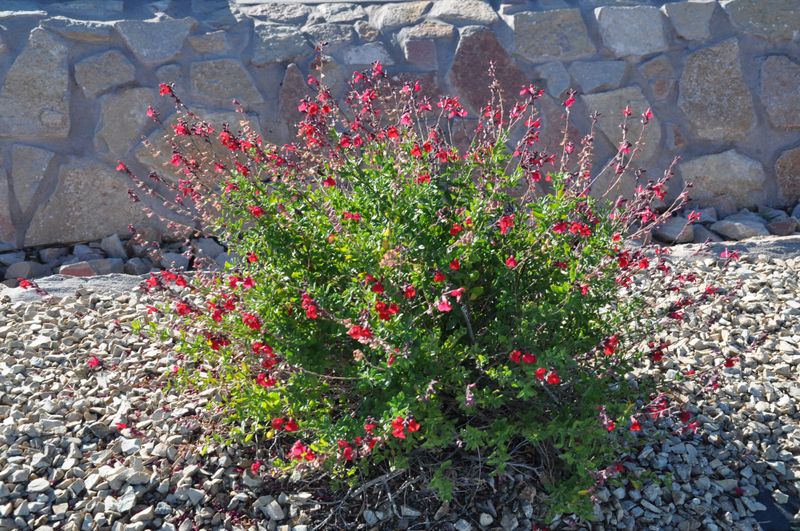
Hummingbirds treat my autumn sage like a roadside diner, zipping in for nectar the moment the morning light hits. Right now in early October, the plant often puts on its showiest flush of bright red or coral blooms.
Its botanical name is Salvia greggii, and it grows wild on rocky slopes across the Trans-Pecos and Edwards Plateau.
Those harsh native hillsides explain a lot about why this shrubby perennial handles neglect so gracefully in home gardens.
Most plants reach two to three feet tall and wide, forming tidy mounds of small, fragrant leaves. Brush the foliage with your hand and you will catch a sharp, minty scent that lingers on your fingers.
Once established, autumn sage needs little extra water and handles long dry spells better than many nursery favorites.
Extension experts rate it hardy to about USDA Zone 6, so typical winter freezes rarely cause serious trouble.
In colder spots, some stems may freeze back, but fresh growth usually pushes out from the woody base in spring. Wait until late winter to trim, and leave the old stems as a little shelter until then.
Drainage matters more than fertilizer with this plant, since soggy clay can rot the roots during wet winters. Rocky or sandy soil in full sun suits it best, and alkaline ground does not bother it one bit.
Plant a few now while the soil stays warm, and the roots will settle in before cold weather arrives. By next summer, you should have a tough little shrub buzzing with butterflies and bees on hot afternoons.
2. Blackfoot Daisy
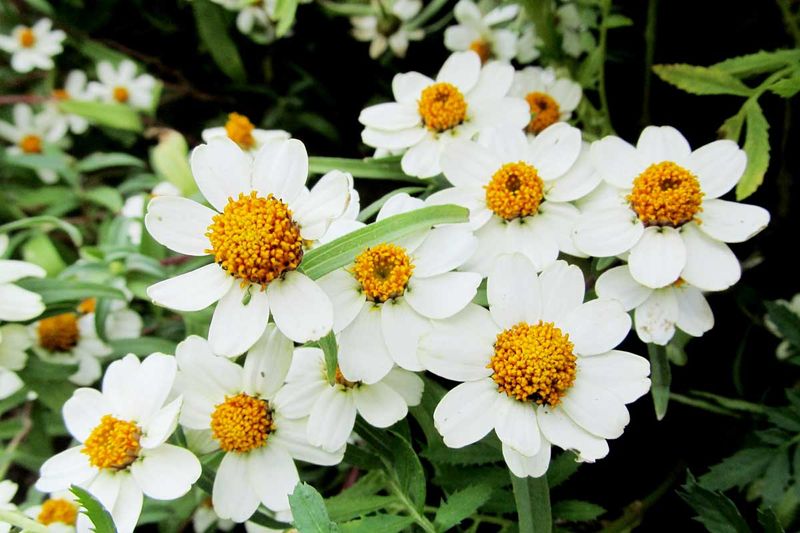
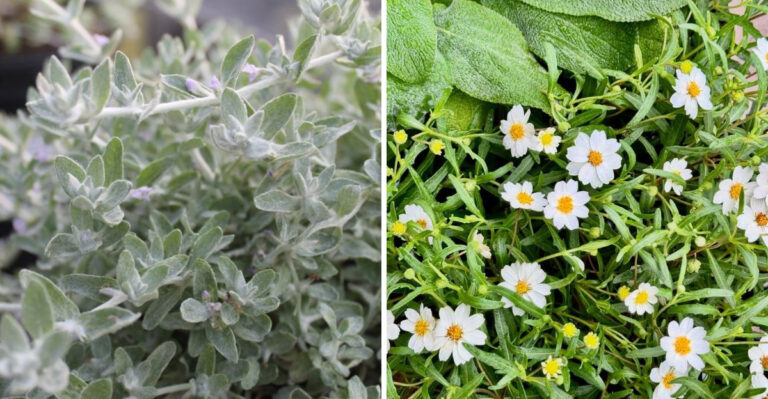
A plant barely a foot tall should not smell like honey, yet blackfoot daisy fills the air with sweetness. Lean close on a warm afternoon and the tiny white flowers release a scent that surprises nearly everyone.
Each bloom has bright white petals around a sunny yellow center, and the mound can carry dozens at once. Flowers often keep coming from spring into late fall, giving your October beds a fresh, cheerful sparkle.
Native to limestone hills and desert flats, this little perennial evolved to handle baking sun and stingy rainfall. In fact, too much water and rich soil cause more trouble than drought, often leading to sudden root rot.
Cold weather rarely worries it, as the plant is listed as hardy to roughly USDA Zone 5 or 6. Its woody base holds up through freezes, and new leaves usually return once warmer days settle back in.
Personally, I love tucking it into gravel paths and the hot strip beside my driveway where nothing else lasts.
Reflected heat from concrete seems to make it happier, which still makes me laugh every single July afternoon.
Native bees and small butterflies visit often, and deer usually leave the fuzzy, gray-green leaves alone. Skip the fertilizer and mulch with gravel instead of bark, because damp mulch around the crown invites rot.
Fall planting works well, as long as the spot drains fast after heavy rain and gets plenty of sun. Give it a season to settle, and this tiny shrub will reward you with blooms for many years.
3. Eastern Purple Coneflower
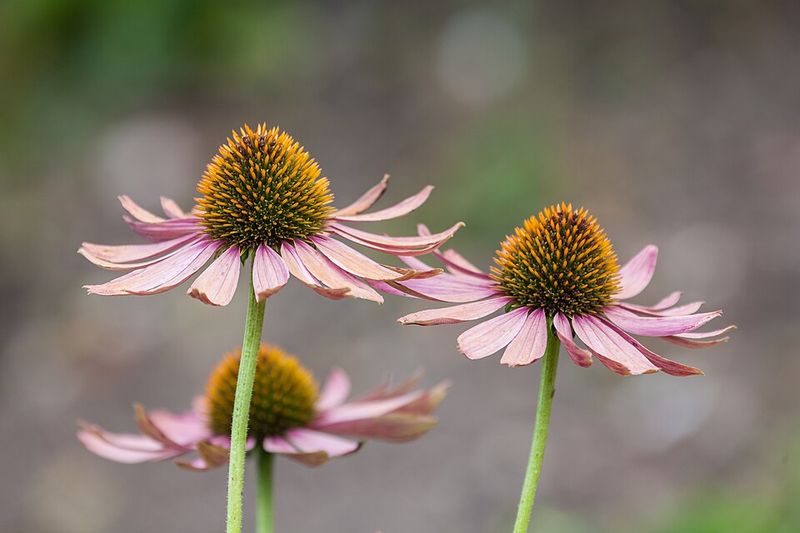
Goldfinches have a funny habit of perching on coneflower heads and plucking seeds like kids raiding a candy jar.
Leaving the spent blooms standing this October gives you a free bird show right outside the kitchen window.
Echinacea purpurea grows naturally in the eastern part of the state, mostly in open woods and prairie edges.
Its rosy purple petals droop gently around a spiny, coppery cone that butterflies can grip easily while feeding.
Plants typically reach two to four feet tall, blooming heavily in early summer with scattered flowers into fall. Deadheading during the season can stretch the show, but stop by autumn so the seeds can feed wildlife.
Winter cold is no problem here, since this coneflower is hardy all the way down to USDA Zone 3. The leaves fade back in winter, and the deep roots wait patiently underground for spring warmth to return.
Drought tolerance improves a lot after the first year, once the thick roots reach deeper soil moisture. During that first season, water deeply every week or two instead of giving quick, shallow sprinkles each day.
Full sun to light afternoon shade works best, especially in hotter western areas with long, scorching summers.
It handles average soil, including some clay, but heavy, waterlogged ground can cause crowns to rot in winter.
I like planting coneflowers in early fall, because cooler nights help new roots grow without heat stress. Pair them with native grasses, and you will create a small prairie patch that buzzes with bees next year.
4. Four-Nerve Daisy
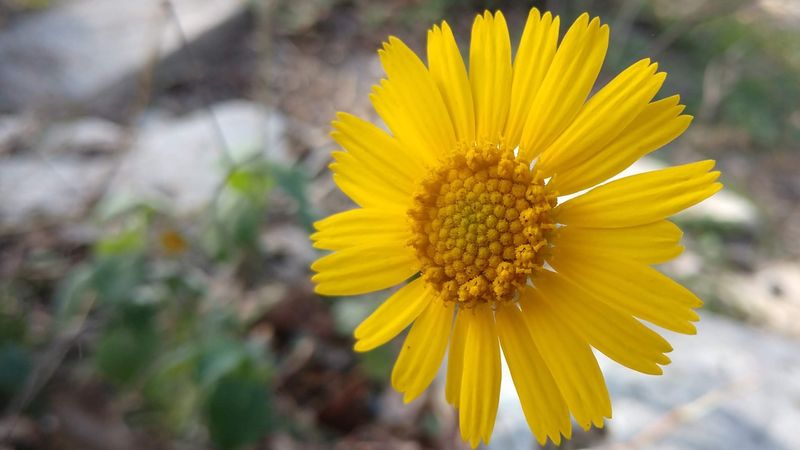
Few flowers bloom in January, but four-nerve daisy often tosses out sunny yellow blossoms during mild winter weeks. That stubborn cheerfulness makes it one of my favorite surprises when the rest of the garden looks tired.
The name comes from four faint veins running along each petal, and you can spot them if you look closely.
Botanists call it Tetraneuris scaposa, and it grows wild across rocky prairies and limestone hills in the state.
Each plant forms a tight clump of narrow, grassy leaves only a few inches tall, almost like a tiny tuft. Slender stems rise above the foliage, each holding a single golden daisy that sways in the slightest breeze.
Heat and drought hardly slow it down, and the evergreen leaves stay tidy through hard winter freezes too. Many sources list it as hardy to about USDA Zone 5, giving it plenty of cold toughness for most regions.
Sharp drainage is the real secret, because this daisy struggles quickly in soggy clay or heavy shade. Raised beds and gravelly slopes suit it nicely, and a sunny pot with gritty mix works well too.
Small butterflies and native bees stop by often, while deer and rabbits mostly ignore the bitter leaves.
Trimming old flower stems now and then keeps the clumps looking neat and may encourage fresh rounds of blooms.
October is a fine time to plant it, as the cooler air helps roots settle before winter arrives. Space several clumps along a path edge, and you will enjoy a soft ribbon of yellow for months.
5. Frogfruit
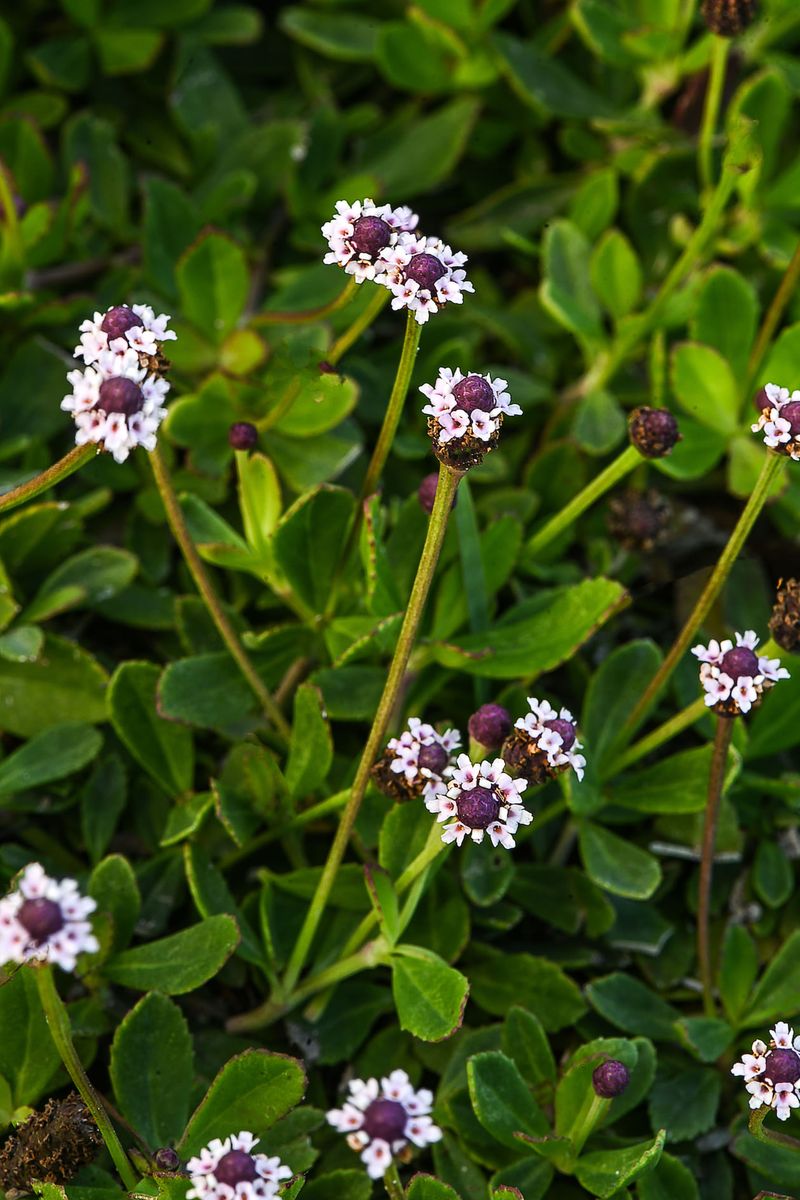
Your lawn may struggle after a long drought, but frogfruit keeps crawling along as if the heat meant nothing.
Tiny white flowers with purple centers dot the green mat, looking like miniature lollipops scattered across the ground.
Phyla nodiflora is a low groundcover native to much of the South, usually staying just a few inches tall. Its creeping stems root as they spread, quickly filling bare patches between stepping stones or along dry ditches.
Butterfly lovers have a special reason to grow it, since frogfruit serves as a host plant for caterpillars. Phaon crescents and white peacock butterflies lay eggs on the leaves, and the hungry larvae grow up right there.
Toughness is the main selling point because it handles long drought and even short bouts of flooding without much fuss.
Few groundcovers can switch between soggy and parched conditions with such an easygoing attitude, season after season.
Winter freezes usually turn the foliage brown or knock it back, but the roots stay alive below ground. Fresh green shoots return once spring warms the soil, so try not to panic over a dull winter look.
Full sun gives the most flowers, though frogfruit tolerates partial shade and many soils, including heavy clay. It can spread beyond its spot, so edge beds carefully if you want it to stay in one area.
Planting plugs in early fall lets the roots establish while temperatures cool and rain becomes more frequent. Set them about a foot apart, and you may have a living carpet by next summer.
6. Red Yucca
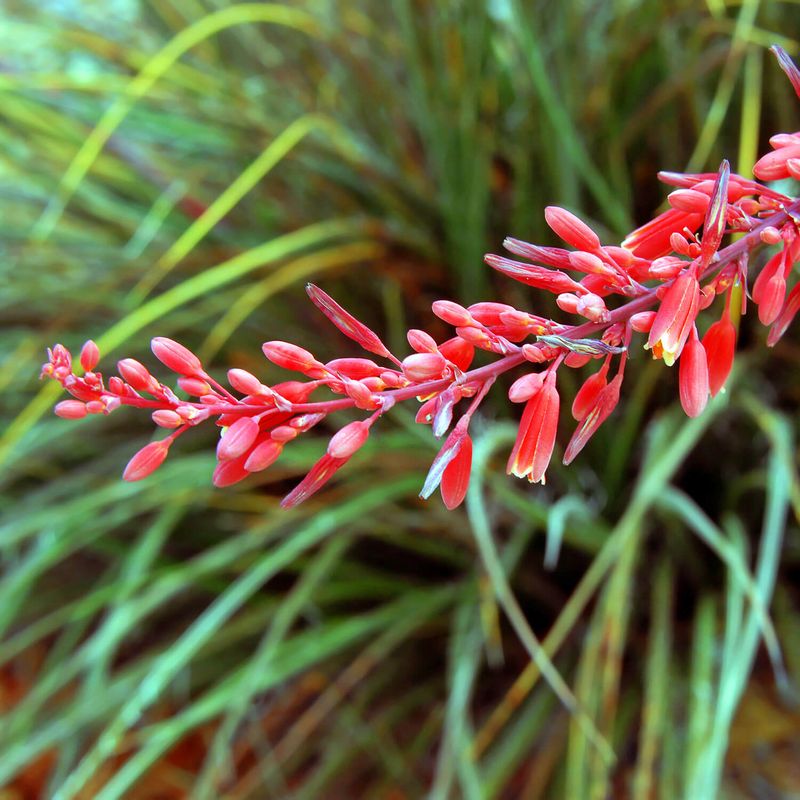
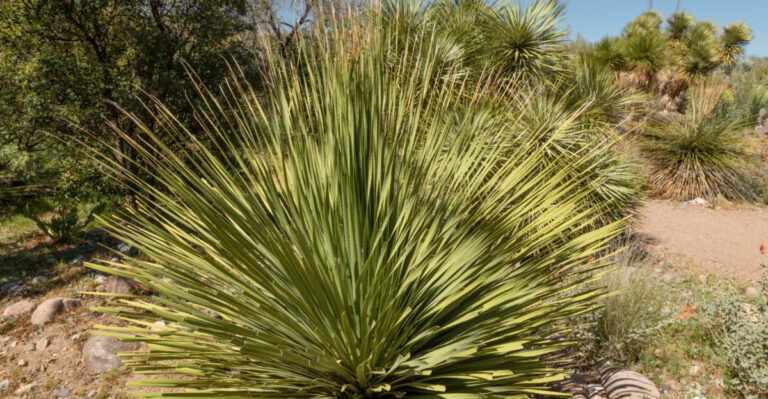
Despite the name, red yucca is not a true yucca, and its leaves carry no sharp tips at the ends.
Botanists call it Hesperaloe parviflora, a tough succulent from western and south-central regions of the state.
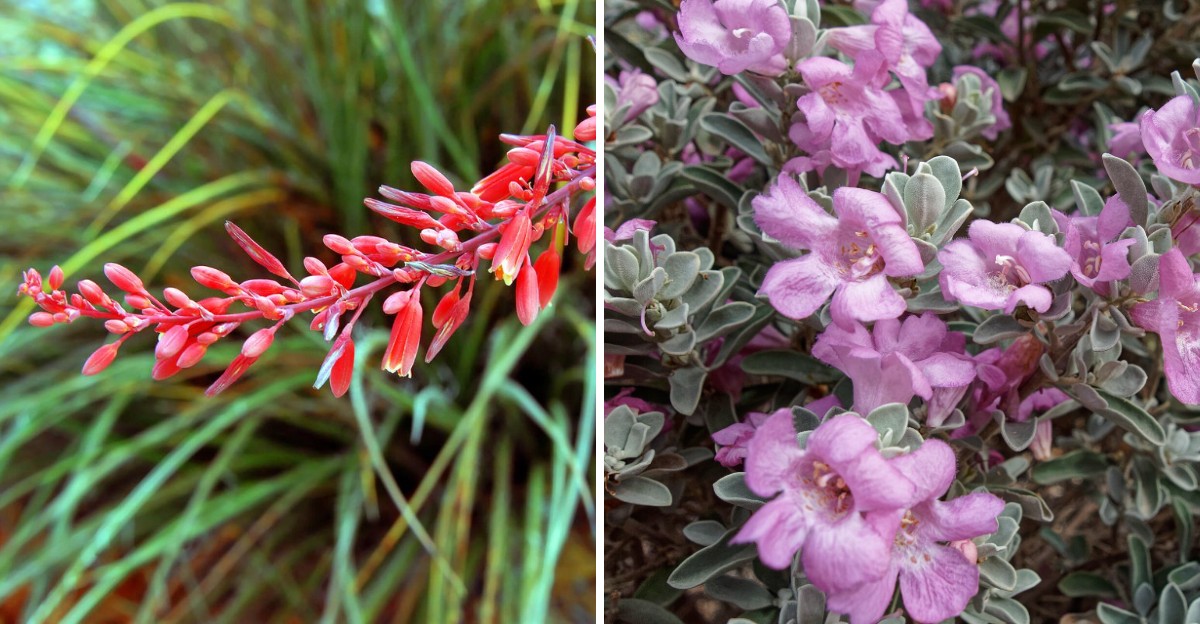
The plant forms a fountain of narrow, blue-green leaves about two to three feet tall with curly white threads. Those wispy fibers along the leaf edges add a fun, frizzy texture that catches the low autumn sunlight.
Tall flower stalks shoot up as high as five feet, holding coral or pinkish red tubular blooms for months. Hummingbirds visit constantly, and in mild areas a few flowers may linger into early fall around October.
Drought barely registers with this plant, since its thick leaves store water for long stretches without rain. It also handles cold surprisingly well, with many extension sources listing it as hardy to around USDA Zone 5.
In very cold snaps, the leaves may pick up purple or bronze tints, which I find rather pretty. Those colors usually fade back to green as warmer weather returns, with no harm done to the plant.
Plant it in full sun and fast-draining soil, because wet roots in winter cause far more trouble than heat. Spots near pavement or hot walls suit it well, and it needs almost no pruning beyond removing old stalks.
Deer may nibble the flower stalks in some areas, so a little fencing can help while blooms are forming.
Even so, the evergreen leaves give your yard sculptural structure all winter, when many other plants look bare.
7. Texas Lantana
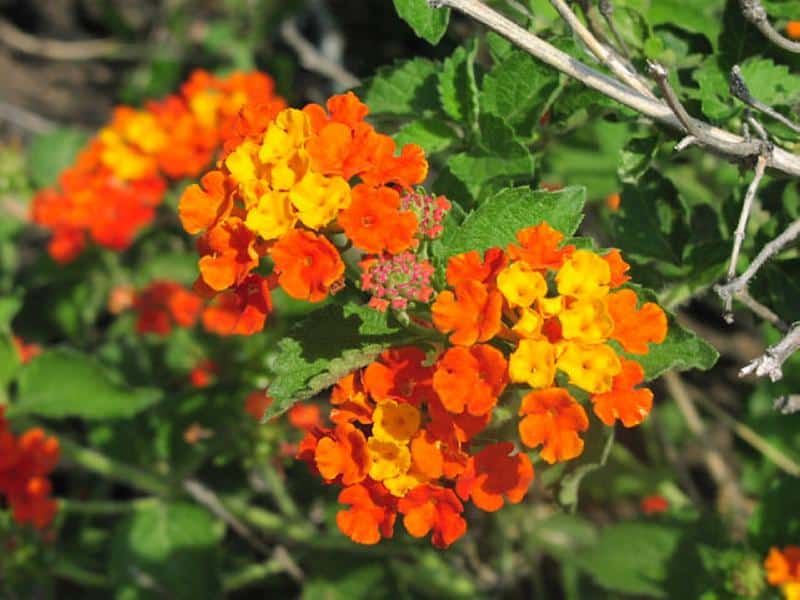
Each flower cluster on this native lantana looks like a tiny sunset, shifting from yellow to orange to red. Butterflies seem to agree with my opinion, crowding the blooms on sunny October afternoons like shoppers at a sale.
Lantana urticoides is the native species, and it differs from Lantana camara, a common ornamental that can spread aggressively.
Choosing the native one gives you all the color while supporting local wildlife and staying out of trouble.
Plants usually grow three to five feet tall and wide, with rough, fragrant leaves that deer mostly avoid. Many people notice a spicy, slightly pungent scent when brushing the foliage, so plant it where you can enjoy that.
Blooms often continue from spring until the first freeze, giving gardeners months of nonstop color and pollinator visits.
In fall, small dark berries may appear, and birds eat them, though people and pets should leave them alone.
Drought tolerance is excellent once roots settle, and hot, dry spells barely slow down the flowering. Winter freezes usually knock the stems back to the ground, yet the roots return strongly when spring warms up.
Leave the frozen stems standing through winter, then cut them back to a few inches in late winter.
This simple trim encourages bushy new growth and plenty of flowers during the following season’s long warm stretch.
Full sun brings the best show, and almost any well-drained soil works, from sandy loam to rocky caliche. Planting in early fall gives roots a head start, so the shrub looks fuller and blooms sooner next year.
8. Texas Sage
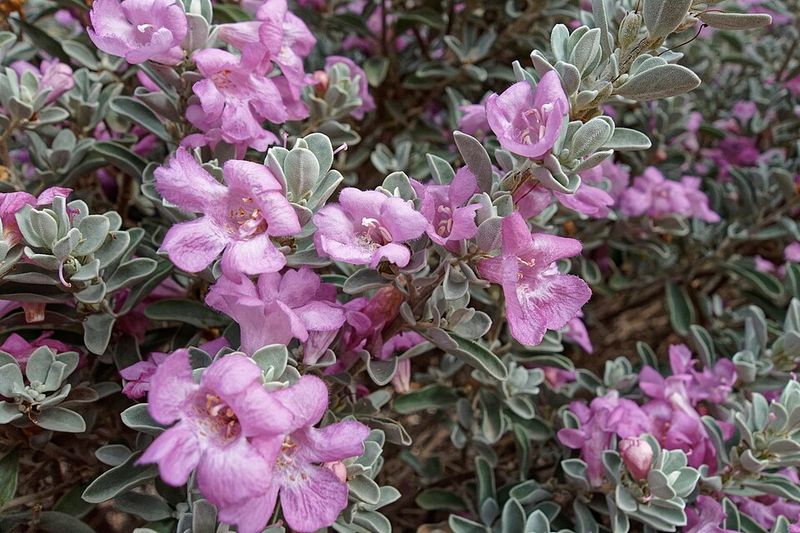
Old-timers call this shrub the barometer bush, because it often bursts into purple flowers right after a good rain. Humid air and moist soil seem to trigger the blooms, so it sometimes looks like it predicts the weather.
Its scientific name is Leucophyllum frutescens, and despite the common name, it is not a true sage at all.
The plant belongs to the figwort family and grows wild across the Chihuahuan Desert and nearby brushlands.
Soft, silvery leaves cover the branches, reflecting harsh sunlight and helping the plant save water during long droughts.
That pale foliage looks lovely next to dark green neighbors, giving your beds a cool, frosty glow even in heat.
Most plants reach four to six feet tall and wide, though compact cultivars stay smaller for tight spaces. It is evergreen in many areas and holds up to winter cold down to roughly USDA Zone 7 or 8.
Overwatering is the most common mistake, because soggy roots and heavy shade can make the shrub weak and leggy.
Full sun and lean, well-drained soil keep it dense, and fertilizer is rarely needed for healthy growth.
Personally, I prefer letting it keep its natural shape instead of shearing it into tight boxes or balls. Heavy shearing reduces flowering, so a light trim in late winter usually gives the best results.
Fall rains this time of year can spark a surprise flower show, so watch closely after a stormy week. Bees love the lavender blossoms, and deer usually skip the fuzzy leaves when tastier options are around.
9. Tropical Sage
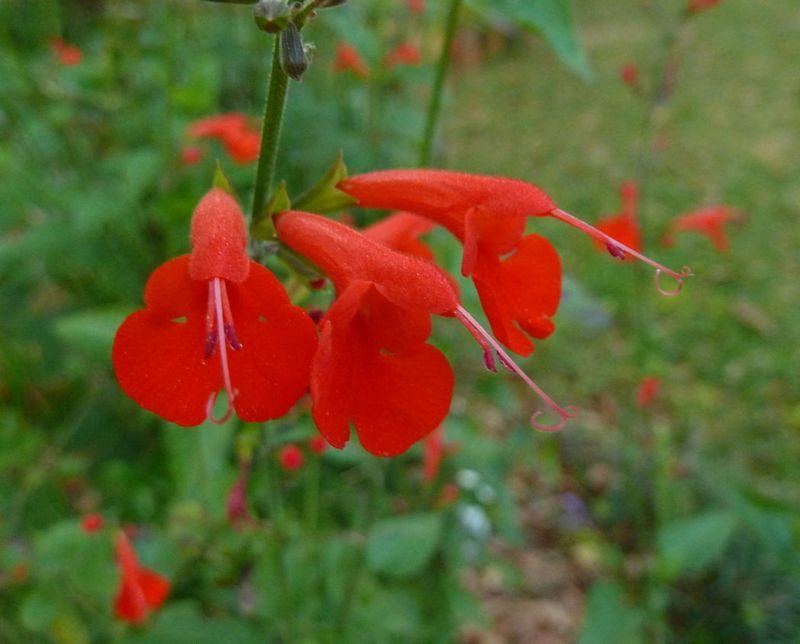
Some plants spread politely, but tropical sage scatters seeds like confetti and pops up in delightful new spots. I treat those volunteers like little gifts, moving them wherever my garden needs a splash of scarlet.
Salvia coccinea is native to the southern coastal areas of the state and much of the Southeast.
Its slender spikes carry bright red tubular flowers, though softer pink or white forms are also easy to find.
Hummingbirds adore those narrow blooms, and fall migrants often stop to refuel at them during October. Butterflies and native bees join the feast too, keeping the plant busy from morning until late afternoon.
Plants usually grow two to three feet tall, with heart-shaped leaves and blooms from spring until frost. It handles heat and dry spells well once established, though a deep drink helps during extended drought.
Hard freezes usually knock it to the ground, and in colder northern areas it may behave more like an annual. Even so, dropped seeds often sprout the next spring, so the plant tends to return one way or another.
In milder southern regions, the roots commonly survive winter and send up fresh shoots once temperatures climb.
Waiting until late winter to cut back old stems protects the crown and leaves seeds for hungry birds.
Full sun or light shade both work, and the plant adapts to sandy or clay soil with decent drainage. Scatter seeds or set out transplants this fall, and you could enjoy a bright red patch for years.
10. Turk’s Cap
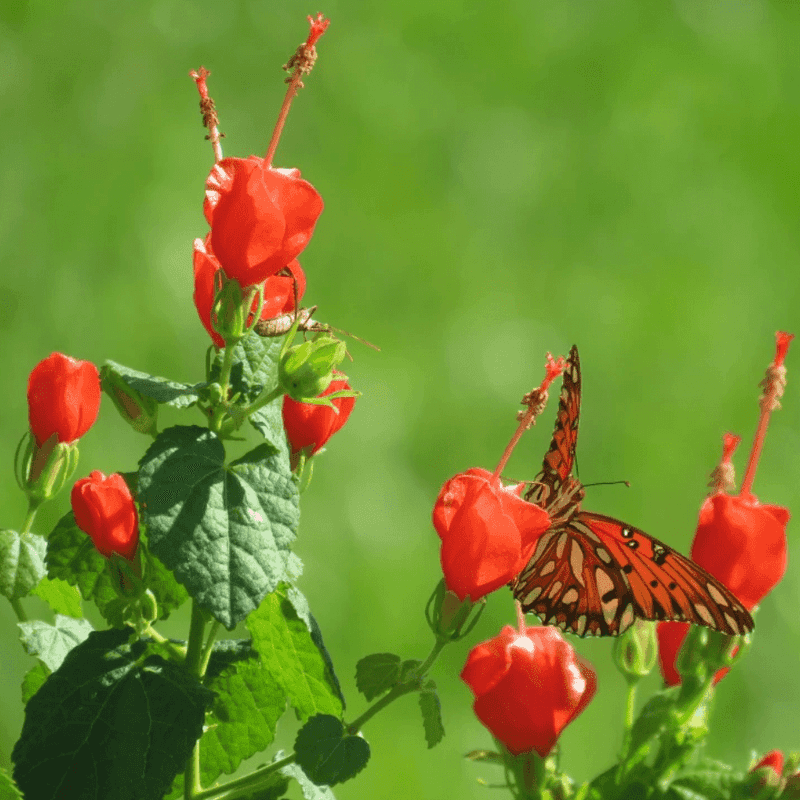
Turk’s cap flowers look like they forgot to finish opening, with red petals swirled tight like a tiny turban. Hummingbirds do not mind that odd shape at all, and they visit those blooms nearly all day long.
The native variety is Malvaviscus arboreus var. drummondii, a member of the mallow family related to hibiscus. Look closely and you will spot the long central column poking out, just like on a hibiscus bloom.
Flowers often appear from early summer into fall, so October gardens frequently still glow with bright red color.
Later, small red fruits form that taste mildly like apple, and birds and other wildlife happily eat them.
Shade tolerance makes this plant special, since it blooms well under trees where most flowering perennials struggle. It grows in full sun too, though the leaves look fresher with some protection from harsh afternoon rays.
Plants typically reach three to five feet tall and spread steadily by roots, forming loose colonies over time.
Drought tolerance is strong after establishment and it handles clay or limestone soils without much complaint at all.
Winter freezes often brown the stems, but the roots return reliably in spring across most of its range. Cut the old growth back close to the ground in late winter to keep the clump tidy and vigorous.
I believe it deserves a spot in every shady corner, especially when you crave color without extra watering. Plant it this fall, and next year’s hummingbirds will find your yard long before you spot them first.