The Mistake That Lets Field Mice Nest In Texas Garages Every Fall
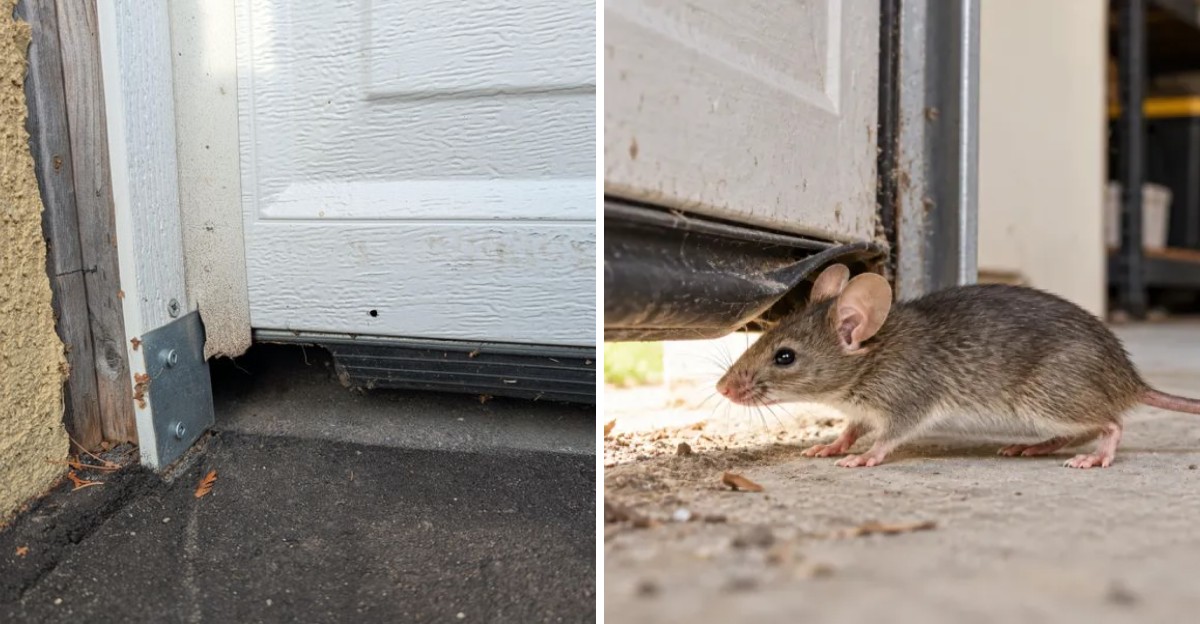
A mouse can squeeze through a gap about the width of a pencil. That tiny opening under your garage door might as well be a front gate with a welcome sign.
Here in Texas, the first cool fronts of fall send small critters hunting for shelter. Your garage offers dry corners, soft stuff to shred, and maybe a bag of birdseed or two. I can’t imagine a cozier setup from their point of view.
Personally, I learned this the hard way. A shredded seed packet and a pile of chewed cardboard told me I had company long before I saw a whiskered face.
You may think a spotless garage is safe. The real trouble usually starts with one small habit most of us repeat every single autumn. Can you guess which one it is?
That Little Gap Under Your Garage Door Matters More Than You Think
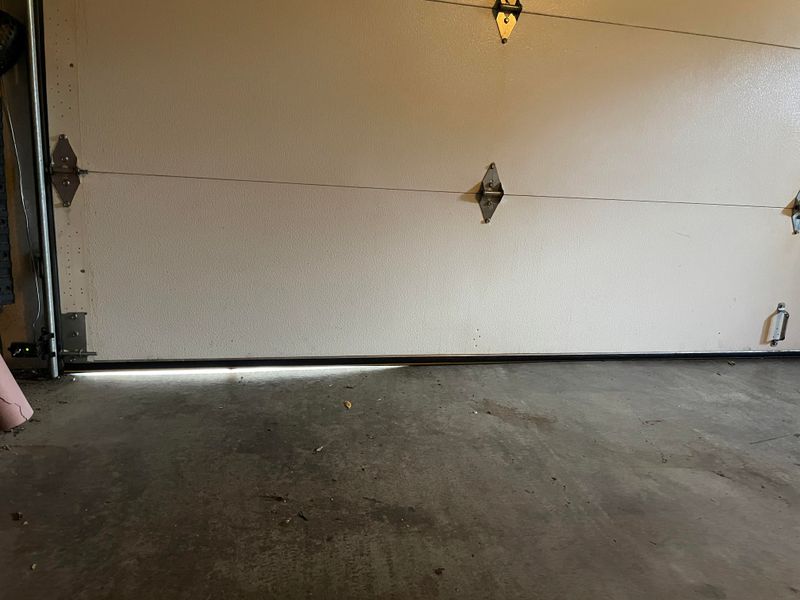
Most folks blame clutter or crumbs. The bigger mistake is simpler, and it happens at the door itself.
Worn garage door seals, cracked weatherstripping, and gaps along the side frames give mice an easy way inside.
University extension experts note that a house mouse can fit through an opening about a quarter inch wide. Native deer mice and white-footed mice, often called field mice, are similarly slim and flexible.
Texas heat is rough on rubber. Months of hot sun and baking concrete make door seals stiff, brittle, and cracked, often within a few years.
By fall, many seals have shrunk away from the floor, leaving thin daylight gaps you might not notice.
Try this quick test on a sunny afternoon. Close the garage door, turn off the lights, and look for light leaking around the bottom and sides. Anywhere you see a glow, a mouse could likely slip through.
Uneven slabs make it worse. Older driveways settle, so the door may touch the floor in one spot and float above it in another.
Fixing this one weak point solves more than any trap. It turns your garage from an open invitation into a locked room.
Replacing A Garage Door Seal Keeps Field Mice Outside
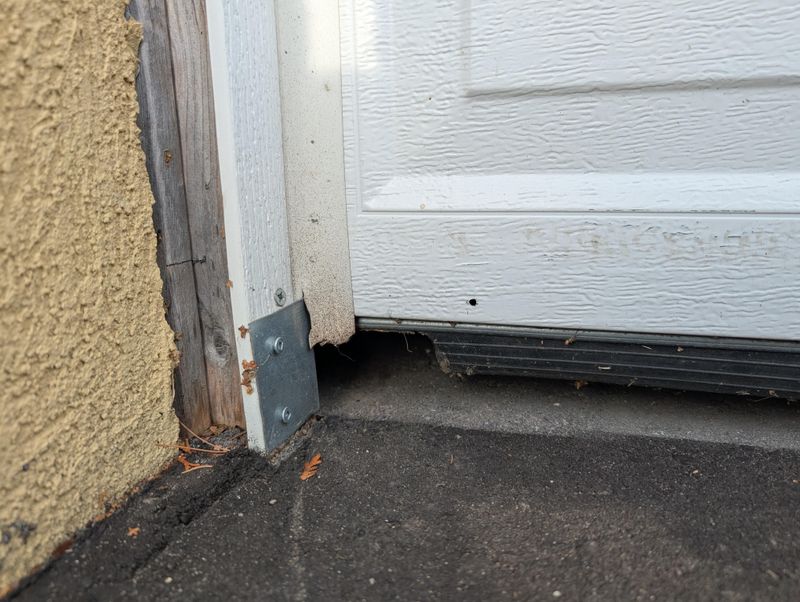
A new door seal costs less than a nice bag of potting soil. That makes it one of the best fall projects you can tackle in a single afternoon.
Start by checking which type of retainer your door uses. Many steel doors have a T-shaped or bulb-shaped track along the bottom, and the replacement strip slides right into it.
Bring a piece of the old seal to the hardware store so you match the shape. Side and top weatherstripping deserves attention too. Vinyl stop molding along the door frame often pulls away over time, and mice happily follow those edges inside.
For bigger trouble spots, add a threshold seal to the floor. These rubber strips glue to the concrete and fill dips where an uneven slab leaves a gap.
Some seals are made with rodent-resistant features, such as metal mesh or stiff vinyl. Regular rubber can be chewed, so stronger materials help in garages with steady mouse pressure.
Here is my favorite habit now. I check the seal every September before the first real cold front rolls in. A five-minute look saves weeks of cleanup later, and it helps keep your garage feeling like yours.
Steel Wool And Hardware Cloth Block The Sneaky Side Entrances
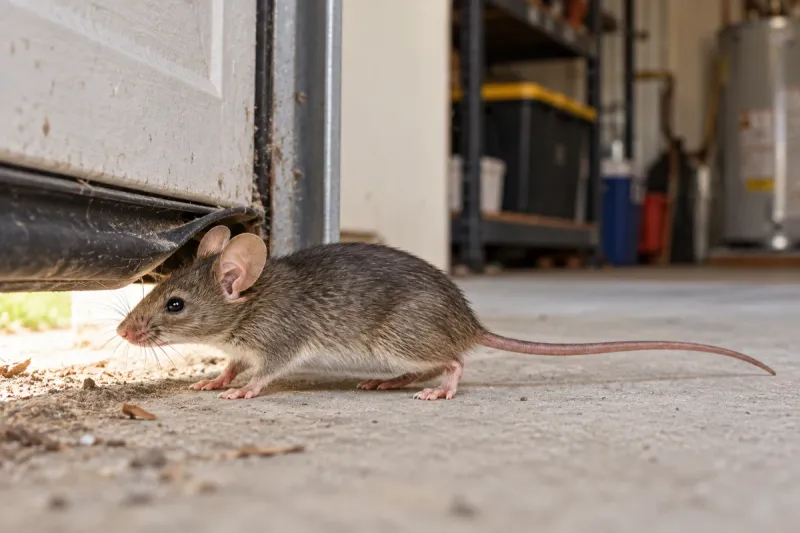
Mice rarely use just one door. Once you fix the big gap, the sneaky openings become the next battle.
Walk the inside and outside of your garage with a flashlight. Look around water pipes, electrical lines, dryer vents, and cable wires where they pass through walls.
Gaps in the foundation and corners where siding meets the slab are common trouble spots too.
Texas A&M AgriLife Extension and other university programs suggest sealing openings larger than about a quarter inch.
Steel wool or copper mesh works well for small holes because mice dislike chewing through it. Pack it tightly, then cover it with caulk or expanding foam to hold it in place.
Foam alone is a weak choice. Mice can gnaw right through it, so pair it with mesh for the best results.
For vents and larger openings, use quarter-inch hardware cloth secured with screws. It lets air flow while keeping whiskers out.
Copper mesh is a smart pick in humid areas like Houston or the Gulf Coast. Unlike steel wool, it tends to resist rust, so it stays sturdy much longer. A little effort here pays off for many fall seasons ahead.
Bags Of Birdseed And Pet Food Are A Free Buffet For Mice
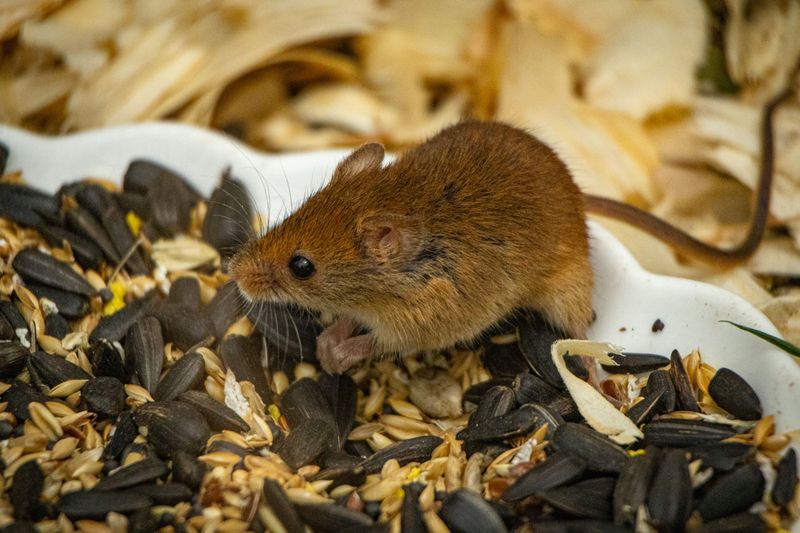
Ask any Texas gardener what lives in their garage. You will likely hear about birdseed, grass seed, dog food, and maybe a forgotten sack of corn for the deer feeder.
To a field mouse, that pile is pure gold. Deer mice and white-footed mice naturally eat seeds, grains, and nuts, so garden supplies match their menu perfectly. A single torn bag can feed a small family of mice for weeks.
Mice also hoard food. You might find sunflower seeds stashed inside boots, flower pots, or even an air filter in your car.
The fix is easy and inexpensive. Move edible items into hard plastic or metal containers with tight lids. Galvanized trash cans work wonderfully for big bags of feed or seed.
Clean up spills right away, especially after refilling bird feeders. A broom and dustpan kept nearby makes this habit painless.
Fruit, nuts, and vegetables from the garden deserve the same care. Pecans drying on a garage shelf in October can be a huge draw.
Without a pantry to raid, your garage becomes far less appealing. Mice may still wander by, but they rarely stay where meals are scarce.
Cardboard Boxes And Old Cushions Make Perfect Mouse Nests

A chewed corner on a cardboard box is often your first clue. Mice love to shred soft materials into fluffy nests, and garages are full of them.
Cardboard, newspaper, old towels, outdoor cushions, and fiberglass insulation all make great bedding. Patio cushions stored for winter are a favorite, since the foam stays warm and hidden.
Clutter on the floor gives mice safe paths too. They prefer to travel along walls and behind objects where predators like owls, cats, and snakes cannot spot them easily.
Swap cardboard boxes for clear plastic bins with snap-on lids. You can see what is inside, and mice cannot chew their way into most sturdy bins.
Lift storage off the ground with metal shelving. Leaving a few inches of space between shelves and walls makes it easier to spot droppings or nesting activity.
Bag up cushions, sleeping bags, and holiday fabrics in sealed totes. Toss old rags you do not need.
I like doing this cleanout on a cool October weekend. It feels good, frees up space, and takes away the cozy hideouts mice count on when the nights grow chilly.
Your Parked Car Can Become A Warm Mouse Hideaway

Mechanics across the country see this every fall and winter. A driver hears a strange noise or gets a warning light, and the culprit turns out to be a mouse nest.
A car engine stays warm for a while after you park. That makes the engine bay an appealing shelter, especially in a garage that already has mice. Air filter boxes and cabin air intakes are common nesting spots.
Chewing is the real worry. Rodents gnaw constantly to keep their teeth worn down, and wires, hoses, and insulation are easy targets. Damaged wiring can cause costly repairs and electrical problems.
Pop your hood now and then during fall. Look for leaves, seeds, shredded fluff, or droppings near the battery and filter housing.
Cars that sit for long periods face the most risk. A truck or classic car parked for weeks becomes a quiet, steady home.
Leaving the hood up on stored vehicles may help, since it removes the dark, sheltered feeling mice prefer. Most importantly, keep the garage itself sealed and clean. Protecting the building is the best way to protect what you park inside it.
Mouse Droppings Call For Careful Cleanup, Not A Broom
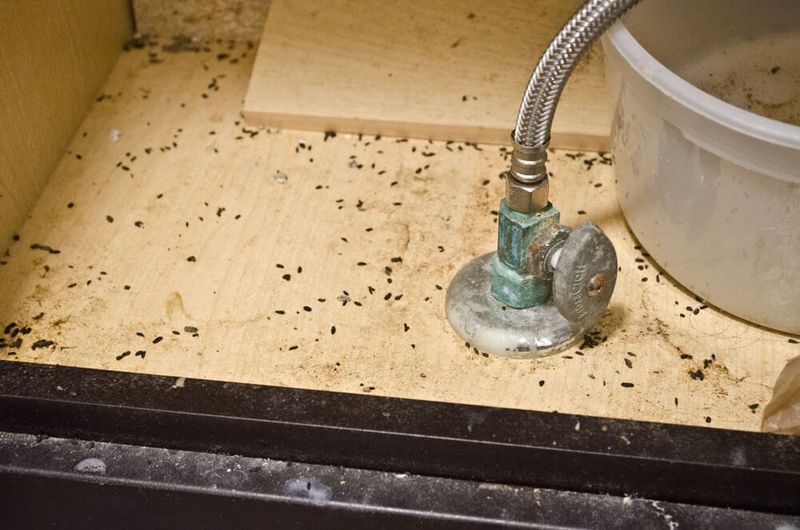
Sweeping up mouse droppings feels like the obvious move. Health experts strongly advise against it. Deer mice are the main carrier of Sin Nombre hantavirus in the United States, according to the CDC.
The virus spreads mostly when people breathe in particles stirred up from droppings, urine, or nesting material. Cases are rare in Texas, but they do occur, so caution makes sense.
Follow the CDC method instead. Open garage doors and windows for at least 30 minutes to air out the space. Put on rubber or plastic gloves before touching anything.
Spray droppings and nests with a disinfectant or a mix of one part bleach to ten parts water. Let it soak for about five minutes.
Wipe everything up with paper towels and seal the mess in a plastic bag. Mop or wipe the area again, then wash your gloved hands before removing the gloves.
Skip the vacuum and broom during this cleanup. Both can push tiny particles into the air. Mice can also carry fleas, mites, and bacteria like Salmonella. A careful cleanup protects your family, pets, and anything stored on those shelves.
A September Garage Checkup Keeps Fall Mice Moving Along

Timing is the quiet secret here. Mice start scouting for shelter as soon as fall cools things down, often by late September or October in much of Texas.
The Panhandle tends to cool off first, while South Texas and the coast may stay warm into November. Plan your checkup a few weeks before your area’s first real cold front.
Here is a simple routine I follow. Check the door seal, seal new gaps, move feed into metal cans, and clear cardboard off the floor. Then glance under the hood of any vehicle parked long-term.
Traps help catch the few that slip past. Snap traps placed along walls, with the trigger end facing the wall, work well and avoid poisons that can harm pets, owls, and hawks.
Outside, trim shrubs and move firewood away from the garage walls. Tall grass and woodpiles give field mice cover right up to your door.
Check traps daily and wear gloves when handling them. If activity stays high, call a licensed pest professional.
A little attention each fall goes a long way. Your garage stays clean, your car stays safe, and the mice head somewhere else.