7 Michigan Plants That Actually Like a Dry Fall Heading Into Winter
Some native prairie plants push their roots five feet or deeper, far below the dusty soil of autumn. That hidden plumbing lets them shrug off dry spells that leave thirsty hanging baskets looking sad and crispy.
Michigan falls can swing from soggy to parched, and soggy winter soil often troubles these tough plants more. Wet crowns sitting in cold mud can rot, while a drier lead-in helps many perennials harden off nicely.
I love walking my garden after a dry October week and spotting which plants still look proud. You may be surprised how many of the winners are tough natives that grew up right here in Michigan.
A few of them even reward you with seeds for winter birds and copper colors against the snow.
1. Little Bluestem
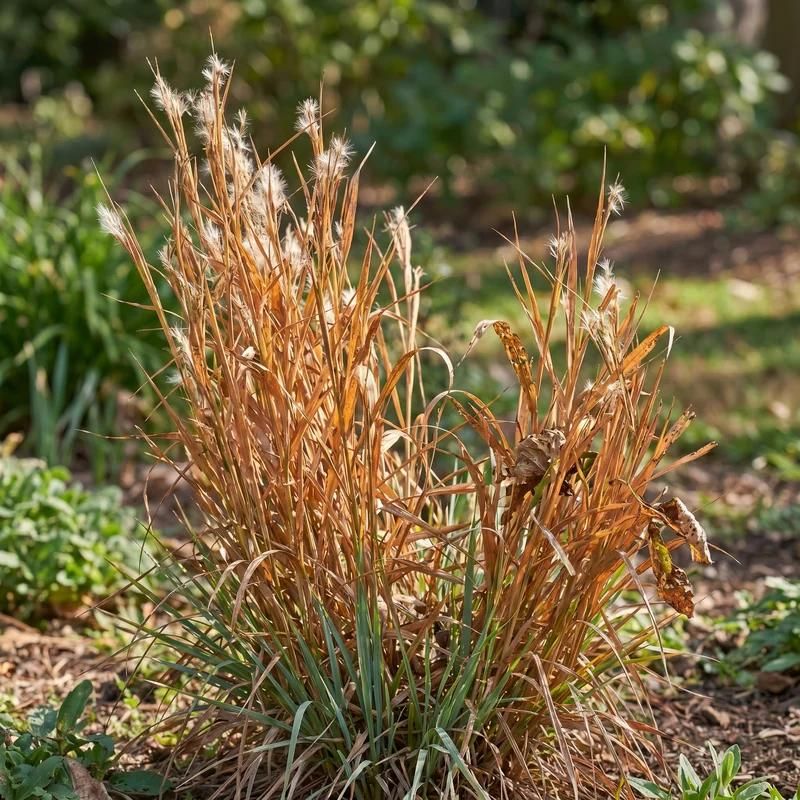
Few grasses blush like this one, turning from summer blue-green to rusty copper once the nights turn crisp. I love how the low autumn sun lights up those fluffy silver seed tufts like tiny glowing feathers.
Little bluestem, or Schizachyrium scoparium, is a warm-season bunchgrass native across much of the Great Lakes region. Plants usually reach two to four feet tall and stay in a tidy, upright clump about two feet wide.
Its roots dig several feet down, so a rainless autumn rarely bothers an established clump in your yard. Rich, wet soil is the bigger problem, since plants tend to flop over and lose their crisp upright shape.
Give it full sun and lean, well-drained ground, such as a sandy bed or a dry gravelly slope. Skip the fertilizer bag here, because extra feeding mostly leads to floppy stems and weaker fall color.
Newly planted clumps are different, so water them deeply every week or two until the ground finally freezes. Once they settle in after a season or two, you can mostly leave the watering to the sky.
Leave the stems standing all winter, because sparrows and juncos pick at the seeds when snow covers other food. The hollow stems may also shelter overwintering insects, which later become food for nesting birds in spring.
Cut the clump back to a few inches tall in early spring, before fresh green shoots poke through. In my yard, it pairs beautifully with purple asters, and the copper and violet combo looks like a painting.
2. Prairie Dropseed
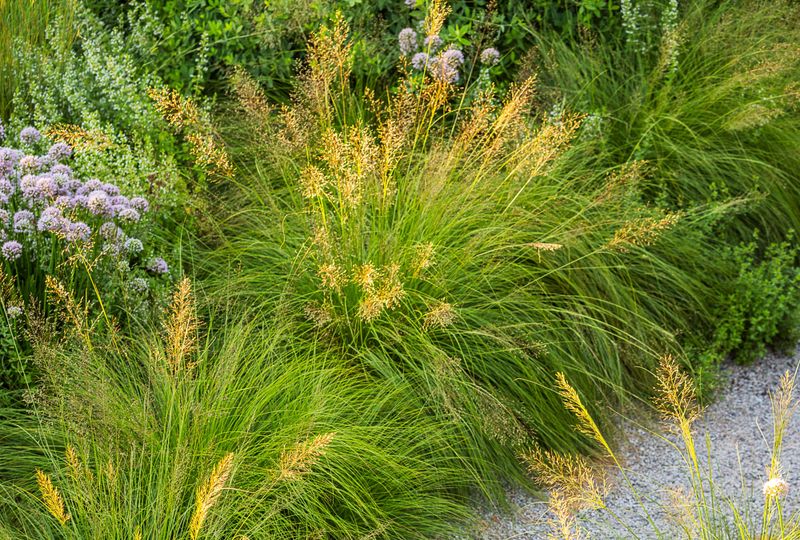
Lean close to a blooming clump in late summer, and you might catch a scent like buttered popcorn or cilantro. People argue about the smell, but nobody argues about the fine, flowing leaves that look like a green fountain.
Prairie dropseed, known to botanists as Sporobolus heterolepis, is a native bunchgrass found in dry prairies and openings. The foliage mound stays around two feet tall, while airy flower stems rise a bit higher in late summer.
Come fall, those threadlike leaves glow golden orange, then fade to a soft tan that holds up through winter. Even under a dusting of snow, the arching shape keeps its graceful look instead of flattening into a mess.
Deep, fibrous roots make established plants very drought tolerant, so a dry autumn feels pretty normal to them. It handles heavy clay better than many prairie grasses, as long as water does not sit around the crown.
Patience matters here, since young plants grow slowly and often need about three seasons to reach full size. Water new transplants through their first fall, then ease off once the root system has spread out well.
As the name hints, the small round seeds drop from the stems in autumn, and ground-feeding songbirds notice. Deer tend to leave it alone, which makes it a handy choice for yards with frequent hungry visitors.
Plant it along a sunny path edge, where the soft texture invites you to brush your fingers through it. I think it looks best in a loose group, almost like a wave rolling across the front of a bed.
3. Smooth Aster
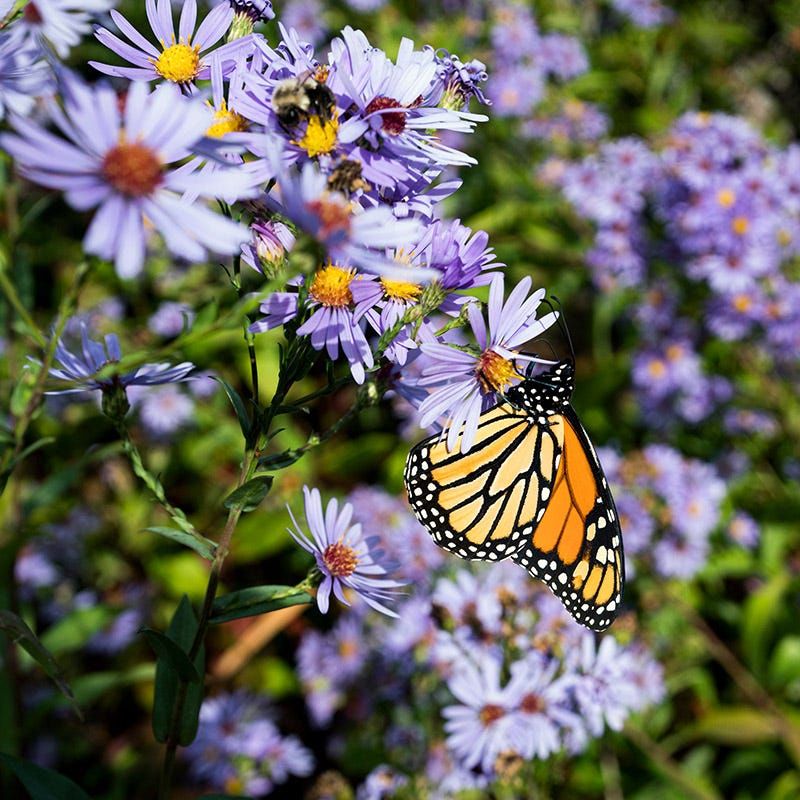
Just when the garden starts feeling tired, smooth aster opens a crowd of lavender-blue daisies with sunny yellow centers. Those centers often shift to a reddish purple after pollination, so one plant can show off two different looks.
Symphyotrichum laeve is native to the Great Lakes region and blooms from about September into October in many areas. Plants grow roughly two to four feet tall, with smooth, waxy, blue-gray leaves that look clean all season long.
It thrives in dry, sandy, or rocky soil and handles a rainless fall once its roots have settled. Unlike some asters, it tends to resist powdery mildew, which is a nice break for tidy-minded gardeners like me.
Full sun gives the strongest stems and the most flowers, though plants can manage a little afternoon shade. Too much shade or fertilizer often leads to leaning stems that need a stake by the time buds appear.
Late bees and migrating butterflies lean on these flowers for fuel when few other blooms remain in the neighborhood. The leaves also host caterpillars of the pearl crescent butterfly, a small orange and black beauty you may recognize.
After the petals fade, fluffy seed heads appear, and finches sometimes perch on the stems to pick them over. You can leave the plants standing for winter birds, then trim them back when spring cleanup rolls around.
Expect a few volunteer seedlings nearby, which are easy to pull or share with a gardening friend down the street. I like tucking smooth aster beside grasses, because the purple flowers seem to float above the golden blades.
4. Black Eyed Susan
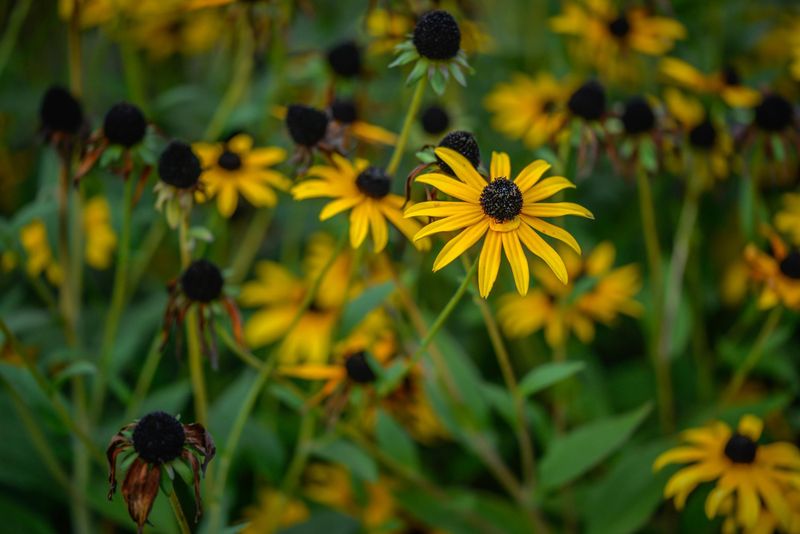
Kids draw flowers that look a lot like black-eyed Susans, and maybe that explains why they feel so friendly. Golden petals circle a dark brown button, and the cheerful show often runs from midsummer right into early fall.
Rudbeckia hirta is native across much of the country, including sunny fields and roadsides throughout Michigan. It usually behaves as a short-lived perennial or biennial, often lasting only two or three years per plant.
Luckily, it reseeds itself freely, so new plants keep popping up to fill gaps once the parents fade away. Let a few flower heads ripen in fall if you want that steady supply of fresh seedlings next year.
Established plants handle drought well and prefer average to dry, well-drained soil in a spot with full sun. Soggy ground over winter can lead to crown rot, so a dry fall actually suits these plants just fine.
Bees and butterflies visit the late blooms, and goldfinches later hop onto the cones to snack on seeds. Those dark seed heads also look striking with a cap of fresh snow, almost like little frosted cupcakes.
Rabbits and deer tend to skip the hairy leaves and stems, though no plant is truly safe from hungry critters. Watch for leaf spot in humid summers, and space plants so air can move freely between the clumps.
In my garden, I scatter ripe seed heads over bare patches in late fall and let winter handle the rest. The cold, moist period helps many seeds wake up, and seedlings often appear once the soil warms in spring.
5. Butterfly Weed
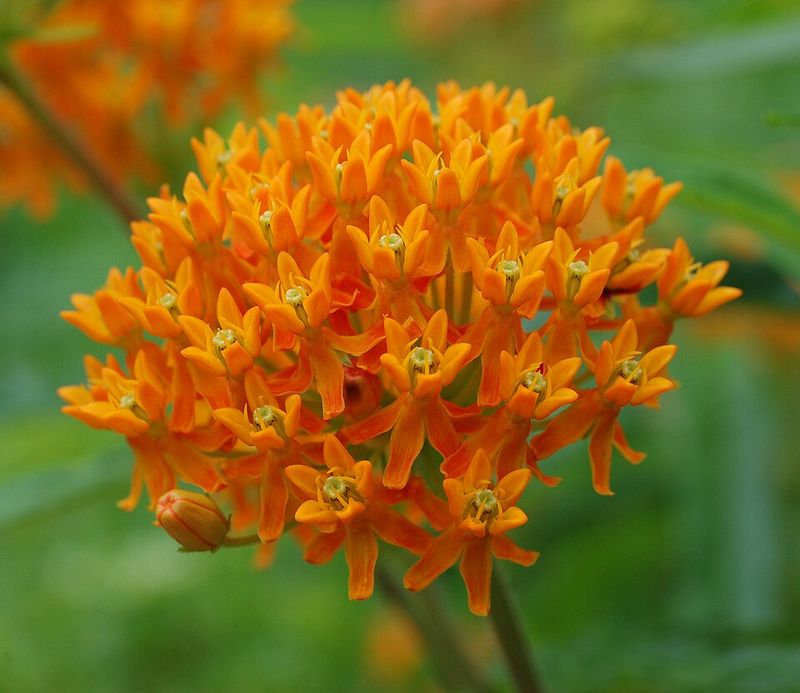
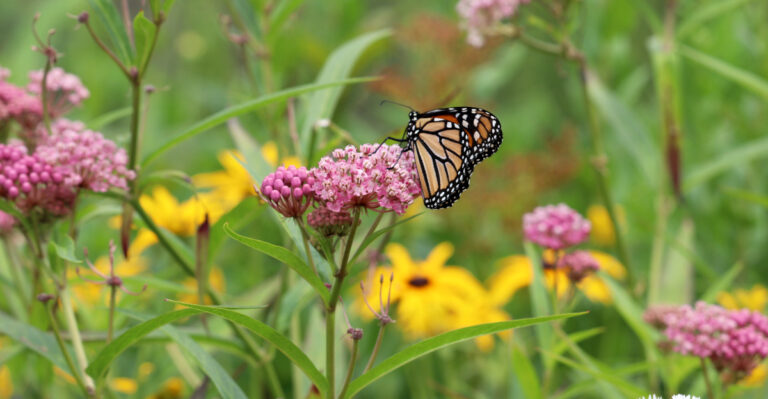
Butterfly weed looks delicate in bloom, but underneath sits a thick taproot built to survive long dry spells. That fat root is the reason established plants shrug off a parched autumn while thirstier neighbors droop and sulk.
Asclepias tuberosa is a native milkweed with bright orange flower clusters that usually appear from early to midsummer. Plants grow about one to two and a half feet tall and are hardy across zones three through nine.
By fall, slender seed pods split open and release silky seeds that drift off on the breeze like parachutes. Kids love watching this happen, and honestly, so do I every single autumn when the pods finally crack.
Monarch caterpillars feed on the leaves, while many bees and butterflies visit the flowers for nectar in summer. Unlike common milkweed, this species has clear sap and forms tidy clumps instead of spreading underground.
Sandy or gravelly soil in full sun suits it best, and heavy wet clay often leads to crown rot. Skip extra water once it is established, because a dry fall followed by snow cover fits its natural rhythm.
That deep taproot also means it dislikes being moved, so choose a permanent spot before you plant it. Plants also wake up late in spring, so mark the location to avoid digging into it by accident.
The leaves and sap contain compounds that can upset pets and livestock if eaten, so plant thoughtfully around animals. I keep mine beside a sunny walkway, where summer flowers and fall seed pods greet every visitor.
6. Common Ninebark
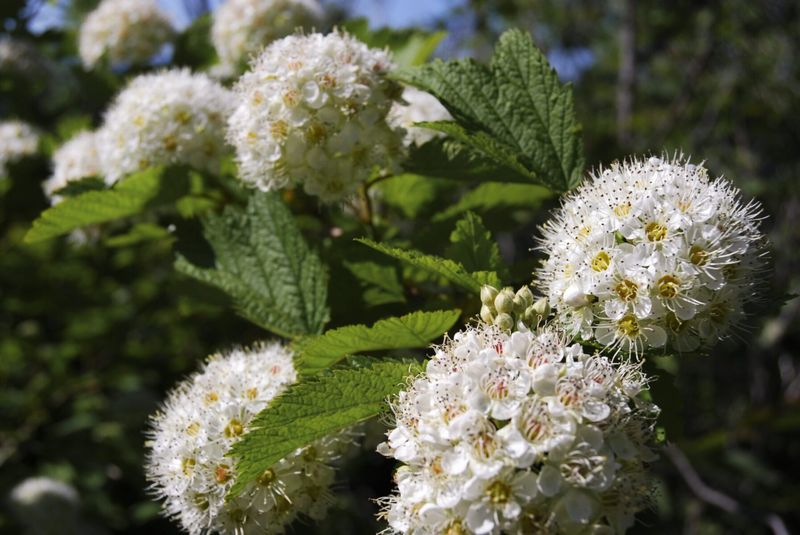
Peel your eyes off the leaves for a moment, because ninebark’s real party trick is its shaggy, shredding bark. Older stems peel away in thin strips that reveal reddish-brown layers underneath, which looks wonderful against snow.
Physocarpus opulifolius is a native shrub found along streambanks and rocky slopes across much of eastern North America. Depending on the variety, it can reach anywhere from three to ten feet tall with an arching, fountain-like shape.
Wild plants often grow near water, yet ninebark tolerates dry, rocky soil once its roots are well settled. That flexibility makes it a smart pick for spots where hoses rarely reach or rainfall feels unpredictable lately.
In late spring, rounded clusters of small white or pinkish flowers attract bees and other busy pollinators. Reddish seed capsules follow, and they often hang on into fall, adding a warm touch to the branches.
Fall leaf color ranges from yellow to bronze, while purple-leaved cultivars hold darker tones through much of autumn. Give new shrubs a deep drink every week or two in fall, especially during their first year in the ground.
Powdery mildew can show up in crowded or shady spots, so give the shrub good airflow and plenty of sun. Trim right after flowering, or remove a few of the oldest stems near the ground to refresh the shape.
Few shrubs give you so much to look at in winter, especially when frost clings to that ragged bark. I think it earns its spot near a window, where you can enjoy those peeling stems on gray mornings.
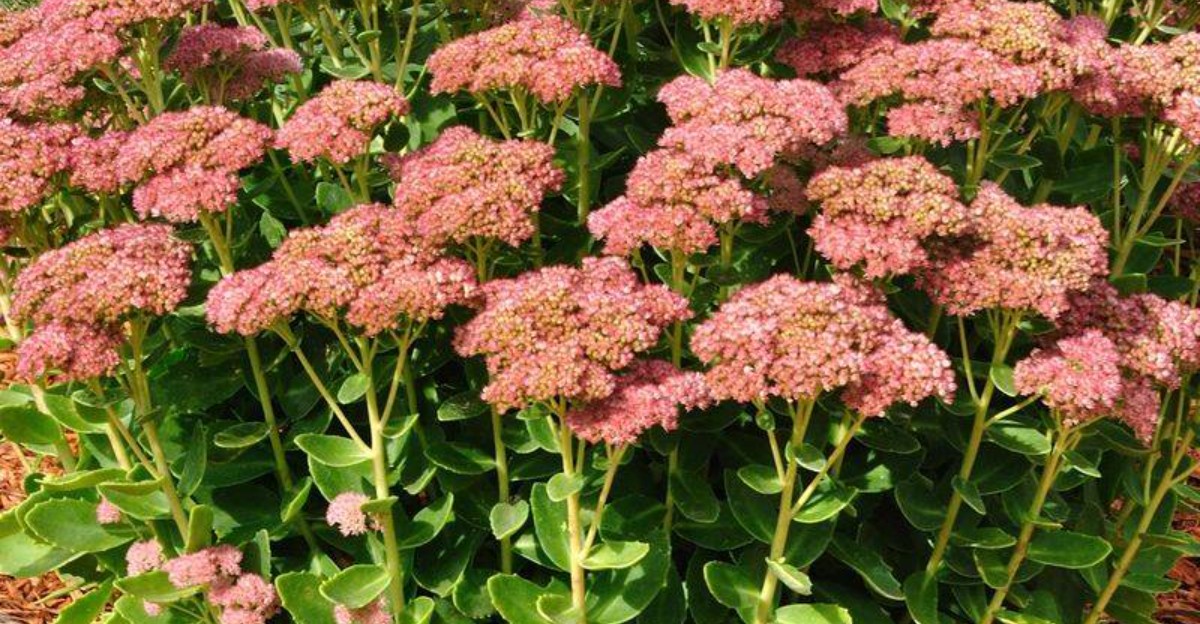
7. Sedum Autumn Joy
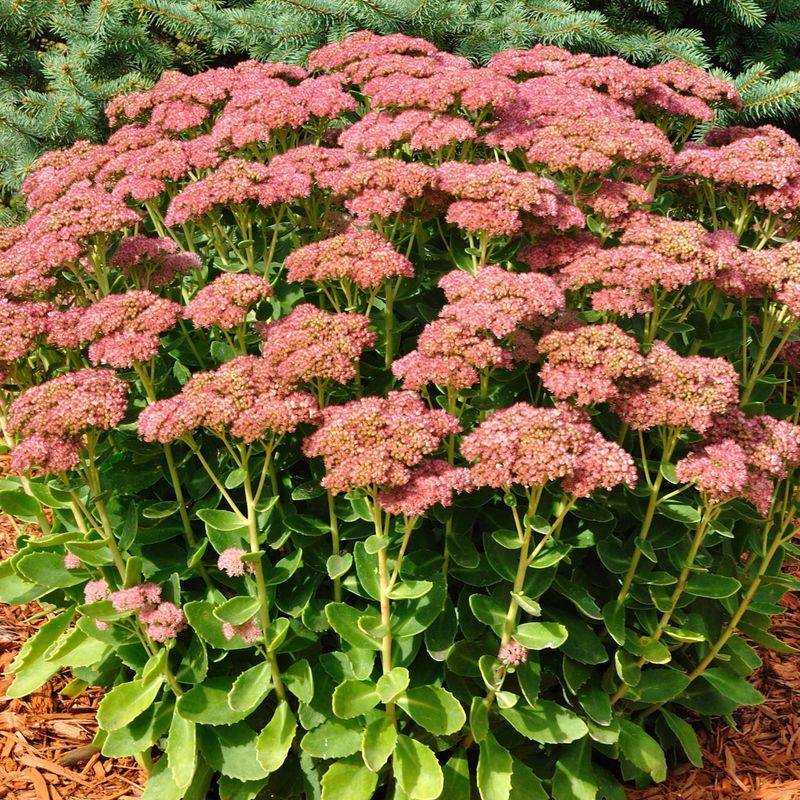
Squeeze a leaf and you will feel its secret, since each plump one stores water like a tiny canteen. That built-in supply lets this succulent cruise through a dry autumn without asking you for a single drop.
Sedum ‘Autumn Joy’ is now listed as Hylotelephium ‘Herbstfreude’, a succulent perennial hardy in zones three through nine. It is not native, but it is a well-behaved garden plant that stays put in a neat clump.
Flower heads start as pale green buds that resemble broccoli, then open pink in late summer. As fall rolls on, the color deepens to rusty red and finally a warm bronze-brown.
Plants reach about eighteen to twenty-four inches tall and like full sun with lean, well-drained soil. Rich soil or too much water makes stems flop open in the middle, which spoils that tidy look.
A dry fall suits it nicely, while wet, poorly drained winter soil is far more likely to cause root rot. Pinching stems back by about half in late spring can also help keep the plant sturdy and compact.
Late bees and butterflies love the flat flower heads, which offer nectar when many summer blooms have faded. The dried heads stand up well through winter and catch snow in fluffy little caps that look charming.
Wait until spring to cut the old stems, then watch fresh blue-green rosettes appear right at the base. It makes a great partner for prairie dropseed, and that mix of fleshy and feathery textures feels oddly satisfying.