8 Mistakes You Should Avoid With a Gifted Christmas Cactus in North Carolina
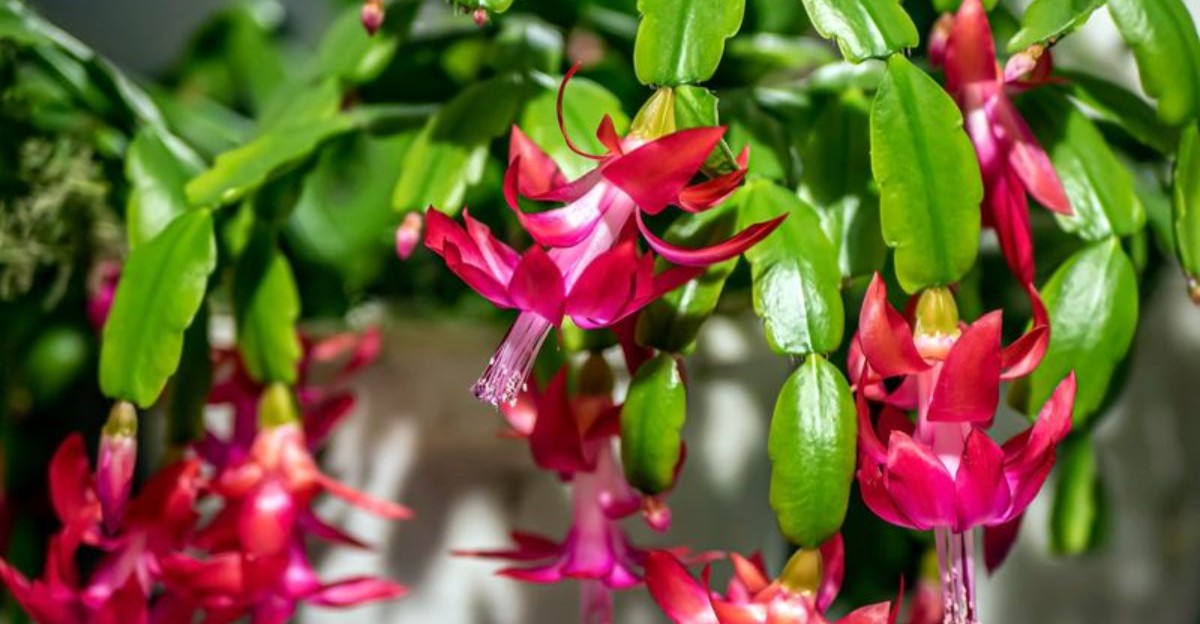
Your new holiday gift spent its wild ancestry clinging to tree branches high in the mountains of Brazil. Those misty coastal forests stay damp and shady, which looks nothing like the sunny desert most folks expect.
Many plants sold in stores each December are actually a close cousin that naturally blooms around Thanksgiving. You can tell them apart by checking the stem edges, since pointy teeth reveal the earlier bloomer.
I love how a single potted gift can outlive the giver’s memory of buying it, sometimes lasting decades. Here in North Carolina, plenty of families pass these heirloom plants between generations like treasured recipe cards.
Still, a few innocent habits can leave that cheerful gift sulking on the windowsill and refusing to bloom. So which everyday care routines quietly work against your new plant, and how simple are they to fix?
1. Too Much Water Leaves Christmas Cactus Roots Soggy
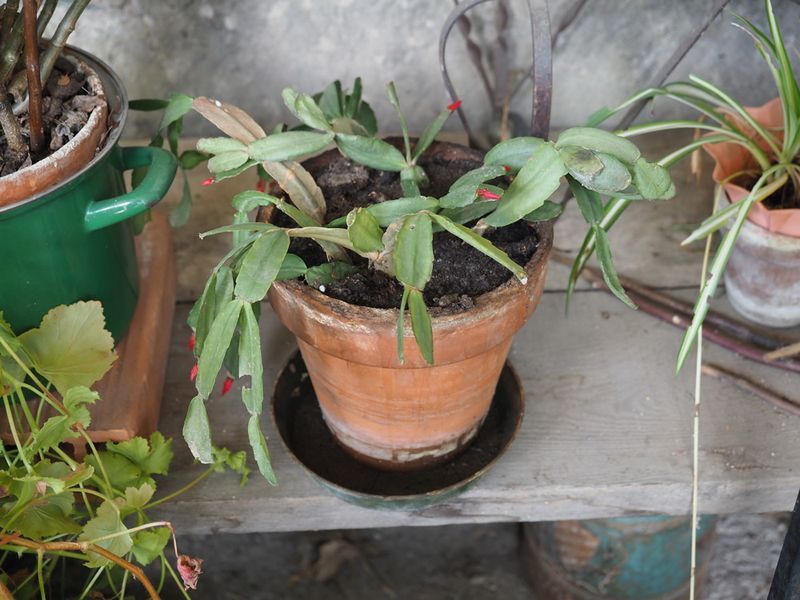
Soggy soil is the quickest way I know to turn a thriving holiday gift into a limp, droopy mess. Those flat green stem segments store water like tiny canteens, so they handle a dry spell surprisingly well.
Roots of this rainforest plant naturally cling to bark and moss, where rain drains away within minutes. When the roots sit in wet potting mix for days, they run short of air and begin to rot.
Watch for stem segments that turn mushy and dark near the soil line, even while the potting mix feels wet. Those warning signs often mean the roots are struggling, so act quickly before the problem spreads upward.
A simple finger test works wonders, so poke into the soil before you reach for the watering can. Water only when the top inch feels dry, then soak the pot until extra water flows from the bottom.
Empty the saucer within about fifteen minutes, because standing water wicks right back into the root zone. Decorative foil wrappers on gift plants trap water too, so poke holes in them or slip them off for good.
During cooler months, your plant drinks less, so stretch the time between waterings as growth slows down. In my house, that often means a good drink every week or two, depending on the room’s warmth.
If rot has already set in, snip a few healthy segments and root them in fresh, barely moist mix. Those cuttings give your gift a second chance, and the giver will likely be none the wiser.
2. Harsh Afternoon Sun Bleaches Christmas Cactus Stems
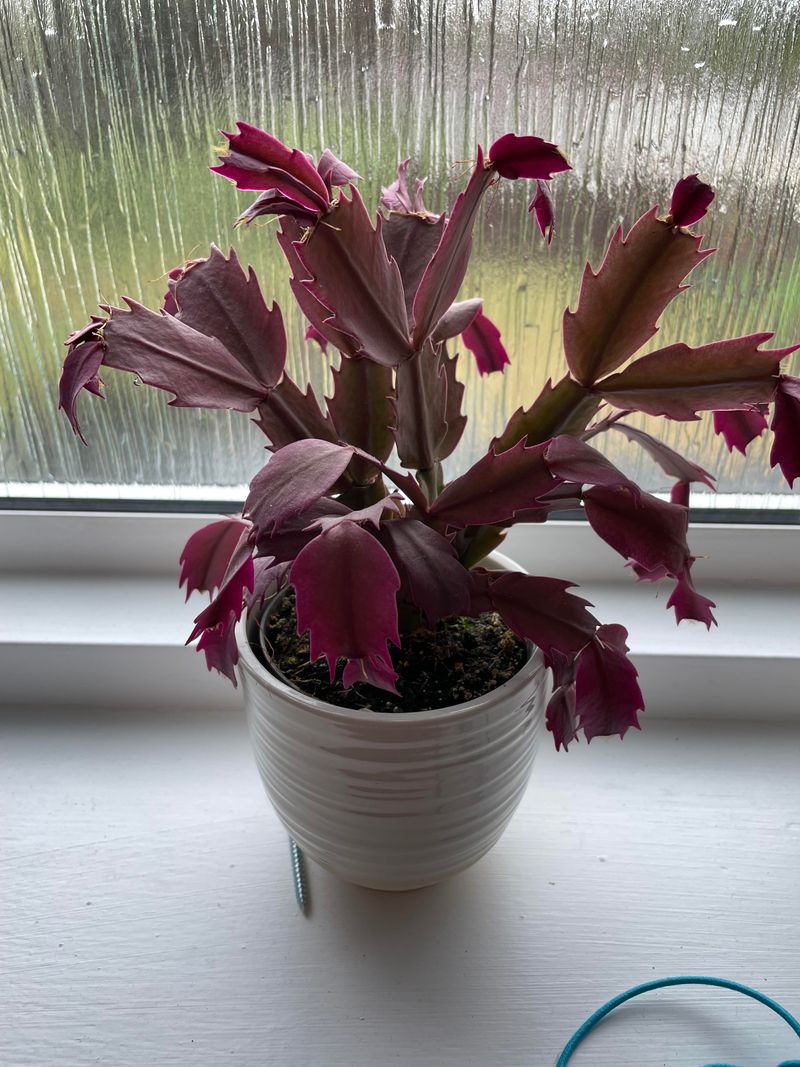
Reddish or yellowish stems on a Christmas cactus are often a sunburn signal, not a sign of autumn color. I learned that lesson after parking mine on a bright south porch and watching the green fade fast.
In the wild, these plants grow beneath a leafy forest canopy, catching dappled light that shifts all day. Hot, direct rays through a sunny window can scorch those stems in a single summer afternoon.
Bright, indirect light suits them best, and an east-facing window catches gentle morning sun without the harsh heat. A spot a few feet back from a south or west window also works, especially behind a sheer curtain.
Too little light causes trouble too, because a gloomy corner leads to weak growth and fewer flower buds. The goal is a bright room where you could comfortably read a book without turning on a lamp.
Many gardeners in North Carolina move their plants outdoors for summer, and that can be a smart idea. Choose a shady porch or the dappled shade of a tree, since full afternoon sun is too intense.
Bring the pot back inside before nights drop below about fifty degrees, which usually happens sometime in autumn. Check the leaves for hitchhiking insects first, so you avoid carrying unwanted guests into your living room.
Slight reddish tinting can be normal under cool conditions, but deep bleaching usually means the light is excessive. Shift the pot to a gentler spot, and fresh green growth should return within a few weeks.
3. Dense Garden Soil Smothers Epiphytic Cactus Roots
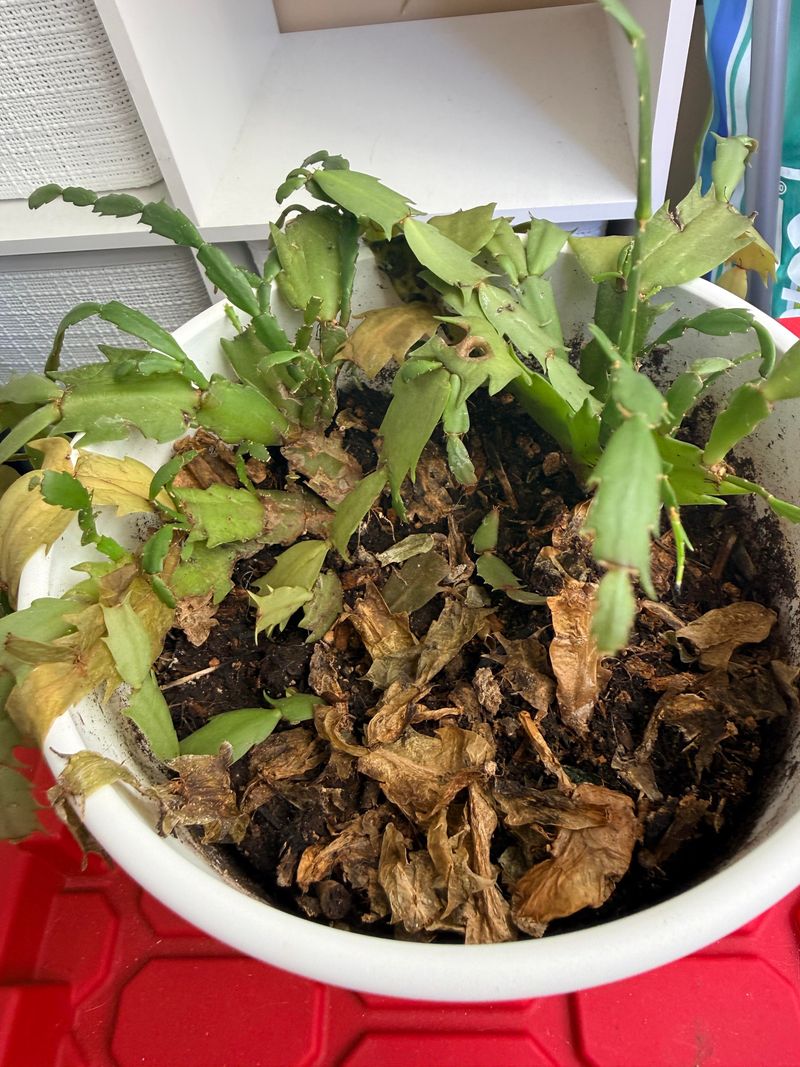
Scoop a handful of heavy clay from a Piedmont backyard, and you’ll see the opposite of what this plant wants. Its roots evolved to grip loose bark and leaf litter, where air moves freely around every strand.
Regular garden soil packs down tightly in a pot, holding water like a sponge and squeezing out oxygen. Even some bagged potting mixes stay too wet, especially the heavier ones meant for outdoor containers.
A loose, fast-draining blend makes a huge difference, and you can buy one or mix your own. Many growers combine regular potting mix with perlite or orchid bark, roughly in equal portions, for airy texture.
Cactus mixes work as well, though I like adding a little extra organic matter for this forest dweller. Remember, this plant prefers a bit more moisture than desert cacti, so a gritty sand mix runs too dry.
Drainage holes matter just as much as soil, because water needs a clear exit route after every drink. Pretty ceramic pots without holes look charming, but they quietly turn into tiny swamps around the roots.
Christmas cactus actually likes being a little snug, so resist the urge to move it into a huge pot. Repot every few years in spring, stepping up only one size, once roots begin crowding the container.
Fresh mix every few years also refreshes nutrients and prevents the soil from breaking down into mush. Your gift will reward the effort with sturdy segments and a better chance at plenty of winter blooms.
4. Heat Vents And Cold Drafts Make Christmas Cactus Buds Drop
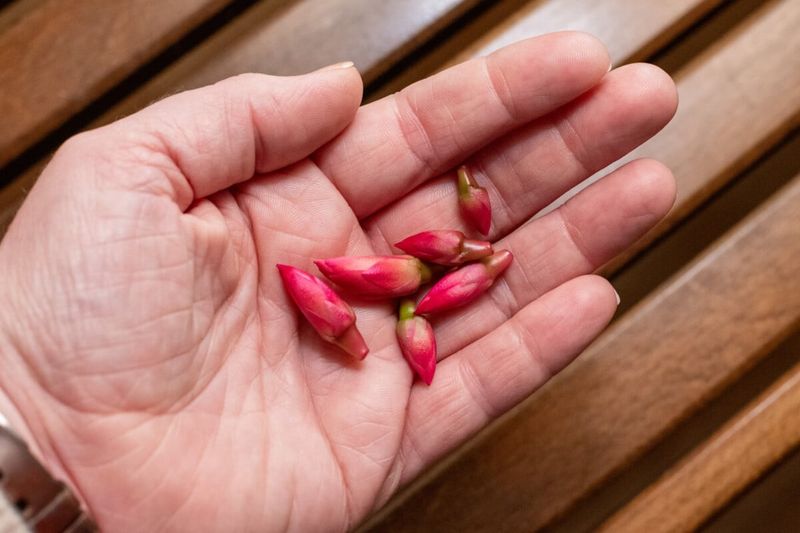
Few things sting like watching plump pink buds tumble onto the windowsill just days before they would open. Bud drop is one of the most common complaints about gift plants, and sudden changes usually cause it.
Your plant just traveled from a warm greenhouse to a store, then into your home, all within weeks. That journey alone can trigger some bud loss, so give it a stable spot and plenty of patience.
Keep the pot away from heating vents and drafty doors that swing open on chilly winter evenings. Blasts of hot, dry air or icy gusts both stress the plant and loosen those delicate flower buds.
Moving the pot around while buds are forming can also cause trouble, so pick a spot and stay put. Once flowers open, cooler rooms around sixty to seventy degrees help the blossoms last noticeably longer.
Dry indoor air is another sneaky culprit, especially when furnaces run hard through a North Carolina winter. Set the pot on a tray of pebbles and water, keeping the pot bottom above the waterline.
Grouping several houseplants together raises humidity a little, and a small room humidifier helps even more. Misting offers a brief boost, though the effect fades quickly, so I treat it as a bonus.
Uneven watering plays a role too, because a bone-dry pot followed by a flood shocks the roots. Steady conditions give those buds their best shot at opening into cheerful, ruffled blooms right on schedule.
5. Feeding A Blooming Christmas Cactus At The Wrong Time
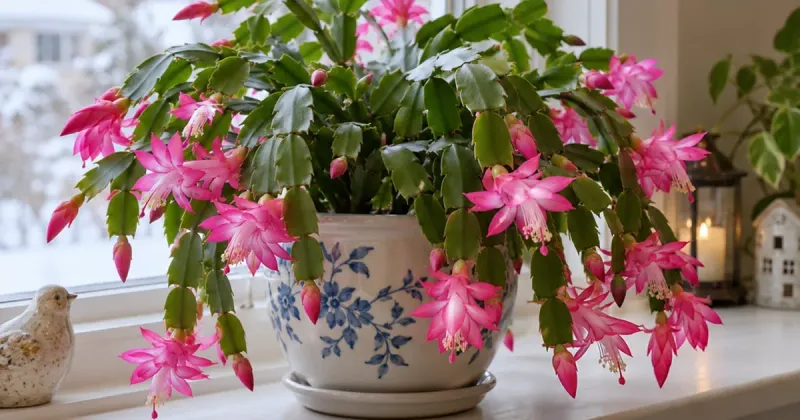
Fertilizer feels like a kind gift for a new plant, but timing matters more than the amount you pour. Feeding heavily while your cactus is busy blooming can push leafy growth when you really want flowers.
Spring and summer are the main growing seasons, when fresh segments sprout from the tips of each stem. That active stretch, usually from spring through late summer, is the right time to offer regular meals.
A balanced, water-soluble houseplant fertilizer mixed at half strength works well roughly once every month. Water the soil before feeding, since fertilizer on bone-dry roots can cause burning and brown segment tips.
Taper off feeding by late summer or early fall, so the plant can shift its energy toward buds. Skip fertilizer during the blooming season, then resume once flowers fade and new growth starts again.
Salt buildup is a hidden problem, showing up as a white crust on the soil or pot rim. Flush the pot with plain water every few months, letting it drain freely to rinse out extra salts.
Some growers add Epsom salt for magnesium, since these plants seem to need a bit more than average. If you try it, use about one teaspoon per gallon, and apply it separately from regular fertilizer.
I’d rather underfeed slightly than overdo it, because a hungry plant recovers faster than a burned one. Pale, yellowish segments in summer may hint at low nutrients, so adjust your schedule gently and watch.
6. Pruning Christmas Cactus Stems In Late Spring After Blooming
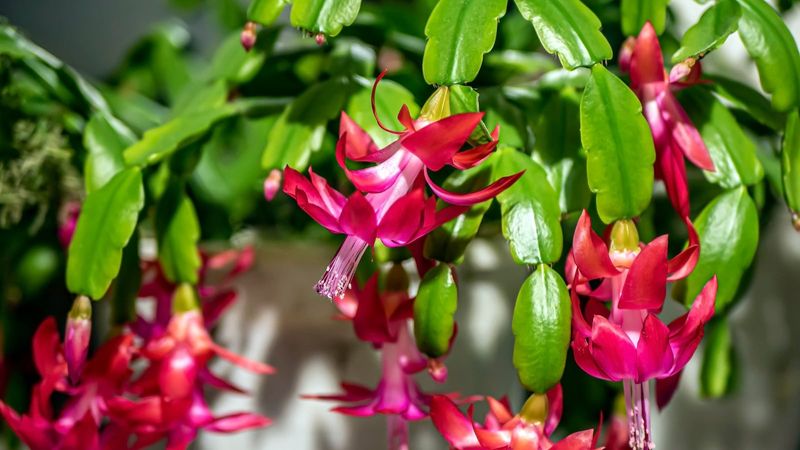
Snapping off a few stem segments sounds scary, yet your plant actually responds by growing bushier and fuller. Each cut encourages new branches, and more branch tips mean more places for flowers to form next season.
Many gift plants grow lopsided or stringy after a year or two, especially if light comes from one side. A little trimming fixes that shape, and turning the pot occasionally keeps growth more even all around.
Late spring is a great window, once blooms have faded and the plant begins its fresh growth spurt. Avoid heavy pruning in fall, because you could remove the very tips where buds are about to appear.
Twist off segments gently at the joints, or use clean, sharp scissors for a neat and tidy cut. Removing one to three segments per stem is usually plenty, and up to a third of the plant is fine.
Older plants often develop thick, woody bases, which is natural and a sign of a well-established specimen. Leave those sturdy trunks alone, focusing your trimming on the green, flexible segments near the outer edges.
My favorite bonus comes next, since those trimmings root easily and make wonderful gifts for friends. Let cut pieces dry for a day or two, then tuck them shallowly into slightly moist potting mix.
Roots usually form within a few weeks, and new plants can bloom within a year or two. Sharing cuttings from a gifted plant feels like passing along a story, and I find that delightful.
7. Long Dark Nights Trigger Christmas Cactus Flower Buds
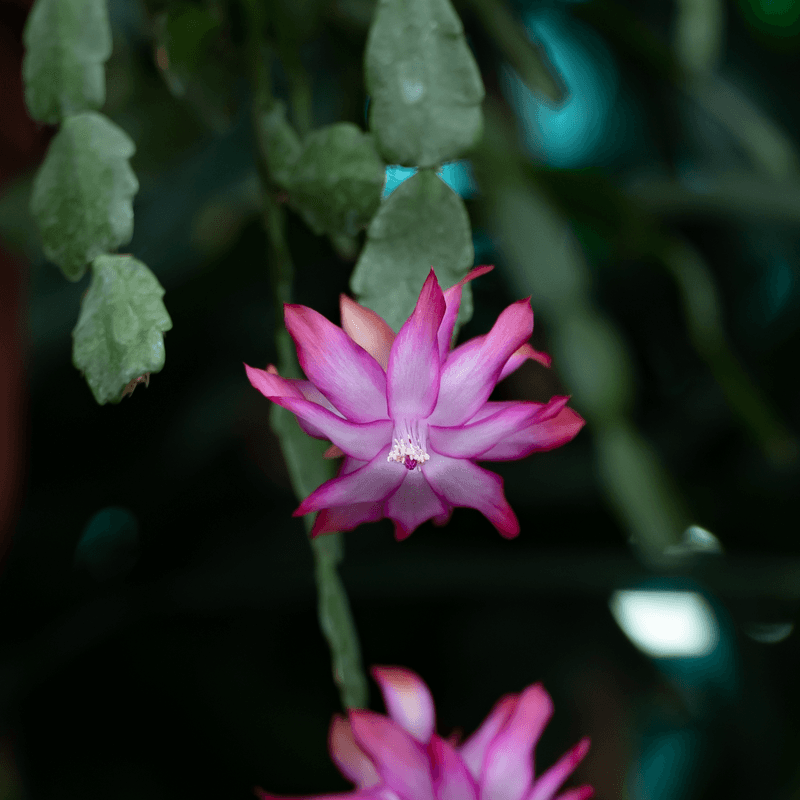
A single lamp switched on every evening can quietly prevent your Christmas cactus from setting any flower buds. These plants read the length of night and the chill in the air before deciding when to bloom.
According to extension experts, cool nights around fifty to fifty-five degrees encourage buds regardless of day length. At warmer temperatures, plants need roughly thirteen or more hours of uninterrupted darkness each night for several weeks.
Fall in North Carolina often provides those cool nights naturally, especially on a screened porch or unheated room. Just bring the plant indoors before any frost threatens, since tropical tissue cannot handle freezing temperatures.
Indoors, a spare bedroom that stays dark at night works nicely, as long as nobody flips the light on. Some gardeners cover the plant with a box each evening, though remembering every single night takes real dedication.
Start this routine in early fall, roughly six to eight weeks before you hope to see the first flowers. Ease up slightly on watering during this stretch, keeping the soil barely moist rather than bone dry.
Once tiny buds appear at the stem tips, return to normal watering and normal household routines again. Leave the plant in place while buds swell, since moving it now can cause some to drop early.
Your gift may bloom earlier next year if it is actually a Thanksgiving cactus, which happens quite often. Either way, the colorful show is the reward, and I think the timing is half the fun.
8. Mealybugs And Fungus Gnats On A Christmas Cactus
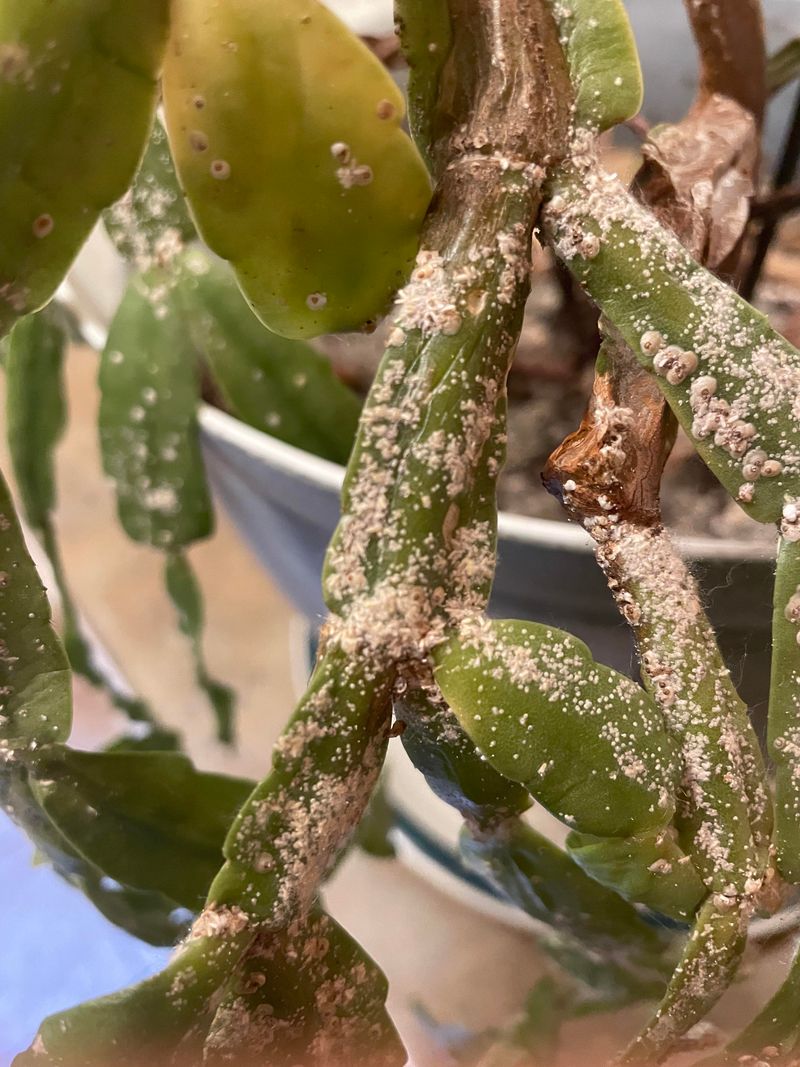
Tiny white fluff tucked between stem segments might look like dust, but it often signals hungry mealybugs. These sap-sucking insects hide in the joints, so a quick weekly glance can catch them early.
Fortunately, Christmas cactus is fairly tough against pests, and most problems start small and stay manageable. Wipe individual mealybugs away with a damp cotton swab, then rinse the plant gently under lukewarm water.
For bigger outbreaks, insecticidal soap or neem oil sprays work well when you follow label directions carefully. Test a small area first, because some plants react poorly to certain sprays in bright light.
Fungus gnats are another nuisance, flitting around the pot like tiny black specks whenever you water. Their larvae live in soggy soil, so letting the top inch dry out often solves the problem.
Yellow sticky traps placed near the pot catch adult gnats and show you how many are around. Soft scale and spider mites can appear occasionally, especially on plants stressed by dry indoor air.
Root rot remains the biggest health threat, and it usually traces back to overwatering or poor drainage. Fungal diseases like Fusarium and Pythium can strike too, according to plant pathologists at land-grant universities.
Pet owners can relax a bit, since the ASPCA lists Christmas cactus as nontoxic to cats and dogs. Nibbling may still upset a pet’s stomach, so keeping the pot out of reach makes good sense.