How Texas Gardeners Get Christmas Cactus Buds To Set Despite Warm Fall Weather
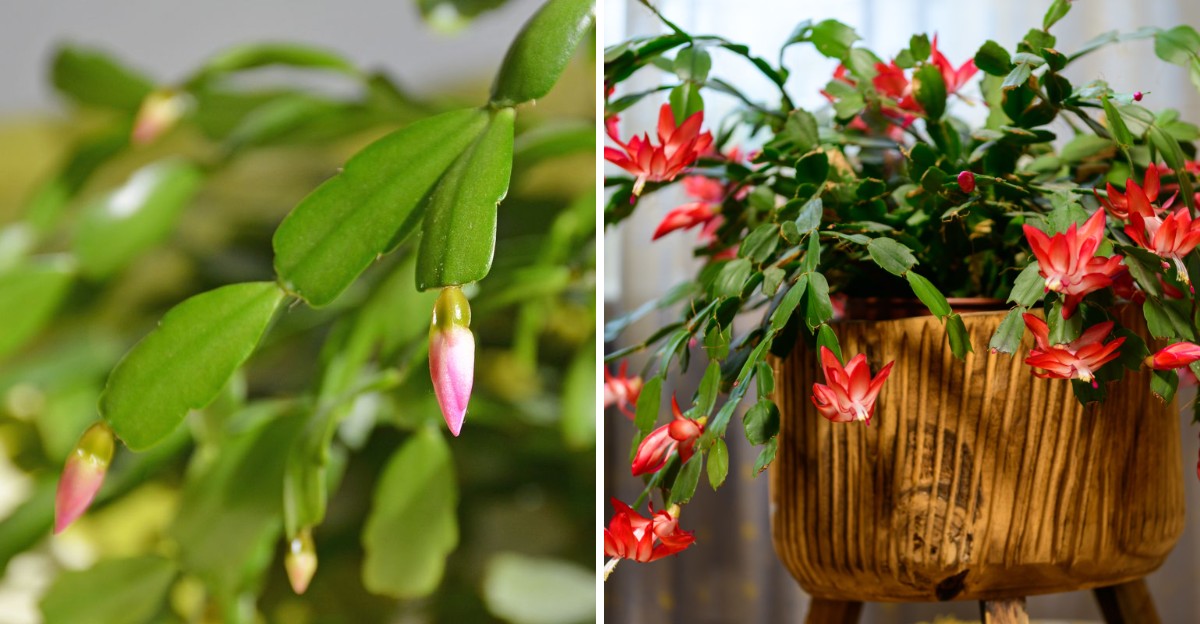
That spiky holiday favorite on your windowsill actually started life clinging to tree branches in Brazilian mountain forests. Those misty slopes stay cool at night, and that detail explains why so many Texas plants refuse to flower.
Researchers figured out decades ago that long nights and gentle chills tell these plants exactly when to set buds. Warm autumn evenings scramble that message, so the stems keep growing green instead of producing those bright pink tips.
I skipped every trick one year and got a lovely green plant with no flowers by late December. After I tested a few cheap tweaks the following fall, my windowsill looked like a party in a pot.
You build your bloom plan in early autumn, long before the first holiday cookies come out of the oven. So what happens when the weather in Texas refuses to cool down, and could a cardboard box help?
1. Give Your Christmas Cactus Long Dark Nights
Darkness is the secret ingredient most people overlook, and your plant counts the hours like a tiny alarm clock. Christmas cactus is a short-day plant, so long nights signal that blooming season has finally arrived.
University extension experts in Texas recommend about twelve to fourteen hours of steady darkness every night for roughly six weeks. Start in late September or early October if you want flowers showing up around the December holidays.
Even a quick flick of a lamp can reset the count, which frustrated me more than once. Porch lights and glowing hallway fixtures sneak through windows, so check your spot after sunset before trusting it.
A spare bedroom or unused closet works beautifully, even in a Texas home, as long as nobody wanders in and turns on lights. You can also slip a large cardboard box over the plant each evening and lift it every morning.
Leave a little gap at the bottom of the box so fresh air can still move around the stems. Stuffy, humid air trapped for hours can invite fungus, and nobody wants that kind of holiday surprise.
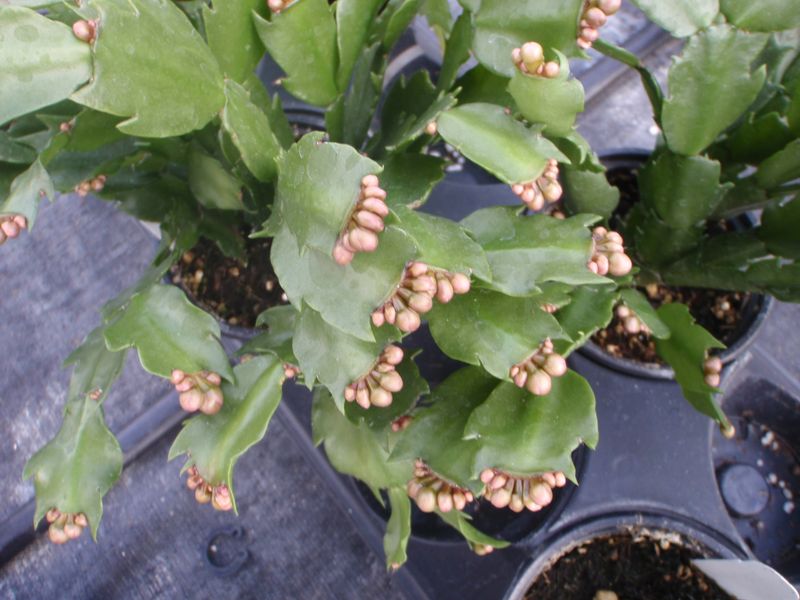
Once tiny buds appear at the stem tips, the plant has received its message and you can relax. Those buds look like small pink beads at first, and spotting them honestly feels like winning a prize.
In Texas homes where nights hover in the sixties, long darkness becomes the main bloom trigger for this plant. Keep the routine steady, and you may see buds forming within about a month of starting.
2. Move Your Christmas Cactus To A Cool Room At Night
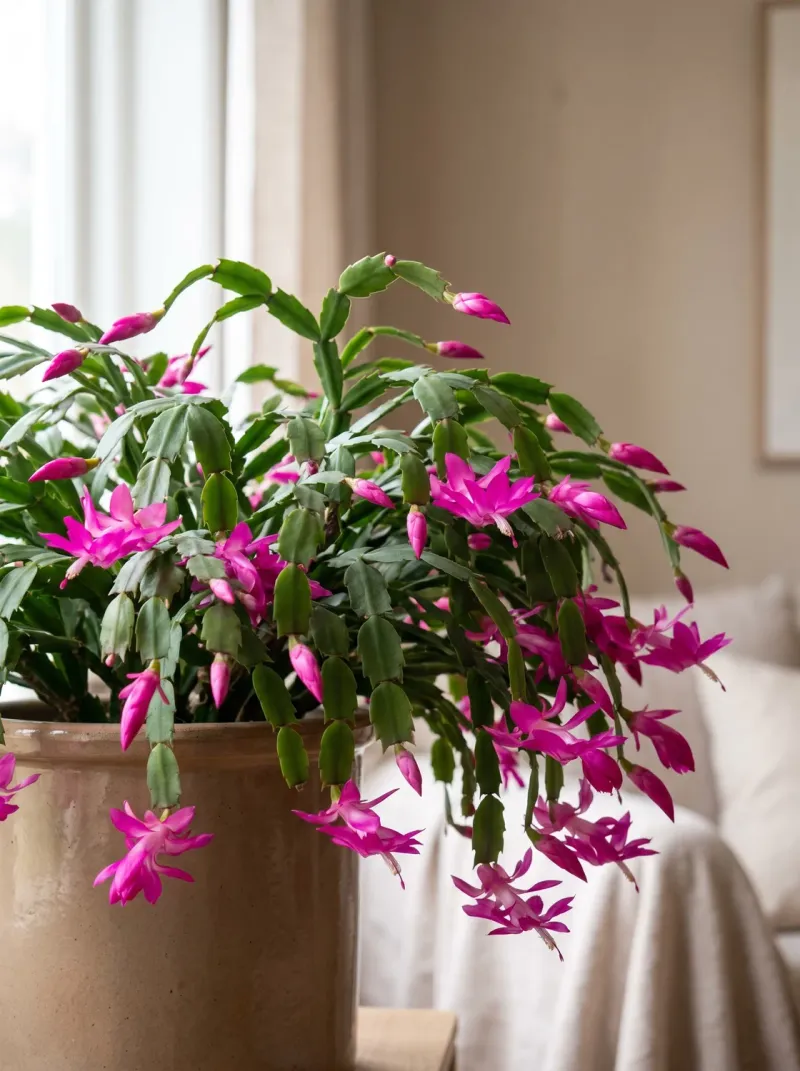
Cool nights act like a second key in the lock, and this one surprises plenty of warm-climate growers. Research from extension services shows nights around fifty to fifty-five degrees can set buds regardless of day length.
When nights stay above seventy degrees, bud formation often stalls, even if your darkness routine is perfect. That explains why some plants in Texas sit green and happy through December without a single flower.
My trick involves the coolest room in the house, usually a back bedroom with the vent closed. A garage can work too, as long as temperatures stay safely above freezing and the space gets daylight.
Some gardeners run the air conditioning a bit cooler at night, though that gets pricey during muggy weeks. A north-facing porch can help on mild evenings, but bring the pot inside before any frost arrives.
Grab a cheap indoor thermometer and check it late at night, since rooms can feel cooler than they are. Numbers beat guesses here, and I was shocked how warm my supposedly chilly room stayed after sunset.
Days can be warmer, ideally in the upper sixties, so the plant enjoys a gentle swing between day and night. That rhythm closely resembles the cool mountain evenings and mild days in its native Brazilian forests.
Keep the pot away from heating vents and fireplaces, because sudden blasts of dry heat can cause bud drop. Steady coolness for several weeks usually works better than a few dramatic cold snaps followed by warm nights.
3. Ease Up On Watering Your Christmas Cactus In Fall
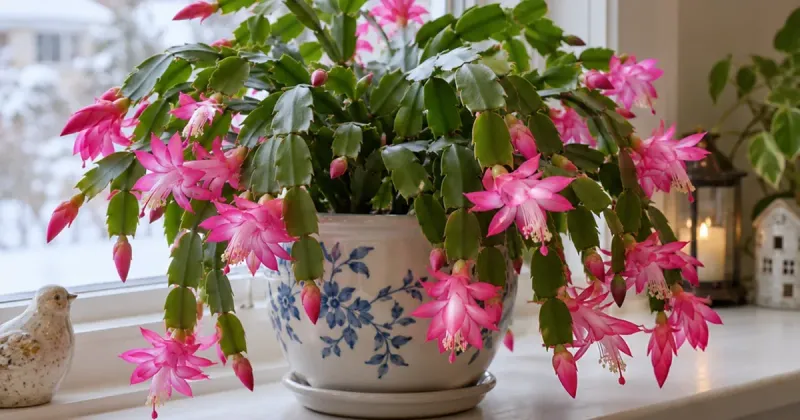
Watering less in autumn feels backward, but a slightly thirsty plant often focuses on flowers instead of leaves. Think of it as a gentle hint, not a harsh drought, since these plants come from humid forests.
From late September into October, let the top inch or so of soil dry before you water again. Poke a finger into the mix, and if it still feels damp, give the plant a few more days.
Please skip the old advice about withholding water for weeks, because severe dryness can shrivel stems and reduce buds. Wrinkled, limp segments are a clear sign that you pushed the thirst trick a little too far.
Soggy soil causes even more trouble, since roots sitting in water can rot and buds may drop early. A pot with drainage holes matters, and I empty the saucer about ten minutes after each watering.
Hot Texas autumns can dry small pots faster than you expect, especially near sunny windows or air vents. Check moisture more often during warm spells, rather than following a strict calendar schedule every week.
Once buds show up, return to regular watering so the soil stays lightly moist but not soggy. Developing flowers need steady moisture, and swinging between bone dry and drenched often leads to dropped buds.
A well-draining mix helps a lot, such as regular potting soil blended with some perlite or bark. Your fingertip becomes the most reliable moisture tool here, and it costs nothing at all to use.
4. Stop Feeding Your Christmas Cactus Before Buds Form
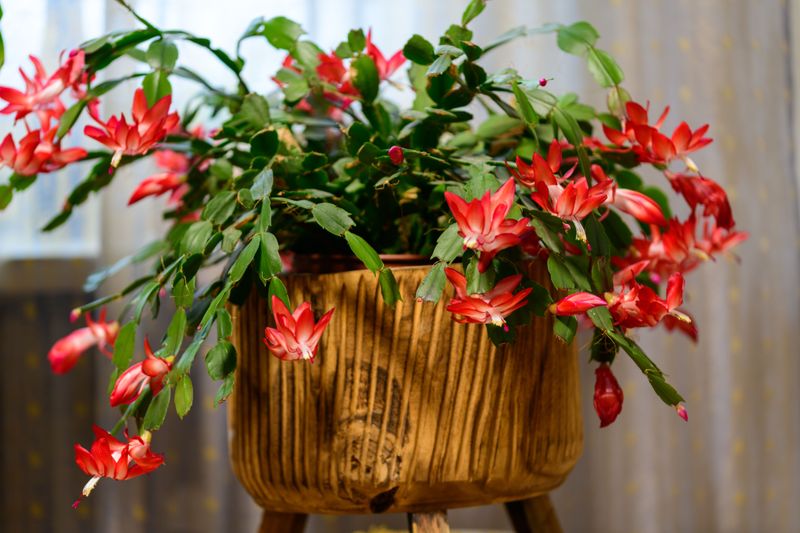
Fertilizer feels like a magic potion when buds refuse to appear, yet feeding does not trigger flowering. Light and temperature flip that switch, while extra nutrients in fall mostly encourage leafy new segments instead.
During spring and summer, a balanced houseplant fertilizer at half strength supports strong stems and healthy roots. Many growers feed about once a month during this active season, which keeps the plant sturdy.
By late summer or early fall, I set the fertilizer bottle aside until the flowers fade. That pause lets the plant shift energy toward forming buds rather than pushing out more green growth.
Some gardeners give a monthly dose of Epsom salt during the growing season for extra magnesium. Some sources suggest this plant appreciates magnesium, but keep it separate from your regular fertilizer weeks.
Resist the urge to rescue a budless plant with a big feeding, since that rarely helps at all. Too much fertilizer can build up salts in the soil, which may burn tender roots over time.
If salt crust forms on the pot rim, flush the soil with plain water and let it drain. That simple rinse refreshes the root zone, and my plants looked perkier within a couple of weeks.
Feeding can start again in late winter or spring, once blooming ends and new growth begins. Patience with the fertilizer bottle pays off, and honestly it saves you a little money as well.
5. Set Your Christmas Cactus On A Pebble Tray
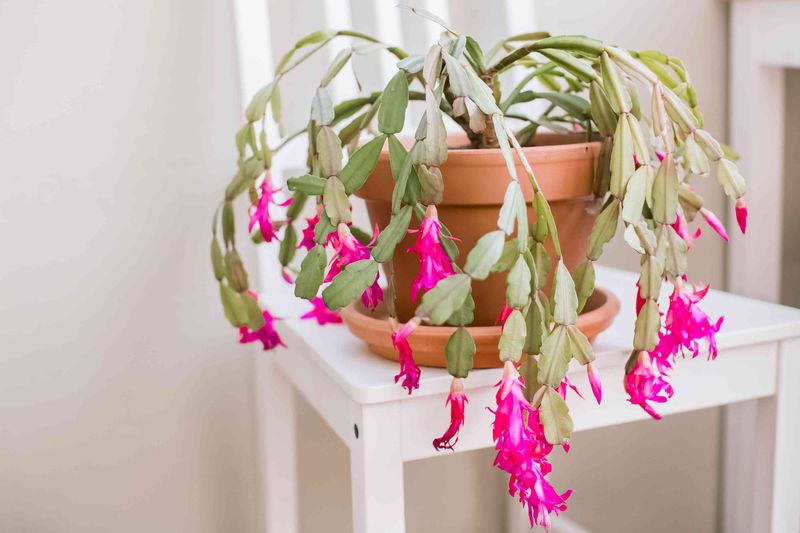
Dry indoor air can quietly sabotage your buds, which shocked me since the plant looks so tough. Christmas cactus is a rainforest epiphyte, so it prefers more moisture in the air than desert cacti.
Air conditioning and furnaces both pull humidity from rooms, leaving many homes far drier than a misty forest. Low humidity can lead to shriveled buds that fall before opening, which feels heartbreaking after weeks of effort.
A pebble tray is my favorite fix, and you probably already own the supplies in a kitchen drawer. Fill a shallow tray with pebbles, then add water until it sits just below the top layer.
Set the pot on the pebbles so its bottom stays above the water line at all times. Evaporation gently raises moisture around the leaves, while the roots stay safely out of the soggy zone.
Grouping houseplants together also helps, because their leaves release water vapor that nearby plants can share. A small room humidifier works well too, especially in winter when heaters run for hours each day.
Humidity will not trigger flowers by itself, but it helps the plant hold onto the buds it forms. Think of it as comfort care that supports the darkness and cool nights doing the heavy lifting.
Refill the tray every few days and rinse the pebbles now and then to prevent slimy buildup. It takes about two minutes, and your plant rewards that tiny effort with fuller, longer-lasting blossoms.
6. Place Your Christmas Cactus In Bright Indirect Light
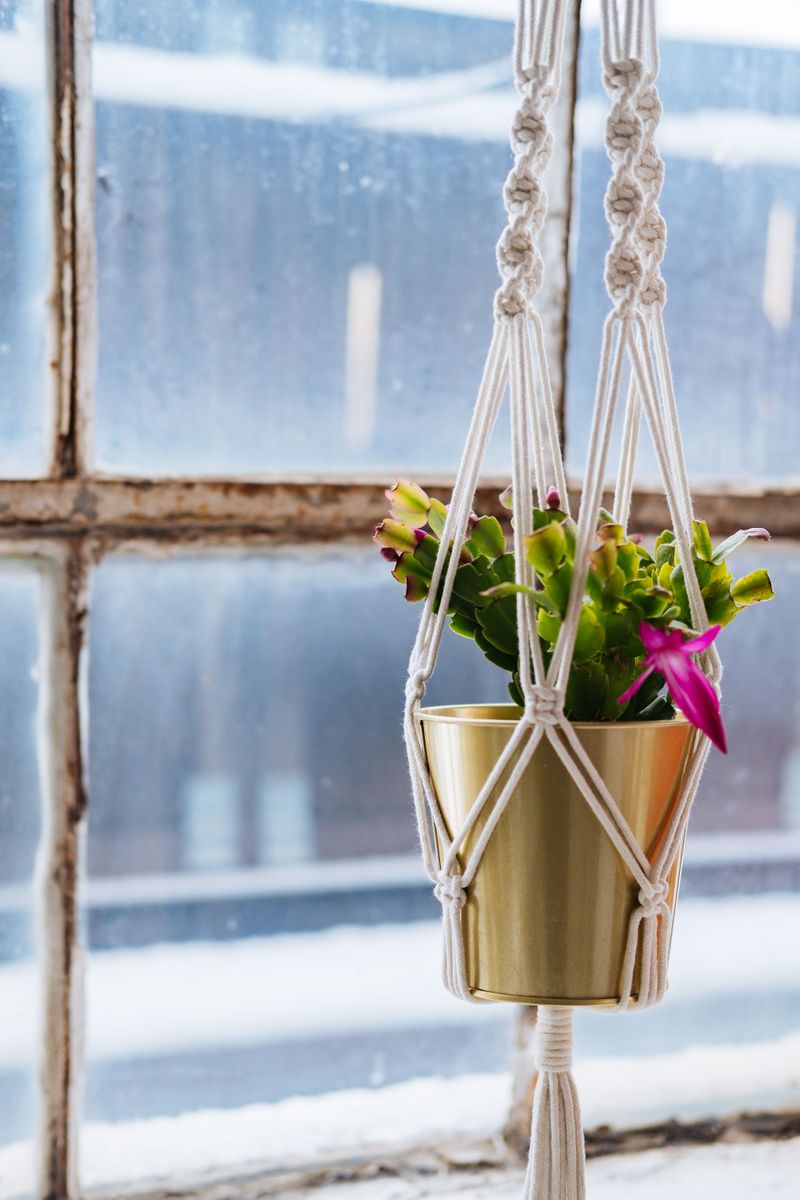
Long nights get all the attention, but daytime light fuels the energy your plant needs for flowers. Without enough daytime brightness, stems stay weak, and buds may form sparsely or not appear at all.
Bright, indirect light suits this plant best, much like the dappled shade beneath a forest canopy. An east-facing window works wonderfully, since soft morning sun is gentle on the flat green segments.
Harsh afternoon sun can turn stems reddish or bleached, which signals stress rather than good health. A sheer curtain softens a west window, and I use one on my sunniest sill each summer.
In summer, many gardeners move their pots outdoors under a shady porch or a leafy tree. Our intense Texas sun can scorch exposed plants quickly, so dappled shade is the safer choice there.
Bring the plant back indoors before nights drop near freezing, and give it time to adjust. A few days in a similar light level helps it settle without tossing leaves or tender segments.
If you use a box for darkness, lift it every morning so daylight reaches the plant promptly. Skipping mornings shortens its sunny hours, and that can leave too little energy for strong bud production.
Rotate the pot a quarter turn occasionally before buds appear, so growth stays even on every side. Once buds show, stop rotating, because the next trick explains exactly why stillness matters so much then.
7. Leave Your Budding Christmas Cactus In One Spot
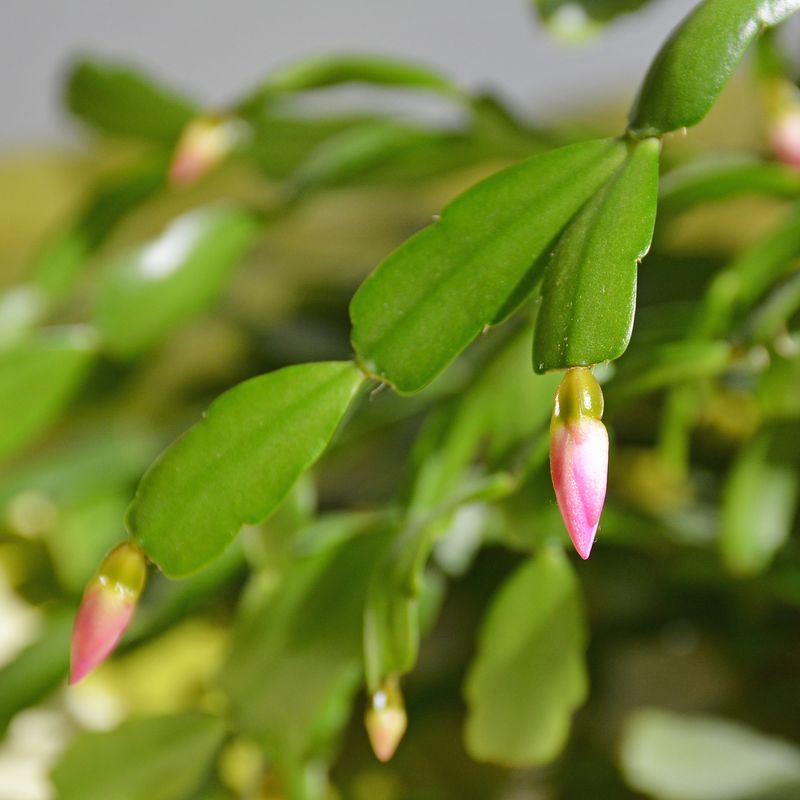
Christmas cactus can be surprisingly dramatic, dropping buds simply because someone moved it to a new table. Those developing buds orient toward the light, and sudden changes can upset the plant’s delicate timing quite easily.
Once you spot buds, pick a comfortable spot and leave the pot there until flowering ends. I learned this the hard way after showing off my plant to guests and losing half the buds.
Keep it away from drafty doors that open often, because cold gusts can stress the swelling buds. Hot air blowing from vents and fireplaces causes similar problems, drying buds until they shrivel and fall.
Bud drop also happens with sudden swings in watering or temperature, even inside the very same room. Steady routines matter more now than any fancy product, so keep doing what already worked for you.
If you bring home a store plant already in bud, expect a few to fall while it adjusts. Store greenhouses differ from living rooms, so give it a bright, steady spot and minimal fuss.
Many plants sold in stores are actually Thanksgiving cactus, which blooms earlier and has pointy segment edges. Either type responds to the same calm treatment once buds appear, so no worries about the label.
Each flower can last several days, and a healthy plant may keep blooming for weeks with steady care. Sit back, enjoy the show, and let your patience finally pay off in bright pink color.
8. Prune Your Christmas Cactus Stems After Flowering
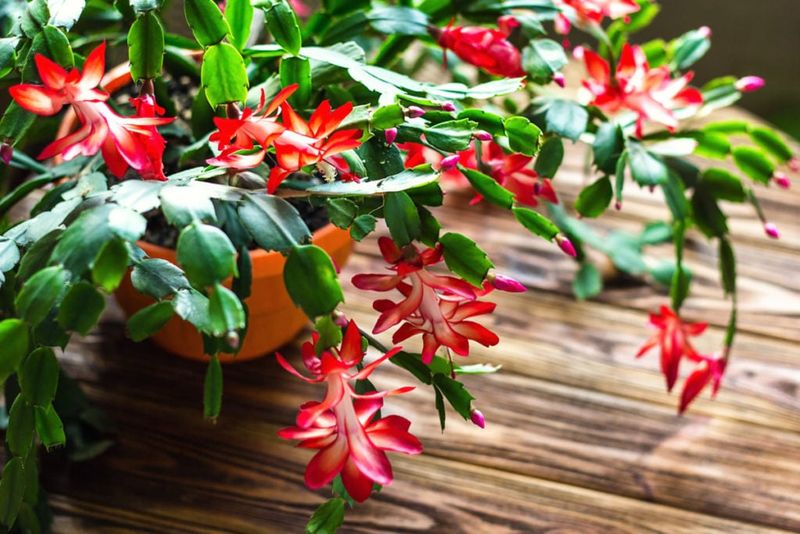
Every Christmas cactus flower forms at a stem tip, so more branches simply mean more chances for blooms. A quick trim after flowering sets up next year’s display, and it takes barely five minutes.
Late winter or spring works best, once the last blossoms fade and the plant begins its rest. Pruning then gives new stems plenty of time to mature before autumn bud season arrives again.
Gently twist off or snip one to three segments at a joint on any long, leggy stems. Each cut spot often branches into two new stems, making the plant fuller and bushier over time.
Save those trimmed pieces, because they root easily and make wonderful gifts for friends and family. Let cuttings dry for a day or two, then tuck them into slightly moist potting mix.
Roots usually develop within a few weeks when cuttings sit in bright, indirect light and warmth. My first batch became little gifts for coworkers, and several of them now bloom every single holiday season.
This plant enjoys being slightly snug in its pot, so repotting every few years is usually enough. Spring is the best time for that job too, using fresh, well-draining mix and a pot one size larger.
Avoid heavy pruning in late summer or fall, because you would cut off the tips that make buds. Trim in spring, follow the other tricks in autumn, and watch next year’s show grow even bigger.