How to Grow a Christmas Rose in Ohio for Blooms in Deep Winter
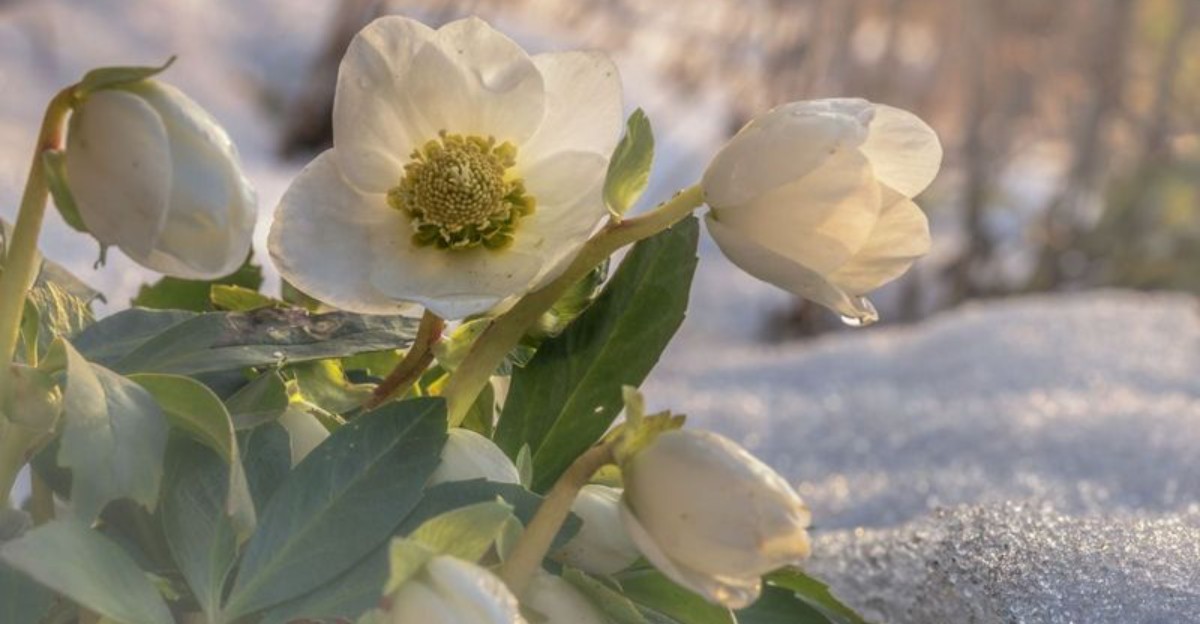
A flower can open while snow sits on its leaves and still look fresh weeks later. Its bright white cups shrug off sub-zero nights that send most garden plants into hiding.
I love that the showy parts are not petals at all. They are tough sepals that can hang on for weeks, sometimes blushing pink with age.
And the name? It is a total fib, botanically speaking.
This plant is not a rose. It belongs to the buttercup family, and every part of it is poisonous, so deer and rabbits mostly walk right past.
I’ll defend this to the end: a January garden in Ohio feels empty without a few of these quiet stars. You need only some shade, decent soil, and a bit of patience.
You’re going to love stepping outside on the coldest morning of the year and finding flowers waiting to greet you.
That Snow-Dusted White Hellebore Runs on Its Own Winter Clock
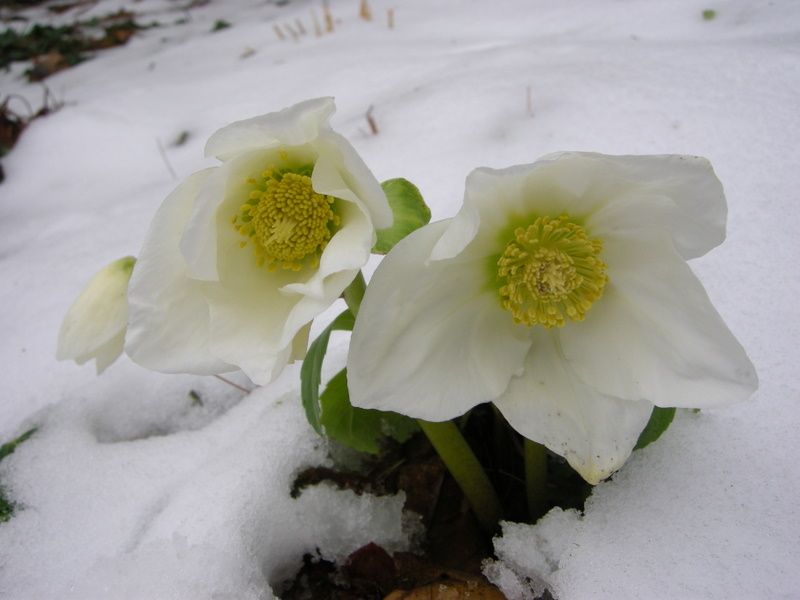
Snow on the ground does not stop this plant one bit. Helleborus niger, the true Christmas rose, is wired to bloom in the cold months when almost nothing else moves.
Here in Ohio, though, the calendar matters. The state spans roughly USDA zones 5b to 7a, and that range changes your timing a lot.
In milder southern spots near Cincinnati, you may catch buds opening around December or January. Up north near Cleveland or Toledo, first flowers often wait until February or March.
A harsh winter can push things later, while a soft one may bring early surprises.
So the name is a bit of a promise the plant does not always keep. I think of it more as a deep winter bloomer than a holiday guarantee.
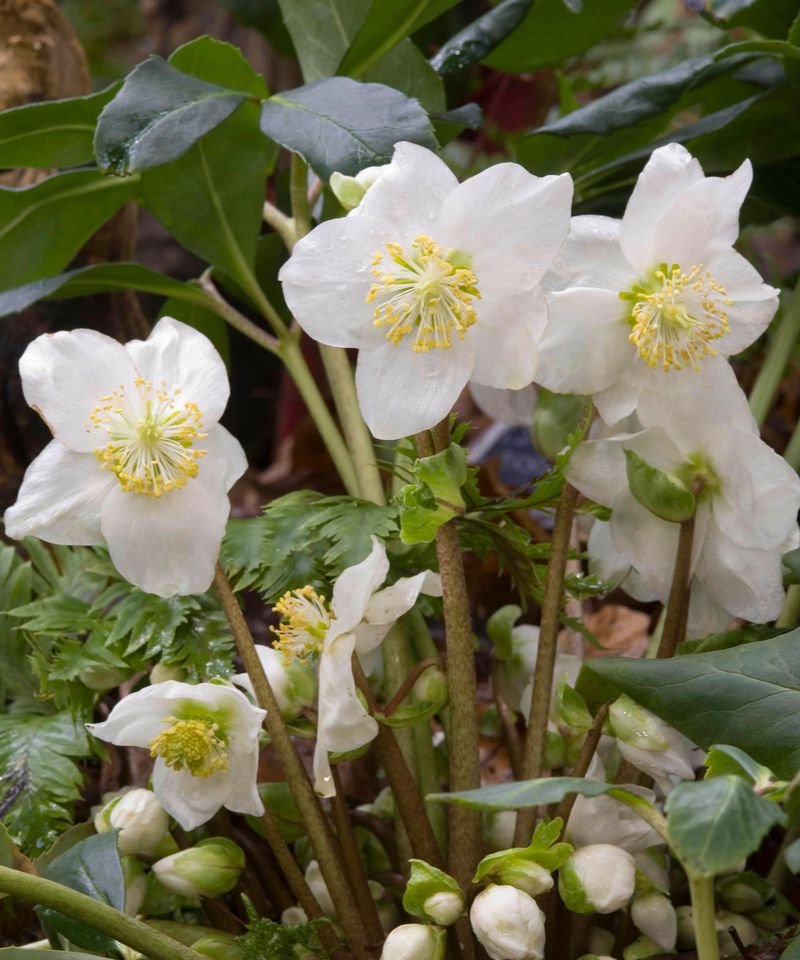
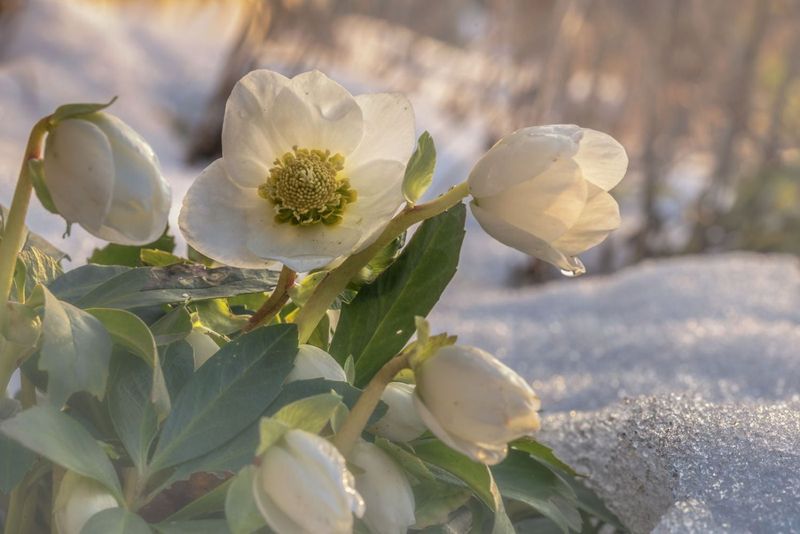
The flowers are worth the wait. Each cup can reach about 3 inches across, with crisp white sepals and a sunny ring of yellow stamens in the center.
As weeks pass, many blooms fade to a soft pink or greenish tone. They stay attractive for a long time, sometimes into spring.
Knowing your local timing keeps you from worrying when buds seem slow, since patience is part of the deal with this plant.
Plant Your Christmas Rose Under a Leafy Deciduous Tree
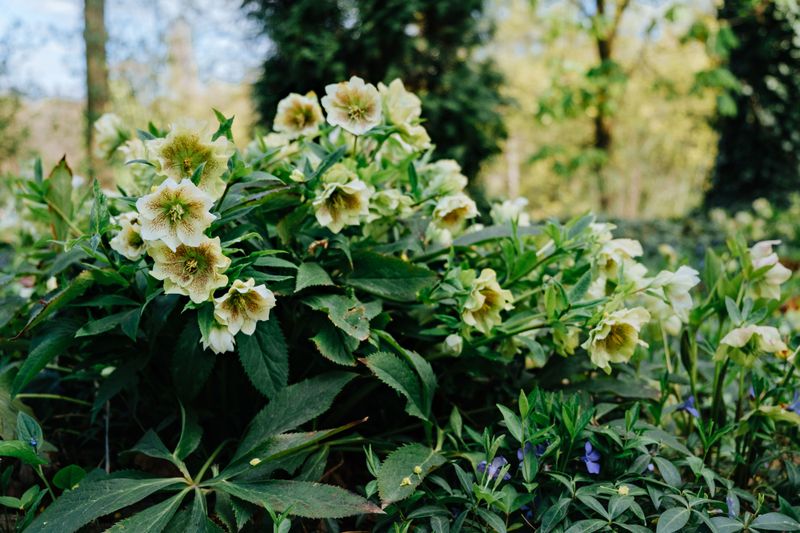
Location is the secret ingredient most beginners miss. Christmas roses love partial to full shade, and the sweetest spot sits beneath a deciduous tree.
Why does that work so well? In summer, the leafy canopy blocks harsh afternoon sun that can scorch the leathery foliage.
In winter, the bare branches let light pour through right when the plant is budding and blooming.
An oak, maple, or redbud can make a fine partner. Just avoid tight spots where thirsty roots crowd every inch of soil, since hellebores dislike heavy competition.
The east or north side of a house can also work nicely. Morning sun with afternoon shade keeps leaves happy through hot Ohio summers.
Personally, I like planting them close to a path or a window you use every day. Winter flowers do you little good if they hide at the back of the yard where you rarely walk.
The blooms also tend to nod downward. A slope, raised bed, or spot near steps lifts them a little closer to eye level.
You get to admire those yellow centers without kneeling in slush, which feels like a small luxury in February.
Rich, Well-Drained Soil Keeps Hellebore Crowns Healthy
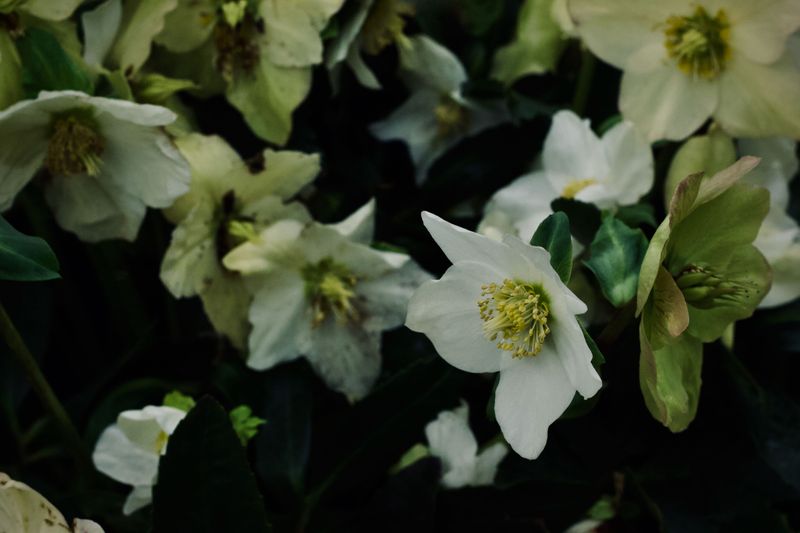
Soggy feet are this plant’s biggest enemy. Christmas roses want soil that stays evenly moist but drains well, especially through wet winters.
Much of Ohio sits on heavy clay, and that can trap water around the crown. Crown rot often follows, and it is tough to reverse once it starts.
The fix is simple and a little messy. Work generous amounts of compost, leaf mold, or other organic matter into the planting area before you set the plant in place.
Helleborus niger also prefers neutral to slightly alkaline soil. If you are unsure about your pH, a soil test through Ohio State University Extension can give clear answers and lime recommendations.
Many Ohio soils already fall in a reasonable range, so do not add lime blindly. Guessing can throw things off more than it helps.
Raised beds or gentle mounds are smart choices in low, wet yards. Even a few extra inches of height lets water slip away from the roots during thaws.
Think of it as building a cozy, crumbly home rather than a muddy pit. Good soil prep up front saves years of frustration and gives you sturdier plants with more flowers.
Setting Christmas Rose Plants at the Right Depth Matters
Spring or early fall is my favorite window for planting. The soil is workable, and roots get time to settle before extreme heat or cold arrives.
Dig a hole about twice as wide as the pot but no deeper. Set the crown at the same level it sat in its container.
Planting too deep is a common slip. Buried crowns can stay wet and may bloom poorly for years, which feels like a mystery until you dig around and spot the problem.
Space plants roughly 12 to 16 inches apart. That gap lets air move between clumps and helps reduce leaf diseases later on.
Water deeply after planting, then add a thin layer of shredded leaves or compost. Keep mulch pulled back slightly from the crown itself.
Fun fact: these plants are slow starters. Young hellebores often take two or three years to settle in and bloom heavily, so a small first show is normal.
Buying a larger, more mature plant can shorten the wait. Nursery plants already in bud during late winter let you see exactly what you are getting, which is handy with so many named varieties around.
Watering and Feeding Hellebores Takes Less Effort Than You Expect
Lazy gardeners, rejoice. Once established, Christmas roses get by on surprisingly little attention.
The first growing season is the exception. New plants need steady moisture, so water whenever the top inch of soil feels dry, especially during summer heat.
After that, established clumps handle short dry spells fairly well. A deep soak during long, hot stretches in July or August is usually enough.
Container plants are a different story. Pots dry out quickly, so check them more often and make sure the drainage holes stay clear.
Feeding is light and simple. A balanced slow-release fertilizer or organic plant food in early spring covers most needs for the year.
Top that with a layer of well-rotted compost or aged manure. It slowly feeds the soil, helps hold moisture, and keeps roots cooler in summer.
Too much fertilizer can push soft leafy growth at the expense of flowers. More is not better here, and I find that a little restraint pays off with tidier plants.
Honestly, the hardest part of this stage is remembering the plant exists. Its quiet green leaves blend into the shade garden until winter rolls around again.
Snip Tattered Hellebore Leaves Before New Buds Rise
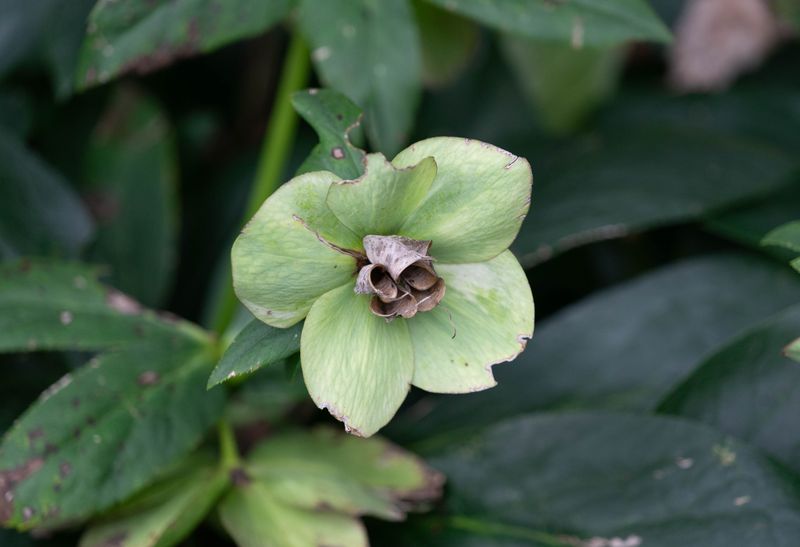
By late winter, last year’s leaves often look ragged and spotted. A quick cleanup makes a huge difference in how your flowers show off.
Wait until you see fresh flower buds or new shoots poking up from the crown. That is usually late winter or early spring in most of Ohio.
Then cut old, damaged foliage close to the base with clean pruners. Be careful not to nick the emerging buds, which can hide right under the old leaves.
This chore is about more than looks. Helleborus niger is quite prone to hellebore leaf spot, a fungal disease that leaves dark blotches on foliage.
Removing infected leaves lowers the amount of fungus hanging around. Bag or trash them rather than tossing them in the compost pile.
Wear gloves while you work. All parts of the plant are poisonous, and the sap can irritate sensitive skin.
Once the clutter is gone, the white blooms suddenly pop against bare soil and mulch. I find this little task oddly satisfying on a mild February afternoon, almost like unwrapping a present you planted years ago.
Slugs and Aphids Sometimes Sneak Onto Hellebore Flowers
Deer and rabbits tend to leave Christmas roses alone. The plant’s toxic tissues make it an unappealing snack for most furry visitors.
Smaller pests are less polite. Slugs and snails may chew holes in leaves and flowers, especially during damp, mild spells.
Check plants in the evening with a flashlight, and you might catch them in the act. Hand-picking, beer-free traps like boards laid on the soil, or iron phosphate baits can help manage them.
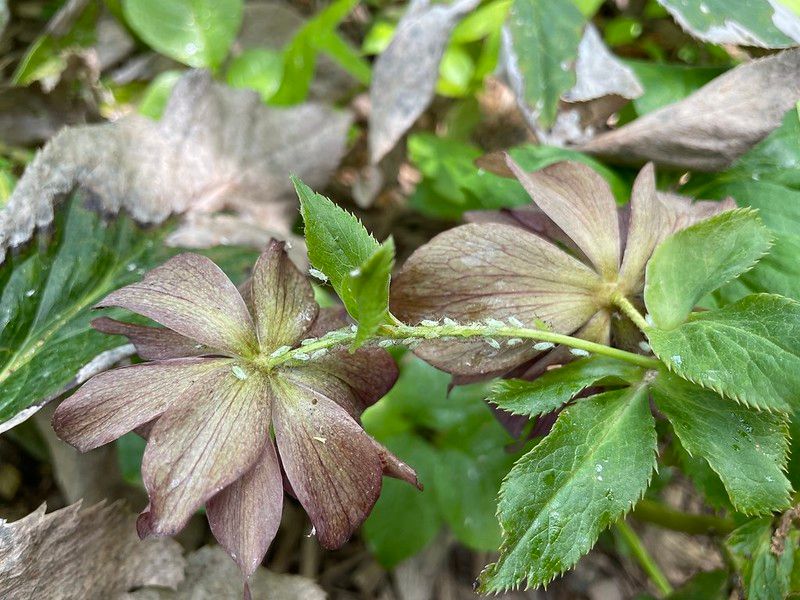
Aphids sometimes cluster on new growth in spring. A strong spray of water often knocks them off, and ladybugs are happy to help with the rest.
Good airflow matters too. Crowded, soggy beds invite both pests and fungal trouble, so give clumps some breathing room.
Black, streaky patterns on leaves can point to a more serious virus called hellebore black death in garden circles. It is more common in hybrid hellebores, and affected plants are best removed.
Most of the time, though, problems stay minor. A healthy plant in the right spot shrugs off a few nibbles.
Keeping an eye out during your winter walks is usually all the protection it needs.
A Patch of Christmas Roses Gets Better Every Winter
Here is my favorite part of growing these plants. They are long-lived perennials that often bloom for many years with very little fuss.
Each winter, a happy clump tends to grow a bit wider and produce more flowers. That early patience turns into a generous show.
Christmas roses also dislike being moved. Pick a good spot once, and let them settle in rather than shuffling them around the yard.
Want more color? Pair them with snowdrops, winter aconite, or ferns for a shady bed that looks alive in every season.
A note on safety is worth repeating. Plant them away from areas where pets or small children like to chew on leaves, since every part is poisonous if eaten.
If you shop now, look for named Helleborus niger varieties such as ‘Jacob’ or ‘Josef Lemper,’ which are known for reliable early flowers.
A few gardeners also cut blooms for small vases indoors. Floating a flower in a shallow bowl of water is a sweet way to enjoy it up close.
Start with one or two plants this year. By a few winters from now, you may wonder how you ever gardened in Ohio without them.