The Invisible Disease Forcing Minnesota Hunters To Stop And Test Deer
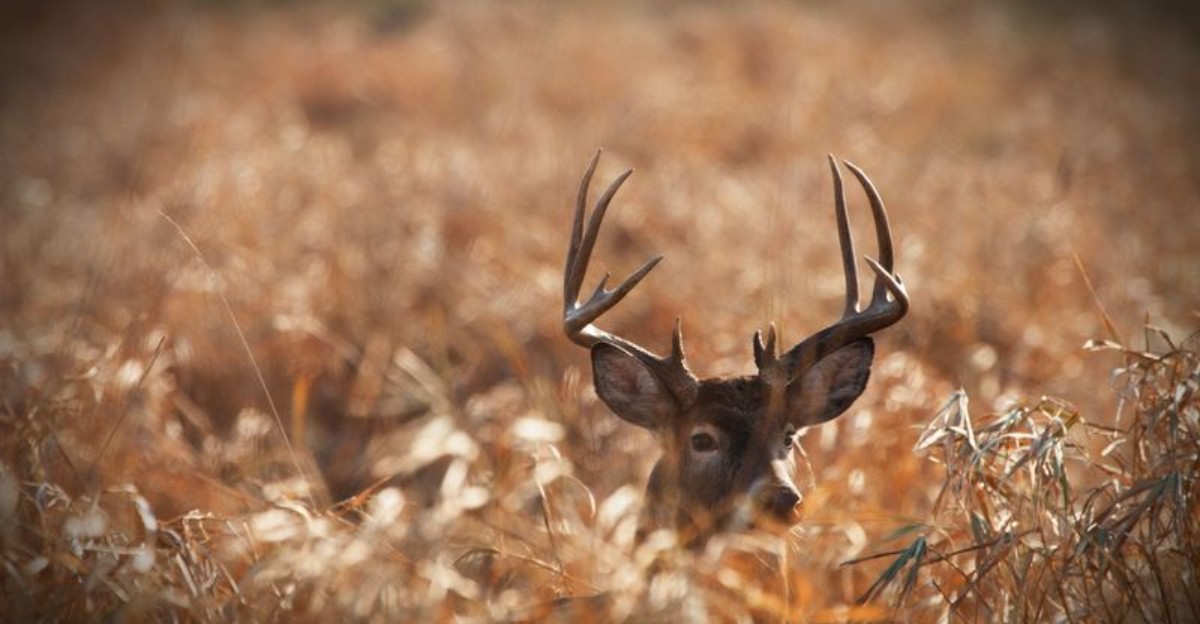
A deer can look sleek, strong, and perfectly normal while carrying an illness that may take a year or more to show itself.
That fact stopped me cold the first time I read it. Your eyes, your binoculars, and years of field sense may not catch it at all.
In Minnesota, wildlife officials now ask some hunters to pause after the shot and hand over a small tissue sample. The sample comes from lymph nodes in the neck, and lab results usually arrive within a couple of weeks.
I used to think disease meant a skinny, stumbling animal you could spot from a stand. Turns out the real trouble hides in proteins too tiny to see, and they can linger in Minnesota soil for years.
So what happens to the venison while you wait? And why does your harvest matter to biologists so much?
That Healthy-Looking Whitetail Buck Could Be Carrying a Secret
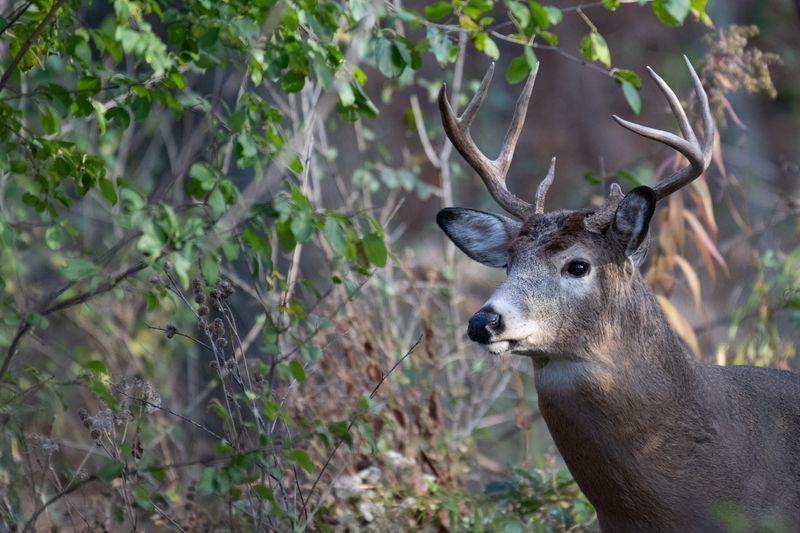
Most hunters trust their eyes. A thick-necked buck with a glossy coat and a solid rack seems like the picture of health, and for most of history that judgment worked fine.
The illness behind this new routine plays by different rules. A deer can carry it for well over a year before any symptoms appear, according to the Minnesota DNR.
During that quiet stretch, the animal eats, travels, ruts, and mingles with other deer like nothing is wrong.
Late-stage signs do show up eventually. Infected deer may lose a lot of weight, drool, drink and urinate heavily, droop their ears, or wander without fear of people.
By that point, though, the animal has likely been shedding the problem into its surroundings for months.
That gap is the reason the disease earns the word invisible. Nearly every deer that tests positive in Minnesota looked normal to the hunter who brought it in.
So the takeaway is simple. A clean-looking carcass does not prove a clean bill of health, and only a lab test can give you a real answer.
Knowing that ahead of time makes the testing step feel far less like a hassle and more like common sense.
Chronic Wasting Disease Is the Name Behind the Deer Testing Stations
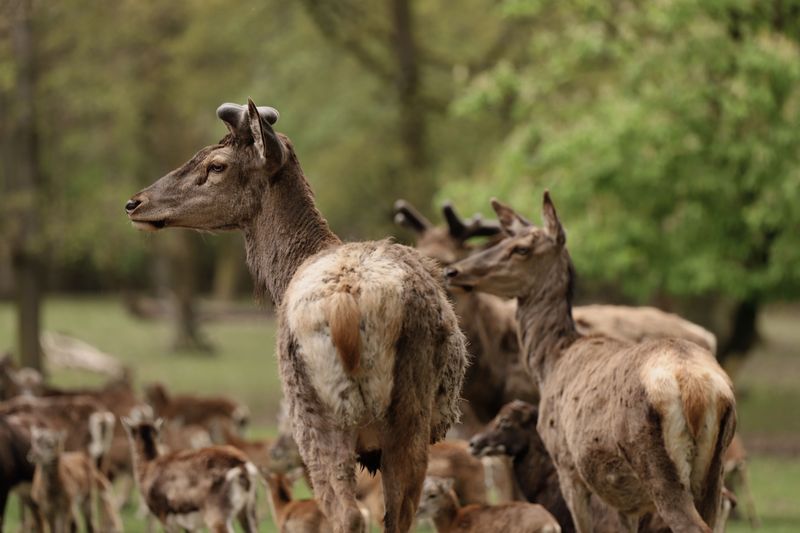
Chronic wasting disease, usually shortened to CWD, is the culprit. It affects members of the deer family, including white-tailed deer, mule deer, elk, and moose.
Unlike a virus or bacteria, CWD comes from misfolded proteins called prions. These odd proteins push healthy proteins in the brain and nerves to fold the wrong way too.
Over time, tiny holes form in brain tissue, and the animal slowly declines. No vaccine exists. No treatment exists either. Once a deer is infected, the disease runs its course, and it does not end with recovery.
Fun fact for your next deer camp chat: CWD was first spotted in captive mule deer in Colorado in the late 1960s. Scientists did not identify it as a transmissible spongiform encephalopathy, the family of diseases that includes prion diseases, until 1978.
Minnesota found its first wild case in 2010 near Pine Island in the southeast. Since then, detections have popped up in several areas, including the southeast, north-central, and metro regions.
It belongs to the same disease family as mad cow disease in cattle and scrapie in sheep. That family connection explains why health agencies take it seriously, even though the illnesses behave differently in each species.
Some Minnesota Firearms Openers Now Come With Mandatory Deer Sampling
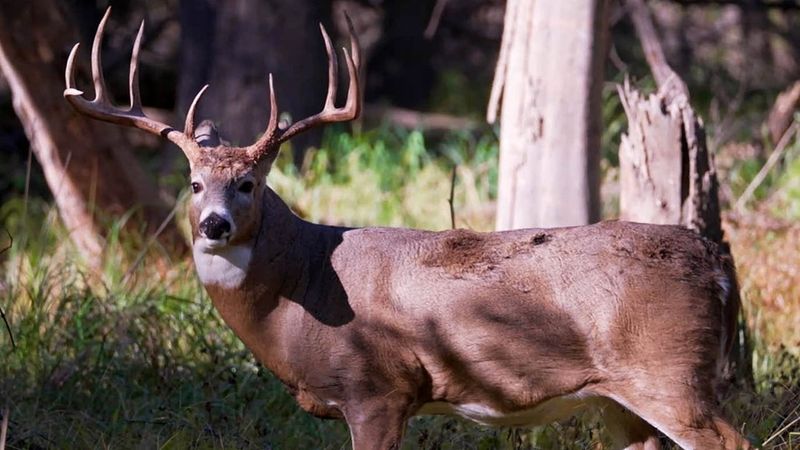
Opening weekend of firearms season used to mean coffee, blaze orange, and swapping stories at the truck. In certain parts of the state, it now also means a required stop for testing.
The Minnesota DNR uses mandatory sampling in targeted areas, often during the firearms opener when the most adult deer get harvested. Those areas can change from year to year, based on where officials need better data or where the disease has been found.
The Minnesota DNR may change mandatory testing areas from year to year. Because details like zones and dates can change, check the current DNR hunting regulations and CWD page before every season.
Usually, the rules focus on adult deer, meaning those a year old or older. Fawns are typically excluded because the disease takes time to build up to detectable levels.
Hunters in a mandatory zone generally must get the deer sampled within a set time window after harvest.
Missing that step can mean breaking the rules, so plan your route home with a sampling site in mind. A quick look at the DNR website the week before opener saves a lot of stress.
Staffed Stations, Self-Serve Kiosks, and Taxidermists Make Testing Easier
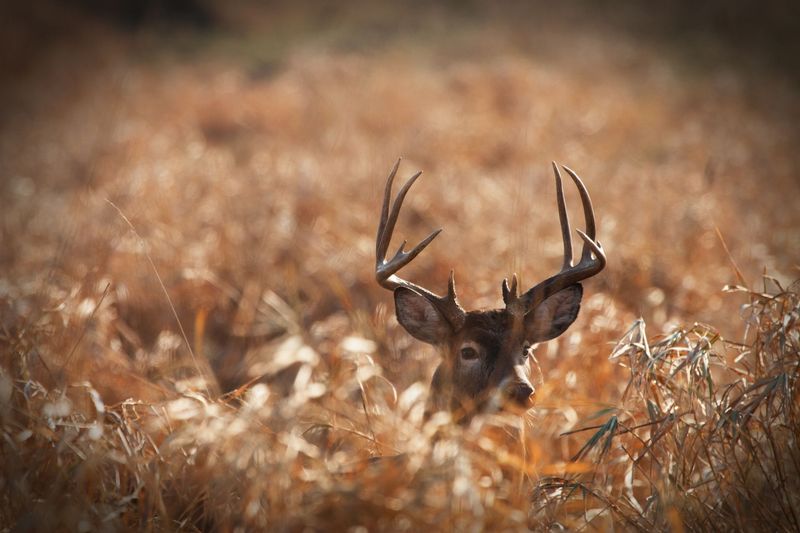
Getting a deer tested is easier than most folks expect. I braced for long lines the first time and walked away in about fifteen minutes.
The Minnesota DNR offers several options. Staffed sampling stations run during busy weekends, and trained workers remove the lymph nodes for you.
Self-service stations let you drop off the deer head with your contact info and registration number.
Many taxidermists also take part. If you plan to mount that buck, ask whether they can pull the sample while preparing the cape.
Some hunters choose to collect lymph nodes themselves using DNR instructions and kits. That route takes a steady hand and a little practice, but plenty of hunters manage it fine.
Before you go, register your deer, since the sample links to your registration number. Leave several inches of neck attached to the head, because the lymph nodes sit near the top of the neck.
Results usually post online within a few weeks, and you can look them up with your number. Testing outside mandatory zones is often voluntary and free, so sampling a deer from anywhere still helps biologists fill in the map.
Prions Can Linger in Soil Long After an Infected Deer Moves On
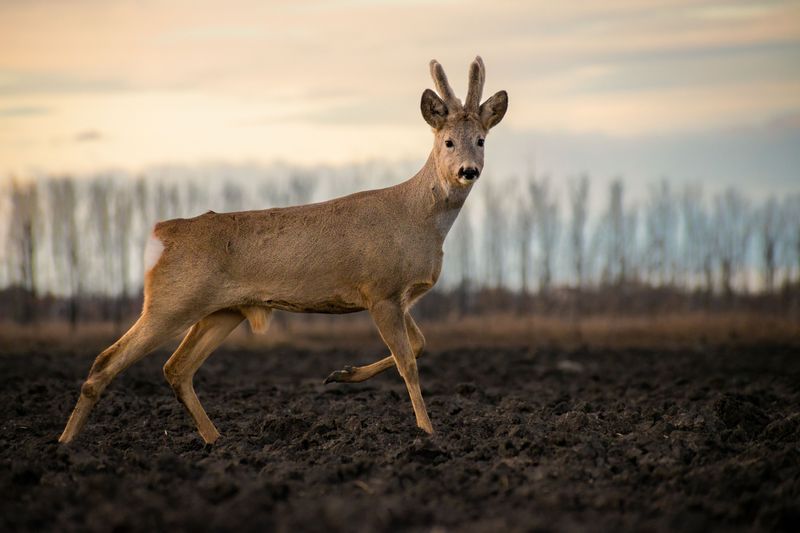
Ever notice how deer gather at the same scrapes, licks, and feeding spots? That social habit is part of why this disease moves so well.
Infected deer shed prions in saliva, urine, feces, and blood. Healthy deer can pick them up through direct contact, like grooming or sniffing. They can also pick them up indirectly from soil, plants, and water.
Prions are remarkably tough. Research shows they can stay infectious in the environment for years, and they resist freezing, common cleaners, and normal cooking heat.
Carcasses spread the problem too. An infected deer that decays in the woods can leave prions behind in that spot. Moving a carcass from one area to another can carry the disease to new ground.
Minnesota has rules about moving carcasses out of certain zones and bringing them in from other states. In general, boned-out meat, clean skulls, hides, and finished taxidermy are allowed, while whole carcasses face limits.
Baiting and feeding deer are also restricted in many CWD areas. Piles of corn bring noses together in one small spot, which gives prions a better chance to pass along.
Hold Off on Eating That Venison Until the Lab Results Come Back
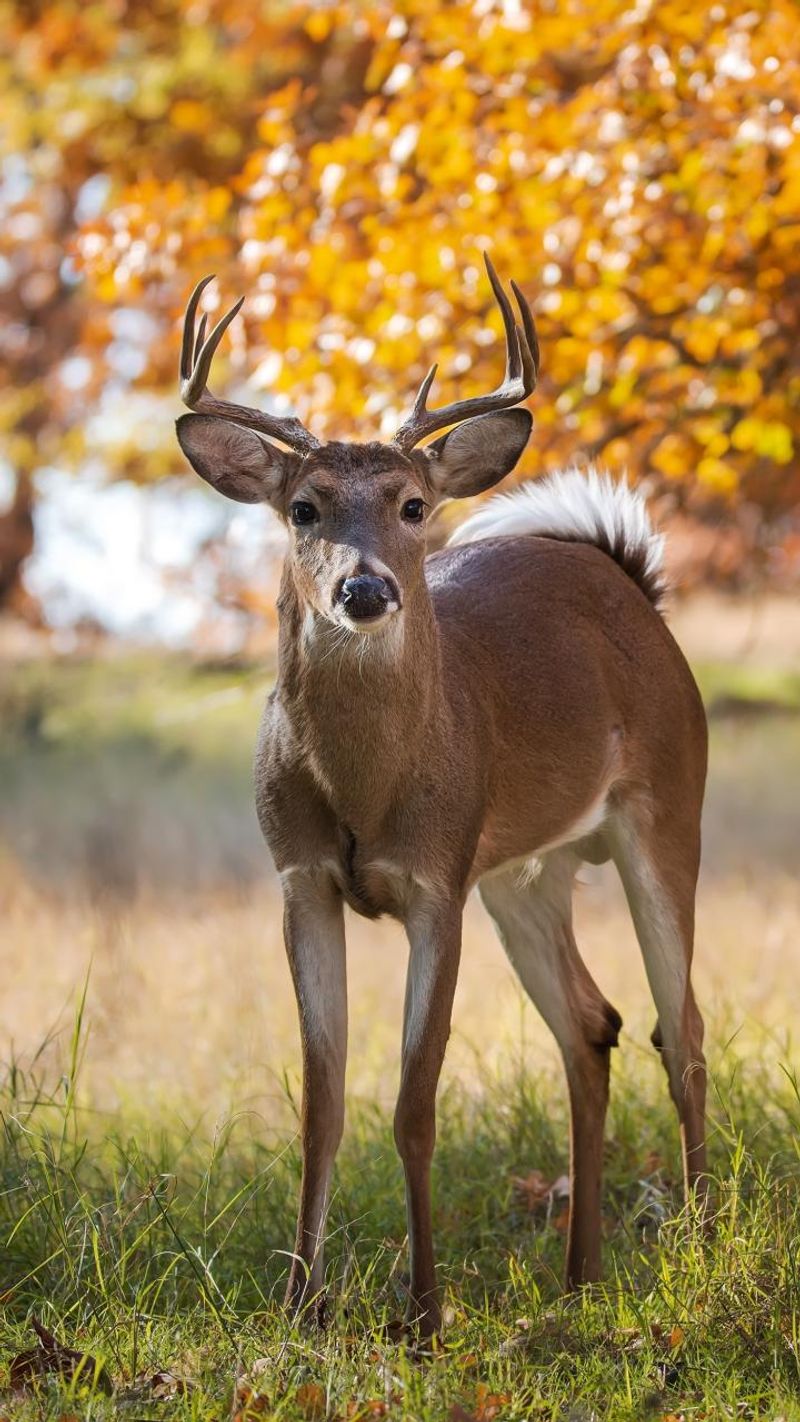
Here comes the question every hunter asks first. Is the meat safe? Scientists have not found a confirmed case of CWD in people. Even so, the Minnesota Department of Health and the CDC advise caution.
Their guidance says not to eat meat from a deer that tests positive or from any deer that looks sick.
Many hunters freeze their venison and wait for results before cooking any of it. Clear labels with your registration number make it easy to find and remove the right packages if a result comes back positive.
Processing choices matter as well. Wear gloves, bone out the meat, and avoid cutting through the brain and spinal cord.
Prions concentrate in nerve tissue, lymph nodes, and the spleen, so keep those out of your burger. If you use a commercial processor, ask whether they keep each deer separate. Mixing meat from several animals raises the odds of combining a positive deer with yours.
Wash knives and tools well when you finish. A soak in a bleach solution is a common recommendation for cleaning equipment. A little patience in November can give you peace of mind at the dinner table all winter.
Unchecked CWD Can Thin a Whitetail Herd Over Many Years
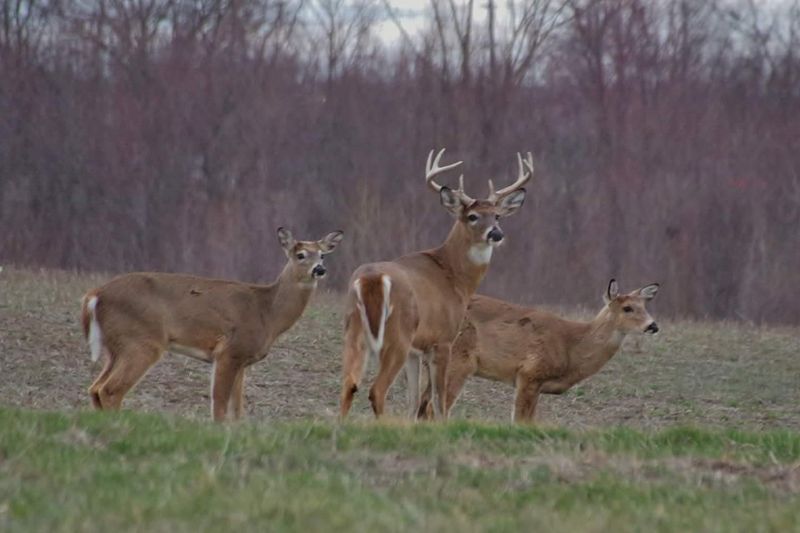
A slow problem can still be a big one. CWD does not usually sweep through a herd overnight, but long-term studies elsewhere show what can happen when it spreads unchecked.
In parts of Wisconsin and Wyoming, infection rates in some areas have climbed sharply over a couple of decades. Research in Wyoming linked high infection rates to yearly declines in local deer numbers.
Mature bucks often show higher rates of infection than does. Scientists suspect rut behavior plays a role, since bucks travel farther and contact more deer during breeding season.
Fewer deer and fewer older bucks would ripple outward. Deer hunting brings families together and supports small towns, processors, outfitters, and gas stations across rural Minnesota.
That is why the DNR acts early when new cases appear. Tools can include targeted late hunts, extra permits, carcass rules, and feeding bans in affected areas. The goal is to keep infection rates low before the disease gets a strong foothold.
Catching it early is far easier than chasing it later. Every sample adds another dot to the map, and those dots guide decisions on where to focus effort.
Your Deer Sample Helps Protect Minnesota Hunting for the Next Generation
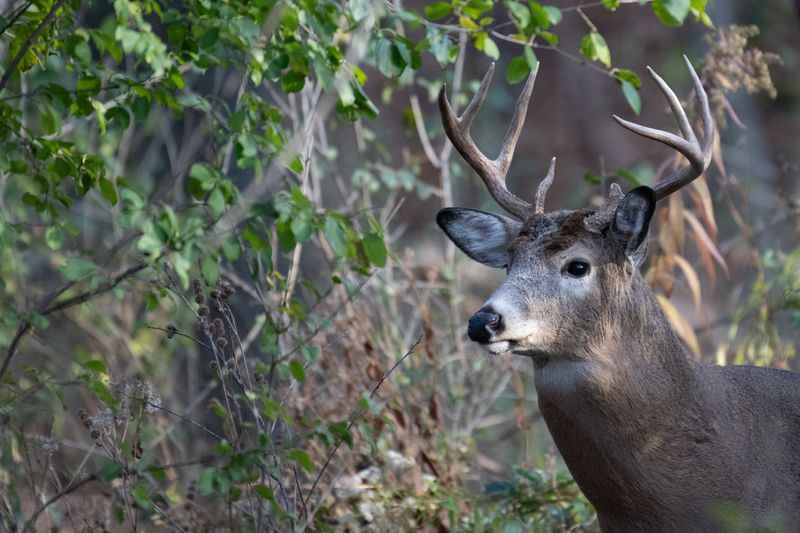
I like to think of every hunter as a quiet field scientist. One small envelope of lymph nodes might not feel like much, yet thousands of them together tell the real story.
Start with a simple plan before opener. Check the DNR website for testing zones, sampling site hours, and carcass movement rules. Save the CWD results lookup page on your phone.
Out in the woods, keep an eye out for deer that look thin, confused, or oddly calm around people. Report those animals to your local DNR wildlife office instead of handling them yourself.
Skip natural deer urine lures, since they can carry prions from captive animals. Synthetic options work for many hunters without that worry.
Bring the kids or grandkids along to the sampling station. Watching biologists work turns a chore into a real lesson about wildlife care.
Finally, share accurate info at deer camp. Rumors spread fast, but clear facts from official sources help everyone make smarter choices.
Testing takes a few extra minutes. In return, you help keep Minnesota woods full of healthy deer for the next person who climbs into that stand.