7 Vegetables Texas Gardeners Can Keep Growing Through Winter
A hard frost can actually make some garden leaves taste sweeter, almost like nature sprinkled sugar overnight. Cold weather pushes certain plants to turn stored starches into sugars that work like a natural plant antifreeze.
Across much of Texas, winter brings mild days with only scattered freezes instead of months of deep snow. That pattern lets cool-season crops keep growing while gardens up north sit quiet under thick ice.
I have to admit, pulling fresh food from my beds in January still feels like getting away with something. You might notice your neighbors peeking over the fence when your winter garden looks greener than theirs.
Texas soil and sunshine can carry a surprising lineup of crops right through the chilly months ahead of us.
1. Kale
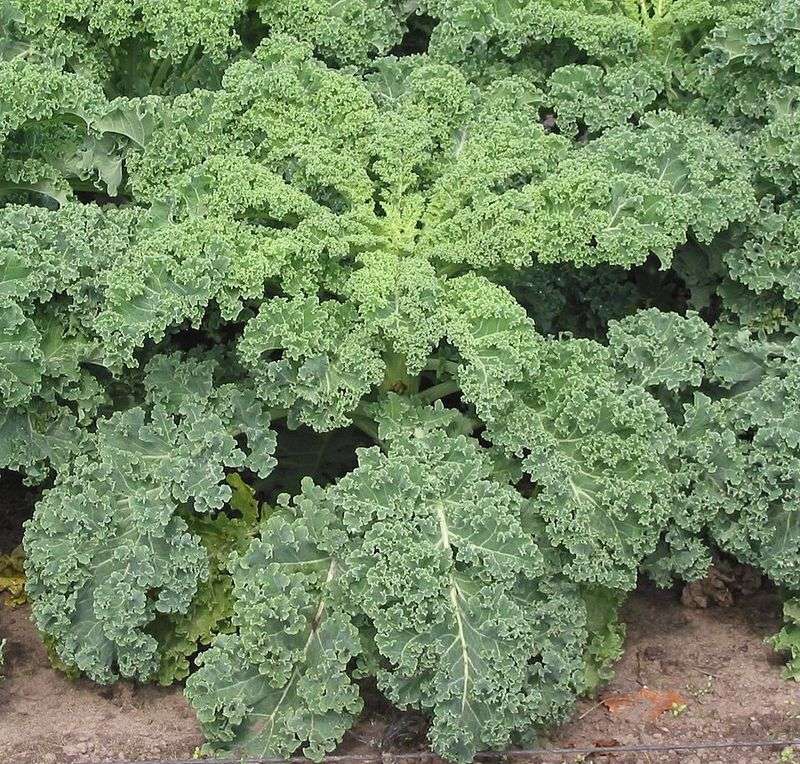
Frosty mornings turn kale leaves crisp and sweet, and I swear the flavor gets better after every cold snap. Cool weather nudges the plant to convert starches into sugars, so January kale tastes nothing like summer kale.
Many varieties shrug off temperatures near 28 degrees without any cover at all in the garden. With a good layer of mulch, some plants can handle dips close to 10 degrees on frosty nights.
North Texas gardeners usually plant in September, while folks down south can keep planting through November.
Transplants give you a head start, though seeds sprout quickly in soil that still holds some autumn warmth.
Personally, I love the frilly look of Winterbor next to the dark, bumpy leaves of Lacinato. Red Russian adds purple stems, and Dwarf Blue Curled Vates stays compact enough for a roomy patio container.
Give kale full sun and rich, well-drained soil loaded with compost for the biggest, healthiest leaves. Feeding every two to four weeks with a nitrogen-rich organic fertilizer keeps that leafy growth coming strong.
Before a hard freeze, water the bed well, since moist soil helps plants handle the cold better. Then toss a blanket or frost cloth over them in the evening if forecasts call for ice.
Harvest the outer leaves first and leave the center alone so it keeps pushing out fresh growth. A few plants can keep your kitchen stocked with greens for soups and crispy kale chips for months.
2. Spinach
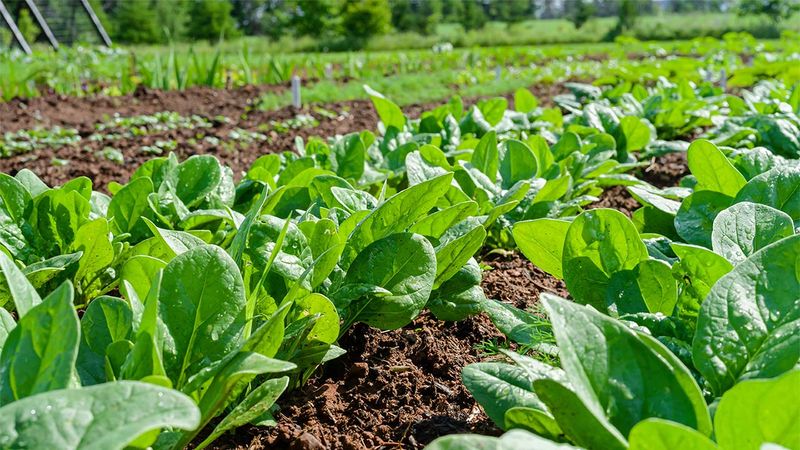
Sweet, tender spinach might be the most underrated winter crop around, and it actually prefers the cold season here. Warm spring days above 75 degrees make it bolt, so the chilly months are its favorite time.
Bolting means the plant shoots up a seed stalk, and the leaves quickly turn bitter and tough. Planting between November and March across most of Texas keeps you well ahead of that problem.
Coastal gardeners can sow seeds in October and November, then start picking leaves as early as December. What surprises me most is how happily spinach handles alkaline soil, which plenty of other vegetables dislike.
Spinach grows a surprisingly deep taproot, so loosen your bed about eight to ten inches down. Mix in plenty of compost to keep the soil rich and draining well after heavy winter rains.
Before planting, work a balanced fertilizer like 10-10-10 into the soil or band it three inches below the row. I also like an occasional splash of liquid seaweed, which seems to make the leaves extra lush.
Mature plants take light frost in stride, but young seedlings appreciate a frost cloth when nights drop near 26 degrees. Keep the soil evenly moist, since dry spells can stress spinach and slow its growth down.
Bloomsdale offers crinkly, old-fashioned leaves, while Space grows smooth leaves that rinse clean in just a few seconds.
Pick leaves fresh right before dinner, and you will taste why homegrown spinach beats the bagged kind.
3. Swiss Chard
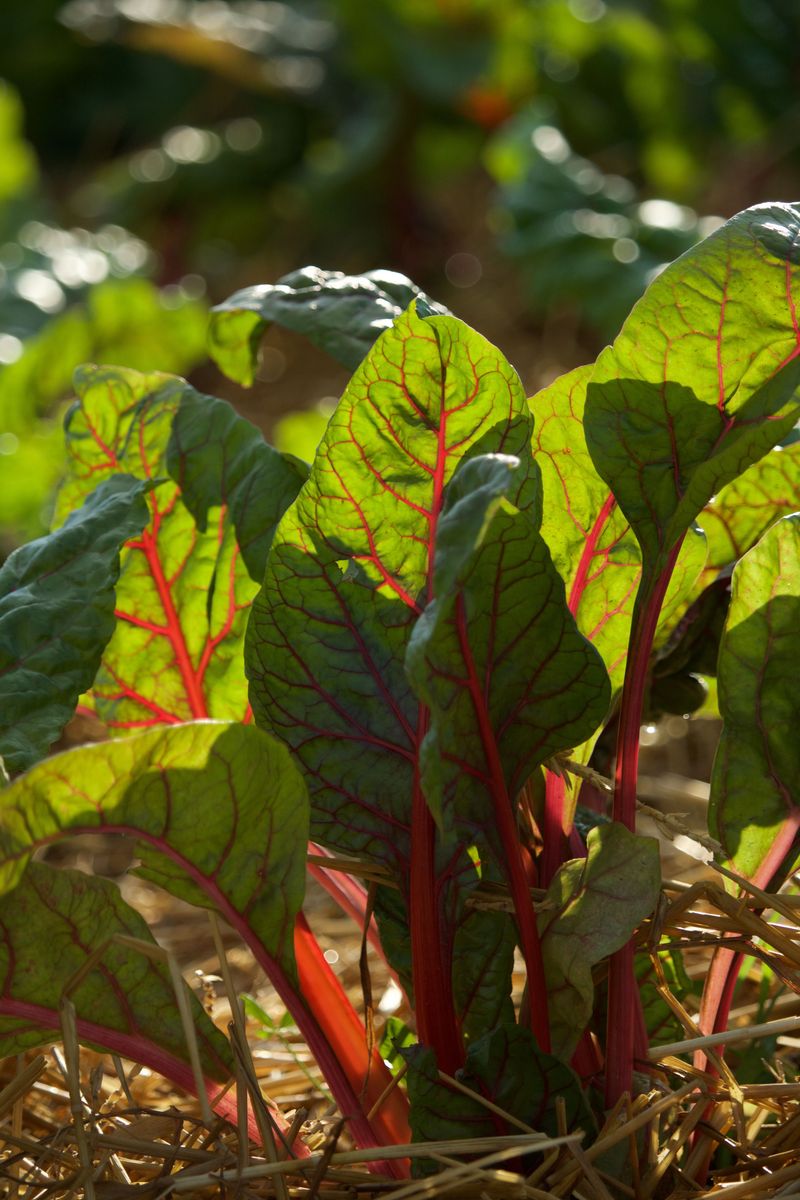
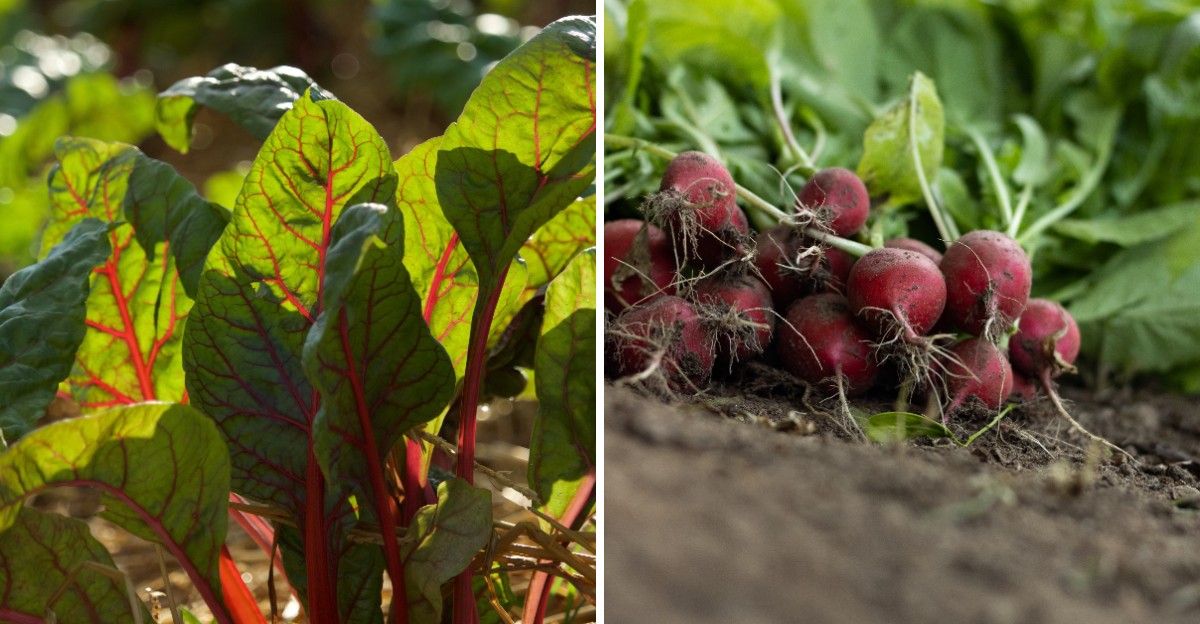
Nothing brightens a gray January bed quite like Swiss chard, with stems glowing in neon pink and sunny yellow. I love how a row of Bright Lights looks like someone spilled a box of crayons across the garden.
Chard is actually a leafy form of the beet plant, and both share the species name Beta vulgaris. Better yet, it resists bolting in warm spells longer than many lettuces or spinach varieties do.
Plants handle temperatures down to about 22 degrees, which covers most winter nights in the central part of the state. When forecasts dip lower or ice is coming, drape a floating row cover over them each evening.
Uncover them late the next morning so the leaves can soak up sunshine and warm back up. Mid-September through October is the ideal planting window, though northern gardeners can also plant again in late February.
Full sun gives the strongest growth, but chard puts up with partial shade and even poorer soil. Still, a bed rich in compost with good drainage will reward you with much bigger leaves.
Water in the late morning or afternoon during cool weather, and spread mulch to hold moisture in. Chard also grows taller than it is wide, so it fits nicely into deep patio pots.
Both stems and leaves are edible, offering a mild flavor and a pleasant crunch in stir-fries. Snip baby leaves for salads, or let them grow full size for sauteing with a little garlic.
4. Radishes
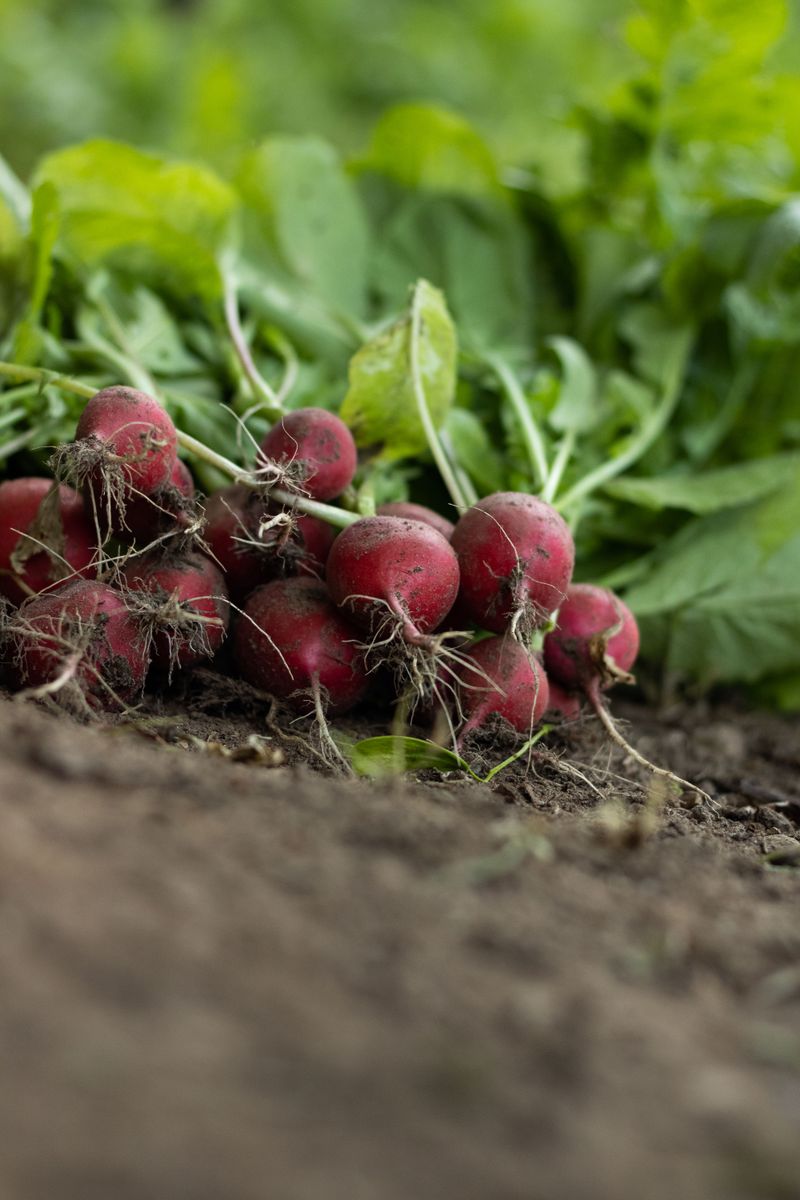
Radishes are the sprinters of the winter garden, and some salad types are ready in roughly 30 days. I believe nothing builds a beginner’s confidence faster than pulling up a bright red radish just weeks after planting.
Seeds often sprout in only four to six days, which makes them a fun garden project for kids. Sow them half an inch deep and about one inch apart directly in the garden bed.
For a steady supply, plant a fresh batch every two weeks instead of sowing everything at once. North Texas gardeners can start in September, while South Texas growers usually sow from November through January.
You’re in for a fun surprise with the colors, like red Cherry Belle or the long, rosy French Breakfast. Watermelon radishes look plain outside, yet slicing one reveals a bright pink center that steals the show.
Loose, crumbly soil in full sun lets those little roots swell without twisting into odd shapes. Sandy beds work beautifully, and mixing compost into heavy or alkaline soil gives roots an easier path.
Keep the soil evenly moist, and water at least once a week whenever rain stays scarce. Warm spells above 80 degrees can cause bolting, so a light shade cover helps during odd heat waves.
Pull radishes once they reach about one inch across, since forgotten ones turn tough and overly spicy. Personally, I slice them thin on tacos for a peppery crunch that wakes up any weeknight plate.
5. Carrots
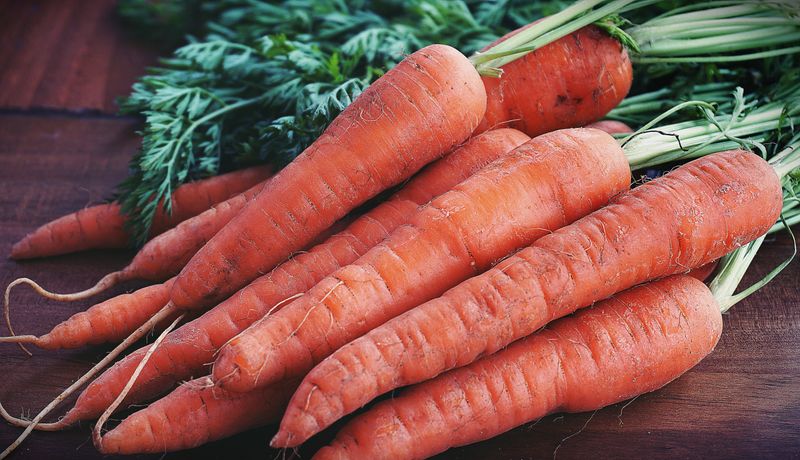
Carrots have a sneaky advantage in winter because their roots hide underground, where the soil acts like a blanket. Mature plants can tolerate temperatures as low as 15 degrees, which beats most of their leafy neighbors.
They grow happiest with nights around 55 degrees and days near 75, which describes plenty of fall weeks.
South Texas gardeners can plant from July through February, while northern areas usually sow throughout September.
Soil matters more for carrots than almost anything else, because rocks and hard clay create forked, twisted roots. Work your bed deep and loose, adding compost and expanded shale if you garden in heavy clay.
Skip fresh barnyard manure in the carrot bed, since it can make roots fork into funny little legs. A cup of 10-10-10 fertilizer per ten feet of row, mixed a few inches deep, works nicely instead.
I have to admit, waiting for carrot seeds to sprout tests my patience, since they take 14 to 21 days. Mixing in a few radish seeds marks the row, because radishes pop up within a week.
Sow seeds half an inch deep and keep the surface moist with frequent, light watering to prevent crusting. Thin seedlings to one inch apart at first, then to two inches once they reach six inches tall.
Most carrots are ready in 70 to 80 days, so loosen the soil before pulling to avoid snapping them. Try purple or white varieties too, since colorful carrots can make dinner feel like a fun experiment.
6. Collard Greens
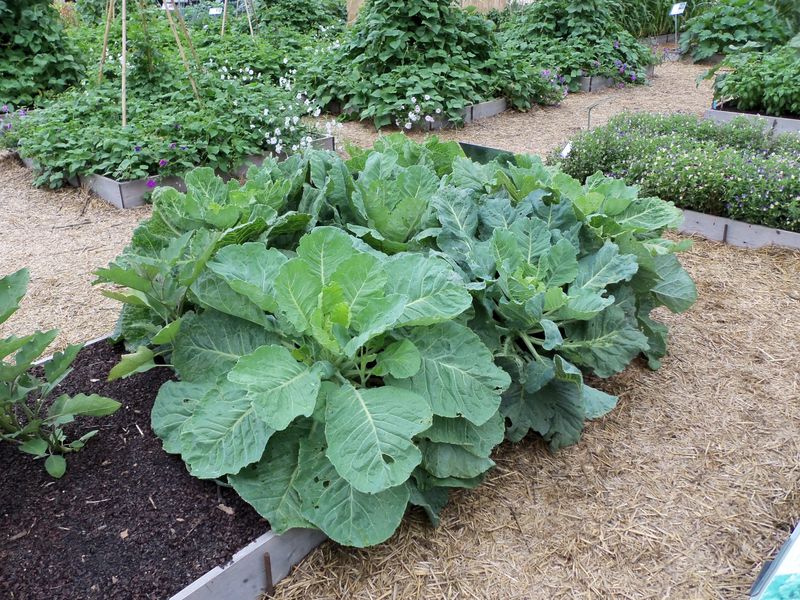
Collards have deep Southern roots, and generations of cooks have simmered these big, leathery leaves low and slow. Even better, a light frost actually sweetens their earthy flavor before they ever reach the pot.
The plants handle temperatures around 20 degrees or even lower without much fuss in most home gardens. In mild southern and coastal areas, collards can often keep producing fresh leaves through the whole winter season.
Unlike cabbage, collards grow in a loose, upright rosette of broad leaves instead of forming a firm, tight head. Blue Max, Champion, Georgia, and Vates are popular varieties that many local gardeners trust year after year.
Plant seeds or transplants in September or early October for steady, generous harvests all winter long. Choose a spot with at least five hours of direct sun, though full sun is even better.
Collards like fertile, well-drained soil with a pH between 6.0 and 7.5, so mix in compost before planting. Give them about one inch of water weekly, delivered at the base rather than over the leaves.
A layer of mulch holds moisture and keeps weeds down, which saves you plenty of chore time. Feed young plants with compost or a balanced fertilizer to fuel those giant leaves early in the season.
Harvest the lower leaves first, and the plant keeps growing taller like a leafy little palm tree. Look for crisp, dark green leaves, and skip any that are turning yellow or looking tired.
7. Broccoli
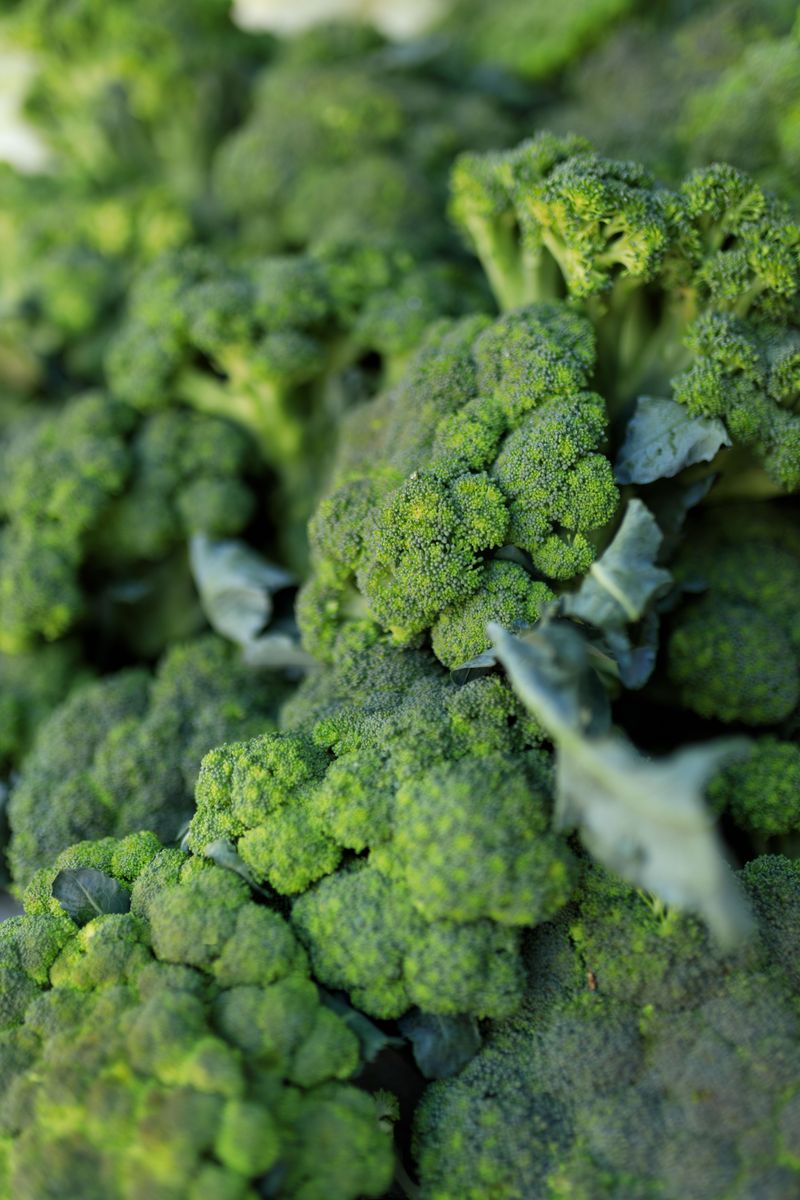
Broccoli is basically a bouquet of tiny flower buds, and we eat it before those buds open into yellow blossoms. I can’t imagine a winter garden without that big blue-green head sitting proudly in the middle of the bed.
As a classic cole crop, broccoli loves cool weather and handles light frost without much trouble. Hot days, on the other hand, can make heads loosen and flower before you get a chance to harvest.
Timing helps a lot, so set out transplants in late summer or fall depending on your region. Houston-area gardeners should get starters in before mid-October, while Dallas gardeners often plant theirs in September.
Give broccoli full sun and fertile, well-drained soil enriched with plenty of rich compost before planting day. A side dressing of nitrogen fertilizer a few weeks after transplanting helps plants build sturdy frames.
Steady moisture matters most once the heads start forming, so check the soil often during dry spells.
Mulch keeps roots cool and evenly damp, which helps the developing heads stay tight and grow to a satisfying size.
Harvest the main head while the buds are still tight and dark green, cutting the stem at an angle. You might notice small yellow petals peeking out if you wait too long, so check plants every few days.
Leave the plant in place afterward, because many varieties send out smaller side shoots for weeks. Personally, I think those bonus florets taste even sweeter, and they are perfect for roasting on a sheet pan.