What Fig Rust Looks Like In Pennsylvania And How To Stop It
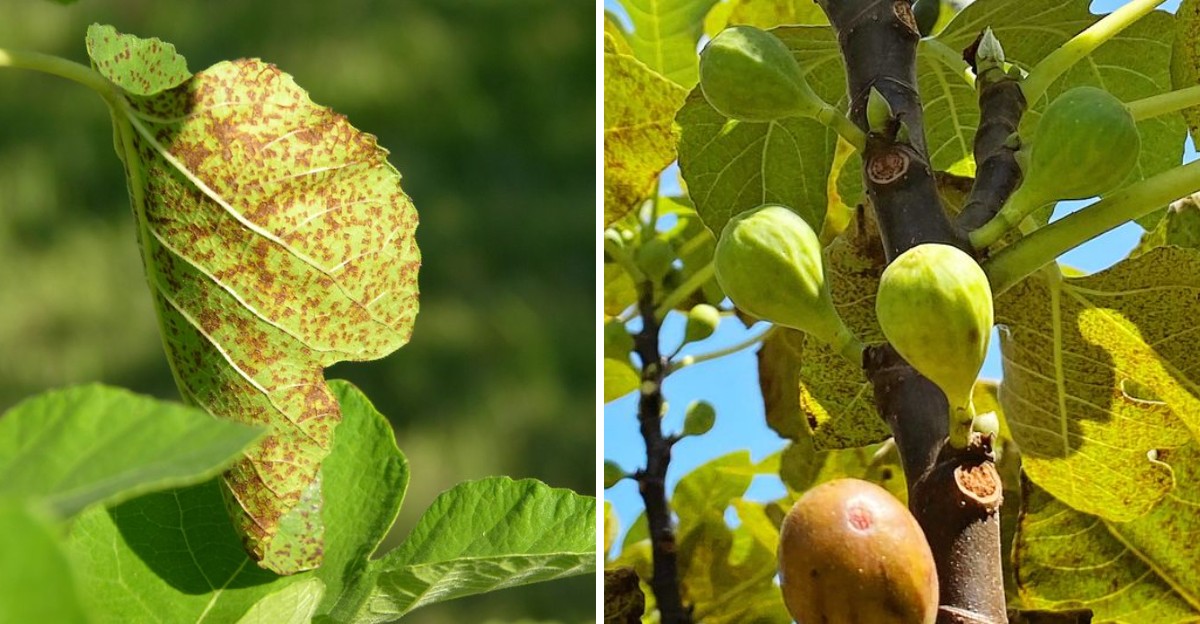
A fig leaf can turn rusty without a speck of metal anywhere near it. The orange-brown powder is made of spores, and each tiny blister on the leaf underside releases them by the thousands.
I love growing figs in Pennsylvania, but our muggy late summers test my patience. The trees handle cold surprisingly well with protection, yet a damp August can leave the leaves freckled and sad in just a few weeks.
You’re in for a surprise if you expect the fruit to show the damage first. The leaves take the hit, and the tree often drops them early, leaving branches bare while figs are still ripening.
So what does this problem really look like up close, and can a home gardener stop it before the leaves fall? I believe a little detective work goes a long way here, and the clues are hiding in plain sight.
1. Those Tiny Yellow Freckles On Fig Leaves Are Telling A Story
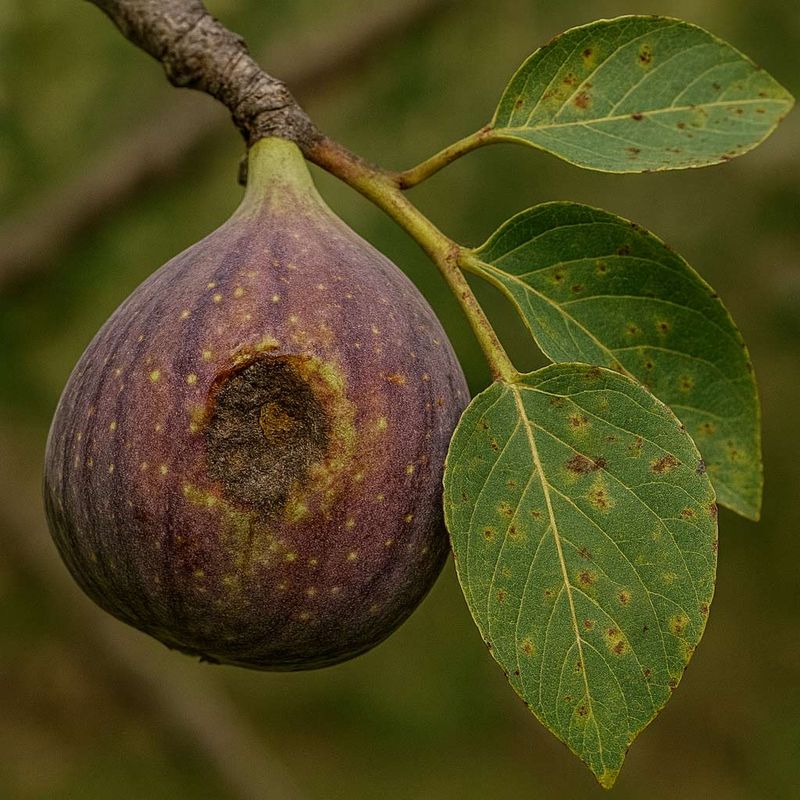
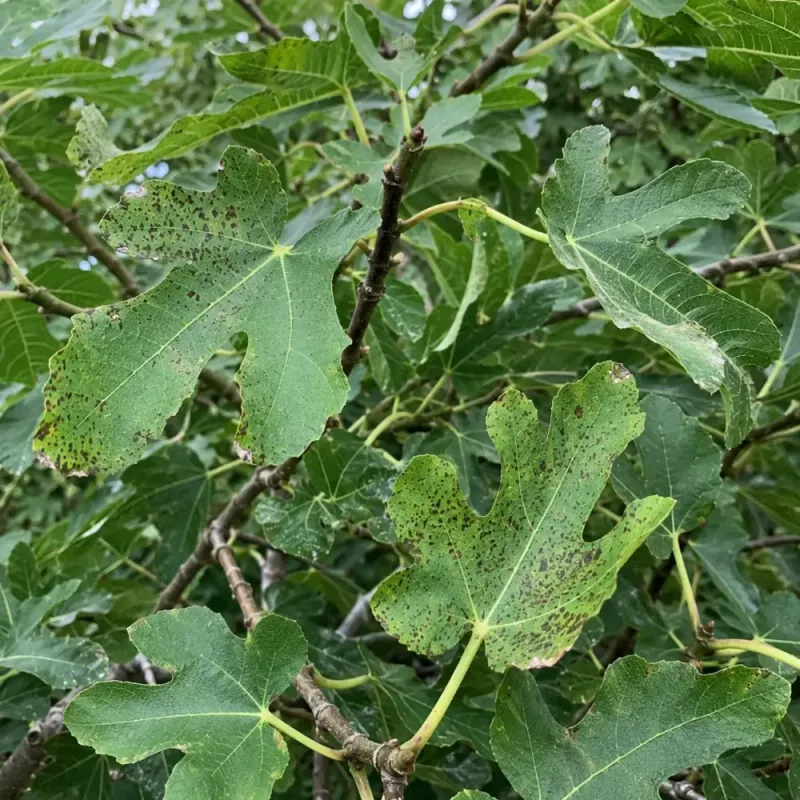
Most gardeners notice the first clue while picking figs. Small yellow flecks pop up on the top of a leaf, often no bigger than a pinhead, and they look a bit like someone flicked paint at the tree.
Fig rust is caused by a fungus called Cerotelium fici. In Pennsylvania, it usually appears from late July through September, when warm nights and heavy dew keep leaves damp for hours.
Older, lower leaves often show spots first because they stay shaded and wet the longest. Over a week or two, the yellow flecks grow and turn tan or reddish brown.
Spots can be angular because leaf veins limit how far they spread. A badly infected leaf may look speckled from edge to edge.
Personally, I check the lowest branches first every time I water. Those leaves are the early warning system for the whole tree.
Other problems can look similar, so take a careful look. Fig mosaic virus makes blotchy yellow patterns rather than tidy spots, and sunscald browns leaf edges on the sunny side.
Rust is the one with matching bumps underneath, which brings us to the next clue. Flipping the leaf is the step that confirms what you are seeing.
2. Flip The Fig Leaf Over To Find Rusty Orange Pustules
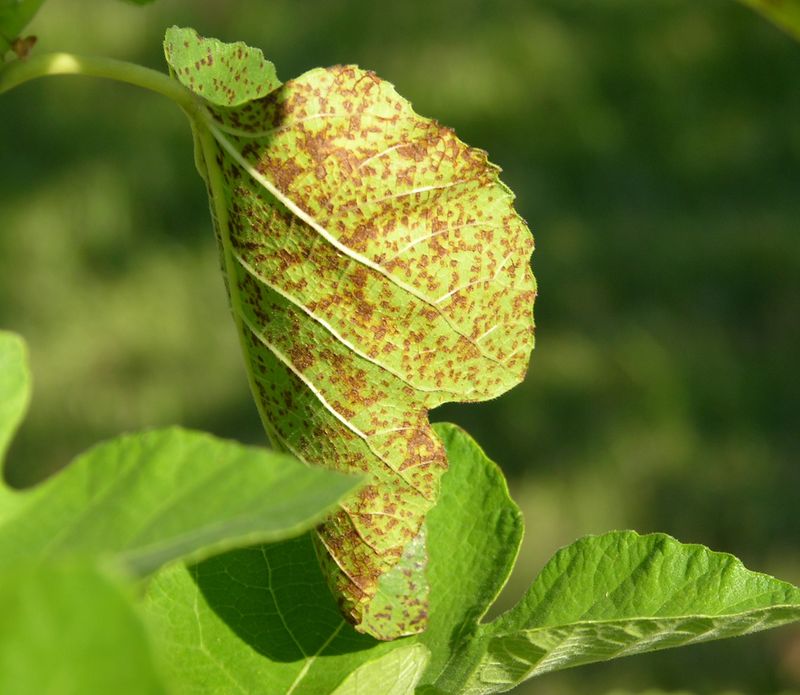
Here is the trick that solves the mystery in seconds. Turn the spotted leaf over, and you will often see raised, blister-like bumps right under each yellow spot.
These pustules are yellowish orange to reddish brown. Rub one with a white tissue, and you may see a faint rusty smear. That powder is made of spores, and wind and splashing rain carry them to fresh leaves nearby.
I like using a cheap magnifying glass for this job. Under magnification, the bumps look like tiny volcanoes, and that image sticks with you. Kids usually find it fascinating, so it makes a great garden lesson.
If you see bumps on the underside, you can be fairly sure it is rust. Leaf spot diseases from other fungi tend to leave flat brown spots with no powder.
Insect damage, like mite stippling, shows tiny pale dots with fine webbing instead.
Snap a clear photo of both sides of the leaf. If you are unsure, Penn State Extension offers a Plant Disease Clinic that can identify samples.
A confirmed diagnosis keeps you from wasting time or money on the wrong fix, and that matters when the season is short.
3. Rake Up Fallen Fig Leaves Before Winter Sets In
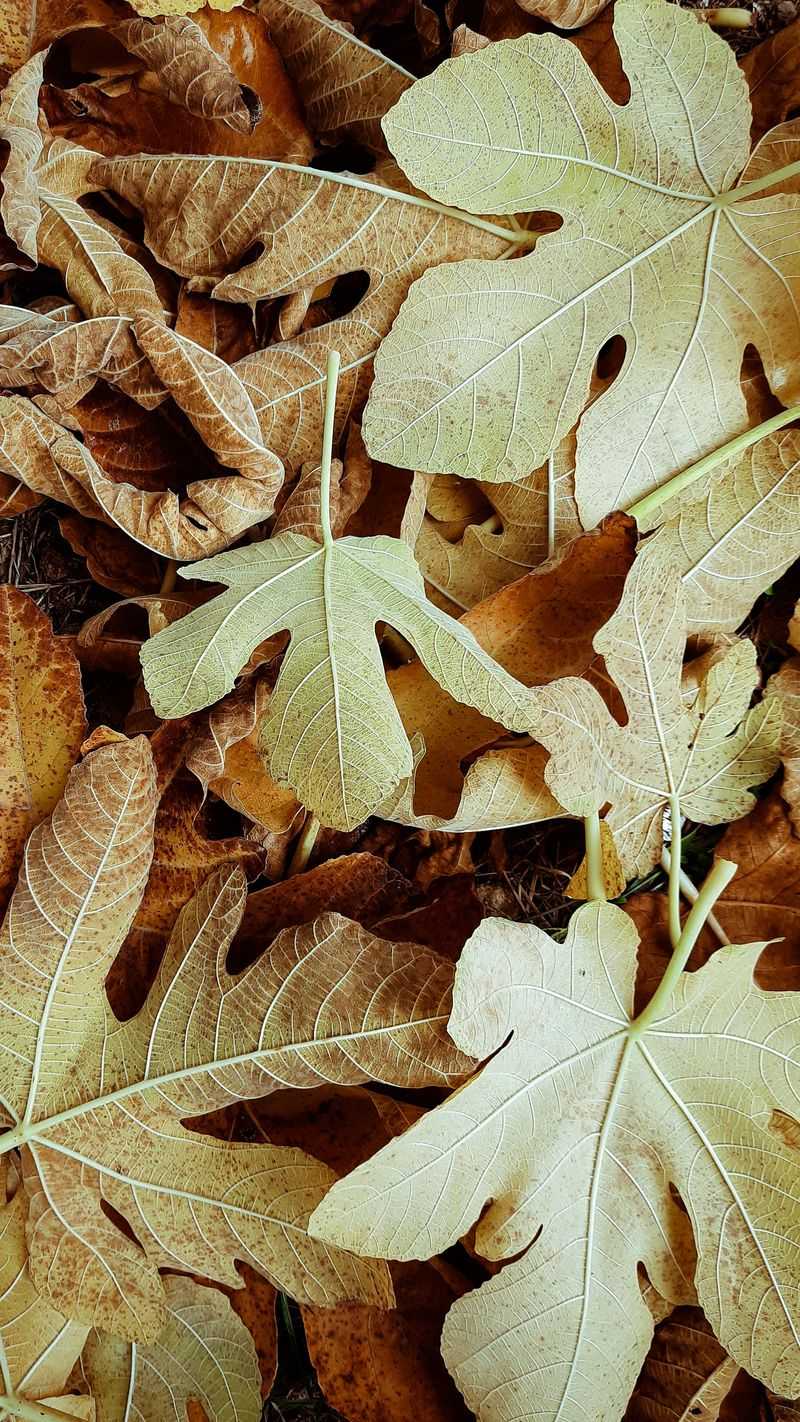
Cleanup is the single most useful thing you can do. The fungus hangs on in fallen leaves and debris, so a messy patch under the tree gives next year’s infection a head start.
Once the leaves drop in fall, rake every one you can find. Bag them for the trash or yard waste pickup instead of your home compost pile. Backyard piles rarely get hot enough to reliably break down disease spores.
I also pick off spotted leaves during summer when only a few are affected. Drop them straight into a bag, not on the ground. It takes five minutes and slows the spread to healthy leaves.
After raking, add a fresh layer of mulch under the tree. Mulch helps block rain from splashing soil and old debris up onto low leaves in spring.
Many Pennsylvania fig growers wrap trees or move potted figs into a garage for winter. Before you wrap or move them, clear away any leaves stuck in the branches or the pot.
Those clingy leaves are easy to miss, and they travel right along with your tree into storage. A tidy tree heading into dormancy sets up a cleaner start next season.
4. Prune Your Fig Tree For Breezy Branches
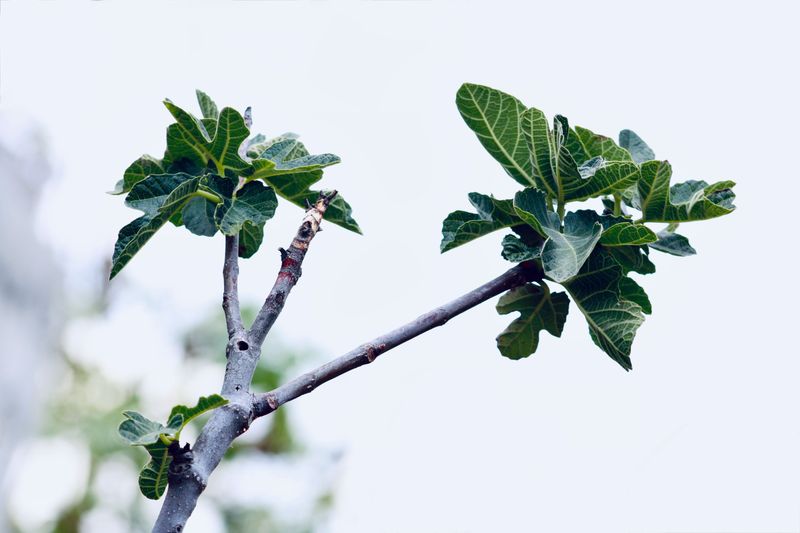
Fungus loves a stuffy room. A dense fig with crowded branches traps humidity, and leaves inside the canopy stay wet long after the sun comes out.
Thinning the tree lets air move through and dries leaves faster. Remove crossing branches, weak shoots, and suckers crowding the center. Aim for an open shape where you can see sunlight reaching the middle.
Timing matters in Pennsylvania. Prune in late winter or early spring, after the worst cold has passed but before new growth starts.
Pruning in fall can leave fresh cuts exposed right before freezing weather, and figs already struggle with our winters.
You can also pinch back extra shoots in early summer. I find this keeps the tree manageable without big cuts later.
Spacing helps too. If you are planting a new fig, give it room away from walls and fences that block breezes, while still choosing a sunny, sheltered spot for winter protection.
A south-facing location with open air on at least one side is a nice balance. For potted figs, keep containers a few feet apart instead of clustered on the patio.
That little gap lets each tree breathe, and your leaves will thank you by staying clean longer.
5. Water The Soil, Not The Fig Leaves
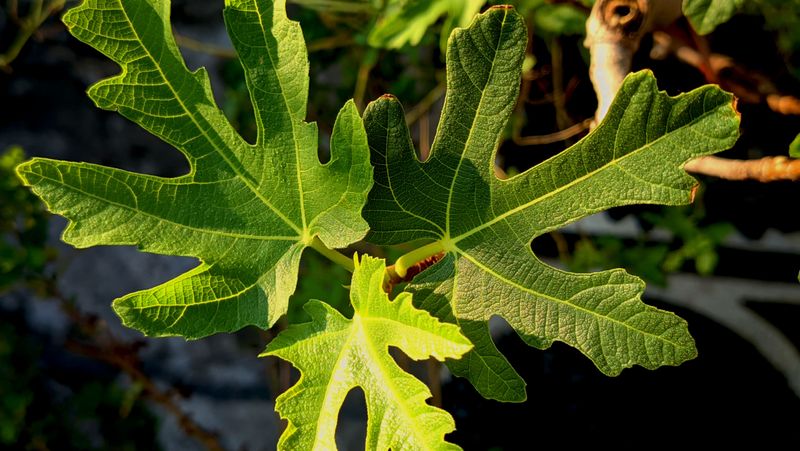
Sprinklers are sneaky troublemakers. Every time they wet the leaves, rust spores get the moisture they need to sprout and infect.
Switch to a soaker hose, drip line, or watering can aimed right at the base. Keeping leaves dry is one of the easiest ways to slow this disease. Your figs still get deep moisture where the roots need it.
Morning is the best time to water. Any splashes dry off quickly in the sun, while evening watering leaves foliage damp all night. That overnight dampness is exactly what the fungus wants.
Figs prefer evenly moist, well-drained soil. Soggy ground stresses roots, and a stressed tree tends to handle disease poorly. In containers, make sure drainage holes stay clear.
You can’t control rainstorms or summer dew, of course. That is fine, because reducing extra wet hours still makes a real difference over a season.
One more tip I picked up from experience is to skip hosing down fig leaves to wash off dust or bugs during humid stretches.
If you must spray leaves for pests, do it early on a sunny, breezy morning. Small habits like these add up, and they cost nothing.
6. Humid Pennsylvania Summers Give Fig Rust Its Big Chance
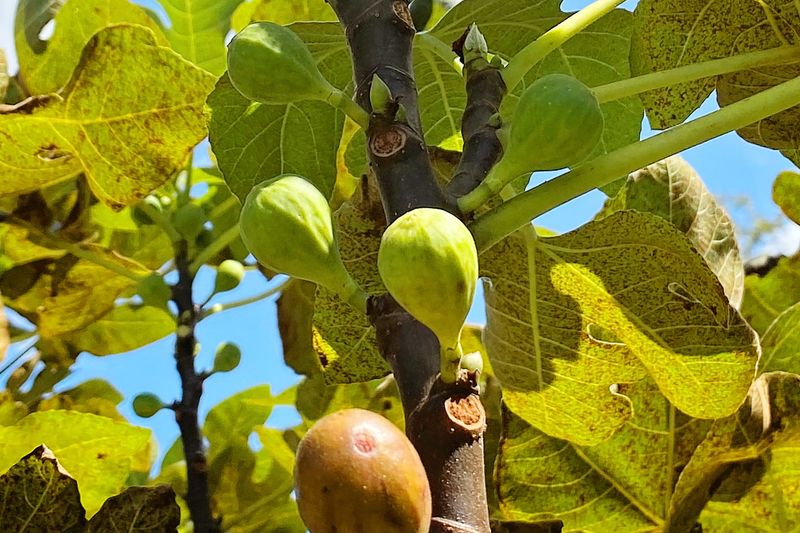
Figs come from dry Mediterranean climates, so our sticky summers feel foreign to them. Long stretches of high humidity, frequent thunderstorms, and heavy morning dew create perfect conditions for rust spores.
Warm temperatures plus several hours of leaf wetness let the spores germinate. That is why outbreaks often show up in late summer and early fall, after weeks of muggy weather have built up the infection.
Regional differences matter across the state. Southeastern areas around Philadelphia, in USDA zone 7, often have the longest warm, humid seasons for figs.
Growers in cooler zones 5 and 6, like much of central and northern Pennsylvania, usually keep figs in pots or heavily protected spots, and their shorter season can limit how long rust has to build.
Rainy years tend to bring heavier infections. A dry August might barely show any spots at all.
Paying attention to the forecast helps you plan. When a long humid spell is coming, step up leaf checks and cleanup.
I keep a simple notebook of when spots first appear each year, and patterns show up fast. Your own records may be the best local guide you have.
7. Copper Sprays Can Help Protect Fig Leaves When Used Carefully
Sprays are a backup plan, not a first move. Very few fungicides are labeled for home fig trees, and they work as protection, not as a cure for leaves already spotted.
Copper-based products are the option most often mentioned by extension services in the South, where fig rust is common.
Some labels list figs, but not all do. Read the label carefully and only use products that list figs and fig rust or similar diseases.
Fungicides work best when applied before symptoms spread, often starting when new leaves are developing and repeated during wet weather.
Follow the label interval exactly. More spray rarely means better results, and copper can build up in soil over time.
Be careful around fruit. Spray residue can make figs unappealing, so check pre-harvest limits on the label.
Honestly, many Pennsylvania home growers skip sprays entirely. Cleanup, pruning, and smart watering usually keep rust at a level the tree can handle.
If you do spray, wear gloves and eye protection, and pick a calm day. Keep pets and kids away until it dries. Treat this step as a tool for stubborn, repeat problems rather than a routine habit.
8. Bare Fig Branches In September Usually Bounce Back Next Spring
Seeing a fig drop half its leaves in September can feel heartbreaking. Take a deep breath, because rust rarely threatens the life of an established tree.
The real cost is energy. Fewer leaves mean less sugar for the tree, so late figs may ripen slowly or stay small. Repeated heavy leaf loss year after year can weaken a tree and make winter harder on it.
Healthy habits give your fig the best comeback. Feed lightly in spring with a balanced fertilizer, and avoid heavy nitrogen, which pushes soft, crowded growth.
Keep mulch in place and water steadily during dry spells. Variety choice helps too.
Cold-hardy figs popular here, like Chicago Hardy and Brown Turkey, are favorites for surviving winters, though no common fig is fully rust-proof. Ask local fig growers which trees held their leaves best in rainy years.
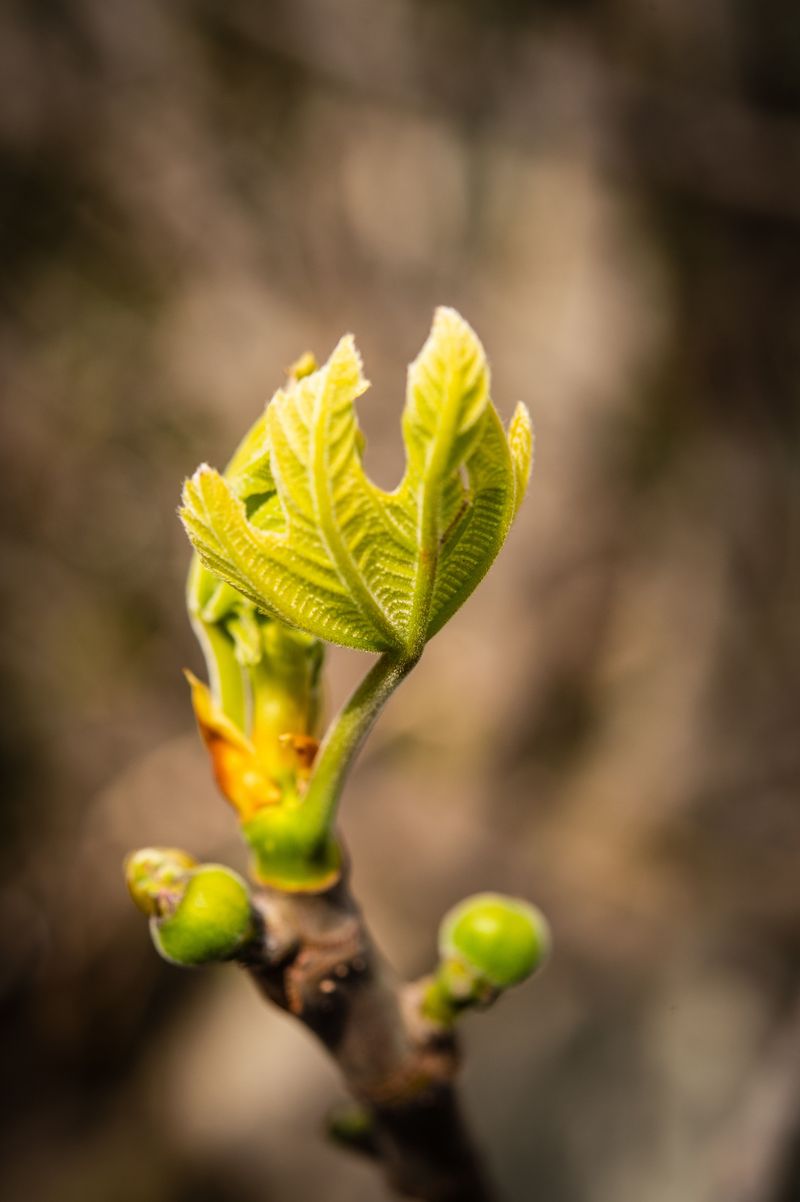
Next spring, watch the fresh leaves unfold and celebrate them. Then start your routine early with weekly leaf checks, dry watering, and an airy canopy.
I believe consistency beats any single product. A little attention each week keeps your fig leafy longer and gives those sweet late-summer fruits time to finish ripening.